


Archive
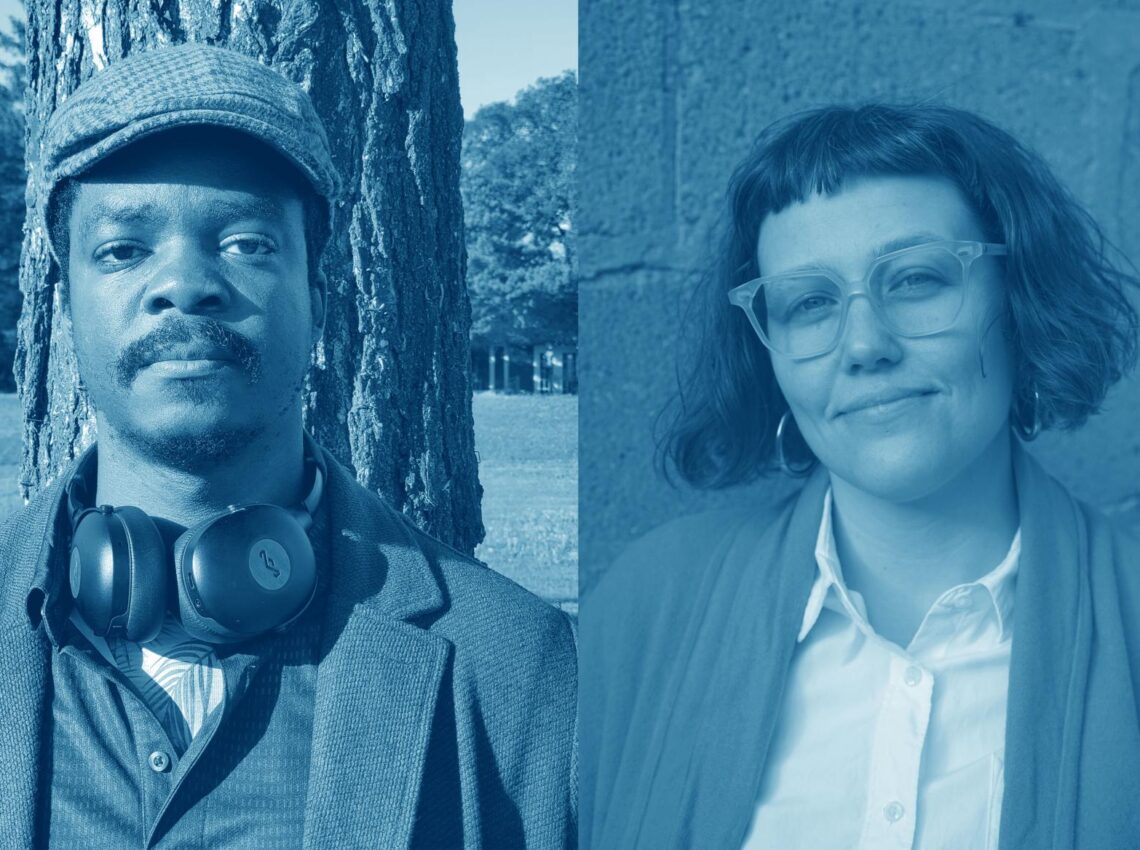
Public Parking: Editorial Residency Project
Public Parking is very delighted to announce our new editorial residency program. For this program, we aim to work with thinkers who are adjacent or outside the realm of the arts as part of Public Parking’s ongoing efforts to broaden the scope of ideas we feature and the communities we reach. This pilot project invites guest editors to be residents at Public Parking over an extended six-month period. They will work with our team to publish a series of either self-written or programmed texts throughout this time. We are delighted to welcome editorial residents Chigbo Arthur Anyaduba and Emily Doucet for the inaugural run of…
Read More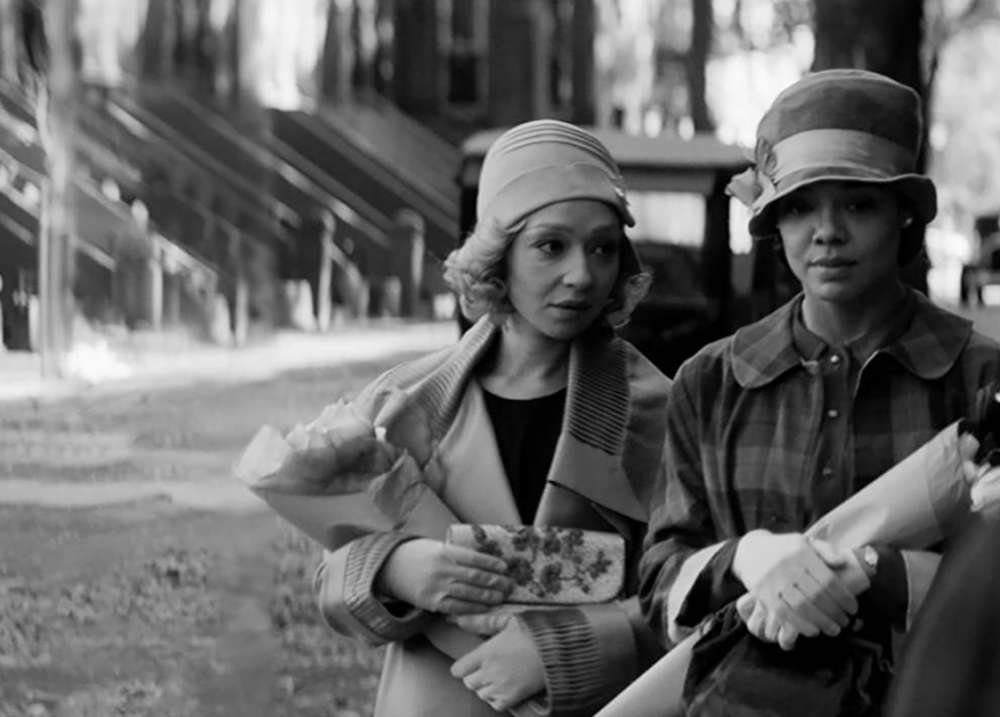
Other lives
A discussion on Brit Bennett’s ‘The Vanishing Half’ The Vanishing Half, Brit Bennett’s lauded sophomore novel, celebrated its first birthday this spring but it already feels like a timeless classic. All the praise and discussion it has accumulated since its release has been beyond valid. It is the kind of fiction generations to come will continue to study and write book reports on. Merely reading and containing it within yourself won’t feel enough. The novel inherently elicits us to read, reassess, share, and have conversations with others. It gives us a lot to think and ponder over. Bennett spent five…
Read More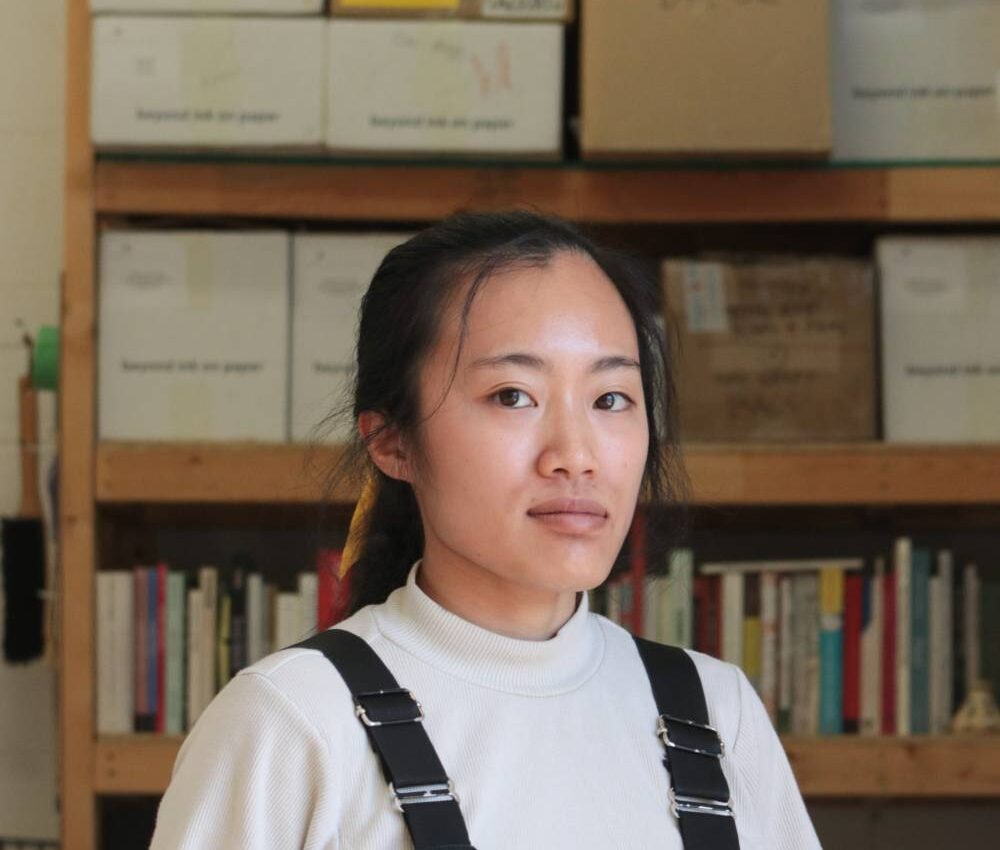
The Great Refusal: in conversation with Michelle Nguyen
Michelle Nguyen’s artwork will enworld* you. Monstrous vegetation joins with naked, dripping, feminine bodies who live ferociously without ever doing too much. Figures pour from one orifice into another and commune with anthropomorphic meat. Colours push out towards the viewer. In the world of the painting, bodies, surfaces, paints, and textures party, seeming to want the viewer to become involved. Her work is luxurious, a little foreboding, and streaked with absurdity. Across her many mediums, drawing, print, clay, and largely in paint, Nguyen shows how the abject is cased in potential, still radiating beauty. Nguyen and I have known each…
Read More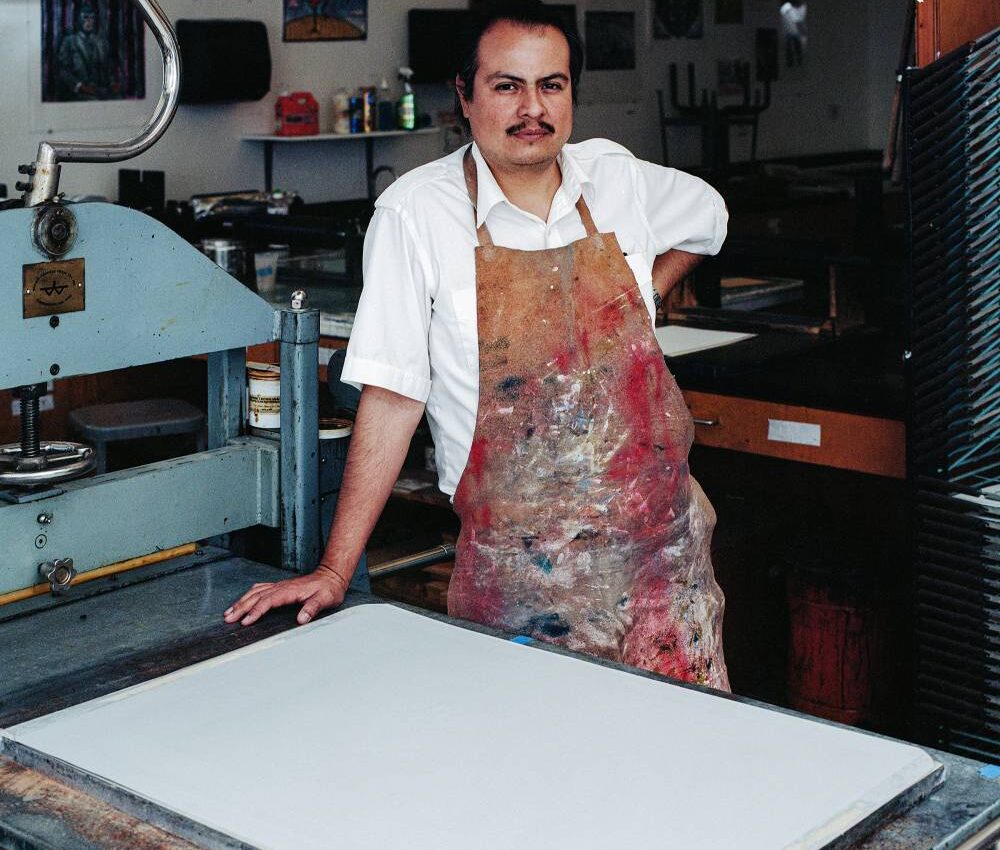
Cracks and Fissures: Saúl Hernandez-Vargas’ Strategies of Intervention
In a time of extreme social and political polarization, it is urgent to examine the historical narratives on which these ideological differences rest. In Mexico, colonial nationalist rhetoric takes on a mythic quality, and results in the homogenization of Indigenous identity and material culture. Yet art can introduce cracks and fissures to hegemonic histories and excavate the stories concealed beneath them. For Saúl Hernandez-Vargas, an artist from Taller de Artes Plásticas Rufino Tamayo, Oaxaca, this excavation is literal. I first encountered the artist through the 2017 works Plate #1, #2, and #3 and through documentation of the exhibition No queda nada para nosotros en la…
Read More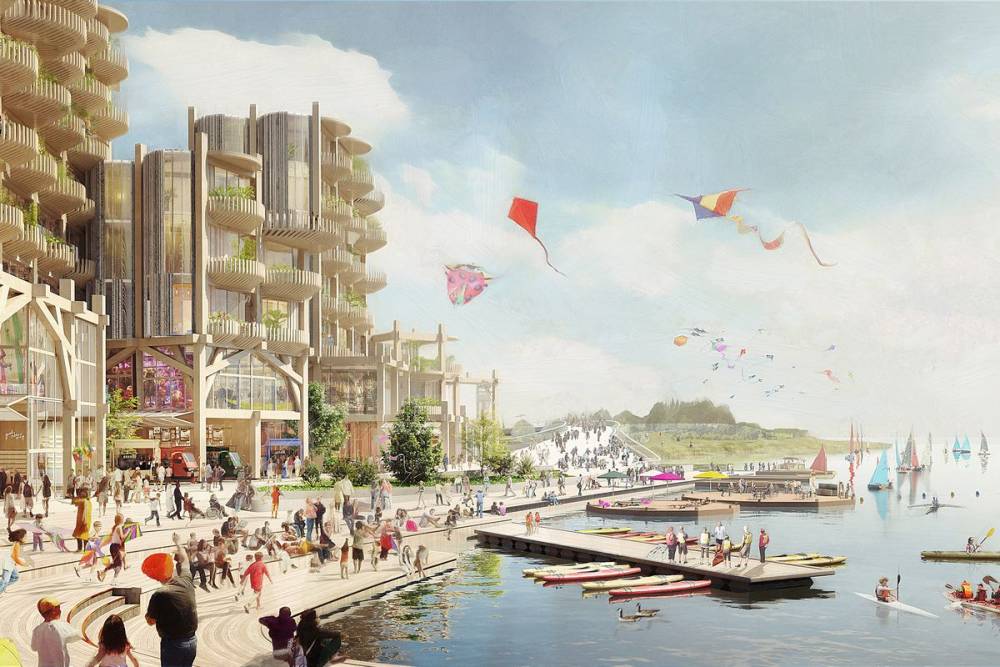
Smartness and Innovation: a dystopian technological vision in democratic governance
In the Nevada desert you may soon be able to log every single thing you do on blockchain, from obtaining a marriage license to paying for your groceries. There, a largely unknown cryptocurrency magnate named Jeffrey Berns is hoping to install a “smart city” that his company, Blockchains, LLC, will control with the same rights as any municipal government. You will follow their laws. You will pay taxes they have designed. And you will use their technology. “For us to be able to take risks and be limber, nimble and figure things out like you do when you’re designing new…
Read More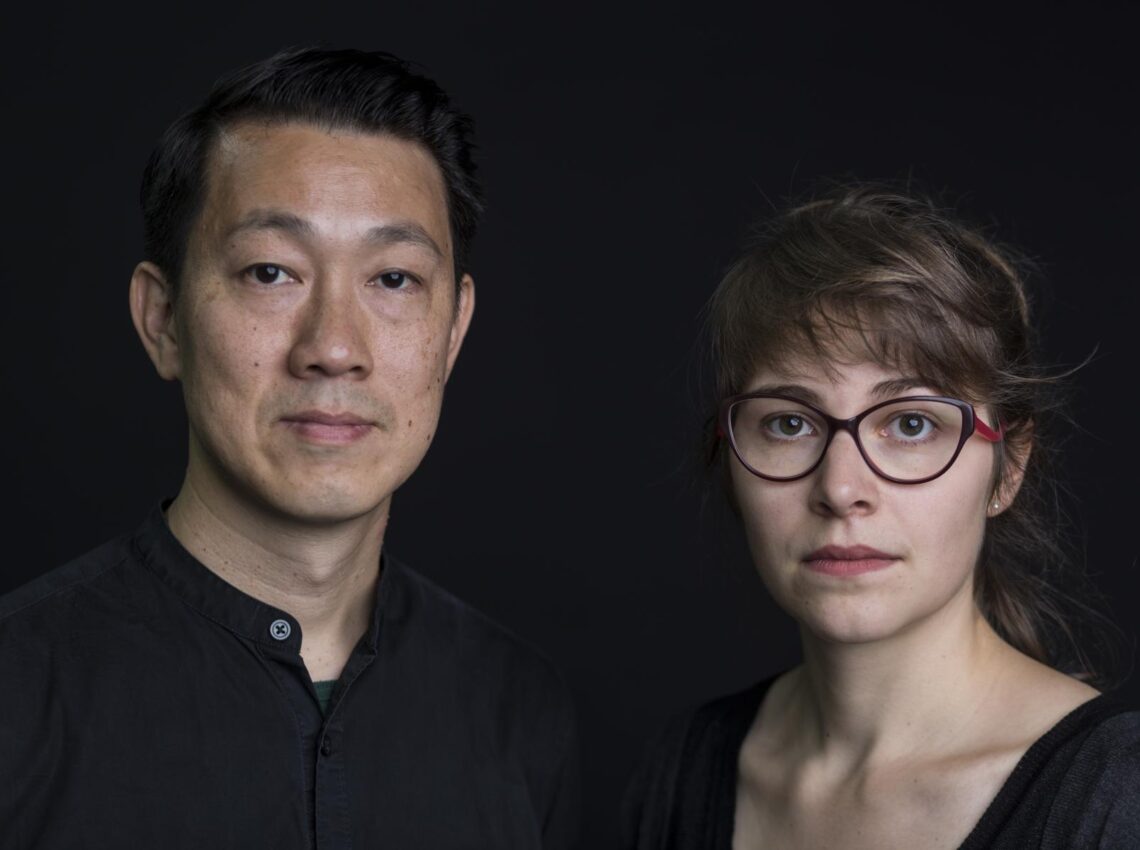
Bottled Songs 1-4: in conversation with Kevin B. Lee and Chloé Galibert-Laîné
Artist-researchers Chloé Galibert-Laîné and Kevin B. Lee have been instrumental to the development of the contemporary online video-essay, pioneering the form of the desktop documentary through both their individual video projects and their collaborative work. They combine text, images, and gestures recorded from within their computer screens overlaid with verbal or textual narration, using this form to analyse or criticise a particular form of media in real-time, creatively dissecting it in front of the viewer to demonstrate how it functions. In their work, they focus on deconstructing popular forms of media, attempting to convey their experience of an encounter with a specific media object…
Read More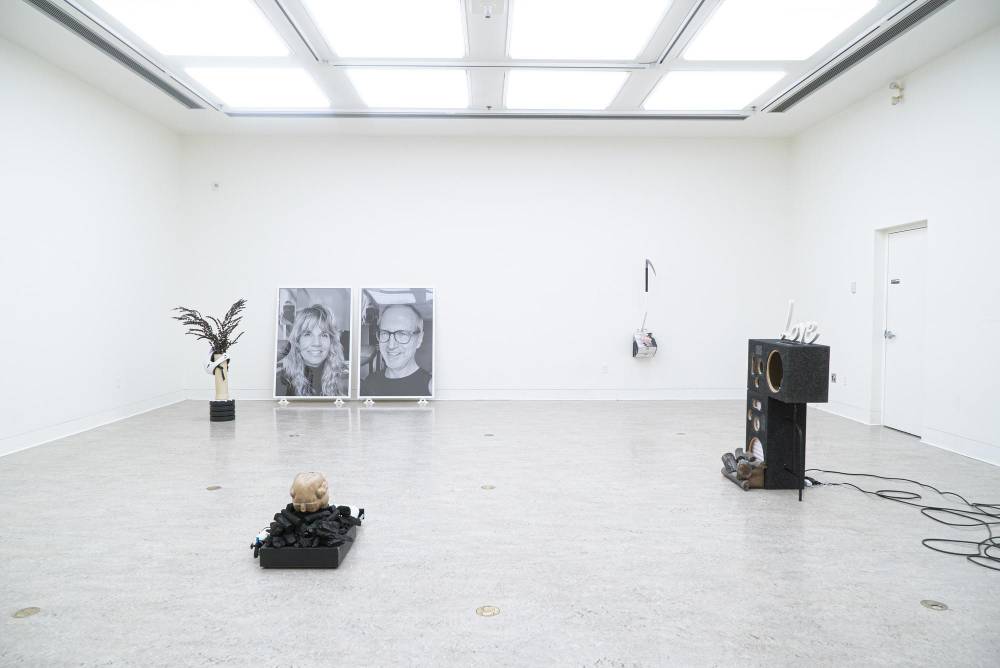
Big, Beautiful, Blue Sky
I Confession: Around late March last year, as many of us found our lives dissolving further into a science fiction reality, I felt myself pivoting from the already increasingly digestible and ubiquitous TED talk corner of the web and into videos of graduation keynote addresses. Videos of motivational pep talks soon followed, along with supercuts of film scenes showcasing hard-won redemption with platitudinous speeches like: “No matter how hard life gets, you keep pushing.” More and more, as I lost myself in the overflowing sea of thoughts spurred by these charismatic pronouncements, I felt glad to be living alone. There was…
Read More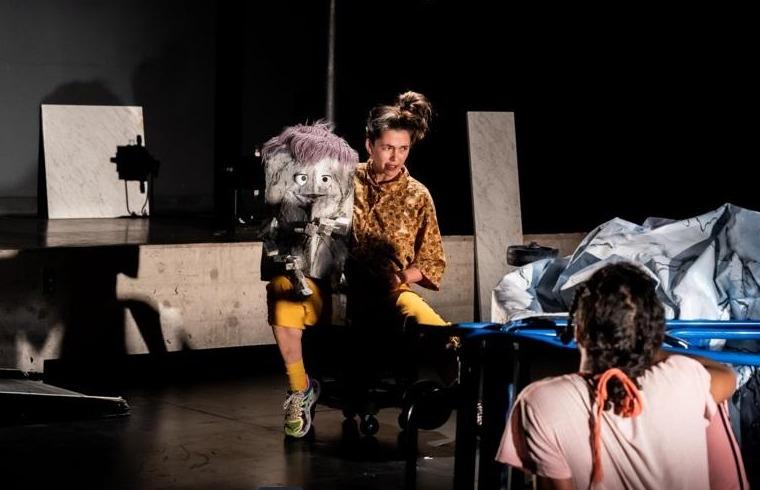
‘What it’s like to grow up pour’: in conversation with Hazel Meyer
I first met Hazel Meyer in Toronto back in 2016, on what was my “first official studio visit” as a newbie curator. I was humbled by Meyer’s generosity as she walked me through her work in what is now the Ubisoft building in west Toronto, inviting me into her world. Meyer’s artwork was well-known to me, then, as an iconic queer artist whose work was advancing conversations about queer bodies and queer histories. I was a big fan of her No Theory, No Cry, which I first encountered at Art Metropole, and which encompassed the feelings of painful pleasure and strife…
Read More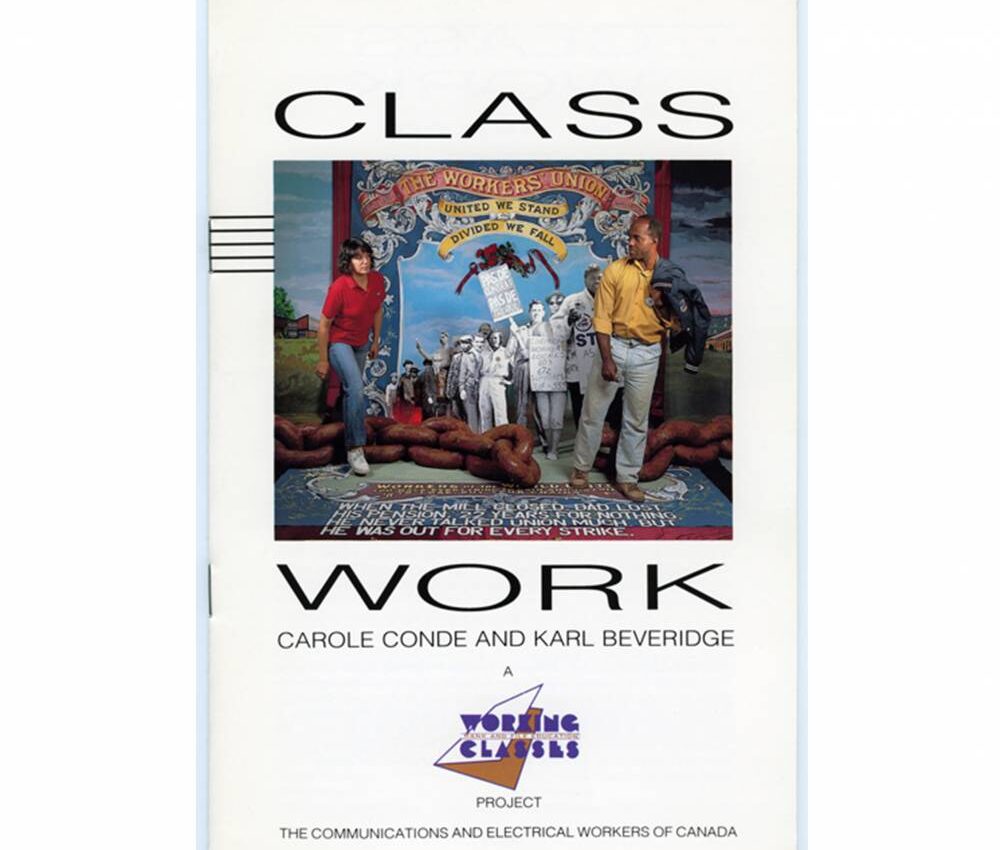
Redressing Artistic Labour
In 1905, Industrial Workers of the World (IWW) was founded to unionize workers who were on the margins of the capitalist economic system—workers who were highly replaceable because of the transitory nature of their positions, such as lumberjacks and farm workers, as well as those in dangerous, low-paying jobs like miners and longshoremen. With an IWW card, labourers of all kinds were able to realize their workers’ rights and take different jobs seasonally, all under the protection of the same industrial union that operated on collective bargaining. Today the IWW still identifies as “a rank-and-file-run, international union dedicated to the abolition of…
Read More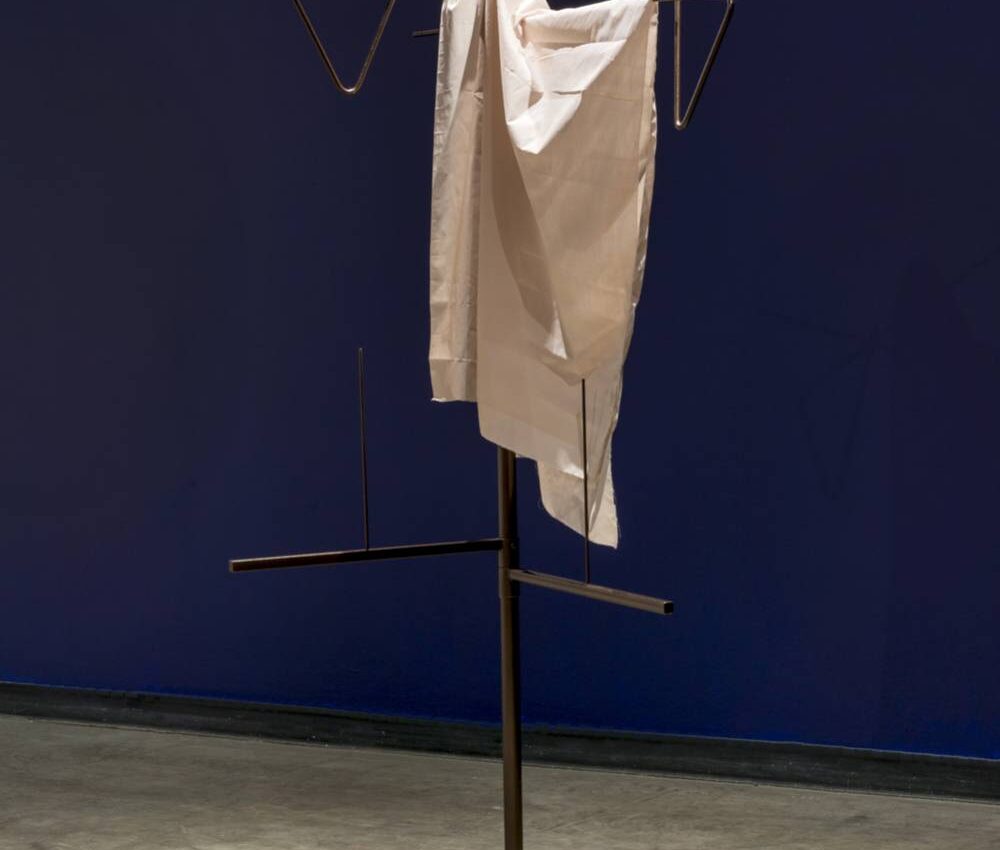
Cycles of production and disruption: in conversation with Karen Kraven
Karen Kraven and I shared a series of scattered connections over the course of several months, with COVID-19 creating setbacks and long pauses that stretched out our dialogue, punctuating a busy yet oppressively still fall. Over a zoom call in November we had an electric conversation about workism and productivity, themes present in Kraven’s work and, of course, in our own lives. Kraven’s work, which revolves around cycles of production and disruption, feels incredibly prescient in this interminable “moment” of isolation, societal disruption and the increasingly obvious malaise created by rampant materialism and capitalist ideology. Drawing on fashion, sports, and…
Read More