
Archive
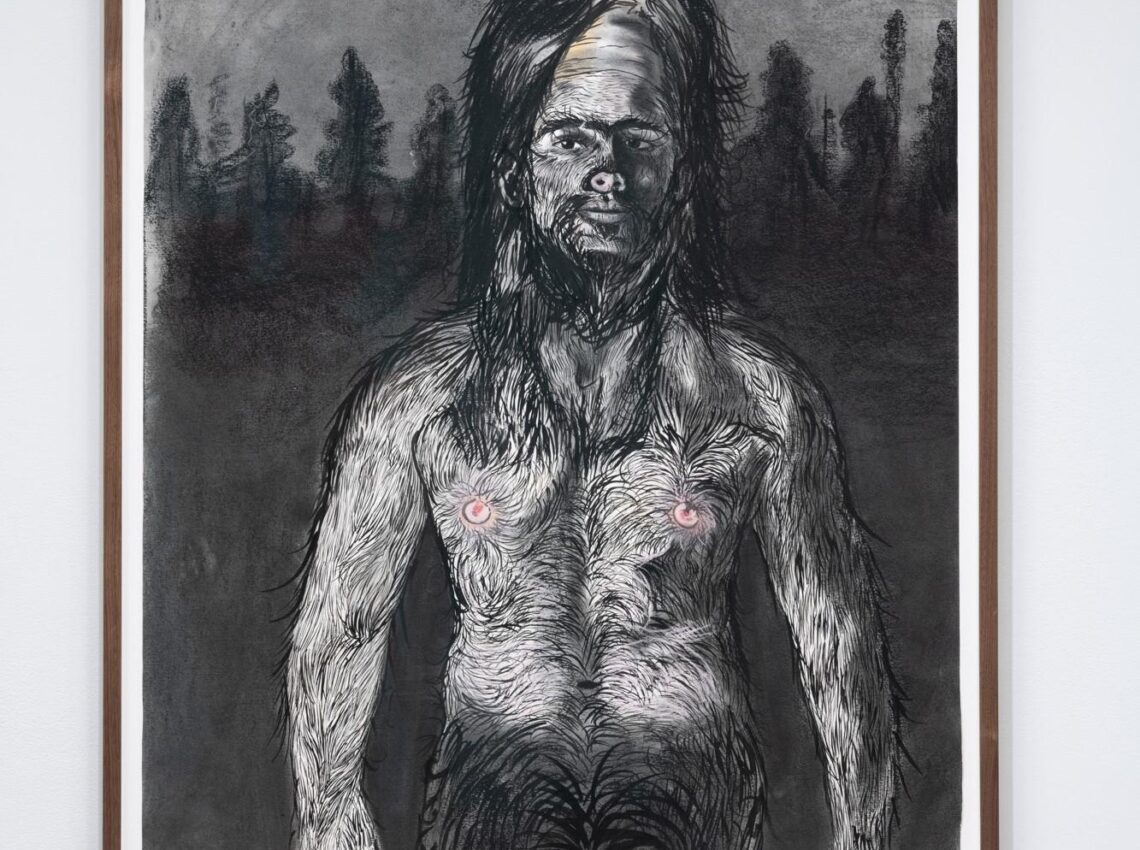
“Love Is Blind: Habibi” (Palestine Edition)*
Love and Race on Paper and in Paint I spent a few days at Columbia University’s Rare Books and Manuscripts Library with the collected papers and correspondence of the late Palestinian-American literary scholar Edward Said (1935 – 2003). An errant scrap fell from one of the files. On it, Said made a list with the names of two of his love interests, and the costs and benefits of pursuing those relationships. One was white, and the other with ties to the Middle East. ‘Fitting-in’ with Said’s Anglo-Saxon academic set, on the one hand, and with his network of Palestinian and…
Read More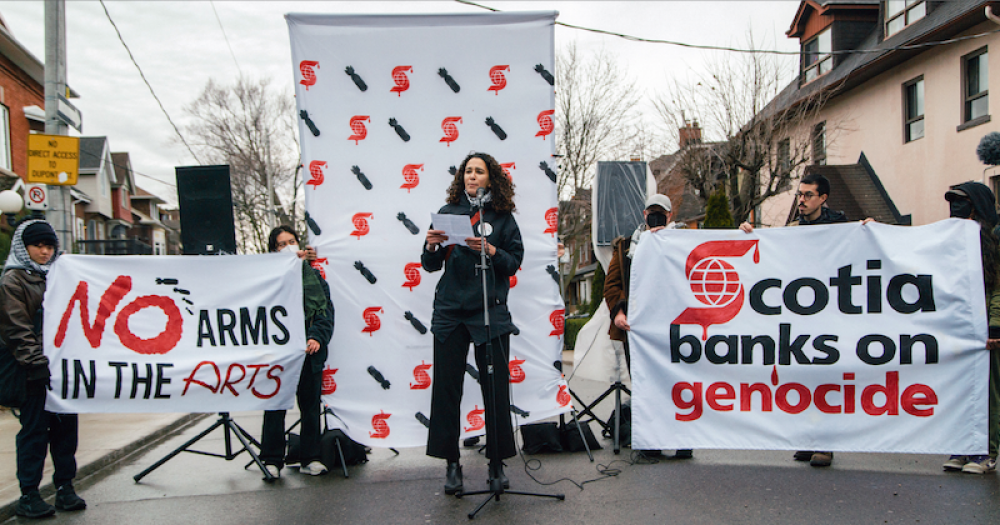
A year in the red
It’s difficult to trace back 2024 in the arts. Perhaps it’s because the story of the year is so much better defined by movements in and around the arts rather than through the events of certain artworks. Perhaps it’s also because us artists have an admittedly warped sense of time. I’m not speaking figuratively of any a priori existentialism, but practically. In one sense, we tend to run on the professional/scholarly calendar rather than the traditional calendar. But also, us artists arrange ourselves in one year to be able to pay our rent the following year by applying for a project for…
Read More
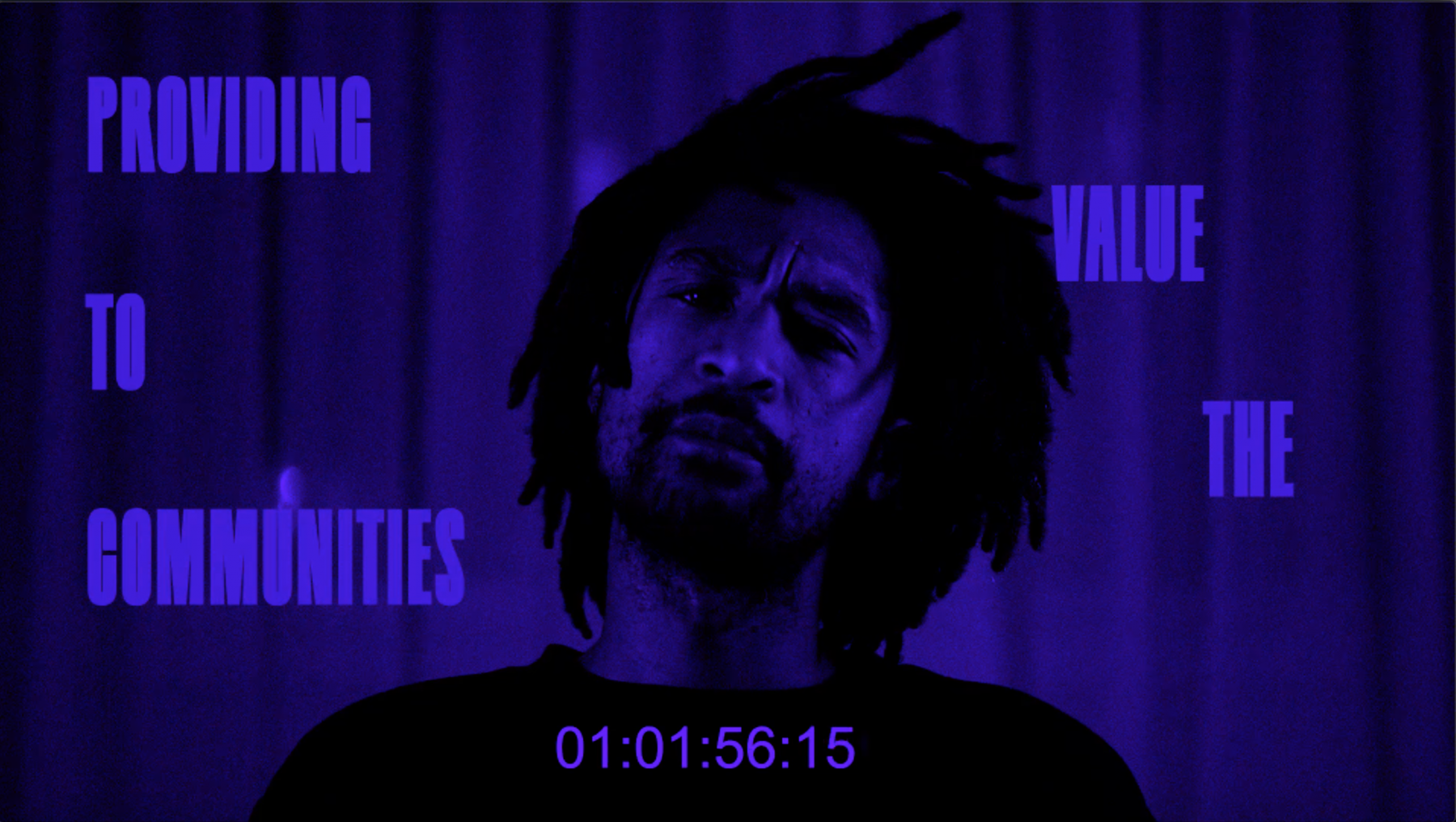
I HAVE DREAMS/ dream dictionary
I rarely remember my dreams, but when I do they are fantastical. My dreams are exceptionally vivid or banal but somehow revelatory. Sometimes I dream of my late parents and I choose to believe that they are letting me know they are keeping an eye on things. While working for decades as a server/bartender, my sleep cycle regularly included a specific stress dream. Unwelcome and unpleasant, my colleagues called it a “waitermare.” Typically this dream would feature a scenario wherein I navigate spectacular obstacles to complete a service-related task. For example, I attempt to cross a busy multi-lane highway with…
Read More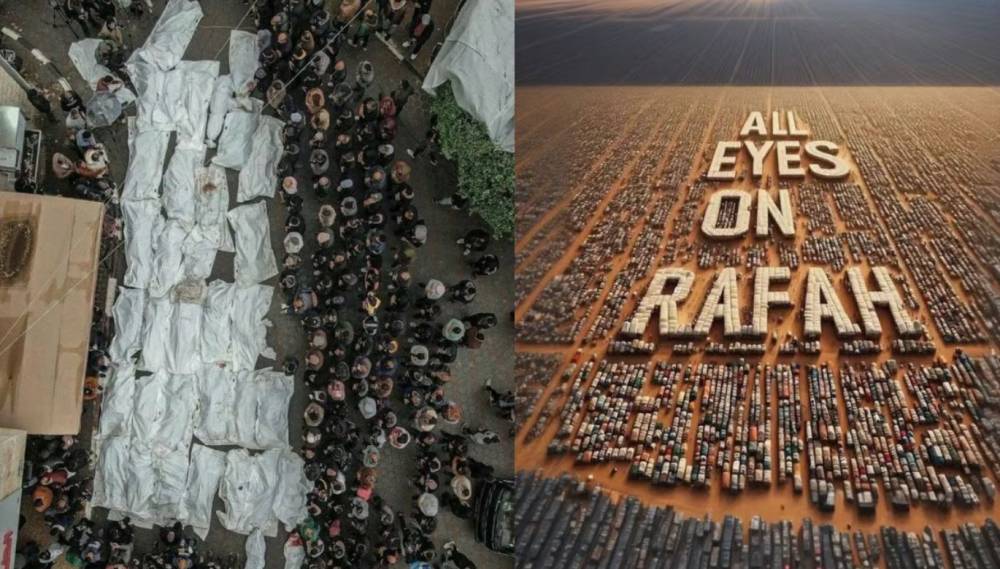
The Death of the Real: 2024 in Culture
hat we witnessed in 2024 was the culmination and confirmation of several cultural trends that began to come into focus in the early 2020s. In the plague year of 2020, over 350,000 Americans died from COVID-19. The World Health Organization estimated that over 3 million people died from COVID-19 worldwide that year. This pandemic, along with the murder of George Floyd, rocked the United States and the world into uprising. The following year was marked by an uprising from the other side–a violent far-right insurrection at the U.S. Capitol, encouraged by President Donald Trump. The next few years under President…
Read More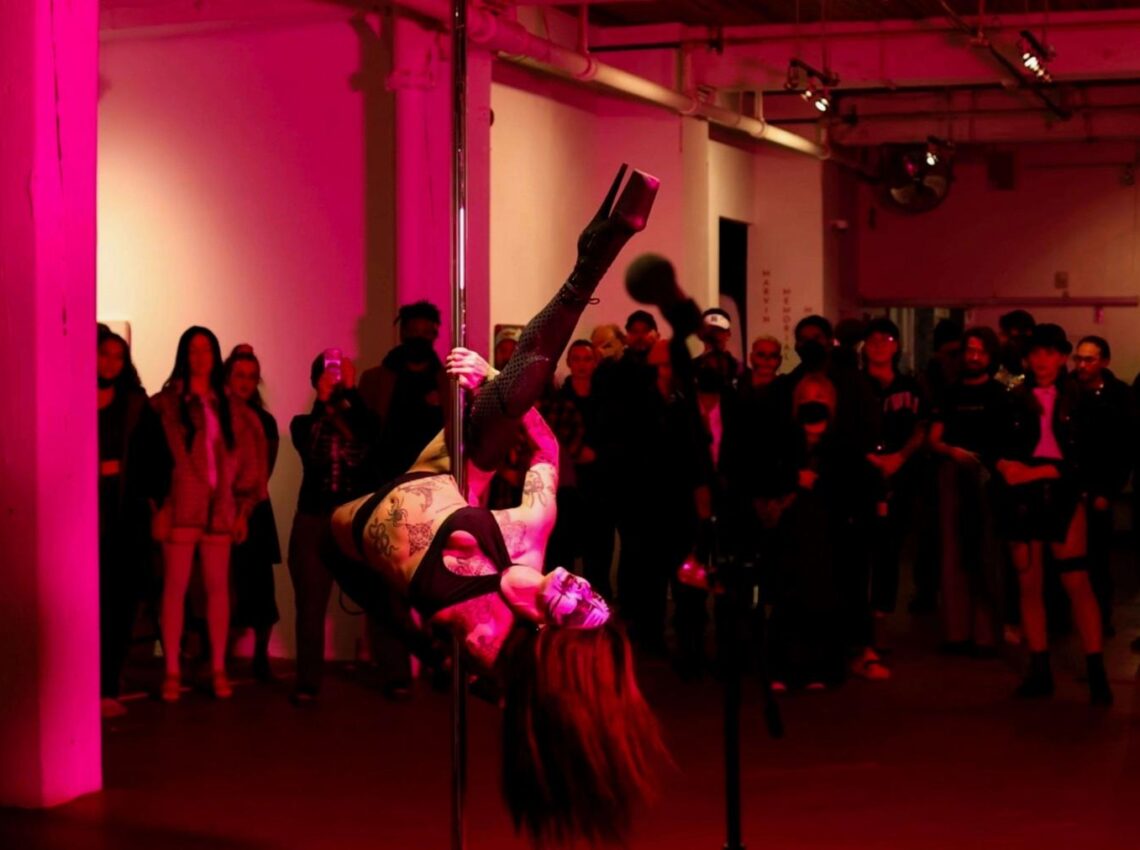
Corpse paint, erotics, and Indigenous spaces
“When you’re doing corpse paint, do you go over the mustache or not…?” Justin Bear L’Arrivée laughs amongst a group of BIPOC metalheads. We were all getting ready for the evening’s events at a table in the back of Urban Shaman Contemporary Aboriginal Art’s gallery space in Winnipeg’s Exchange District, where Justin acts as Artistic Director. The exhibition is titled “Warpaint,” a solo show by Swampy Cree, Dene, and Mennonite artist Brianna Wentz. Everyone at the table (save Justin and Laura Lewis, another incredible Winnipeg artist) modelled for Brianna back in 2022 in preparation for this exhibition: she invited a…
Read More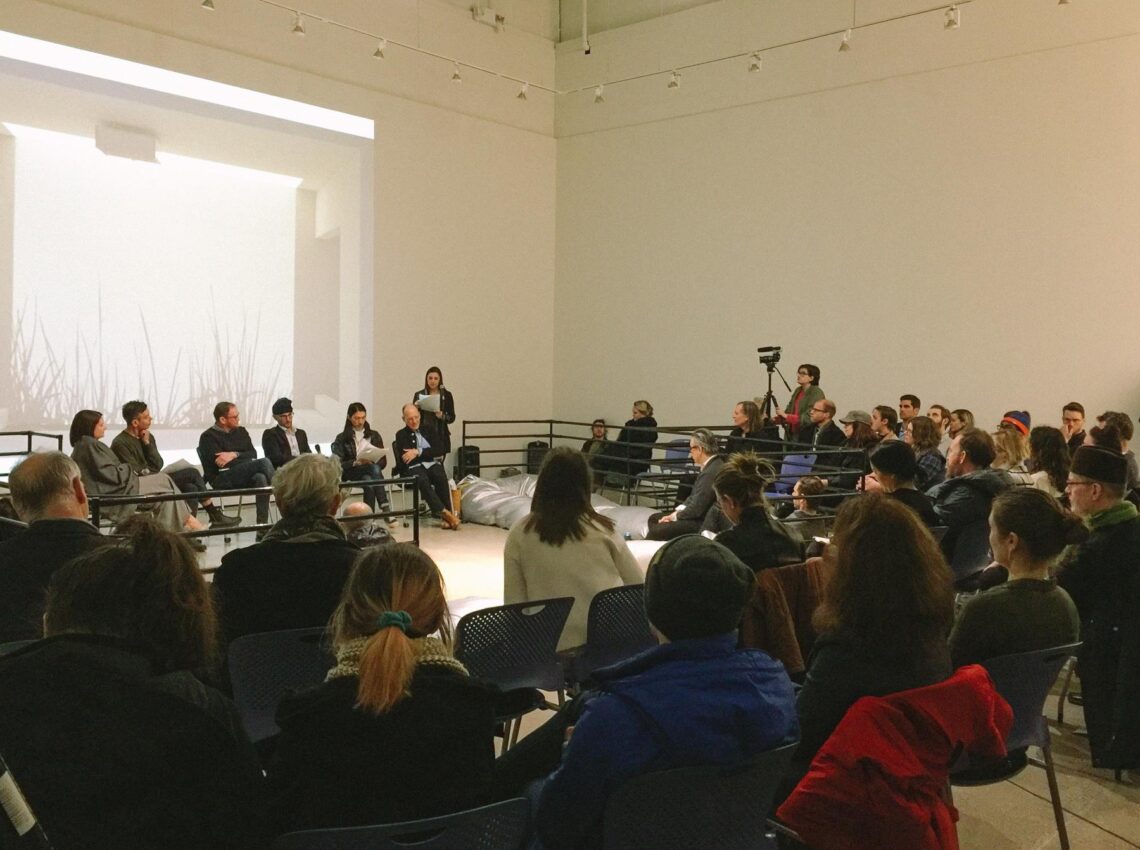
Slowness as a guiding principle: in conversation with curator, Jo-ey Tang
Jo-ey Tang’s curatorial practice is difficult to describe; words tend to sneak around a corner just as I become aware of their presence. If I had to describe it in three, far from singular ways, I would say Tang’s practice embodies slowness, centers artists and their works, and tends to turn host institutions inside out, exposing the internecine and externalized methods and processes of contemporary exhibition-making. Tang began his career as an arts editor for the literary magazine, n+1 and photography editor for Condé Nast before earning his MFA in Studio Art from NYU in 2011. During grad school, he worked as…
Read More
Elemental gestures: in conversation with artist, Alexis Auréoline
I ran into Alexis Auréoline at an art opening a few months before conducting this interview. As we got to talking, he revealed that his favourite ice cream flavour was French Vanilla, with an emphasis on the distinction—it had to be French. I was amused by this choice, but later, after having had the pleasure of sitting down with Auréoline to discuss his work— which is similarly subtle and precise—I consider this preference to be essentially on brand. Auréoline is a Francophone Métis artist working across photography, painting, and frottage. He is perhaps best known for his large-scale cyanotypes—a cameraless…
Read More
Framing ellipses and gaps: in conversation with filmmaker Kazik Radwanski
It’s a testament to Kazik Radwanski’s faculties as a cinematic storyteller that his two most emotionally resonant movies are arguably the ones in which human faces hardly appear. The seven-minute Cutaway (2014) and the 15-minute Scaffold (2017) form a remarkable diptych of psychological implication and physical detail, portraying construction-worker protagonists whose visages remain unseen. Cutaway focuses on its hero’s dirt-caked hands as he grasps various power tools, applies tape to a cut on his palm, and responds to texts from a pregnant friend. Radwanski could have layered an explanatory score over these images, but he sticks to the mundane sounds: the whine of the machinery, the…
Read More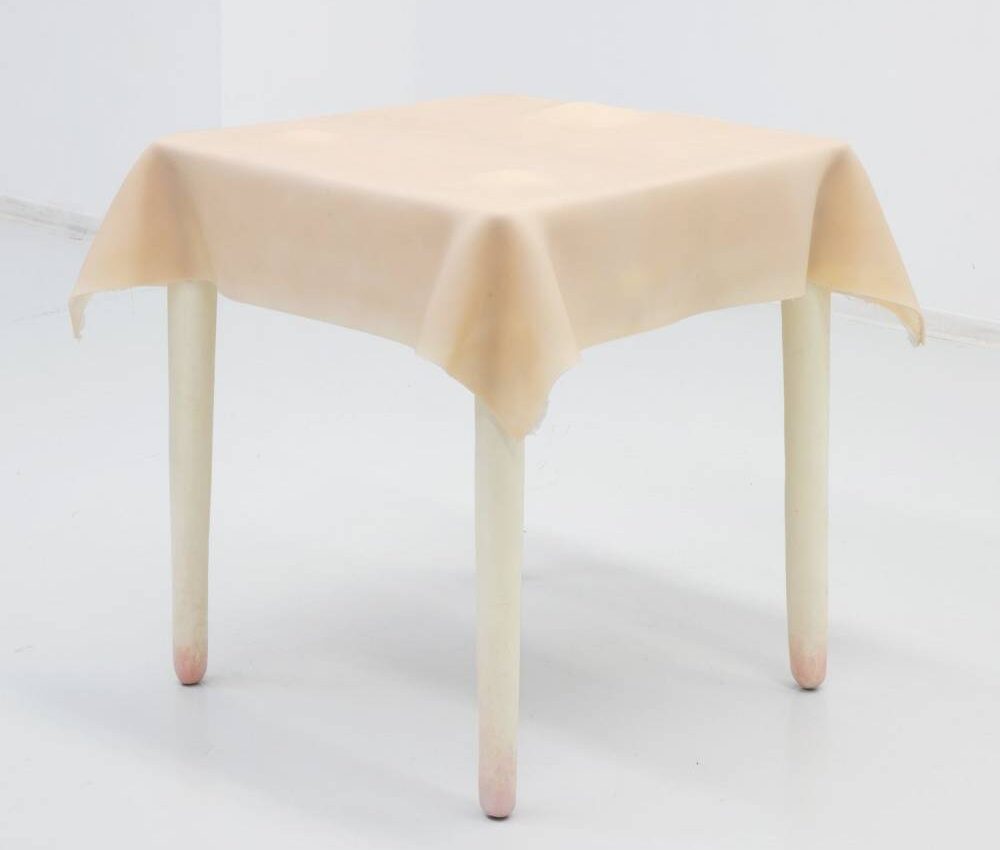
I’ll make jokes when I die: in conversation with the artist Diyar Mayil
iyar Mayil is a sculptor who lives in Montreal and is originally from Istanbul. This is an incomplete list of materials found in her work: cherry wood, silicone, ceramic, salt, brass, battery-operated motor, latex, glass, gold, raw silk, aluminum, hair, velvet, satin, PVC, rubber. Most of her sculptures take the form of household objects and are titled to reflect this: “Dustpan”, “Medicine Cabinet”, “Mop”. They are tables, clocks, beds, brushes, books. Sometimes these objects get put into motion in performances. Although they are, in contour, ordinary objects, Diyar’s sculptures are designed to be weird: the mop is made of glass,…
Read More
How degrowth and artist agency can revitalize the art world
In 2018 José Freire of Team Gallery announced through Artnet that he was “quitting art fairs” citing the corporatization of the art world. Degrowth, as it has been proposed to western markets and production is a clear plan, it’s the psychology that cripples its application in a growth-based society. Over the past year multiple significant New York galleries that have been in business for over 10 years have announced closures. These announcements come via social media as clients, dealers, and artists all take part in adding a “thank you”, broken heart emoji, or a preemptive “looking forward to the next…
Read More