

Longform
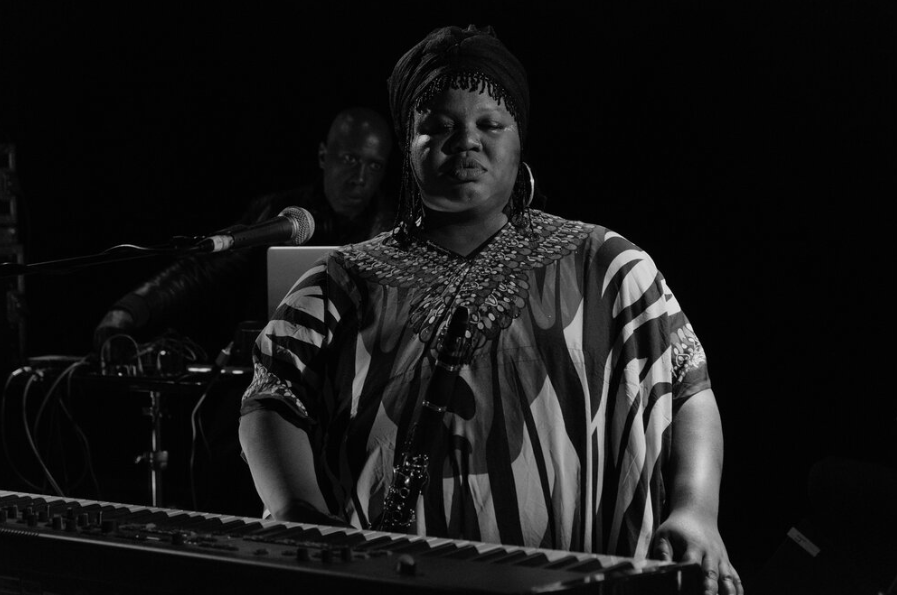
What it may mean to be sonically divine: in conversation with Angel Bat Dawid
My first introduction to Angel Bat Dawid came from a simple Google search: “Black woman clarinetist” when I was trying to find repertoire from underrepresented composers to program on my undergraduate senior clarinet recital a few years ago. Oftentimes, classical music recitals consist of mostly White, cisgendered men from Europe with the occasional woman’s composition featured; therefore, I was well accustomed to unsuccessful Google searches of the apparent mythical Black woman clarinetist. One lucky search led me to the music of Dawid, or the genre she names “great Black music”. Before Dawid’s ascension to performer status, her life was informed…
Read More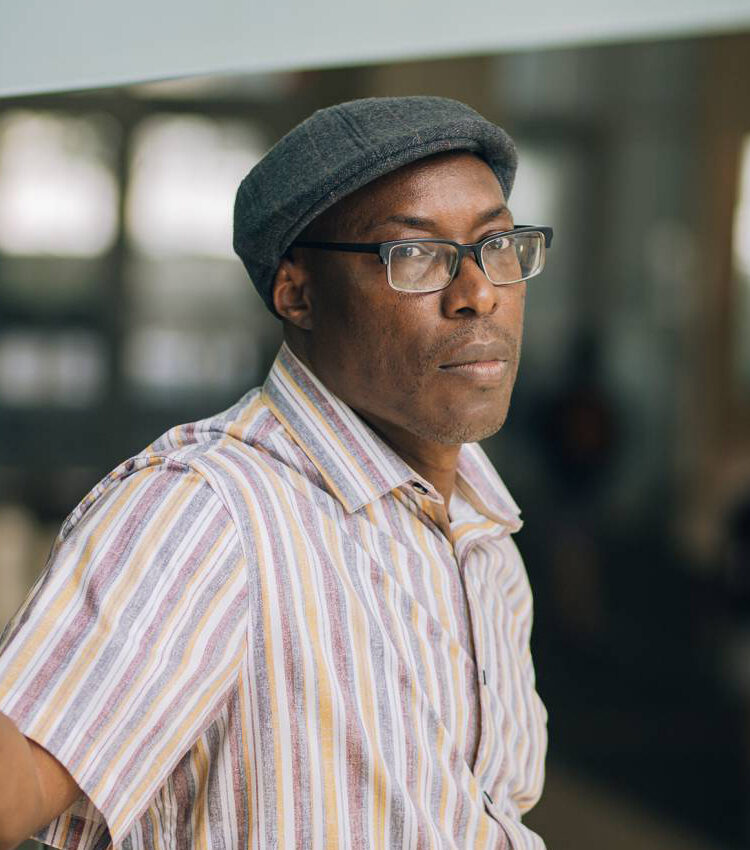
Writing against closure: in conversation with Uchechukwu Umezurike
If ever there’s such a thing as the cultural character of an epoch—that is, a quality or cultural attitude that distinguishes a historical time from another across spaces and places—the contemporary epoch, at least in the West and perhaps in Africa, will be best characterized by that complicated concept called trauma. Trauma has become the “cultural script” of our time, writes Parul Seghal in a New Yorker essay titled “The Case against the Trauma Plot,” “a concept that bites into the [cultural] flesh so deeply it is difficult to see its historical contingency.” The cultural fascination with trauma, while best…
Read More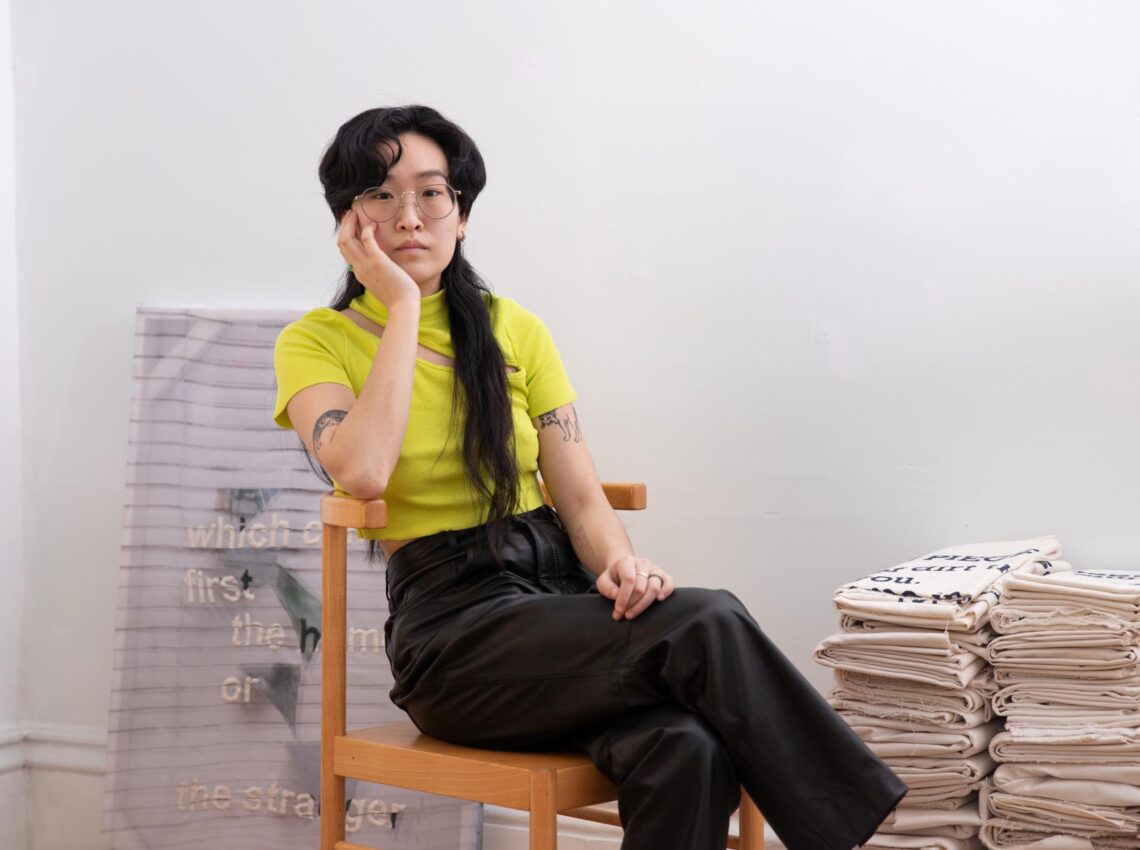
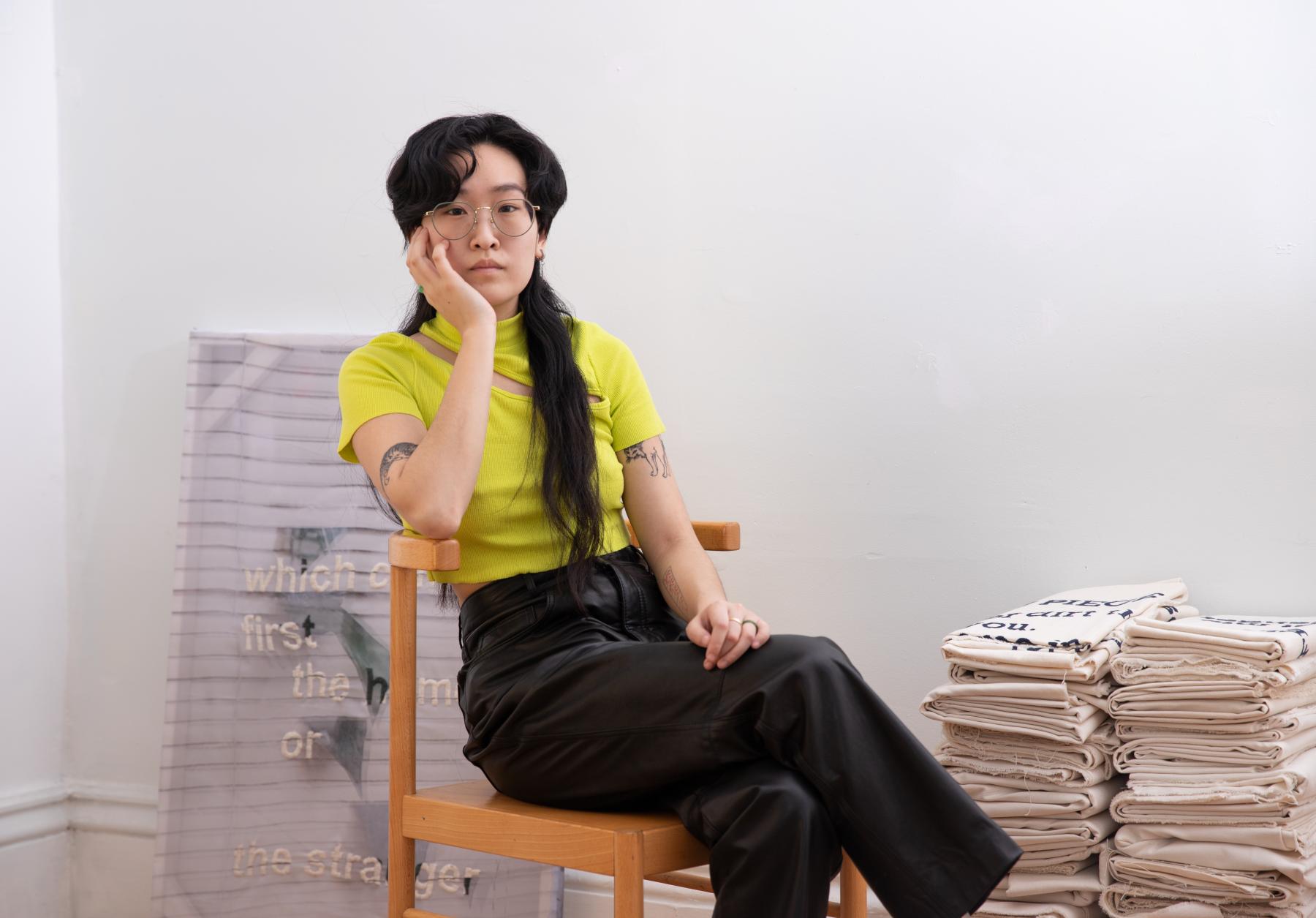
‘Funnily Enough’: in conversation with Lan “Florence” Yee
“The best place I can imagine my work is at a party,” says Lan “Florence” Yee in a video introducing their recently exhibited textile series, Tangerine, After Grapefruit. Borrowing from Yoko Ono’s 1964 artist book, Grapefruit, Yee’s large format rendition takes nine 5×5 linen sheets in which hand-embroidered instructions ask the viewer to perform several curious prompts like “Sigh in at least seven different tones” and “Go somewhere you’ve wanted to visit for a long time. Don’t come back.” Tangerine, After Grapefruit was also photographed, made into book form (a collaboration with Toronto-based micropress San Press), and distributed to the public during Yee’s first Toronto solo exhibition, Just Short…
Read More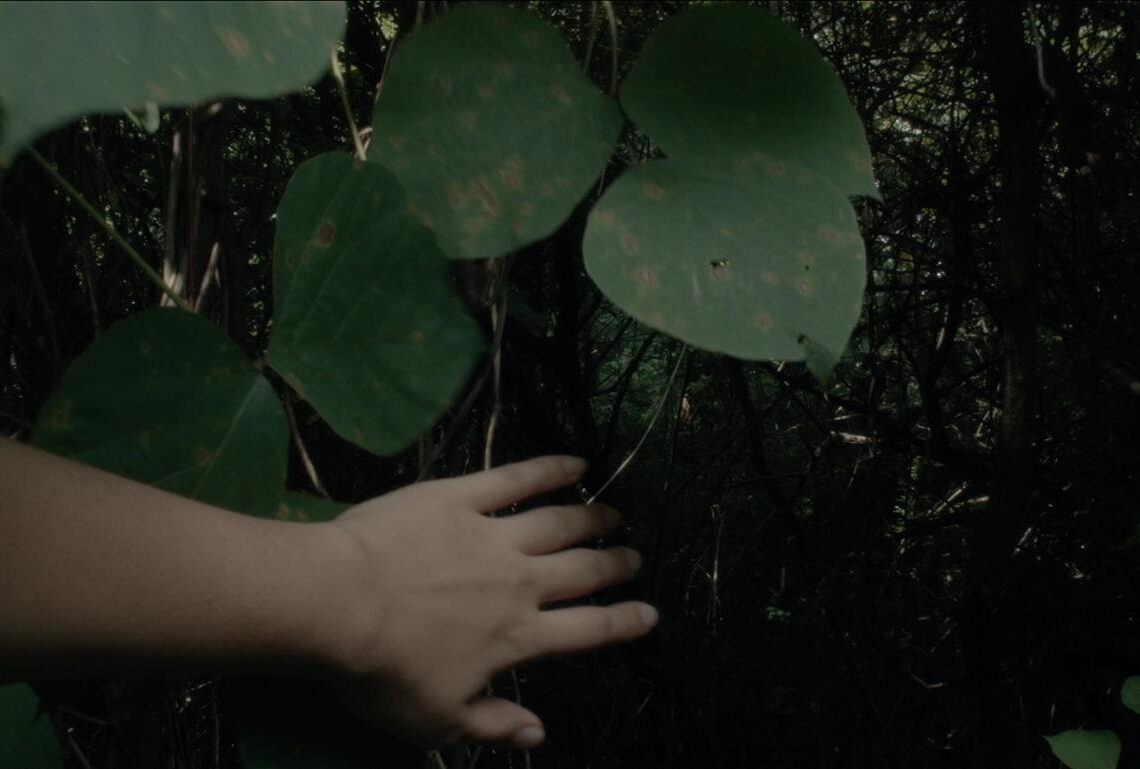
An Imaginary Grid: in conversation with Elizabeth M. Webb
Elizabeth M. Webb is an artist and filmmaker whose material practice is entwined with experimental research. These two aspects of her work are inlaid, as it is nearly impossible to speak about one without the other. Originally from Charlottesville, Virginia, Elizabeth’s family history is embedded in her work, in particular its oscillating histories of racial passing throughout the United States. The artist often considers her own experience, and that of her family’s, as a way of examining broader social structures, and how those structures are at odds with lived realities. Her research process acknowledges these limits, her questions leading her…
Read More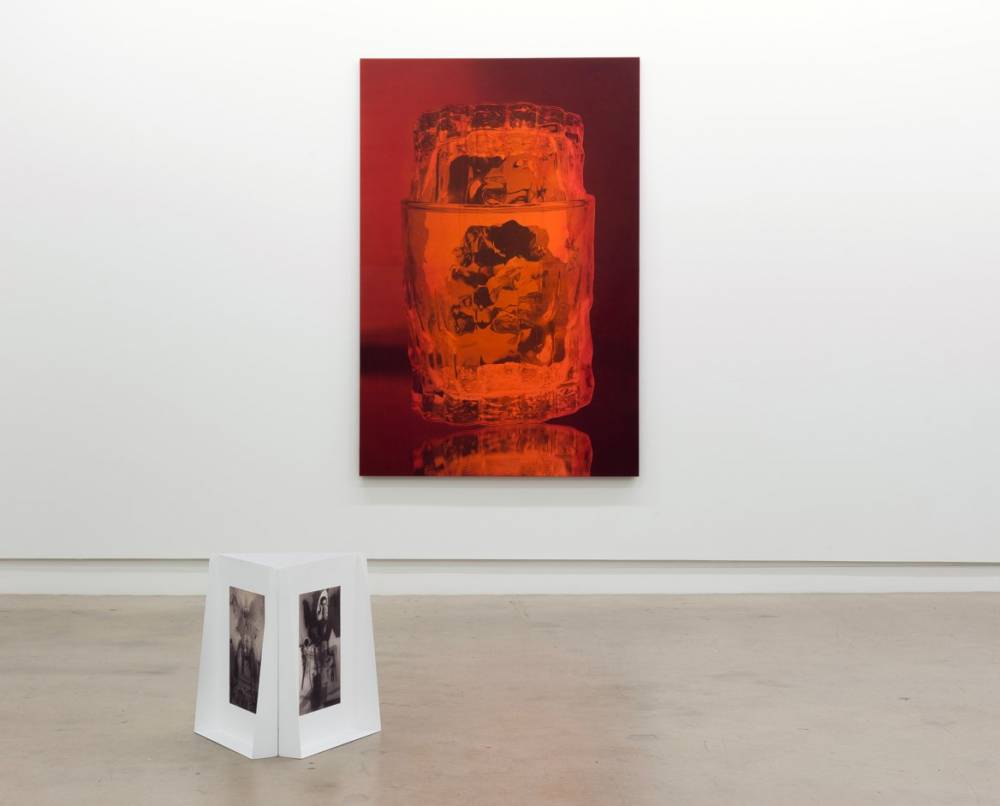
The artist as wizard: in conversation with Guillaume Adjutor Provost
Guillaume Adjutor Provost is an interdisciplinary artist, researcher, and educator whose carefully considered material practice combines installation, sculpture, performance, video, drawing, and text. In his oeuvre, Adjutor Provost creates ethereal landscapes meant for thorough contemplation by his viewer. The artist envisions the space of the exhibition as a container of ideas and sees the act of exhibiting collections as a vehicle for issues such as class consciousness, counter-culture, vernacular imagery, and experiences of queerness. The figure of the wizard, a cross-cultural fictional practitioner of magic that has inspired young and old for centuries, is a wonderful character that Adjutor Provost has…
Read More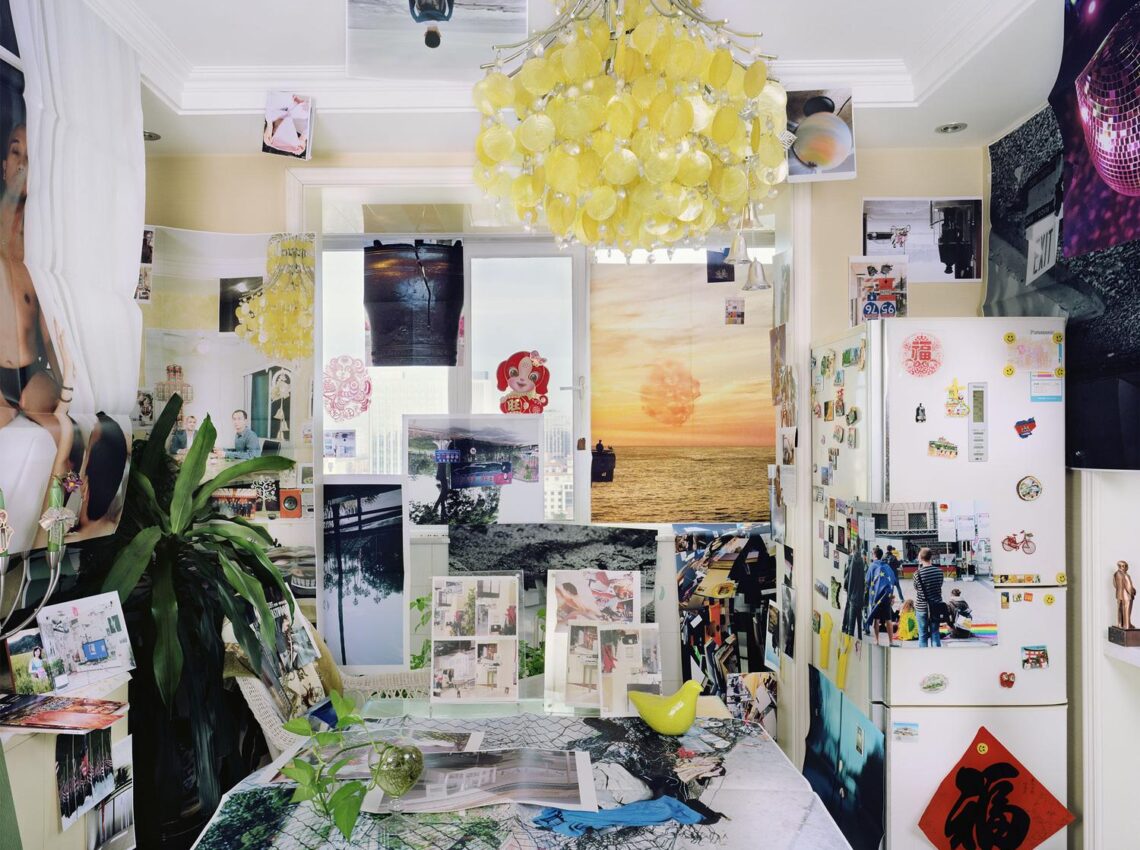
Lost in Parallel Worlds: in conversation with Guanyu Xu
Guanyu Xu is an artist working with photography and cultural iconography to create compositions that deliberately disorient the viewer. His project Temporarily Censored Home has reached international acclaim, currently showing at the International Center of Photography in New York. In this work, he visits his family home in China and creates elaborate photo installations by mining images from his personal photographic archive, printing them out, and physically placing them within domestic settings. Many of these photos are from his life in Chicago and draw on aspects of his queerness – a part of his life that he does not share with his family…
Read More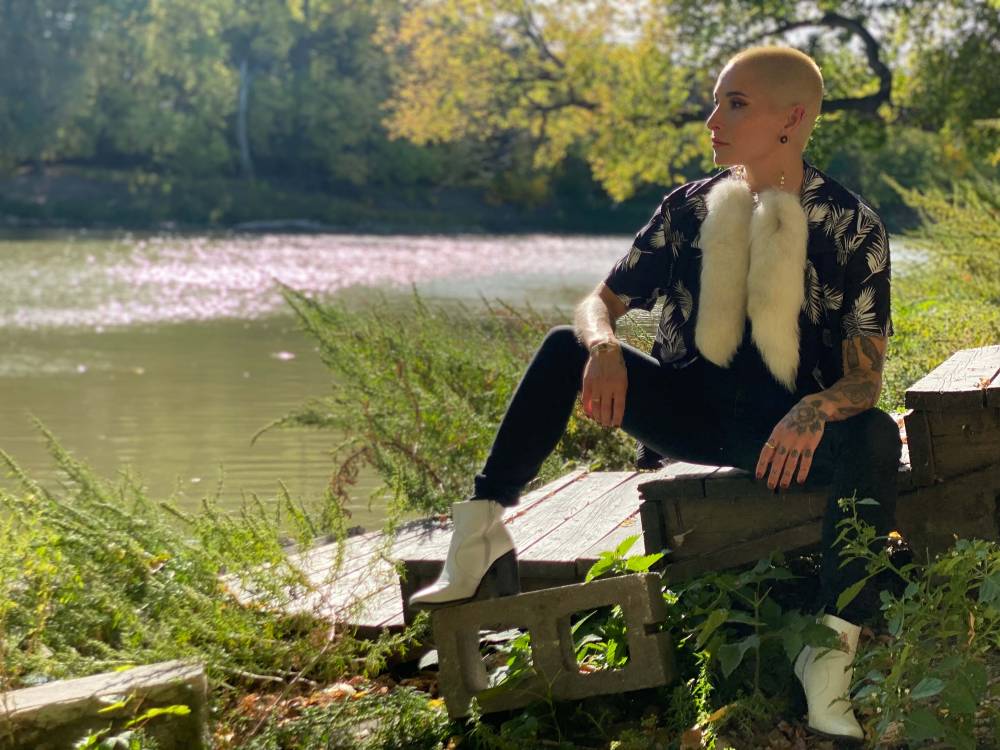
Desirability, relationality, and dreaming of what the gallery can hold: in conversation with Adrienne Huard
Adrienne Huard is a Two-Spirit/Indigiqueer Anishinaabe curator, academic, art critic, scholar, and performer. As a Two-Spirit Indigiqueer, Huard brings a unique focus and position to their research on desire within Two-Spirit and queer Indigenous visual culture on the prairies where they are embedded in the community and draw on these networks in inspiring ways. A citizen of Couchiching First Nation, Ontario, Huard was born and raised in Miiskwaagamiwiziibiing/Winnipeg. After graduating in 2012 from the University of Manitoba with a Bachelor of Fine Arts majoring in photography, they pursued and completed a Bachelor in Art history at Concordia University in Tio’tià:ke/Montreal. Thereafter, Huard completed OCAD’s…
Read More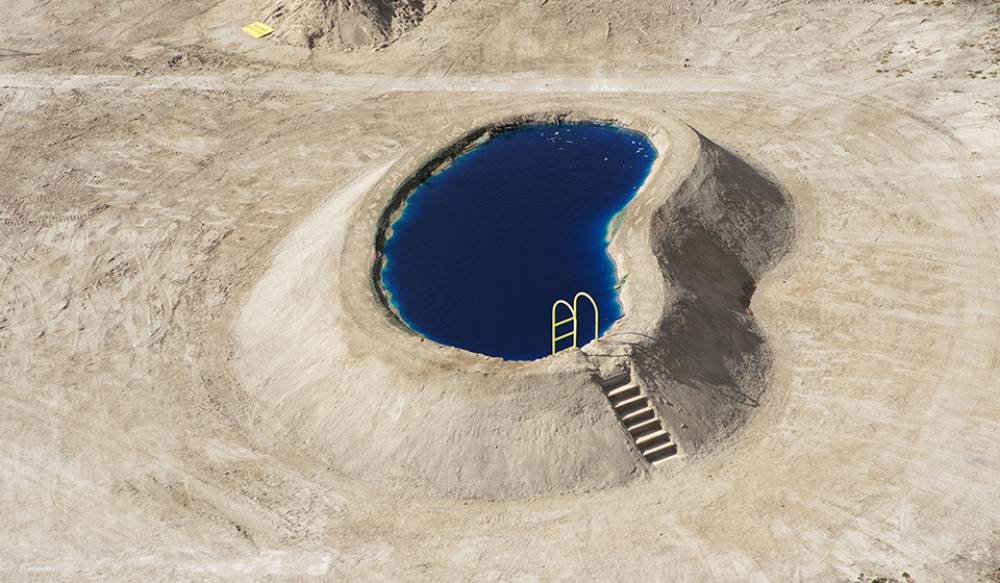
Extractive Implication and Potlatch as Method: in conversation with Tsēmā Igharas
Last summer, I biked to Point Douglas, an eclectic, old Winnipeg neighbourhood dotted with stately historical buildings and defunct industrial sites, to find Tsēmā Igharas’ installation, Tailings Pool. Housed on an empty lot, the piece seemed, from a distance, to be a large, nondescript pile of gravel, not unlike the rubble of a construction site. But as I approached, the smooth, angled sides of the mound came into focus, and a jaunty neon yellow swimming ladder revealed itself, straddling the edge. Climbing up to look in, I found a bean-shaped pool of tantalizing blue, glinting in the dry heat, noxious yet seductive. Playfully…
Read More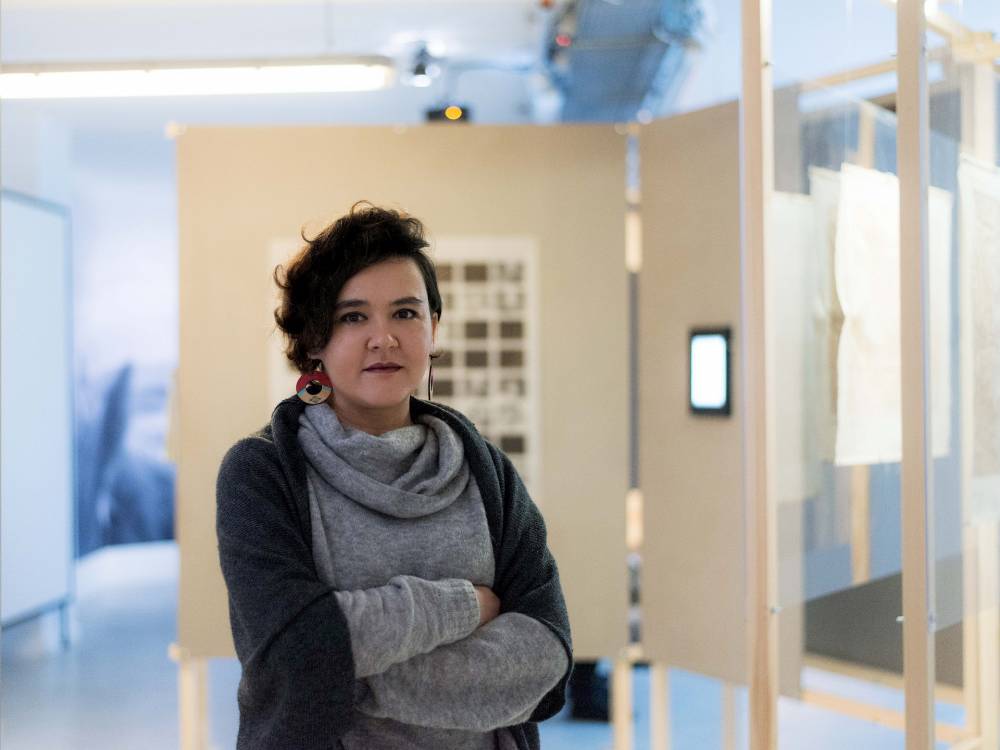
Listening against the grain: in conversation with Kamila Metwaly
Curator, researcher and writer Kamila Metwaly’s dedicated long engagement with Egyptian born composer and musicologist Halim El-Dabh (1921-2017) has involved digging through university archives and libraries, connecting with his friends and family, and collaborating with a transnational group, who has followed El-Dabh’s work closely. Originally from Cairo, Metwaly moved to Berlin in 2017. She encountered El-Dabh’s work, Ta’abir Al-Zaar—one of the earliest known electronically composed works—purely through a chance encounter, and connected with him shortly before his death. “I knew all about John Cage, musique concrète and Pierre Schaeffer in Egypt, but I didn’t have a clue about Halim,” Metwaly told me, as she talked about her…
Read More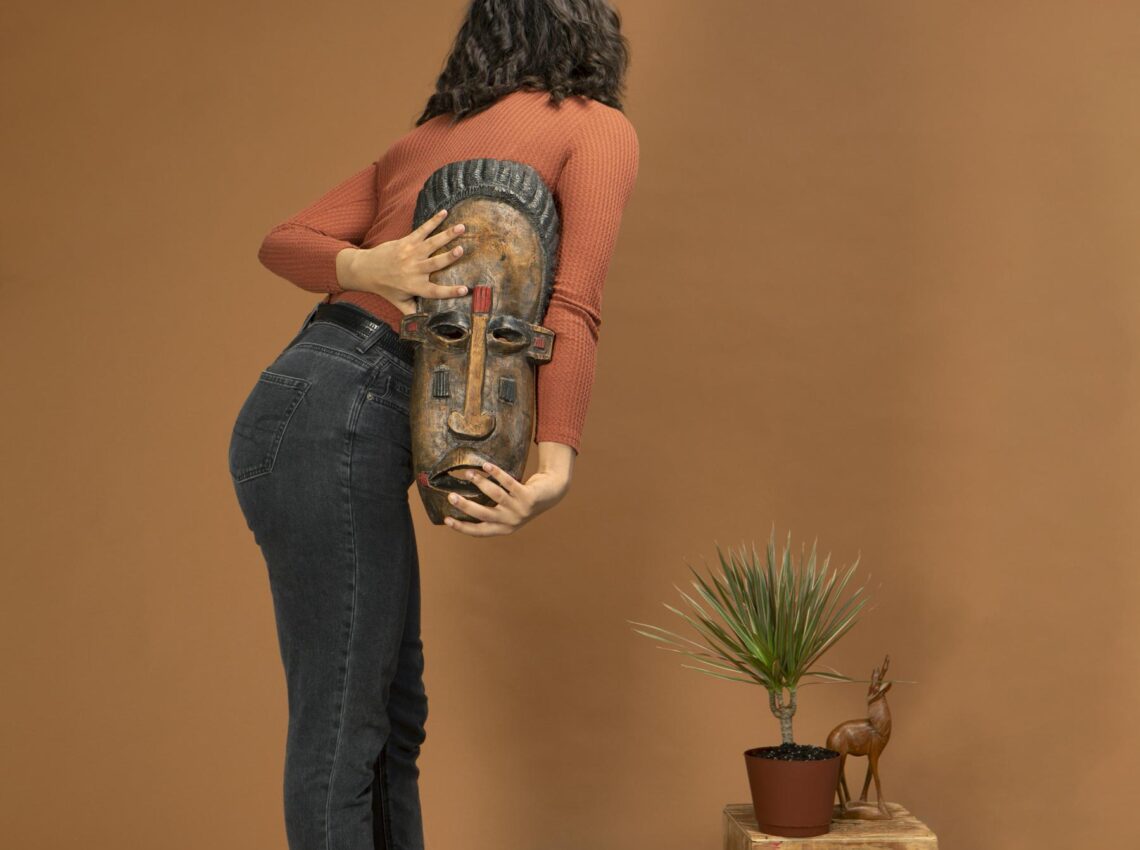
Making of a monument: in conversation with Hannah Somers
The last couple of years has seen an immense surge in the toppling of monuments of white European colonizers across the Americas. The monumentality of these long overdue take-downs is also met with mixed feelings, even for the communities who have experienced and continue to live with the atrocities of centuries of “new world building.” It goes without saying that the repair, the re-building, the re-imagination of world orders does not happen overnight. I am reminded of the many who go on living, resisting colonial figures well outside of their bronze bodies and into the aftermath of their fall. Much…
Read More