
Longform
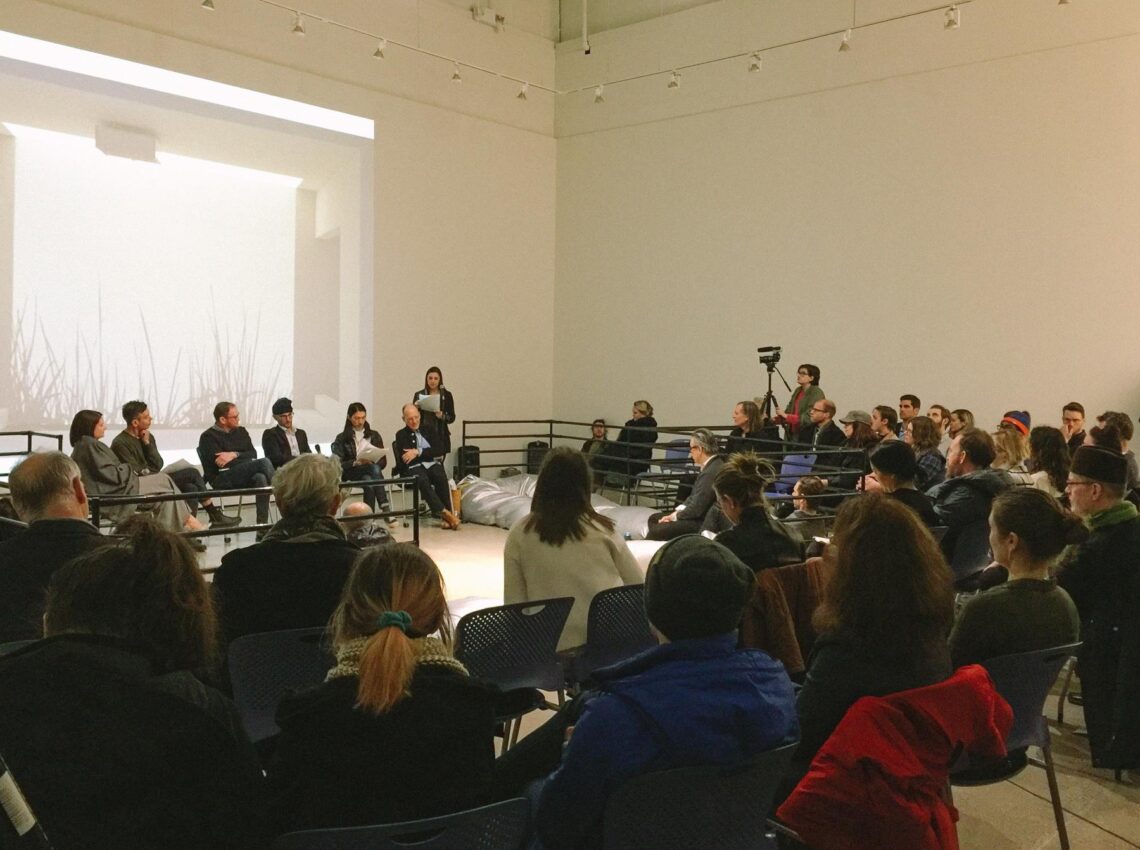
Slowness as a guiding principle: in conversation with curator, Jo-ey Tang
Jo-ey Tang’s curatorial practice is difficult to describe; words tend to sneak around a corner just as I become aware of their presence. If I had to describe it in three, far from singular ways, I would say Tang’s practice embodies slowness, centers artists and their works, and tends to turn host institutions inside out, exposing the internecine and externalized methods and processes of contemporary exhibition-making. Tang began his career as an arts editor for the literary magazine, n+1 and photography editor for Condé Nast before earning his MFA in Studio Art from NYU in 2011. During grad school, he worked as…
Read More
Elemental gestures: in conversation with artist, Alexis Auréoline
I ran into Alexis Auréoline at an art opening a few months before conducting this interview. As we got to talking, he revealed that his favourite ice cream flavour was French Vanilla, with an emphasis on the distinction—it had to be French. I was amused by this choice, but later, after having had the pleasure of sitting down with Auréoline to discuss his work— which is similarly subtle and precise—I consider this preference to be essentially on brand. Auréoline is a Francophone Métis artist working across photography, painting, and frottage. He is perhaps best known for his large-scale cyanotypes—a cameraless…
Read More
Framing ellipses and gaps: in conversation with filmmaker Kazik Radwanski
It’s a testament to Kazik Radwanski’s faculties as a cinematic storyteller that his two most emotionally resonant movies are arguably the ones in which human faces hardly appear. The seven-minute Cutaway (2014) and the 15-minute Scaffold (2017) form a remarkable diptych of psychological implication and physical detail, portraying construction-worker protagonists whose visages remain unseen. Cutaway focuses on its hero’s dirt-caked hands as he grasps various power tools, applies tape to a cut on his palm, and responds to texts from a pregnant friend. Radwanski could have layered an explanatory score over these images, but he sticks to the mundane sounds: the whine of the machinery, the…
Read More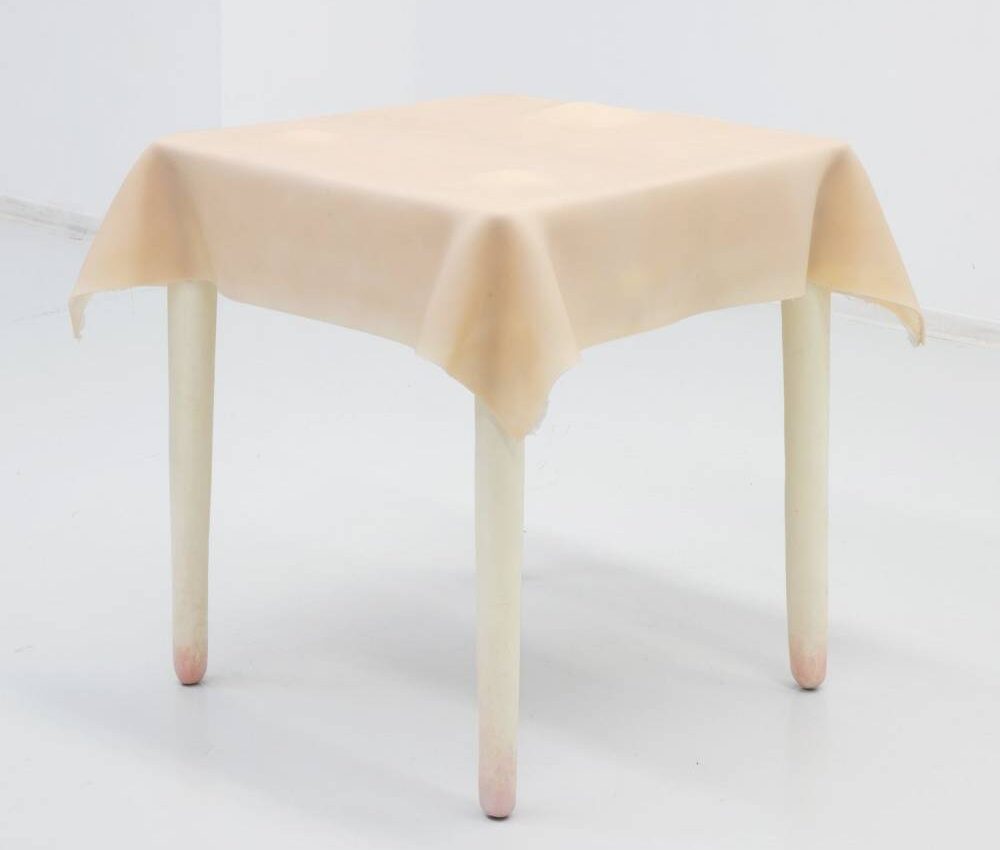
I’ll make jokes when I die: in conversation with the artist Diyar Mayil
iyar Mayil is a sculptor who lives in Montreal and is originally from Istanbul. This is an incomplete list of materials found in her work: cherry wood, silicone, ceramic, salt, brass, battery-operated motor, latex, glass, gold, raw silk, aluminum, hair, velvet, satin, PVC, rubber. Most of her sculptures take the form of household objects and are titled to reflect this: “Dustpan”, “Medicine Cabinet”, “Mop”. They are tables, clocks, beds, brushes, books. Sometimes these objects get put into motion in performances. Although they are, in contour, ordinary objects, Diyar’s sculptures are designed to be weird: the mop is made of glass,…
Read More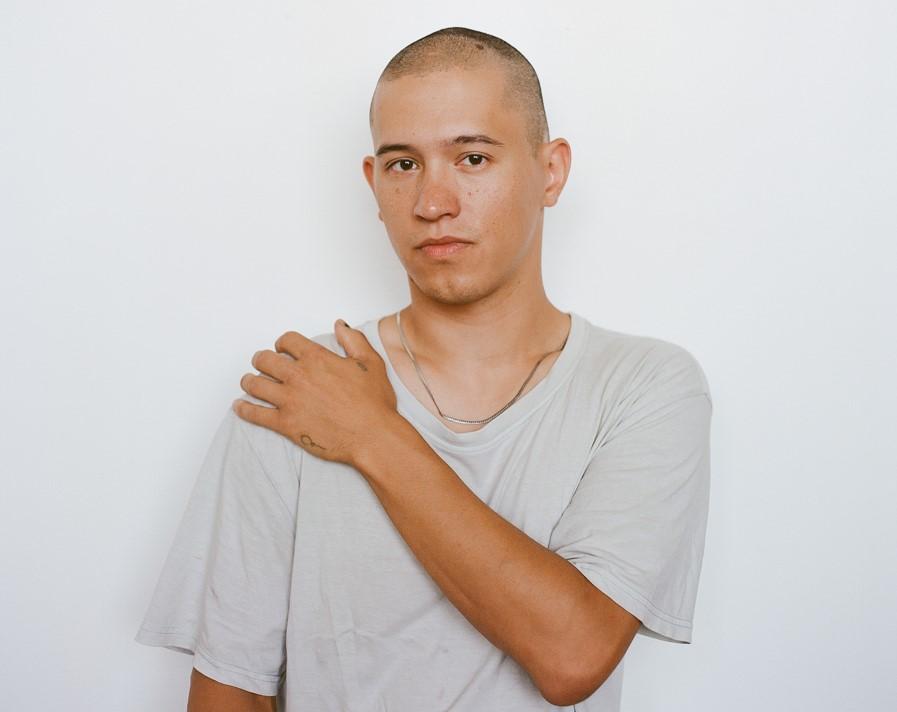
A better alternative than loneliness: in conversation with artist Simon Fuh
Summer last year artist Simon Fuh built a custom speaker stack, made one failed attempt, and then a successful one, moving the speakers out to the banks of Toronto’s urban ravine system for an all-night rave. The rave was to follow in the lineage of a series of studio parties he threw in his hometown, Regina, in 2019, and SUGARLOAF, a party he organized under the Bloor Viaduct in Toronto, with Pumice Raft in 2022. The night of the first attempt, following an infamous rainout, he and friends moved the speakers back to his shared studio in The PATH—an underground…
Read More
Spatial Being, Temporal Harvest: in conversation with filmmaker, Courtney Stephens
“Almost all things beckon us to feeling, and turnings send wind-messages,” wrote poet Rainer Maria Rilke. “Who tallies what we do? Draws us away from the old abandoned years?” To tally––in other words, to compute––is a particularly finite act. It precludes being, produces mere information, and deals in the discrete and the objective. It processes those former years, that “everything,” as an object of data and deduction. What we do, however, is quite un-computable; it is those old abandoned years that we remember, at once a collection and a collecting, a process in flux rather than a stable object. It…
Read More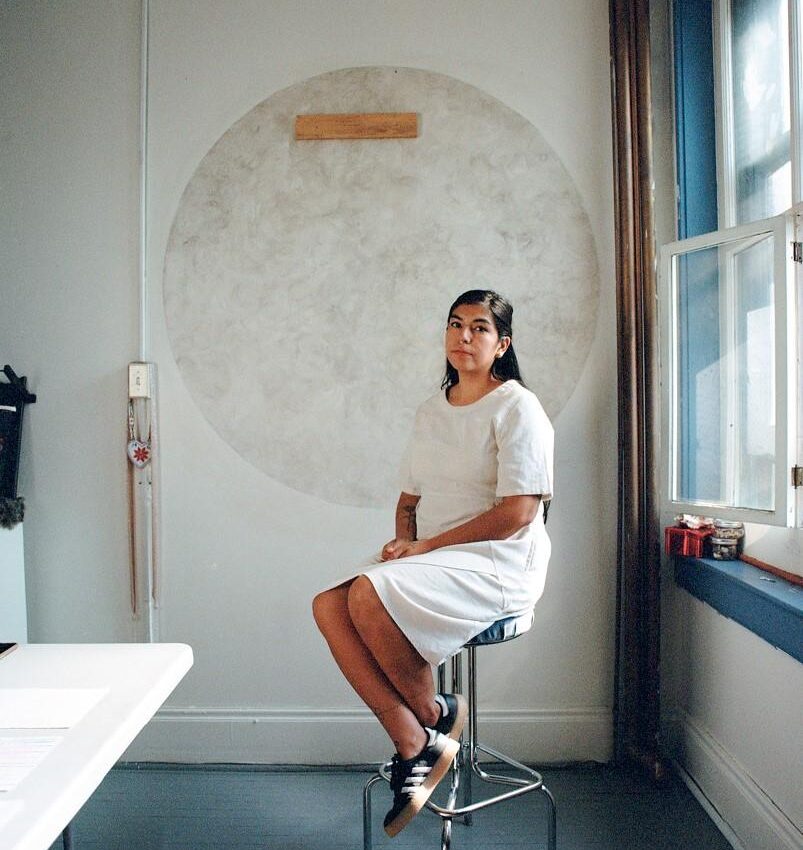
Bound by Smoke: Audie Murray’s Vanishing Acts
I know a lot of things about Audie Murray. I’m not sure how much of it is relevant to her art practice. I know her brother works on trucks in his spare time and I know what high school she went to. She has told me about her dreams. I know her child’s name and how she takes her coffee. I know how her kitchen is arranged and what is in the fridge: Babybel cheese, firm tofu, and at least three varieties of berries. She told me that when she is depressed and the idea of cooking food is unimaginable,…
Read More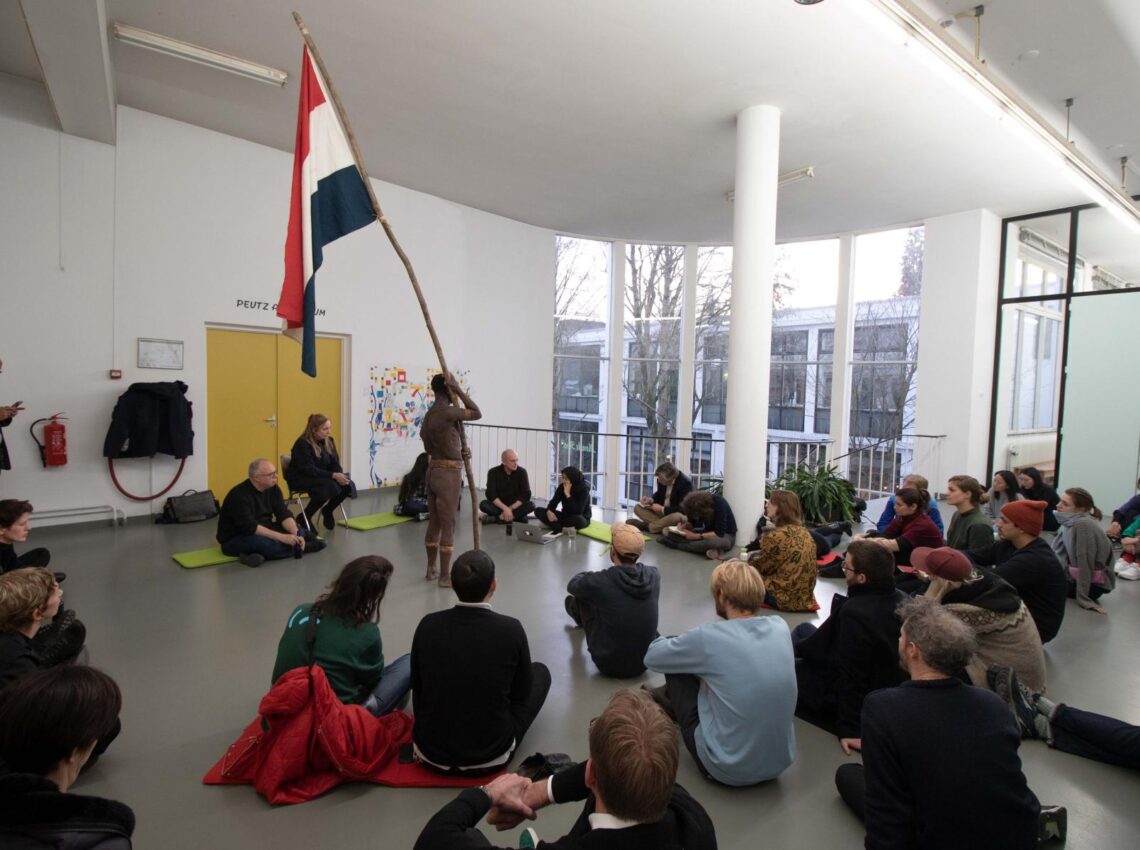
The Personal is Decolonial: in conversation with arts worker Riksa Afiaty
In Indonesian, we have an idiom to describe a person like Riksa Afiaty: kecil kecil cabe rawit. Kecil means small. Cabe rawit is a type of chili that really stings. The idiom means to describe a small person who has an astounding energy and capabilities not to be underestimated because of their small figure. Riksa talks for hours during the interview, with almost nothing to be left unmentioned, and could go on for even longer if she didn’t have to run on other errands. I met Riksa for the first time at KUNCI Study Forum & Collective, a place where we often warmly gather….
Read More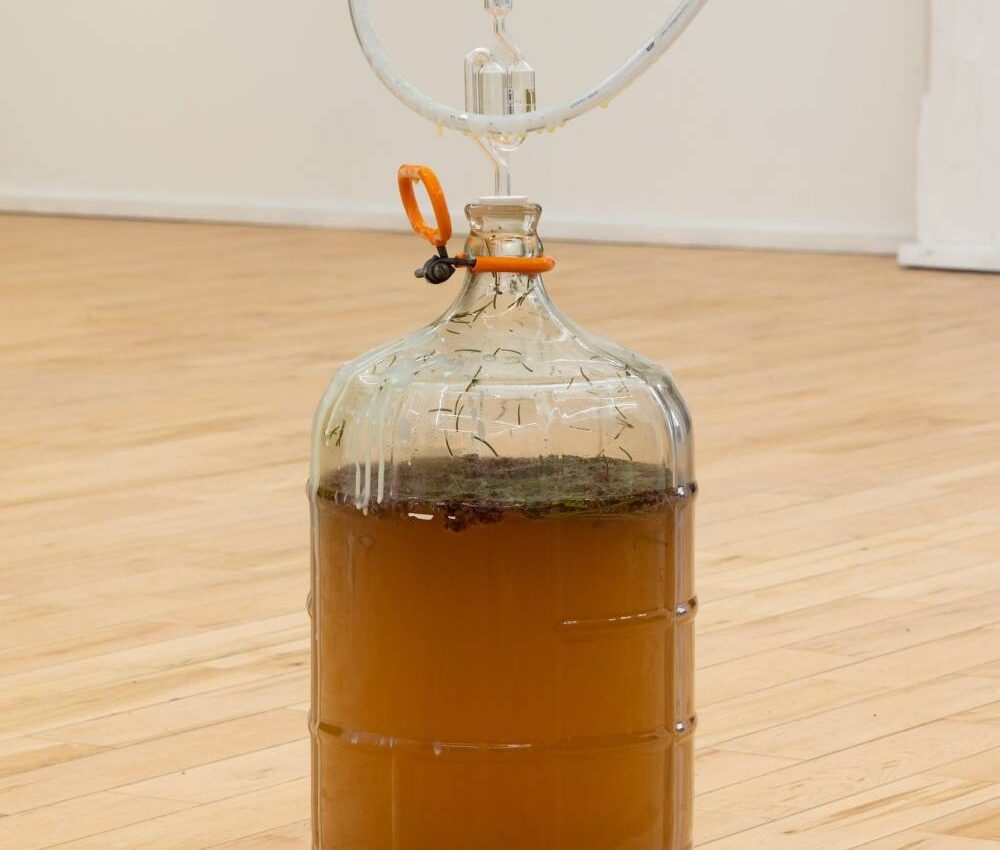
Metabolizing our way through: in conversation with artist Maria Simmons
A milky, earthy aftertaste lingers in my mouth. An egg-sized lump of fresh butter sits in the palm of my hand, roughly enveloped in bark and moss and zealously held together by twine. My bundle is ready to be buried in the mire. Hamilton-based artist and curator Maria Simmons creates and nurtures sculptural installations that function as living ecosystems unto themselves. Last January, we had a chance to reconnect during a bog butter workshop and tasting, which Simmons hosted as part of a series of food-based artistic interventions presented by the Creative Food Research Collaboratory. Gathered around simple foods —…
Read More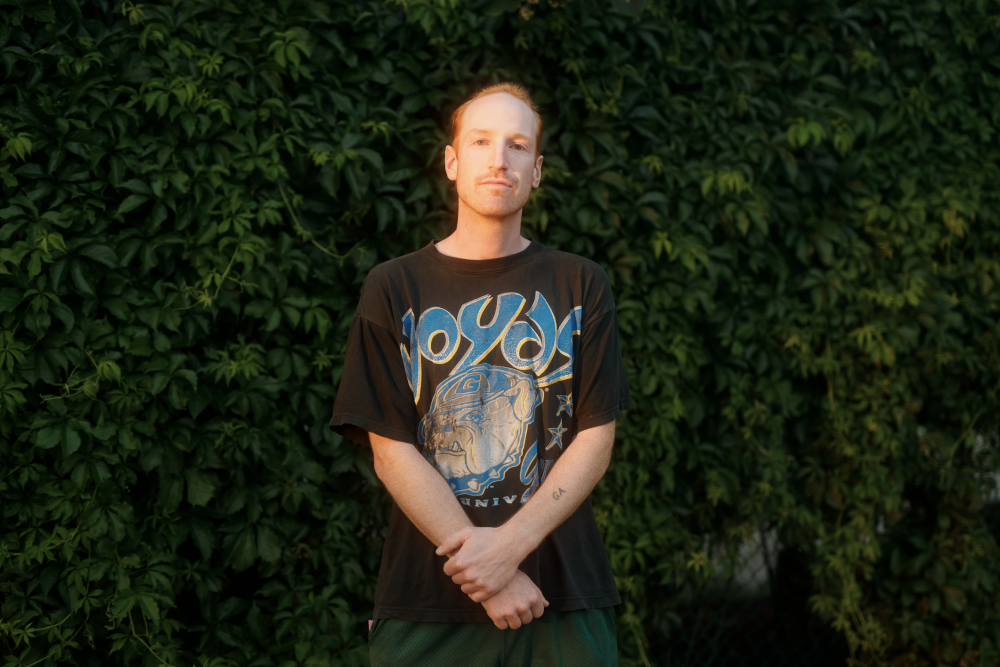
“We’re always making the space that we’re in”: in conversation with author Owen Toews
Owen Toews’s debut novel Island Falls (2023) is hard to describe. Half tale of unfolding friendship, half clinical report of a segregated mill town in the Canadian prairies, the enigmatic text plays with genre and form, raising questions about how space is produced and contested. The result is both charming and unsettling. Characters wrestle with how to respond to the violent structures that surround them and never really figure it out. In the end, we’re left to ponder the thorny relationship between trying to make sense of things and actually creating something better. Overall, the effect is galvanizing. Toews invites the reader to…
Read More