
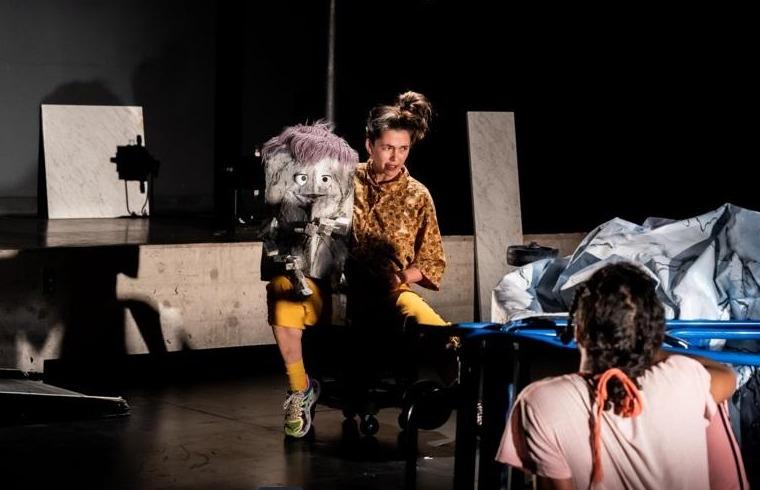
Longform
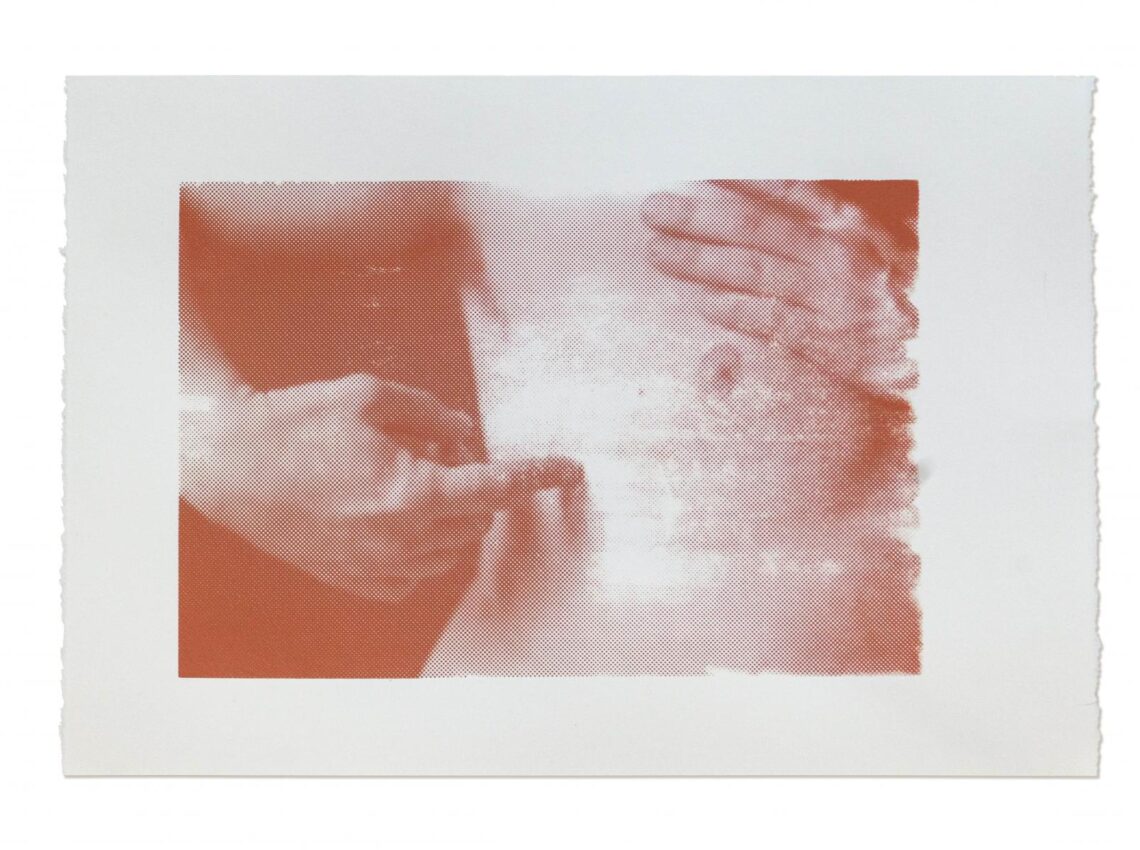
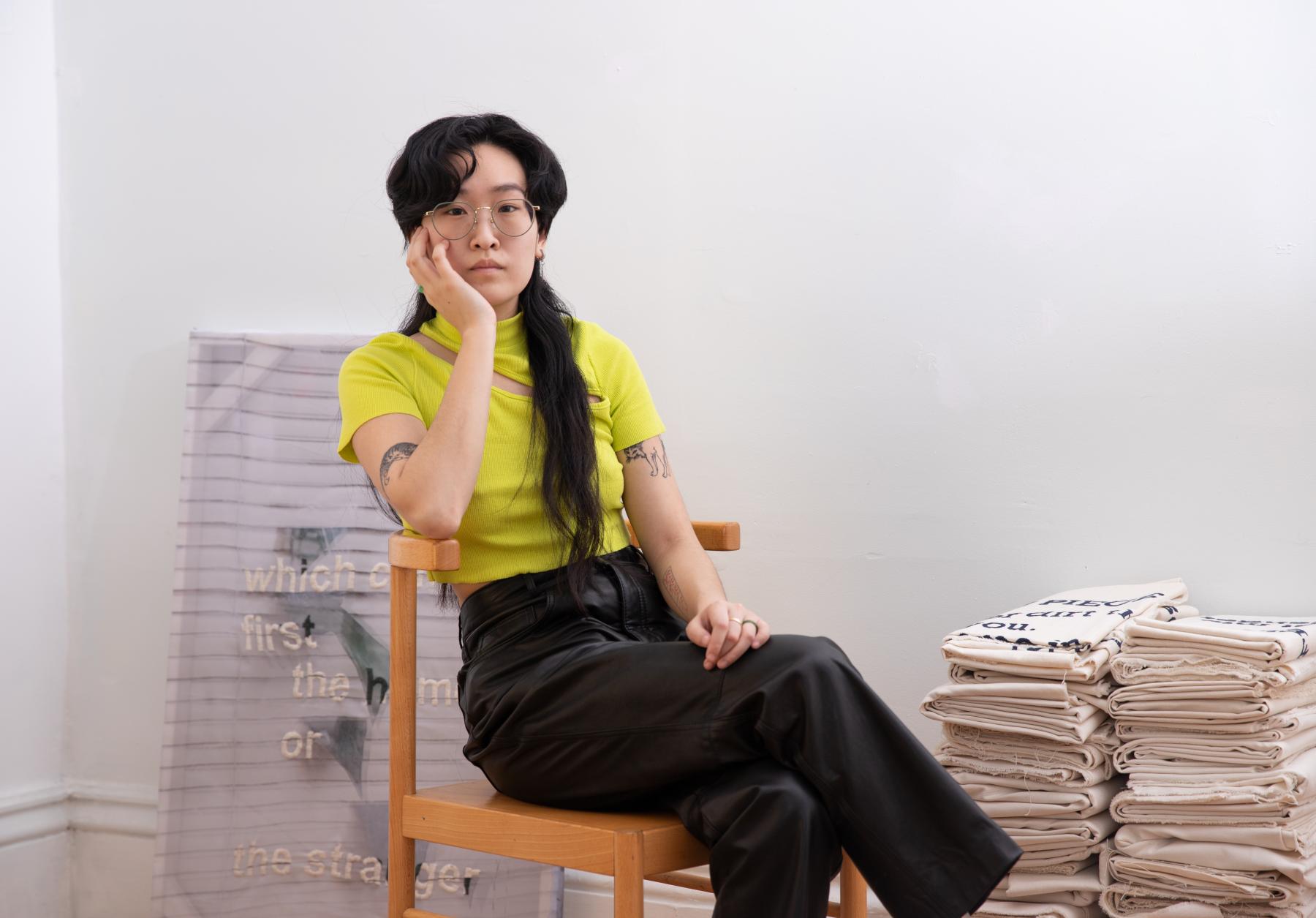
AFTERLIFE: in conversation with ESO MALFLOR
I met multidisciplinary artist ESO MALFLOR in Minneapolis while I was an artist in residence at Dreamsong Gallery in 2024. When we met, they told me about their land-based practice and recent experiments with clay. I also had recently started working with clay, making small ceramic sculptures to 3D-scan into a virtual world, while MALFLOR had been using clay in drawing and performance. They described their performance Equilibria (2023), in which they covered themself and the performance space with a full tonne of clay. Accompanied by violinists Arlo Sombor and Creeping Charlie, they made micro-movements over an hour while the clay slowly…
Read More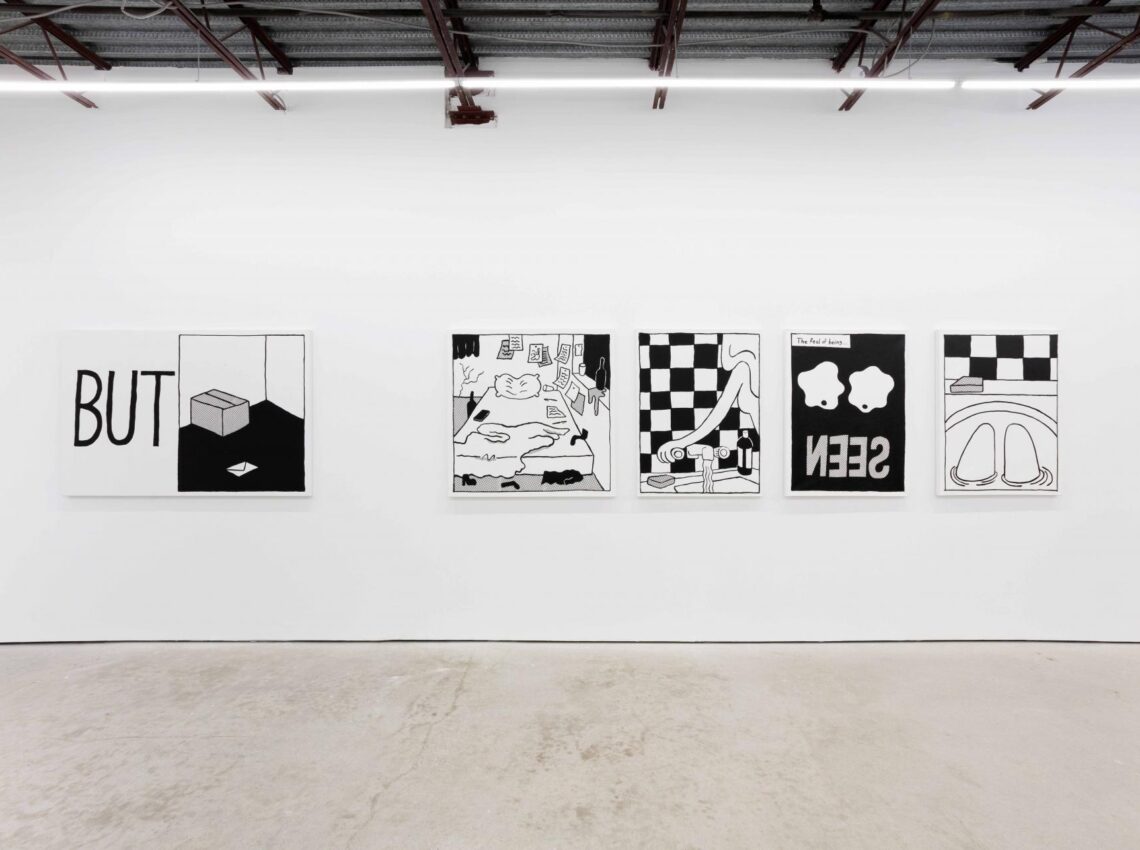
“figurelessness of the figure”: in conversation with the artist Walter Scott
Almost twenty years since being introduced to Scott McCloud’s Understanding Comics, a few of its pages still regularly come to mind. One panel in particular, in which a face is progressively whittled down to its simplest graphic form, two dots and a line, has really stuck with me. The narrator asks, “WHAT IS THE SECRET OF THE ICON WE CALL – THE CARTOON?” And in the next panel, “WHY – ARE – WE – SO – INVOLVED?” McCloud poses a question to the reader about why this brutally diminished form is still so “acceptable” to us – why, rather than estranging, it can open up a…
Read More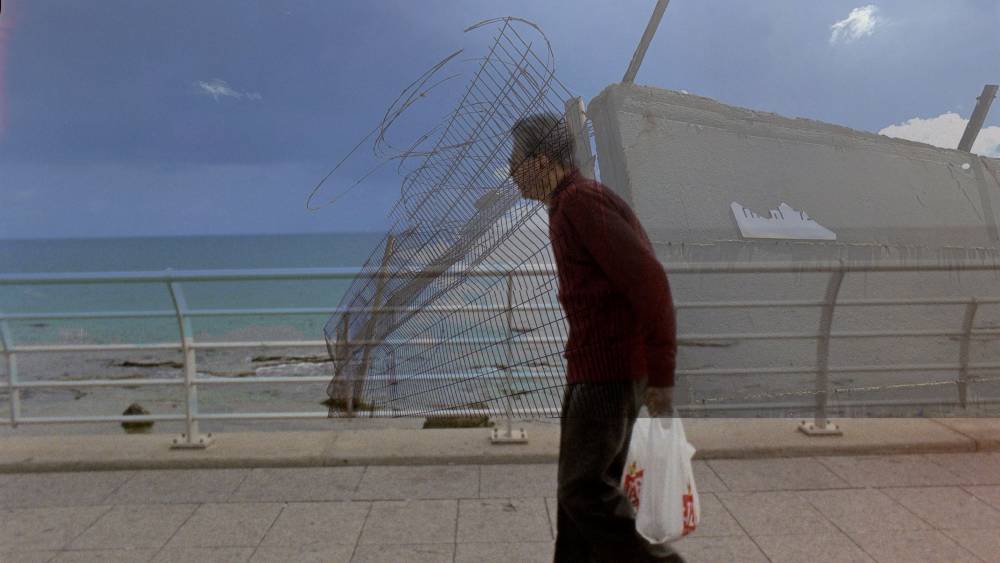
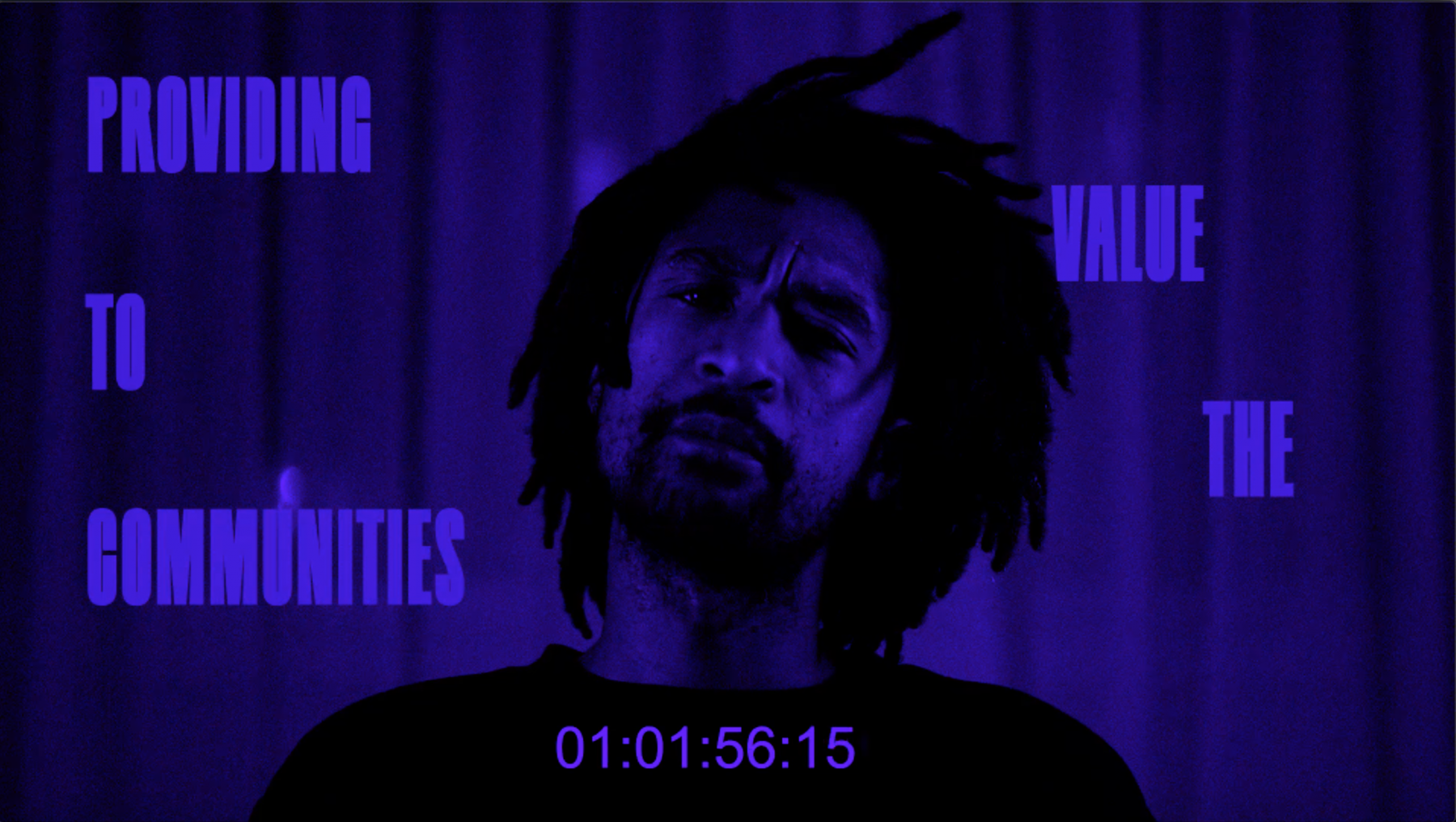
To keep the remembering going: in conversation with filmmaker Razan AlSalah
The conversation that follows below began in the fall of 2024, shortly after I saw Razan AlSalah’s film A Stone’s Throw at Prismatic Ground, an annual festival dedicated to expanded documentary and avant-garde film, curated and run by Inney Prakash. AlSalah is a filmmaker and teacher based in Montreal. What I am drawn to with AlSalah’s work is her ability to pull us into an image, or have the image spatialize our cinematic experience in a way that feels tactile, immersive, moving, and expansive. Her work engages the material implications of image-making, particularly through the layering of multiple narratives and the branching…
Read More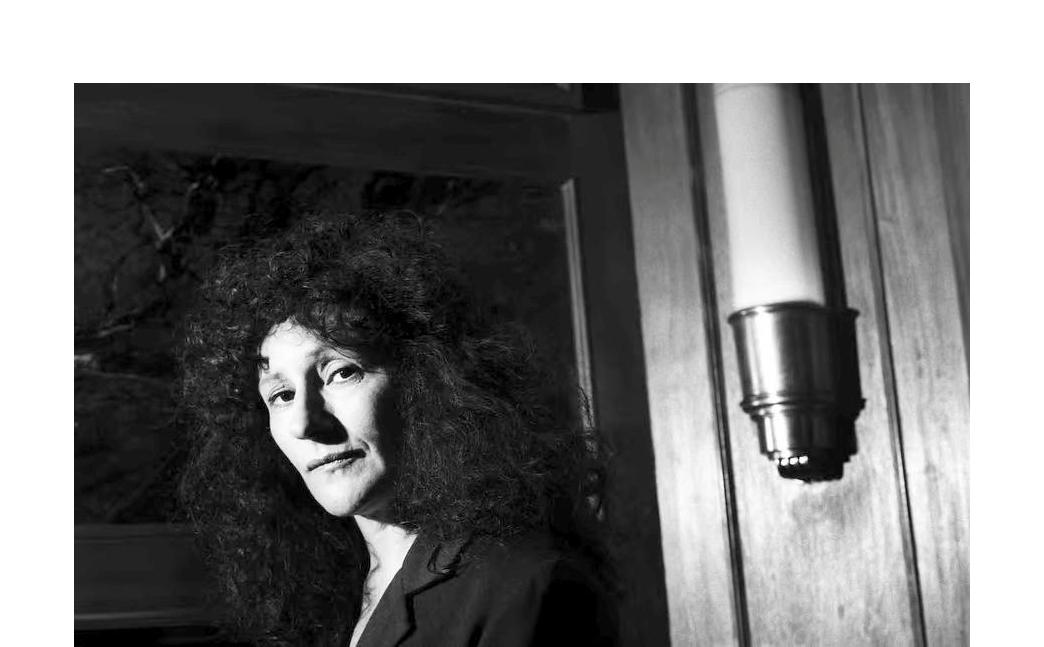
To make a life of writing: in conversation with writer Lynne Tillman
Lynne Tillman writes books–novels, short stories, essays, criticism–that continuously provoke thought. Since the late 80s and the formation of the New Narrative movement in American literature, Tillman has created a body of work deeply engaged with art, culture, history, ourselves, and our relationships with one another. The first book of hers I read was her 2018 novel Men and Apparitions about an ethnographer named Zeke who studied family photographs. Tillman’s seamless blend of found images, commentary and aphorisms on pop culture, and a narrator naturally inquisitive about others so hooked me that I spent my summer after college reading it so slowly,…
Read More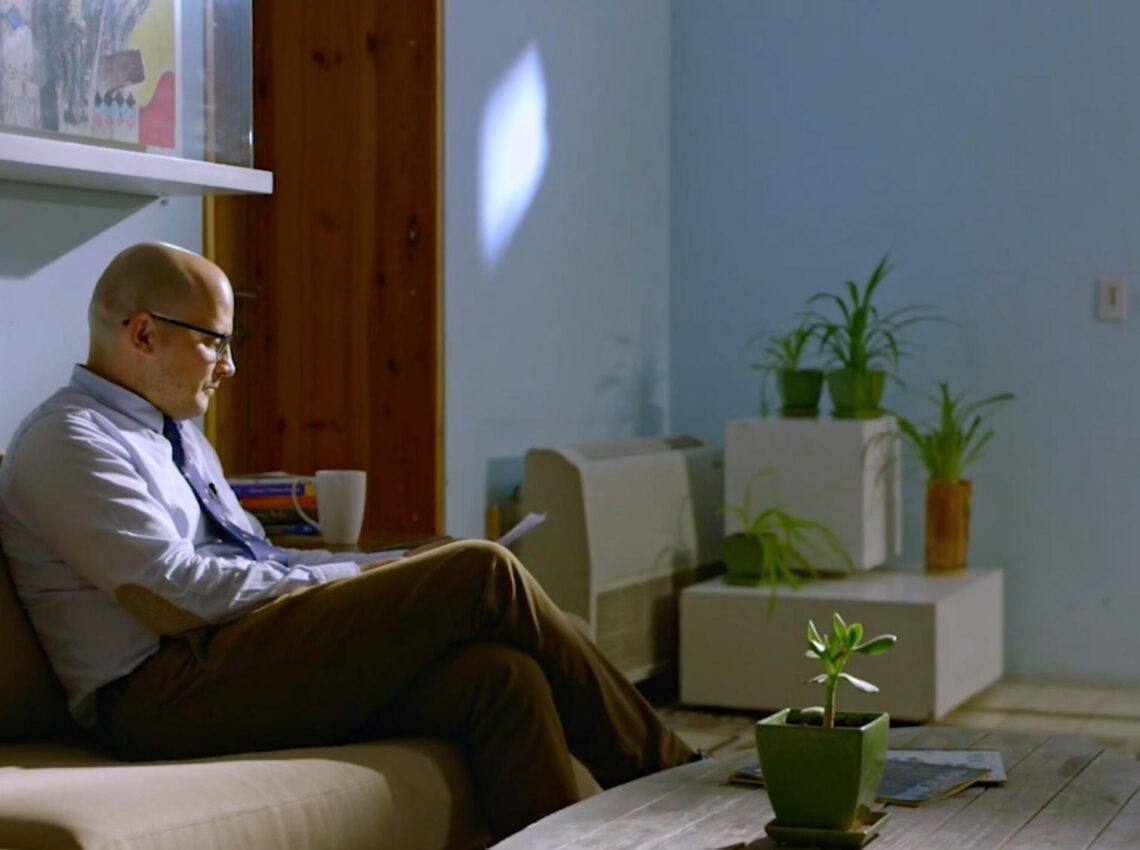
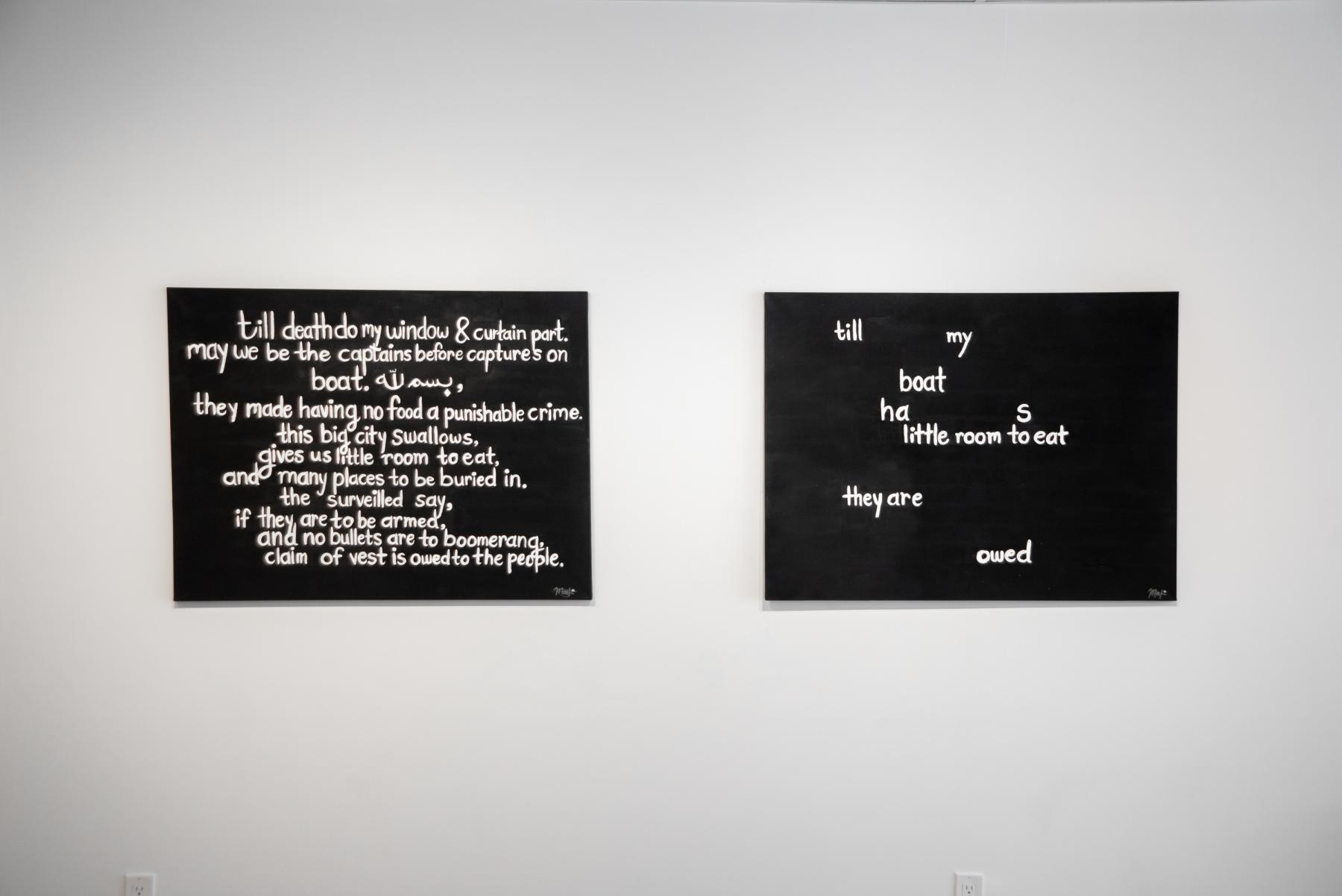
“Beace brocess”: in conversation with the artist Muhammad Nour ElKhairy
Muhammad Nour ElKhairyisa Palestinian filmmaker, video artist, and film programmer from Jordan, currently based in Tio’tia:ke (Montréal). He holds an MFA in Studio Arts: Film Production from Concordia University. His experimental fiction and non-fiction video works are concerned with the legacies of colonial, political, and economic power in and beyond Palestine. Elkhairy’s work has been shown in several international film festivals and art galleries. Several years ago, I wrote about ElKhairy’s video work I Would Like to Visit (2017) for an article in Canadian Art on new directions in conceptualism. We discussed that work a little in the interview that follows. But when we…
Read More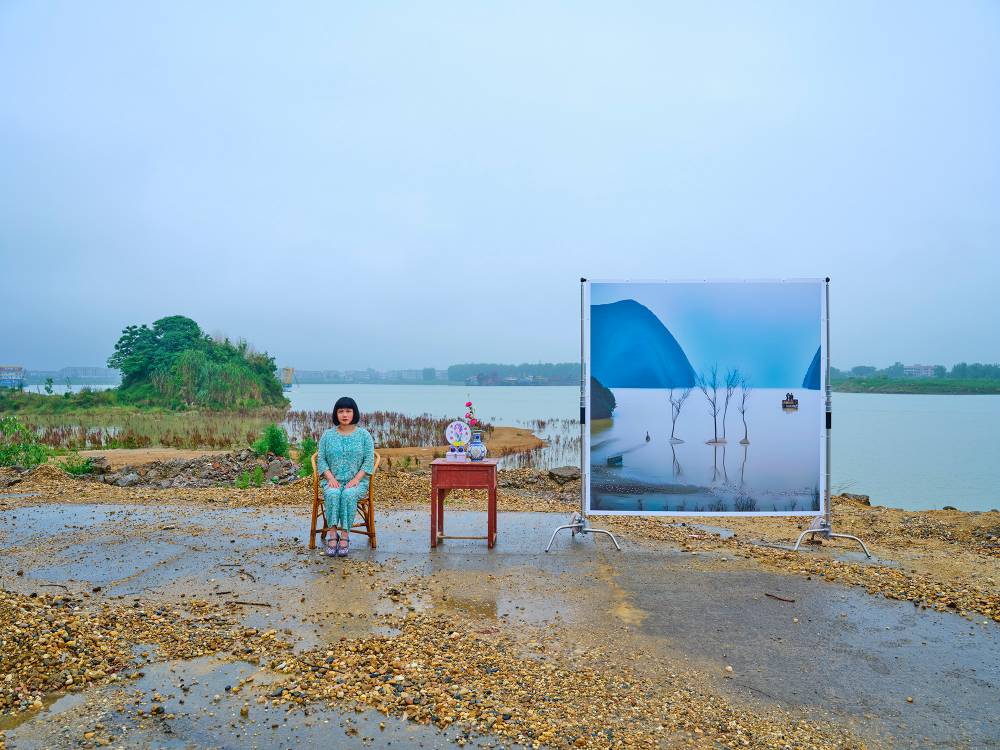
Embracing error: in conversation with artist, Chun Hua Catherine Dong
I was aimlessly scrolling through my Instagram feed when my screen was engulfed by a blue light. I was taken aback by a video of an underwater Times Square; along with the images, the sound of a submarine ecosystem soothed me, making me stop and take a few minutes to fully grasp what I was seeing. Before me was Mulan, a video by Montreal-based artist––from Chinese descent––Chun Hua Catherine Dong, projected on 95 digital billboards. The first time I watched the video was in a virtual reality headset but the effect was similar as I was transported into an aquatic environment full of color…
Read More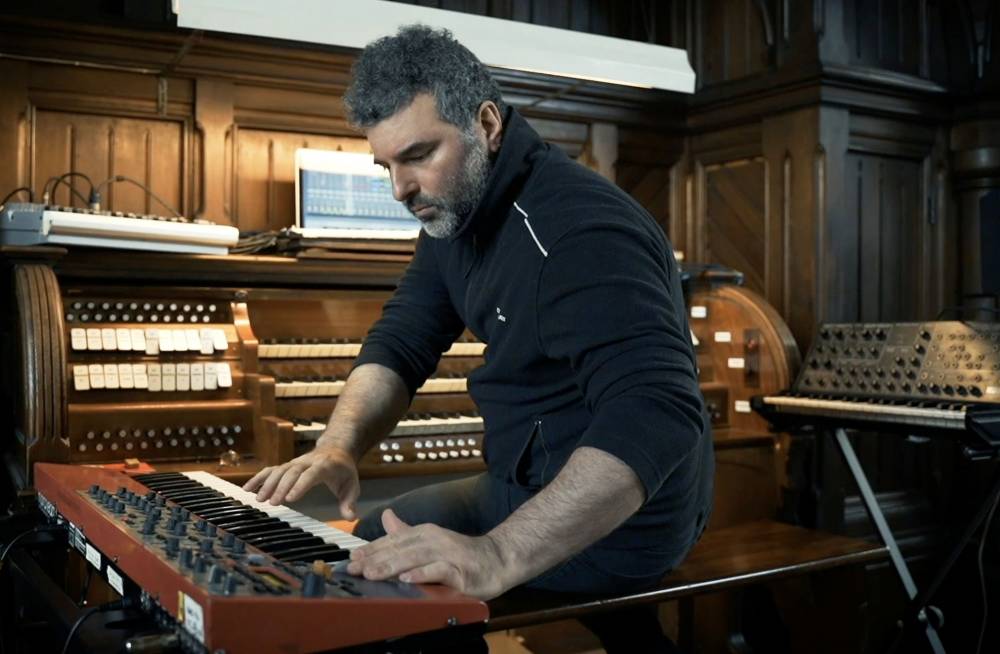
“(In the Life of an) Olive Tree”: in conversation with artist, John Kameel Farah
John Kameel Farah has something to say. In a recent video posted to his social media accounts, he can be seen playing a harpsichord ahead of a concert in Amsterdam. “Many Europeans would probably deny the connection, but to me it seems obvious that the harpsichord/cembalo is a musical descendant of the kanoun, an instrument used in Arabic/West Asian music,” he wrote in the caption of the post. “In addition to playing masterworks by Bach, Byrd and others, I love to stylistically invoke the kanoun through the harpsichord, firstly because I love the sound, and also because it illustrates a historical point…
Read More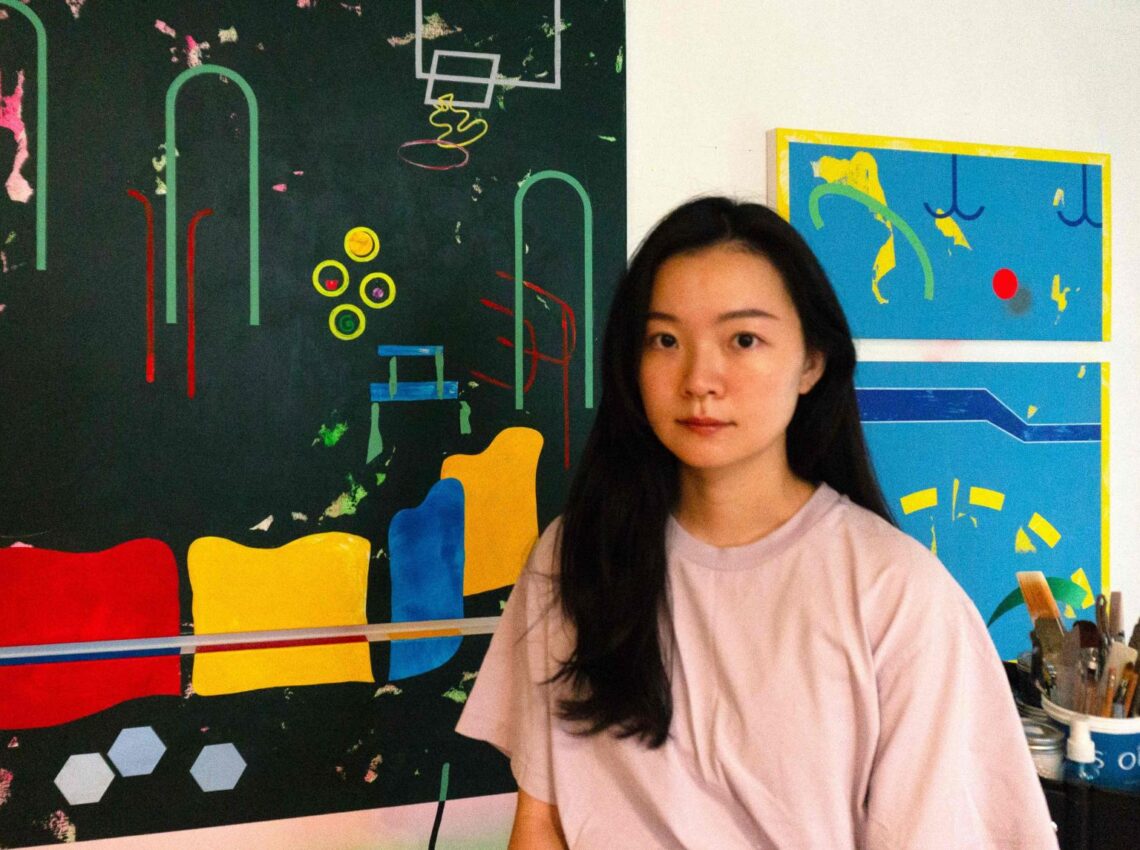
Mazes, Codes, Gestures, and Destiny: in conversation with artist Brubey (Wanzhi) Hu
As Brubey Hu and I are friends, collaborators, painters, and alumni of Zalucky Contemporary (a gallery in Toronto), I’m privy to the symbols, scenes, and impulses that permeated through her recent exhibition, Islands of Departure 离别之屿. Hosted by Zalucky in the spring of this year, Hu’s colourful diptychs sprawled characters and objects (both familiar and unfamiliar) across the canvas and onto the walls of the gallery. The space between each pair of paintings pulsed with a bright fluorescence; its glow reminiscent of how the winter snow outside looked before it began to melt. The uncanny nature of the work led me to seek more…
Read More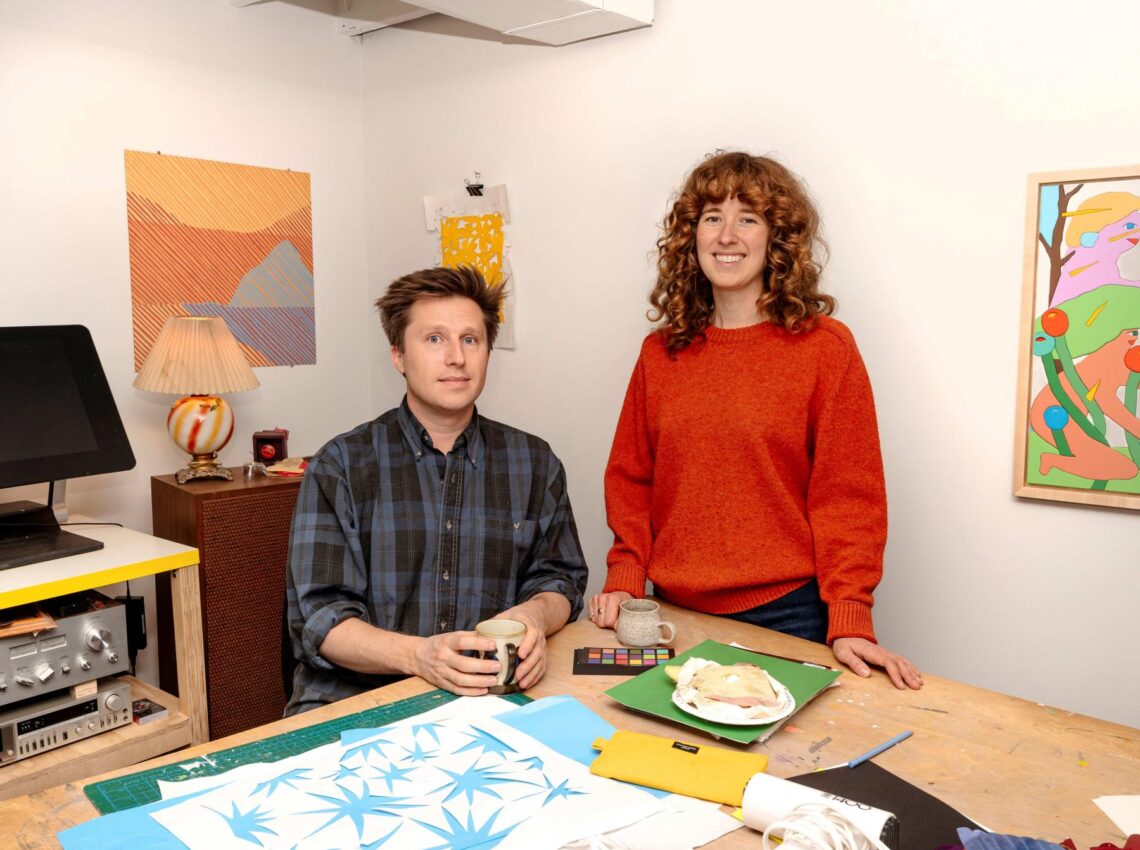
“Art as a kindness that stays put:” in conversation with Natalie Baird and Toby Gillies
After spending time with Natalie Baird and Toby Gillies, your attention starts to shift. Suddenly, you’re attuned to small moments and encounters. What might seem mundane – a conversation with a stranger, a discarded offering on the boulevard, the warm afternoon light – takes on an unassuming beauty. You start to suspect that everyone around you is secretly a delight, and they’d tell you a good story if only you’d ask. As artists and arts facilitators, Baird and Gillies bring a generosity to their work that’s infectious. In their world, ideas abound in everyday life, and anyone can make art,…
Read More
How long does a soul last?…Sometimes we all need to be reminded: in conversation with author Ariana Reines
Suppose that the most visceral and heart-wrenching kind of writing can purge you of suffering, cleanse your soul somehow. In the case of Ariana Reines’s writing, this is not merely a theory but an actual truth. To those unfamiliar with the force majeure of Ariana Reines I would say that her occult, intrepid, and soul-seeping writing is a modern spell. More than simply providing a way out of the perilous mess that we, the world, and our souls find ourselves in, Raines’s work serves as a proposal. Ariana Reines, a Salem-born poet, playwright, and performing artist now based in New York, writes with an…
Read More