
Longform
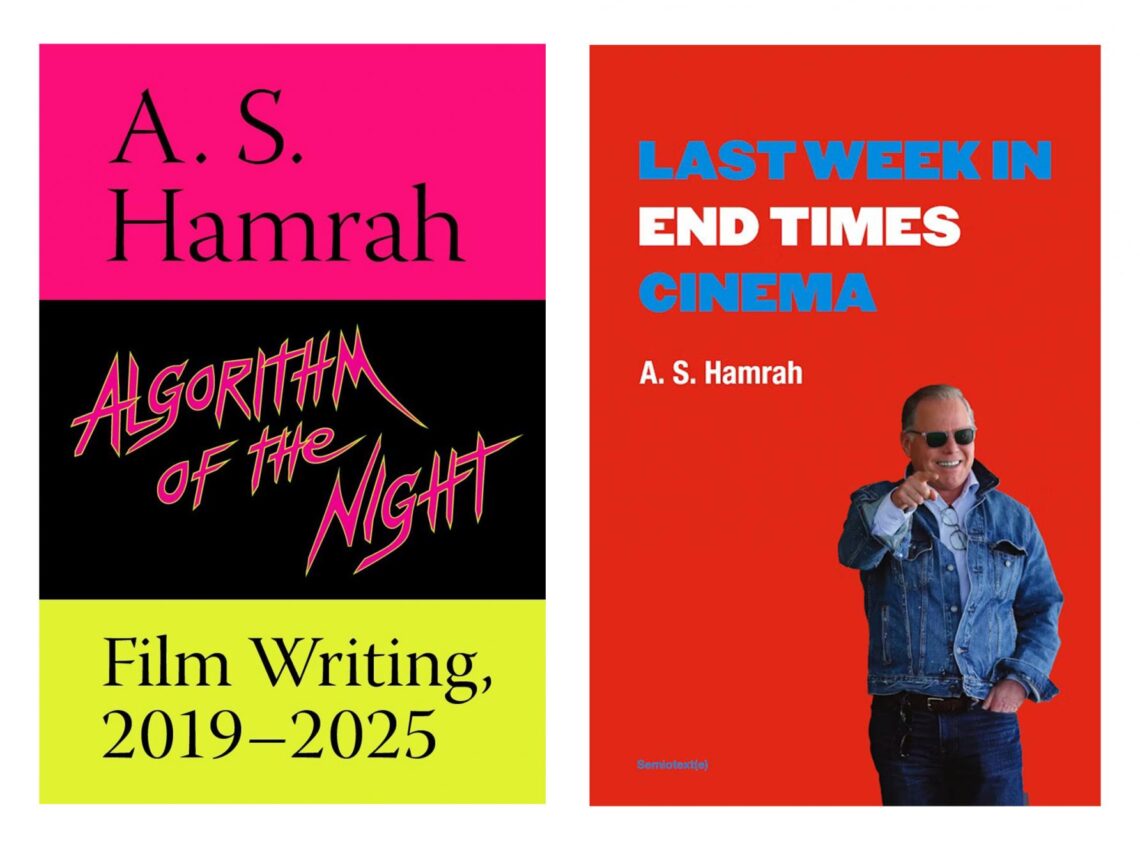
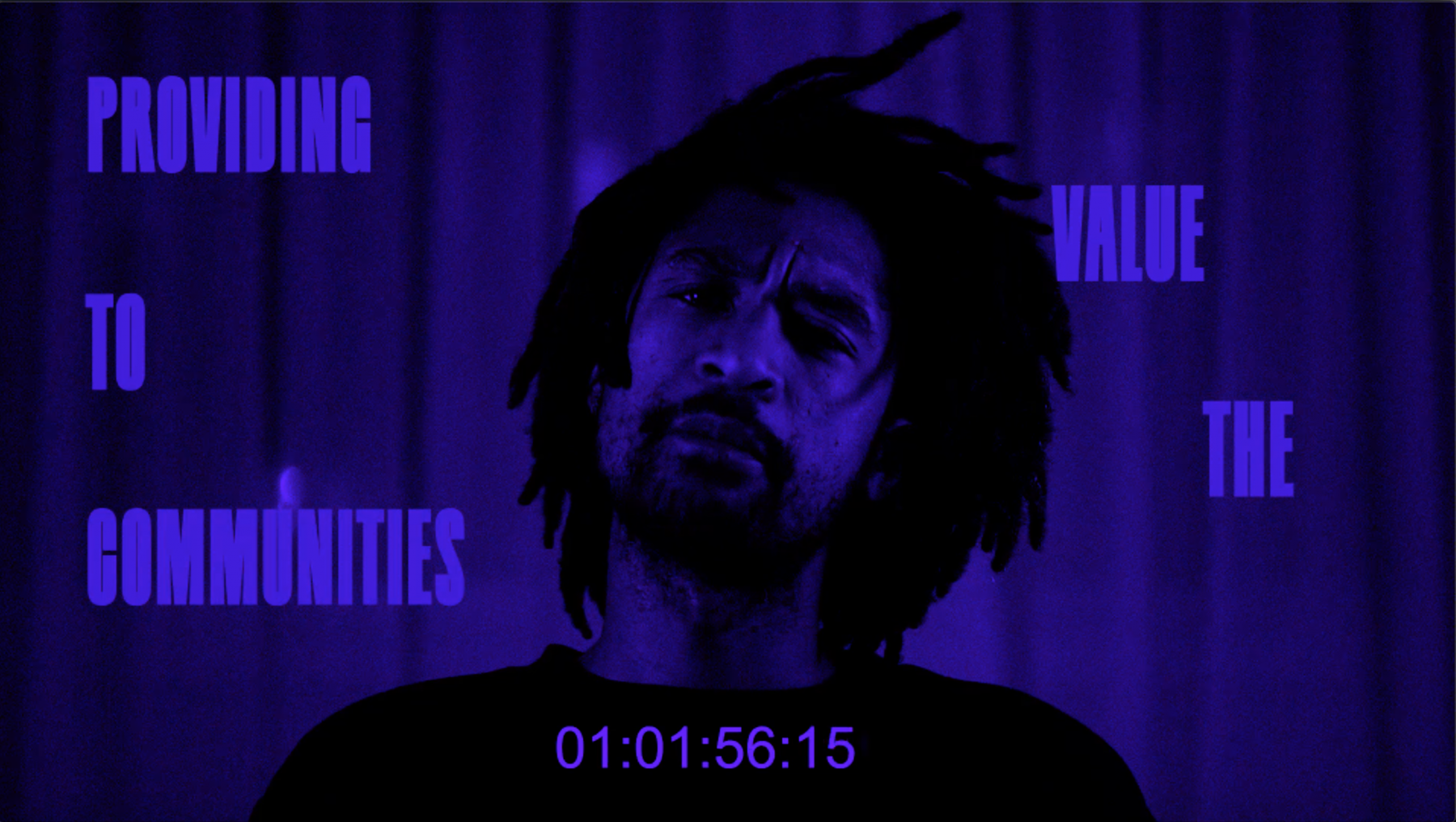
A film critic for critical times: in conversation with author A.S. Hamrah
A few nights ago, I went to a screening of Letter to Jane, the 1972 essay film by Jean-Luc Godard and Jean-Pierre Gorin. Speaking with the audience over Zoom after the film, Gorin said, “There used to be critics.” He recalled how, in the 60s and 70s, filmmakers could actually be in dialogue with others about their work. “Today, the only critic I can think of is A.S. Hamrah.” For several decades, the writer A.S. Hamrah has contributed to publications like n+1 and Bookforum. His criticism is laser-focused, unfazed by the soft language used all the time by corporately owned entertainment outlets. Hamrah has the unique…
Read More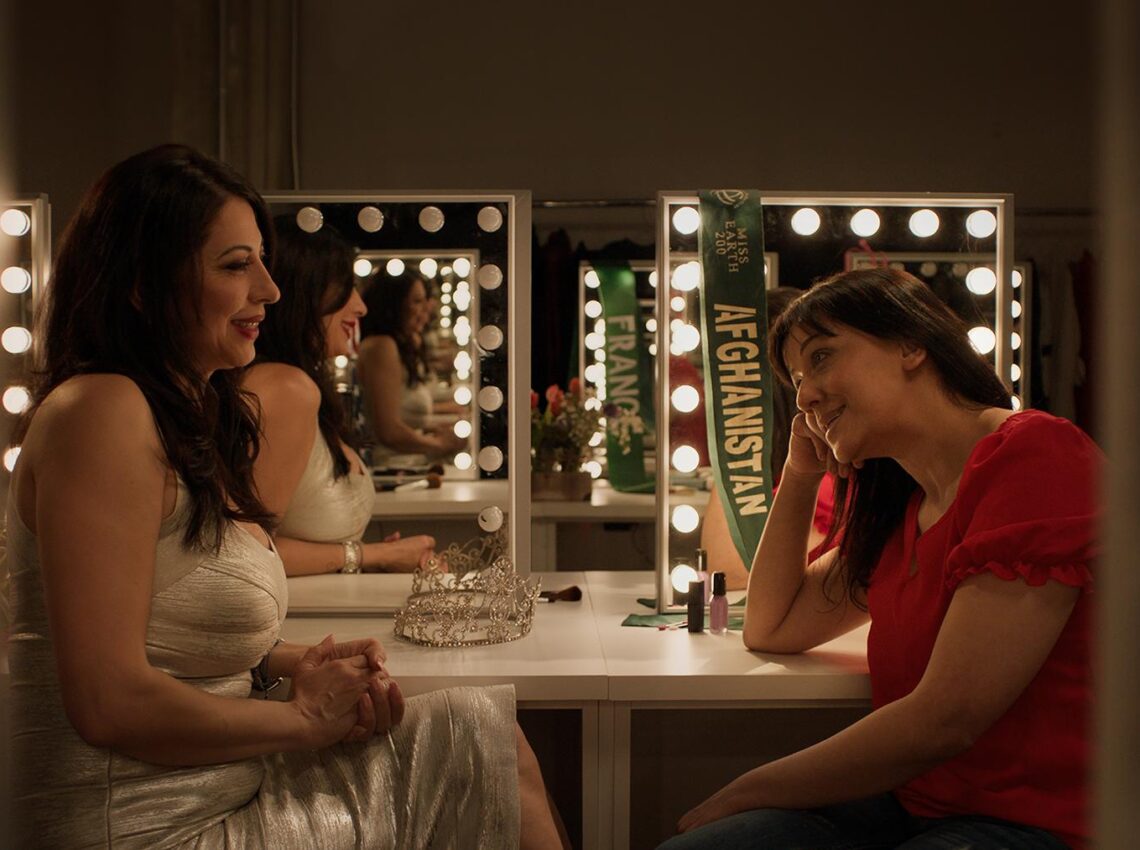
A sensory memory: in conversation with writer-director Brishkay Ahmed
From Zero Dark Thirty to Homeland and news reports, Afghanistan is frequently depicted through a familiar visual and auditory vocabulary: fast-paced shaky camera footage, violence and chaos, torture, and the markers of breaking news. In the Room, a documentary that premiered at the Vancouver International Film Festival in October, pierces through with a gentler approach, subverting expectations. Early in the festival, director Brishkay Ahmed and I met over Zoom for a 40-minute conversation about using sensory memory and reenactment to tell this story, her profoundly moving on-screen conversations, and how the struggle of Afghan women is intertwined with the rest of the globe. One thing…
Read More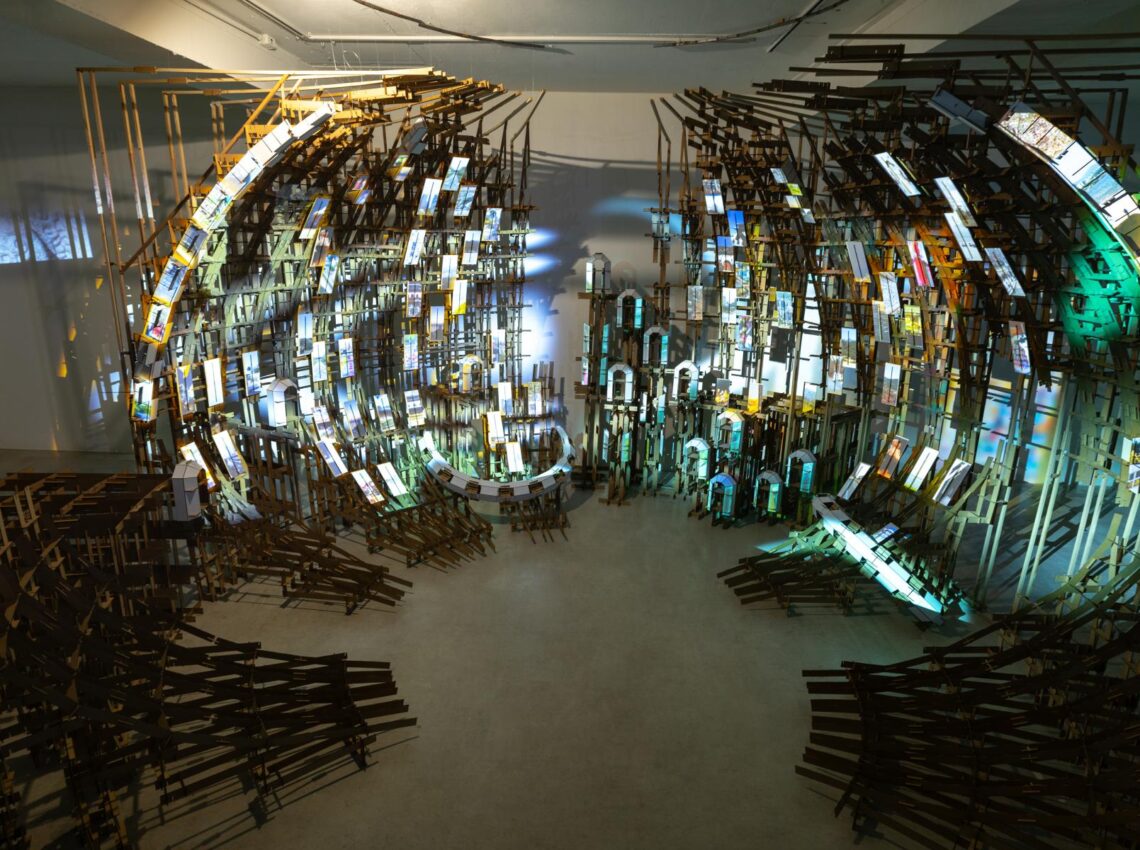
Glitching the user-friendly interface: in conversation with artist Yehwan Song
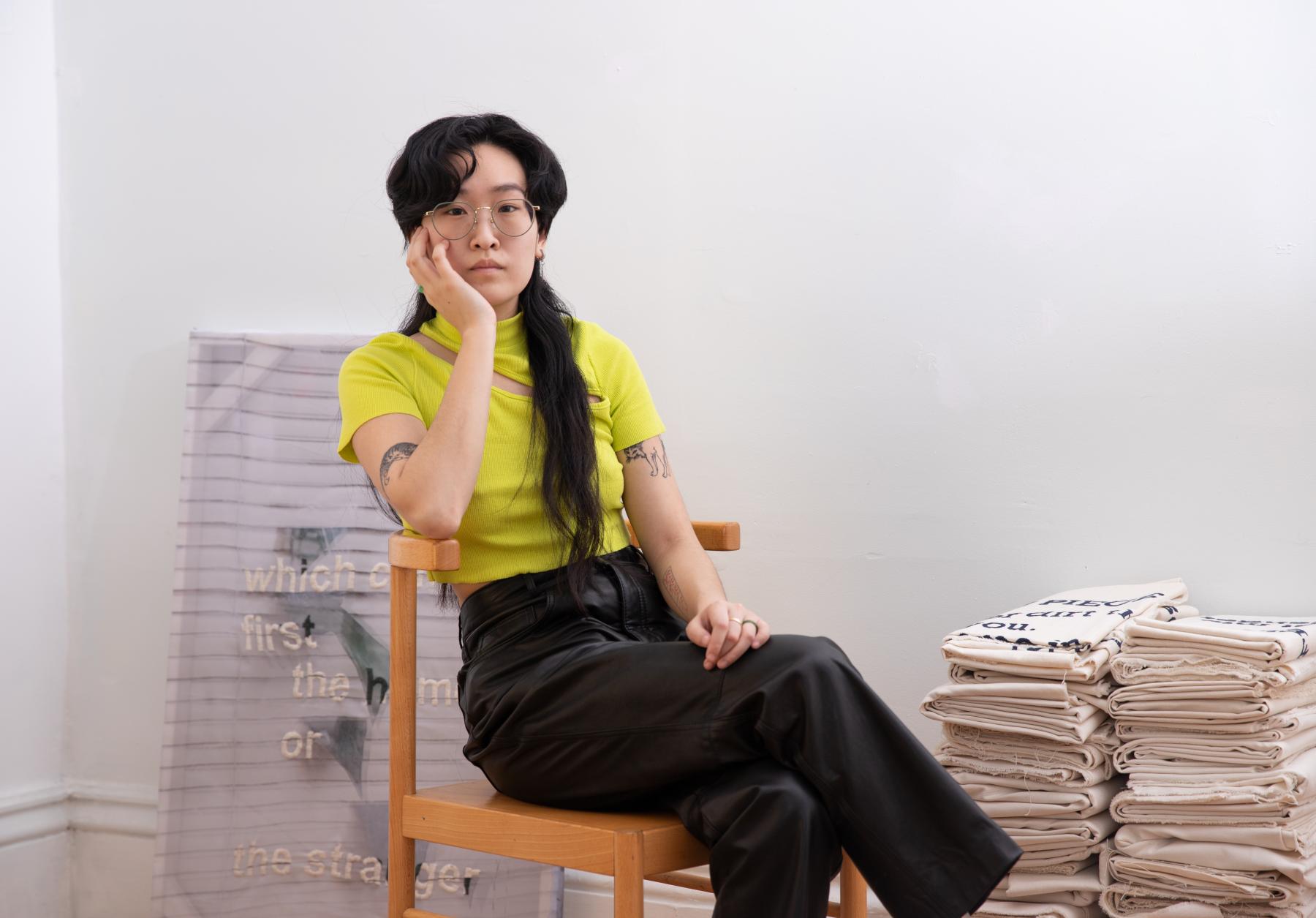
Hundreds of phones, tablets, and video projections flash in dissonance. Water cascades over touchscreens, tapping, swiping, and scrolling through websites and apps. This endless flow of information animates the hypnotic whiplash of Yehwan Song’s multimedia installations. A Korean-born, New York-based web artist with a background in UX/UI design, Song stages dystopian fantasies of the digital world that subvert the notion of “user-friendly.” Saturating screens with fragmented images of her own body, Song leans into glitch aesthetics (or glitches), seeking out the loopholes and flaws that most interfaces work to conceal. Through immersive installation and interactive performances, Song hacks the design…
Read More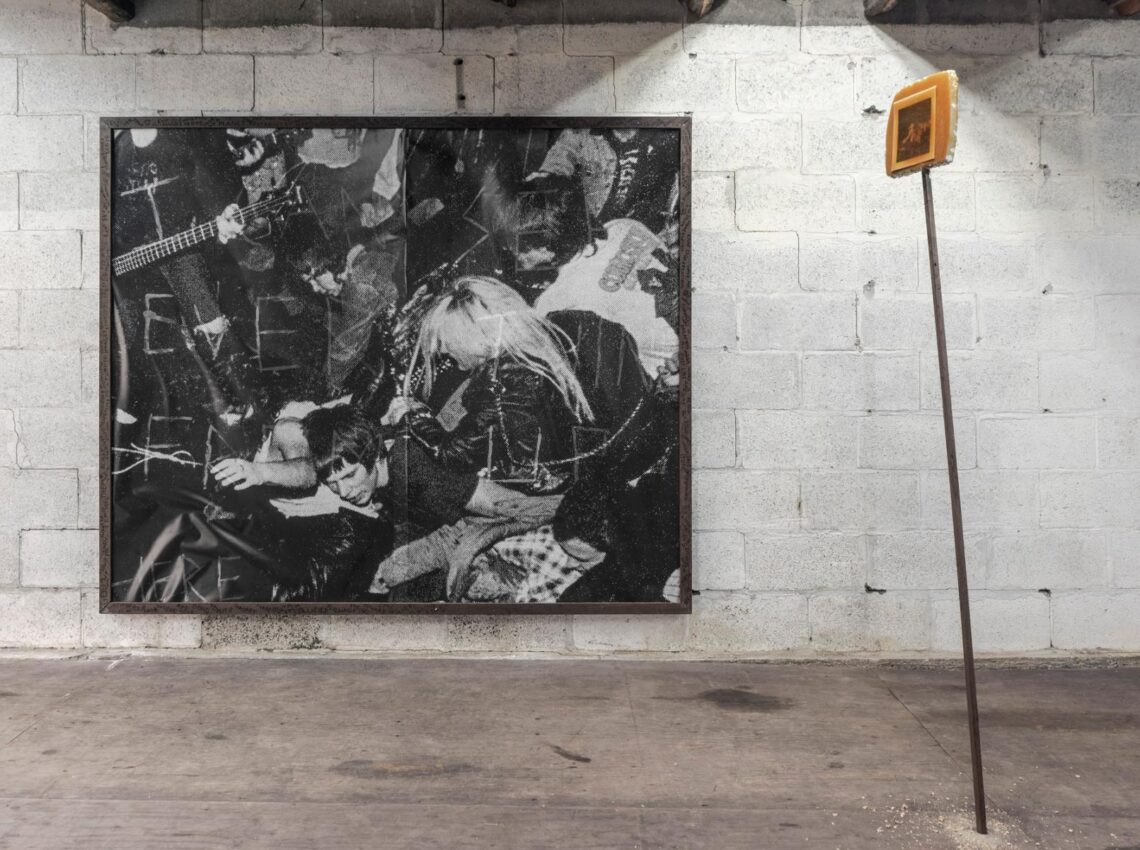
An interpretable gap: in conversation with lens-based artist Nabil Azab
If there’s anything I have gleaned over the course of my engagement with the work of lens-based artist, Nabil Azab, it is that there is a liberatory quality in the act of denial. Azab’s approach to photography rejects the long-canonized idea that the photograph is a neutral documentation of truth, or of the world “as it really is.” Azab’s approach is an eschewment of the idea that the photograph has to of anything recognizable—a refusal of the notion that the poetic quality of the photograph has to emerge out of an imagined naturalism, which operates as a stage for the interplay of…
Read More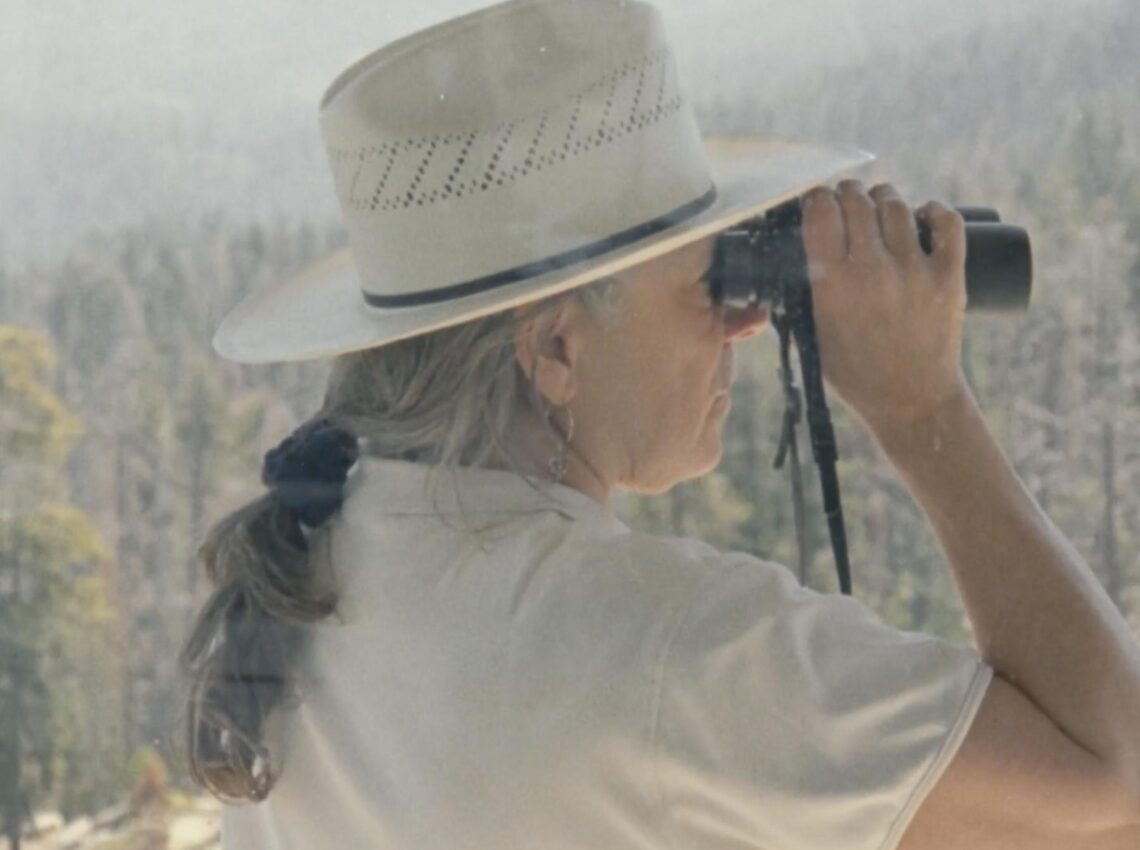
Speaking through smoke: in conversation with filmmaker Armand Yervant Tufenkian
In my experience, small film festivals geographically far-removed from the US often offer the most thoughtful curation of its cinema. With little, or even zero, pressure to cater to American studios and distributors, their programs function as a more adventurous barometer of the state of the nation than whatever Hollywood deems important enough to share with the public. I approached covering this year’s edition of the Paris-based documentary festival, Cinéma du Réel, with this in mind, excited for and open to unknown gems within its lineup of daring nonfiction cinema. My greatest personal discovery was the feature debut of Armand…
Read More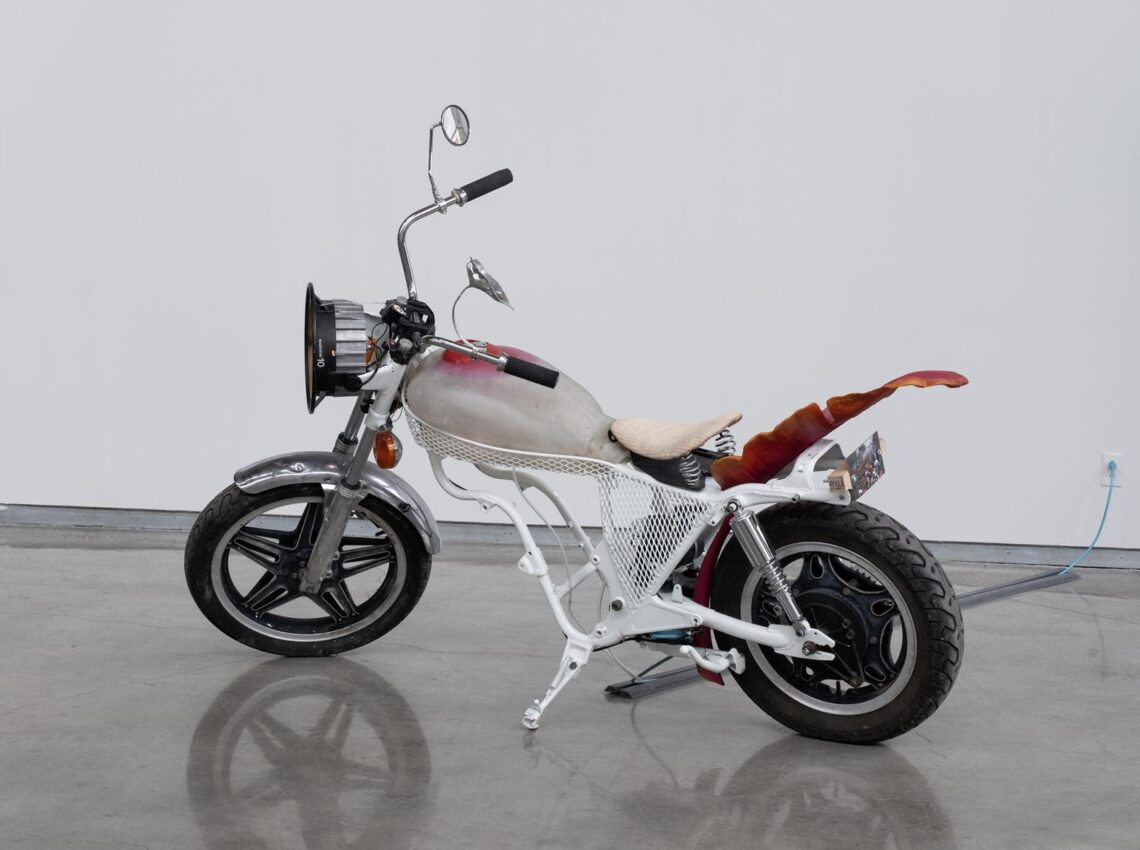
Speaking from elsewhere: in conversation with artist Frantz Patrick Henry
Frantz Patrick Henry and I met in the Spring of 2019. I co-curated the exhibition “Over My Black Body” at Galerie de l’UQAM with my friend Anaïs Castro. Stanley Février, one of the artists in the show, had a team of assistants supporting him, of which Patrick Henry was a part. I had to engage in numerous back-and-forth discussions at the gallery regarding exhibition design, setup, lighting, and the artists’ well-being. His attention to detail and calm demeanour were more than welcome as the opening date was approaching. I followed his career since, noticing every time that there was something distinctly Haitian…
Read More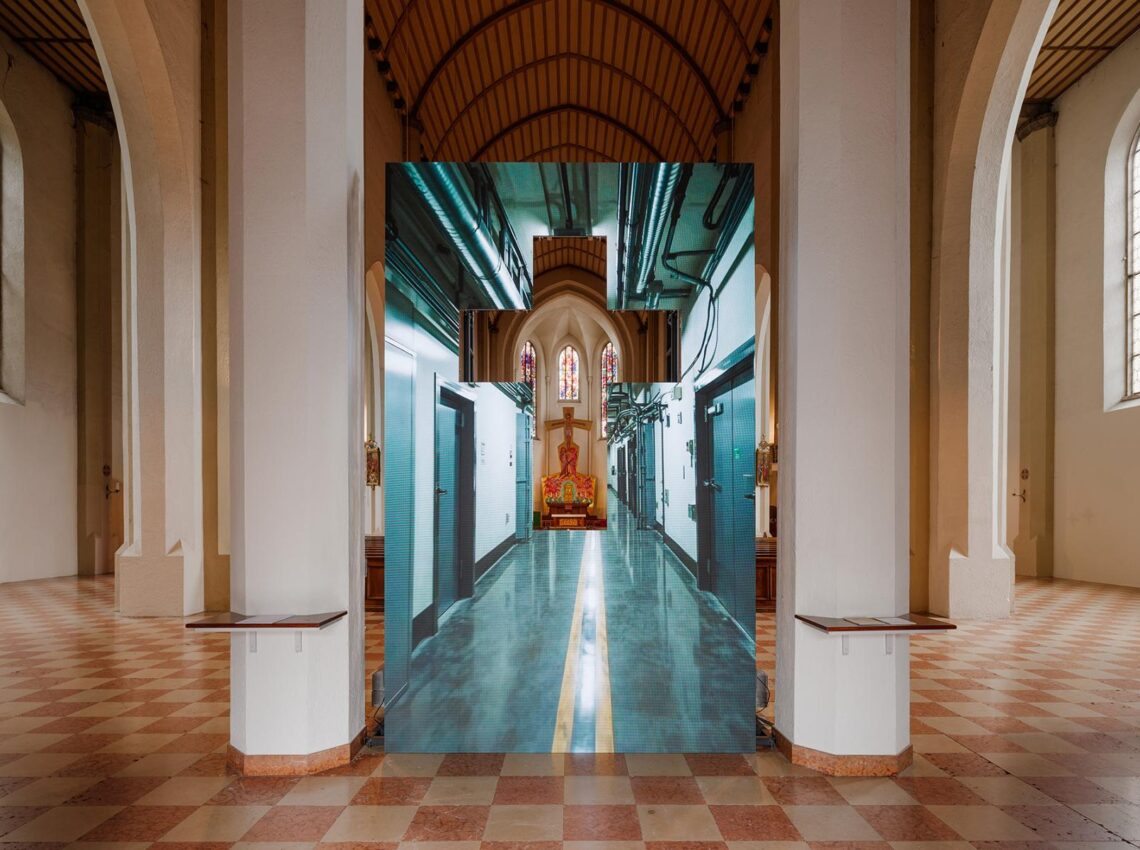
Nothing Works, Everything Plays: in conversation with artist Philipp Timischl
Philipp Timischl has built a practice on making artworks that behave less like static objects and more like characters in a play. Born in Austria in 1989 and now based in Paris, he works across painting, sculpture, video, photography, and text, collapsing distinctions between media to create installations that feel at once theatrical and oddly intimate. His pieces often stage encounters with power—whether tied to class, queerness, or the structures of the art world—while remaining disarmingly playful in tone. Timischl’s path into art was shaped by studies at the Städelschule in Frankfurt and the Academy of Fine Arts in Vienna,…
Read More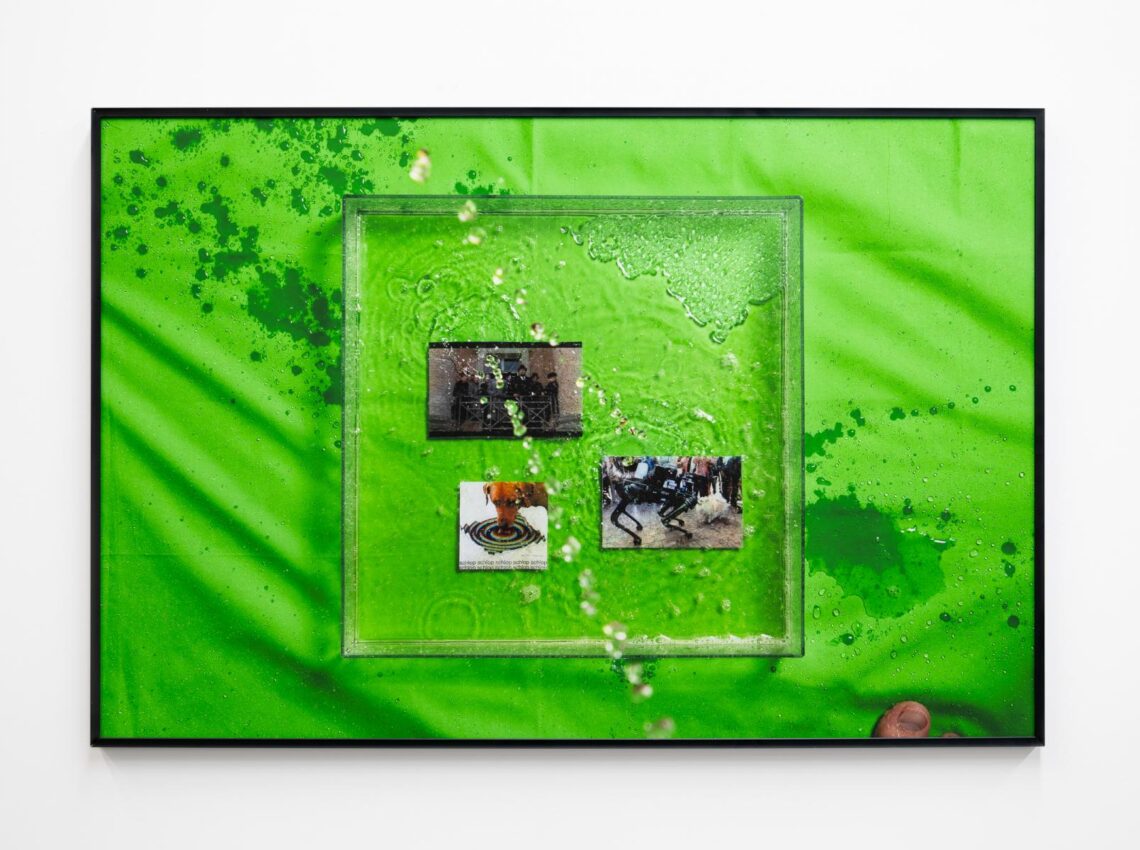
Non-reproducibility and the Queer Image: in conversation with artist Alex Gibson
Whenever I see Alex Gibson’s work installed in a white cube I feel like I am seeing something naughty—something that wouldn’t be on pristine walls if everyone admitted they knew exactly what they were looking at. This is not to say that Gibson’s work is so heavily coded that a viewer needs to be deeply ingrained in a subculture to understand its signifiers. We know why the string of saliva off the pretty man’s face is so thick; we know what the streaming liquid aimed onto images of dogs is; we know how the silicone tail is affixed to the…
Read More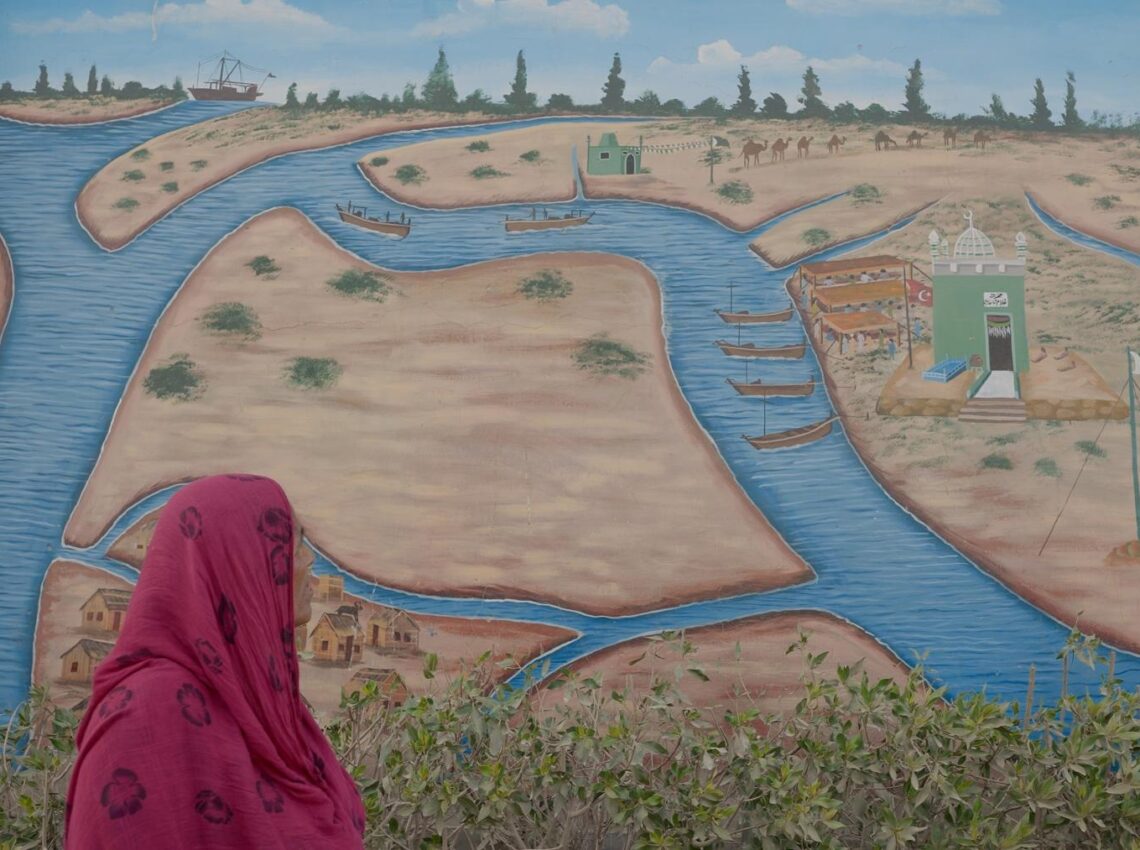
A Meditation on Dots and Dashes: in conversation with artist Shahana Rajani
I recently met Shahana Rajani through various friends who had been trying to connect us after her relocation to Toronto from Karachi, Pakistan. Rajani is an artist whose practice stems from collaboration, pedagogy, and activism, and centres issues of climate justice within the local context of Karachi. Her collective Karachi LaJamia recently won the 2025 “Asia Arts Game Changer Award.” Rajani and her collaborator Zahra Malkani originally started their collective in response to censorship in the arts in Karachi, after a few violent attacks against artists and cultural workers who were speaking up for Indigenous rights. The duo felt that the community…
Read More
Fabled adolescence: in conversation with Natasha Stagg, author of Grand Rapids
“When the sky was dark, I went down to my room to heat up a clothes hanger and press it against the back of my thigh until it went cold.” I read most of Natasha Stagg’s coming-of-age novel Grand Rapids (September 30, 2025) in the Flemish countryside on the 29th of June, with the sun burning my SPF-free skin, Marlboro Golds clouding my lungs, occasionally sipping “vodka, basil, cucumber & ice” gimlets. Stained by sweat or the gimlet’s thaw, some pages wound up saggy and soft. It occurred to me that, like the protagonist’s, my teenage years were long gone—my memories possibly…
Read More