
Longform
“Part of doing the work is living it”: in conversation with scholar/author Katherine McKittrick
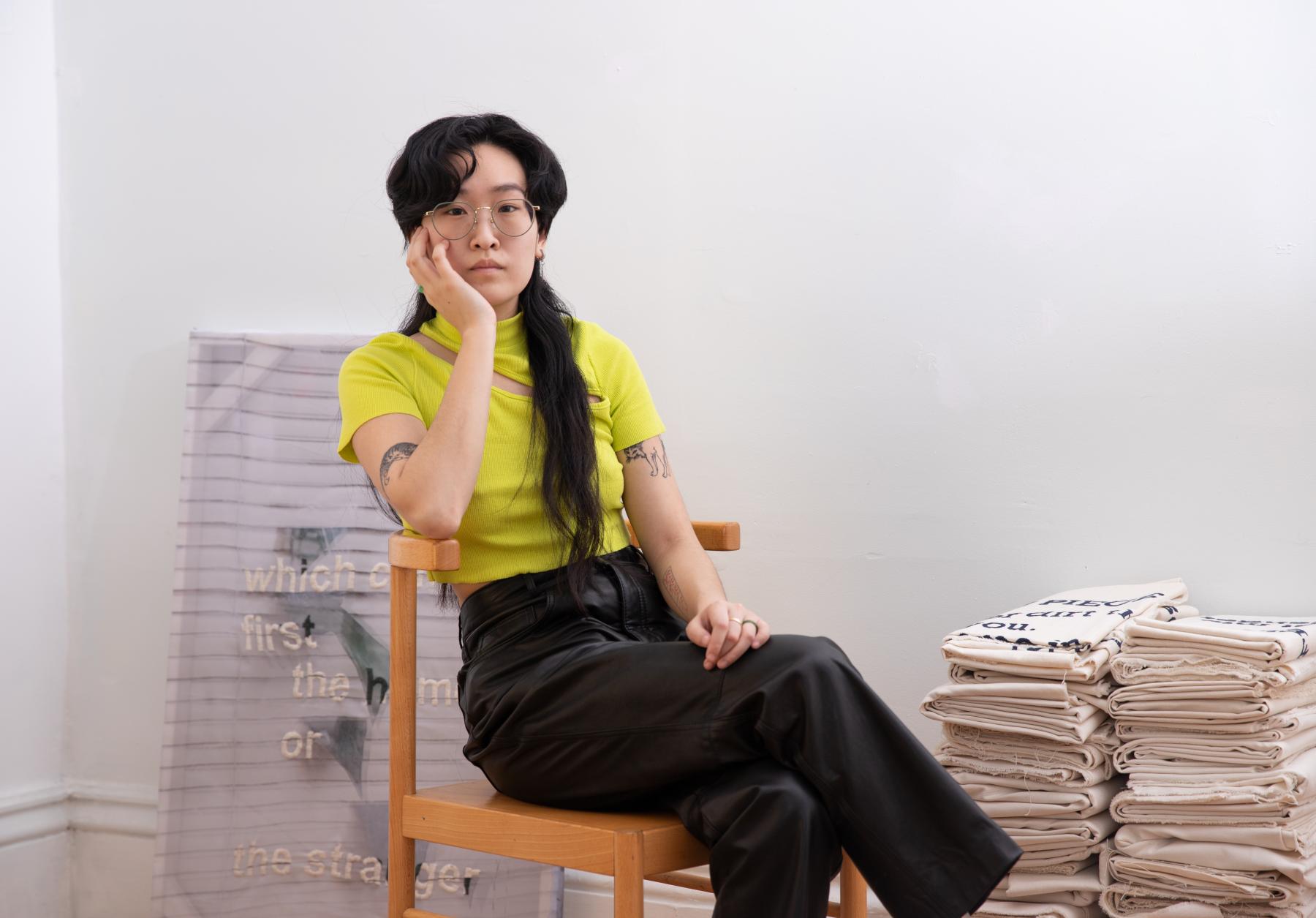
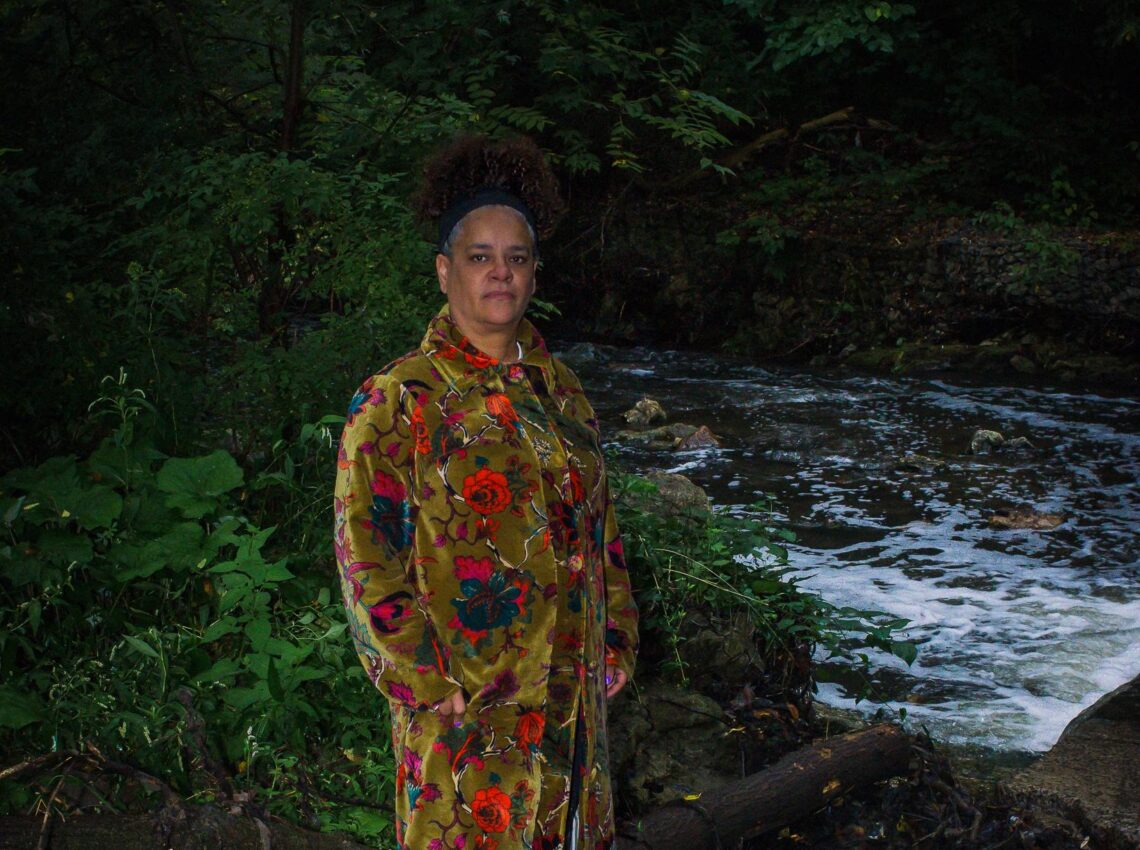
A Smile Split by the Stars: An Experiment by Katherine McKittrick is an exhibition that brings m. nourbeSe philip’s poem “Meditation on the Declension of Beauty with the Girl with the Flying Cheek-bones” into two gallery spaces. Co-produced by the Agnes Etherington Art Centre, Gallery 44 Centre for Contemporary Photography, Revolutionary Demand for Happiness, and Modern Fuel Artist-Run Centre, the exhibition began with a conversation with Katherine McKittrick—Professor of Gender Studies and Canada Research Chair in Black Studies at Queen’s University—during a rideshare in Kingston on our way back to campus where Katherine shared with me her love for the poem. Katherine…
Read More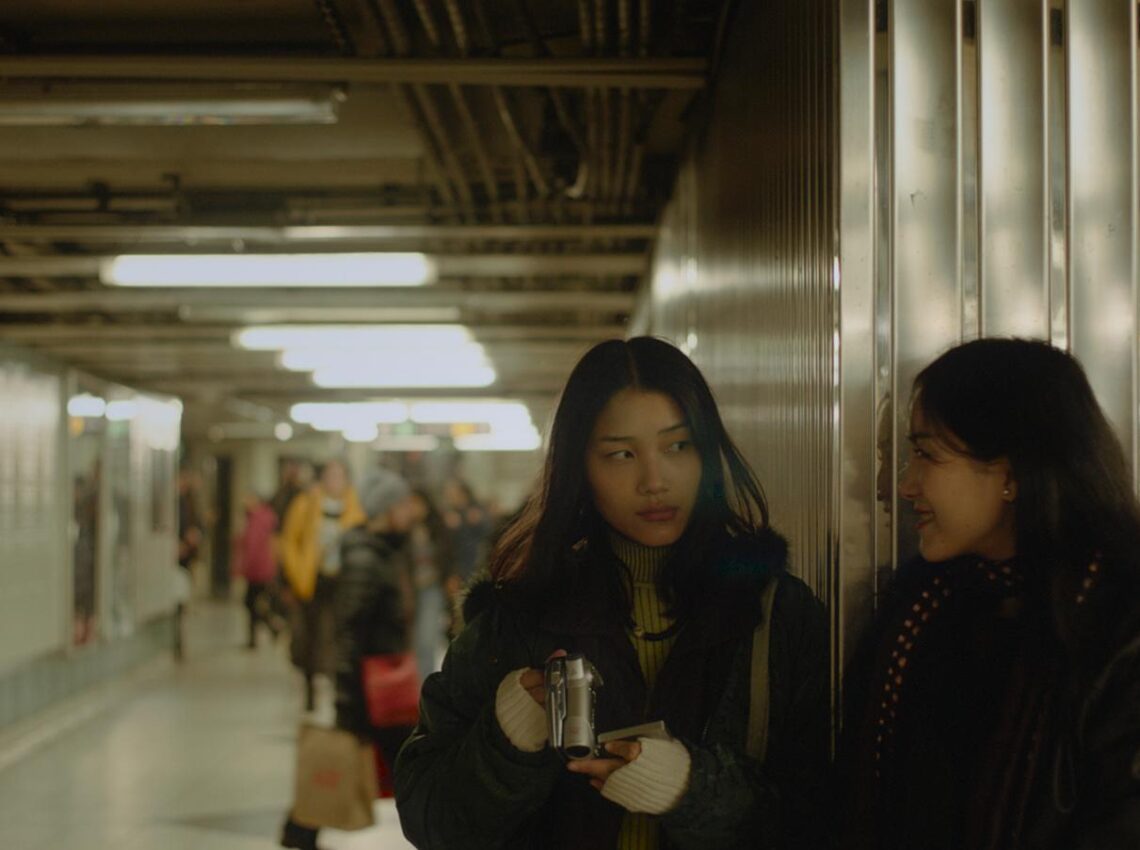
A reciprocal gaze: in conversation with filmmaker Kunsang Kyirong
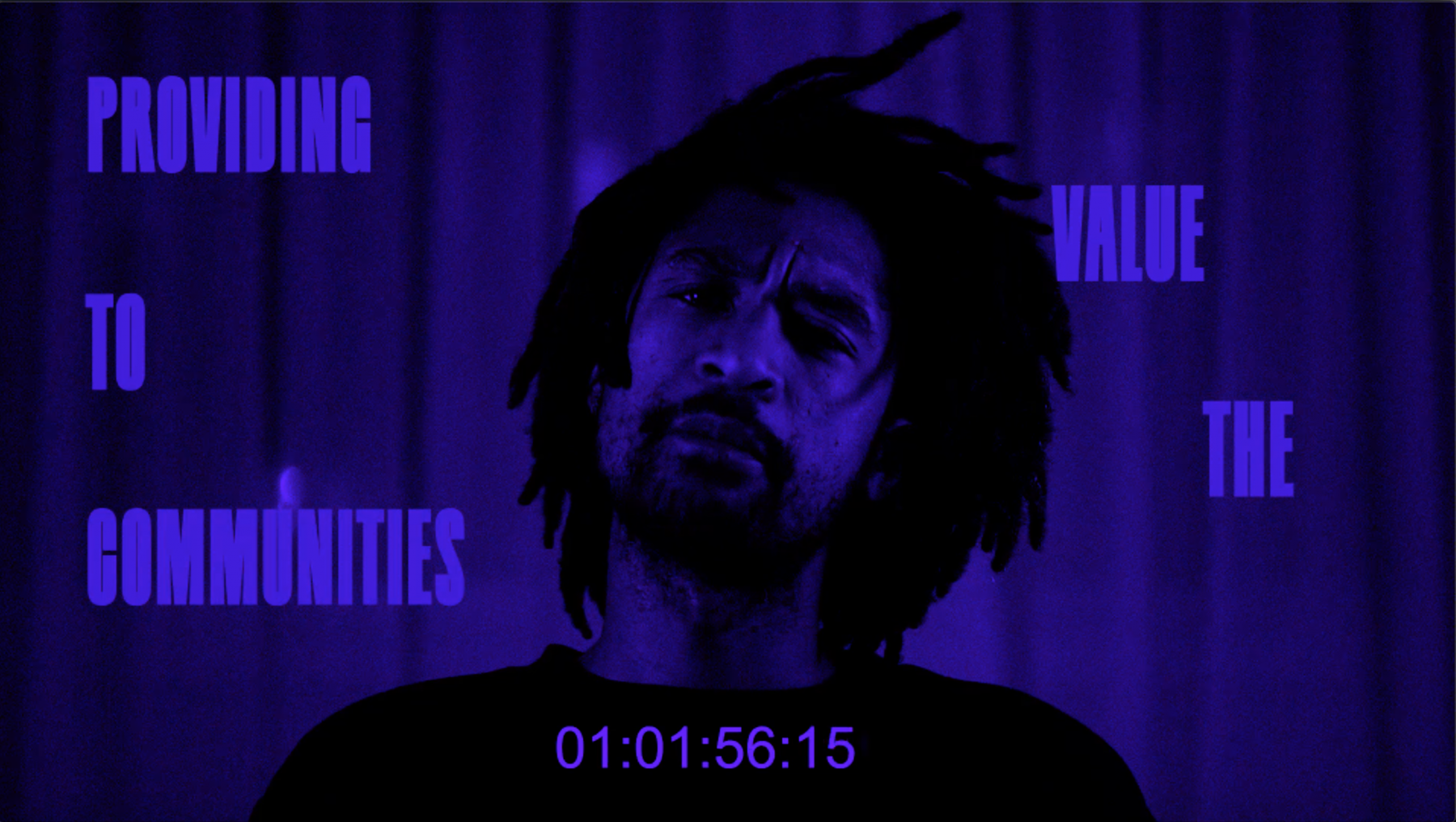
I first met filmmaker Kunsang Kyirong last summer at my friend’s coffee shop in Roncesvalles—the Toronto neighbourhood halfway between my apartment at Bloor and Dundas, and her place at the time in Parkdale. When we met, she was in post-production for 100 Sunset—her first feature-length film. Born in Vancouver, Kyirong studied 2D+Experimental Animation at Emily Carr University of Art and Design, and is currently pursuing her MFA in Film Production at York University. Her previous short films Dhulpa (2021) and Yarlung (2020) have been screened at various international film festivals and exhibited at The Rubin Museum of Himalayan Art. Kyirong told me about her newest…
Read More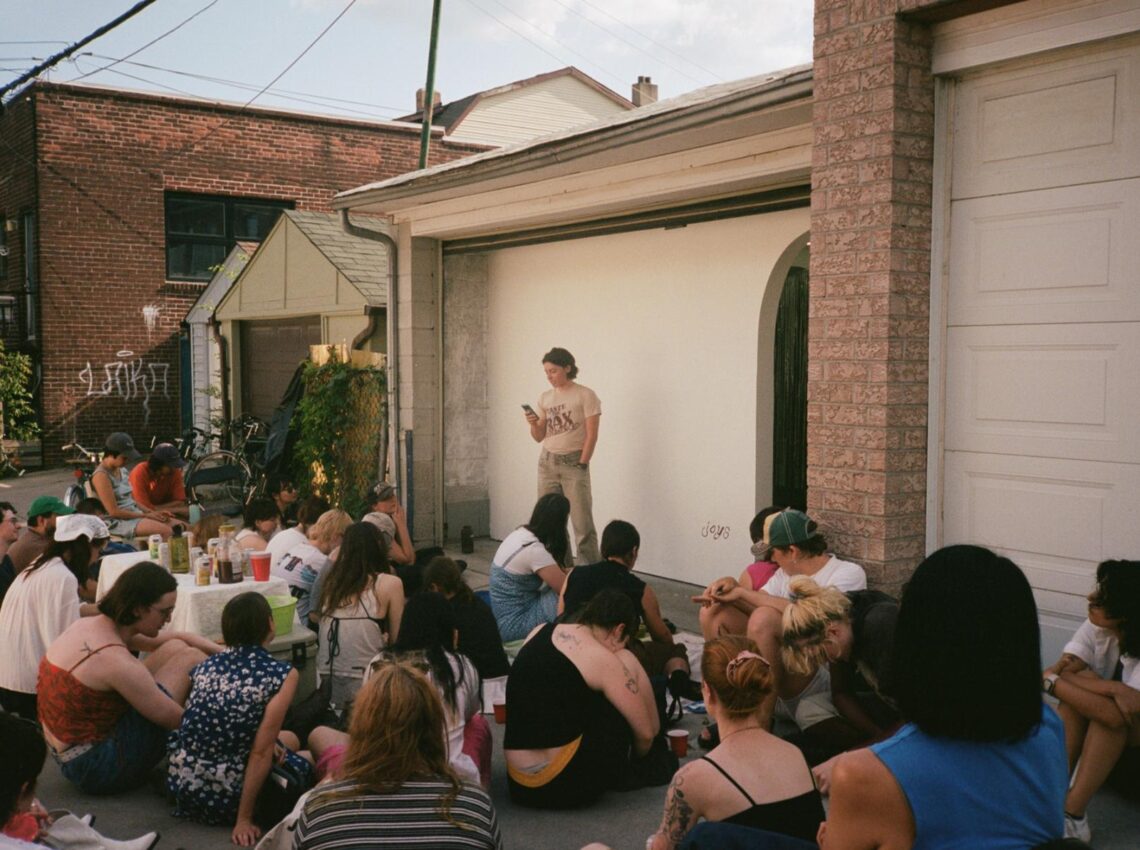
Between a wish and a prayer: in conversation with writer and curator Danica Pinteric
For the past three-and-a-half years, the garage behind 903 Lansdowne has been home to Joys, an independent gallery operated and initiated by writer and curator Danica Pinteric. Accessible by the laneway between Lansdowne and St. Clarens in Toronto’s west end, the gallery’s entryway is marked by its iconic arched door and—most Saturdays—the presence of Pinteric, awaiting visitors. With a curatorial style as incisive as it is intuitive and process-driven, Pinteric’s mark on the city has been lively and thought-provoking, emanating a particular poetic quality. As a poet myself, perhaps what draws me to Pinteric’s work is how she borrows the…
Read More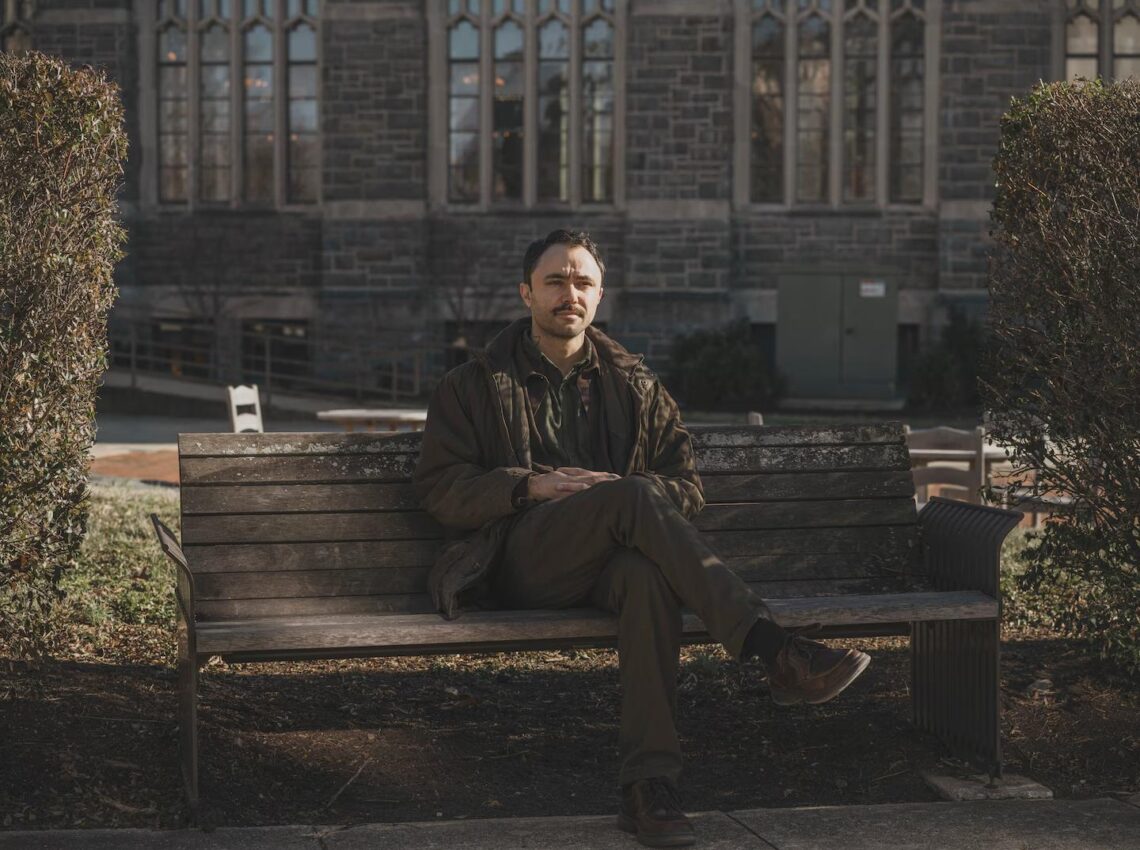
What I Want to Do and Don’t Want to Do: in conversation with author Jordan Castro
An algorithm didn’t bring me to Muscle Man, Jordan Castro’s satirical, foreboding new novel about wayward English professors, but it could have. I’ve worked and taught in colleges since completing my master’s degree in the late aughts. I recently binged The Chair (2021) and Lucky Hank (2023), somewhat formulaic shows about academics and their departments coming comically undone. Muscle Man is funny at times. It’s also tense and much less predictable than the typical departmental drama. The central character, Harold, recalls feeling optimistic early in his career, thinking of himself as a priest in a temple of knowledge. “He had been excited to break free from the…
Read More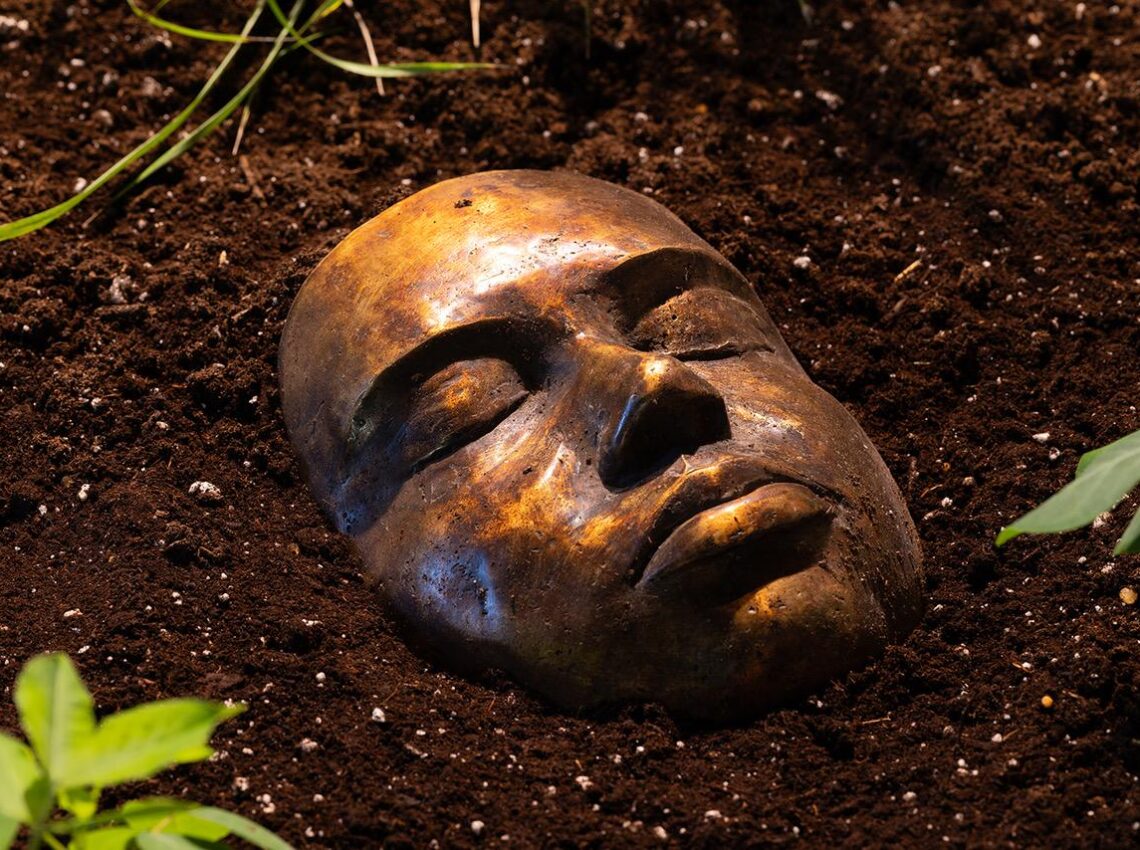
Between Soil, Spirit, and Archive: in conversation with artist Mallory Lowe Mpoka
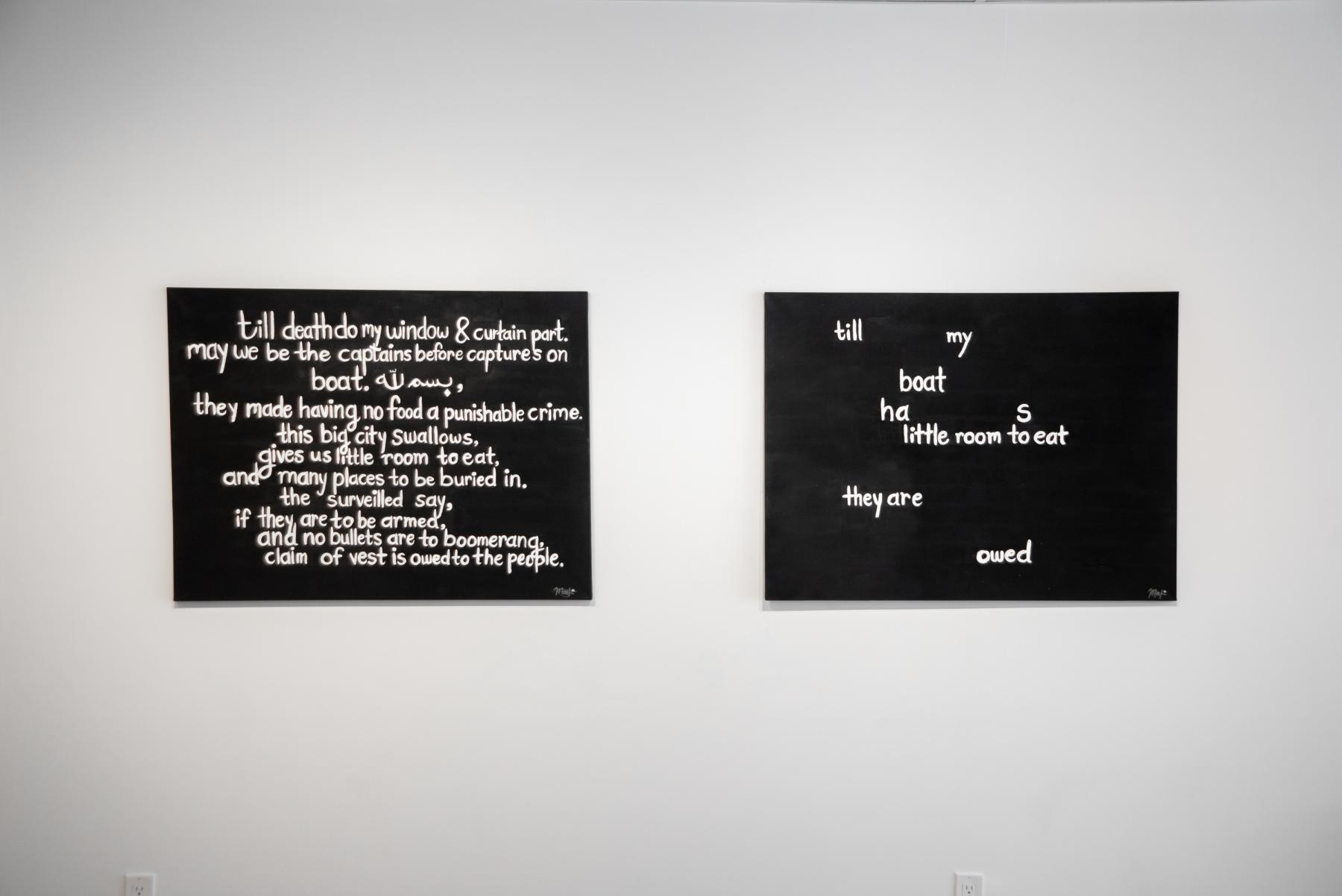
I have always known Mallory Lowe Mpoka to be an artist who refuses to be limited by one medium. Her work presents her ideas through a unique artistic perspective and visual language, seamlessly merging image-making processes, textile, and ecological material. The result is something entirely new and incredibly interesting. Presented during the MOMENTA Biennale de l’image 2025 in Montréal, The Matriarch: Unraveled Threads marks the first solo exhibition of the Cameroonian-Belgian multidisciplinary artist. Working across diverse mediums, Mpoka’s practice explores the material and emotional landscape that continue to shape diasporic identities across and beyond the African continent. At the center of the…
Read More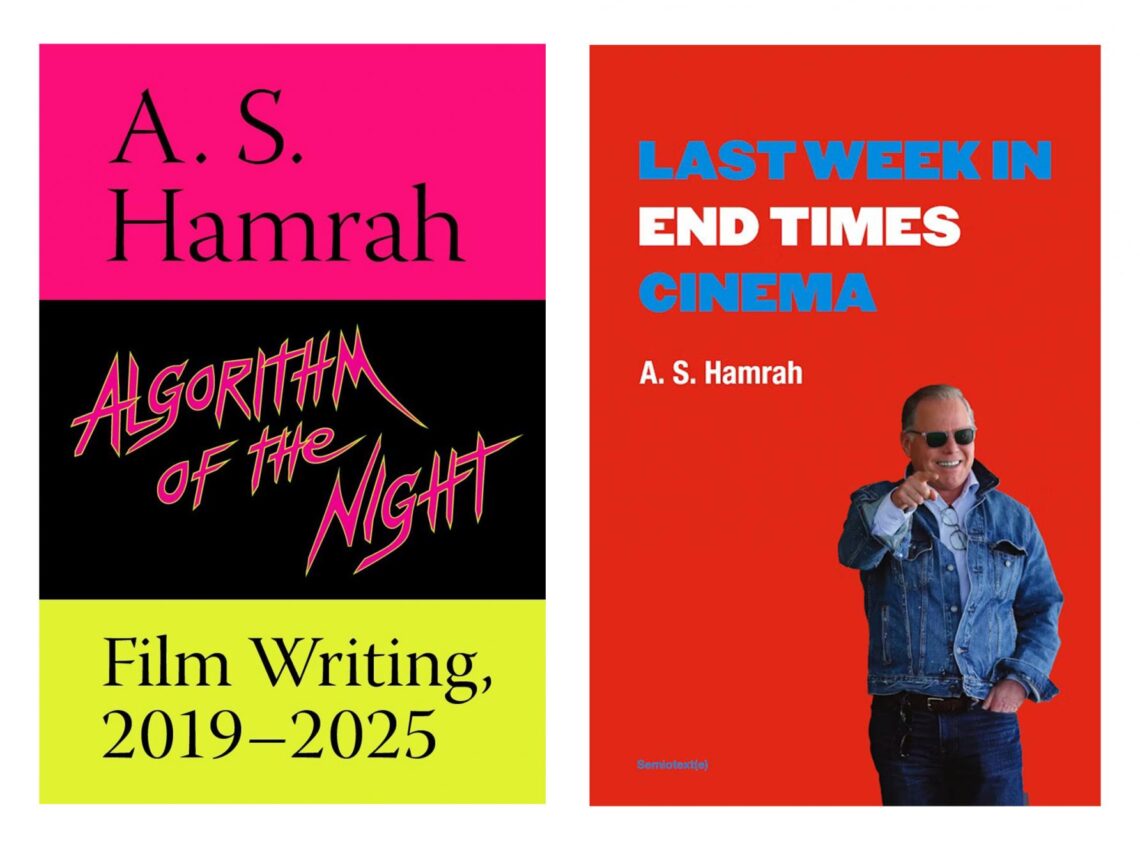
A film critic for critical times: in conversation with author A.S. Hamrah
A few nights ago, I went to a screening of Letter to Jane, the 1972 essay film by Jean-Luc Godard and Jean-Pierre Gorin. Speaking with the audience over Zoom after the film, Gorin said, “There used to be critics.” He recalled how, in the 60s and 70s, filmmakers could actually be in dialogue with others about their work. “Today, the only critic I can think of is A.S. Hamrah.” For several decades, the writer A.S. Hamrah has contributed to publications like n+1 and Bookforum. His criticism is laser-focused, unfazed by the soft language used all the time by corporately owned entertainment outlets. Hamrah has the unique…
Read More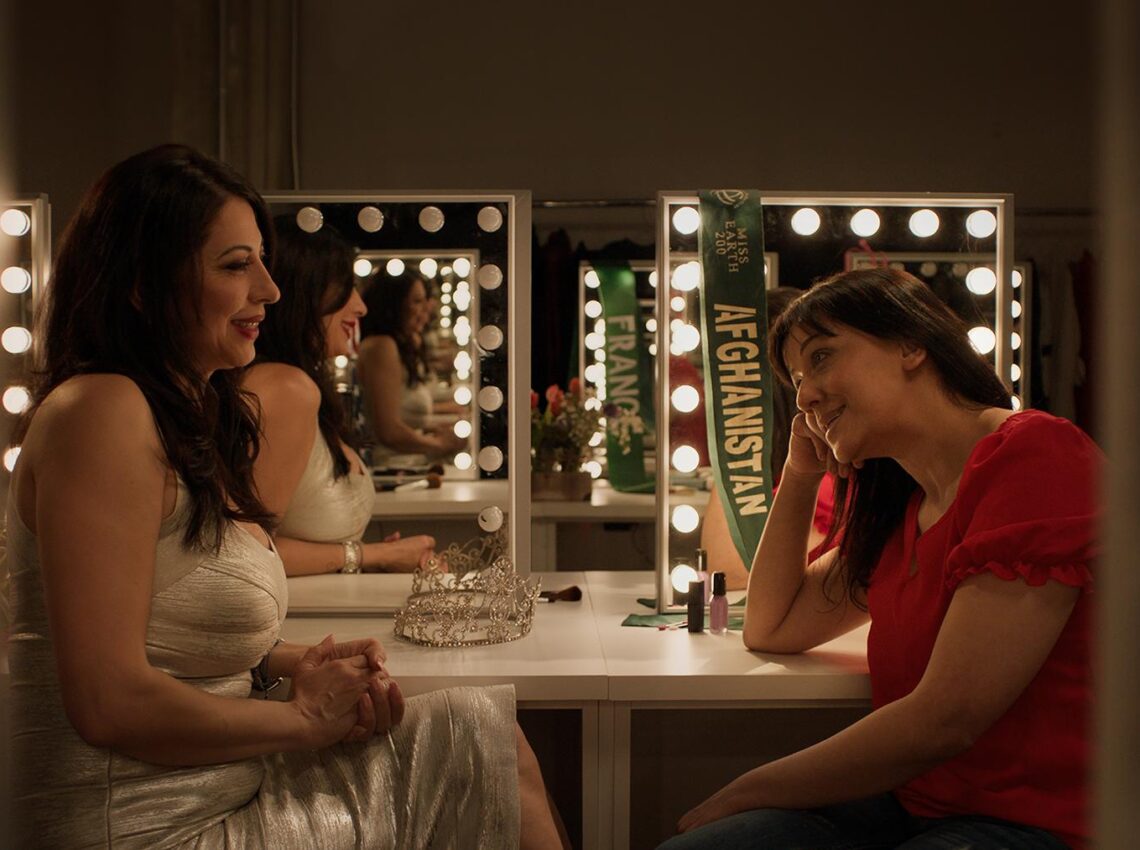
A sensory memory: in conversation with writer-director Brishkay Ahmed
From Zero Dark Thirty to Homeland and news reports, Afghanistan is frequently depicted through a familiar visual and auditory vocabulary: fast-paced shaky camera footage, violence and chaos, torture, and the markers of breaking news. In the Room, a documentary that premiered at the Vancouver International Film Festival in October, pierces through with a gentler approach, subverting expectations. Early in the festival, director Brishkay Ahmed and I met over Zoom for a 40-minute conversation about using sensory memory and reenactment to tell this story, her profoundly moving on-screen conversations, and how the struggle of Afghan women is intertwined with the rest of the globe. One thing…
Read More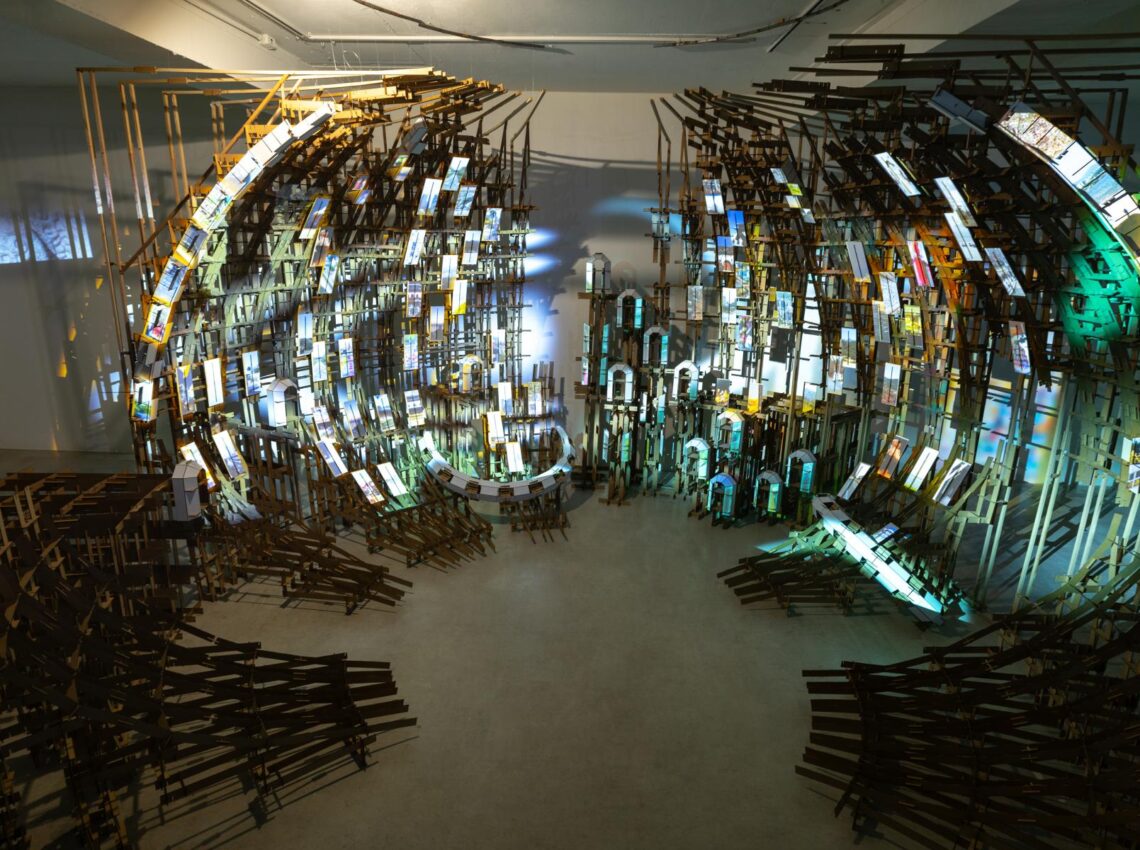
Glitching the user-friendly interface: in conversation with artist Yehwan Song
Hundreds of phones, tablets, and video projections flash in dissonance. Water cascades over touchscreens, tapping, swiping, and scrolling through websites and apps. This endless flow of information animates the hypnotic whiplash of Yehwan Song’s multimedia installations. A Korean-born, New York-based web artist with a background in UX/UI design, Song stages dystopian fantasies of the digital world that subvert the notion of “user-friendly.” Saturating screens with fragmented images of her own body, Song leans into glitch aesthetics (or glitches), seeking out the loopholes and flaws that most interfaces work to conceal. Through immersive installation and interactive performances, Song hacks the design…
Read More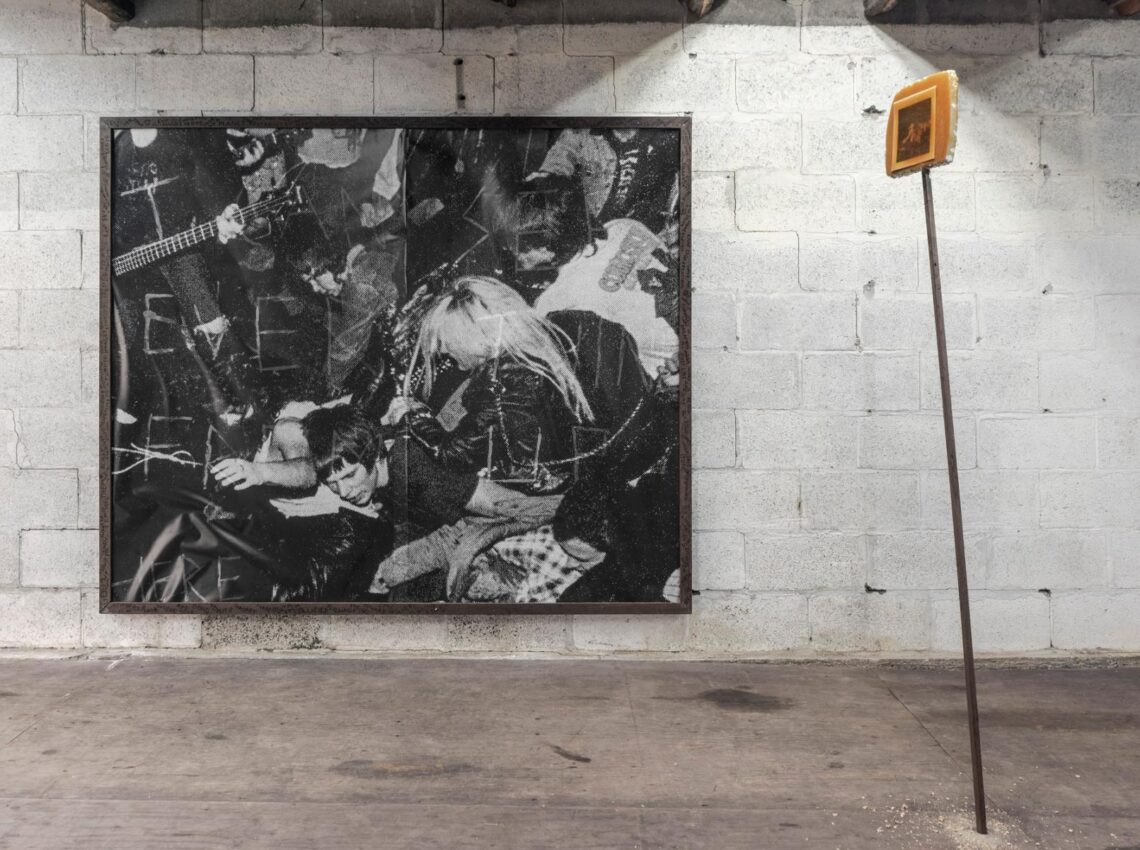
An interpretable gap: in conversation with lens-based artist Nabil Azab
If there’s anything I have gleaned over the course of my engagement with the work of lens-based artist, Nabil Azab, it is that there is a liberatory quality in the act of denial. Azab’s approach to photography rejects the long-canonized idea that the photograph is a neutral documentation of truth, or of the world “as it really is.” Azab’s approach is an eschewment of the idea that the photograph has to of anything recognizable—a refusal of the notion that the poetic quality of the photograph has to emerge out of an imagined naturalism, which operates as a stage for the interplay of…
Read More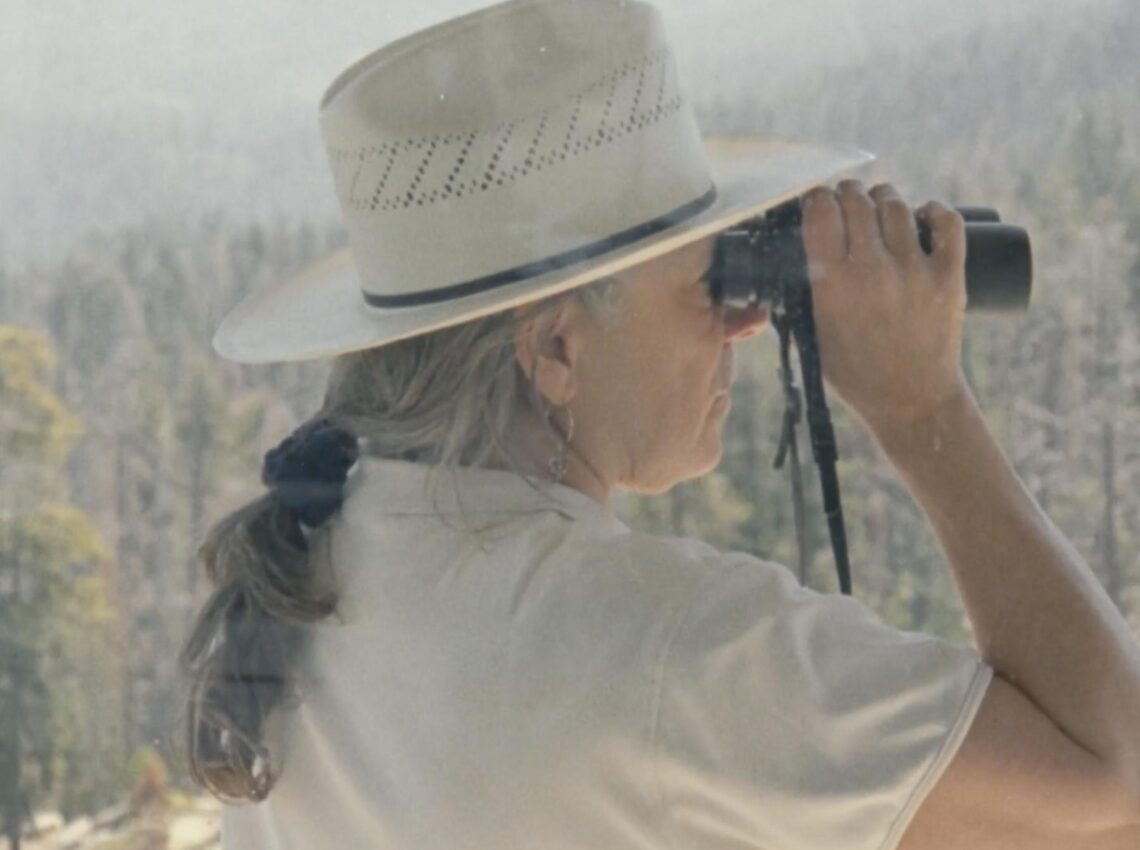
Speaking through smoke: in conversation with filmmaker Armand Yervant Tufenkian
In my experience, small film festivals geographically far-removed from the US often offer the most thoughtful curation of its cinema. With little, or even zero, pressure to cater to American studios and distributors, their programs function as a more adventurous barometer of the state of the nation than whatever Hollywood deems important enough to share with the public. I approached covering this year’s edition of the Paris-based documentary festival, Cinéma du Réel, with this in mind, excited for and open to unknown gems within its lineup of daring nonfiction cinema. My greatest personal discovery was the feature debut of Armand…
Read More