

Longform
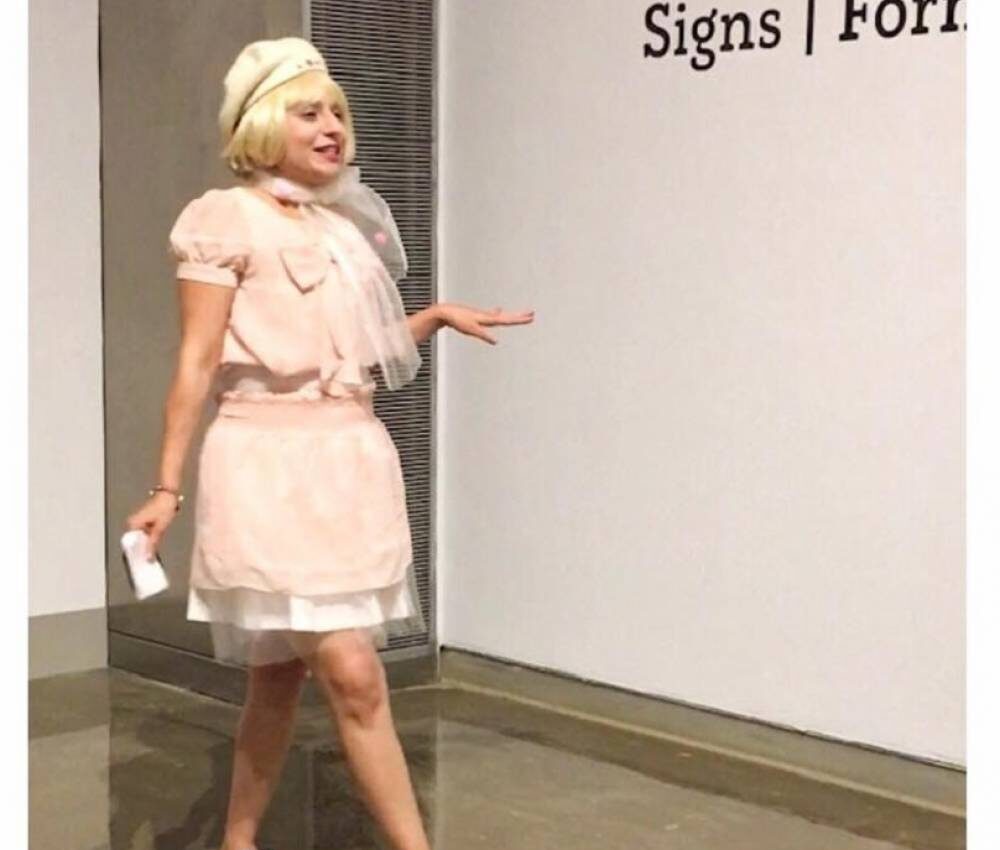
In conversation with Rah
I am not one to take part in social media debates, but even I couldn’t resist when almost two years ago, in June 2016, the founding editor of the online journal Reorient, Joobin Bekhrad, shared a public post, defending the casting of Leonardo Dicaprio as Rumi. In a later article he penned for the Metro, he clarified that because the Persian poet was born in the “cradle of the Aryan Race,” and that his own family “had skin so white [that their] faces never fail[ed] to turn bright in the sun,” the #Rumiwaswhite movement was groundless and there was no…
Read More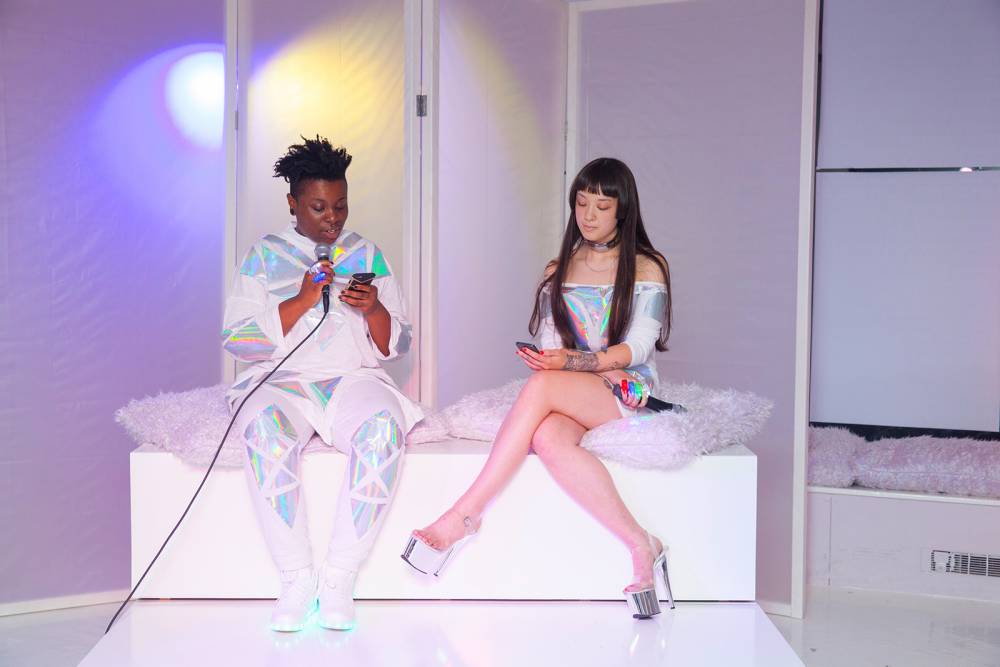
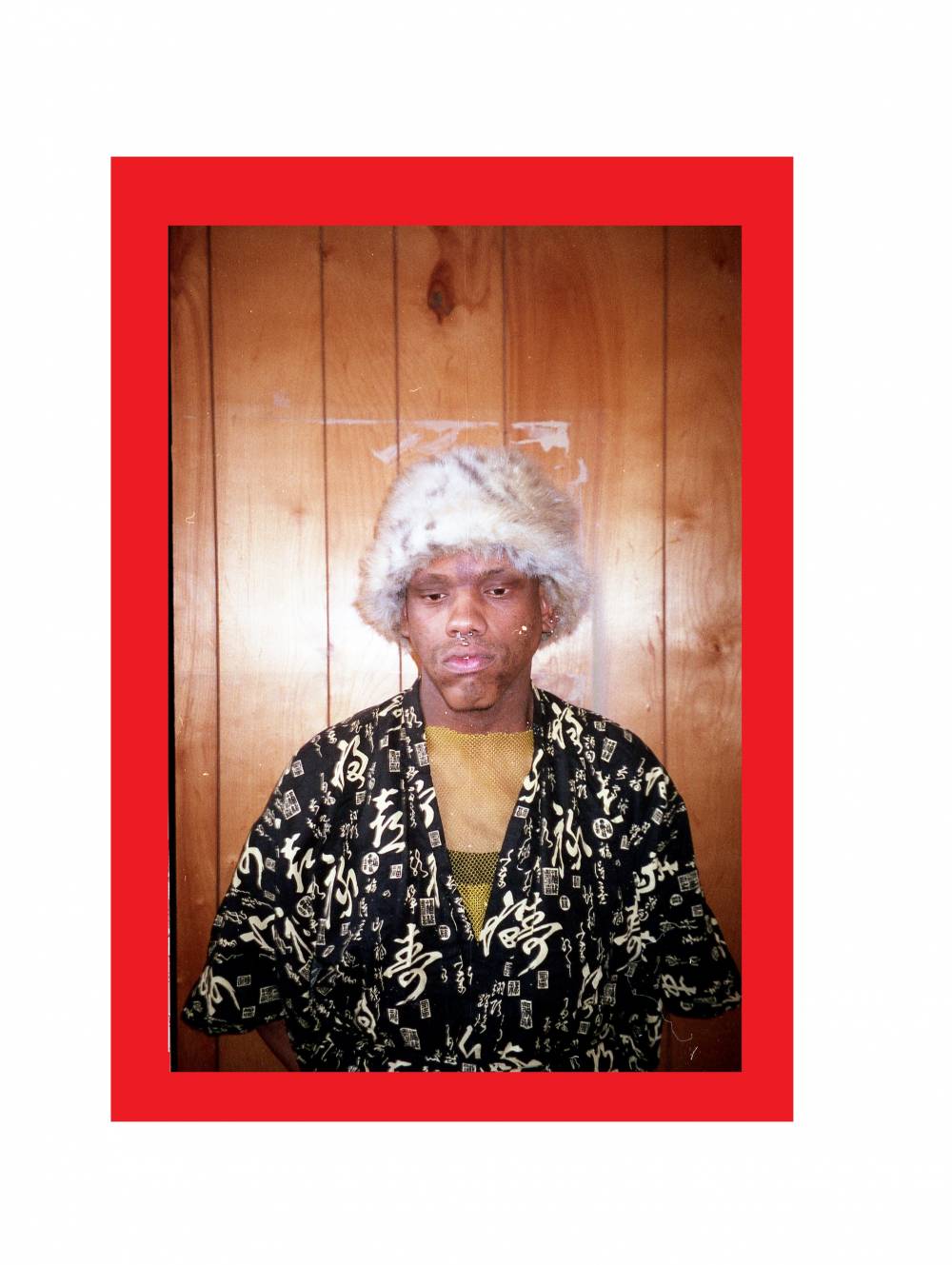
The concurrent presence of multiple: a conversation with Evan Ifekoya
From the outset, dissonance has appeared as a recurring preamble in Evan Ifekoya‘s practice. It has moved uninhibitedly through their work with a delicate yet acute handle. Ifekoya combines the sharp with the fragile until they dissolve into an amorphous third other. Whether it be their former archival magazine collage work, or their innocuous actions in front of a camera, such as combing their own hair, kneading, dancing or rapping ineptly but confidently about the conception of gender, Ifekoya playfully complicates the relationship between their body and how images contain it. Not just how images inherently essentialize narratives surrounding the…
Read More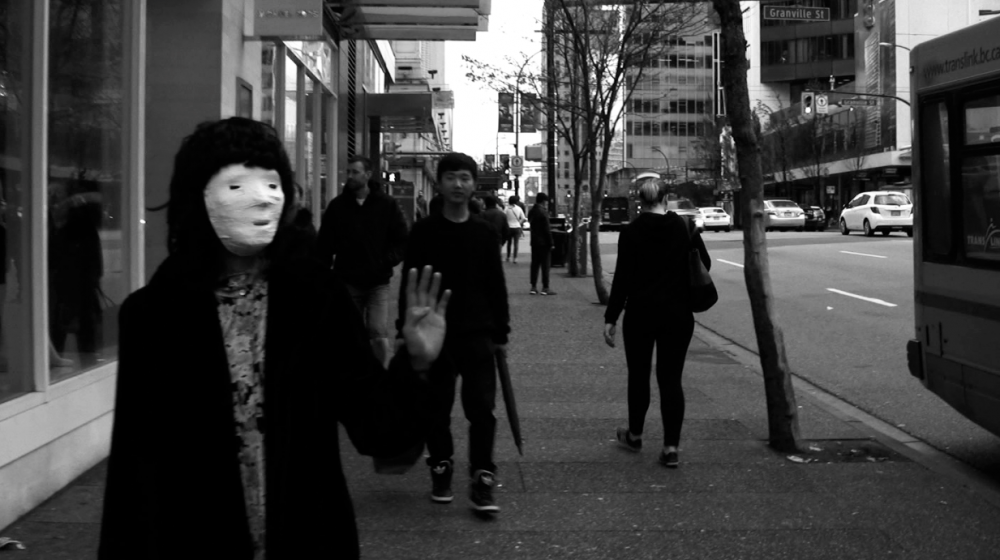
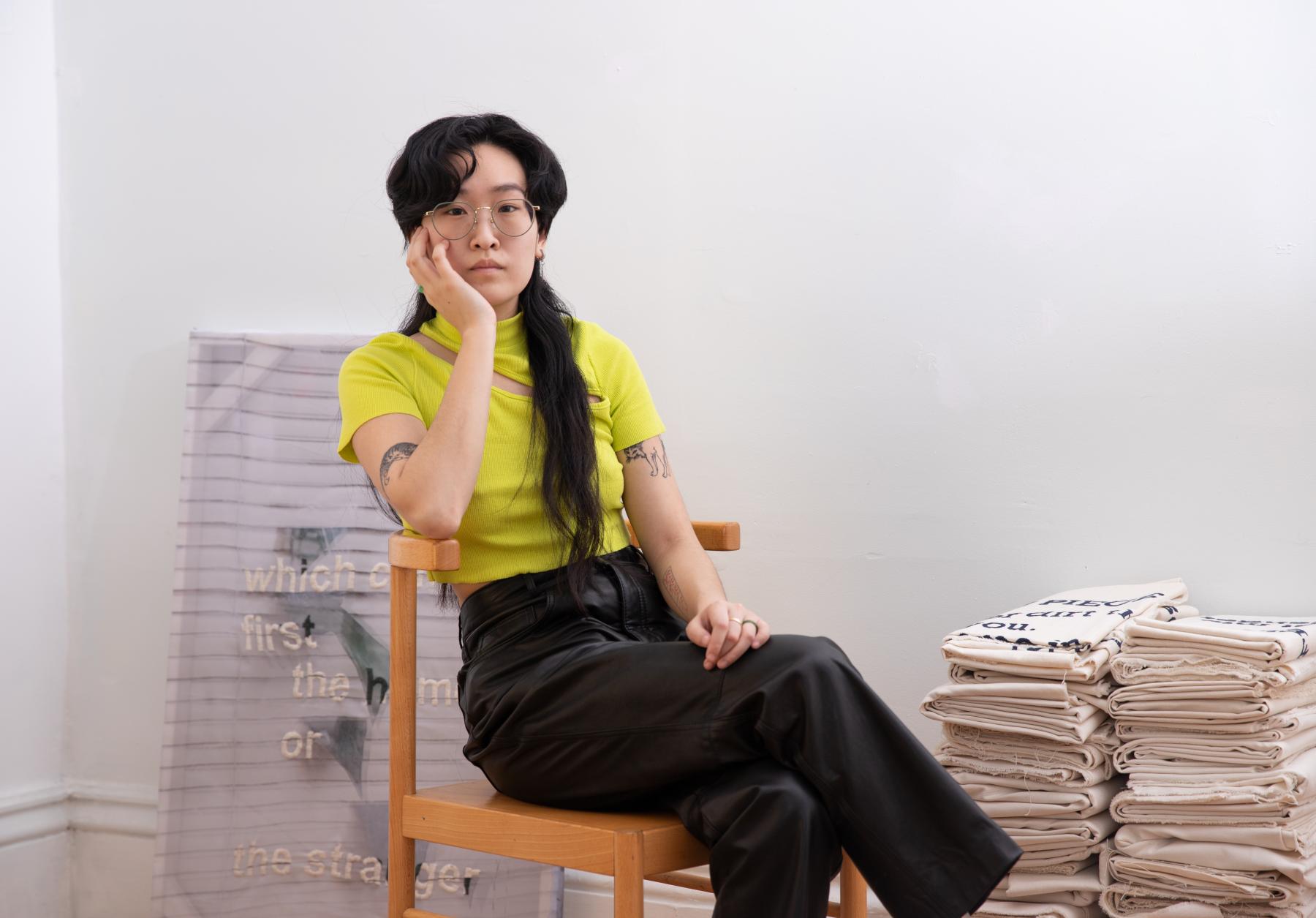
Parking Lot: Casey Wei
Casey Wei might not use the word ‘auteur’ to describe herself or anyone word at all for that matter but I’ll loosely reach for it in relation to her. Looking at Casey Wei’s oeuvre over the last however many years, if it appears that she freewheels through a varying contrapuntal pallet, that might be true to an extent but with a closer look, you’ll also observe that she does this with a considerable degree of textured analysis and veneration. Seeing her shift confidently through her poly-directional efforts from text to sound to the visual; it becomes needlessly confining to reach…
Read More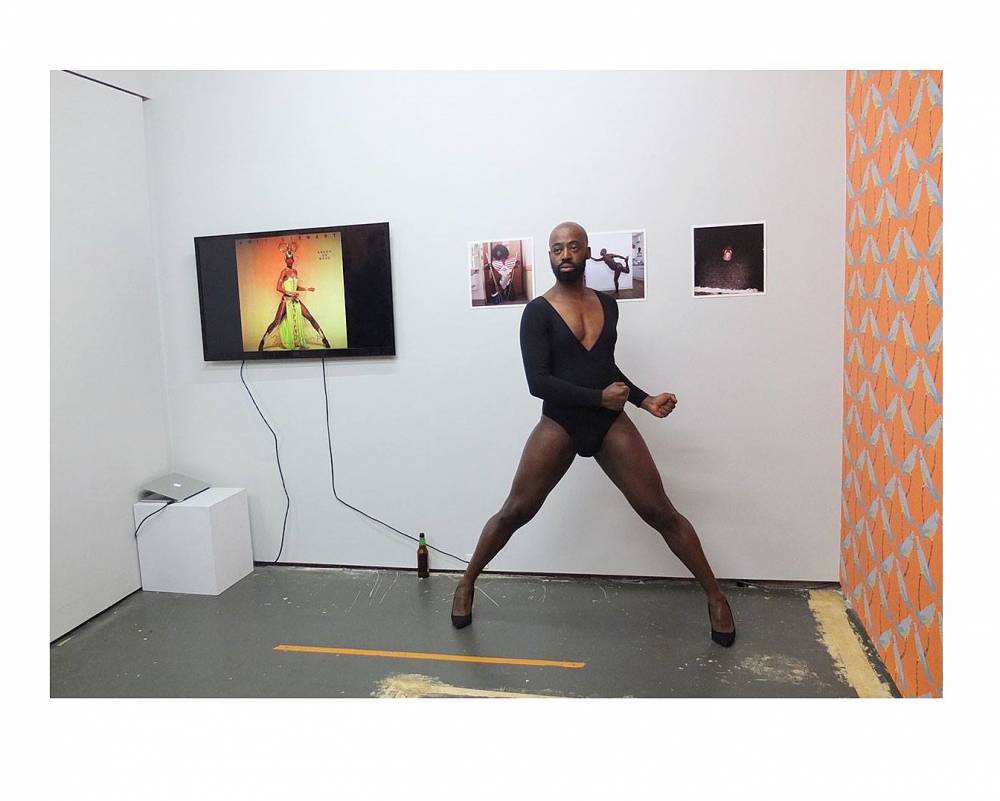
On the Politics of Partying: a conversation with Harold Offeh
As with most cultural corners, politics has found its way into nightlife. In a world that presses its dominance upon those who’s self-hood runs contrary to the norm, a life of compromise and constriction becomes the known reality. Since the onset of the AIDS pandemic in the 1980s, the night time became a release, shield, and celebration of self without bounds. As much as nightlife culture in the eighties provided an escape, it also became a forum for education on safer sex practices and forming a community. This was especially true for marginalized queer and identity-agnostic individuals. Dances parties and…
Read More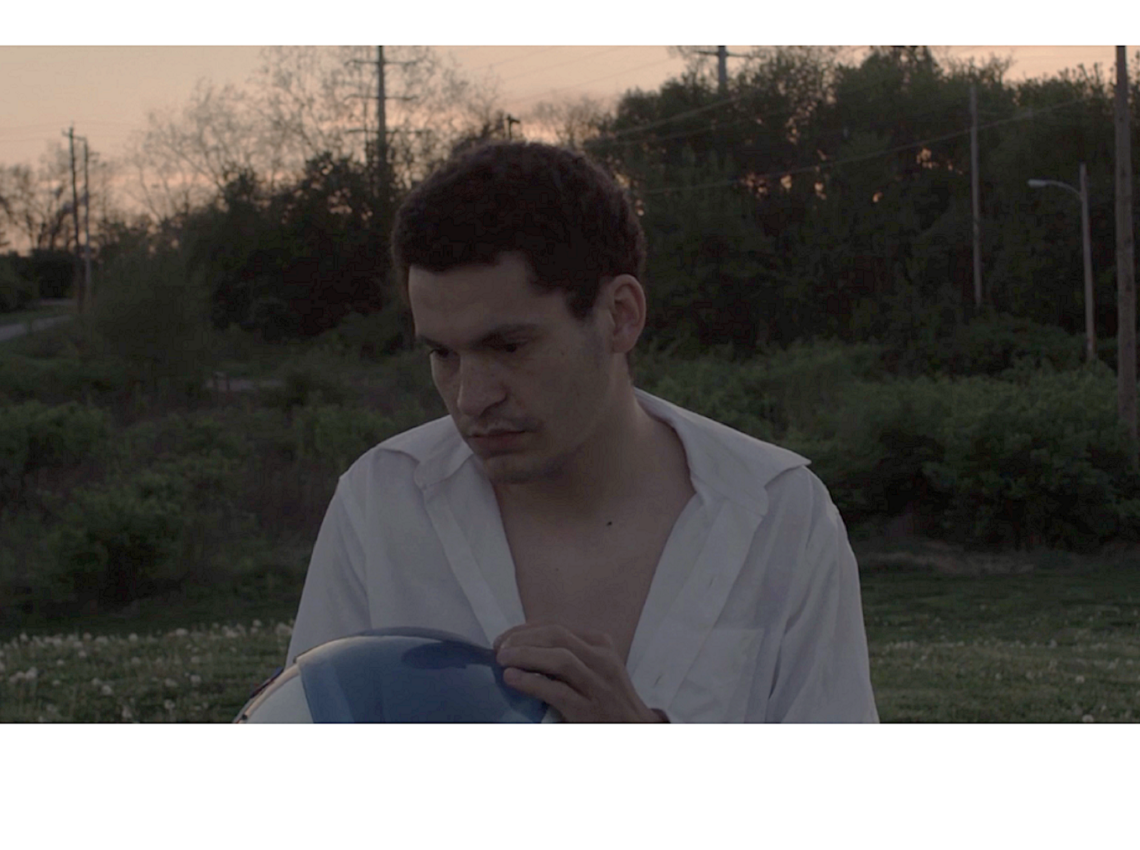
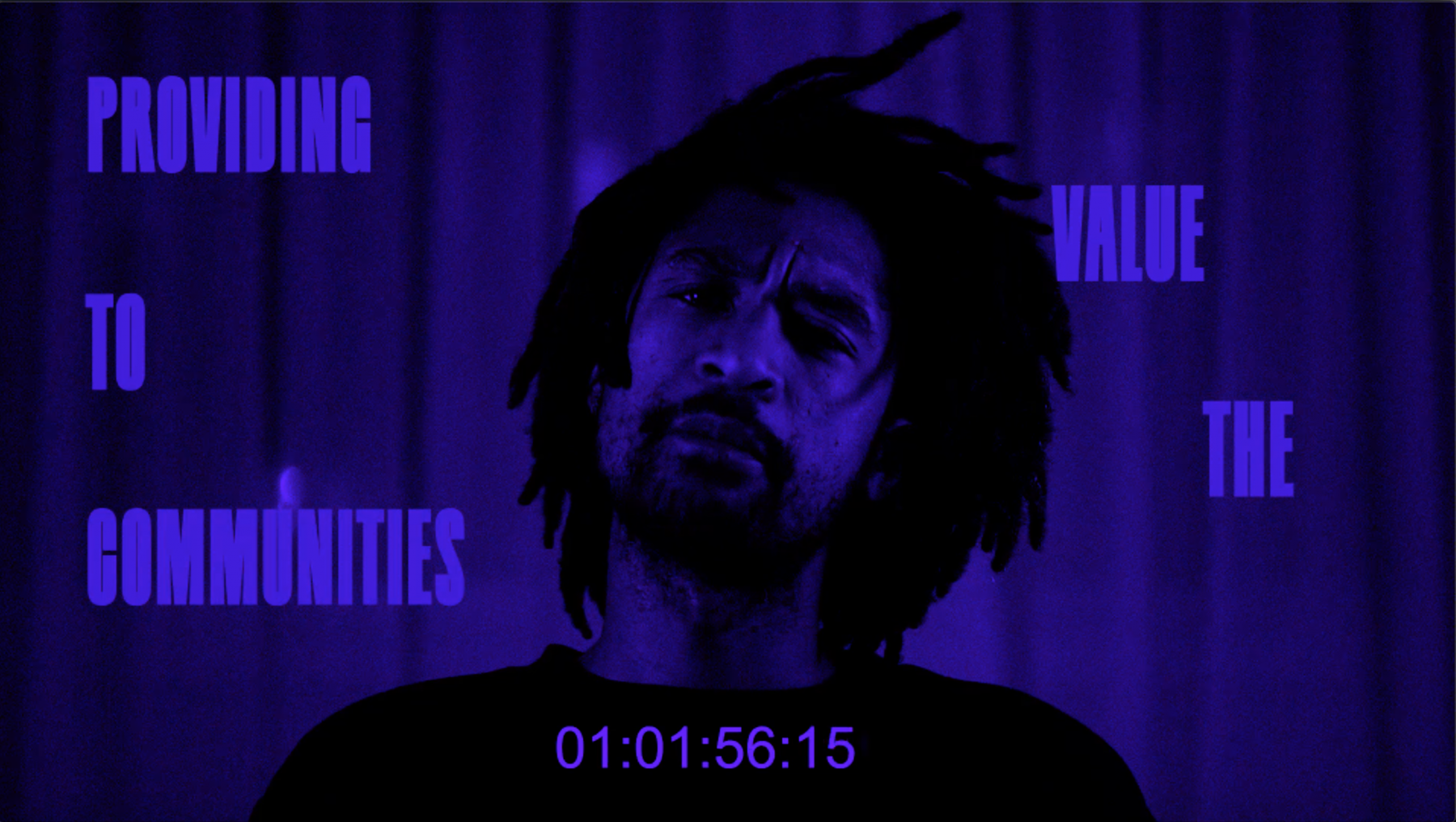
Gestures in resistance: in conversation Cameron Granger
Traversing a dynamic poly-directional practice ranging from films, photos, and installations; Columbus, Ohio’s Cameron Granger is steadily amplifying his voice as an emerging artist. He discloses his own vulnerability, agency as an artist, and knack for close observation in his varying works. And speaking with him it’s easy to see why. Granger fluently blends the social-political with personal knowledge and fictional with lived experiences to create a generative space for his stories and images. In our candid conversation with Granger, he shares with us his relationship with homogenous spaces like the white cube, how his personal creative pursuits are linked to his community, and…
Read More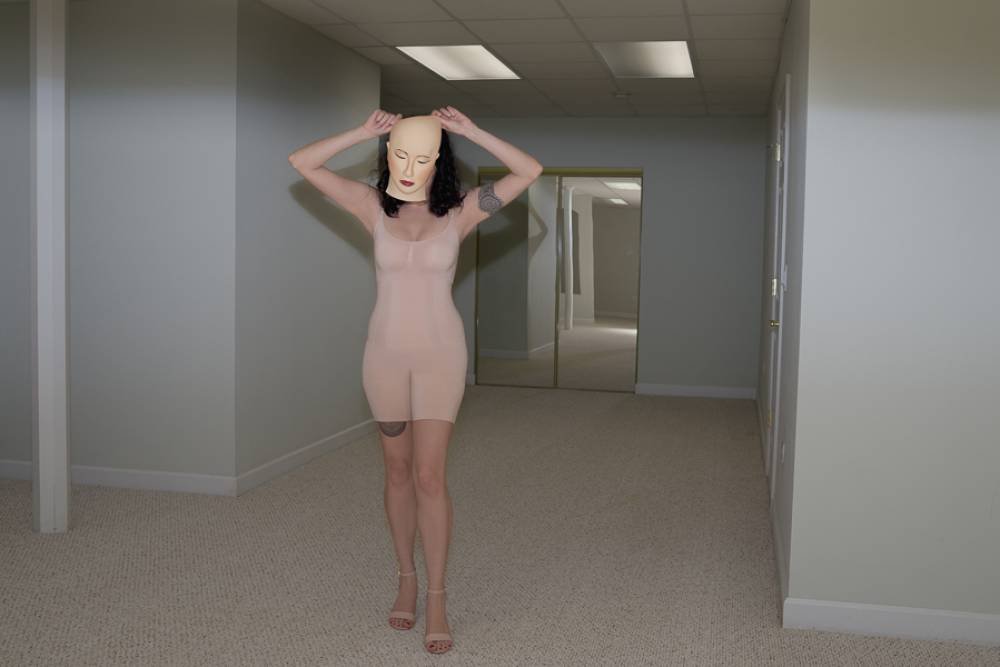
Choreographic Displays: In conversation with Dalia Amara
A photograph will always be a point of view of the photographer hence making it subjective and not objective. American-Jordanian artist Dalia Amara is well-attuned to this logic and it serves as a guide for which she directs the on looking viewer’s attention. As subjective as photographic images inherently are, they deceptively present undeniable parallels to reality often convincing us of its objectivity. Amara recognizes this divide between her own impulses for crafting an image and how the camera and audiences receive them. “I’m invested in our attempts to represent so-called truth in photographs when the medium is subjective”, she states in…
Read More
“Mediation is our bread and butter”: in conversation with Máire Witt O’Neill
For Máire Witt O’Neill, generating personas is akin to summoning something unconscious within herself. She compares this to performing an exorcism. This process is in many ways an act of critique and scrutiny but it’s in no way combative. She mines her own amalgamated overwrought emotional and social exchanges to build characters that are often conflicting, contradictory, and hard to pin down. Given that our everyday interactions are often through intermediaries, be it implicit or otherwise, O’Neill theorizes this as a destabilizer for ideas of “truth”. In turn, it allows for a slippage of the good and the bad and as she describes in our…
Read More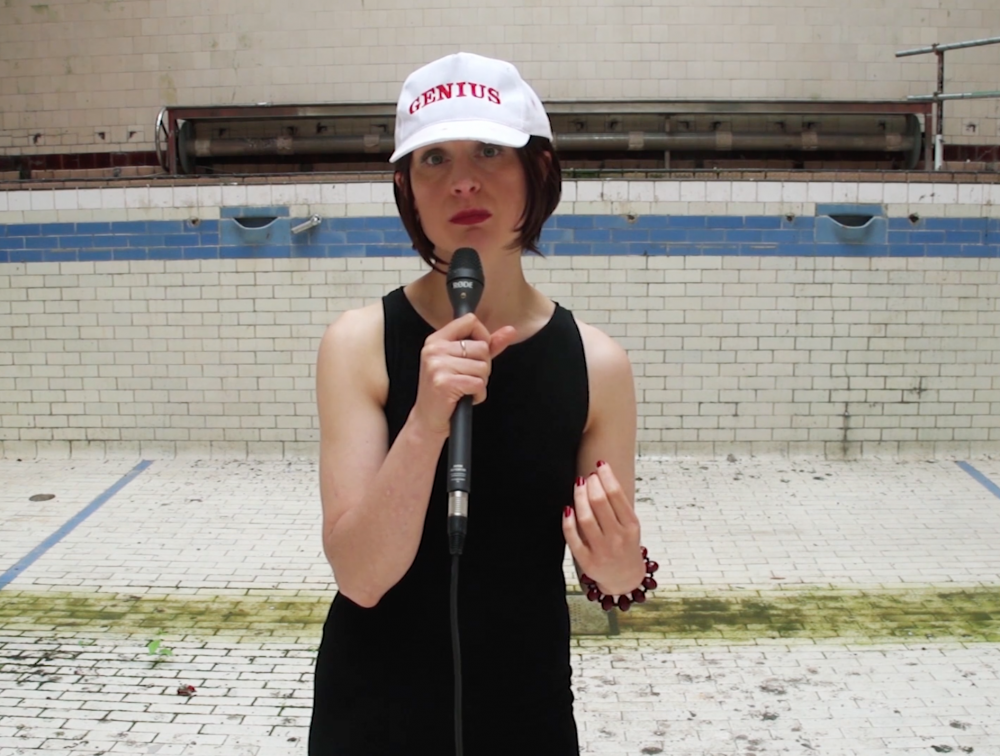
Off: In conversation with Erica Eyres
In a lot of ways, Erica Eyres’ primary medium has always been herself, in the most discursive and far-reaching way possible. For the better part of two decades, Eyres has amassed a wealth of work tapping into the fabric of her life and fantasies to irreverent and at times unnerving effect. Eyres has always flourished in the idea of failure. Or rather, she always seems to eschew consensus of the norm. She engages this idea of failure as a banal occurrence. And she does this through hyperbole, bizarro conceits, and seriocomedy. In doing so, Eyres reveals her own disquieting vulnerability….
Read More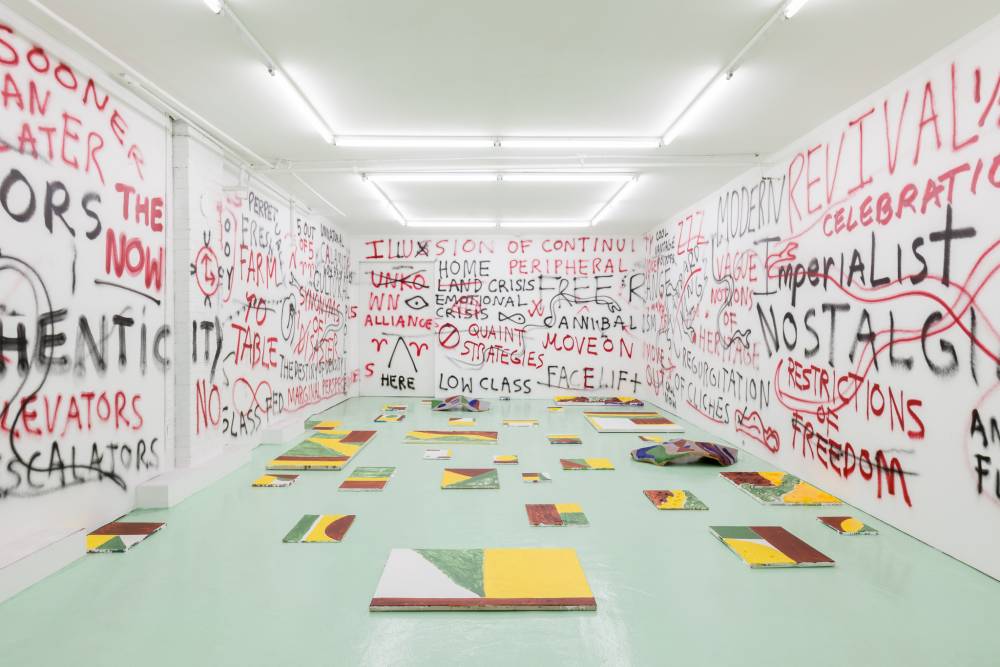
In conversation with Patrick Cruz
Earlier this past spring, I made my way to Plug In ICA for Patrick Cruz’s artist talk. I skipped Patrick’s gallery walk-through before the talk as it was being given in Taglish (Tagalog and English). Not knowing a word of Tagalog, I had curiously made my way through the event write up in that language, recognizing the affinity between the sounds of some words in Tagalog and in Spanish. Patrick’s exhibition, Brown Gaze (Titig Kayumanggi), had opened a couple of nights previously. In the gallery, I walked onto the paintings installed on the floor, noticed the stacks of cardboard boxes of food…
Read More
The Perpetual Protest: a conversation with Jelsen Lee Innocent
We engaged in a conversation with New York-born Haitian American artist Jelsen Lee Innocent. Coming from a background in the communication arts—advertising and graphic design—Innocent has been hesitant to call himself an artist. He has always been communicating creatively and learning how to use objects to speak for different purposes outside of his own interests or curiosity. Now, he’s been steadily redirecting some of what he knows about object-making into a more nuanced personal and intimate conversation that isn’t necessarily pointed towards a consumer but an audience. All through our exchange with Innocent, he is every much earnest and fluid…
Read More