

Longform
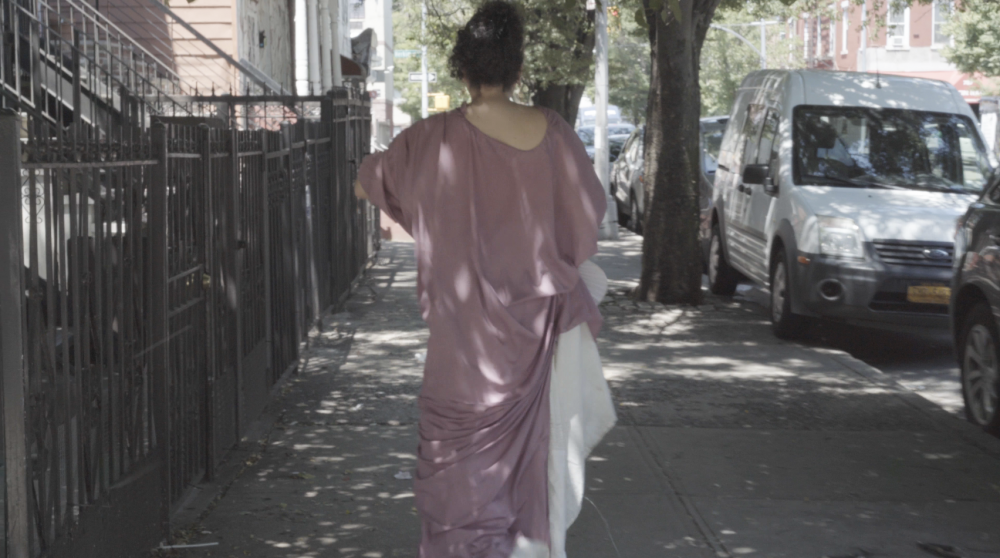
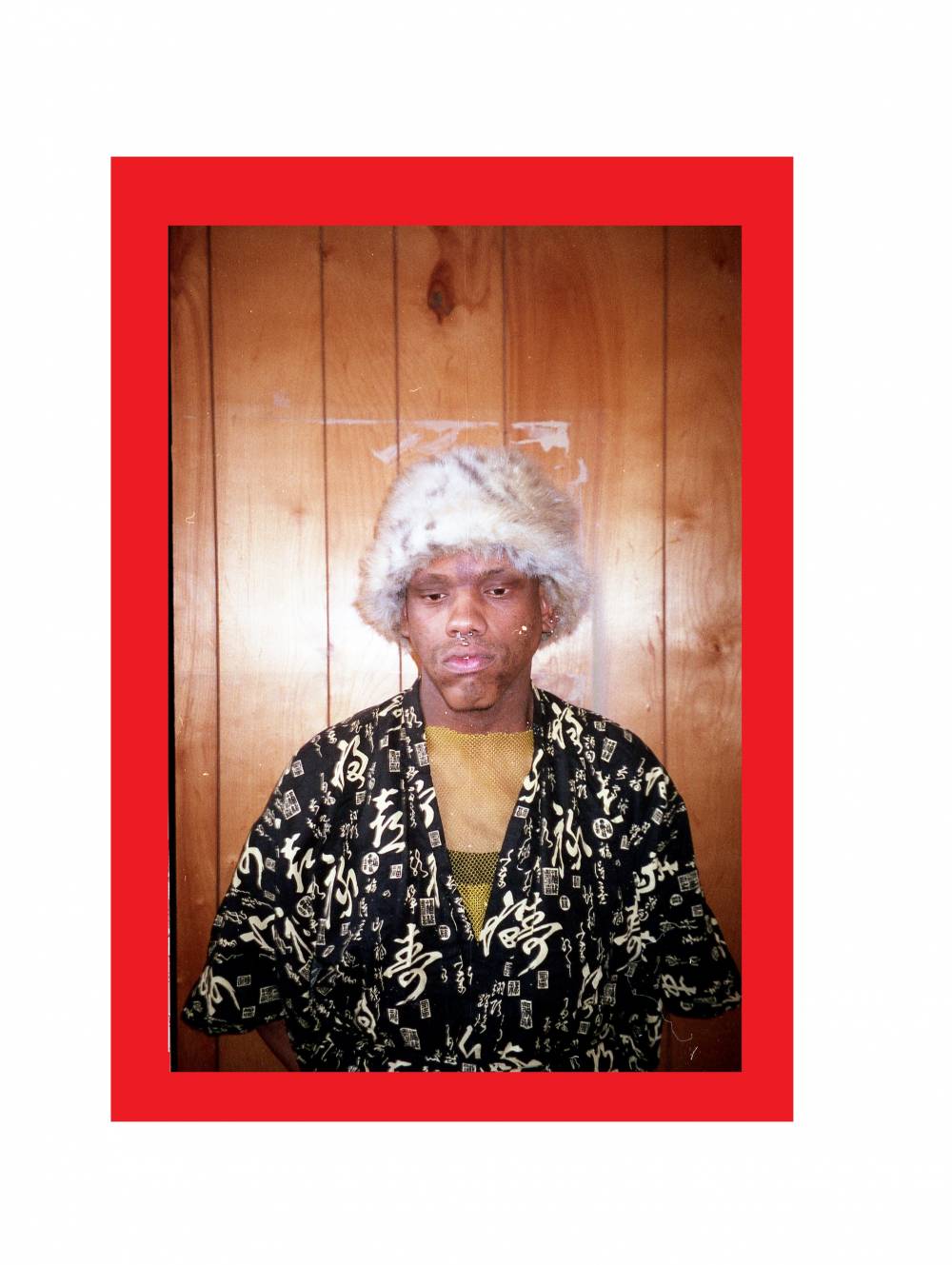
Messay films: in conversation with Asa Mendelsohn
Asa Mendelsohn and I come from very different worlds—Asa is from New York and spent several years in Chicago and in Vienna as a Fulbright fellow; I have lived in different parts of South India and moved to the US for graduate studies. We found each other through the visual arts MFA program at UC San Diego. E.R. Cho, a mentor to both of us, introduced us when Asa was still considering the move. Asa later told me that our initial conversations about the messy labor politics at UCSD and listening practices convinced him that we could be friends—and that…
Read More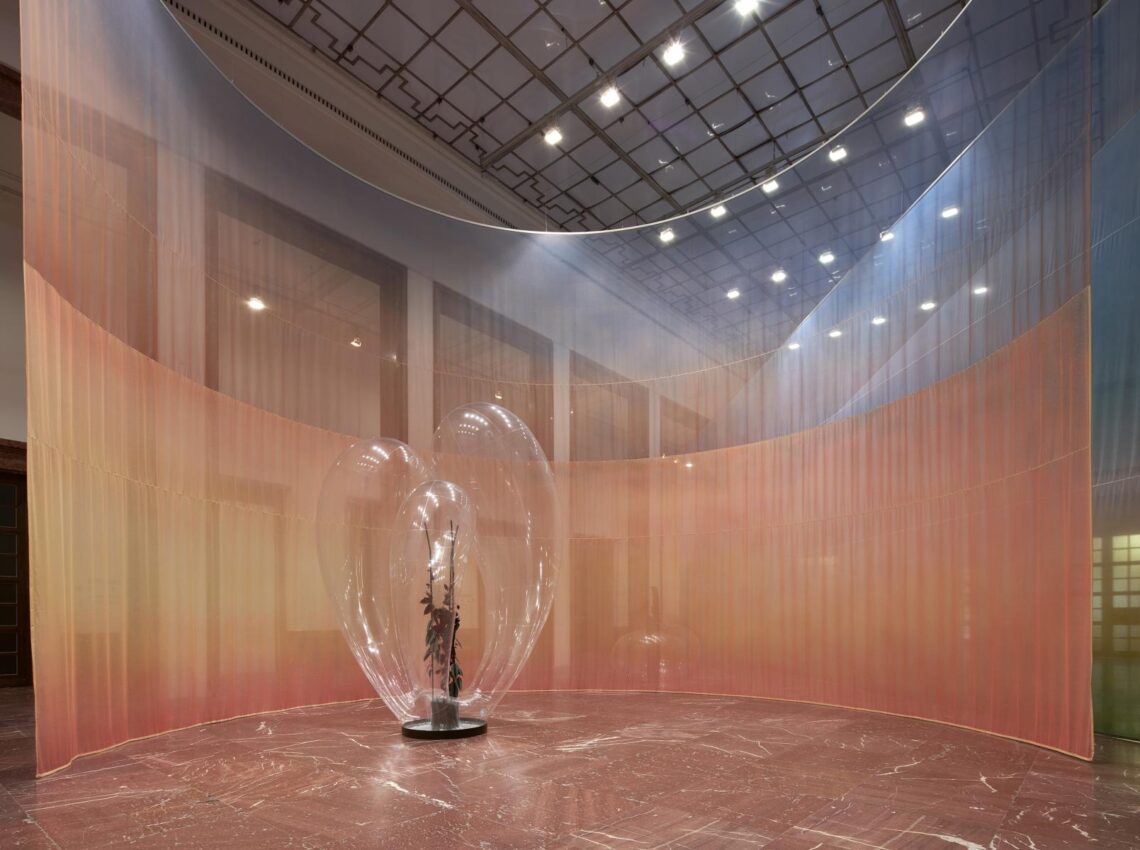
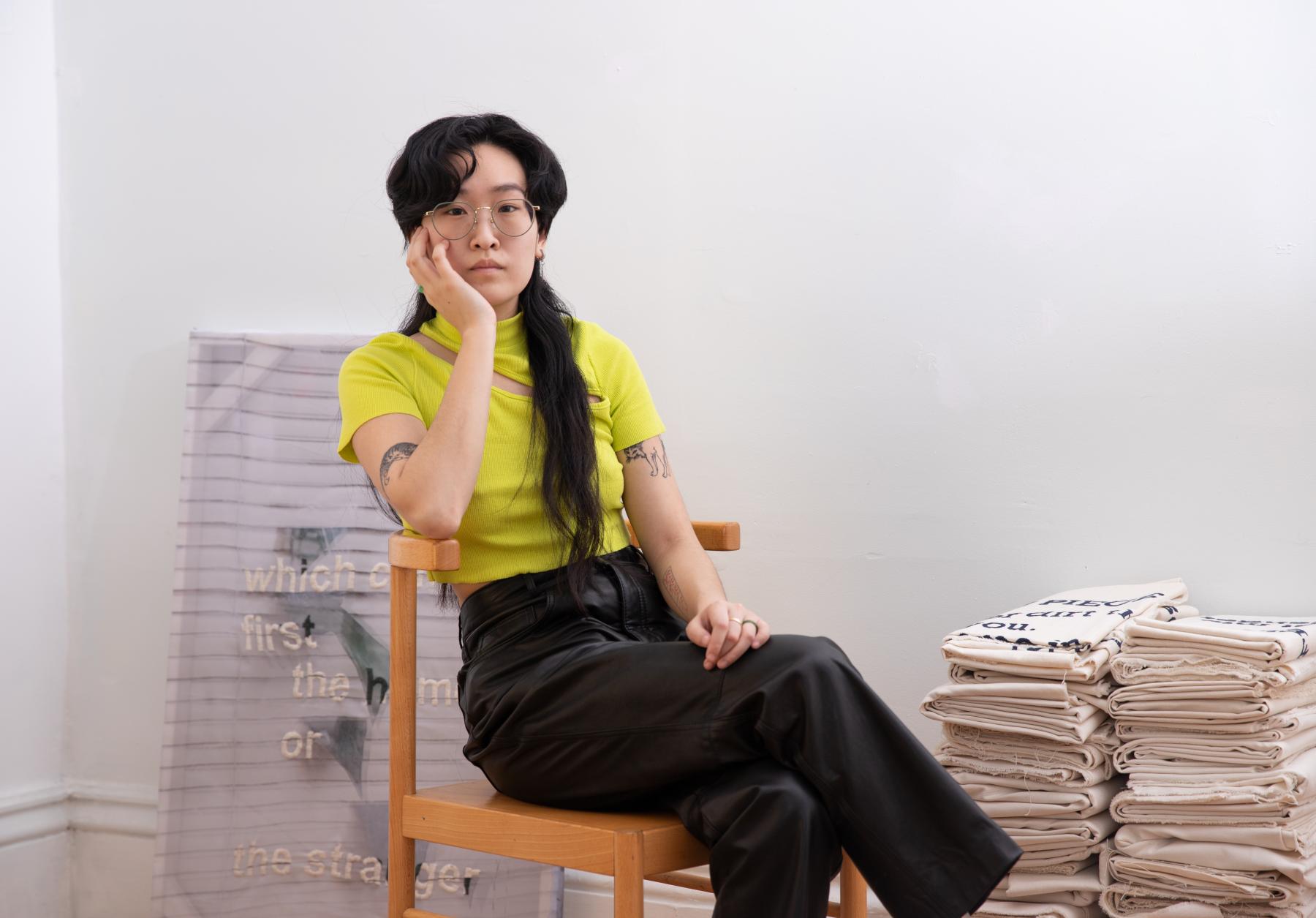
Present Futures: in conversation with Kapwani Kiwanga on power, archival research and plants
In our increasingly digital world, discovering a physical box on an archive shelf, pulling out a folder from within, and carefully examining its tangible contents can feel particularly ceremonious. Research can be an opening to the inaccessible, the unknown, or the forgotten. Kapwani Kiwanga explores this fact in her work, perhaps due to her background in anthropology and comparative religion before becoming an artist. By materializing details and histories often pulled from documents, she brings us closer to things that, though, seemingly obscured by dominant narratives, are actually in plain sight. It was during a research project of my own investigating the…
Read More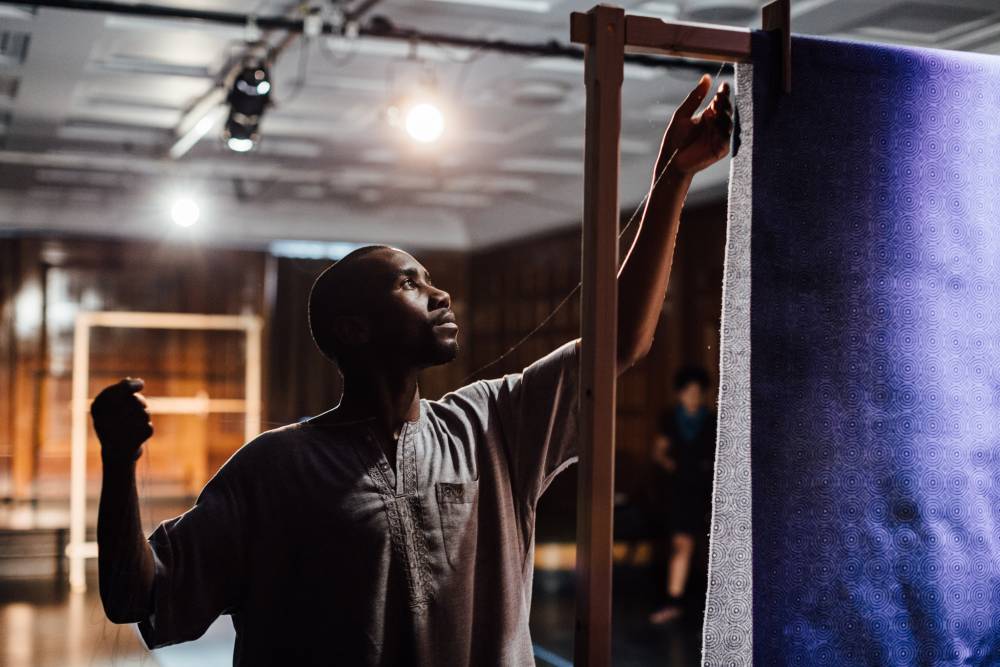
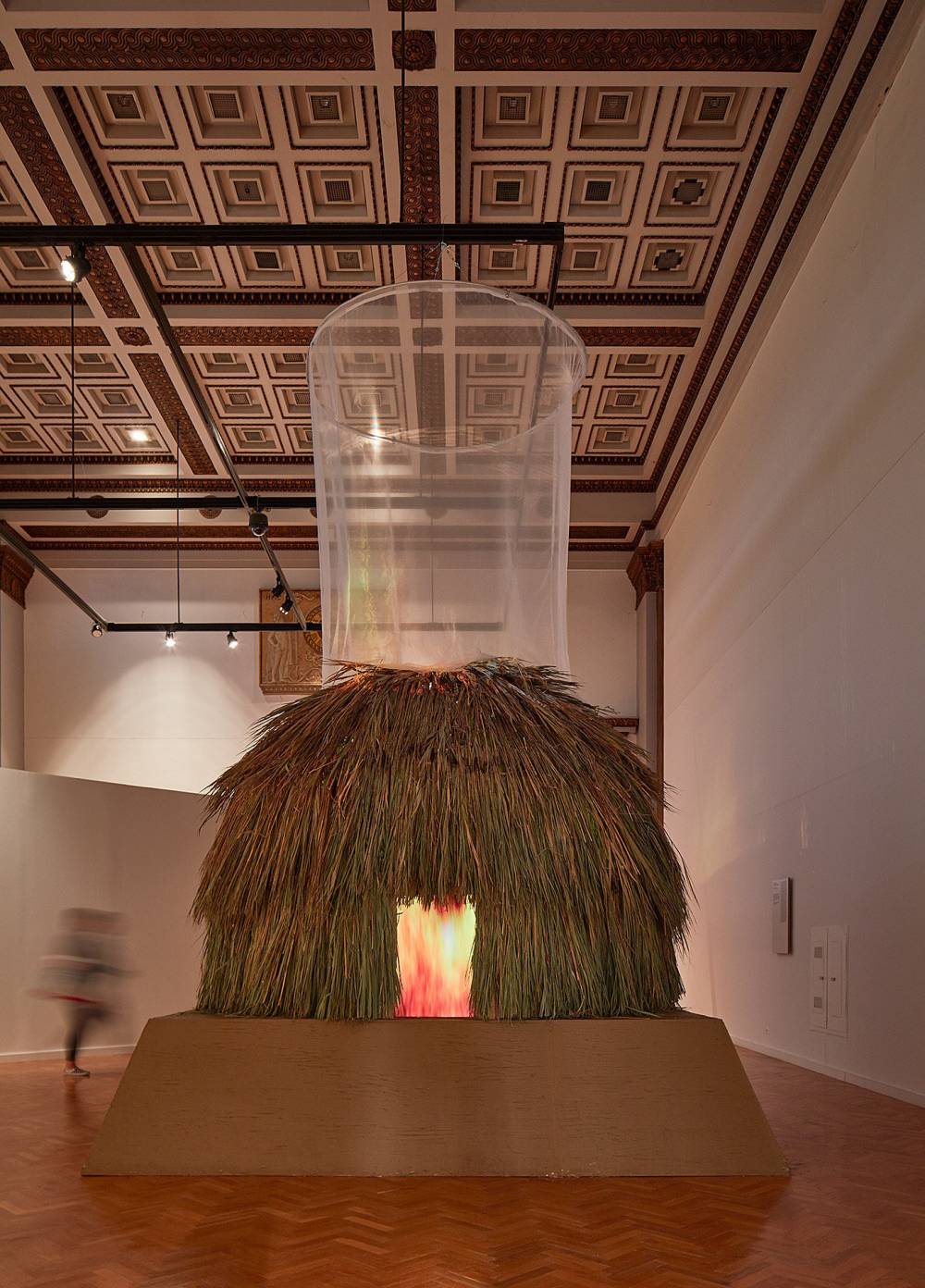
Support through undoing: in conversation with Thulani Rachia
Thulani Rachia (b. 1988, South Africa) is a Glasgow-based artist, educator, and director whose work carefully documents, maps, and generously unpacks (hi)stories within his surroundings, emphasized through lived experience, discovery, research and repetition. Transcending space, circumstance, and existences, the acknowledgment of time is vibrantly alive in Rachia’s practice. Time, in the way we spoke of it, can be heavy, charged and non-linear. His initial training in architecture continues to influence his practice through his recurring use of urban environments as material in his choreography, performances, and installations. His ongoing investment in highlighting the racism built into these spaces offers a careful insight into…
Read More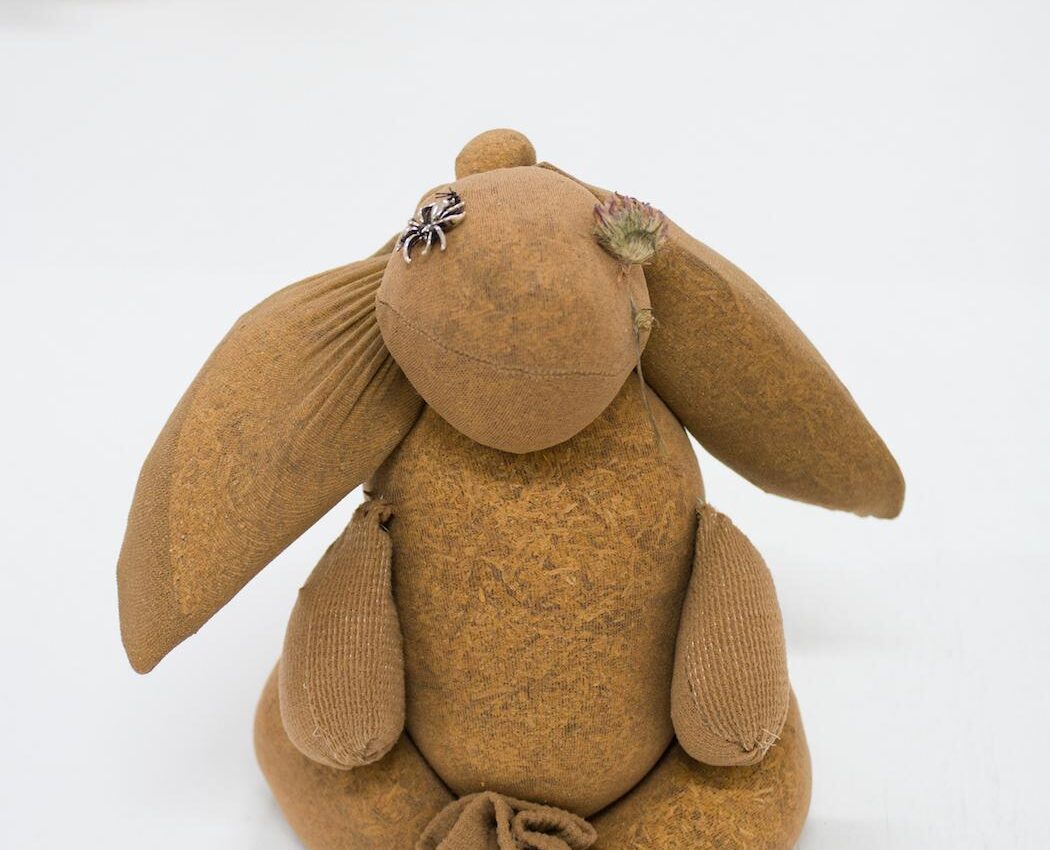
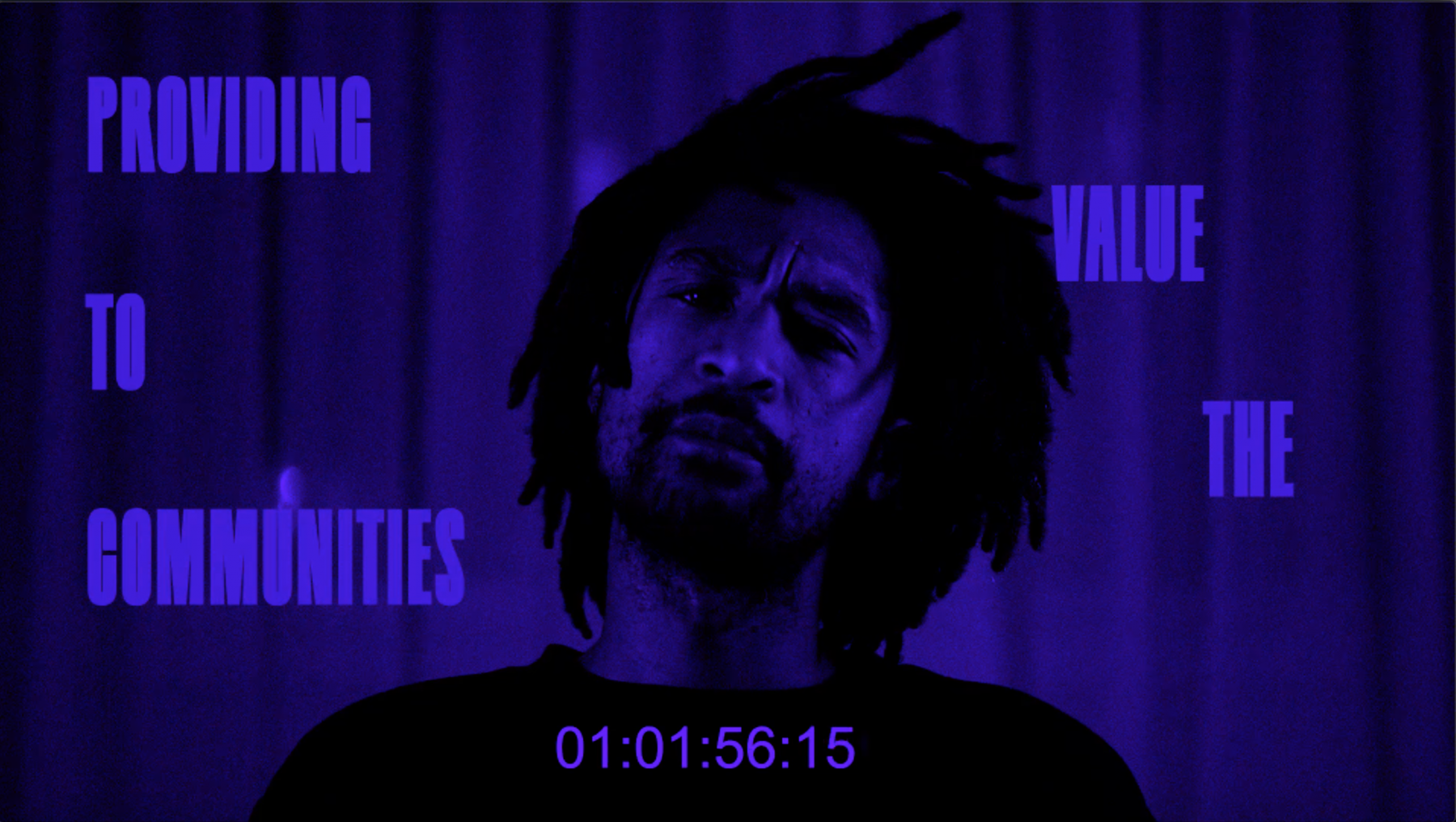
Tobacco, Energetic fields, and Indigenous economies: in conversation with Gabrielle L’Hirondelle Hill
I was in conversation with Gabrielle L’Hirondelle Hill between this past August and October. I reached Hill from London, UK, and over the period of our interaction, we navigated the intricacies of distant time zones, the entire Atlantic Ocean, and an ever-evolving pandemic. As a conversation partner, Hill was kind, engaging and always honest. Hill is a Cree and Metis artist/writer living in Vancouver, BC, located on the unceded Musqueam, Sḵwx̱wú7mesh, and Tsleil-Waututh territory. The artist employs sculpture, installation, found materials, and paper as tools for enquiry into concepts of land, property, and economy. Hill is interested in Indigenous economies,…
Read More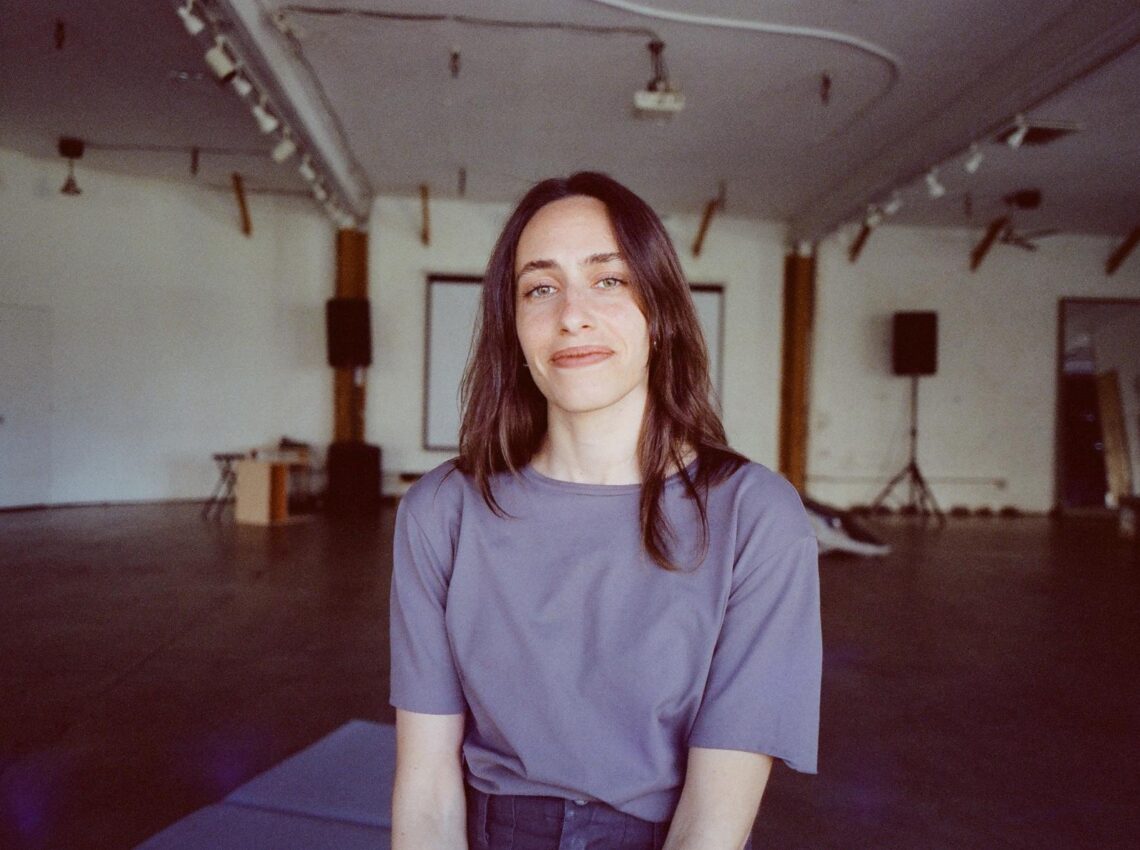
in conversation with cultural organizer Amanda Vincelli
We were both pursuing graduate studies at CalArts in 2015 when Amanda Vincelli and I first met. I have always understood her to be a meticulous and driven thinker. I later became one of the hundred women to participate in Vincelli’s thesis project Regimen (2015—2017). It was a project that sampled and documented the medicinal regimens women in an urban capital may find themselves engaged in. The project explored observations on wellness, the body as a bio-political negotiation zone, as well as a machine for production and reproduction. The project was influenced in part by Vincelli’s background in health sciences, her work…
Read More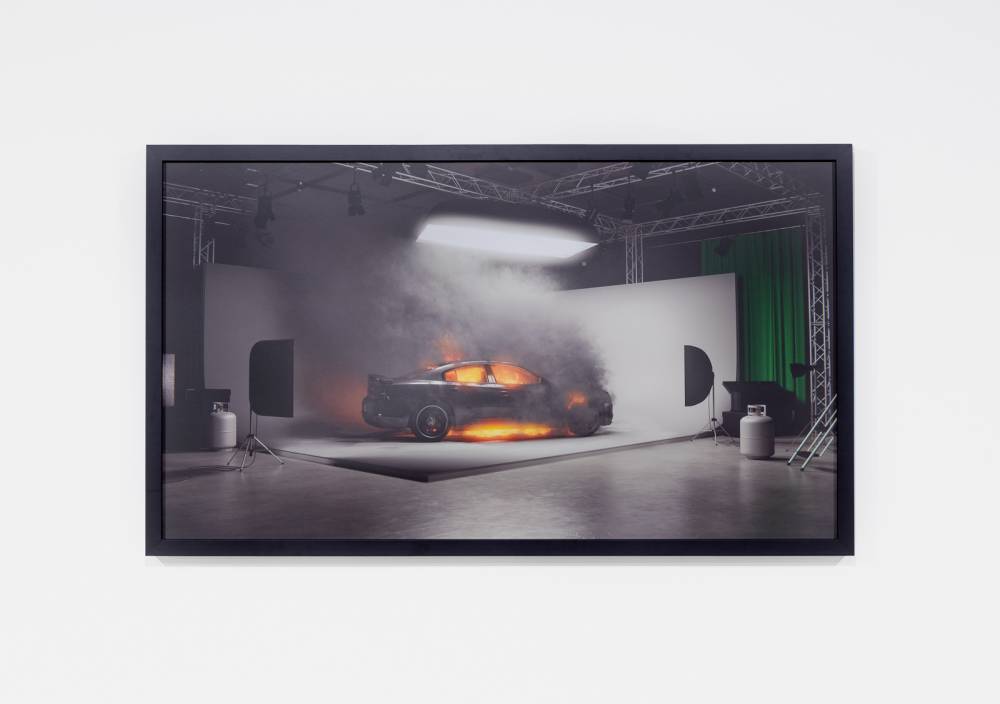
Antagonistic Realisms: in conversation with Steven Cottingham
Two summers ago in a New York gallery, I saw a work by Vancouver-based artist Steven Cottingham that has stayed with me ever since. Hanging plainly on the wall, Untitled (2016) comprised a single denim jacket, sourced from a Bangladeshi garment factory where workers complained of mass hallucinations and ghost attacks until management temporarily ceased operations for an on-site exorcism. To some onlookers, the incident was evidence of the spiritual realm intervening to offer overworked labourers a break from exploitative working conditions. The jacket lingered because it falls within a category of artworks that I tend to gravitate towards: nondescript objects which contain ideas and provocations…
Read More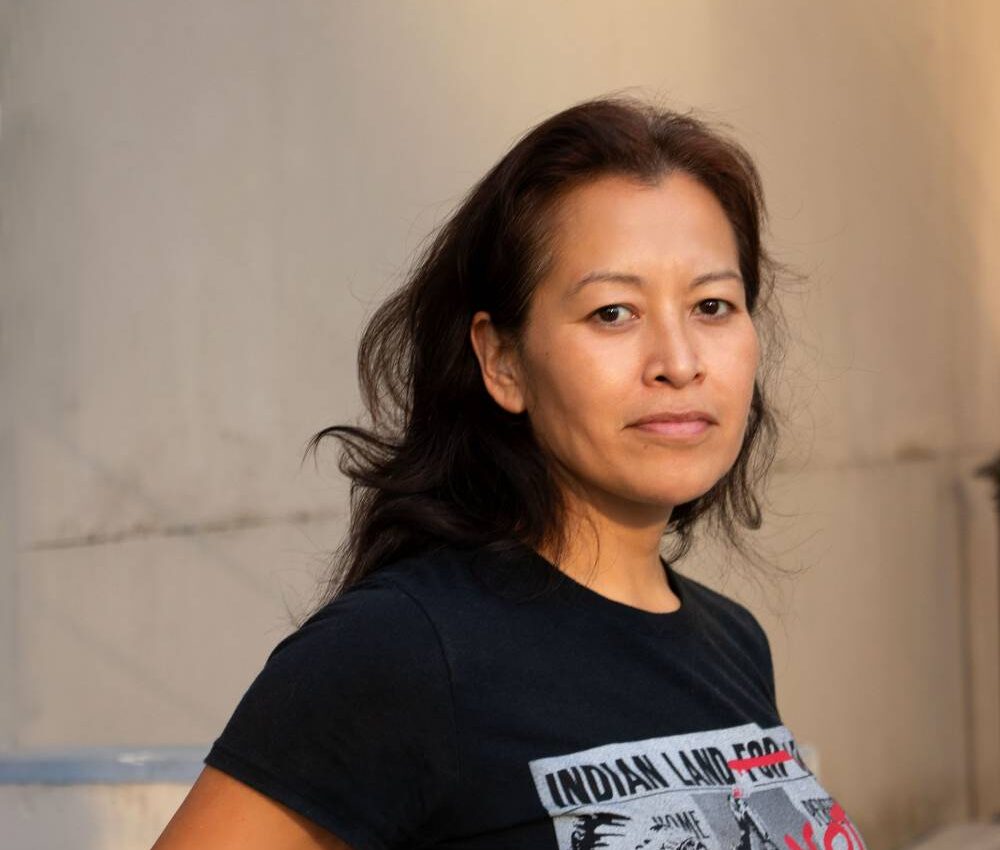
In conversation with Indigenous costume designer Carmen Thompson
Carmen Thompson (Diitiidaht/Kyuquot/Coast Salish), 46, has lived and breathed costume design for the last 15 years. Her given name by her uncle is Tl’aakwaa (Nuu-chah-nulth), meaning copper. Copper is a versatile, malleable material with high electrical conductivity, twisted into jewellery, coins, and metal alloys. Copper is a trace dietary mineral, it lives in our bones, and seems to be everywhere else. Thompson’s career embodies malleability. She has played a vital role in the complex visual language of costume on multiple full feature films, commercials, award shows, television, theatre, and opera. Her father, Art Thompson, was a prominent Victoria artist working…
Read More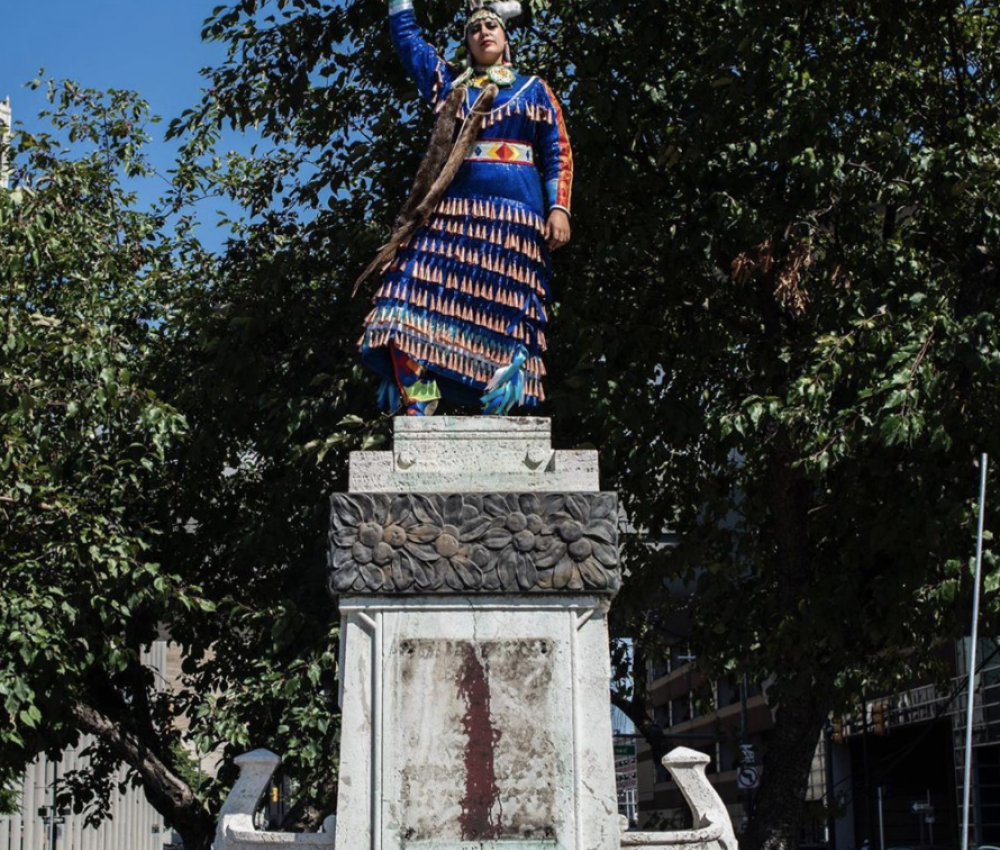
Black Lives Matter is an Indigenous issue too: in conversation with Hadassah ‘Hazy’ GreenSky
Hadassah ‘Hazy’ GreenSky is a multi-instrumentalist, vocalist, and visual artist based in the Metro Detroit area where she was also raised. She is a member of the Waganakising Odawa peoples from the lands now referred to as Harbor Springs, Michigan. Like many other young Indigenous women in the midwest [and across the Americas], GreenSky was subject to cheap ill-mannered name-calling like “Pocahontas” by non-Indigenous people when she was growing up. Her personal experiences of racism is a condition of systemic structures and barriers held up by white supremacy all throughout North America. Speaking to GreenSky, she shared with me that…
Read More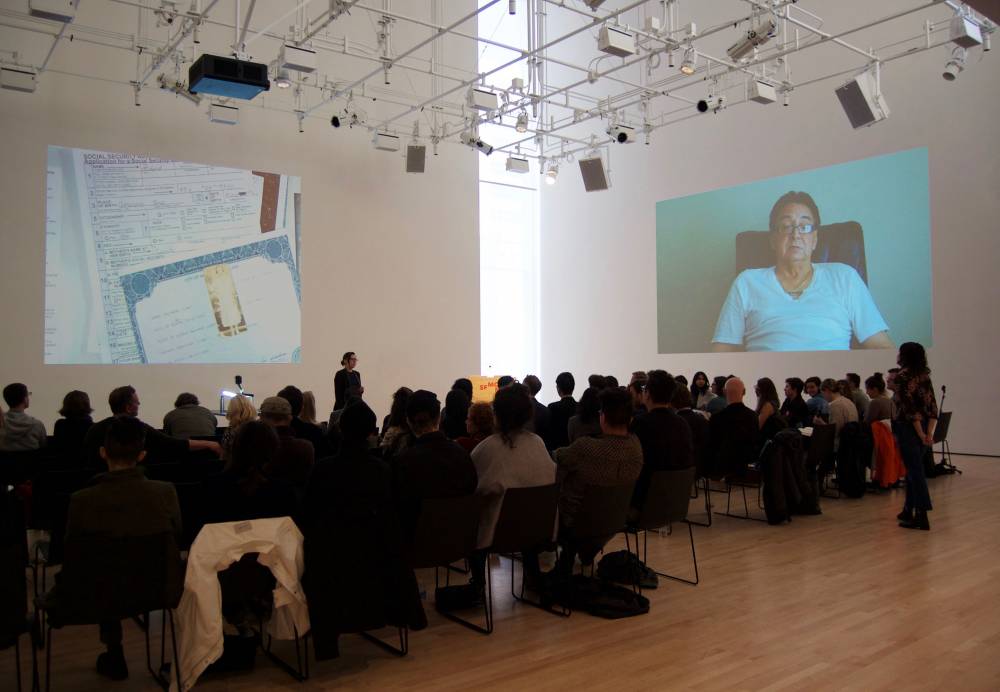
Rendering as a capacity through which to see : in conversation with Mev Luna
s we move towards reshaping the world into a reality where the most marginalized and oppressed people are able to thrive, unimpeded by state and racial violence, the mediums in which identity manifests are a moving target. Racial and ethnic categories continue to shift, dodge, and take on new forms simultaneous to the expanding social consciousness of systemic racism’s histories. Whiteness in particular continues to evade blame and repercussion for the historical, structural oppression and volatility it has and continues to systematize. Instead, we have witnessed performative allyship from individuals and institutions of power that is as ineffectual as it is…
Read More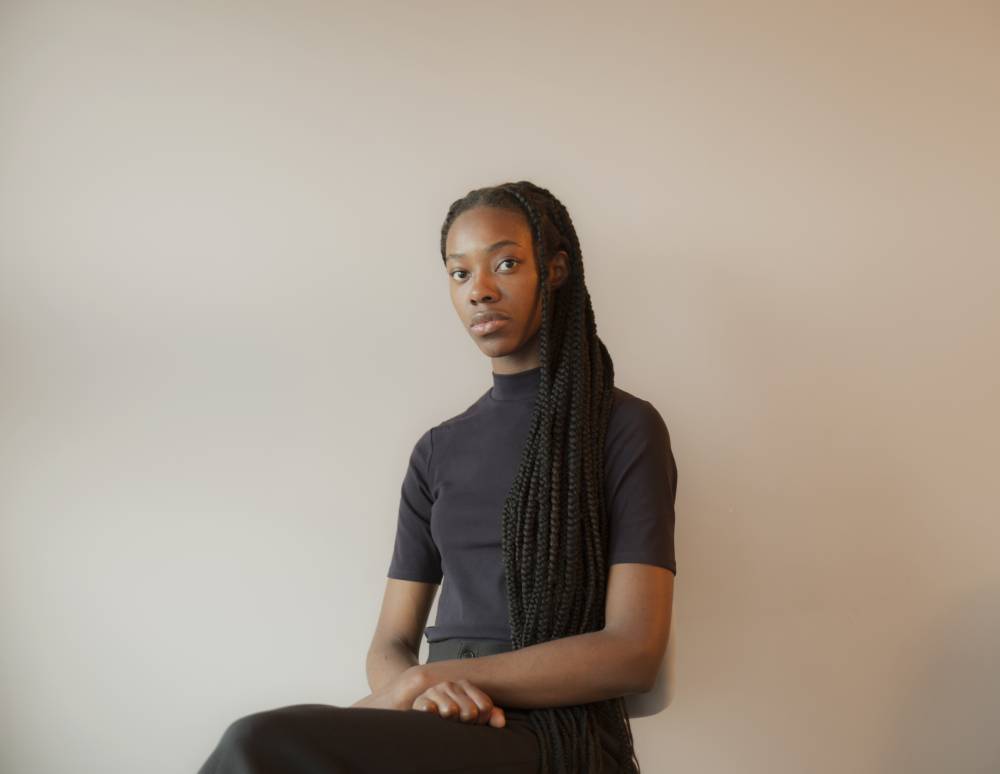
Exclusively multiple: in conversation with Ekene Emeka-Maduka
Ekene Emeka-Maduka is a master of her own visage. She is not the first, and undoubtedly will not be the last in a long line of artists that have explored the world of auto-portraiture. Her work so far has mostly consisted of images featuring the artist’s likeness, depicted against a variety of set designs, and artfully orchestrated scenes to communicate whatever she wants to send across to its viewer. At the age of 23, Emeka-Maduka is on a bit of a rising streak. Having recently come out of art school, she is already gaining recognition from the prestigious auction house, Christie’s, on their…
Read More