
Longform
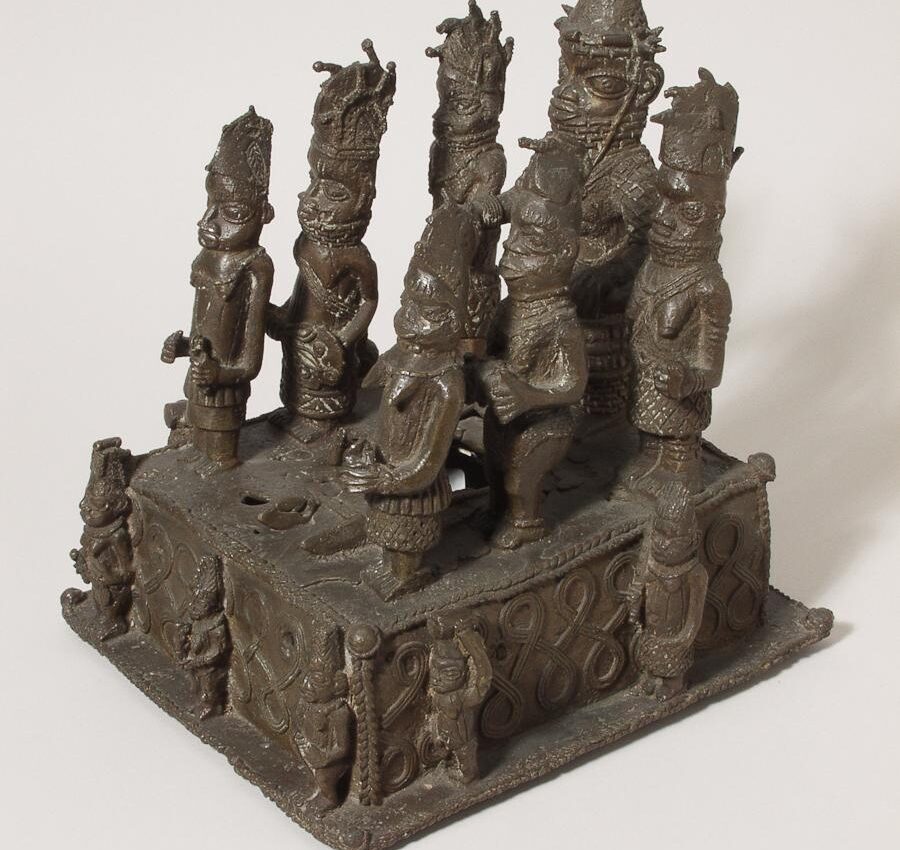
The making of colonial museums: in conversation with Dan Hicks
Dan Hicks is professor of contemporary archeology at the University of Oxford, Curator of World Archaeology at the Pitt Rivers Museum, and a Fellow of St. Cross College. Hicks has been at the center of conversations on the violent history of colonial museums and on how cultural objects pillaged from the Benin Kingdom can be returned to their original homes. His recent scholarship has focused on the colonial histories of cultural objects, work which has intersected with recent global campaigns against racism, continued imperialism in the Middle East, and ongoing ecological disasters. His two most recent books, The Brutish Museums: The…
Read More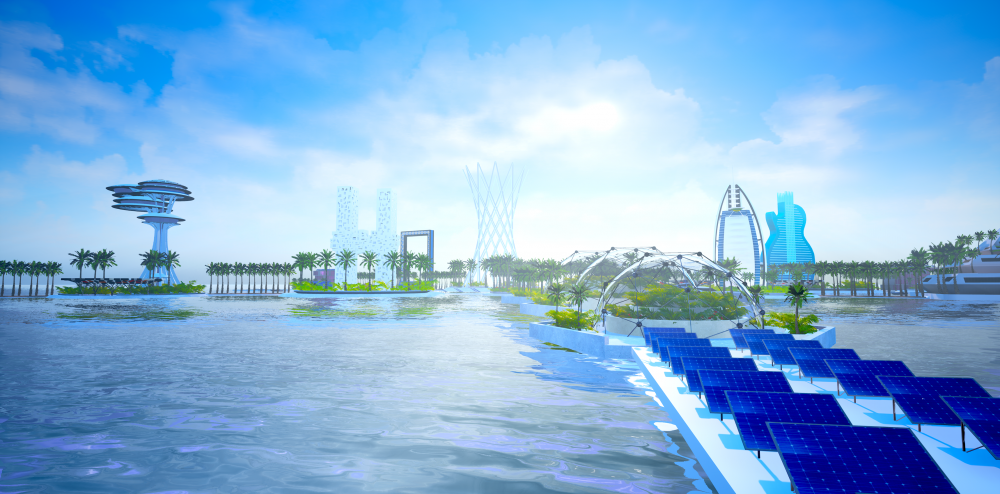
Frontiers of the posthuman natural world: in conversation with Alice Bucknell
Alice Bucknell is an artist and writer based in London, UK. Her work uses video game engines and speculative fiction to explore the interconnections between ecology, architecture, and non-human and machinic intelligence. Bucknell’s recent works Swamp City (2021), E-Z Kryptobuild (2020), and Align Properties (2020) are artificial promo videos for imaginary development companies that parody the language and aesthetic conventions of real estate advertising. These pieces take a tongue-in-cheek approach that critiques architecture, luxury property development, and lifestyle capitalism. Swamp City debuted last May at the 2021 Venice Architecture Biennale in the Russian Federation Pavilion, on view until November 21st, and is also part of FREEPORT for Epoch Gallery, an…
Read More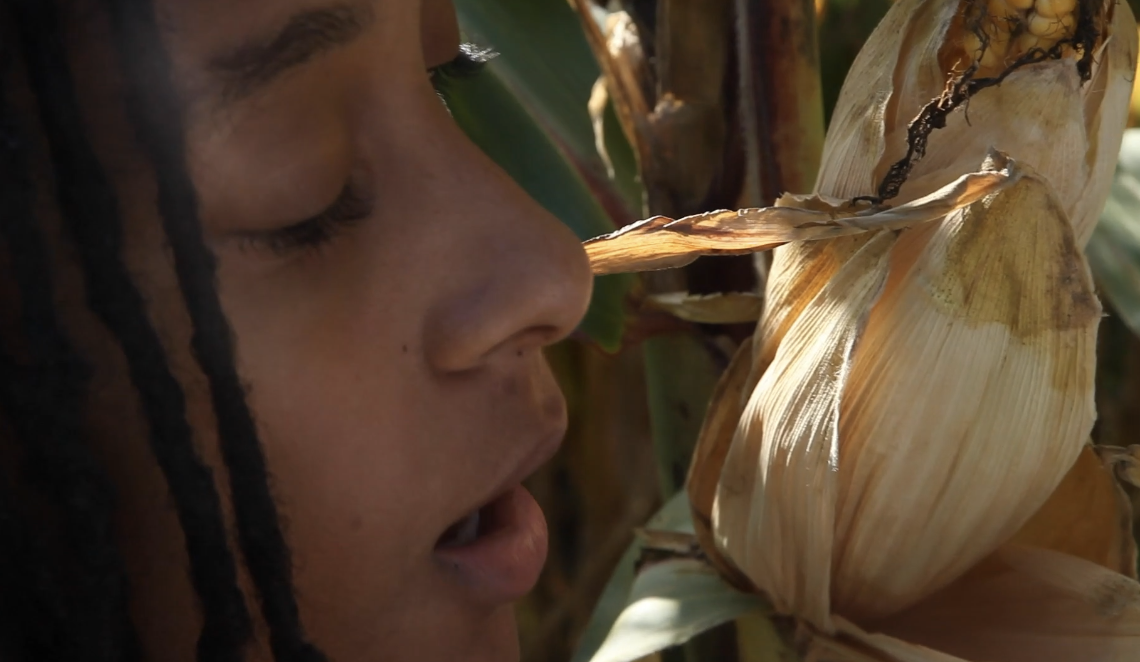
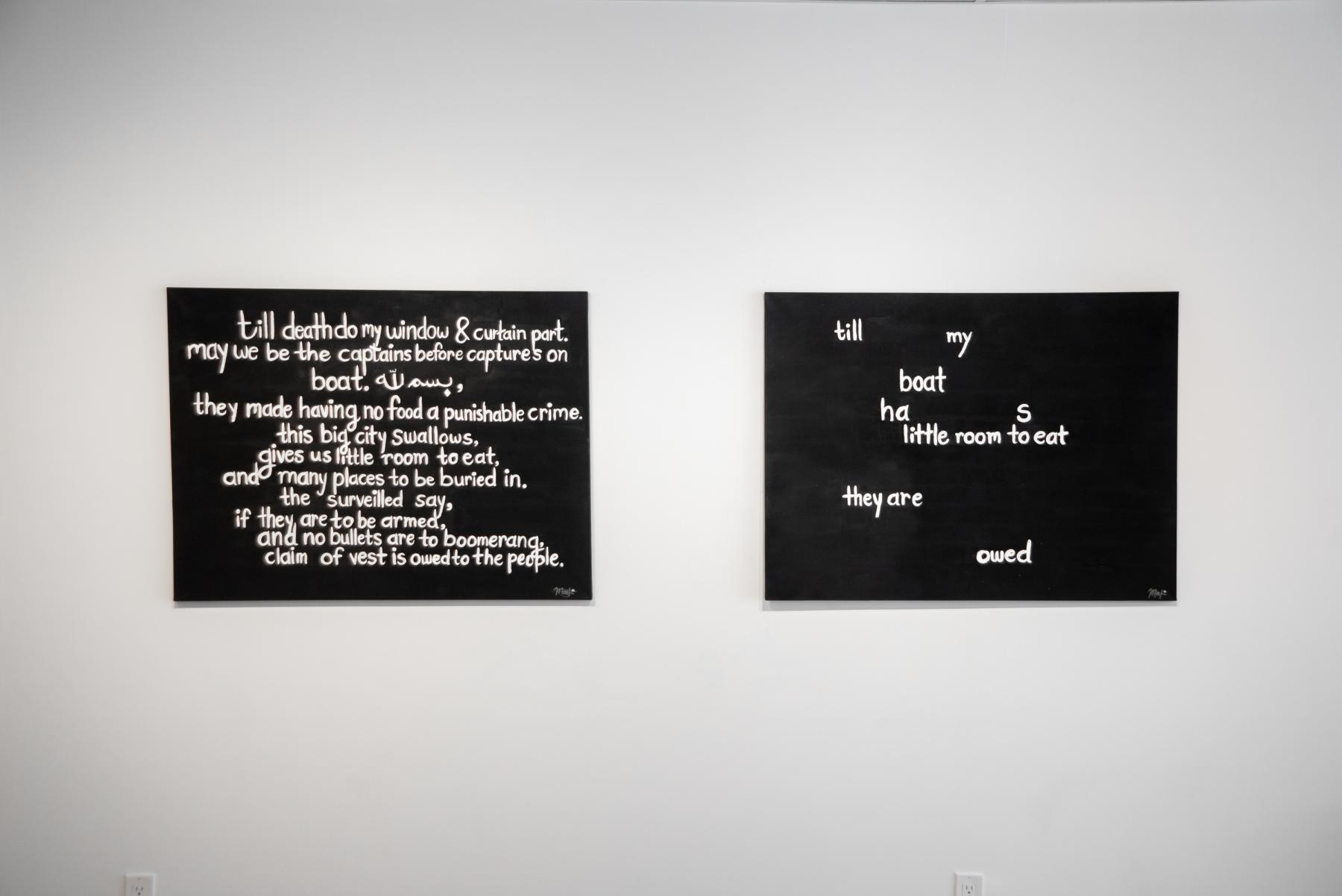
Strategies to enflesh the archive: in conversation with Emilio Rojas
From this racial, ideological, cultural and biological cross-pollinization, an “alien” consciousness is presently in the making—a new mestiza consciousness, una conciencia de mujer. It is a consciousness of the Borderlands. –Gloria E. Anzaldúa, Borderlands/ La Frontera: The New Mestiza, 1987 How and why do we tell stories? Whose stories are told by History and whose are erased, forgotten, or deemed “dangerous” to tell? How do we acknowledge and confront the reality that particular histories fall outside of “acceptable”; and, how do we instead, critically shift to address, honor, and care for them? These are just some of the crucial questions that have…
Read More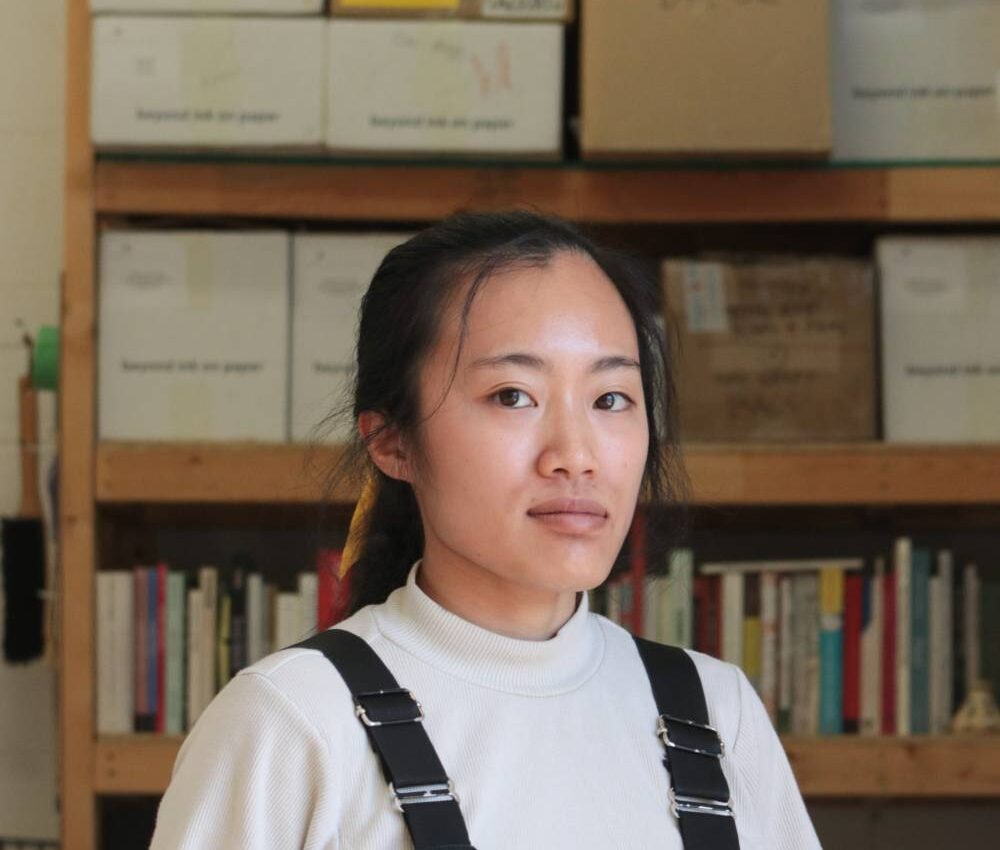
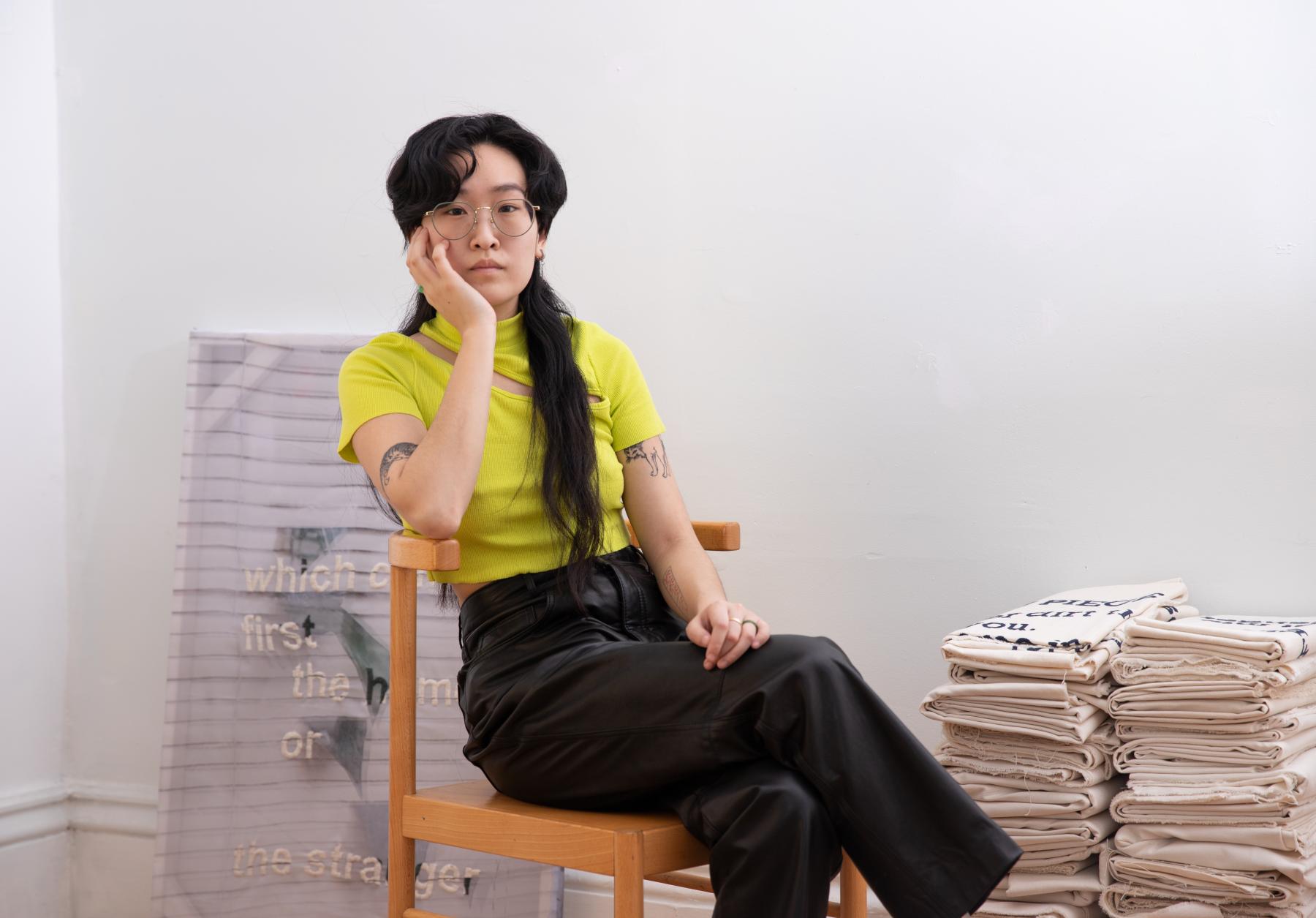
The Great Refusal: in conversation with Michelle Nguyen
Michelle Nguyen’s artwork will enworld* you. Monstrous vegetation joins with naked, dripping, feminine bodies who live ferociously without ever doing too much. Figures pour from one orifice into another and commune with anthropomorphic meat. Colours push out towards the viewer. In the world of the painting, bodies, surfaces, paints, and textures party, seeming to want the viewer to become involved. Her work is luxurious, a little foreboding, and streaked with absurdity. Across her many mediums, drawing, print, clay, and largely in paint, Nguyen shows how the abject is cased in potential, still radiating beauty. Nguyen and I have known each…
Read More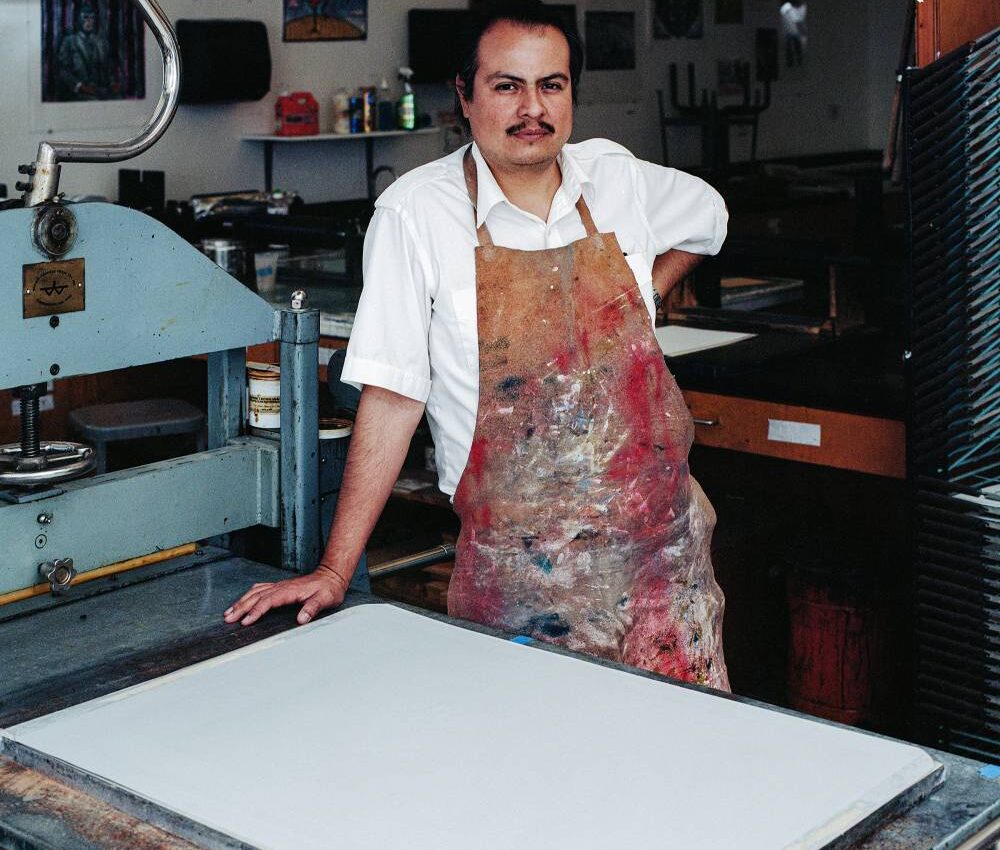
Cracks and Fissures: Saúl Hernandez-Vargas’ Strategies of Intervention
In a time of extreme social and political polarization, it is urgent to examine the historical narratives on which these ideological differences rest. In Mexico, colonial nationalist rhetoric takes on a mythic quality, and results in the homogenization of Indigenous identity and material culture. Yet art can introduce cracks and fissures to hegemonic histories and excavate the stories concealed beneath them. For Saúl Hernandez-Vargas, an artist from Taller de Artes Plásticas Rufino Tamayo, Oaxaca, this excavation is literal. I first encountered the artist through the 2017 works Plate #1, #2, and #3 and through documentation of the exhibition No queda nada para nosotros en la…
Read More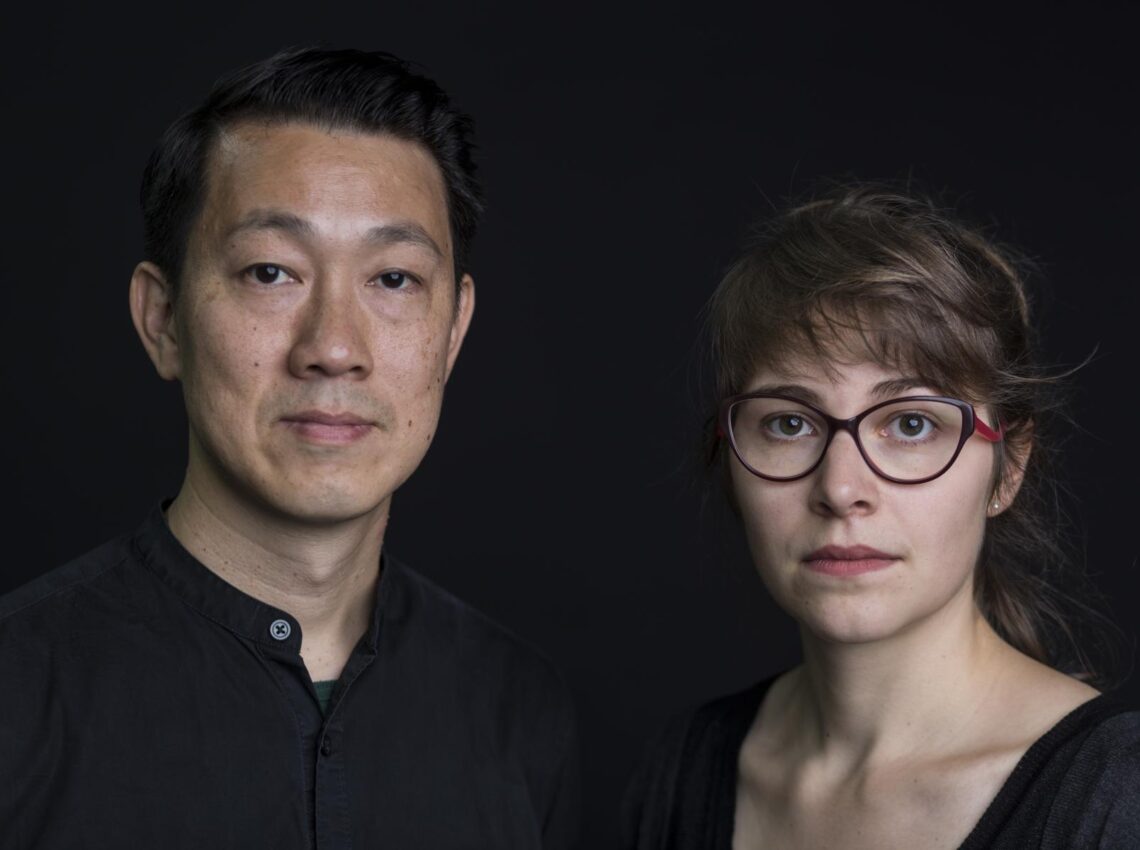
Bottled Songs 1-4: in conversation with Kevin B. Lee and Chloé Galibert-Laîné
Artist-researchers Chloé Galibert-Laîné and Kevin B. Lee have been instrumental to the development of the contemporary online video-essay, pioneering the form of the desktop documentary through both their individual video projects and their collaborative work. They combine text, images, and gestures recorded from within their computer screens overlaid with verbal or textual narration, using this form to analyse or criticise a particular form of media in real-time, creatively dissecting it in front of the viewer to demonstrate how it functions. In their work, they focus on deconstructing popular forms of media, attempting to convey their experience of an encounter with a specific media object…
Read More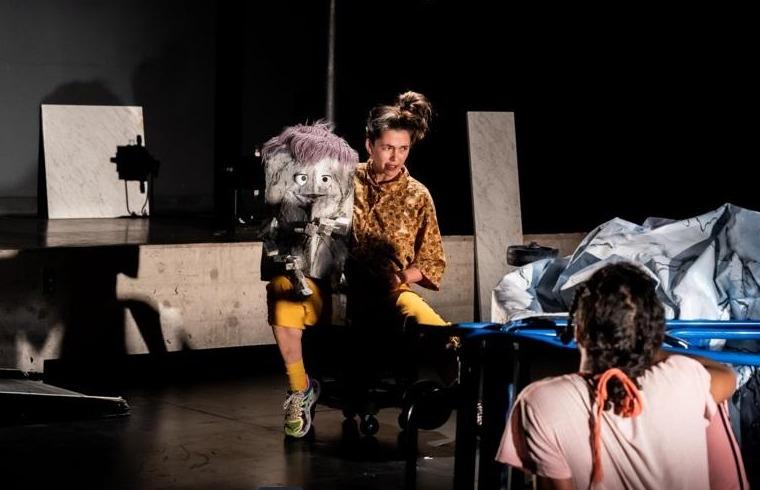
‘What it’s like to grow up pour’: in conversation with Hazel Meyer
I first met Hazel Meyer in Toronto back in 2016, on what was my “first official studio visit” as a newbie curator. I was humbled by Meyer’s generosity as she walked me through her work in what is now the Ubisoft building in west Toronto, inviting me into her world. Meyer’s artwork was well-known to me, then, as an iconic queer artist whose work was advancing conversations about queer bodies and queer histories. I was a big fan of her No Theory, No Cry, which I first encountered at Art Metropole, and which encompassed the feelings of painful pleasure and strife…
Read More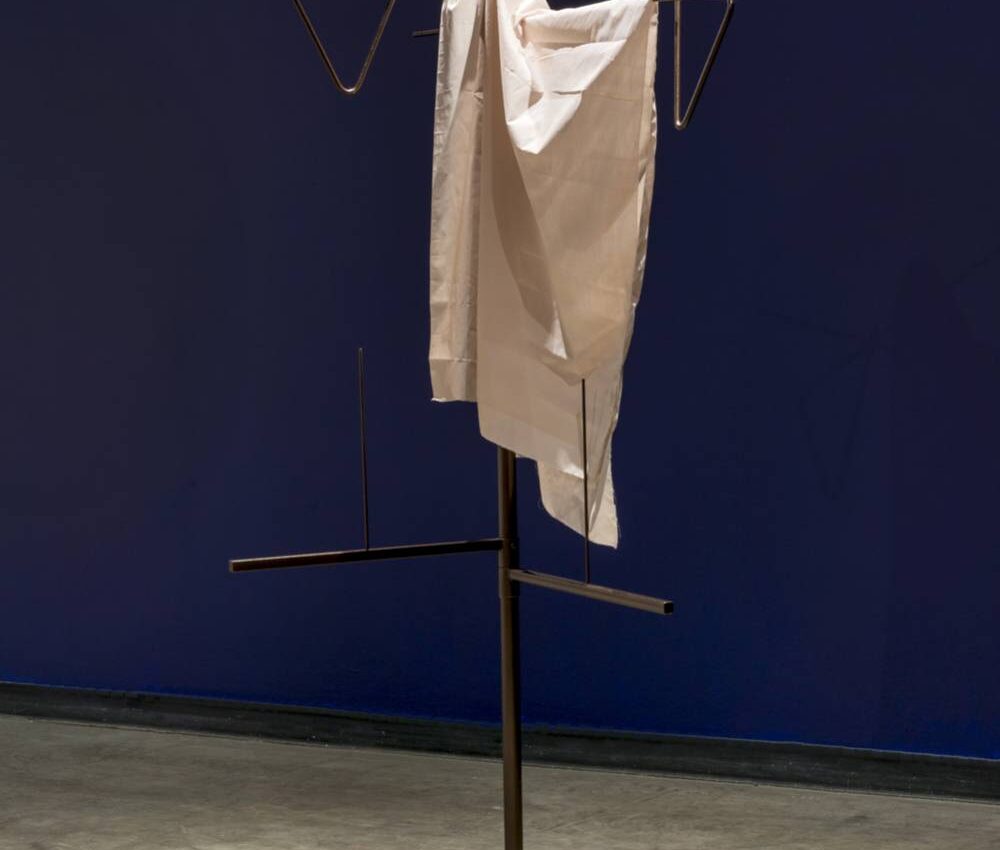
Cycles of production and disruption: in conversation with Karen Kraven
Karen Kraven and I shared a series of scattered connections over the course of several months, with COVID-19 creating setbacks and long pauses that stretched out our dialogue, punctuating a busy yet oppressively still fall. Over a zoom call in November we had an electric conversation about workism and productivity, themes present in Kraven’s work and, of course, in our own lives. Kraven’s work, which revolves around cycles of production and disruption, feels incredibly prescient in this interminable “moment” of isolation, societal disruption and the increasingly obvious malaise created by rampant materialism and capitalist ideology. Drawing on fashion, sports, and…
Read More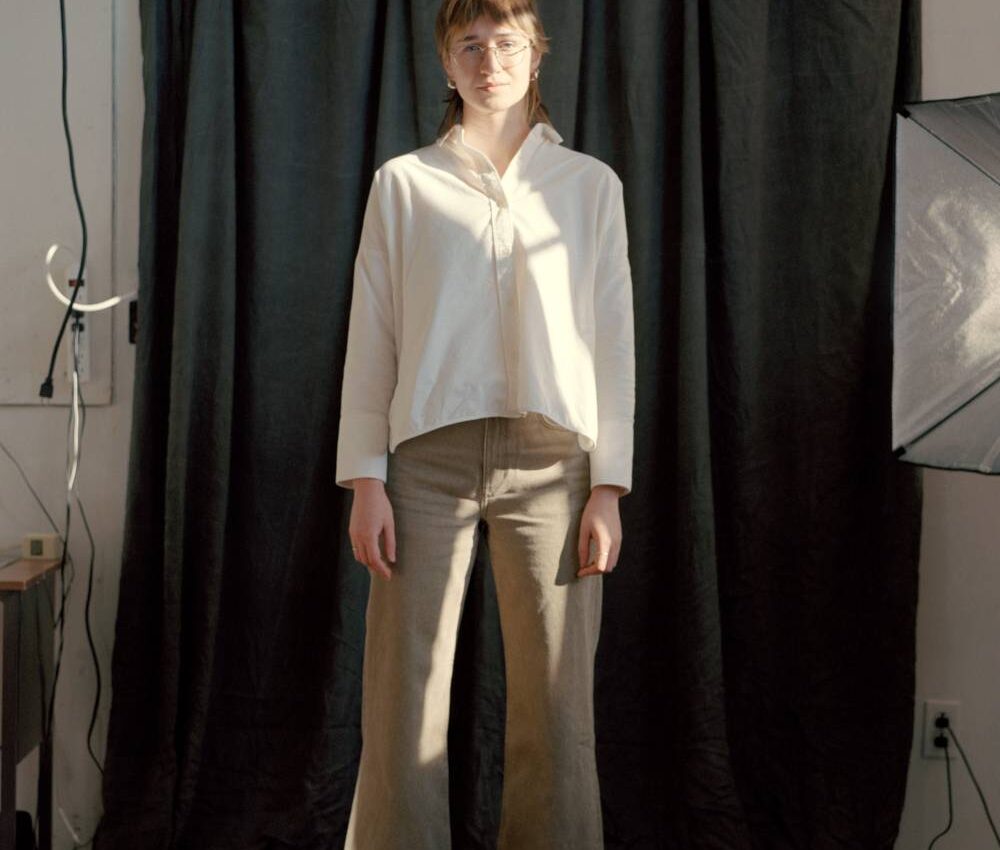
What mistranslation makes: in conversation with Anne-Marie Trépanier
Anne-Marie Trépanier is an artist, editor, and cultural worker living in Tiohtiá:ke, with a practice that sprawls between writing, experimental publishing, and new media. She co-creates the bilingual publication Cigale with her collaborator Laure Bourgault, writes on and offline, coordinates events, and is involved in research on productive (mis)uses of Zoom. As part of her MA thesis research she is looking at feminist practices of information activism online. Specifically, she’s using archival web research, digital storytelling, and curation, to explore how Ada X (fka Studio XX) — a feminist artist-run centre dedicated to gender and technology, founded in 1996 — has organized, stored, and…
Read More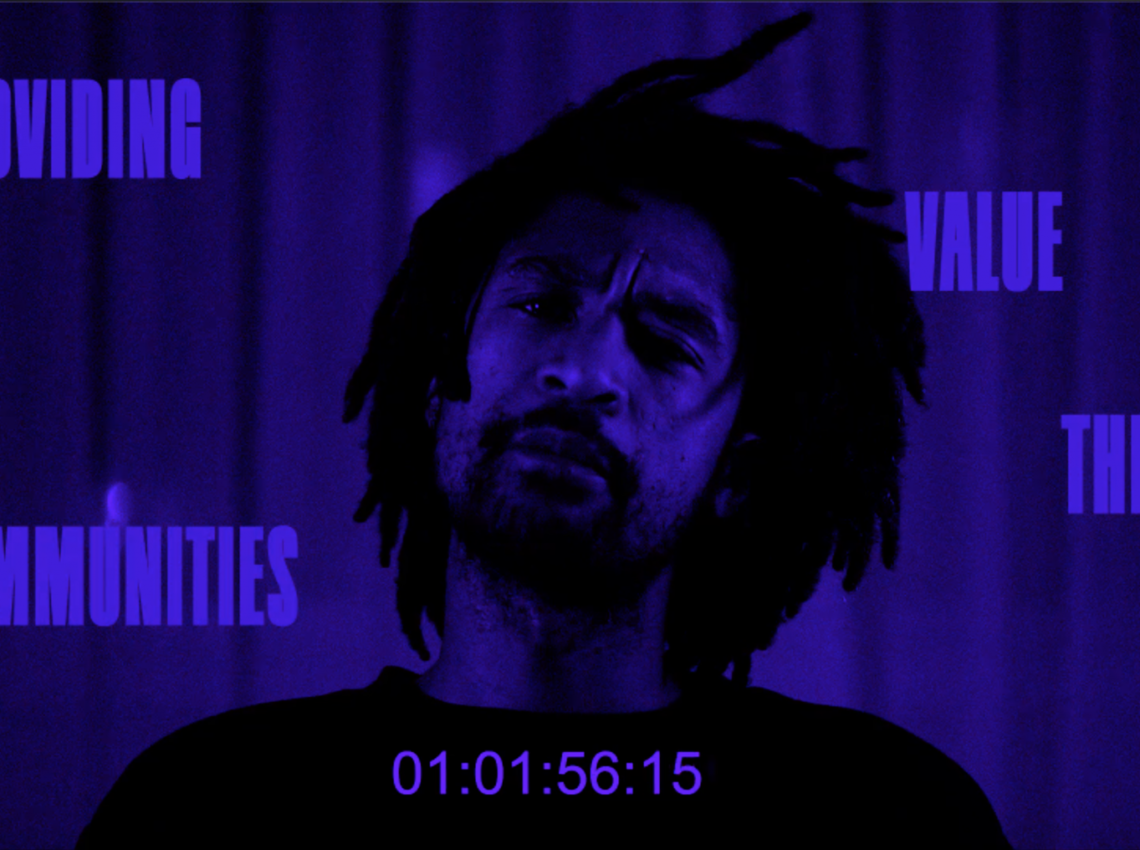
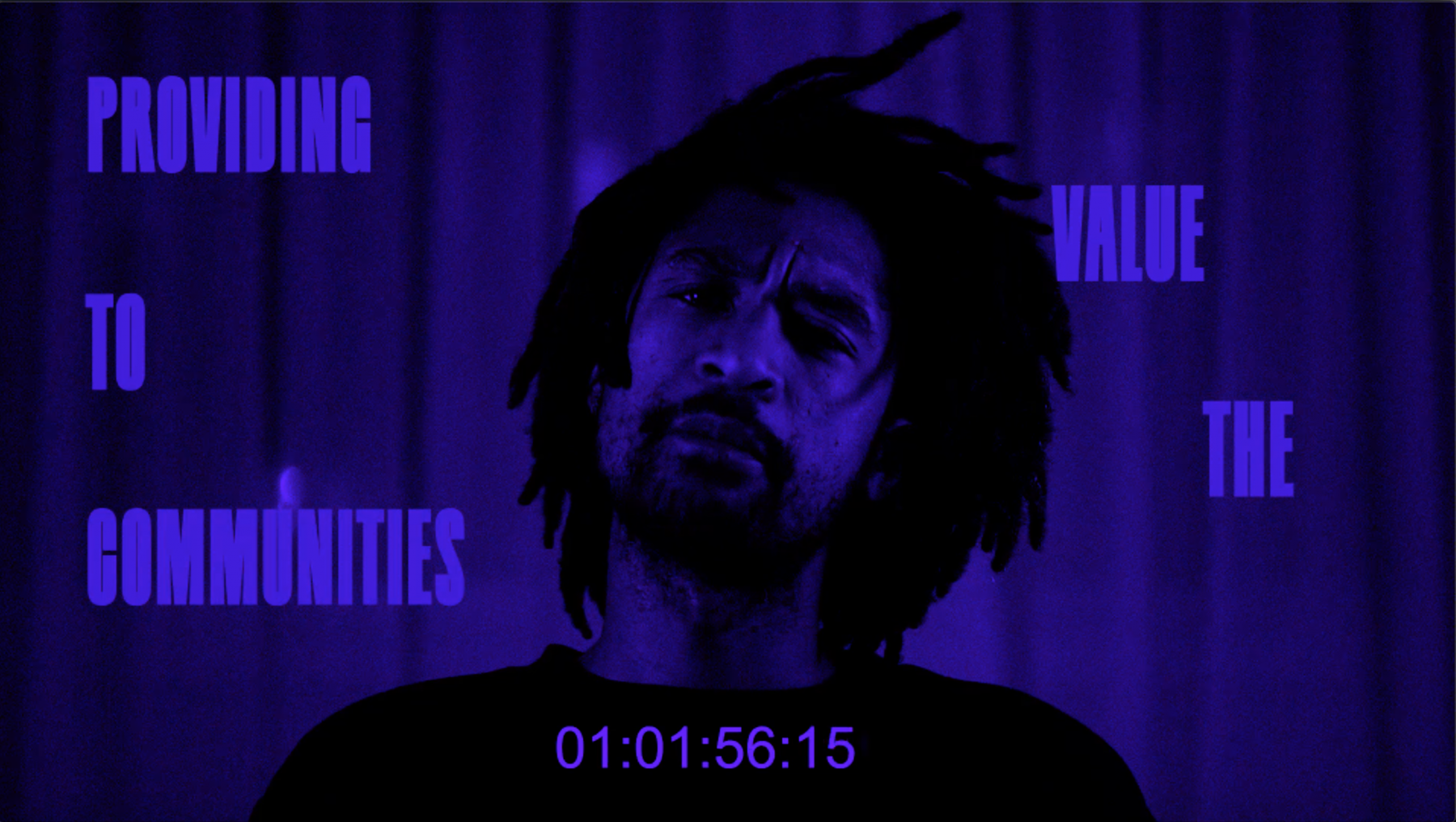
‘My I must know my me’: in conversation with Nástio Mosquito
Angolan-born artist Nástio Mosquito’s work is prophetic, cacophonous, and a bit slimy. His work is actively engaged in defacing existing linguistic taxonomies, bypassing the art-world tendency towards opaqueness. The artist’s multimedia works—which span video, sound, sculpture, architectural intervention, and even several collaborative forays—inculcate a viewer into his personal genome. Underpinning his vast output is an investment in the emancipatory potential of correspondence, as well as the ways it can be wielded to elicit the entire arc of a provocation: shock, surprise, awe, acquiescence, nostalgia. He discusses fatherlessness, selfhood, journalistic integrity, fucking, and Western legacies of colonization in the same breath….
Read More