
Critical Inquiry
Annotating expanded practice
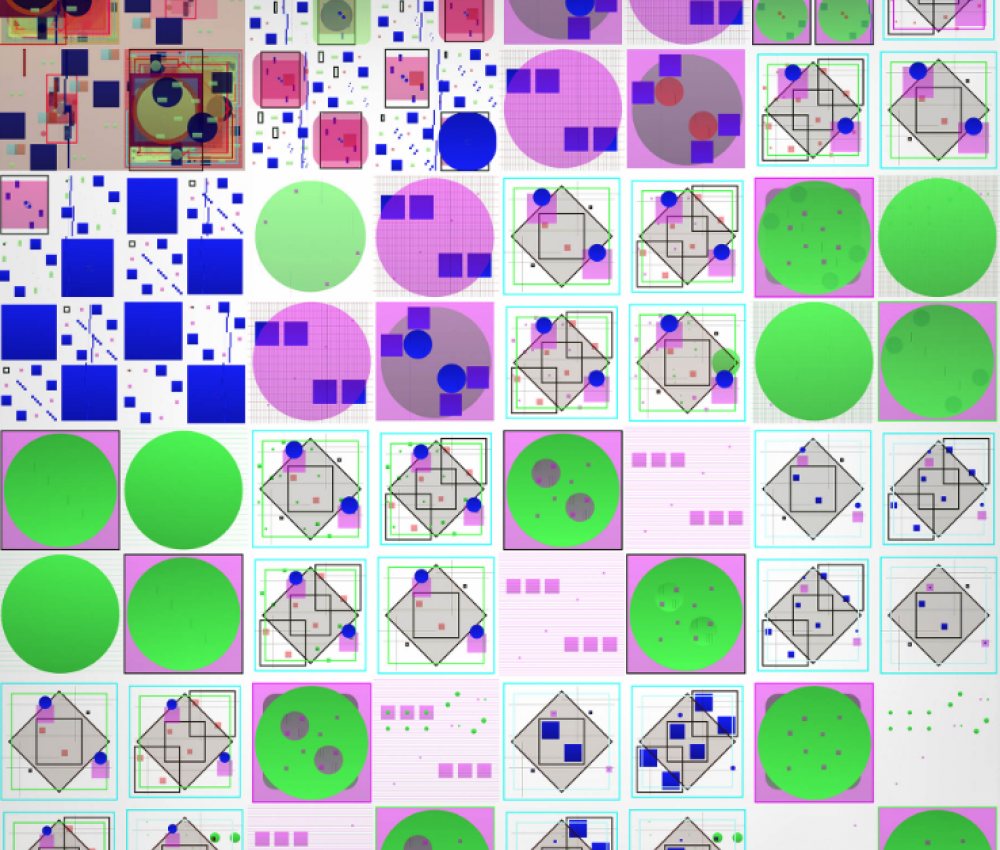
The wall label is an apparently simple documentary form that has substantial effects on how we understand and interpret art. Often the most public-facing piece of documentation in arts institutions, it stands out as a minor text within broader institutional records. The wall label’s standard categories distill a specific, historically entrenched model of artistic production. Artist, title, date, medium, dimension, collection—these categories best represent work for which creator and product are relatively stable and distinct. Certain tendencies within contemporary artistic practice challenge these categories so deeply that the innocuous wall label—and the broader institutional archive—may conceal key aspects of the work….
Read More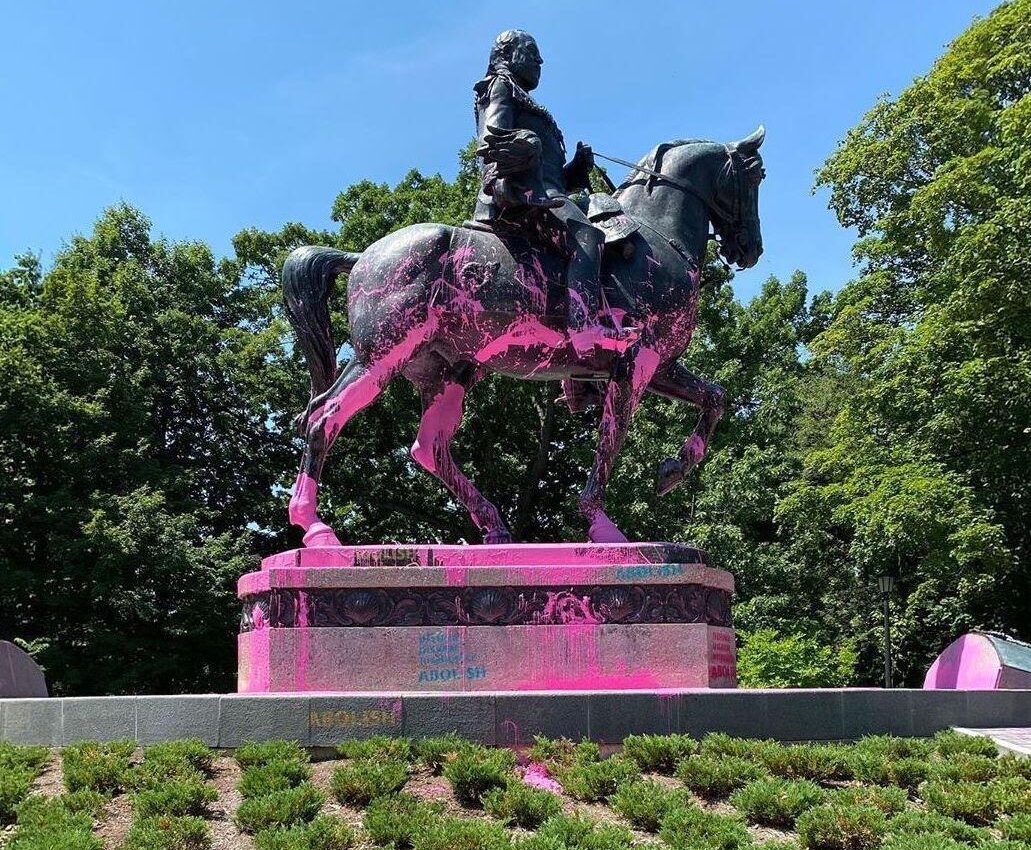
On the Creative Praxis of Splattering Paint on Monuments
The colonial regime owes its legitimacy to force and at no time does it endeavor to cover up this nature of things. Every statue of these conquistadors ensconced on colonial soil is a constant reminder: “We are here by the force of the bayonet.” – Frantz Fanon Now the statue is bleeding. We did not make it bleed. It is bloody at its very foundation. This is not an act of vandalism. It is a work of public art and an act of applied art criticism. – Monument Removal Brigade What are the aesthetics of carcerality that organize and regulate our psychic…
Read More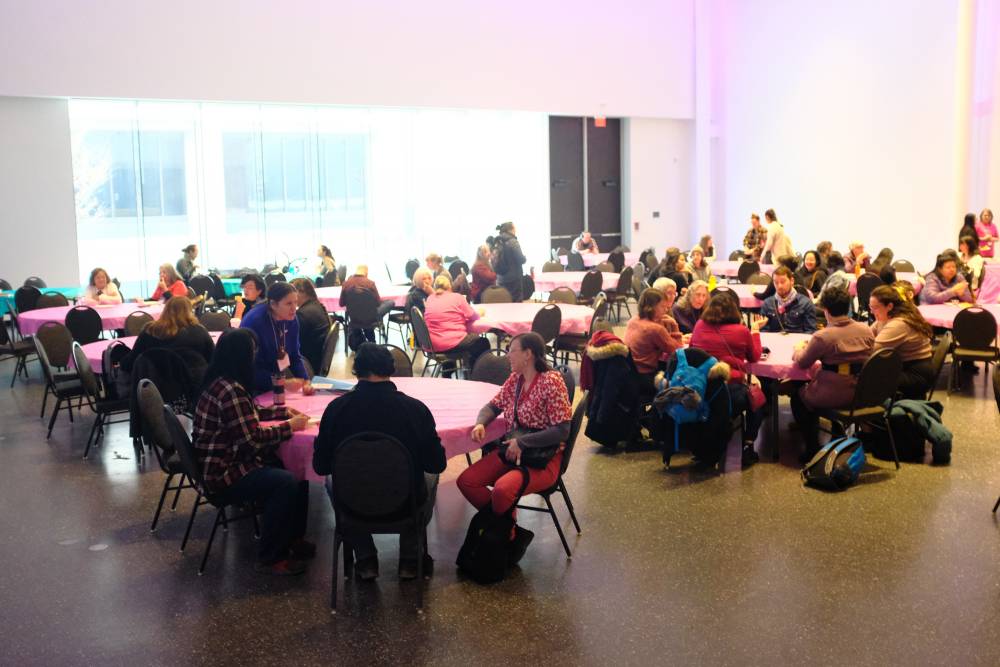
Converging in Solidarity: Indigenous-led Gatherings Promote Cultural and Spiritual Safety
Indigenous ways of being lie fundamentally in the strength of our people and the land that carries us. Beading falls within our embodied knowledge and celebrating these practices encourages our modes of sovereignty and resilience. Beading can and is often done alone, though the practice also brings our community together in powerful ways. Evenings spent with kin, or lunchtime beading groups, like the one I hosted weekly at Concordia University, provide meaningful spaces for intergenerational learning and healing. The act of beading prevails as an Indigenous knowledge system–it integrates modes of map-making, displays our understanding of the land and our…
Read More
The Good, the Camp, and the Ugly
Leigh Bowery, Carmen Miranda, “Love Shack,” Showgirls, Björk’s swan dress at the Oscars, Macy Gray’s outfit emblazoned with the release date of her next album at the 2001 MTV VMAs, reality television, just about everything Lady Gaga has ever done—in a truly nebulous set of relations, references, and time periods, these things all have in common that they are beholden to the legacy of camp. Last year’s Met Gala put camp on our minds again, reviving Susan Sontag’s prominent essay, “Notes on Camp” (1964), and distributing it to celebrity stylists in what was itself a campy gesture of mingling pop culture…
Read More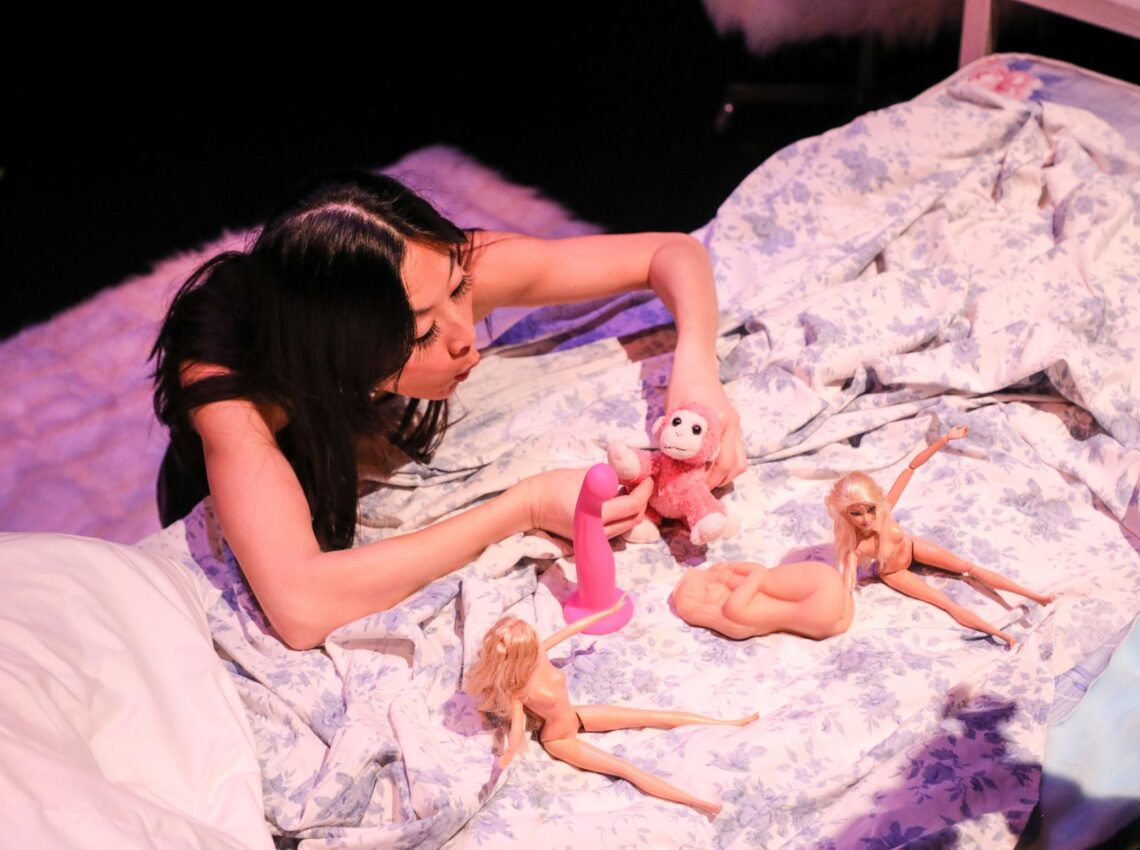
Structures in the Unconscious: Ming Hon’s Exciting Consequences
Ming Hon’s production Exciting Consequences is set up to engage with the re-examinations of psychoanalysis, voyeurism, and scopophilia (the desire to “take other people as objects, subjecting them to a controlling and curious gaze”)1 that occupied feminist film theory for the last quarter of the 20th century. Thematically, the performance is based on the gaze, sexuality, and self-awareness. Hon includes sex toys and 1980s porn in her re-enactments of accidentally learning about sex as a child, later including internet culture to allude to contemporary access to porn and sexual self-education. These materials are used by Hon to perform a narrative stemming from a…
Read More
2019 Flashbacks: Despairs and Delights
Dear Katie, Year-end ‘lists’ (I can’t resist the scare quotes!) have always struck me as inherently optimistic. I also find that reflecting on beloved content from the previous year reminds me of all the media I wished I’d engaged with — books left unread, tabs reluctantly closed, screenings missed, and exhibitions that ended before I got my shit together! (TBH, I often find that reading other people’s year-end lists inspires FOMO.) In the spirit of confronting insecurities, then, I should admit that I’ve been binging Gossip Girl. I’ve been watching the series as I recuperate from surgery. While it’s possible that…
Read More
Inhabiting zones of estrangement
Andrei Tarkovsky’s seminal 1979 film Stalker was produced in the late Brezhnev era of the Soviet Union, and centres on the journey of three men to a forbidden location called the ‘Zone’– the product of an extraterrestrial visitation, purported to manifest the deepest desires of any person to enter it. Every empire has an end, an exhibition at Toronto’s Franz Kaka, juxtaposes the work of Jennifer Carvalho and Jenine Marsh to explore the material sensibilities and conceptual dialogues of their art practices through the lens of the film. Together, Marsh’s sculptures and Carvalho’s paintings summon the themes and visual languages of…
Read More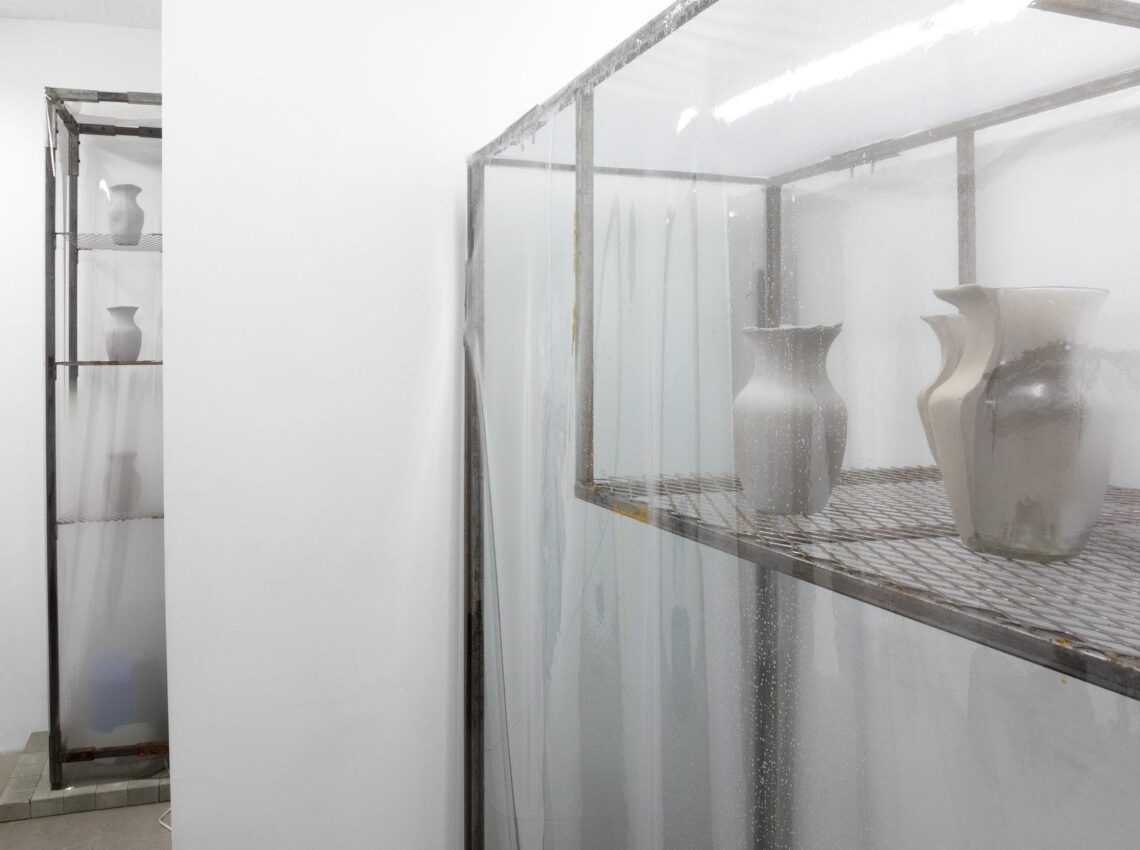
Contact Is Crisis: Azza El Siddique’s Let Me Hear You Sweat at Cooper Cole
Wetness has long been considered a destructive force. Floods. Waterboarding. Torrential downpour. Drowning. Sobbing. A leaky facet. Dampness that leads to mold. In Ancient Greek, wetness was associated with the female body and with it carried connotations of destruction. “Physiologically and psychologically women are wet,” Anne Carson wrote in her essay “Dirt and Desire.” She goes on to quote Hippokrates: The female flourishes more in an environment of water, from things cold and wet and soft, whether food or drink or activities. The male flourishes more in an environment of fire, from dry, hot foods and mode of life. This…
Read More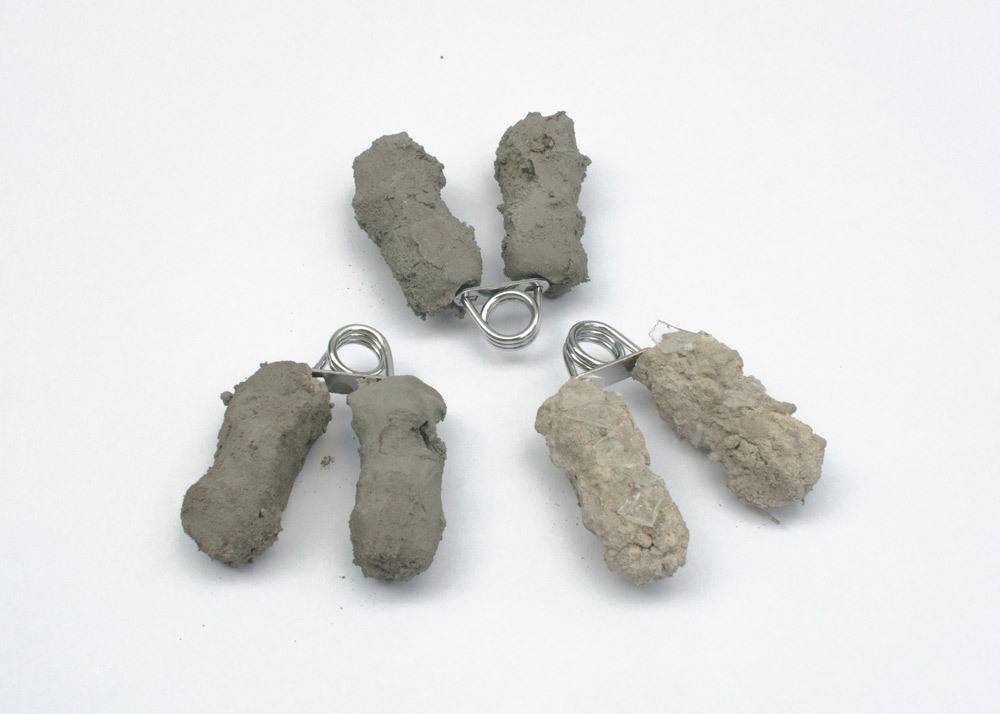
On Sickness, Institutions, and Care
In 2016, artist and writer Johanna Hedva published “Sick Woman Theory” in Mask Magazine’s “Not Again” issue. The piece began with a discussion of Hannah Arendt’s definition of the political, as being comprised of any action performed in public, which fails to account for groups of people who, for various reasons, are not able to be in public, as well as who is in charge of who appears in public and when. This past November, Hedva gave the keynote address at “Sick Theories”, a conference held at the University of Toronto Department of Visual Studies on November 8 and 9. Organized…
Read More
Opinion: 2018 Flashbacks
2018 will always be the year of the York University Strike, now the longest university strike in Canadian history. The strike was led by CUPE 3903 which represents contract faculty, teaching assistants, and research assistants who were fighting for a job and financial security. My colleagues at the university marched in circles for 143 days until they were legislated back to work by the Ford government. Globally, the past year saw a continuation of the #metoo movement, one that pointed out the need for nuance, patience, and empathy for those involved and people coming forward. I found myself taken aback by some…
Read More