


Critical Inquiry
Redressing Artistic Labour
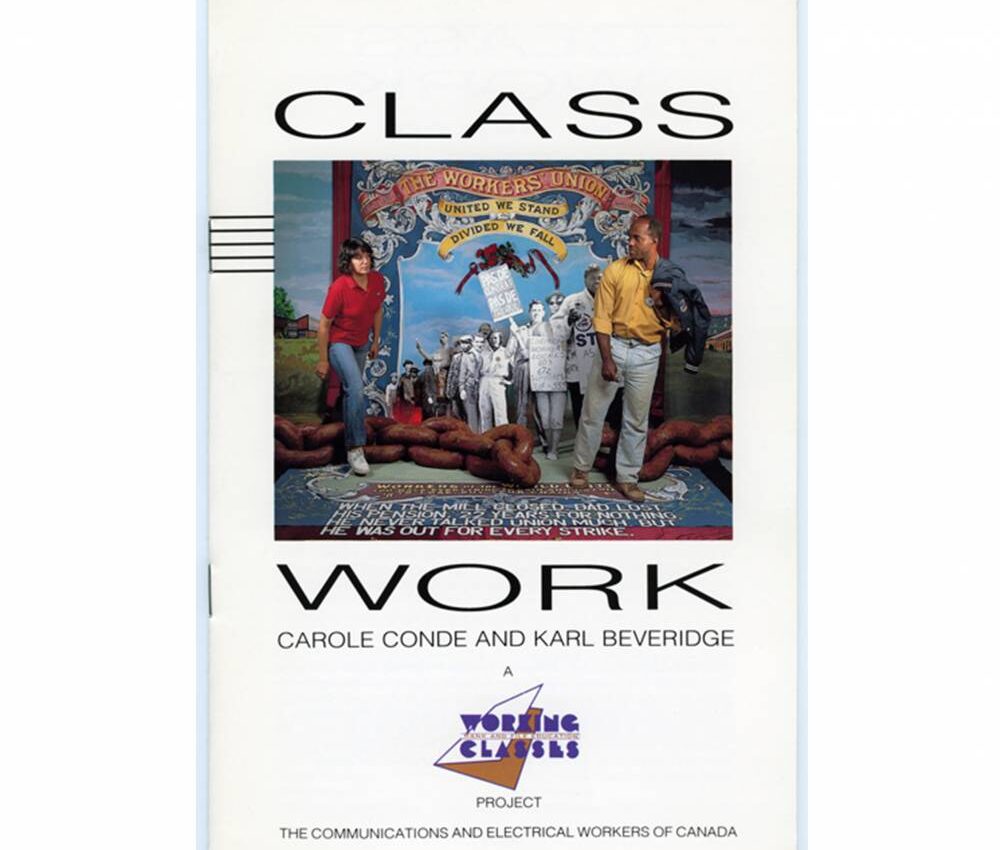
In 1905, Industrial Workers of the World (IWW) was founded to unionize workers who were on the margins of the capitalist economic system—workers who were highly replaceable because of the transitory nature of their positions, such as lumberjacks and farm workers, as well as those in dangerous, low-paying jobs like miners and longshoremen. With an IWW card, labourers of all kinds were able to realize their workers’ rights and take different jobs seasonally, all under the protection of the same industrial union that operated on collective bargaining. Today the IWW still identifies as “a rank-and-file-run, international union dedicated to the abolition of…
Read More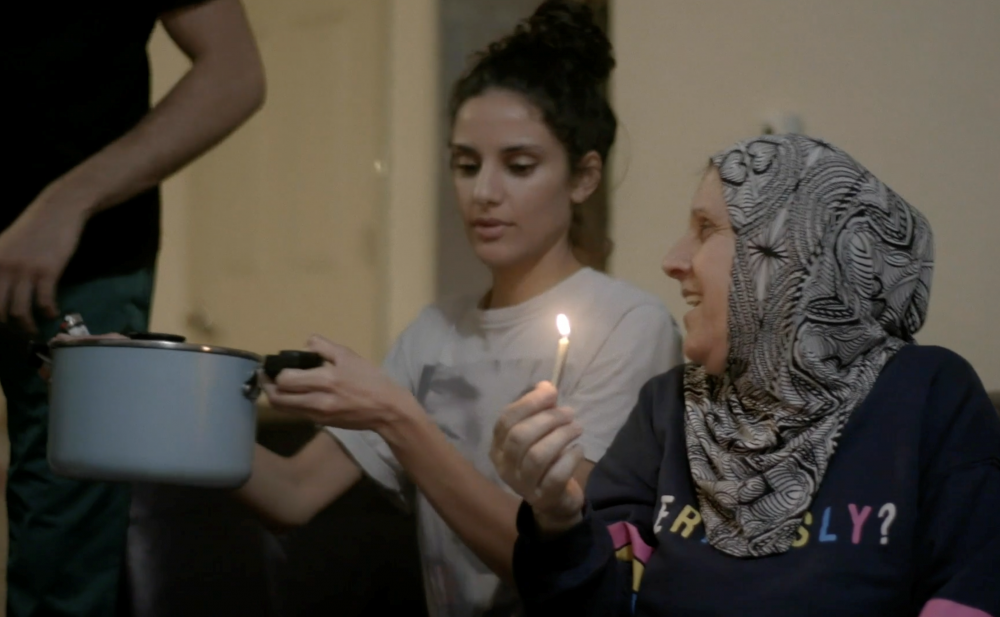
SWANA Film Festival: contending with complexities of matrilineal relationships from the SWANA diaspora
Three months ago, I grasped the opportunity and flew back to Jordan from Toronto amidst the global pandemic to be with family. It felt as if I was leaving home to go home; an oxymoron in itself – both literally and viscerally. The first few weeks were filled with an inchoate excitement involving reunions, local food cravings, and late-night catch-up conversations. Then, as time stretched and the pandemic slowness set in, so did my feelings and experience of being back. I found myself feeling more and more disoriented, fragmented, and dis/connected. Disconnected from my true self, my ways of being,…
Read More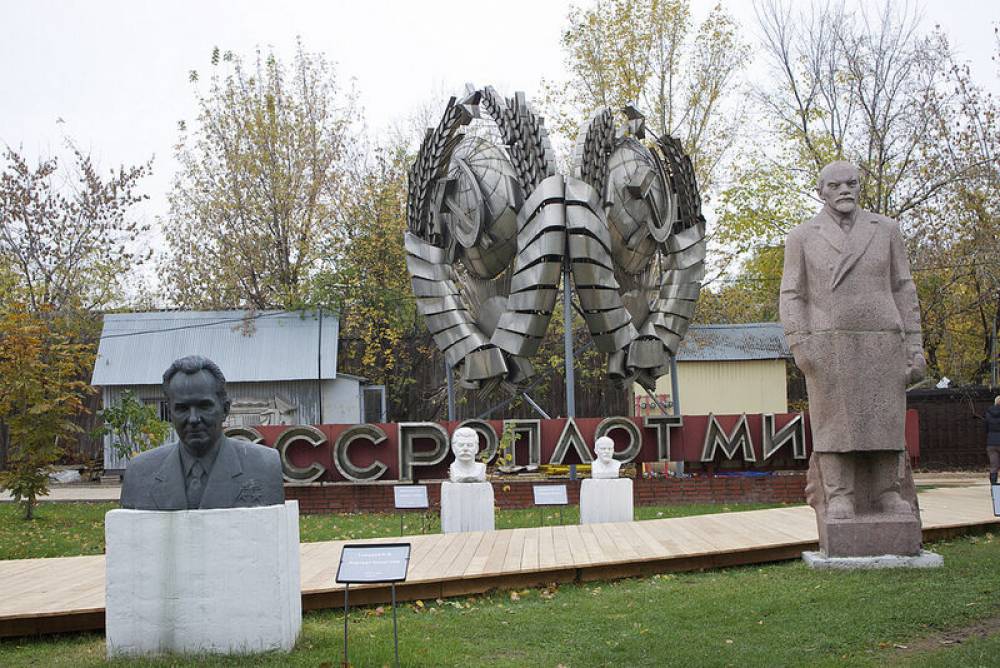
Reinscribing history in public space
Casa d’Italia, an Italian community center in Montreal, was built in 1936 with funds from the local Italian immigrant community, the Canadian government, and the Mussolini administration. The building features Italian fascist aesthetic elements, such as a large, austere rotunda and the black star of Mussolini in the flooring. In an article about Montreal’s Little Italy neighbourhood in the Canadian Encyclopedia, Diane Sabourin and Maude-Emmanuelle Lambert refer to the building’s style as Art Deco, which is both incorrect and intellectually irresponsible. Generations later, how recognizable is the fascist context of these symbols to younger Canadians? Scratching the surface of the building’s symbolism and funding…
Read More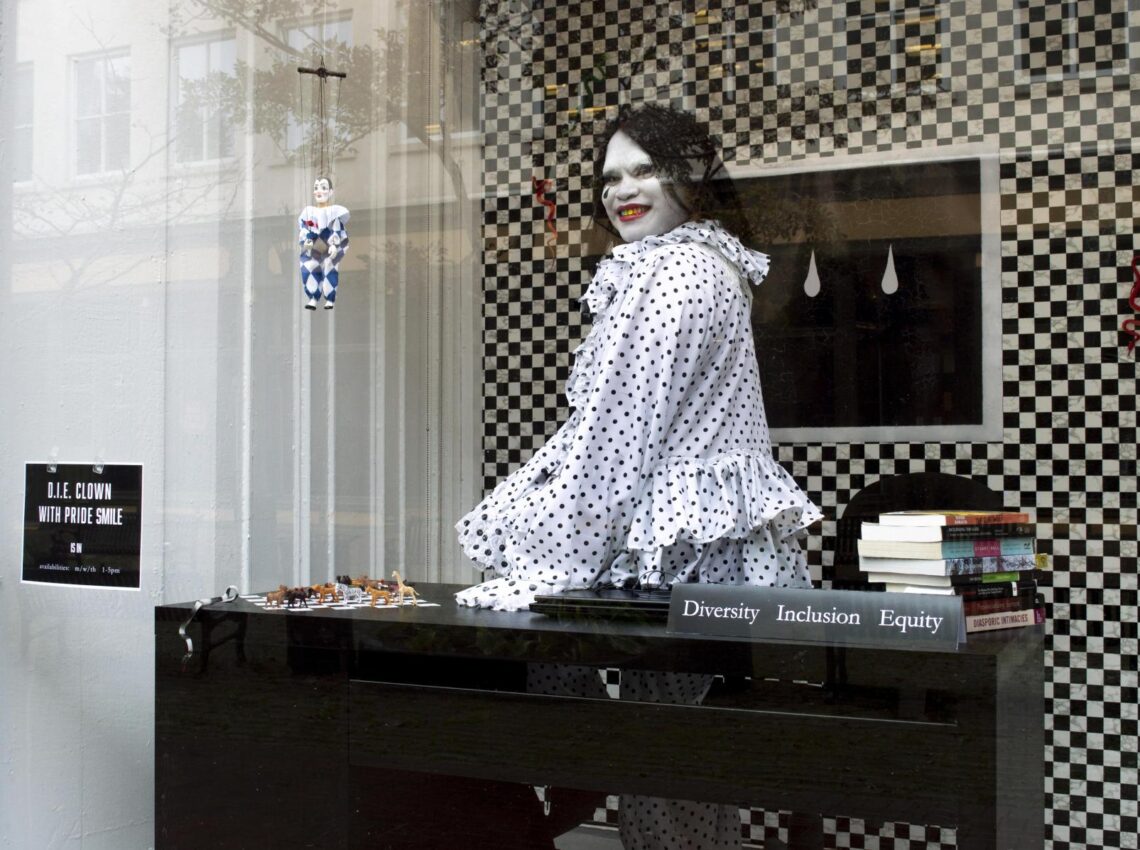
Diversity is a narrow achievement
As we know them today, branding strategies have moved through several stages of transformation. From advertising new inventions in the mid-nineteenth century and supplying proper names for generic goods to helping corporations find their soul in what writer Naomi Klein refers to as the “brand essence.”1 According to Klein, in the late eighties and early nineties, students were fighting a battle over issues of “representation,” which she defines as “a loosely defined set of grievances mostly lodged against the media, the curriculum and the English language.” However, she elaborates that corporations did not see students as the enemy but as a…
Read More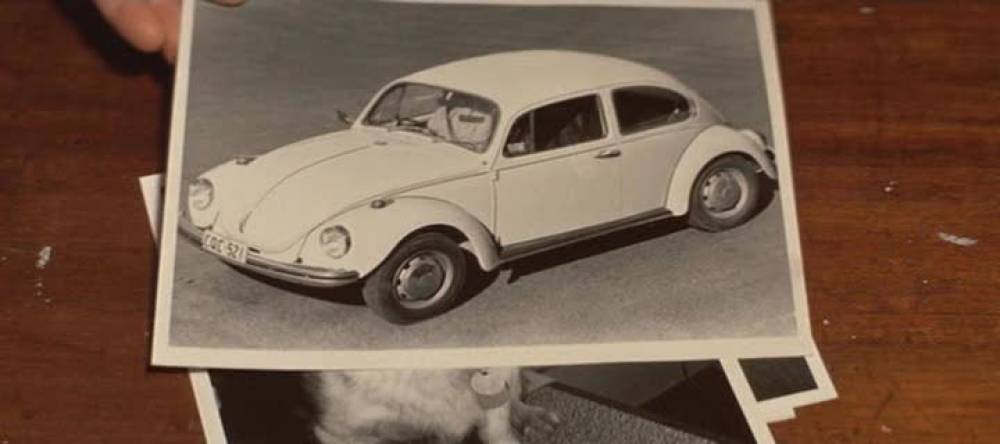
A history of violence: revisiting ‘The Cars that Ate Paris’, 1974
The Cars That Ate Paris (1974) begins by playing a cruel joke on its audience. The first frames present a yuppie couple enjoying a weekend drive in the country, drinking Coke and smoking cigarettes—images that suggest we’re watching an advertisement. Their idyllic afternoon, however, turns nightmarish. As they venture into the Australian countryside, they are abruptly driven off the road by a group of men who murder them and scrap their car for parts. They are the victims of a deadly scam, as we later find out, and with their deaths we are thrust into the bizarre world of the colonial township…
Read More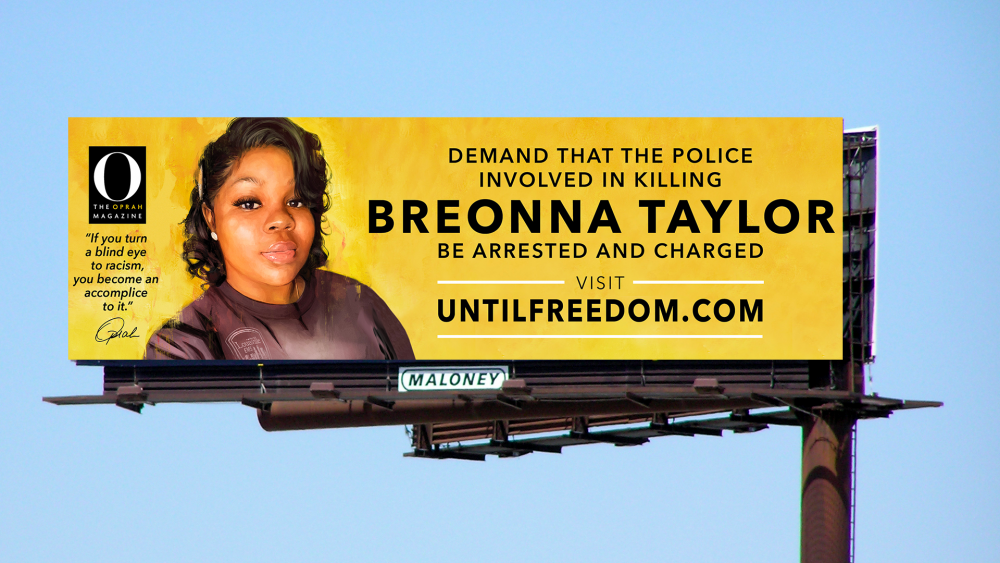
Images of Awareness: some reflections from a year of civil protest
Do you remember the first time you saw Breonna Taylor‘s face? Or, perhaps more aptly, do you remember the first time you saw her likeness? None of us can really say we’ve ever seen her face because the vast majority of us never knew her. But I can tell you with certainty when I made my first social media post about Taylor: on June 4, 2020, in my Instagram stories, I reshared a Change.org petition called “Justice for Breonna Taylor.” At the time it had 2,949,394 signatures with the goal of reaching 3,000,000. The link to the petition was accompanied by the now-familiar…
Read More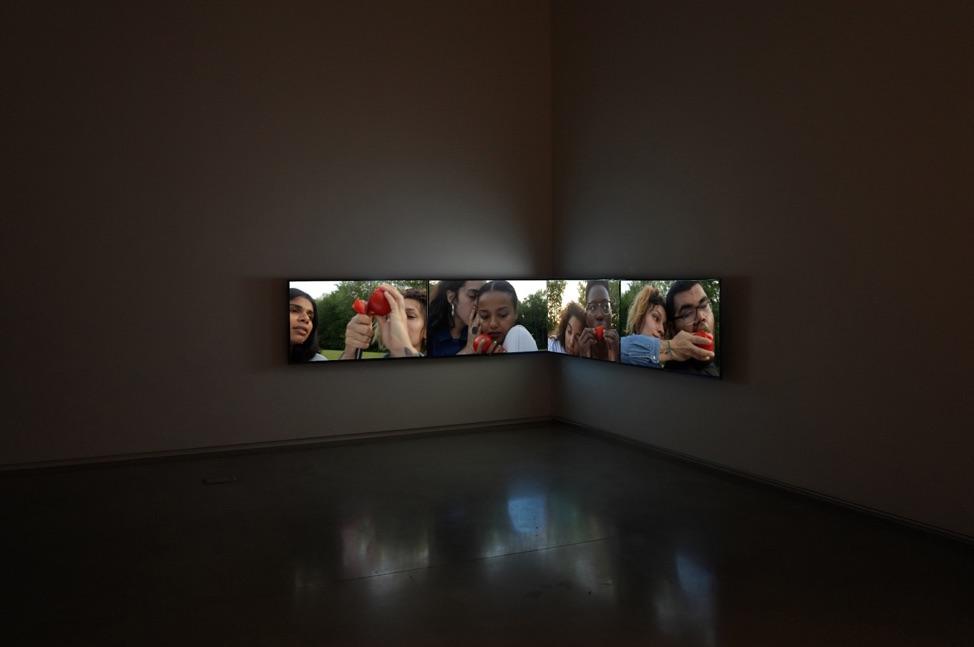
Erin Johnson’s Queer Ecosystems
It’s 2019. Seventeen bodies float and paddle in a silky black lake, faces tilted up to the sky. Treading water or spread-eagled, their limbs occasionally overlap, forming an imperfect, shifting web. There is no land in sight. Watching them from a bird’s eye view, I envy the casualness of their touch and proximity, the tranquility of their bodies both in motion and repose. This is Lake, a video installation by the artist Erin Johnson, part of an ongoing series featuring a group of her “friends, lovers, and mentors” floating in bodies of water, marking time. Now, in 2020, as time dilates and…
Read More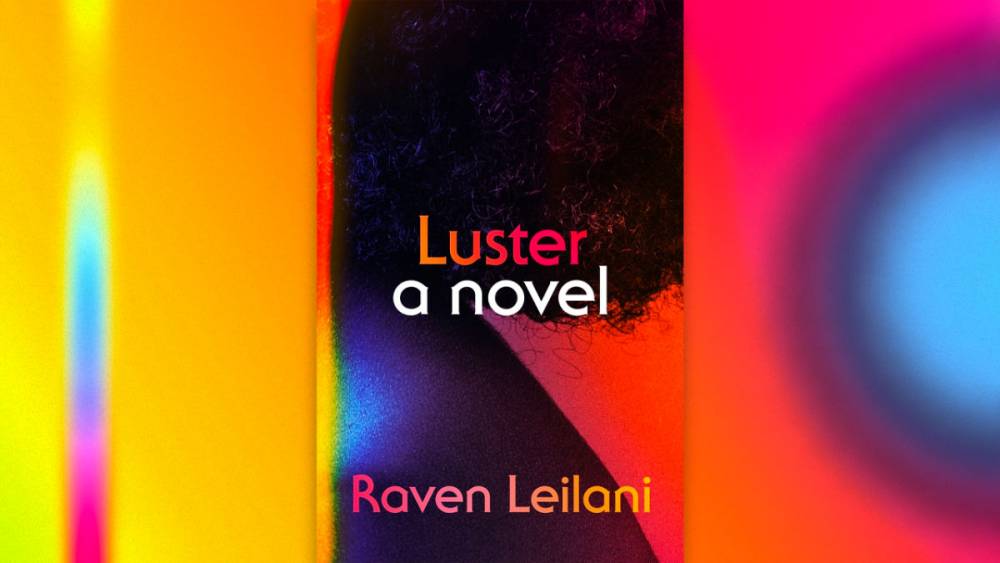
How Raven Leilani’s Luster reimagines what it means to come of age
At the risk of coming across as pretentious, I love coming-of-age stories. Dramatizing the emotional and mental transition of growing up and with that, growing into oneself is comforting. Although the act of coming-of-age is a universal reality undeterred by class, sexuality, and gender expression, the canonical space is one that has been diluted with stories belonging to the white suburban teen. When racialized and non-cishet people are written into these narratives, more often than not, they find themselves wearing a mask belonging to an archetype. That is, they play the supportive best friend, wise therapist, or sassy peer. Essentially, the inclusion…
Read More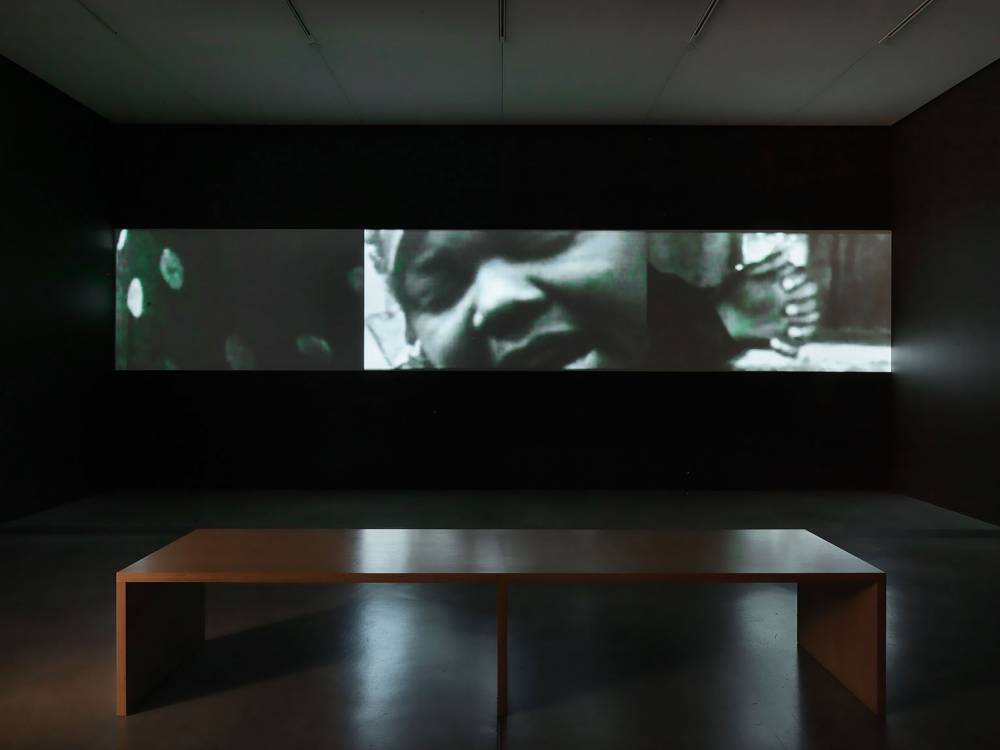
Feeling Tomorrow Like I Feel Today
“These are days of confusion and contradiction”, begins the editorial introduction to the September 1917 issue of The Crisis 1, the official magazine of the NAACP. Published a couple of months after the East St. Louis Massacre, the issue provides detailed accounts of the labor- and race-related attacks that left between 40 and 250 African-Americans murdered2 at the hands of white rioters and another 6,000 African-Americans homeless as a result of burning, vandalism and property damage. Founded by writer and civil rights activist W.E.B. Du Bois, The Crisis shares the stories and perspectives that are often ignored, overlooked or downplayed by mainstream publications. The publication continues to fill the…
Read More
Can we Change the Canadian Museum?
A particular feeling arises when a news headline confirms what you have felt but did not have the hard data to confirm. A few months ago marked this moment for me. I remember reading the article A Crisis of Whiteness in Canada’s Art Museums, which surveyed the nation’s four largest public art museums—Montreal Museum of Fine Arts, the Art Gallery of Ontario, the National Gallery of Canada, and the Vancouver Art Gallery—to ascertain that their top leadership is predominantly white and lacking in racial diversity. For BIPOC artists, curators and art workers operating within this industry, this is hardly news. In…
Read More