

Critical Inquiry
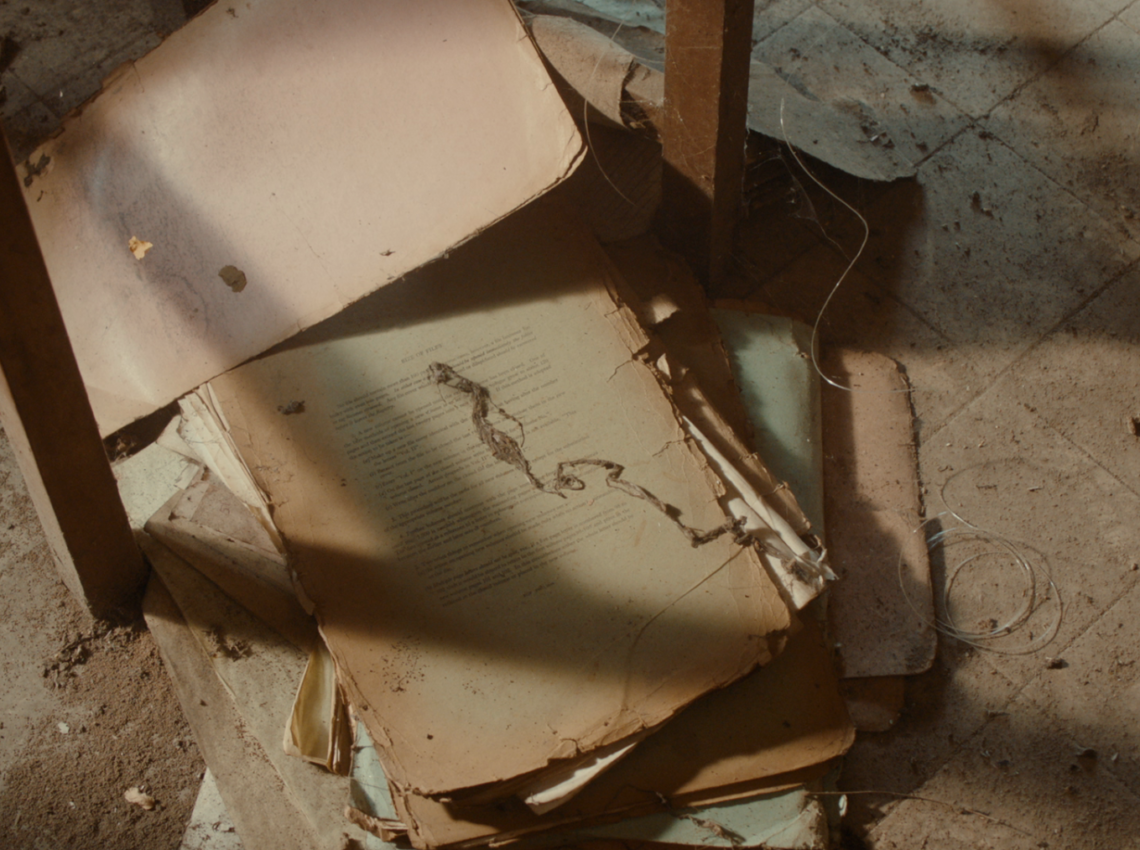
What is at stake in the media conservation of our current political and cultural landscapes?
Photographs are a small act of sentimental preservation. Photo albums, scrapbooks, and videos are sites of revisitation and display, and as such contribute to the legacy of the museum as a cultural archive. As an institution, the museum has always been a conservative stronghold—a constant from its privatized roots to its marked transition to a public locale. A portrait of preservation, its artefacts are protected by extensive security measures and object handling rules that safeguard these relics of history. But the rules of safeguarding have changed, and the evolution of archiving means connecting with history in an advanced technological era….
Read More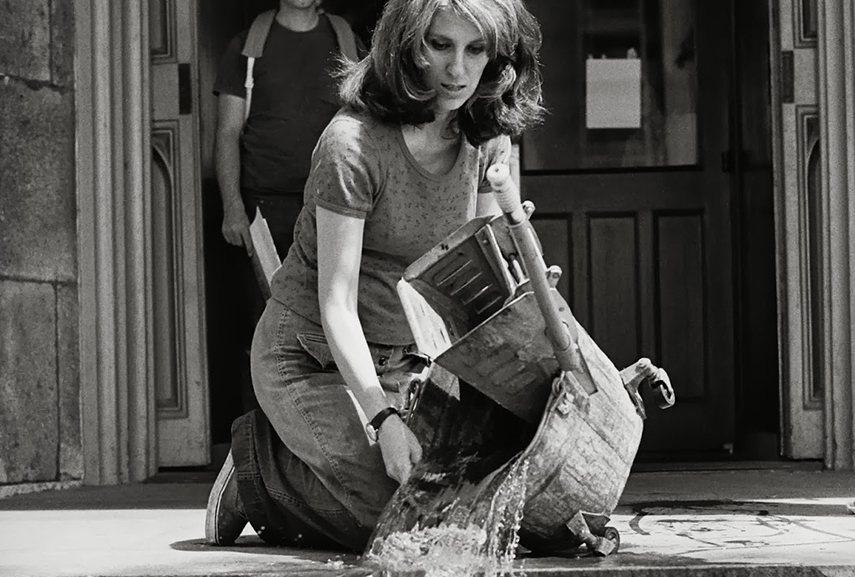
Artist civil service
In his introduction to Permanent Red, first published in 1960, John Berger offers an approach to art criticism that begins with a simple question: “What can art serve here and now?” Berger was a fervent Marxist, and his style of criticism reflected the social and political concerns that dominated his work. He believed, among other things, that the 20th century was “pre-eminently the century of men throughout the world claiming their right to equality.” When he looked at a work of art he asked if it helped or encouraged people to know and claim their social rights. He didn’t mean this literally—such an…
Read More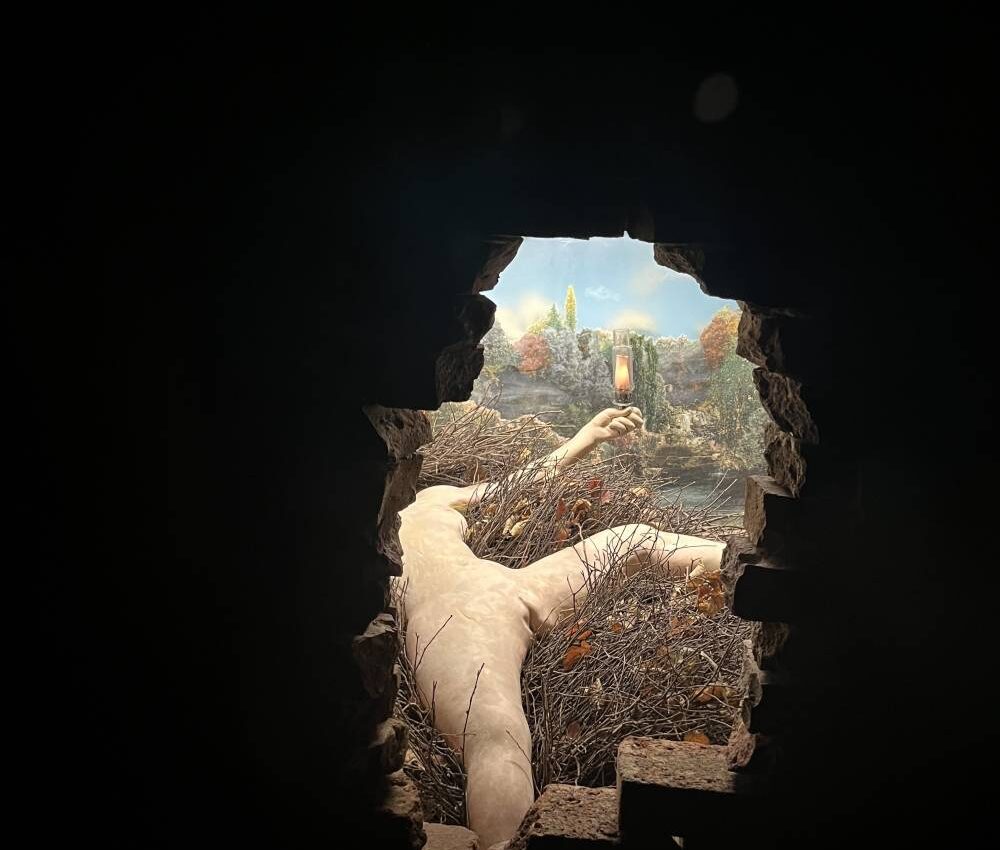
The Subject is Not the Cadaver
1. I first encountered John Baldessari’s unrealized proposal for Information in Elena Filipovic’s book The Apparently Marginal Activities of Marcel Duchamp while researching Étant donnés. Known for his transformation from painter to proto-conceptual artist, before eventually appearing to abandon artmaking all together, Duchamp spent the last twenty years of his life secretly crafting Étant donnés: 1° la chute d’eau / 2° le gaz d’éclairage (1946-1966), a life-size diorama, inside an apartment accessible through the bathroom of his Greenwich Village studio. The work consists of two peepholes in an old wooden door ––one for each eye––which reveal a woman lying naked in a thicket of branches, legs splayed,…
Read More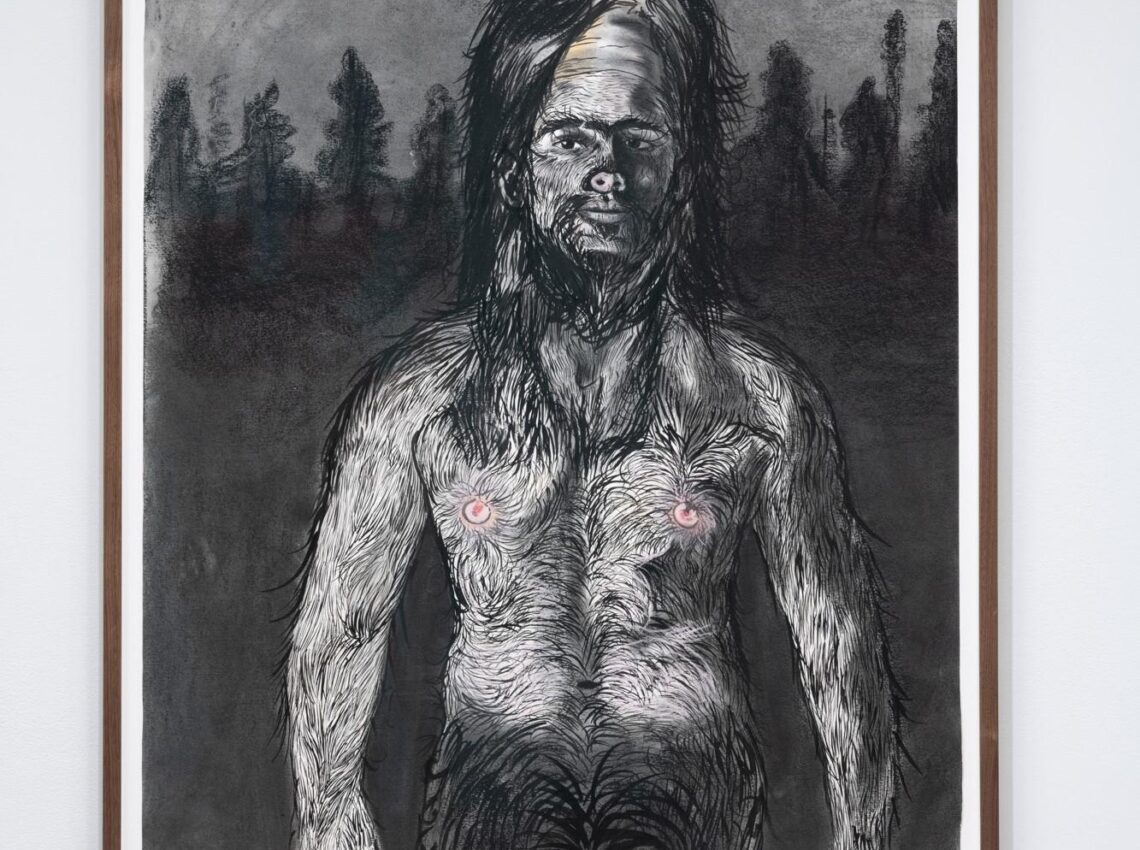
“Love Is Blind: Habibi” (Palestine Edition)*
Love and Race on Paper and in Paint I spent a few days at Columbia University’s Rare Books and Manuscripts Library with the collected papers and correspondence of the late Palestinian-American literary scholar Edward Said (1935 – 2003). An errant scrap fell from one of the files. On it, Said made a list with the names of two of his love interests, and the costs and benefits of pursuing those relationships. One was white, and the other with ties to the Middle East. ‘Fitting-in’ with Said’s Anglo-Saxon academic set, on the one hand, and with his network of Palestinian and…
Read More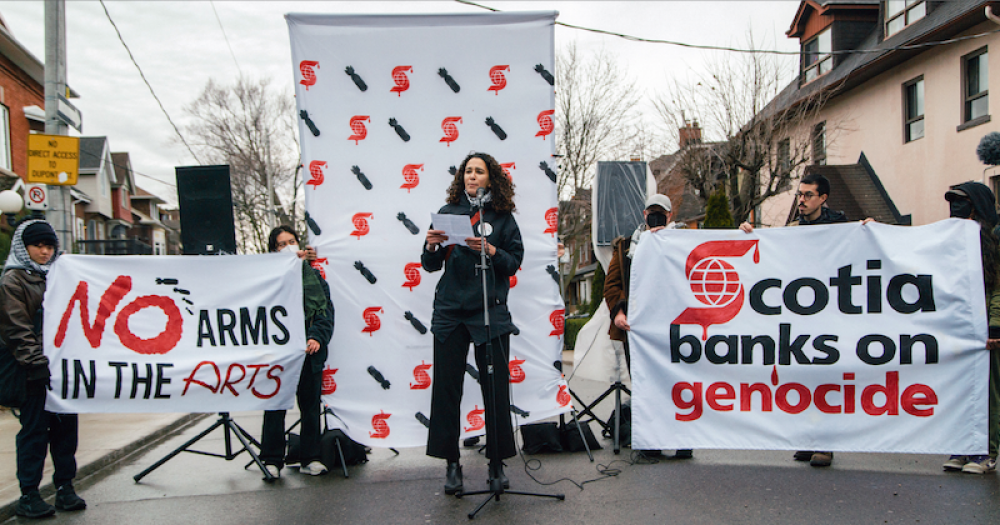
A year in the red
It’s difficult to trace back 2024 in the arts. Perhaps it’s because the story of the year is so much better defined by movements in and around the arts rather than through the events of certain artworks. Perhaps it’s also because us artists have an admittedly warped sense of time. I’m not speaking figuratively of any a priori existentialism, but practically. In one sense, we tend to run on the professional/scholarly calendar rather than the traditional calendar. But also, us artists arrange ourselves in one year to be able to pay our rent the following year by applying for a project for…
Read More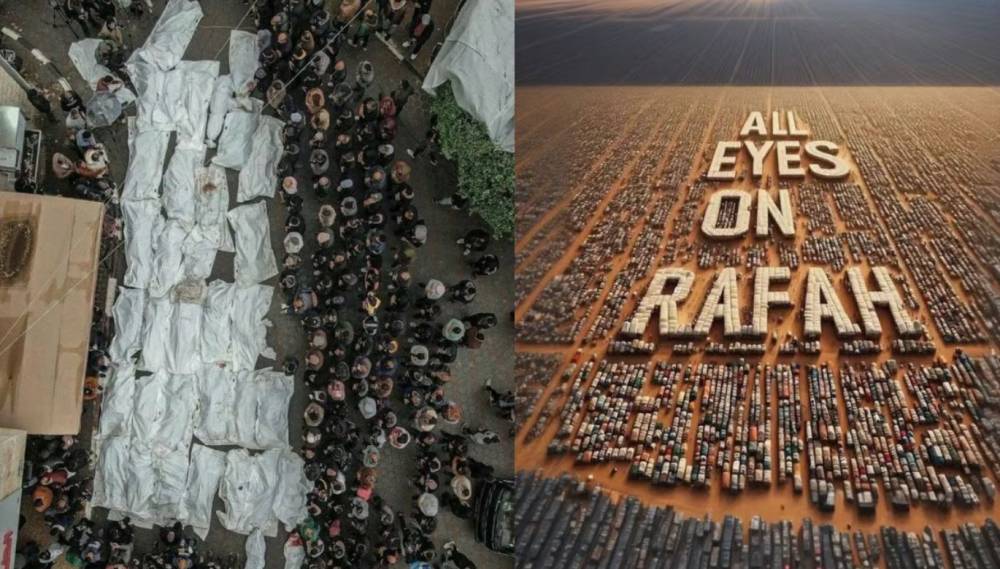
The Death of the Real: 2024 in Culture
hat we witnessed in 2024 was the culmination and confirmation of several cultural trends that began to come into focus in the early 2020s. In the plague year of 2020, over 350,000 Americans died from COVID-19. The World Health Organization estimated that over 3 million people died from COVID-19 worldwide that year. This pandemic, along with the murder of George Floyd, rocked the United States and the world into uprising. The following year was marked by an uprising from the other side–a violent far-right insurrection at the U.S. Capitol, encouraged by President Donald Trump. The next few years under President…
Read More
How degrowth and artist agency can revitalize the art world
In 2018 José Freire of Team Gallery announced through Artnet that he was “quitting art fairs” citing the corporatization of the art world. Degrowth, as it has been proposed to western markets and production is a clear plan, it’s the psychology that cripples its application in a growth-based society. Over the past year multiple significant New York galleries that have been in business for over 10 years have announced closures. These announcements come via social media as clients, dealers, and artists all take part in adding a “thank you”, broken heart emoji, or a preemptive “looking forward to the next…
Read More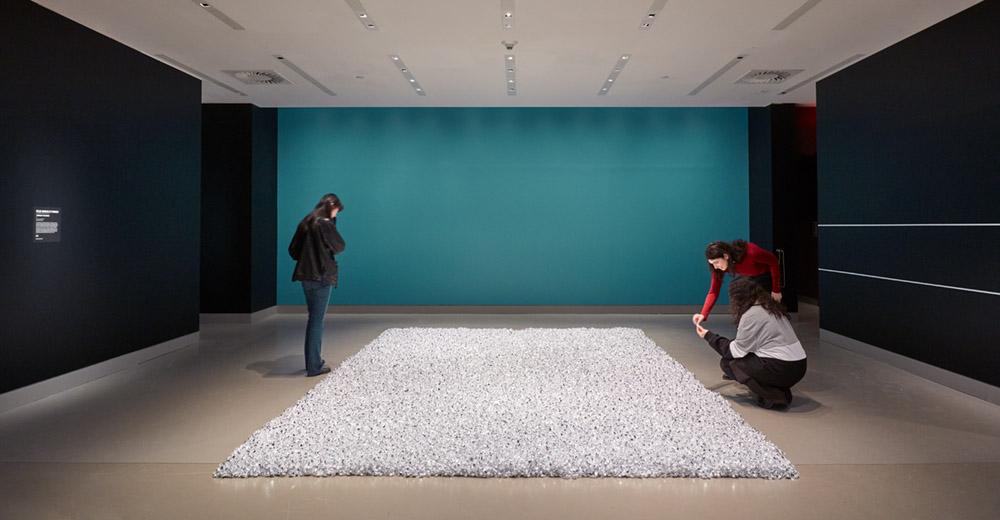
Choked Up: Innocence, Silence, and ‘Imperfect Solidarities’
In the YouTube caption to her music video “Stick of Gum,” the Palestinian-Canadian recording artist Nemahsis (Nemah Hasan) tells her audience it’s a love song: “what more can I care for than where I come from and who I come from?” The tempo of the song and video builds gradually. The opening frame is an intimate scene of the musician sitting beside an older female relative on a balcony in Jericho. As the camera pulls back, a web of laundry lines on the roof comes into view, and Hasan joins in taking down the socks and dish towels. The video,…
Read More
“Death in the Family”
The following piece contains material that may be especially distressing for some readers. Reader discretion is advised. The Belleville Club at 210 Pinnacle St. is closed, but I’m two weeks late for S’s celebration of life here anyway. I found a dive bar around the corner to sit down and get this started. There’s a small pile of thick dust beside my tall glass of Coke, but the spill on the first table I tried was still tacky, so I think I made the right choice. I wonder if S was ever here. I wonder how many times he walked…
Read More
Bound by Smoke: Audie Murray’s Vanishing Acts
I know a lot of things about Audie Murray. I’m not sure how much of it is relevant to her art practice. I know her brother works on trucks in his spare time and I know what high school she went to. She has told me about her dreams. I know her child’s name and how she takes her coffee. I know how her kitchen is arranged and what is in the fridge: Babybel cheese, firm tofu, and at least three varieties of berries. She told me that when she is depressed and the idea of cooking food is unimaginable,…
Read More