
Critical Inquiry
A secret hangs open: on Kyle Alden Martens’ Split Hairs
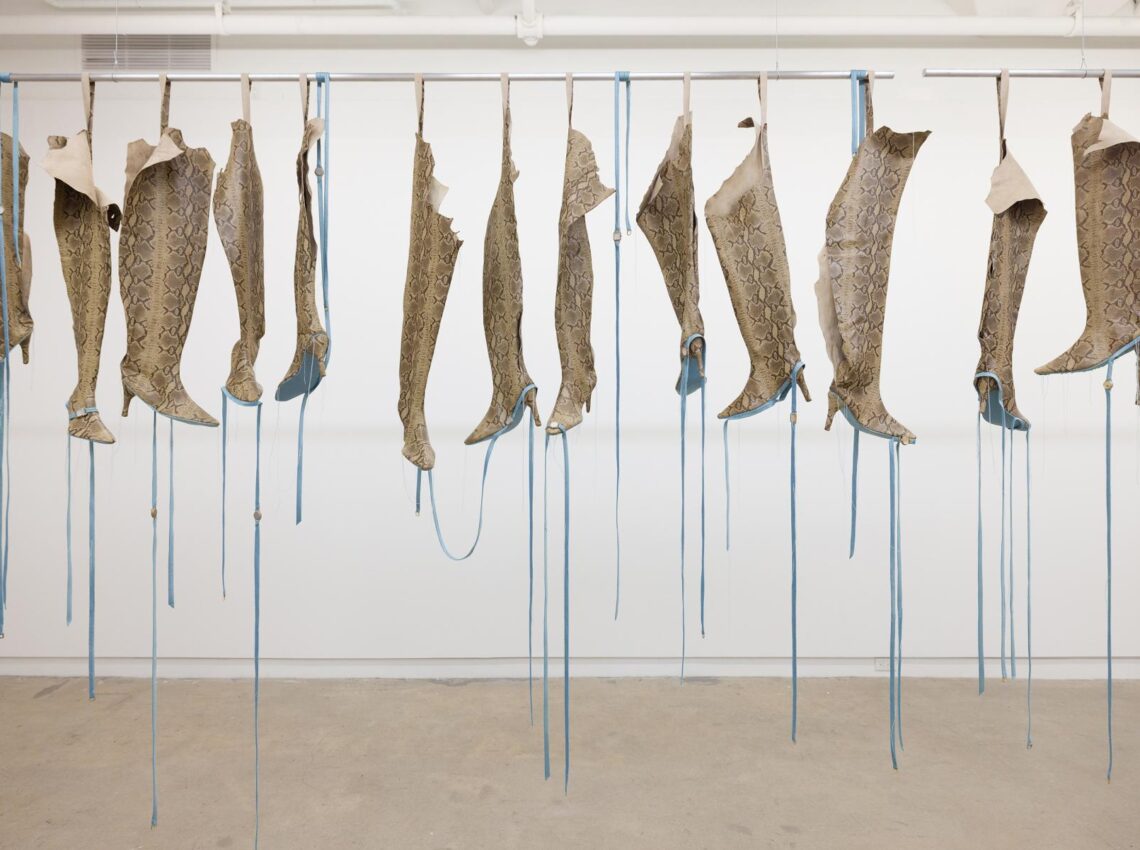
Three boots hang from the pole that greets me; something of an archway, a threshold to sidle and cross before the room comes into view. Two more poles partition the space of Split Hairs to suspend Kyle Alden Martens’ boot-sculptures—the lines of gaping bodies in an abattoir or the draped garments of a walk-in wardrobe, everything hangs in the air like open secrets. ———- To my left, boots of deep purple leather drip with scissors and loose threads, punctuated by three jackets sewn shut. To my right, a line of snakeskin boots with turquoise soles and dangling watches. The matter of handicraft—thimbles,…
Read More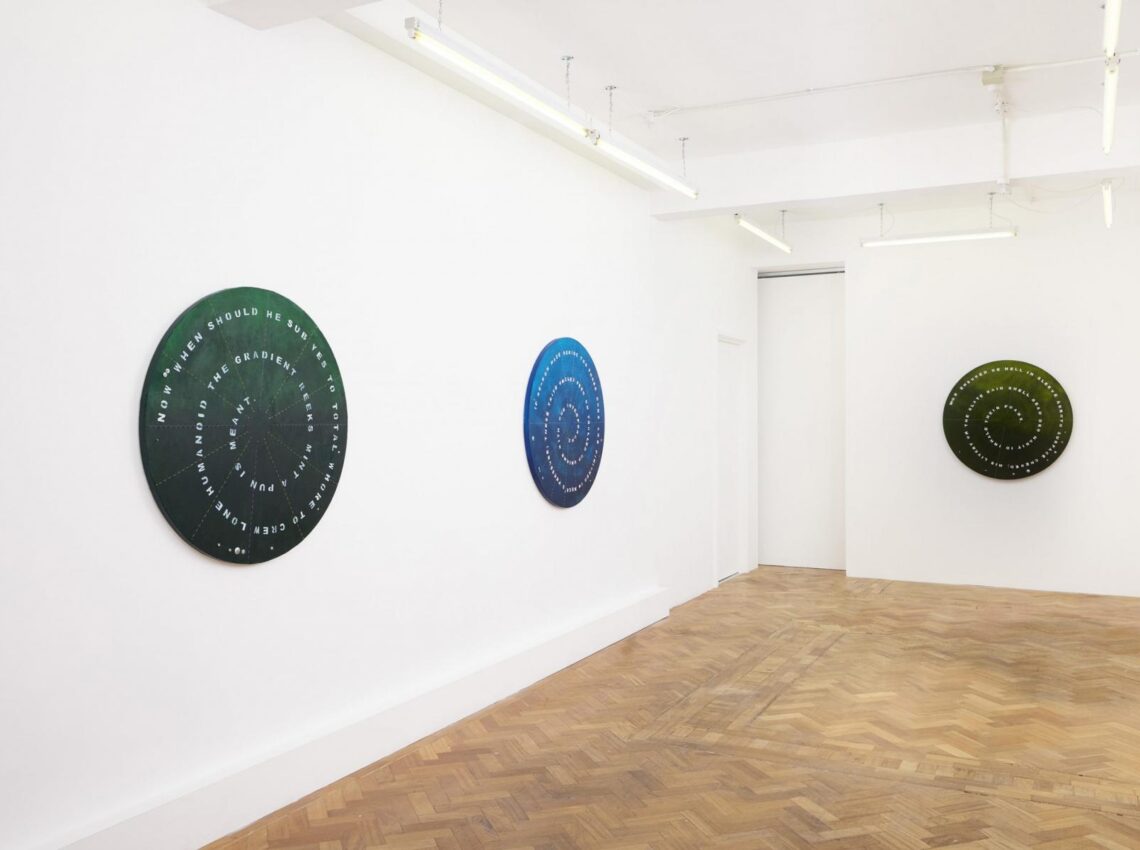
The Year in Epistemic Disorientation
Parasocial. Rage Bait. Vibe Coding. 67. Slop. Each of these terms has been dubbed “word of the year” by a major dictionary. All originated online, went viral, and spread offline, entering the parlance in a way that would have been unimaginable, say, fifteen years ago. While the very selection of “67” might well be “rage bait,” this glossary captures a year of epistemic exhaustion in which intimacy has been streamlined, outrage optimized, production accelerated, and signs stripped of signification within ever more opaque digital infrastructures. “Slop” might, in fact, sum it all up. Fungible and frictionless, slop is the low-quality…
Read More
A Year of Undoing a Nationalist Fantasy
The secret’s out: Canadians are feeling bad—and there’s something we all have in common. If the past few years have felt like watching this country wither and die, 2025 was lived from inside of Canada’s lifeless body. From within the carcass of Canada and beyond, we are witnessing the collapse of colonial states—extraction projects that rely absolutely on racialized violence and ecological fallacy. Canada in 2025’s dusk is an open pit; its bones are exposed. Its skin is rotting. The nation is fantasy. What is true is this: when things fall apart, we begin to see what they are made…
Read More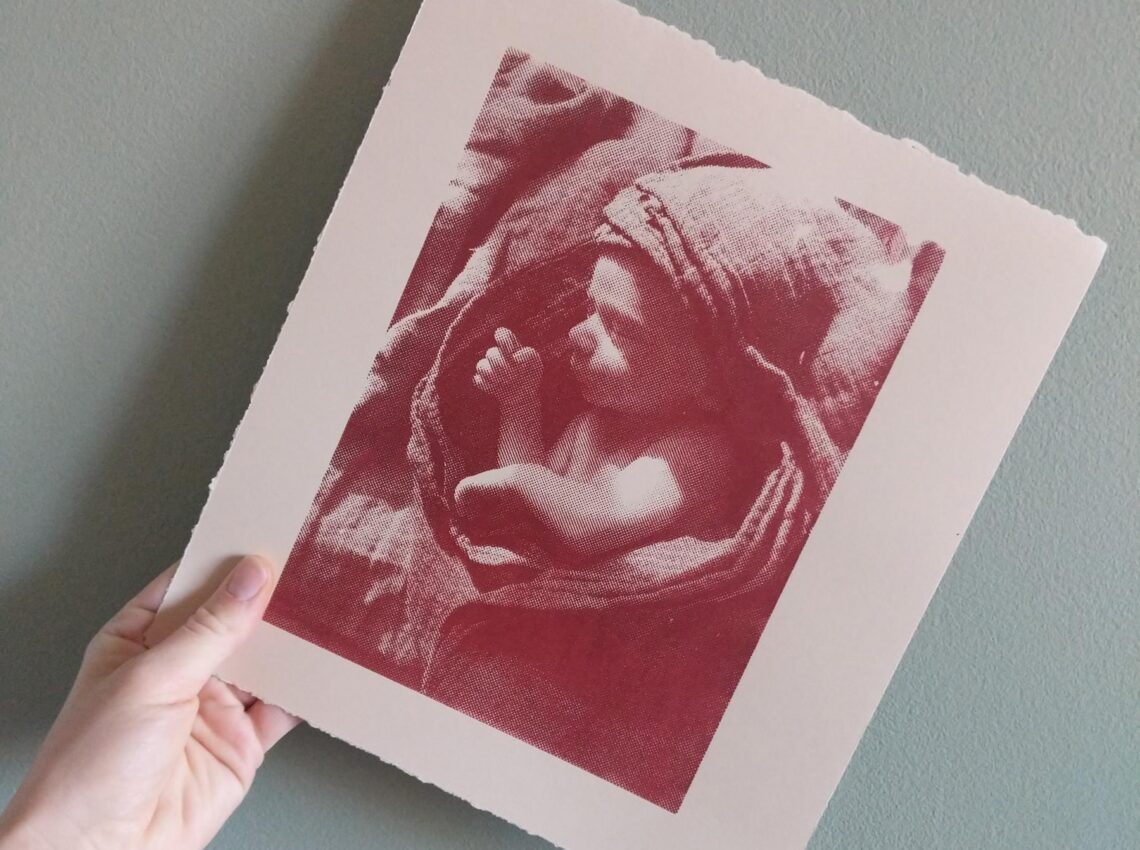
On Motherhood and Prose Style
matrescence – noun. the process of becoming a mother Cambridge Dictionary 1. As a teenager, I taught myself to write with my non-dominant left hand. My penmanship became legible if not elegant. I liked the different poems that emerged. Nevertheless, once my identity calcified post-pubescence, I gave up the practice for 17 years—until I started writing with my left hand while breastfeeding my first child. Once again, I can feel hesitant new neural pathways forming. Once again, I am surprised by what I write, and by what it says about who I am becoming. 2. A few weeks after my son…
Read More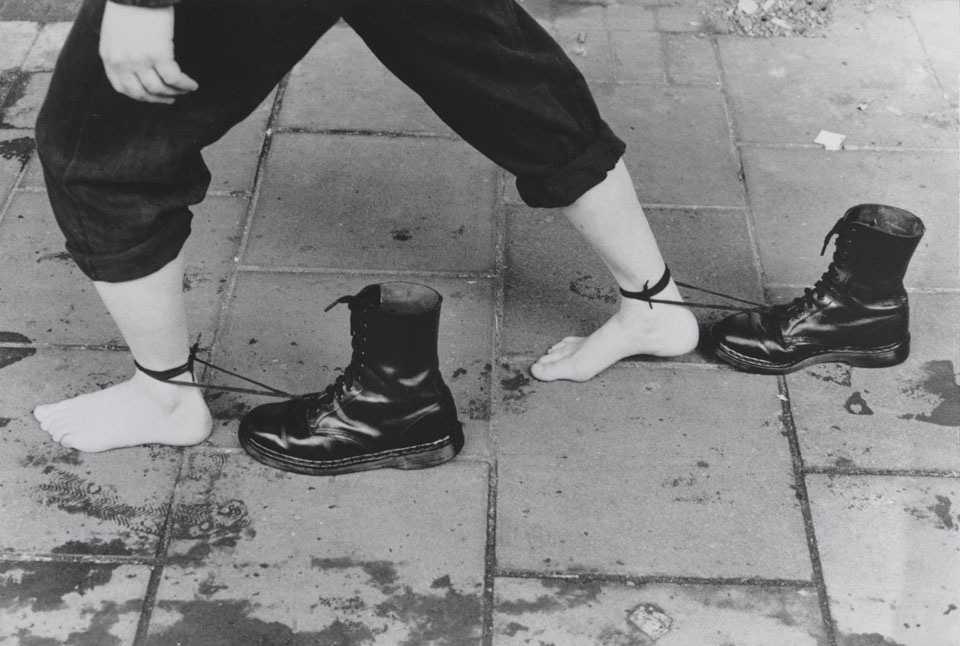
A necessary anchor for political transformation
TORONTO 2024 — At the Dinner Table “Watch out for your hate, you do not want it to turn into what happened to Jewish people in Europe.” These words are uttered by a friend after I share that lately I have been carrying a sense of enmity towards Israel. My good friend and I are sharing a meal on the carpet of my overpriced rented studio apartment. We are in Toronto, a city with barely any redeemable qualities, to me, a Montrealer by way of Palestine. After spending close to a decade in the city-state of Istanbul, to me, Toronto…
Read More
An Overgrown Door
When the biologist Charles S. Elton coined the term “invasive species” in his 1958 book The Ecology of Invasion by Animals and Plants did he know his language would change the imagination about the dangers introduced species could bring? Right at the introduction he eagerly elucidates a nightmarish vision: “It is not just nuclear bombs and wars that threaten us, though these rank very high on the list at the moment: there are other sorts of explosions, and this book is about ecological explosions.” And he goes on to describe the horrors of plant invasions (along with bacterial, viral, and animal). And…
Read More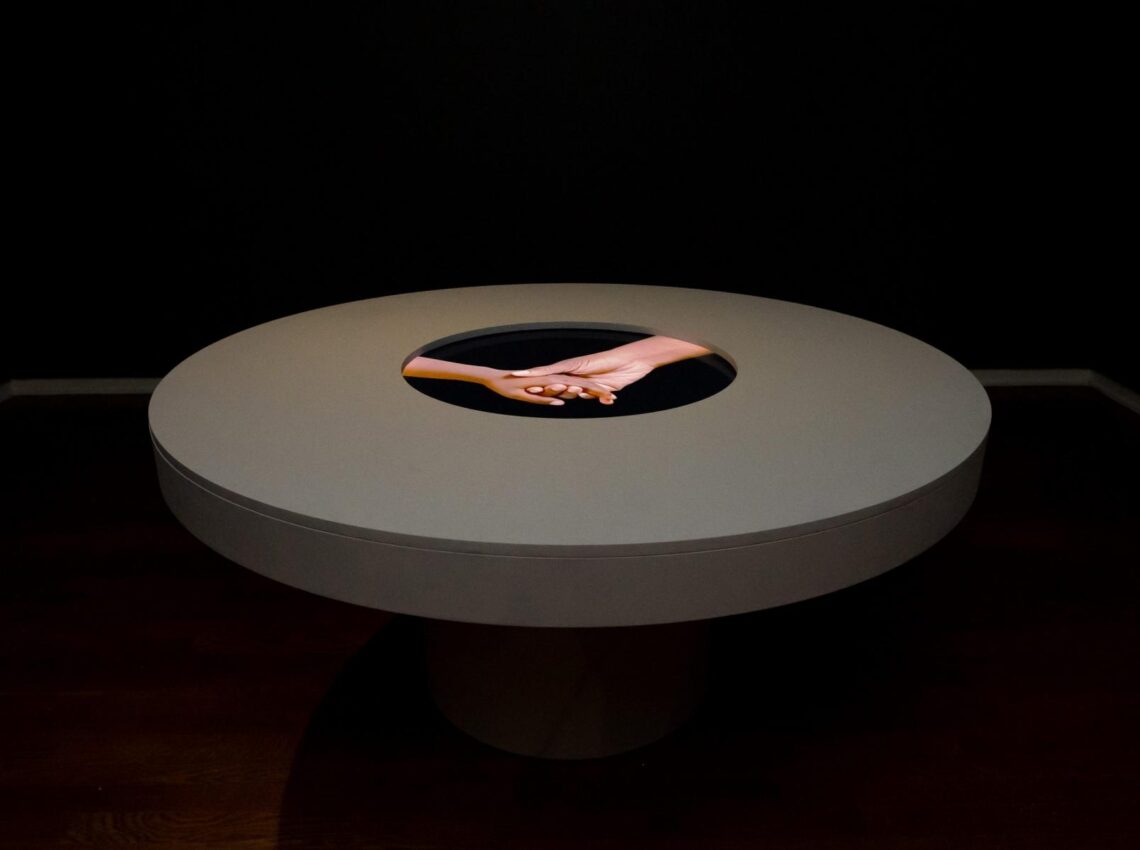
Verging Tripartite: Camille Turner’s “Otherworld”
Camille Turner’s multi-modal solo exhibition Otherworld occupied the entire expanse of University of Toronto’s Art Museum, transforming architectures of space and time into labyrinthine configurations suggestive of both the brutal lived reality of transatlantic slavery and its afterlife, as well as its fabulated futures. This liquid-like exhibition, curated by Barbara Fisher, mobilizes oceanic poetics, and calls for a poetic response, as prosaic prose falls short translating its fluid permutations. Beyond breaking this essay into three parts to aid contextual submersion, I will lace my response to this exhibition employing an errant method of building synapses of thought, attempting to correspond to the artist’s…
Read More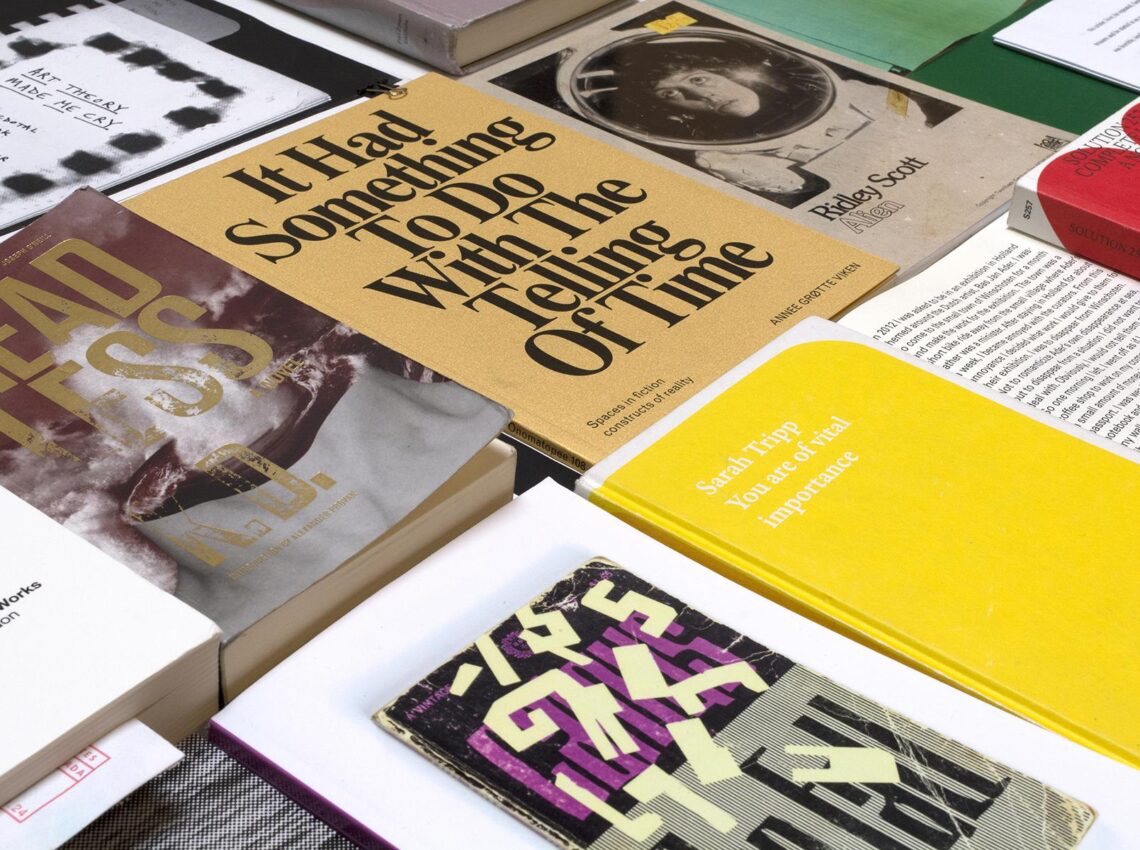
Where Books Belong
Over the last decade, I’ve had many conversations with peers about why artists’ publishing seems to remain so niche, especially in the landscape of Canadian contemporary art. It’s rare to see artists’ books in gallery settings and rarer still to get access to museum libraries. It’s almost unthinkable that an institution might offer a free book as part of its programming. These are by no means impossibilities, but they remain isolated experiences amid the overwhelming majority of exhibitions which tend toward more traditional art objects, performance, and video. Throughout my practice, questions of ontology in art-making have emerged and receded,…
Read More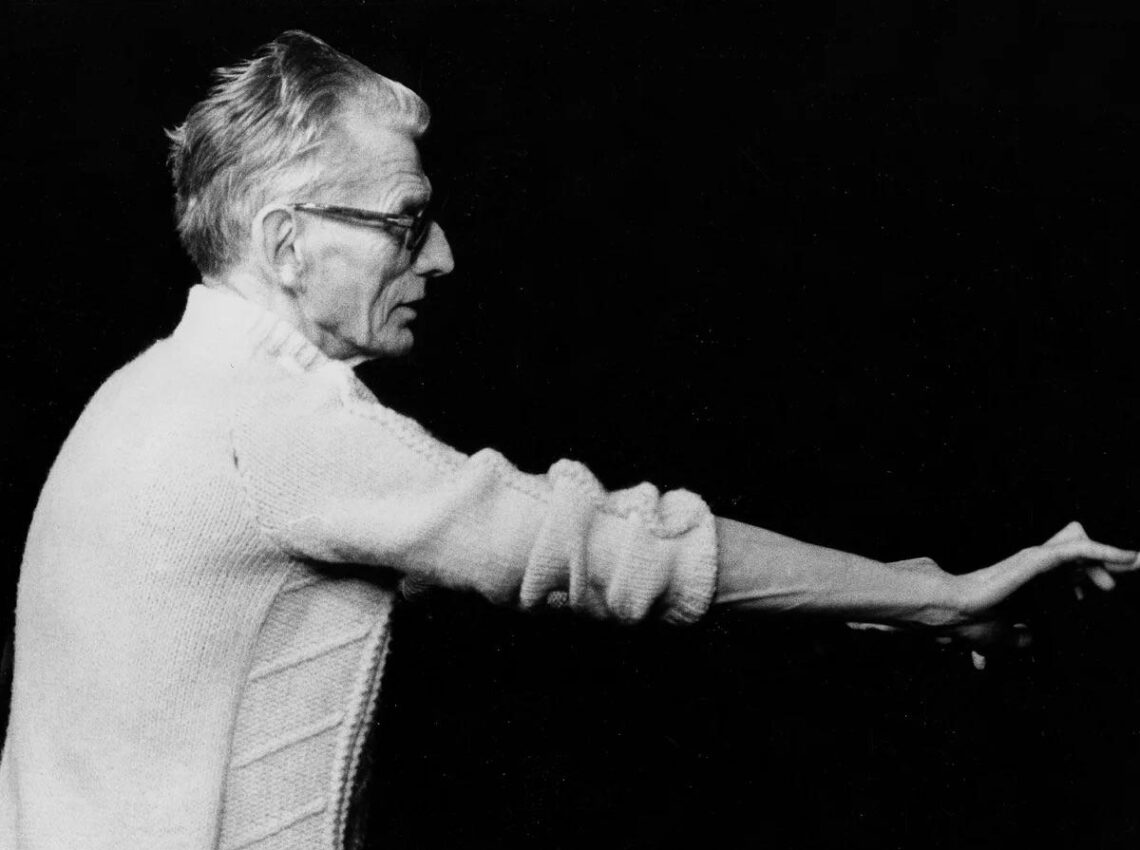
In a Manner of Self-Annihilation
I want to stop thinking about myself. In fact, I wish I could lose my “self” completely. Not for lack of will to live, though. Quite the opposite. I sense with greater frequency that my “self” gets in the way of living, or, is the focus of an inhospitable pressure. It was an unexpected realization, in part because, at present, the need for self-actualization—the pinnacle in Maslow’s “hierarchy of needs”—has become an effigy of Western pop-psychology. With a puzzling degree of certainty, we generally seem to believe in an “authentic self.” It’s this version of the self—not the one you…
Read More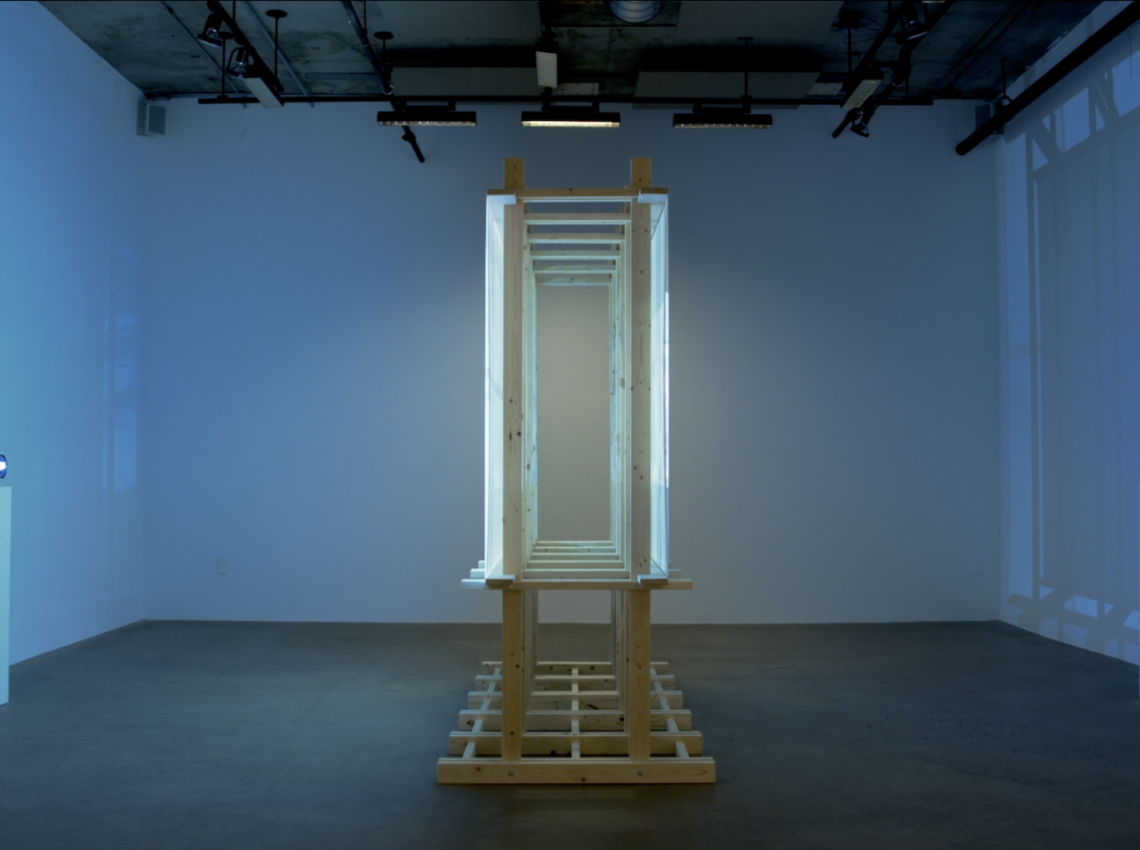
To Bury a Shadow: on monica maria moraru’s The Foundation Pit
Throughout the Balkans and Southeastern Europe there is a popular folktale that describes the tragic, sacrificial immurement of a woman to ensure the successful construction of a building. From Albania to Georgia, around 700 variations of the myth exist, including “The Bridge of Arta” in Greece, “The Building of Skadar” in Serbia, “Clement Mason” in Hungary, and “Master Builder Manole” in Romania. Though the constructions in these tales vary from bridges, to fortresses, to monasteries, they share the same basic narrative: a man sacrifices a woman against her will in order to create the foundation upon which a structure can be…
Read More