

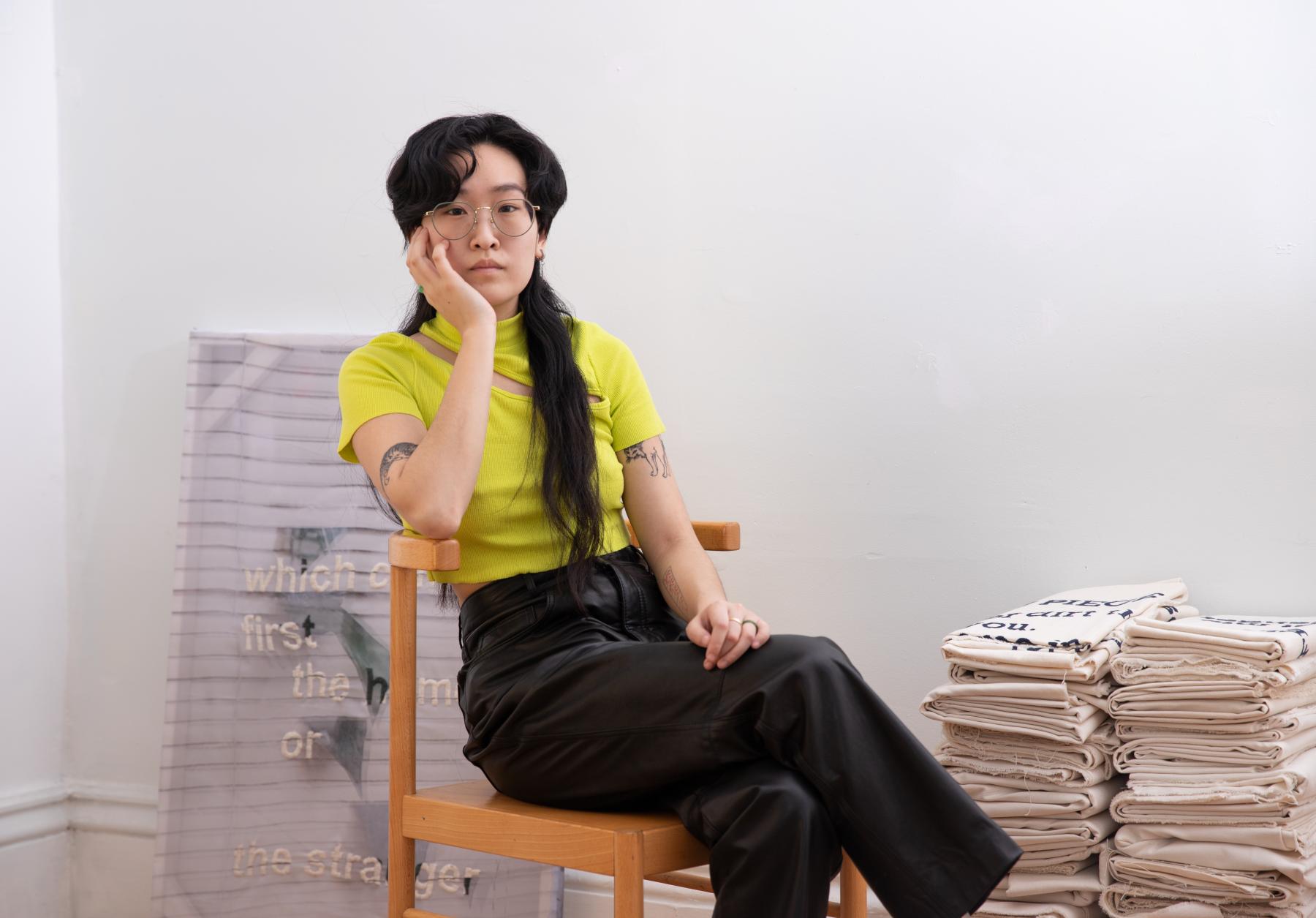

Area Of Intrigue
Notes on Emotionalism
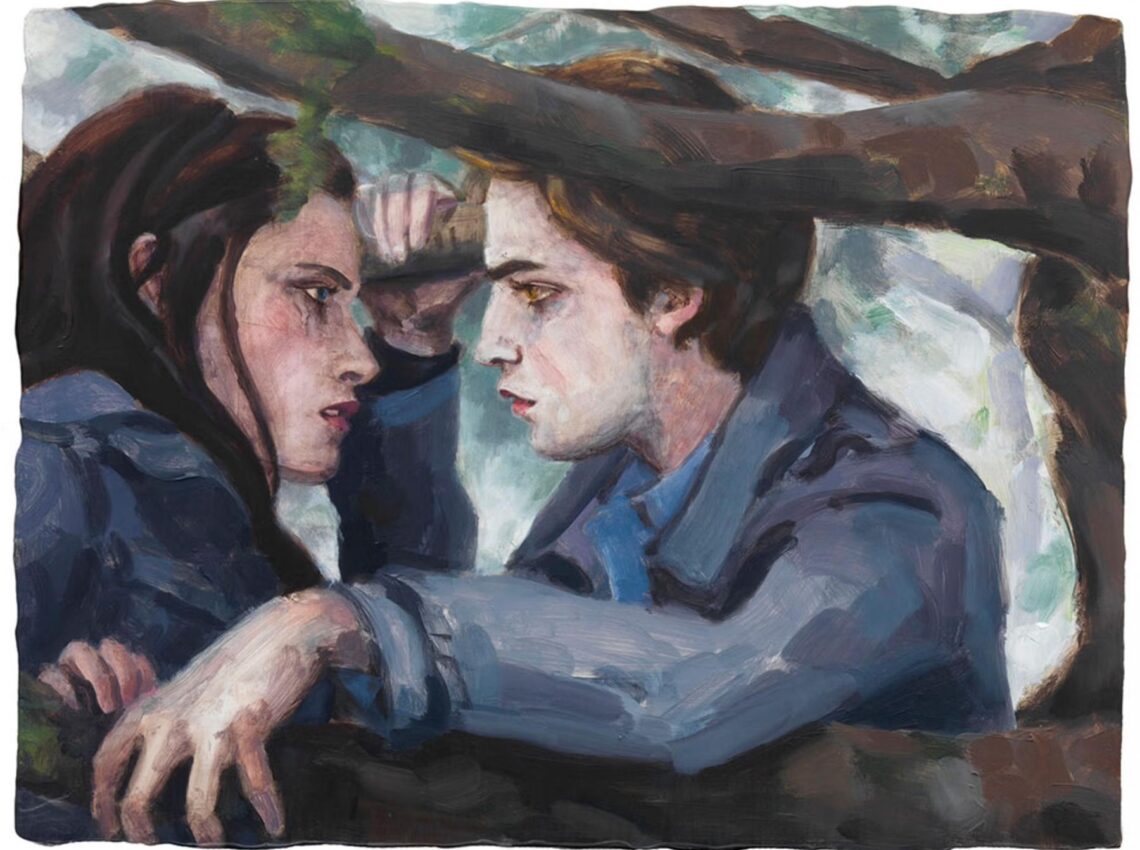
We grew up with our tongues pressed so hard against our cheeks, it’s no wonder we all needed braces. That’s a title for one of my own paintings: a couple kissing against a violently green background. I used the kiss between Drew Barrymore and her costar in the 90s film Never Been Kissed as a reference but it really could be any B-movie kiss, and that’s the point. A writer whom I admire, and frankly have a bit of a crush on, lent me a monograph about the painter Elizabeth Peyton. A review by Roberta Smith contextualized Peyton’s cringingly sincere, fan girlish portraits…
Read More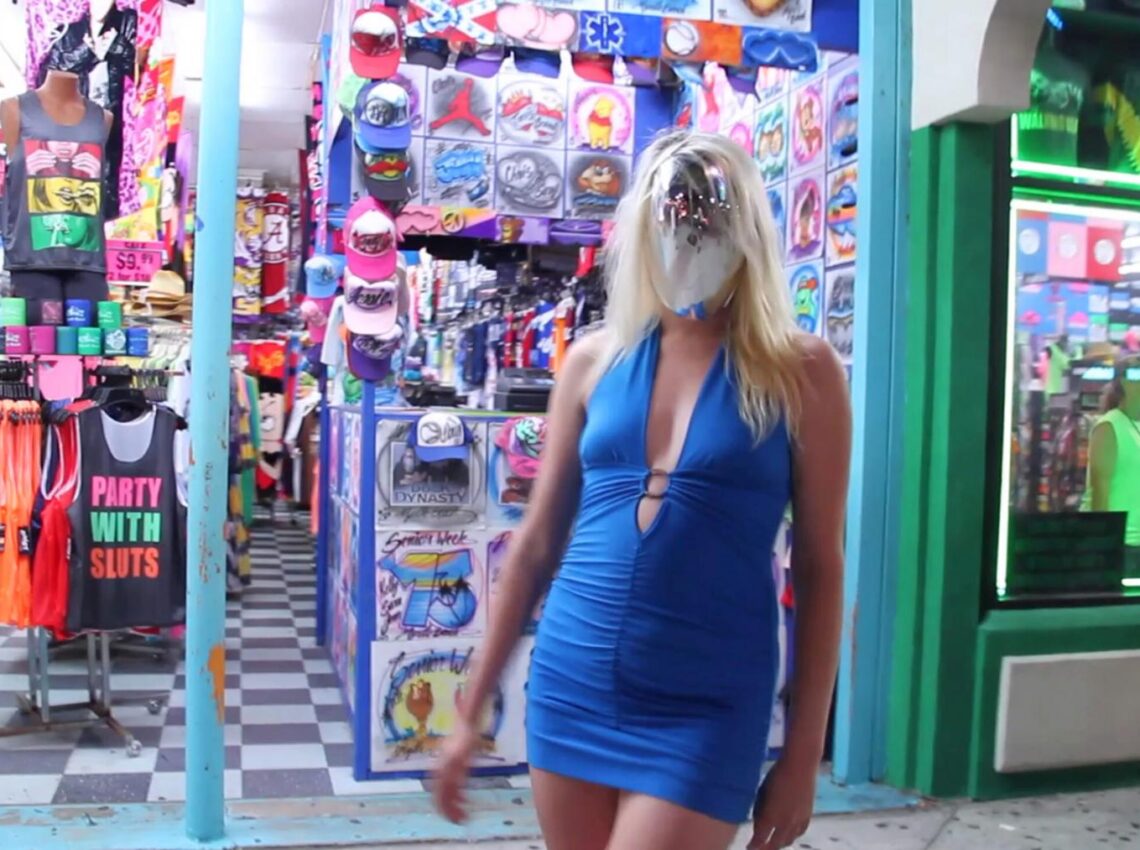
Faltering recognition: The mirror mask in visual culture
In August of 1945, the friendship between avant-garde filmmaker Maya Deren and writer Anaïs Nin turned into a nasty feud. Deren immortalized the clash in a poem dedicated to Nin: For Anaïs Before the Glass The mirror, like a cannibal, consumed,carnivorous, blood-silvered, all the life fed it.You too have known this merciless transfusionalong the arm by which we each have held it.In the illusion was pursued the visionthrough the reflection to the revelation.The miracle has come to pass.Your pale face, Anaïs, before the glassat last is not returned to you reversed.This is no longer mirrors, but an open woundthrough which…
Read More
Bedfellows
By the time my landlord emailed me to schedule an inspection with the exterminator to determine the severity of the cockroach infestation in my apartment, I had already been thinking about them for months. There were no signs yet, not really. Later there would be moments when I would pause whatever I was doing, breathing in through my nose like a gross gourmand in an attempt to determine if the scent I was smelling was just a symptom of living in close proximity to other people, with open windows, drafty doors, and thin walls, or the telltale sweet musk of…
Read More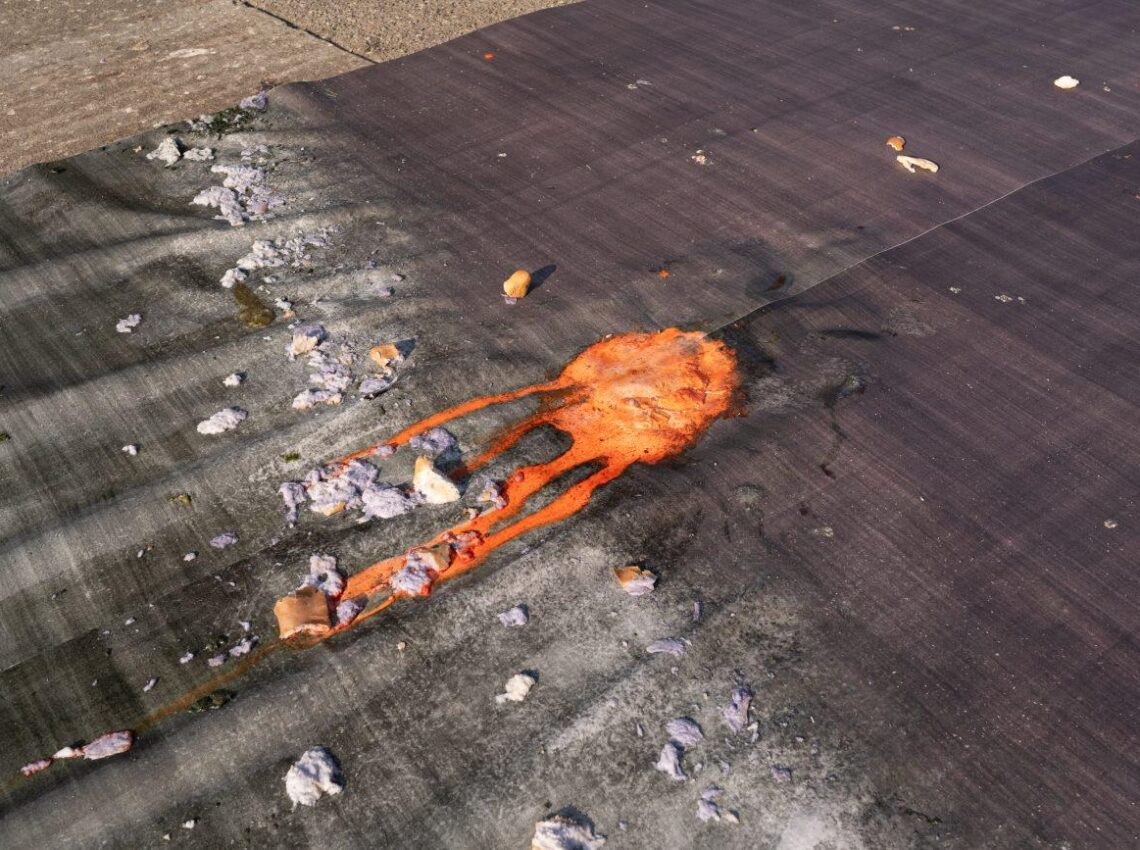
Pissing as Praxis
Urine is to be flushed and forgotten, concealed through elaborate infrastructures that buttress modernist fantasies of the human body as a sealed-off and self-contained vessel untainted by waste. And yet in the disavowal of the messy by-products of embodiment, these very systems attest to the transgressive threat of bodily fluids, which expose the ultimate limitations of control. Urination—like defecation, perspiration, regurgitation, ejaculation, and lactation among other subtle and less subtle mechanisms of release—constitutes a mundane performance of corporeal porosity. Breaching the illusory boundary of the skin, urine evokes the necessarily dynamic constituency of ecologically enmeshed bodies. The slippery ontological status…
Read More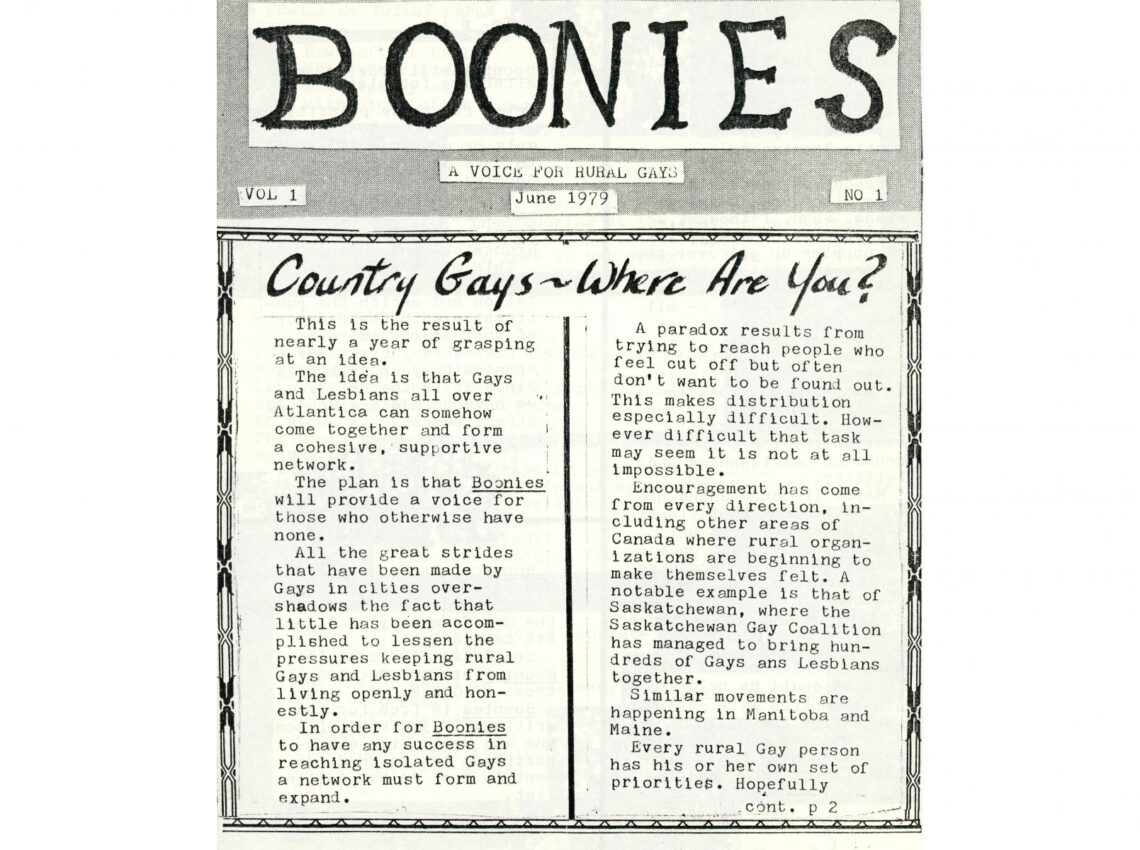
From here to there, and back again: on returning to ‘Boonies’
As urban environments evolve, becoming increasingly inhospitable to anti-normative practice, a once prevailing vision of escape regains resonance amongst the rigid contours of our cityscapes. This vision favours a desire to author one’s environment outside the far reaches of capitalism’s ever-expanding dexterity, predatory landlordism, and for-profit development, reigniting the dream to leave the pressures of city life behind. Existing alongside concurrent fascist flirtations, economic uncertainty, political unrest, humanitarian crises, colonial erasure, and genocide, the act of removal becomes a prevailing dream, albeit an ultimate luxury. For queer populations, home is often a fleeting idea and for those no longer captivated…
Read More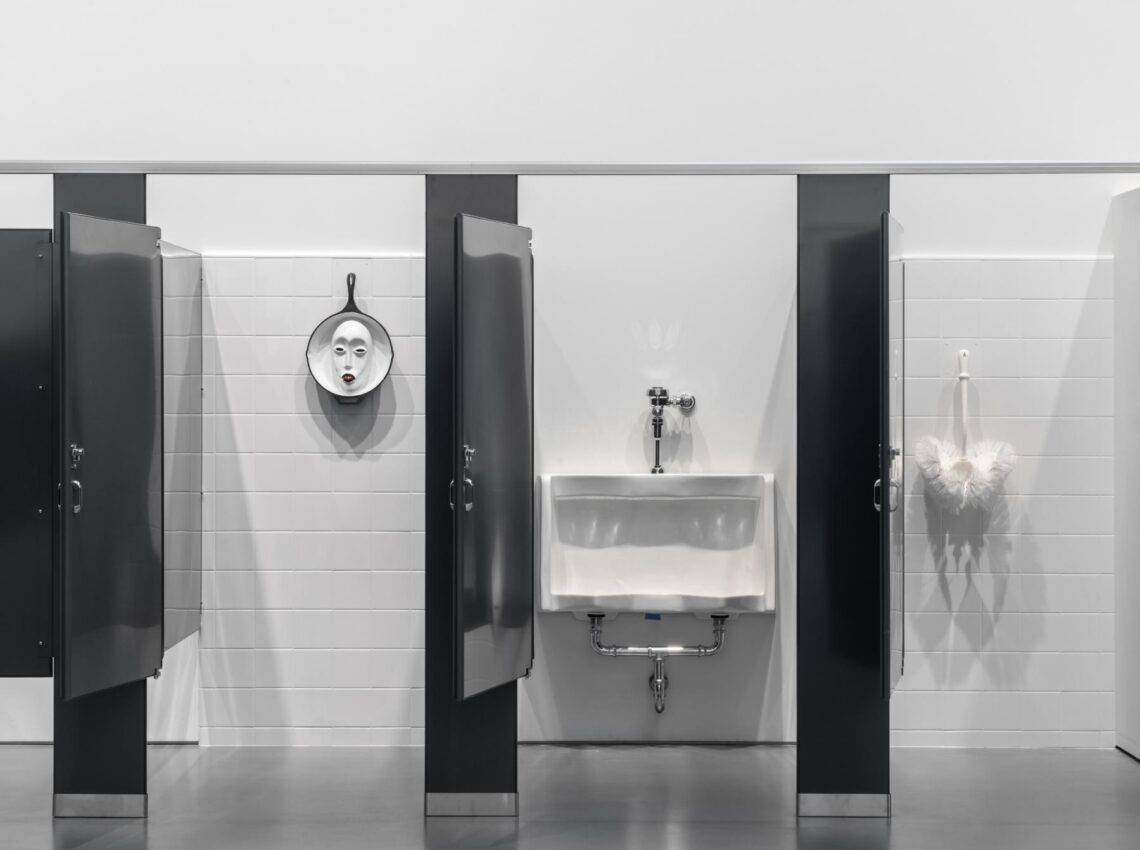
Out of Order: The Art of Public Restrooms
“… with each lowered and raised seat, every splash of urine, every tear of toilet paper littering the floor, the public bathroom and its plumbing point to the impossibility of keeping intimacy (the personal) out of the public realm, and of keeping the sovereign individual free of contamination.” —Margaret Morgan1 There is no such thing as a “neutral” public restroom. From tiles to stalls, even the most seemingly banal components of these spaces are, in fact, charged technologies of social regulation. The white ceramic grids that line so many restroom walls are not merely about cleanliness, but also control. And…
Read More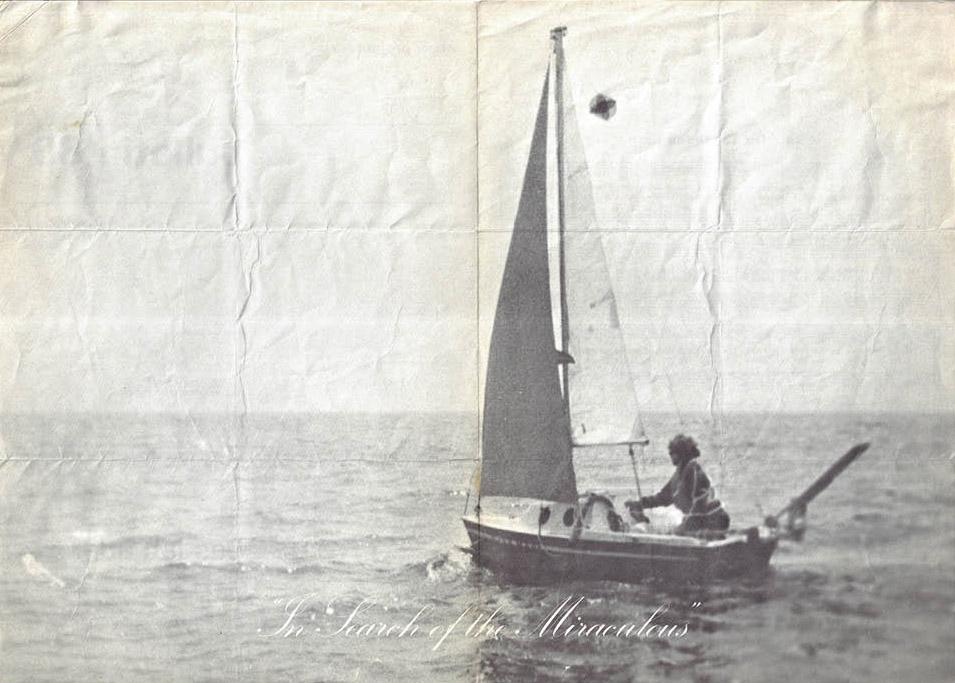
A language of vanishing
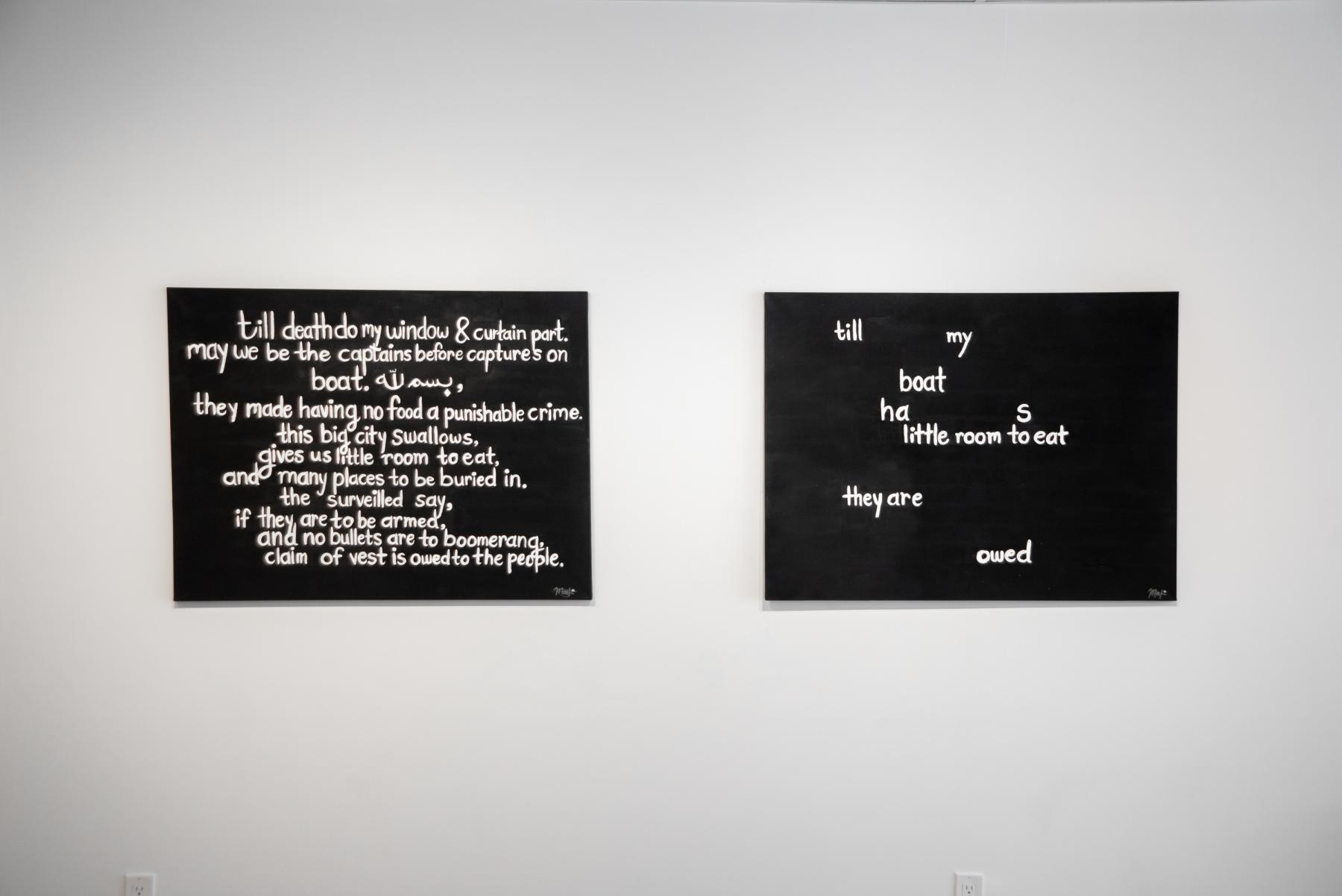
There, in the night—the quiet. Where the sea feels forever and exists independently of you. Your boat moves softly beneath you. It feels too small, and you feel too fragile against the enormous dark. In this moment, you are not someone’s anything.You are only the moment before the fall.Suspended, forever. Here, again.You, brushing the corners of distance. Your shape at the edge of a nerve.Nothing. It is Nothing but the Miraculous. —— This is the image that returns to me often. A body, a boat, the forever. A gesture toward the infinite that ends in disappearance. Long before I knew what it…
Read More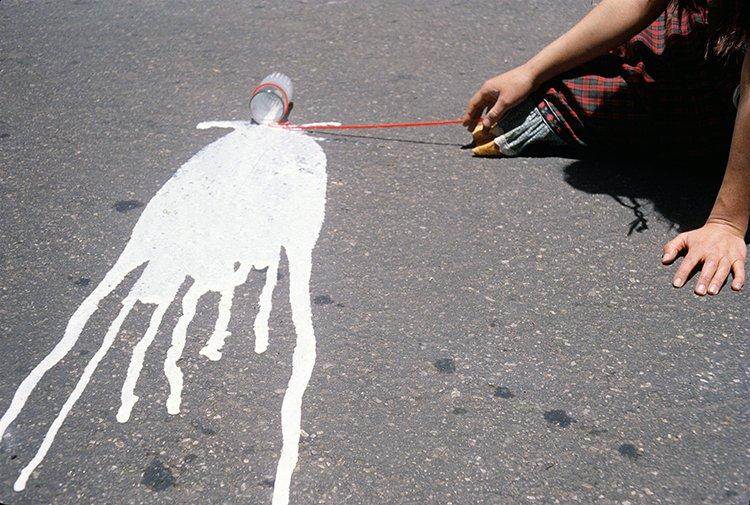
Milk: an anomalous, meaning-rich thing.
I. It all started when I was chipping frozen milk flecks with the wrong end of the spoon into my coffee at the cabin. I left the carton outside overnight, resting in a snowbank. The cold had lured us out of bed before dawn to huddle around the wood stove. It was the morning after we harvested the rabbit from a snare fixed to a spruce branch—now a friend sat with her, dissecting her body into parts, her blood pooling onto the cardboard splayed out on the cold floor. The icy milk chips thawed upon impact with the coffee, failing…
Read More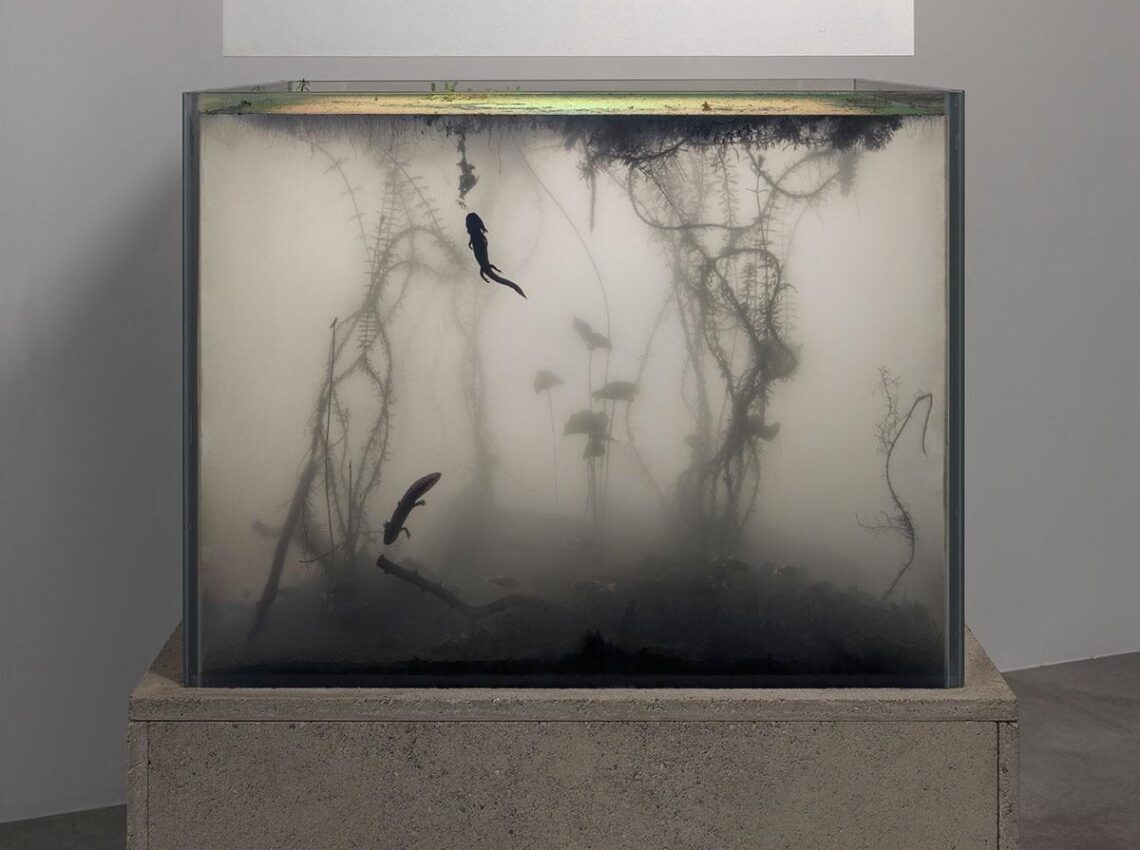
The aquarium lives on
At the back of the Manulife Centre, a luxury shopping mall along the “Mink Mile” in downtown Toronto, in an unassuming corridor of the movie theatre, is a piece of décor that is totally unremarkable for any corporate lobby, yet surprising when given a moment of pause: a saltwater fish tank, featuring a live coral reef. The fact that this and other publicly displayed aquaria have not yet been replaced with flat screens playing a 10-hour YouTube video on loop, “Best 4K Aquarium for Relaxation and Calm Sleep Music UHD,” stands out among today’s ornamental impulses, especially because of the…
Read More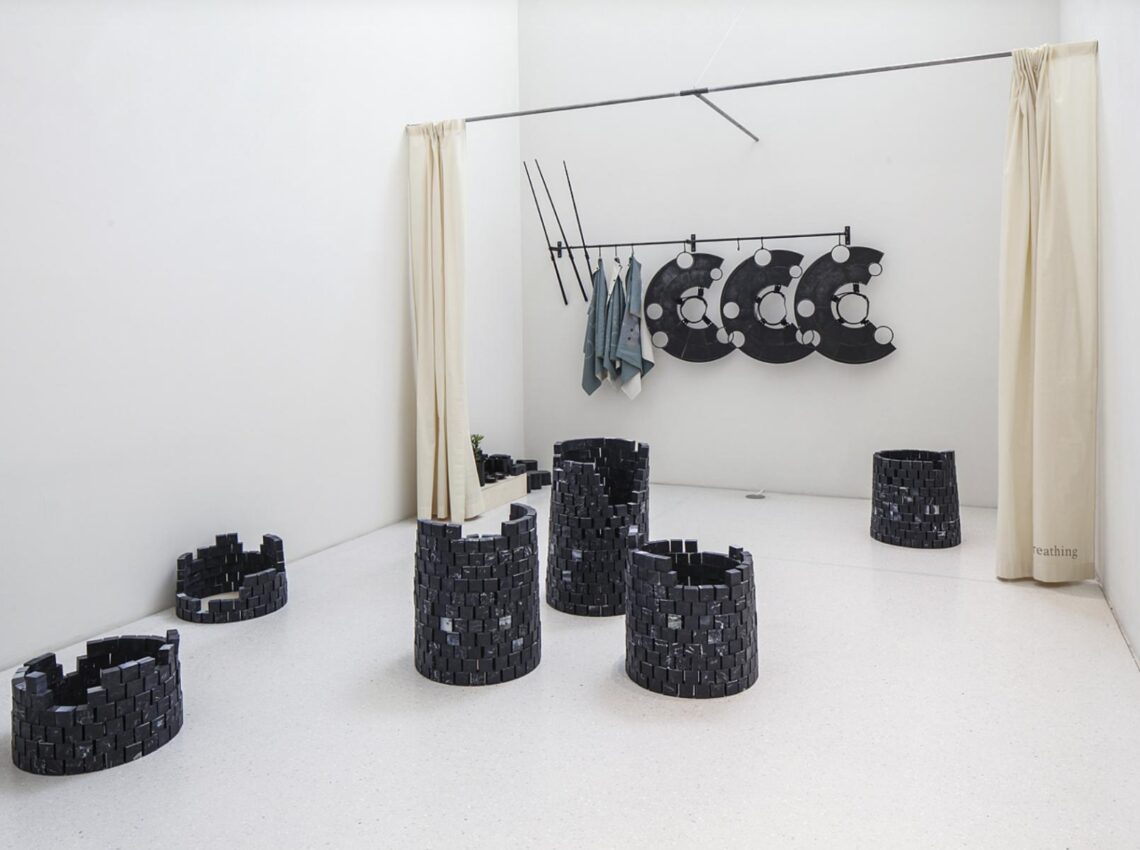
A brief survey on soap in recent contemporary art
Soap: the most quotidien of the quotidien; also, a nearly 120 billion USD global industry1 playing both to aspirational consumerism and anxieties of contamination as a reminder of the messiness of our mortal bodies; also, a crystallization of hygiene as a category far exceeding health-related concerns as a phenomenon tied to constructs of race, class, gender, and sexuality; also, art. Soap has appeared as a motif throughout art history—from seventeenth-century Dutch oil painting to twentieth-century Surrealist photography—yet the past three decades have marked a shift from the visual representation to the direct incorporation of soap in installations charged with familiar sensory resonance….
Read More