
Longform
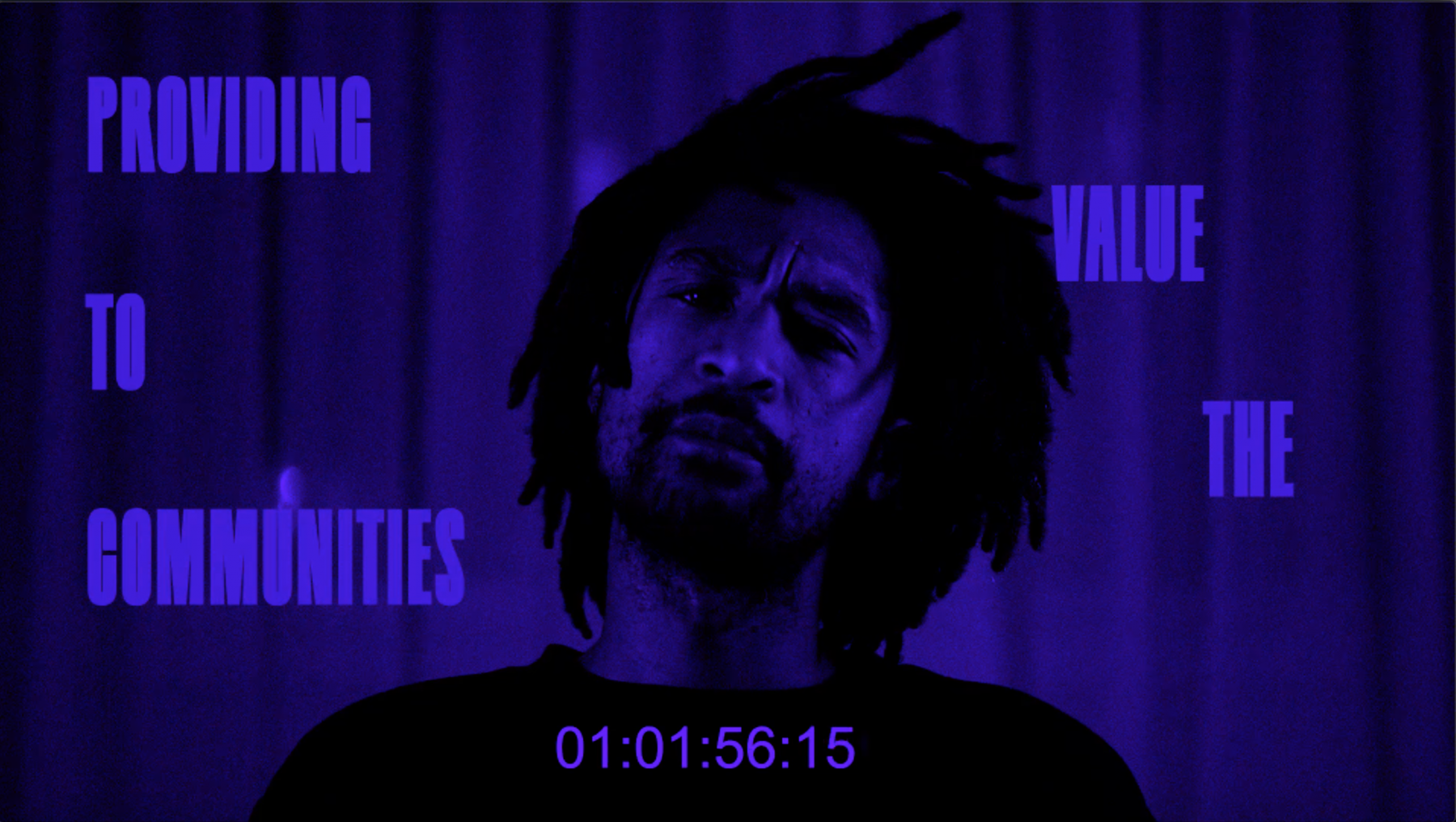
“I like to think there are alternatives”: in conversation with artist Theo Jean Cuthand
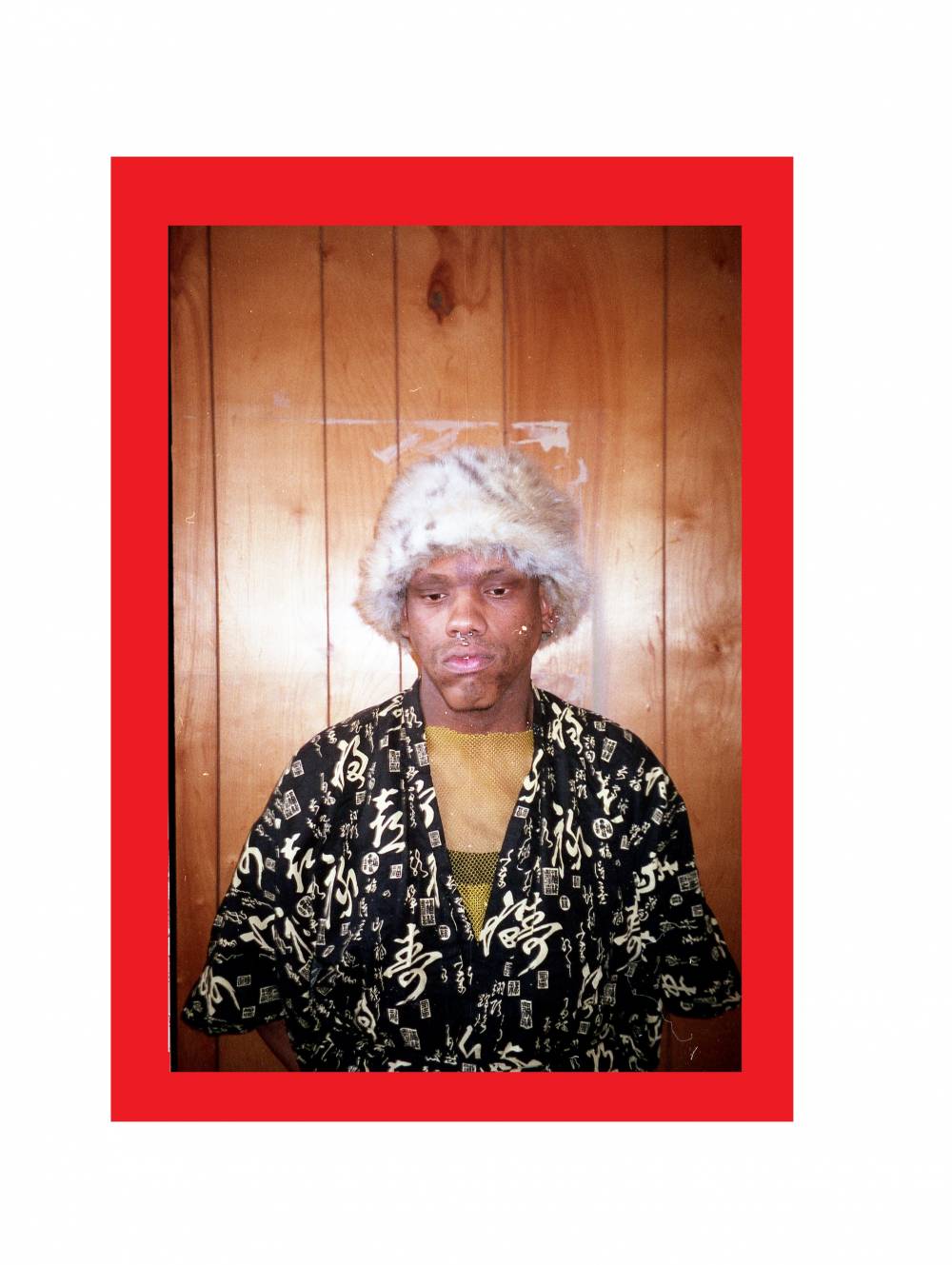
Theo Jean Cuthand’s videos are full of good lines, but there’s no time to dwell on them. They’re delivered without pause, almost matter-of-factly, in unhurried monologues that span the video’s run time. In Extractions (2019), he describes the terrifying lumber scrap incinerator in Merritt, where he spent four intolerable months as a teen, “like something in a Disney movie symbolizing death and anguish.” Earlier, over footage of a series of explosions in an open pit mine, he notes benignly, “I like to think there are alternatives.” In Less Lethal Fetishes (2019), he uses gas masks to meditate on kink culture and the art world’s toxic relationship with industry….
Read More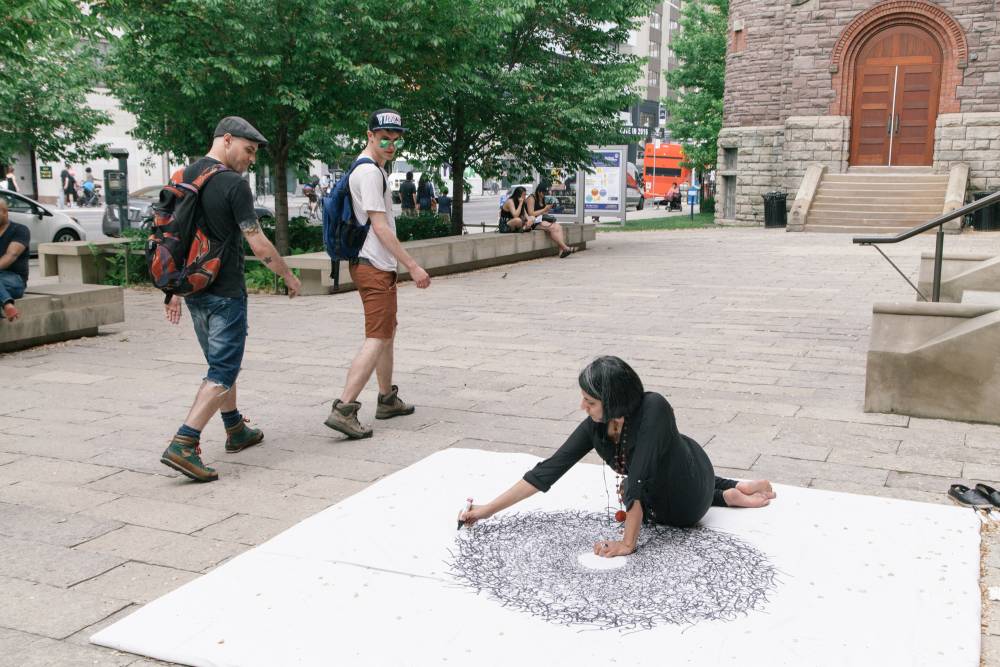
Poetic Activism and Muslim Faith: in conversation with Tazeen Qayyum
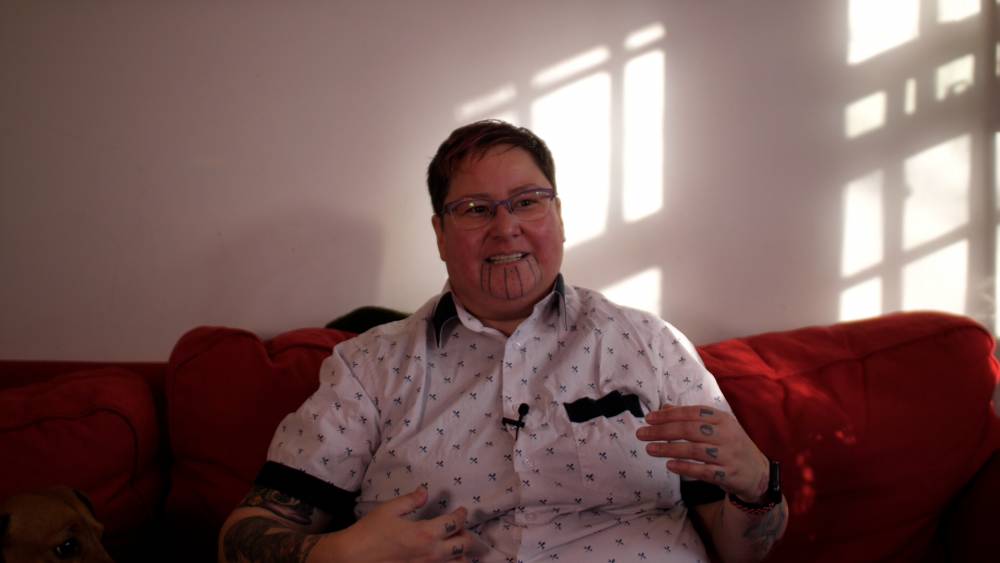
Tazeen Qayyum is a Pakistani-Canadian artist based in Toronto. She was trained in the South Asian and Persian traditions of miniaturist painting before she began the mixed-media practice which she sustains today. During the month of Ramadan, I wanted to speak with her about what it is like to be a practicing Muslim as well as a contemporary artist working in Canada. I was also interested in her experience making work that is conceptually driven and shaped by culture and faith. For example, in her iconic archival ink on paper works, Qayyum repeats a word written in Urdu script to…
Read More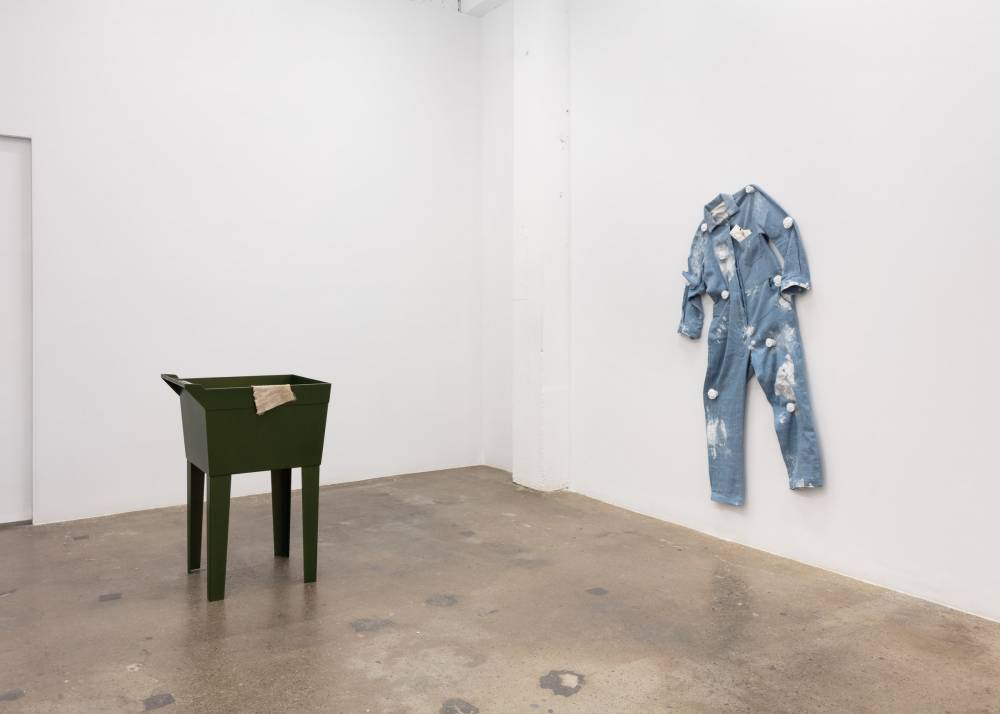
Opening your face like a flower: in conversation with Anne Low
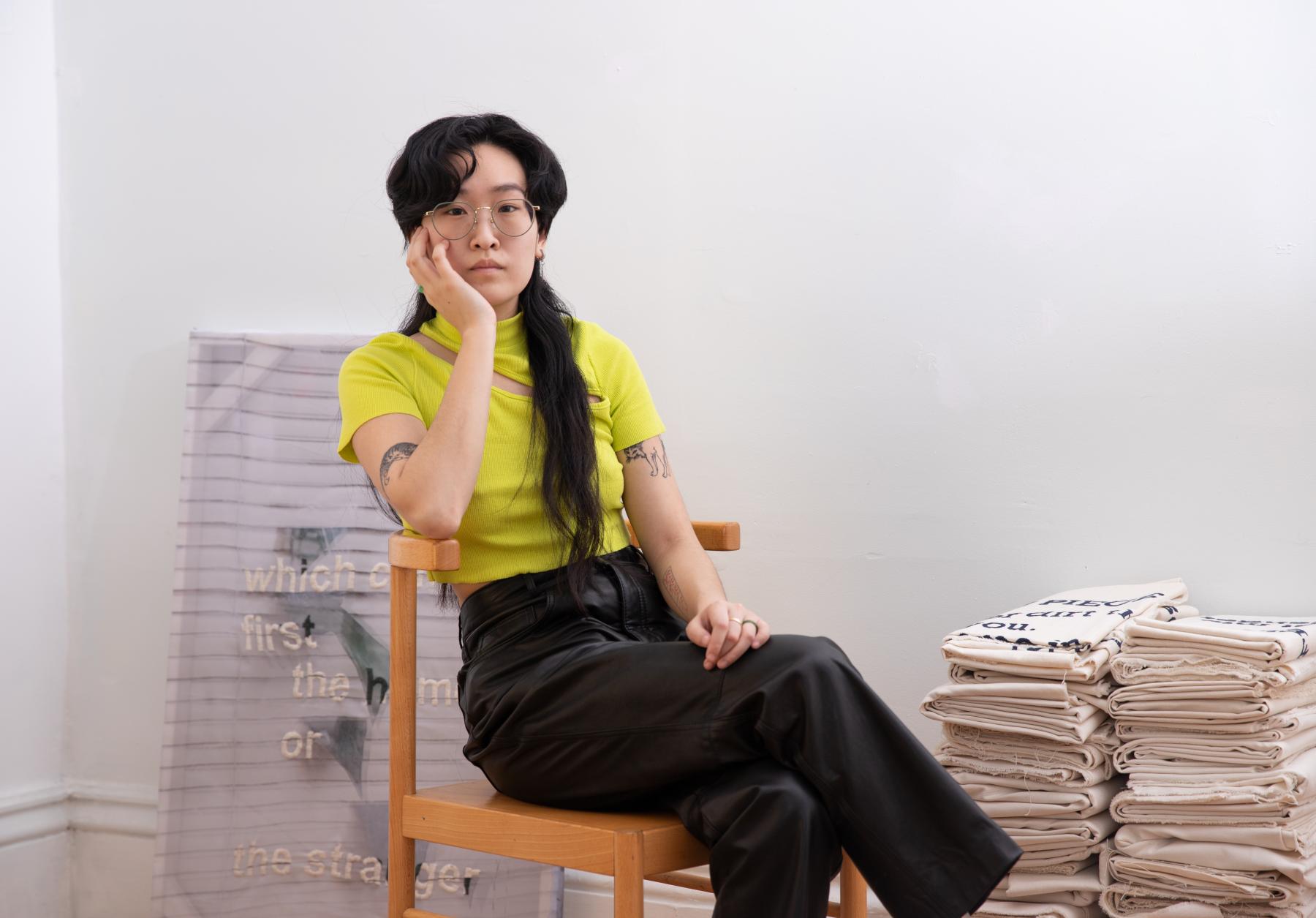
On the second Monday in December, I click the link, open a window, and see myself. Instinctively, I adjust my posture. Anne Low has joined your meeting room. A couple of months earlier, I visited Low’s solo exhibition Bury Me at Franz Kaka on Dupont Street in Toronto. The show featured five works that engage with the domestic and the decorative. Inspired by pre-industrialized cloth samples, Low’s woven textiles are presented in sculptural forms; each work gestures towards the material evidence of housework: cleaning, mending, storing, tending, and washing. An artist-weaver, Low works in sculpture, installation, textiles, and printmaking. After completing her…
Read More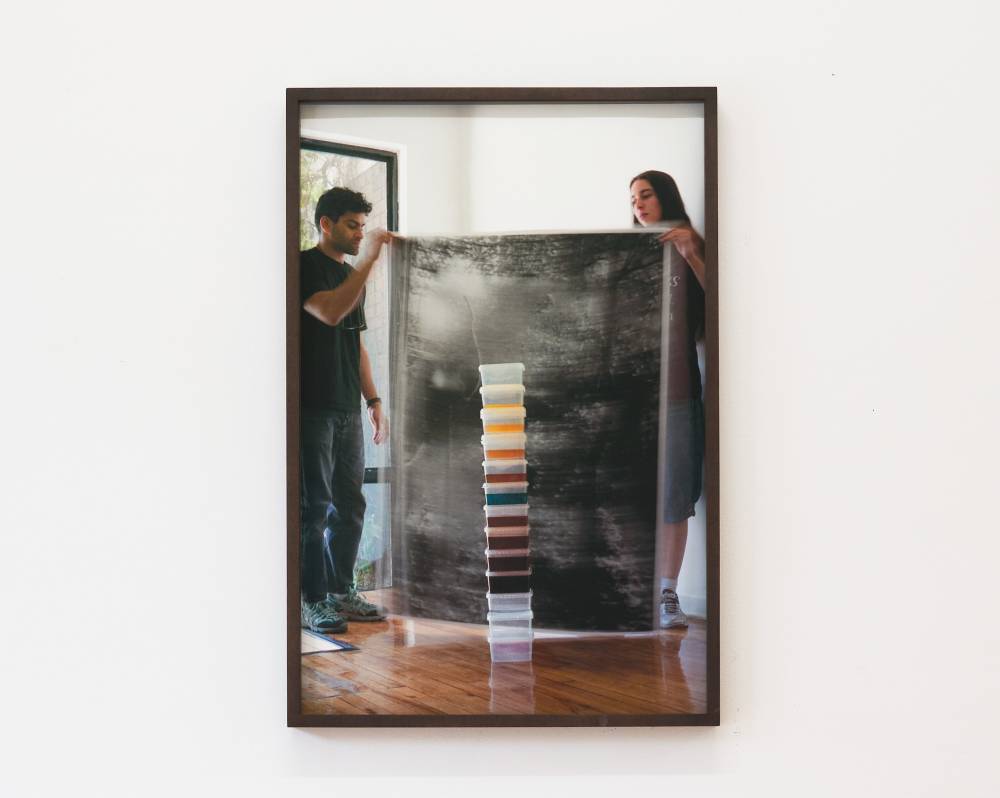
Eye to Eye: in conversation with Fatine-Violette Sabiri and Paras Vijan
Summer 2023 was eventful for the stretch of avenue du Parc between avenue Fairmount and rue St. Viateur in Montreal’s Mile End neighbourhood. Each Thursday between June 1st and July 8th, photographers Fatine-Violette Sabiri and Paras Vijan welcomed visitors into the world of One by Two, their serialised exhibition at Galerie Eli Kerr. These vernissages came to punctuate the lives of many of us in the neighbourhood’s creative community; our attention was oriented towards the gallery space and the sidewalk benches that flank the entryway, as we convened in a way that was profound, joyful, and sorely missed once the exhibition closed….
Read More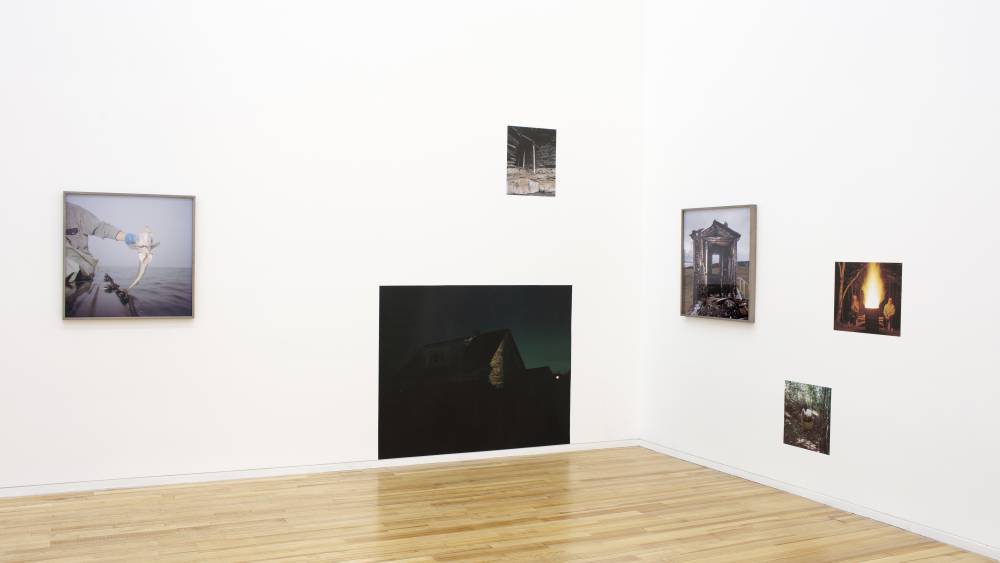
Time & Necessary Contexts: in conversation with Ethan Murphy
A code of conduct is a list. It can be short or long, normally between five to seven points. It enumerates a certain set of behaviours that are appropriate in a given setting. Sometimes behaviours that are not appropriate are listed too. It is sort of the x and y of socialisation. It plots a space between appropriate and inappropriate behaviour. But it is entirely movable and depends on a given situation, so some would say that it’s site-specific. The first time I meet artist, Ethan Murphy is on a Zoom call sometime in late 2021, but technically the second…
Read More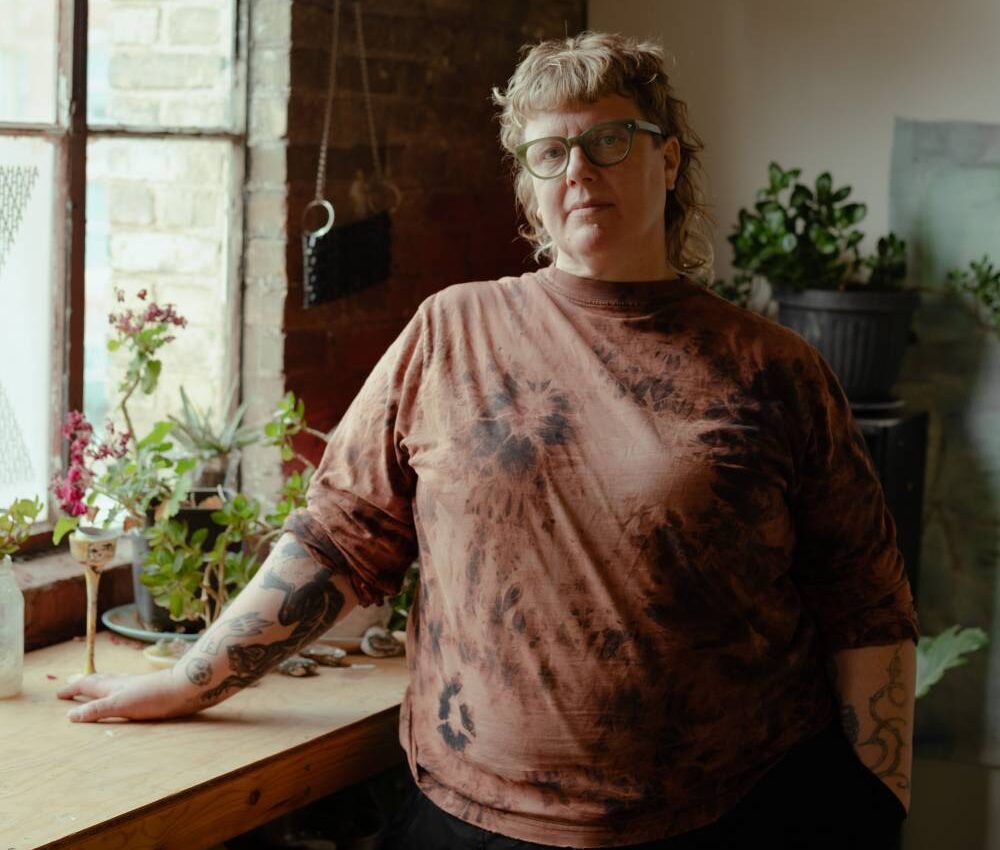
ABUNDANCE, ABUNDANCE, ABUNDANCE: Reparative criticality in the work of artist, AO Roberts
When rewatching old artist talks of AO Roberts in preparation for our conversations I came across a quote of theirs: “I have so much to say but I don’t want to tell you anything at all.” There’s a tension within Roberts’ work between revealing and obscuring, a generosity to the viewer as well as a distrust. AO Roberts is a Winnipeg-based multidisciplinary artist working in sculptural installation and sound. They have also performed in numerous noise projects and punk bands such as Wolbachia, Kursk, Hoover Death, and VOR. During the winter of 2022, I chatted with Roberts several times on Zoom, myself…
Read More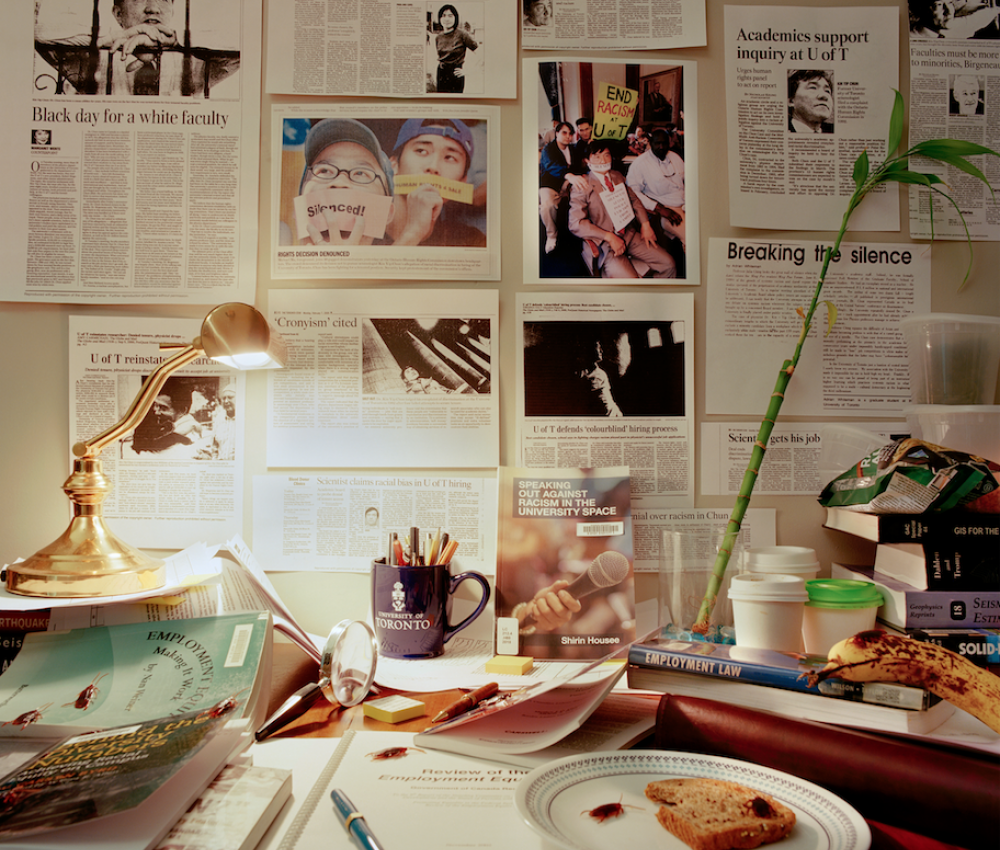
Personal archives, public imperatives: in conversation with Zinnia Naqvi
Lens-based artist and filmmaker Zinnia Naqvi and I met by chance during the 2023 Mayworks Festival where she presented The Professor’s Desk (2023), a project that told the stories of four cases of discrimination in Canadian universities. At the time, I was a Teaching Assistant at OCAD University and the outgoing Executive Director of Graduate Studies for the OCAD Student Union; the name of Naqvi’s exhibition piqued my interest due to my political involvement with the institution and my desire to research and work toward better futures for students and faculty. Part of my job was to navigate and mediate conflict, to…
Read More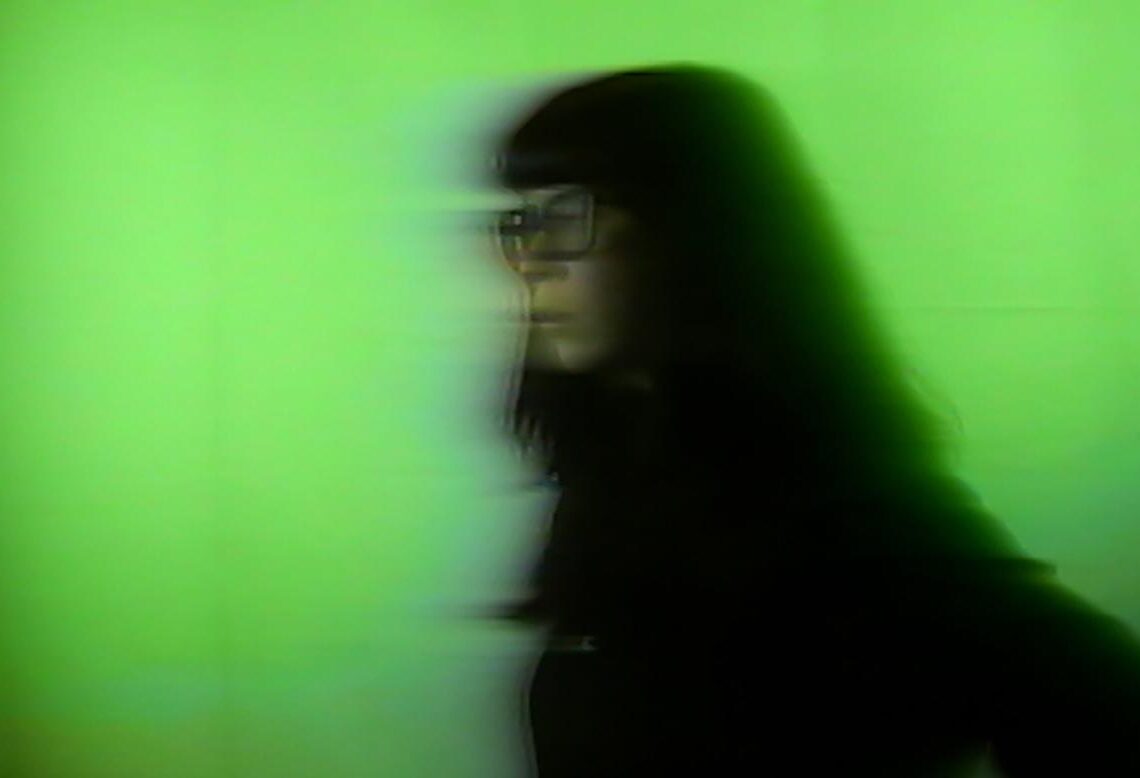
Ephemeral Structures: in conversation with Chloe Alexandra Thompson
Chloe Alexandra Thompson works in sight, sound and somatics. A fluent technologist, her site-specific, digital, and performance works are deeply attuned to our perceptions. The Cree, Canadian composer and sound artist incorporates sources from audio coding language software such as Max and Pure Data. Using coding to invent amorphous digital instruments, her work is brought into physical form through spatialized speaker arrays. Her installations of multiple loudspeakers are programmed to distribute sound in intentional patterns and locations. The result is intricate, heady and difficult to convey in words. At the crux of art and technology, these experiential sonic pieces play…
Read More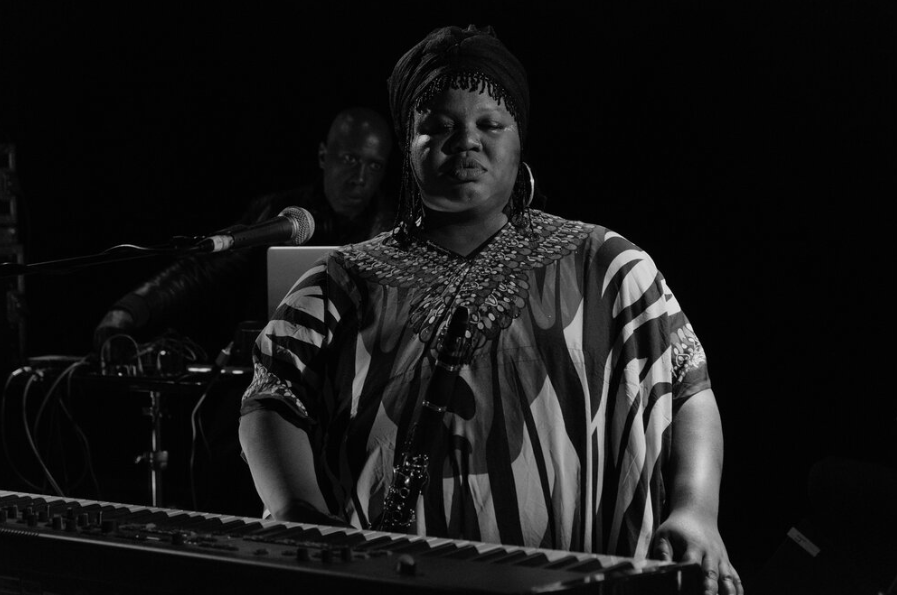
What it may mean to be sonically divine: in conversation with Angel Bat Dawid
My first introduction to Angel Bat Dawid came from a simple Google search: “Black woman clarinetist” when I was trying to find repertoire from underrepresented composers to program on my undergraduate senior clarinet recital a few years ago. Oftentimes, classical music recitals consist of mostly White, cisgendered men from Europe with the occasional woman’s composition featured; therefore, I was well accustomed to unsuccessful Google searches of the apparent mythical Black woman clarinetist. One lucky search led me to the music of Dawid, or the genre she names “great Black music”. Before Dawid’s ascension to performer status, her life was informed…
Read More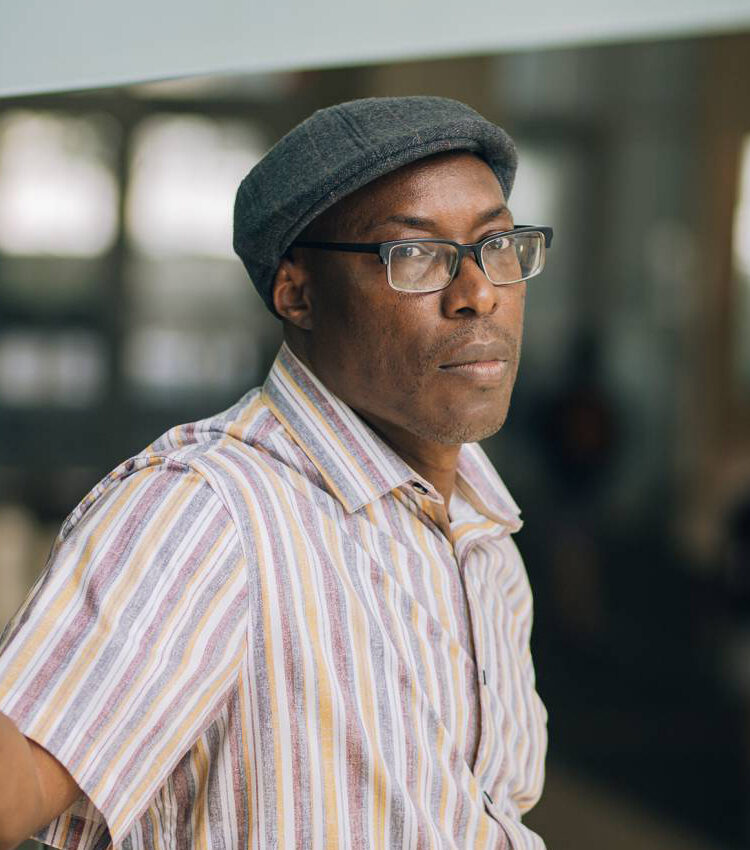
Writing against closure: in conversation with Uchechukwu Umezurike
If ever there’s such a thing as the cultural character of an epoch—that is, a quality or cultural attitude that distinguishes a historical time from another across spaces and places—the contemporary epoch, at least in the West and perhaps in Africa, will be best characterized by that complicated concept called trauma. Trauma has become the “cultural script” of our time, writes Parul Seghal in a New Yorker essay titled “The Case against the Trauma Plot,” “a concept that bites into the [cultural] flesh so deeply it is difficult to see its historical contingency.” The cultural fascination with trauma, while best…
Read More