
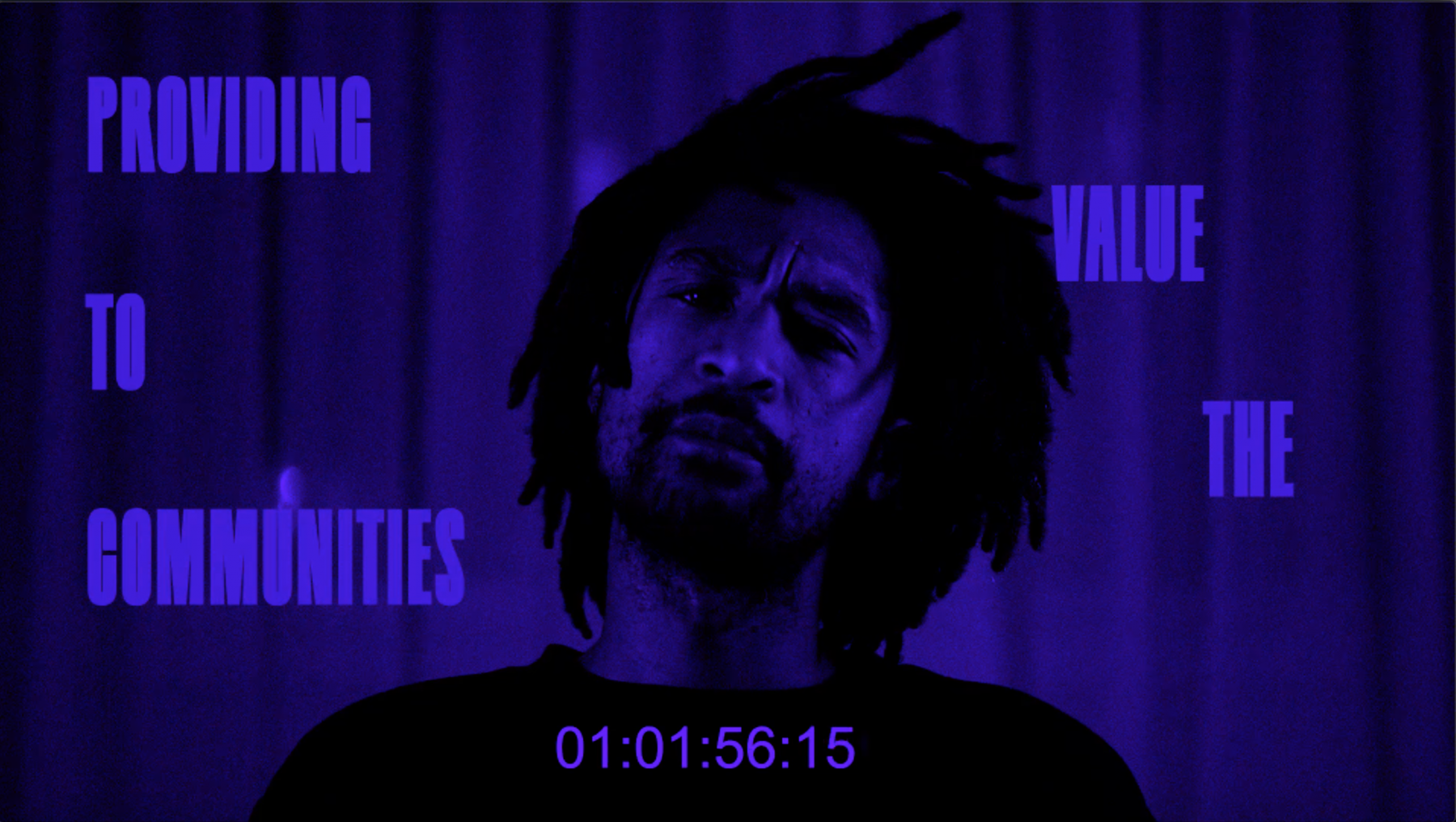
Longform
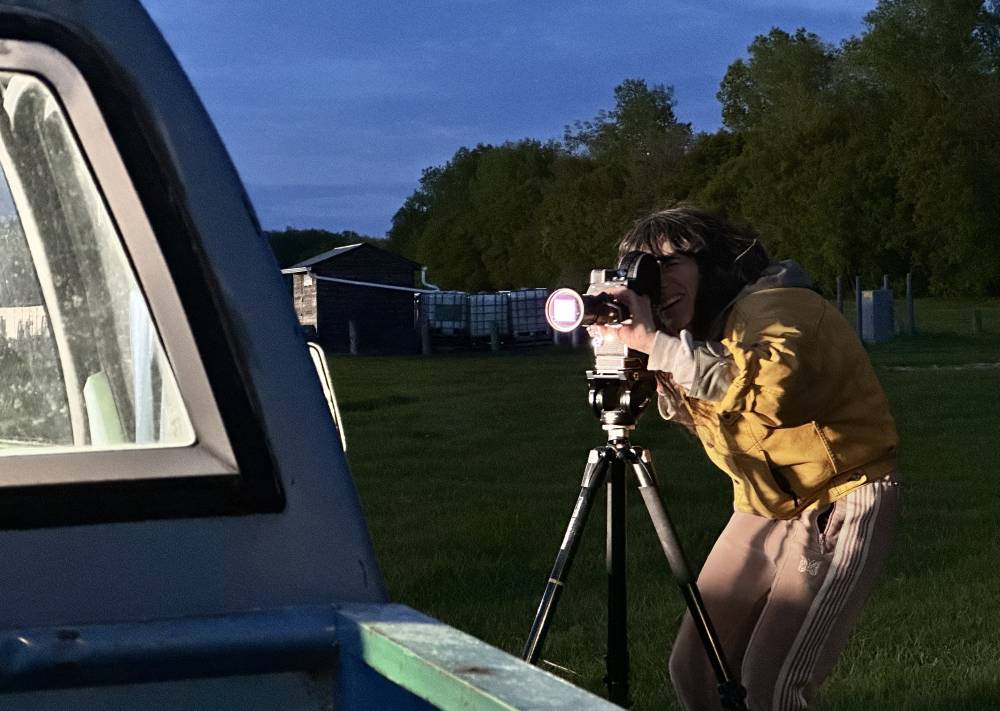
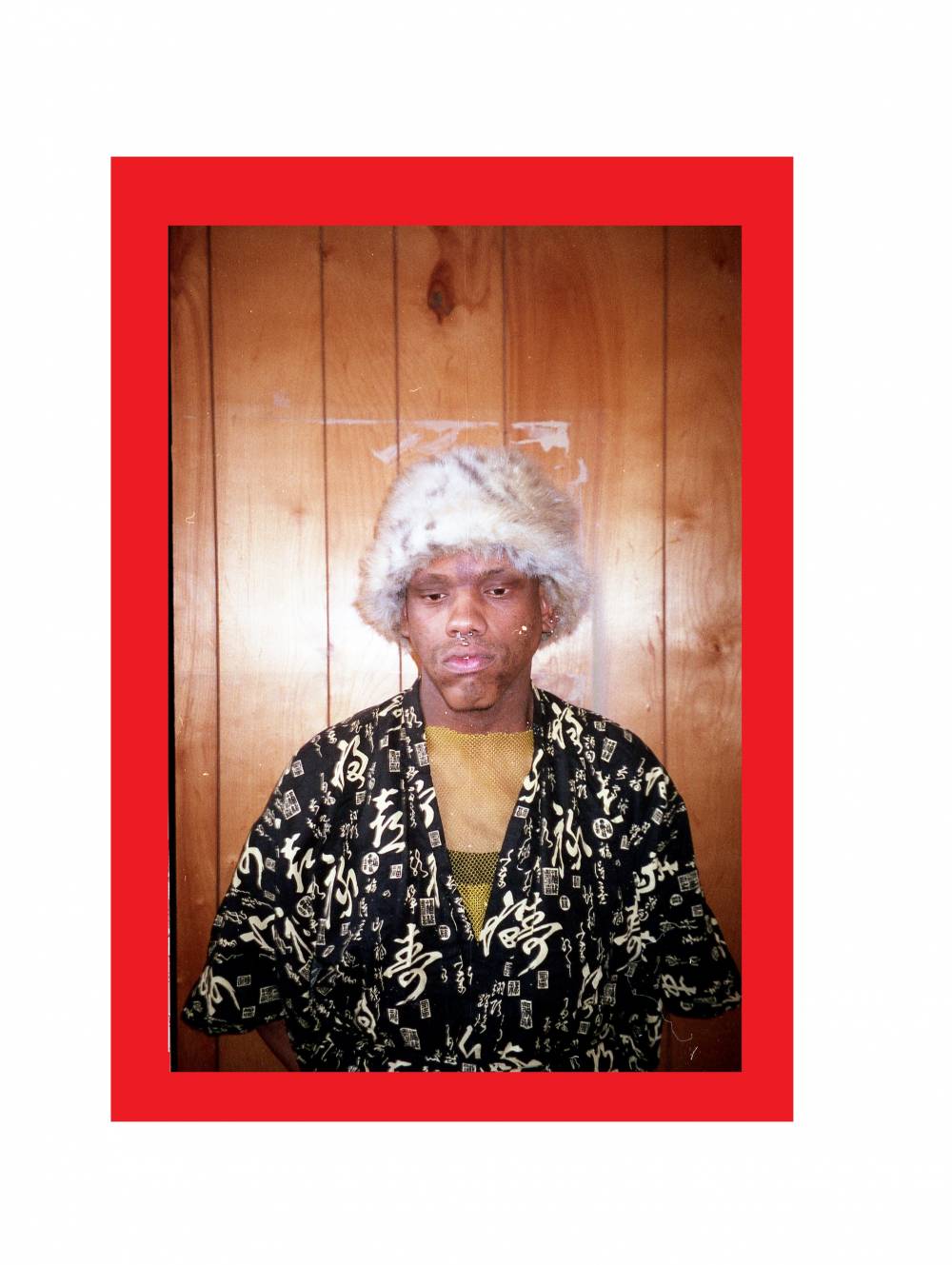
A mirror to the deranged world: in conversation with artist and filmmaker Rhayne Vermette
I met Rhayne in the summer of 2020 in Winnipeg, shortly after I moved to Canada for my PhD. She was DJ’ing, already with a visible spark, already operating beyond recognizable structures. There was a sense, even then, that she was not simply participating in a scene but quietly rearranging the conditions of it. Our friendship grew slowly, largely through what we did not exchange: not turning proximity into possession, not forcing disclosure into currency. I’ve come to understand her films in much the same way. They refuse extraction. They withhold resolution. They linger, knowing that true confrontation and disclosure…
Read More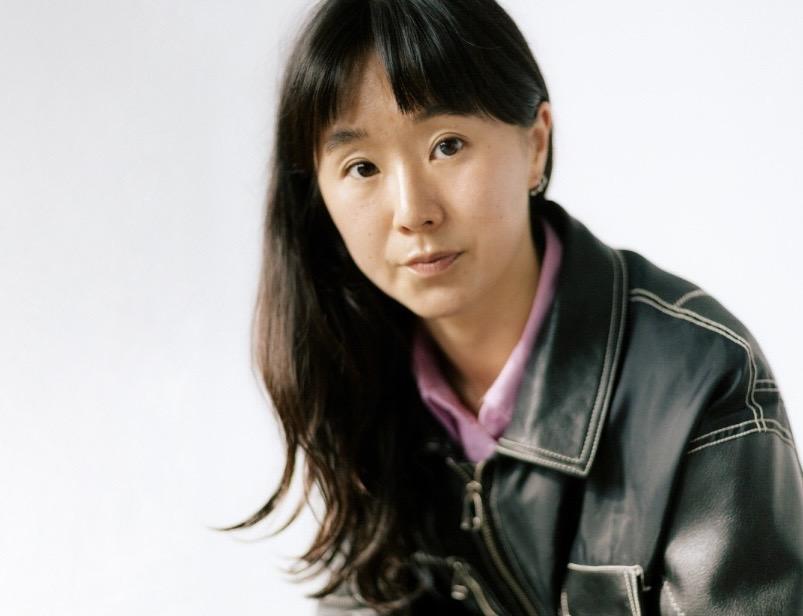
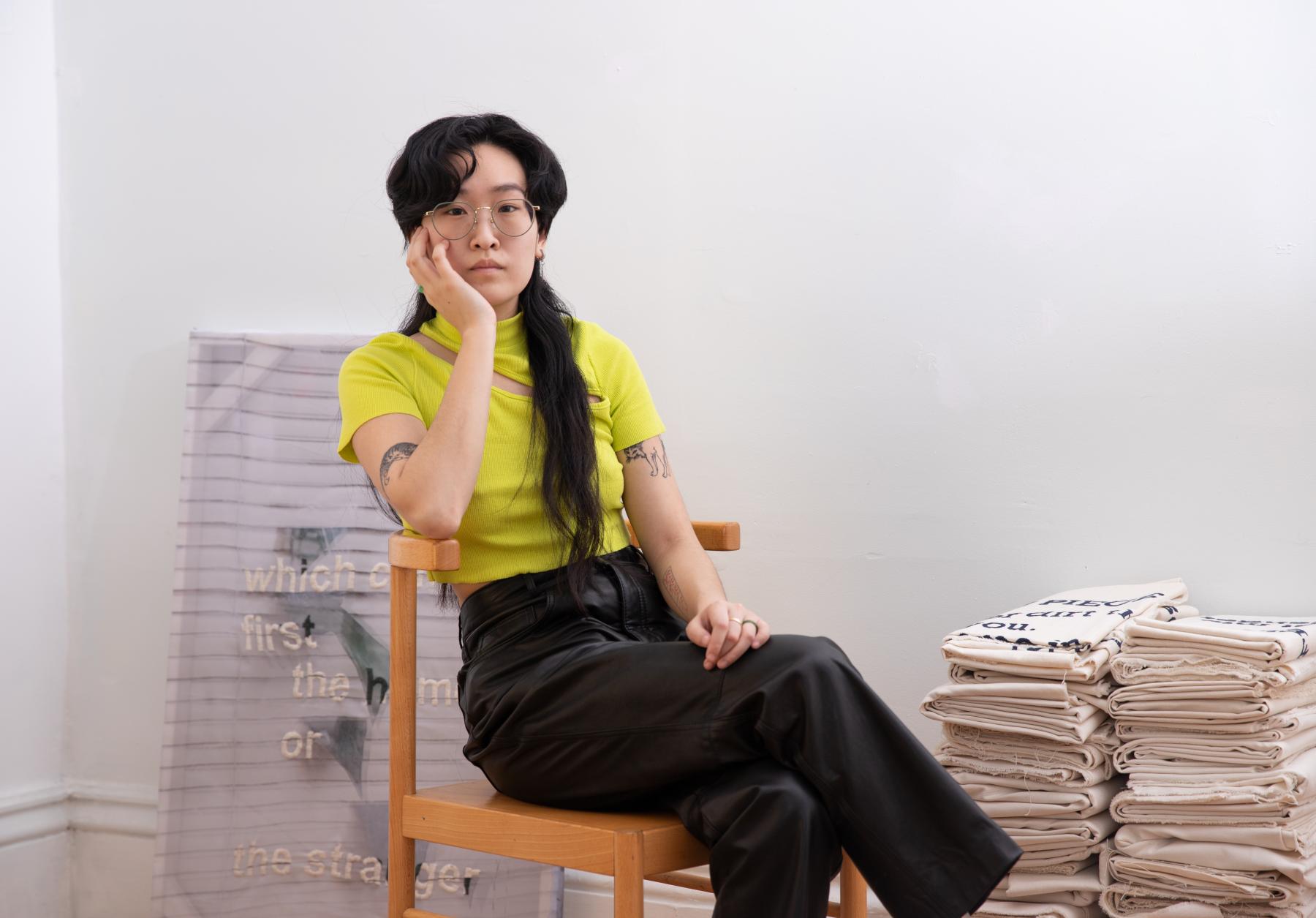
Rethinking the institution: in conversation with curator and founder of SITE Toronto, Kate Wong
At a moment when many artists and arts workers feel increasingly distant from the institutions that shape their professional and cultural lives—and determine their income—questions about institutional leadership and operations have taken on new urgency, especially in light of ongoing controversies around donors and financial transparency. Institutions are sites of power and control, but also of possibility. They shape our understanding of art through the exhibitions they present and the structures they create. For many people, a public art museum is their first encounter with art and what they see there often defines what they think art is. Curator, writer,…
Read More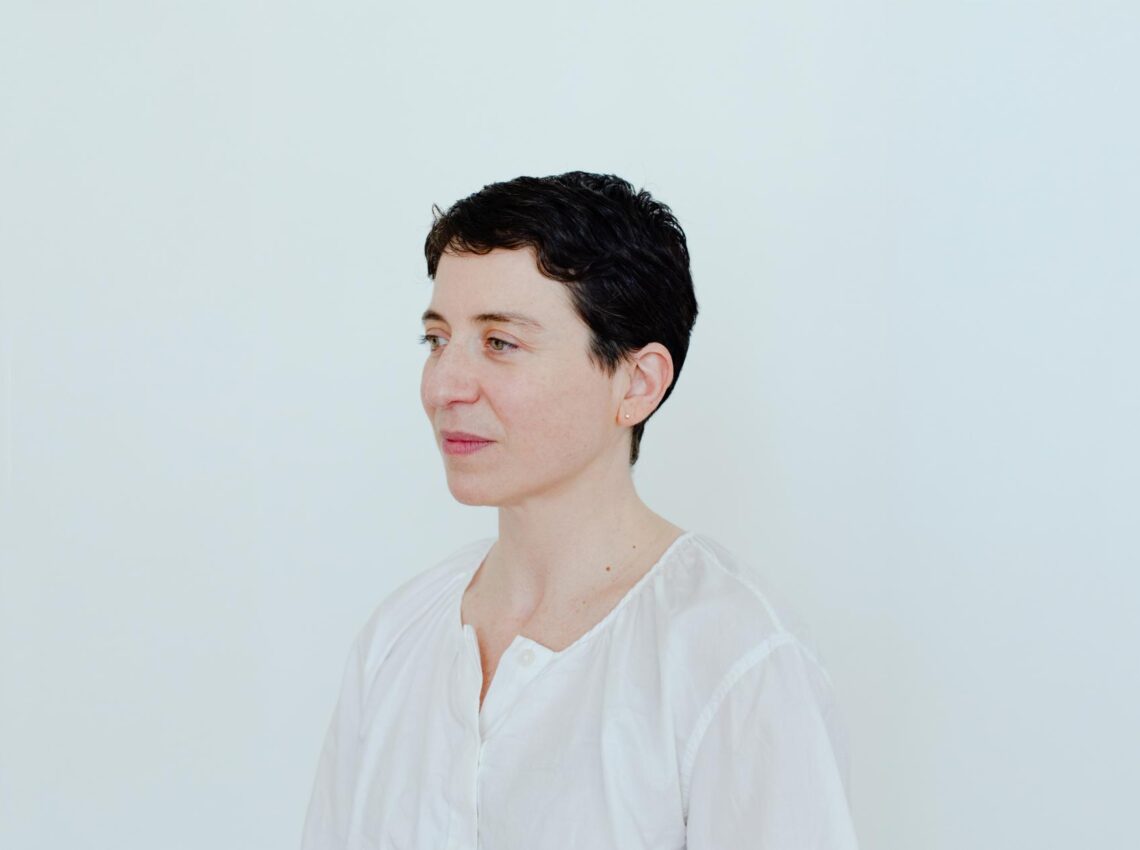
“Turn into those feelings”: in conversation with writer Lucy Ives
The book I’m holding is sturdy like a rock but appears as vibrant gradation, like a spear of light in a prism or the memory of a peacock in flight. I thumb open the tome guided by one of three ribbons, each a different shade of red, to mark the start of something, or my eager return. Inside I find lines of instruction, but also many other kinds of lines, some that provide directions (“Journey inward toward new exteriors”) or pose questions (“What are the heroics of a lack of heroic qualities?”). Still others simply stretch open the mind. I’m…
Read More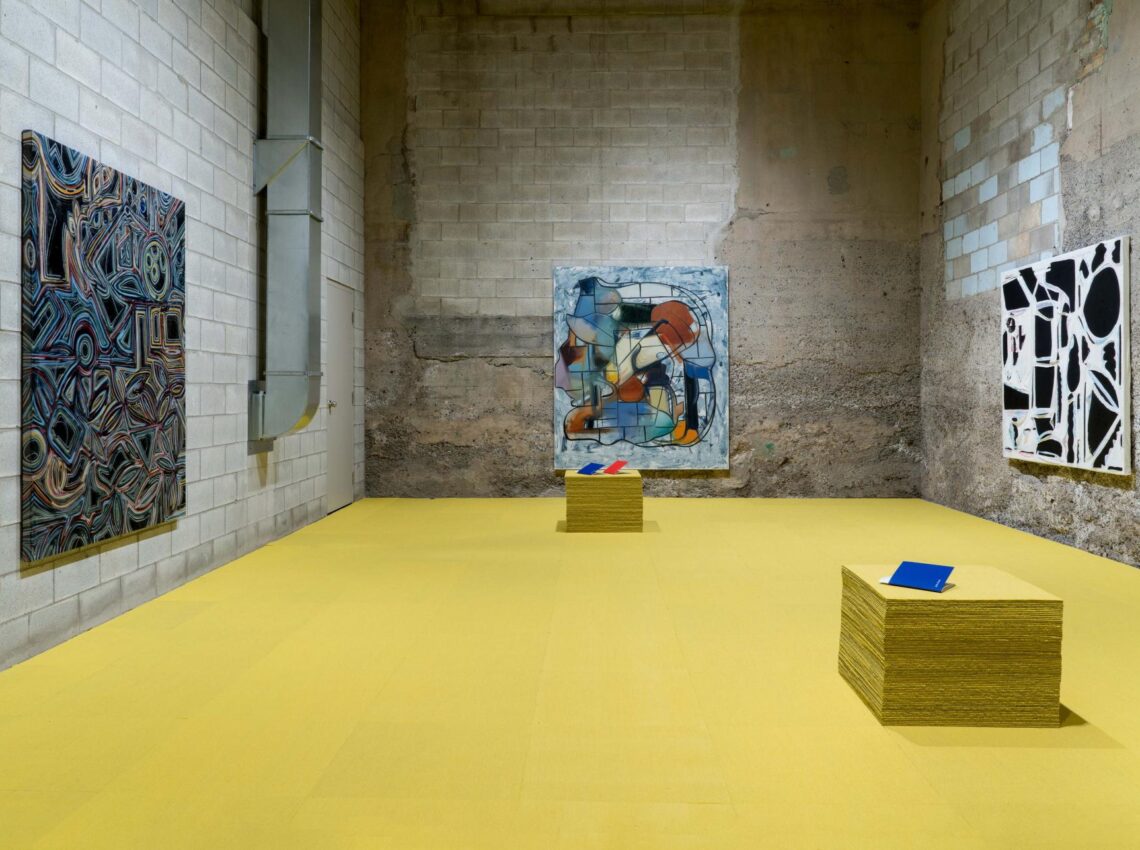
Chain reactions of primary and secondary information: in conversation with artist Julia Dault
The day after the opening of her solo-exhibition, Primary Information, I met Julia Dault in the basement ‘Bunker’ at Bradley Ertaskiran—a space that she specifically requested for her third presentation at the gallery. There’s a certain drama to the room, given the mass of concrete, visible rebar, ventilation ducts, and amalgam of building material that cover the walls, like mineral deposits from preceding epochs of use. There we sat, shoes off, cross-legged on the most uncannily-coloured carpeting I’ve ever seen—not quite sulphuric, nor mustard, but somewhere between the two on the binary of fertilizer and food. The colour of the carpet…
Read More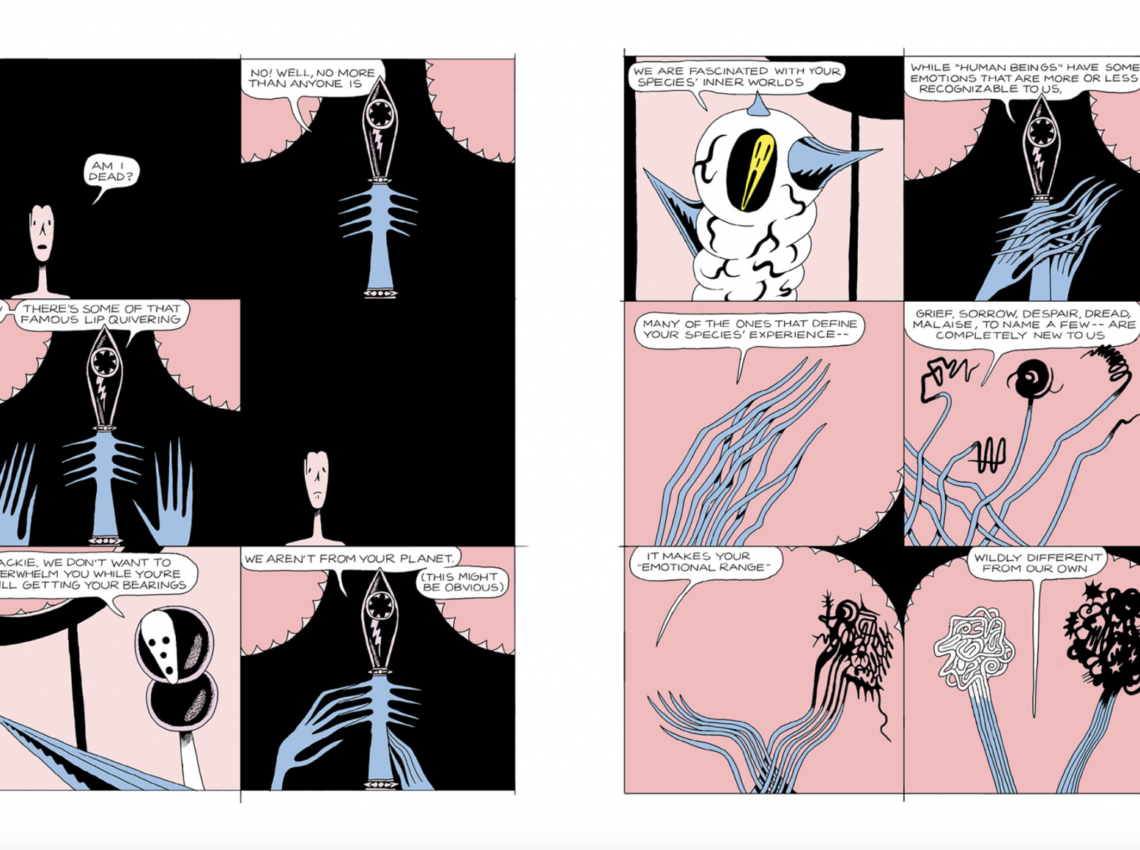
A cloud of existential unknowns: in conversation with cartoonist Michael DeForge
It’s thanks to the conversation with Michael DeForge transcribed below that I end up on YouTube reading the featured comments on an abridged audiobook version of Whitley Strieber’s alien abduction memoir Communion: A True Story. Philippe Mora’s 1989 film adaptation of the same name, Communion, is one of two central inspirations DeForge cites for his most recent book, Holy Lacrimony (2025). What makes the film so compelling, DeForge says at one point in our interview, is that it “sidesteps whether or not the experience is real,” in favour of taking seriously the material consequences of the protagonist’s experience—in this case, of alien encounter. I would say this,…
Read More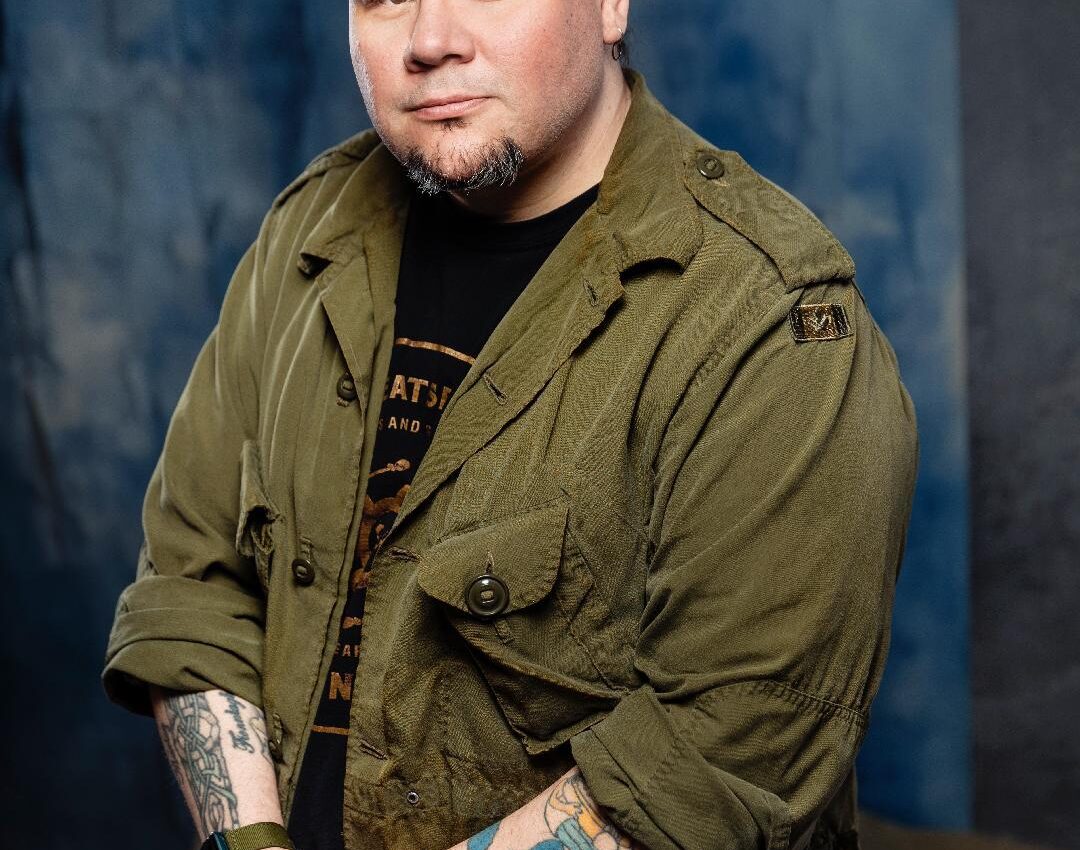
“Toppling my own minimum”: in conversation with multi-disciplinary artist and activist John Brady McDonald
John Brady McDonald is from the Muskeg Lake Cree Nation and the Mistawasis Nehiyawak. He is the great-great-great grandson of Chief Mistawasis of the Plains Cree who was considered a visionary leader and the first signatory of Treaty 6 in 1876. McDonald is also the grandson of famed Métis leader Jim Brady, who is generally considered one of the most influential Métis leaders and activists in Saskatchewan and Alberta of his time. Brady disappeared while on a prospecting trip in June 1967. His body has yet to be recovered. Forced to attend the Prince Albert Indian Student Residence in Prince…
Read More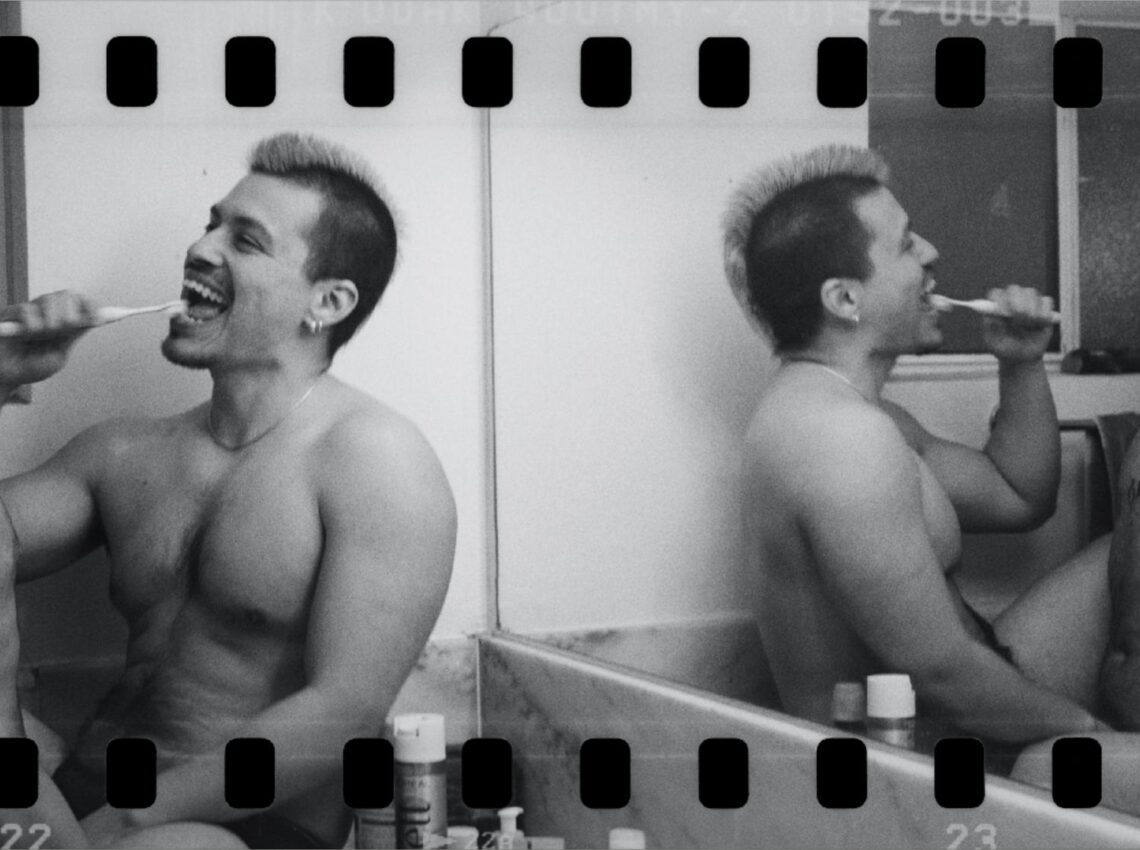
“To me, they were stars”: In conversation with artist Reynaldo Rivera
Con miradas siempre nos damos todo el amorHablamos sin hablarTodo es silencio en nuestro andarAmigos simplemente amigos y nada más —Ana Gabriel, Simplemente Amigos In her 1988 song, Simplemente Amigos, Ana Gabriel belts out a confession disguised as restraint. It’s about a love that must exist in the shadows, spoken through a secret code of gestures and glances. The ballad moves between longing and endurance, mapping the tension between desire and secrecy. Similarly, Reynaldo Rivera’s photographs translate the impossibility of public love into forms of tenderness—where desire becomes both memory and a way to exist otherwise. His Los Angeles is not the…
Read More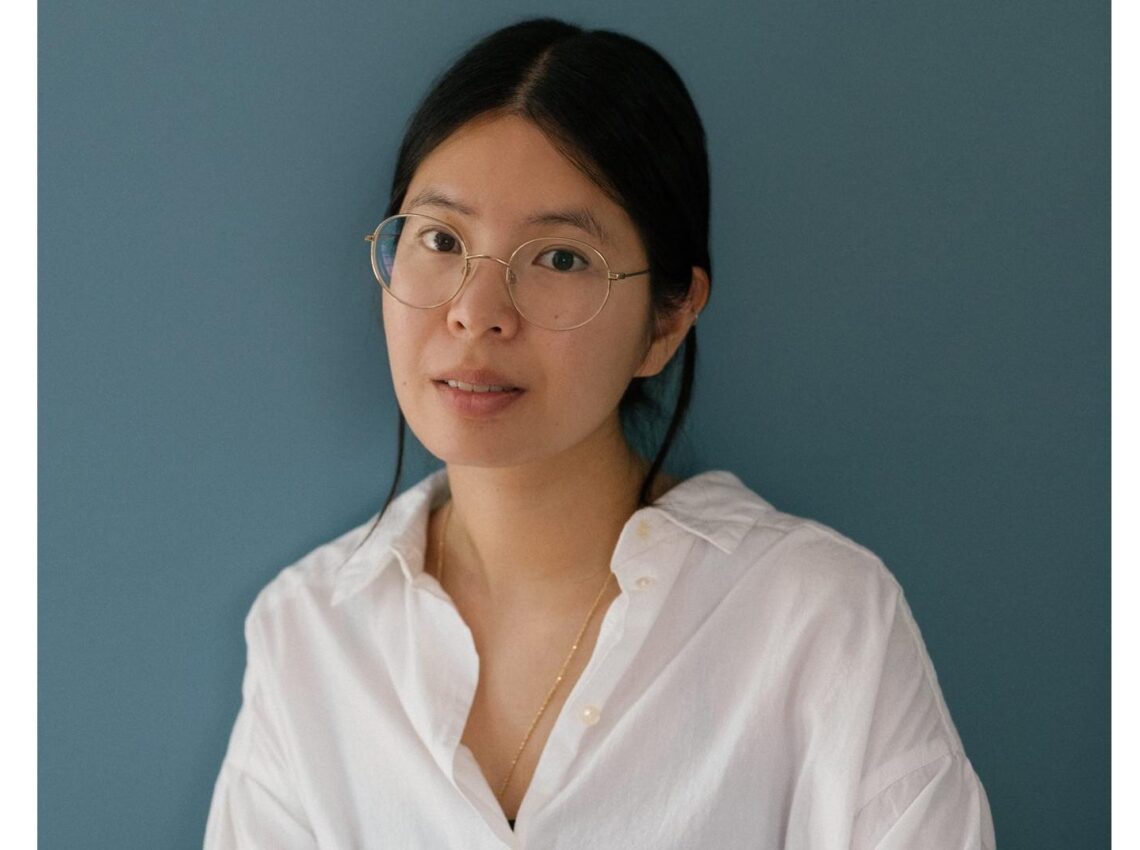
Fiction as emotional truth: in conversation with author Larissa Pham
When you’ve been living on, or with, the internet for over a decade, it can be difficult to recall your first encounter with a writer that you’ve become closely acquainted with over the years. When that first encounter isn’t a book—but an essay, conversation, or even simply a diffuse involvement in a certain school of online writing—it absorbs into the larger web of your own personal internet ecosystem. I thought my first brush with Larissa Pham was when I read her essay Crush in The Believer, but upon revisiting it, I found it was only published in 2021, and it feels as…
Read More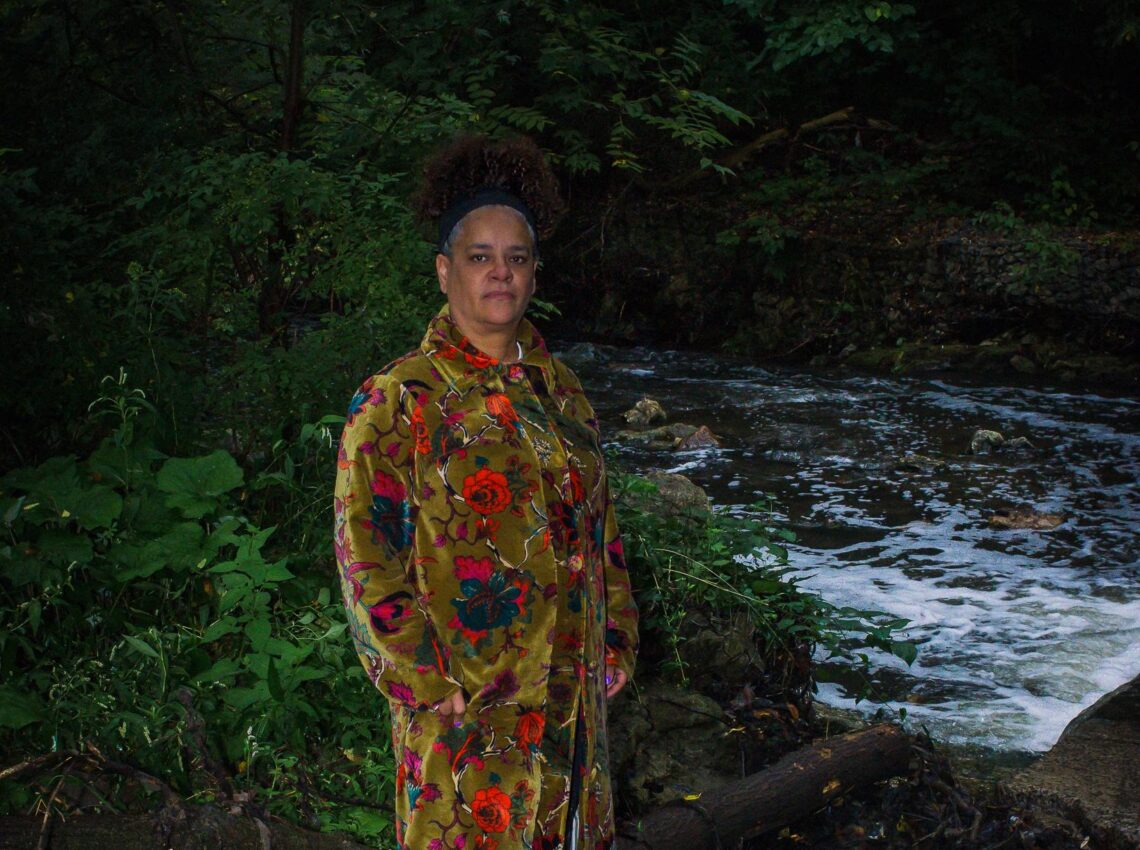
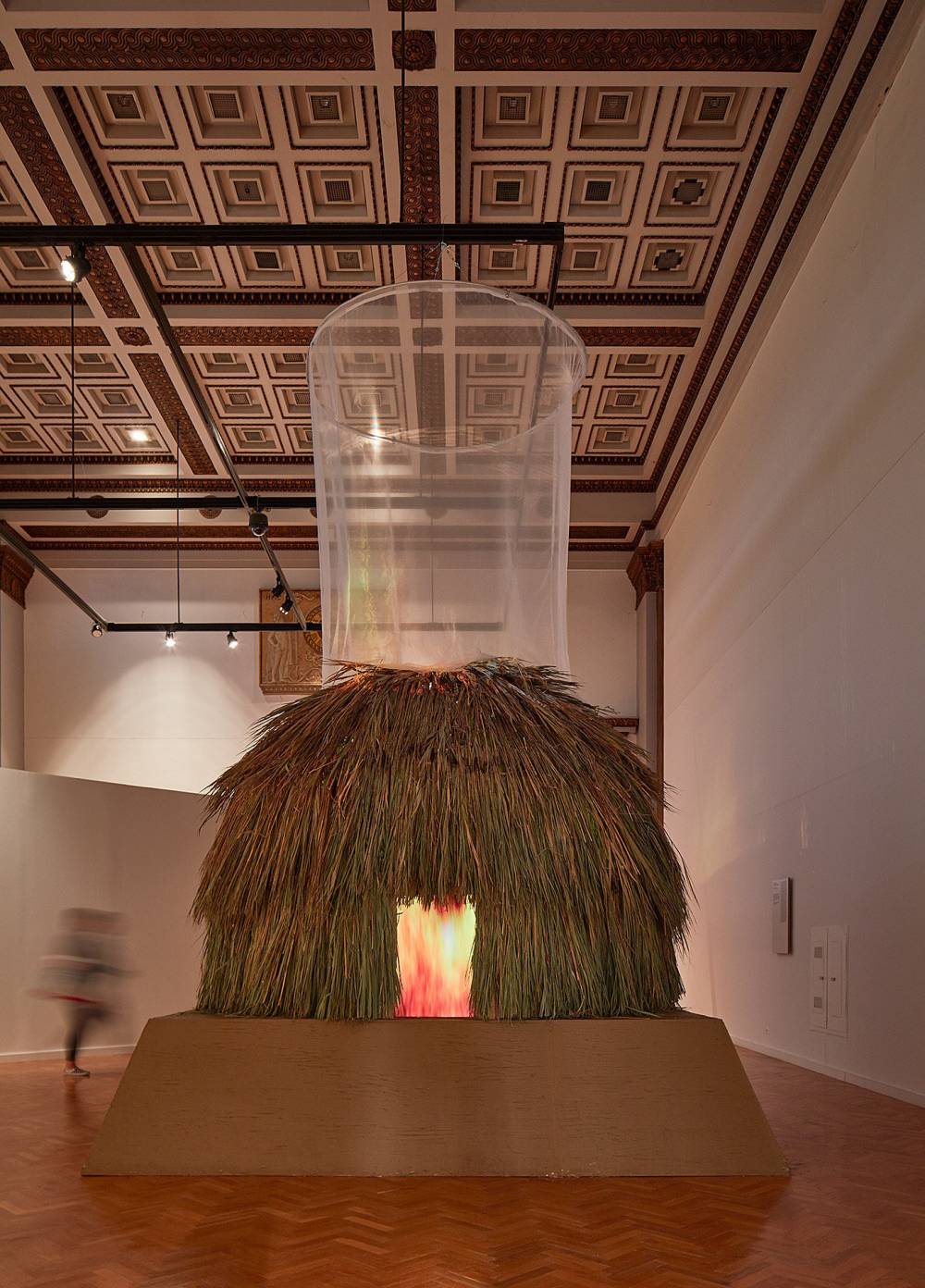
“Part of doing the work is living it”: in conversation with scholar/author Katherine McKittrick
A Smile Split by the Stars: An Experiment by Katherine McKittrick is an exhibition that brings m. nourbeSe philip’s poem “Meditation on the Declension of Beauty with the Girl with the Flying Cheek-bones” into two gallery spaces. Co-produced by the Agnes Etherington Art Centre, Gallery 44 Centre for Contemporary Photography, Revolutionary Demand for Happiness, and Modern Fuel Artist-Run Centre, the exhibition began with a conversation with Katherine McKittrick—Professor of Gender Studies and Canada Research Chair in Black Studies at Queen’s University—during a rideshare in Kingston on our way back to campus where Katherine shared with me her love for the poem. Katherine…
Read More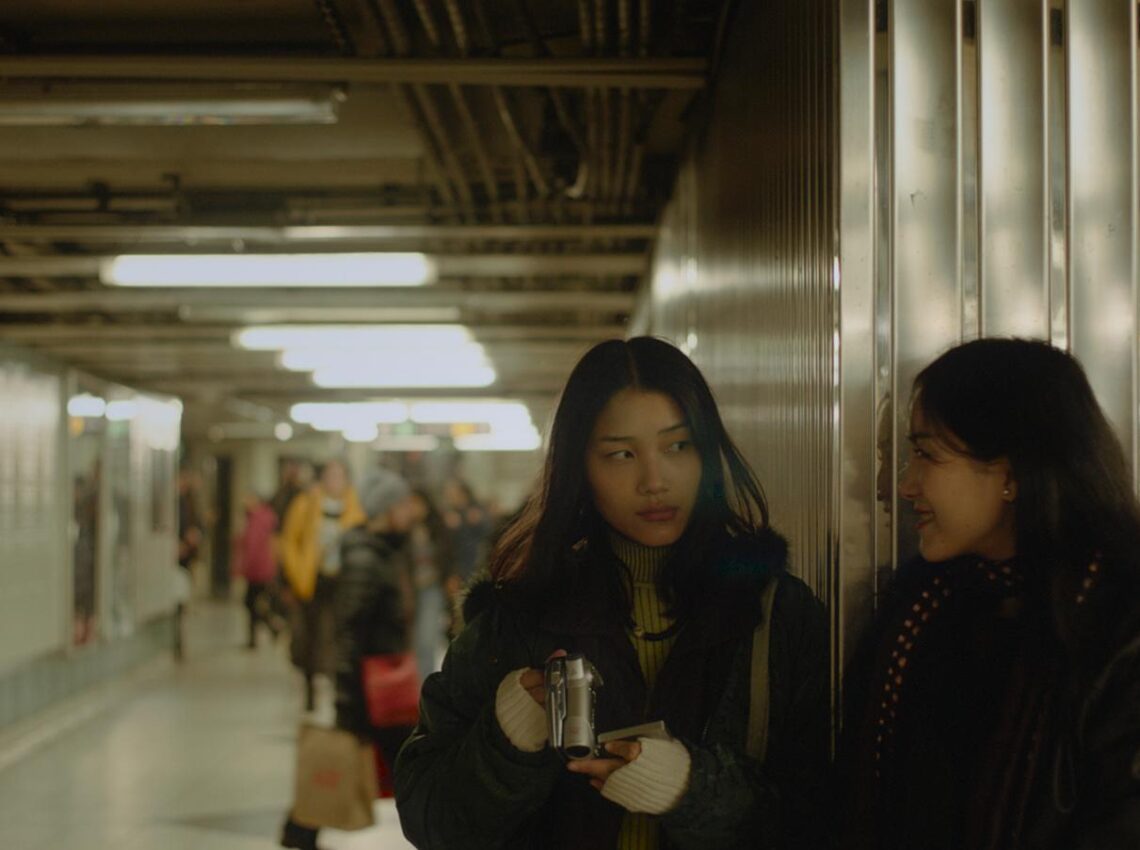
A reciprocal gaze: in conversation with filmmaker Kunsang Kyirong
I first met filmmaker Kunsang Kyirong last summer at my friend’s coffee shop in Roncesvalles—the Toronto neighbourhood halfway between my apartment at Bloor and Dundas, and her place at the time in Parkdale. When we met, she was in post-production for 100 Sunset—her first feature-length film. Born in Vancouver, Kyirong studied 2D+Experimental Animation at Emily Carr University of Art and Design, and is currently pursuing her MFA in Film Production at York University. Her previous short films Dhulpa (2021) and Yarlung (2020) have been screened at various international film festivals and exhibited at The Rubin Museum of Himalayan Art. Kyirong told me about her newest…
Read More