

Longform

Uncanny Americana: in conversation with Philip Leonard Ocampo
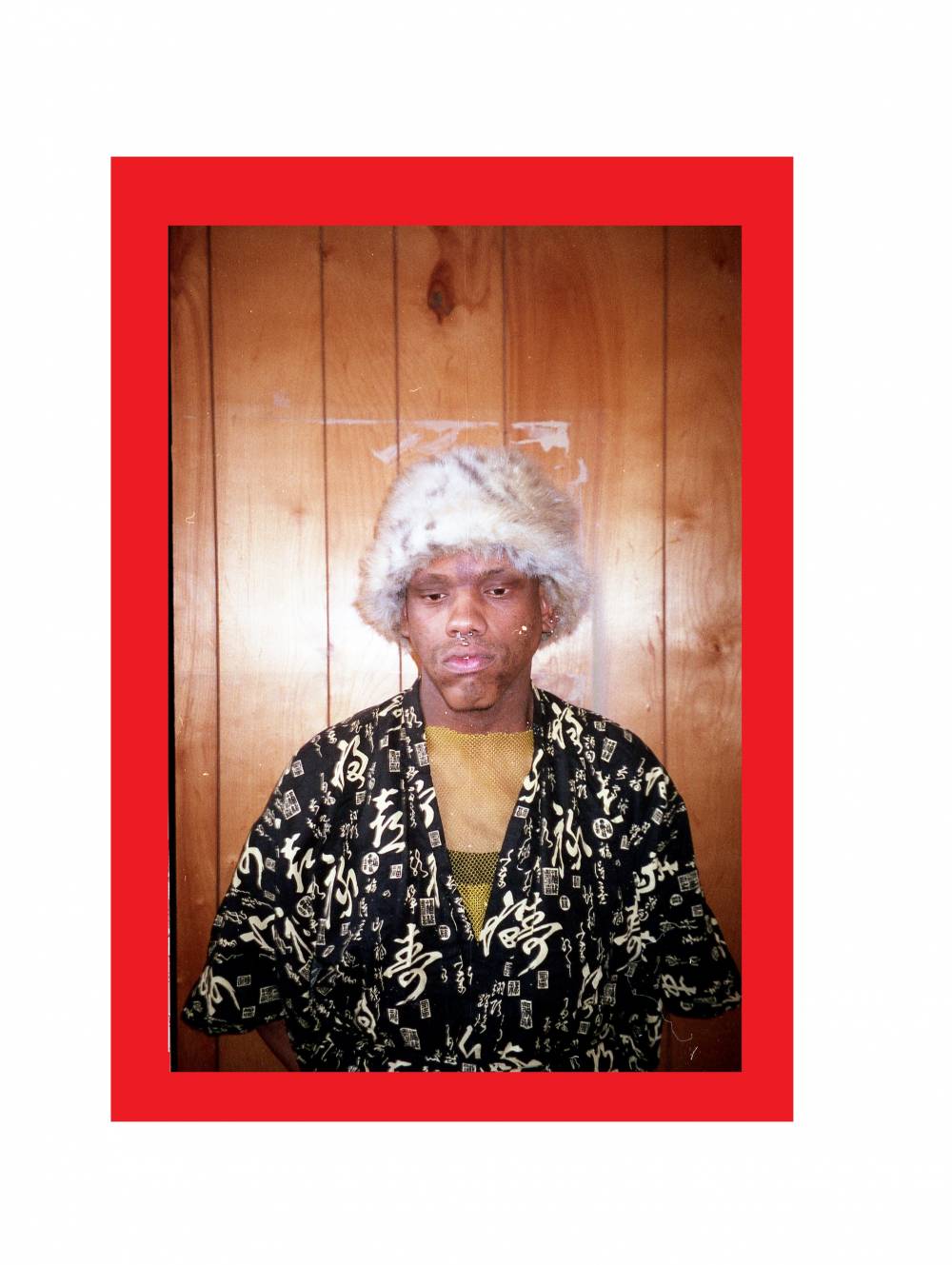
The architectural residue of abandoned Pizza Huts, a tote bag full of receipts for Gatorade, Cheetos, and NASCAR memorabilia, the giant rotating bucket outside— these are uncanny images which to some extent are synonymous with American iconography. Though the imagery of the American Dream has shifted into absurdity, there remains an underlying urge to participate in the fantasies of American commercial culture and to produce images of American identity. In the conversation that follows, artist/curator/arts facilitator Philip Leonard Ocampo discusses the paradoxical ways the ideals associated with the American Dream have impacted his family and artistic practice in a Canadian diasporic context….
Read More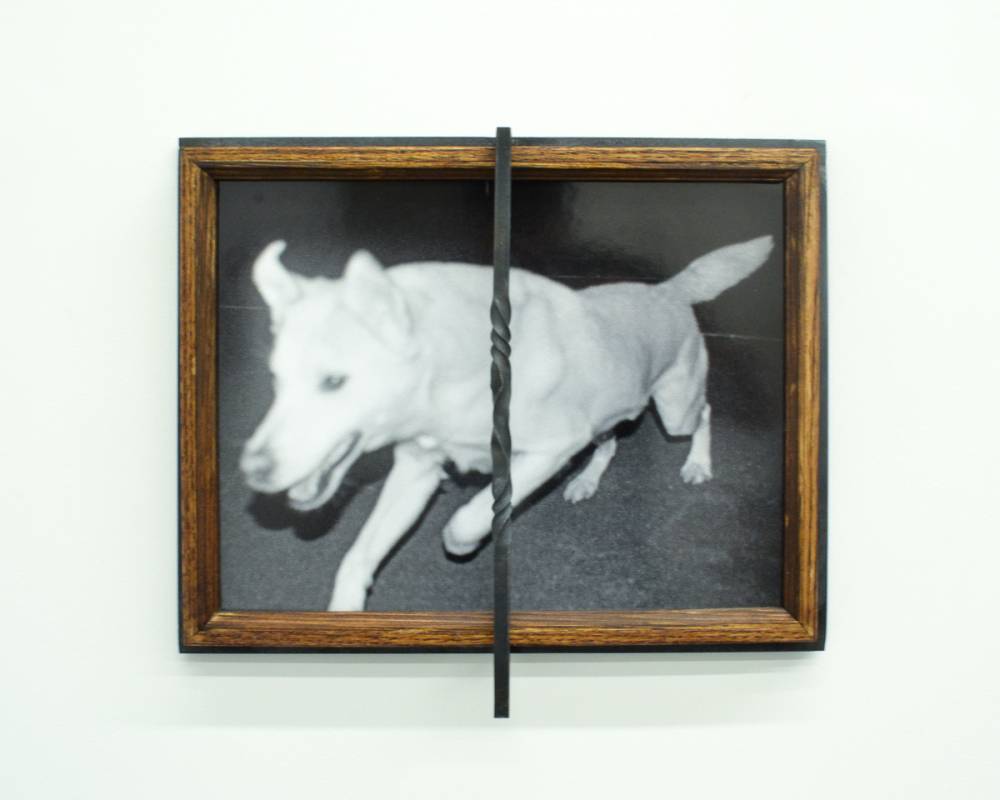
Private Images, Counter publics: in conversation with Marisa Kriangwiwat Holmes
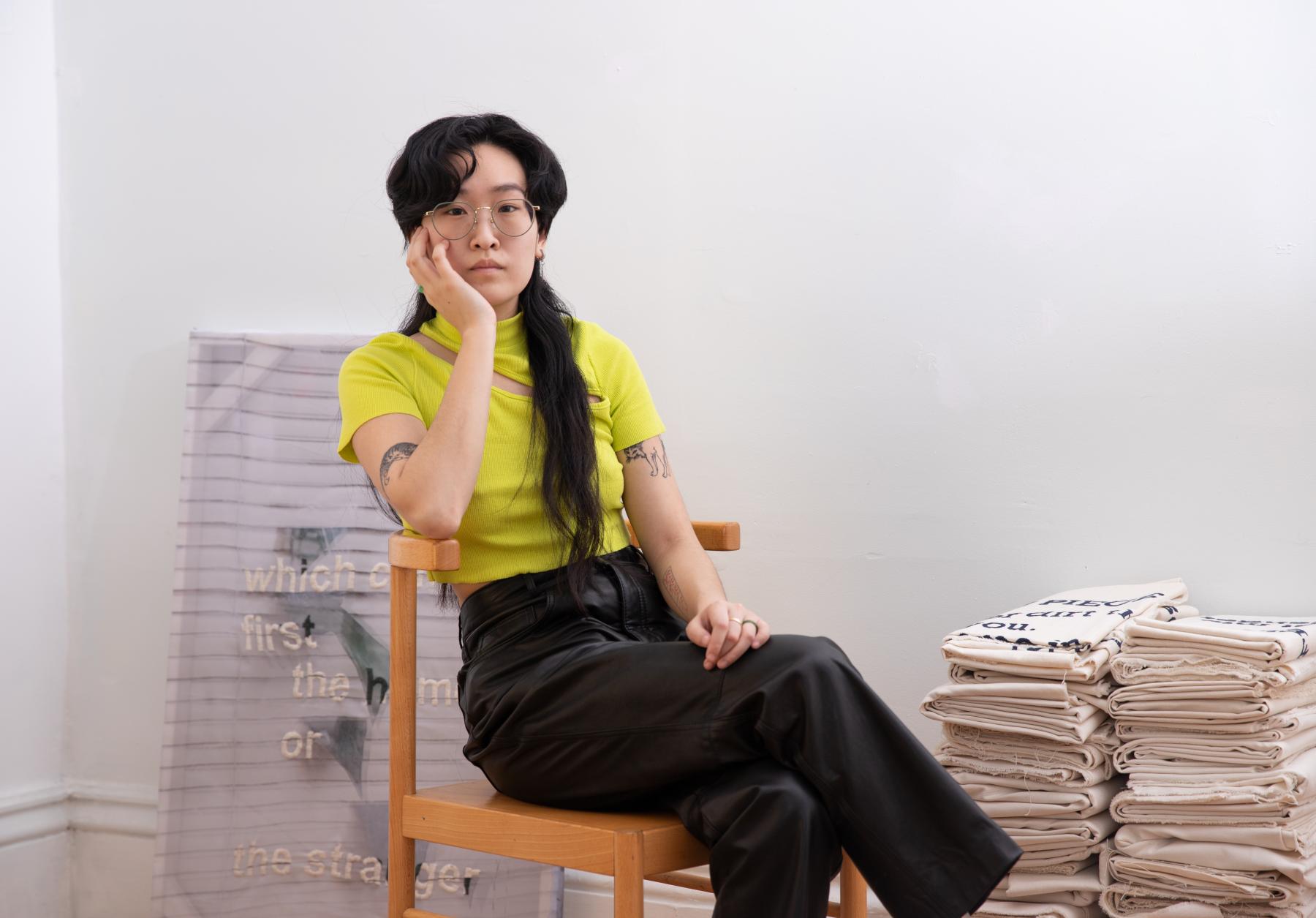
If there’s anything that captures the concept of “spectacle” famously theorized by Guy Debord in his 1967 text “The Society of the Spectacle,” it’s social media, followed closely by sporting events. “The decline of being into having, and having into merely appearing” constitutes the society of the spectacle, wrote Debord, who then aptly declared that commodity has colonized society. It’s a bit obvious for me to say that Instagram represents the manifestation of Debord’s words, but what isn’t obvious is the nuanced way that Marisa Kriangwiwat Holmes blends these concepts into her photographs, disorienting the viewer. Advertisements. Instagram grids. A race track. In our conversation, Kriangwiwat Holmes points…
Read More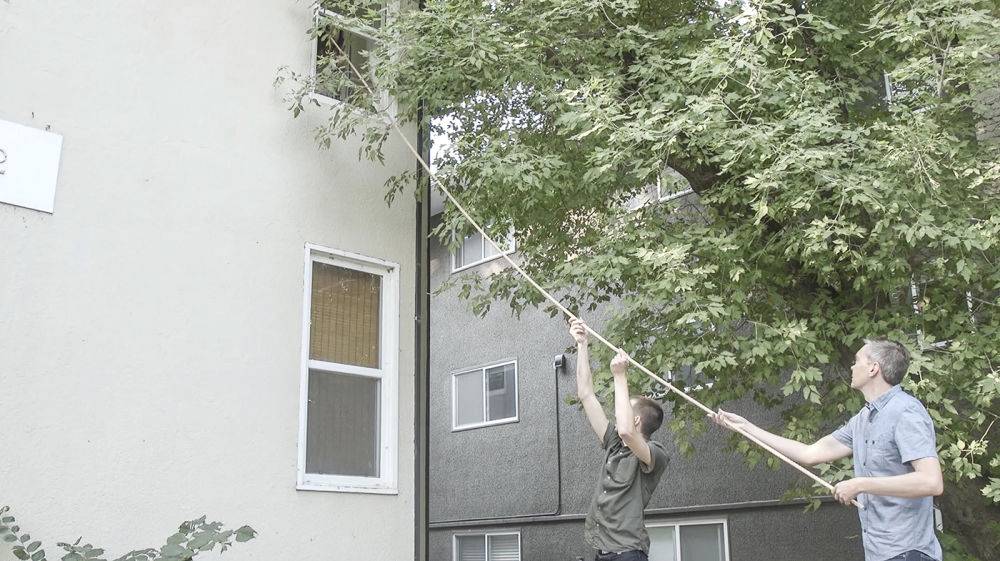
Successive lives of objects: in conversation with Julie Oh
Julie Oh relies on instinct; an uncritical trust of feelings elicited on a first encounter. The Saskatoon-based artist collects found objects which are often commonplace and recognizable to many, and then initiates a period of sustained engagement with them. Very little of the object will be physically altered during this time. Instead, Oh looks to isolate an encounter, providing the audience with an obscure and novel perspective. In this new light, it is almost as if the familiarity of Oh’s selected objects is exactly what makes them seemingly so foreign — it is a practice that lowers the partition between these…
Read More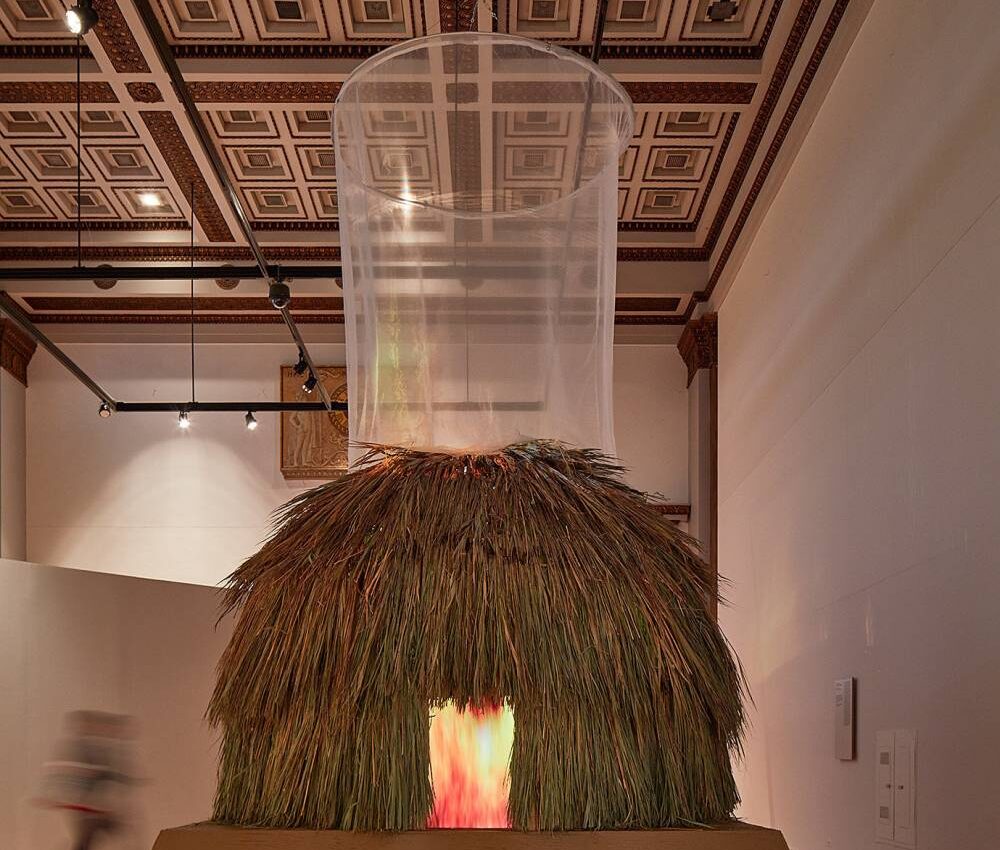
‘Indigenous Futurism is now’: in conversation with Santiago X”
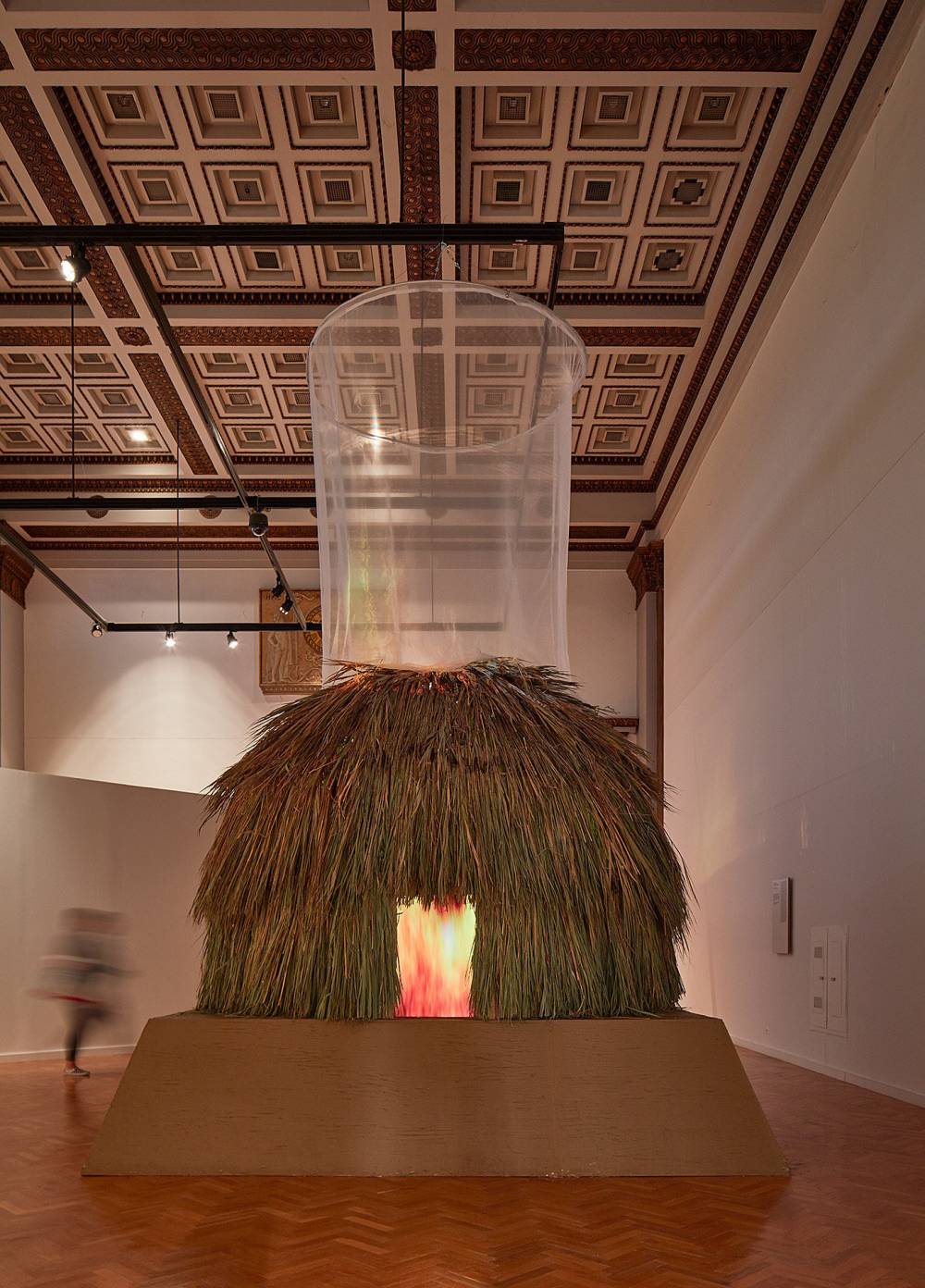
In recent years, the United States has finally started to formally acknowledge its volatile relationship to the original peoples of the land, despite their long protestation and resistance to erasure. In the U.S. and Canadian art worlds, this recognition, though late, has come with a host of reparative institutional tactics, some of which include the performance of printed and spoken stolen-land acknowledgments or dedicated space in exhibition calendars for Indigenous artists. Though these efforts are certainly worthwhile and should continue, it is important to note that they are merely first steps on a path towards the rematriation of land and…
Read More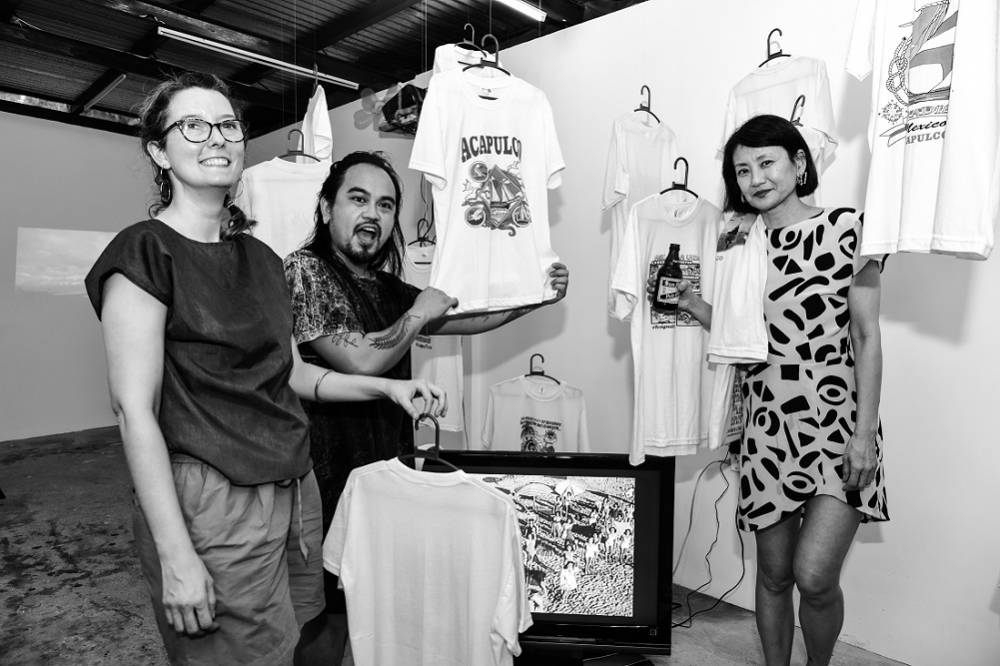
3rd Kamias Triennial: in conversation with the curators/organizers
With beginnings dating back to 2014 , Kamias Triennial (Quezon City, Philippines) has steadily created a formidable alternative to the flashy blockbuster art exhibition event. Though grown out of an independent mentality, it continues to thrive with the retained relations the organizers have fostered over the years with local artists and organizations in the host city. In its third iteration, the Triennial is a picture of what arises out of sustained collaboration and community interdependence within the limits of available resources. Hosted across several venues, this year’s offering gathers over twenty different artists and collectives with connections to over ten countries many of which will…
Read More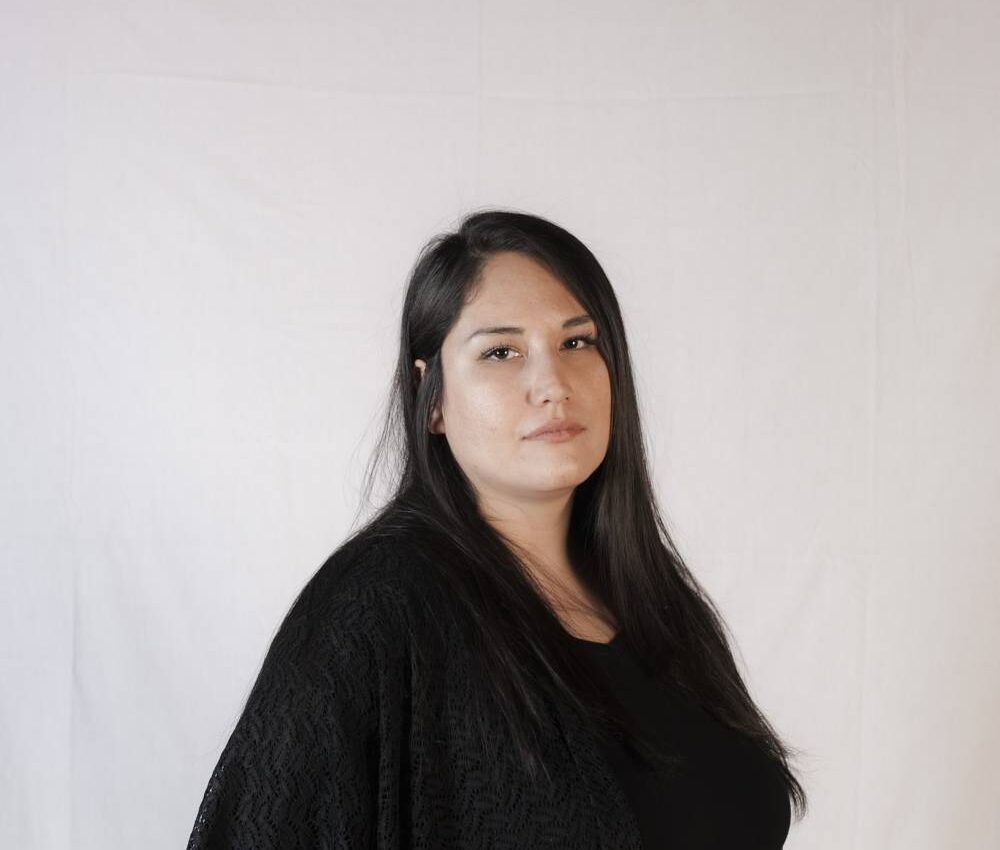
Sieving an Unwavering Voice Through Seven Translations: in conversation with Janell Henry
2019 was proclaimed the International Year of Indigenous Languages by The United Nations. Initiatives around the world were created to promote the learning and preservation of Indigenous languages, as well as to raise awareness on the language rights of Indigenous people. 2019 also reminded the world that violence towards Indigenous people, their cultures and their land is ongoing. It is significant that an international organization such as the UN could create a platform for the experiences of Indigenous people worldwide this past year, and of course, events around Indigenous languages, cultures, and rights continue to be organized. (To view some…
Read More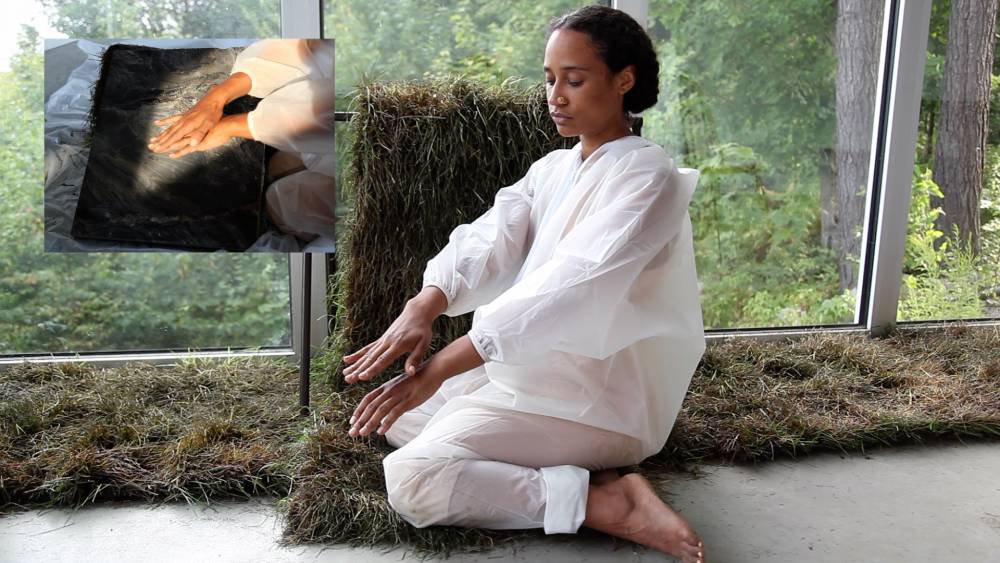
Rhythms of life, grief, and renewal: in the garden with Eve Tagny
Through the imperceptible wifi connections linking myself and Eve Tagny, I could feel her love, trials, and vast experience with plant life. Coming together over FaceTime conversations darting between Winnipeg, Montreal, and Johannesburg, from fall to early winter, we spoke at length in varying shades of brown and green. She mentioned her current favourite plants (one is Gunnera, for those wondering), we shared thoughts about the relationship between nature and trauma, and her meditations on the garden as a space of pause remain imprinted on my mind. In Tagny’s practice, natural, living materials act as mediums to disseminate the poignant feelings of…
Read More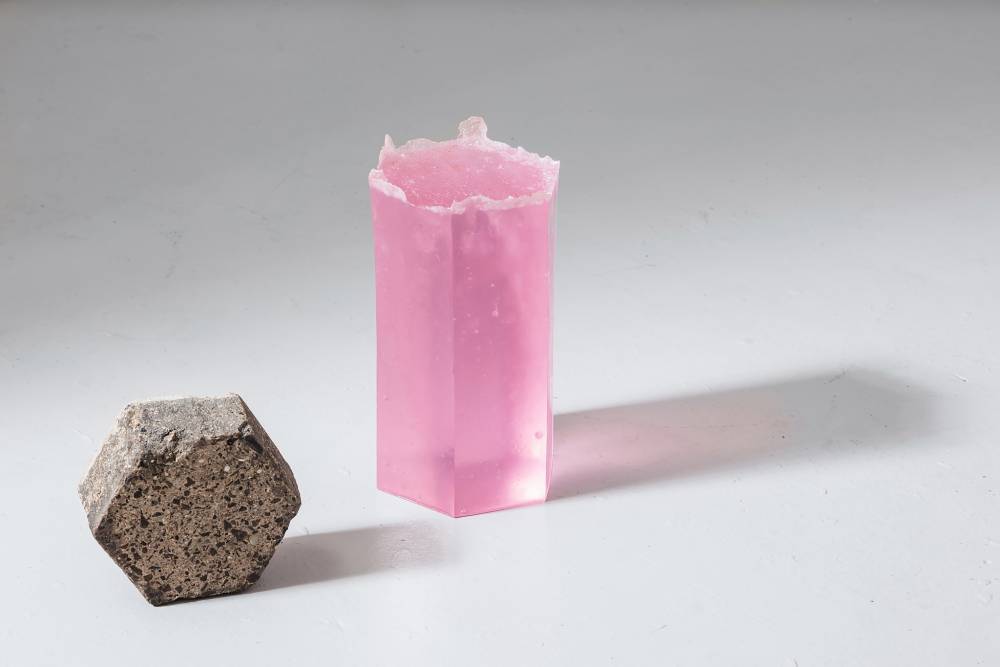
Updating the logic of the monument: in conversation with Susanna Jablonski
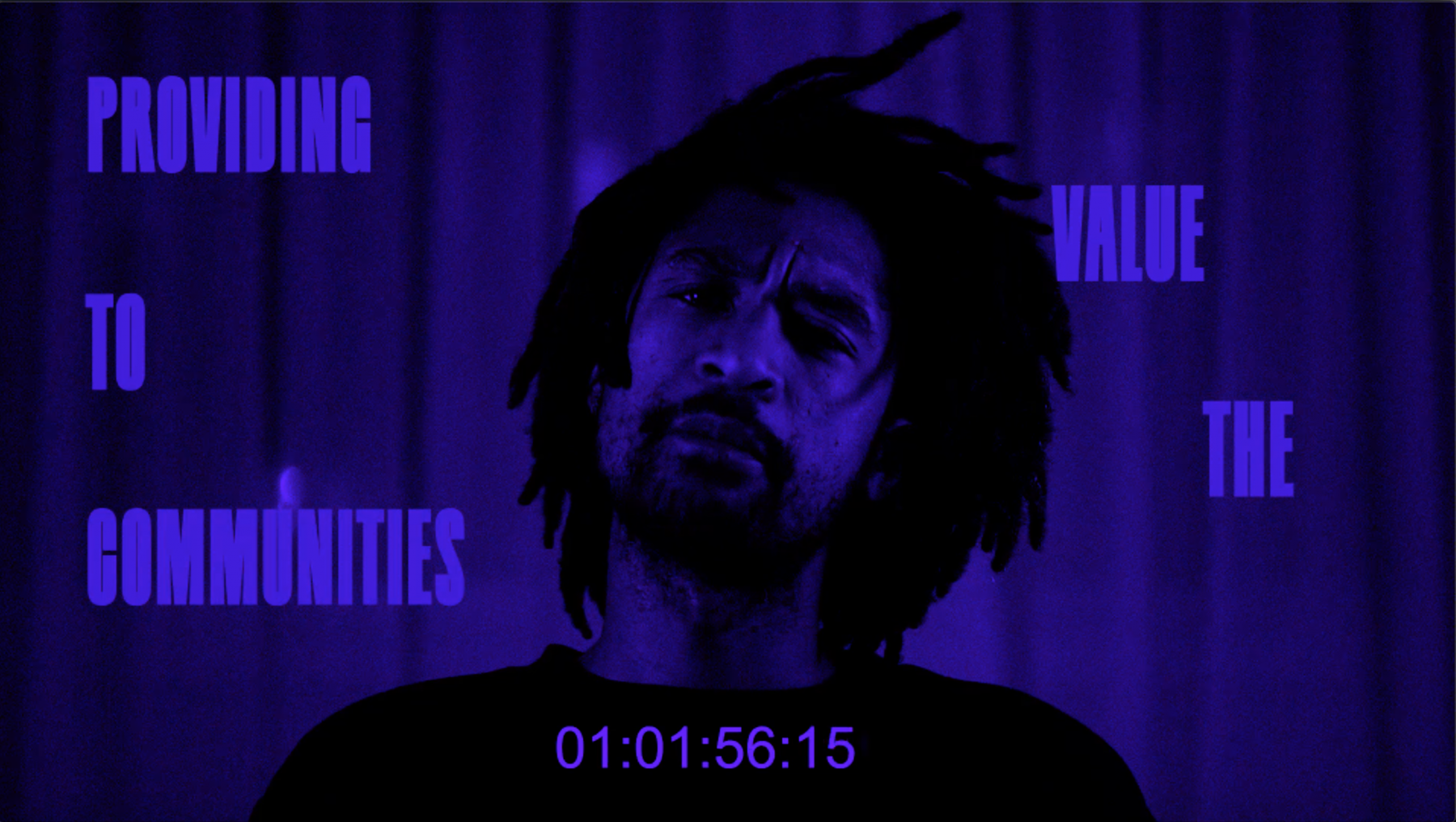
Susanna Jablonski is a Stockholm-based artist working with sculpture, moving image, sound and music to test the boundaries of materials, time, and human experience. She considers the tensions of interpersonal relationships in the collective, as mediated through objects, nature, historical consequences, and human-built systems. Jablonski is a frequent collaborator of artist and filmmaker Santiago Mostyn. And together with performance artist Cara Tolmie, she organizes an ongoing series of Listening Sets as part of their joint research project “Gender of Sound,” which hosts work by artists that support a practice of close listening with the participation of an audience (encouraging those with…
Read More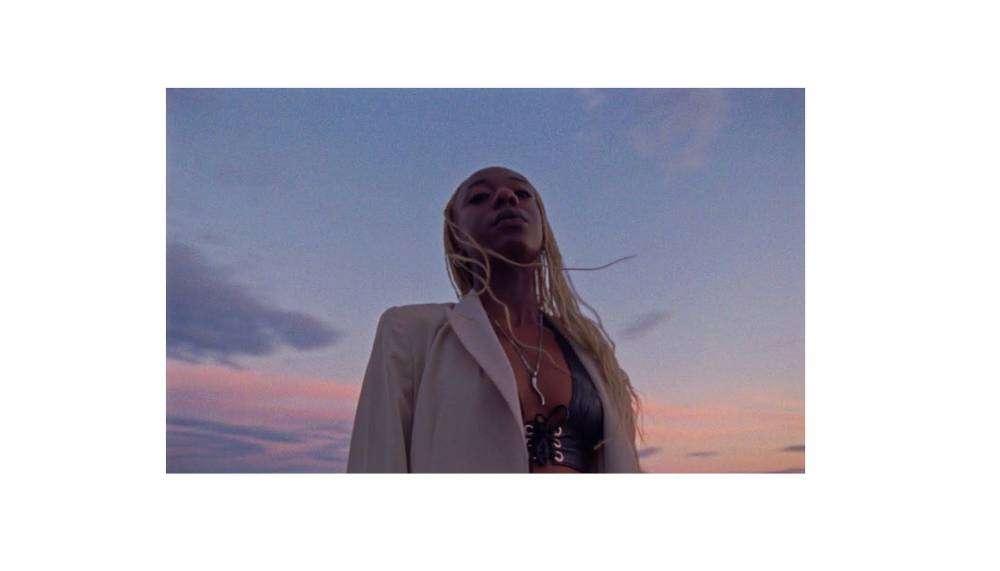
Hot noise and the shape of grief: in conversation with Debby Friday
Debby Friday is one of the most dynamic and multi-faceted performers I have been able to engage with. Her performances are electric, aggressive, and arresting but that is only one of a few mediums at her fingertips. A self-described experimentalist, her creative and intellectual palette spans wide, ranging from performance, writing, sound theory, and audio-visuals. We crossed paths years ago in Ottawa through a mutual friend. Although the encounter was brief, it has been wonderful to witness the evolution of her creative practice since then. From the beginning of her DJ days in Montreal to the leap into recording and…
Read More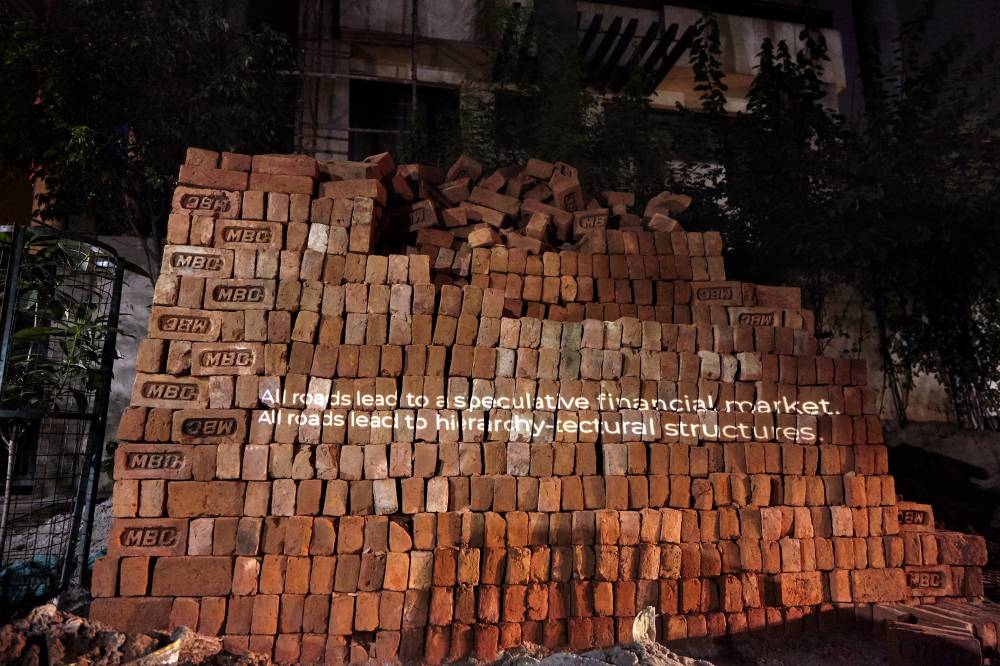
Hanging on a Pendulum: Ayesha Singh’s Notes on New Delhi
When I started reading about Ayesha Singh’s work, I was also reflecting on utopia in relation to localized aesthetics and ‘global’ migrations. I had just visited Jonas Meskas’ posthumous exhibition, Let me dream utopias, at Rupert in Vilnius and circled in the exhibition essay: “‘Real utopias,’ Mekas claimed, ‘may only be found within one’s small closed village evoked with the specific mouth muscles of one’s mother’s tongue.’” In our interview, Singh and I never got around to asking each other the name of our ancestral village, but I think (and I hope) we felt the pulse of the ghost muscle linking her…
Read More