
Archive
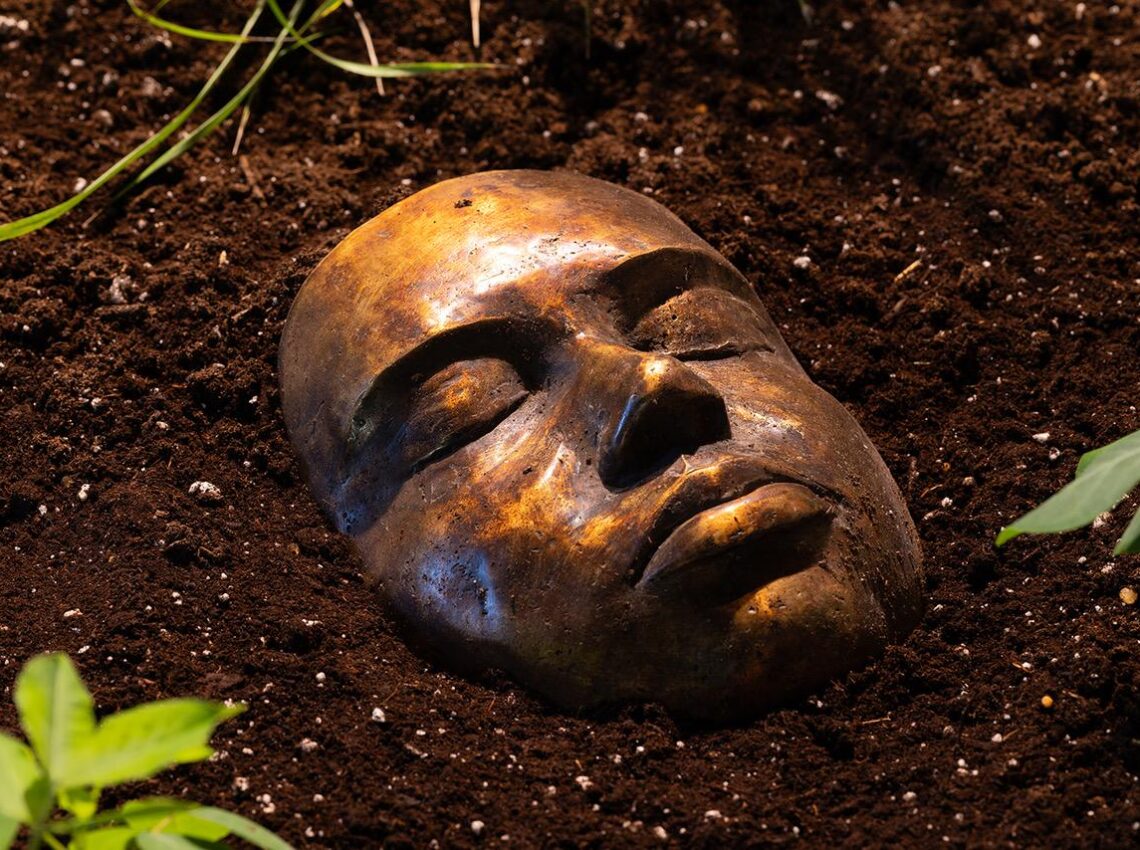
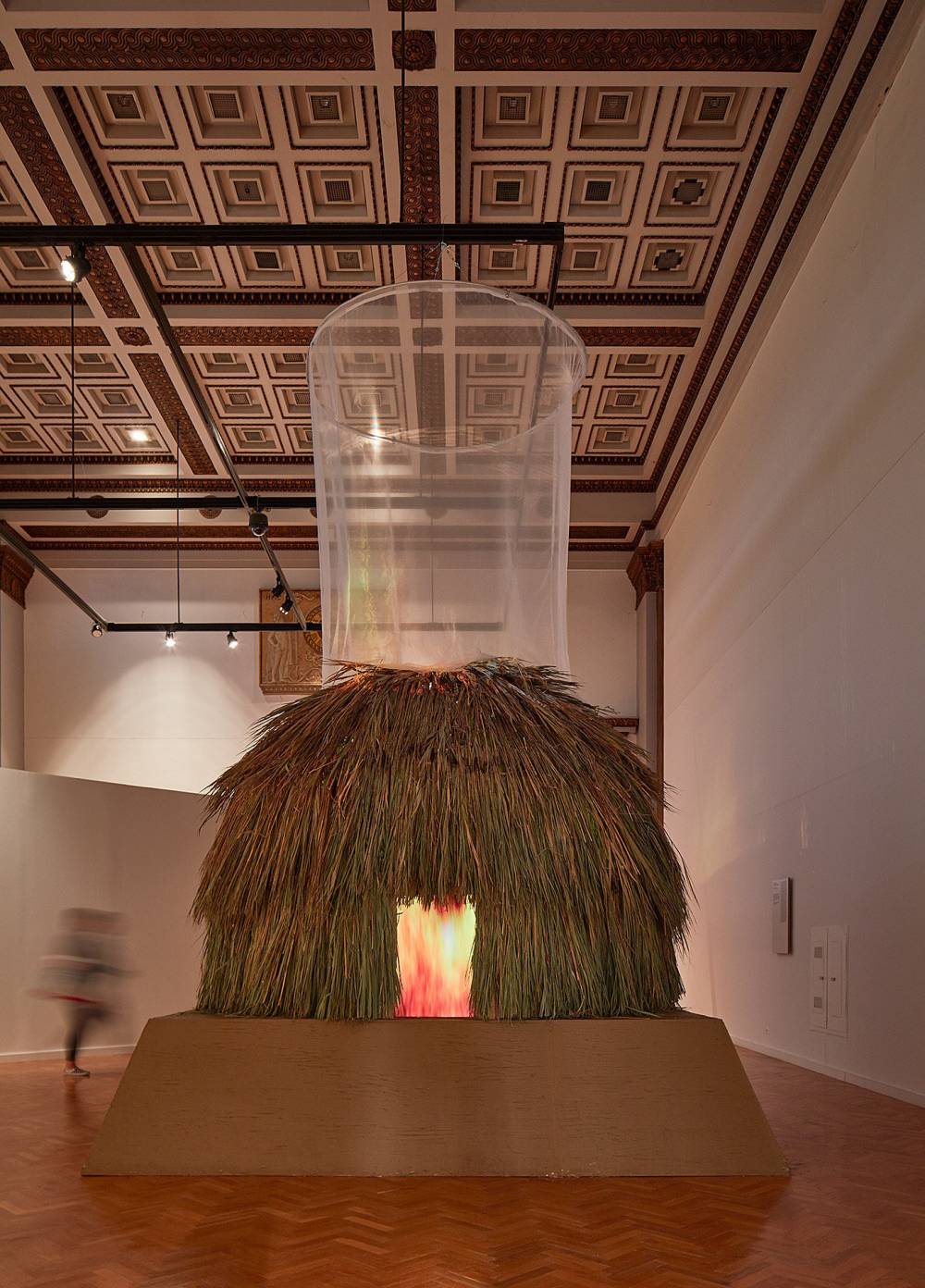
Between Soil, Spirit, and Archive: in conversation with artist Mallory Lowe Mpoka
I have always known Mallory Lowe Mpoka to be an artist who refuses to be limited by one medium. Her work presents her ideas through a unique artistic perspective and visual language, seamlessly merging image-making processes, textile, and ecological material. The result is something entirely new and incredibly interesting. Presented during the MOMENTA Biennale de l’image 2025 in Montréal, The Matriarch: Unraveled Threads marks the first solo exhibition of the Cameroonian-Belgian multidisciplinary artist. Working across diverse mediums, Mpoka’s practice explores the material and emotional landscape that continue to shape diasporic identities across and beyond the African continent. At the center of the…
Read More
A necessary anchor for political transformation
TORONTO 2024 — At the Dinner Table “Watch out for your hate, you do not want it to turn into what happened to Jewish people in Europe.” These words are uttered by a friend after I share that lately I have been carrying a sense of enmity towards Israel. My good friend and I are sharing a meal on the carpet of my overpriced rented studio apartment. We are in Toronto, a city with barely any redeemable qualities, to me, a Montrealer by way of Palestine. After spending close to a decade in the city-state of Istanbul, to me, Toronto…
Read More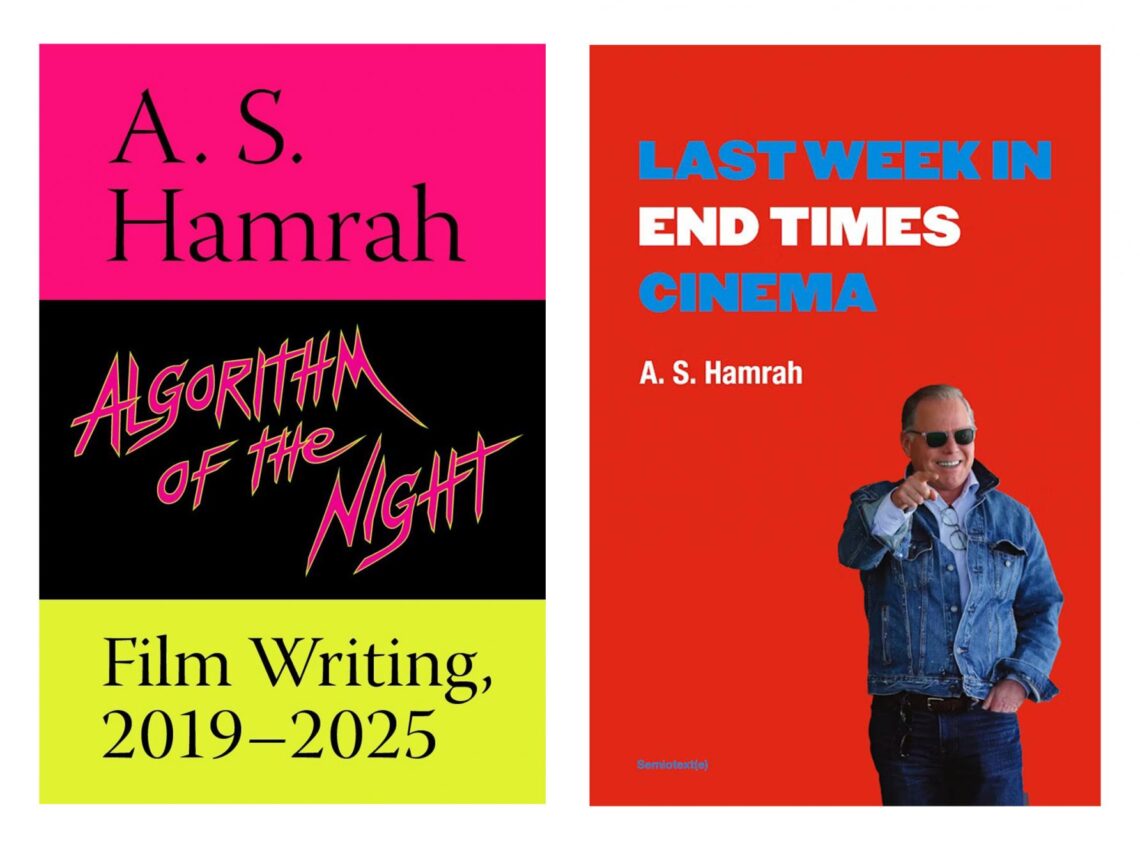
A film critic for critical times: in conversation with author A.S. Hamrah
A few nights ago, I went to a screening of Letter to Jane, the 1972 essay film by Jean-Luc Godard and Jean-Pierre Gorin. Speaking with the audience over Zoom after the film, Gorin said, “There used to be critics.” He recalled how, in the 60s and 70s, filmmakers could actually be in dialogue with others about their work. “Today, the only critic I can think of is A.S. Hamrah.” For several decades, the writer A.S. Hamrah has contributed to publications like n+1 and Bookforum. His criticism is laser-focused, unfazed by the soft language used all the time by corporately owned entertainment outlets. Hamrah has the unique…
Read More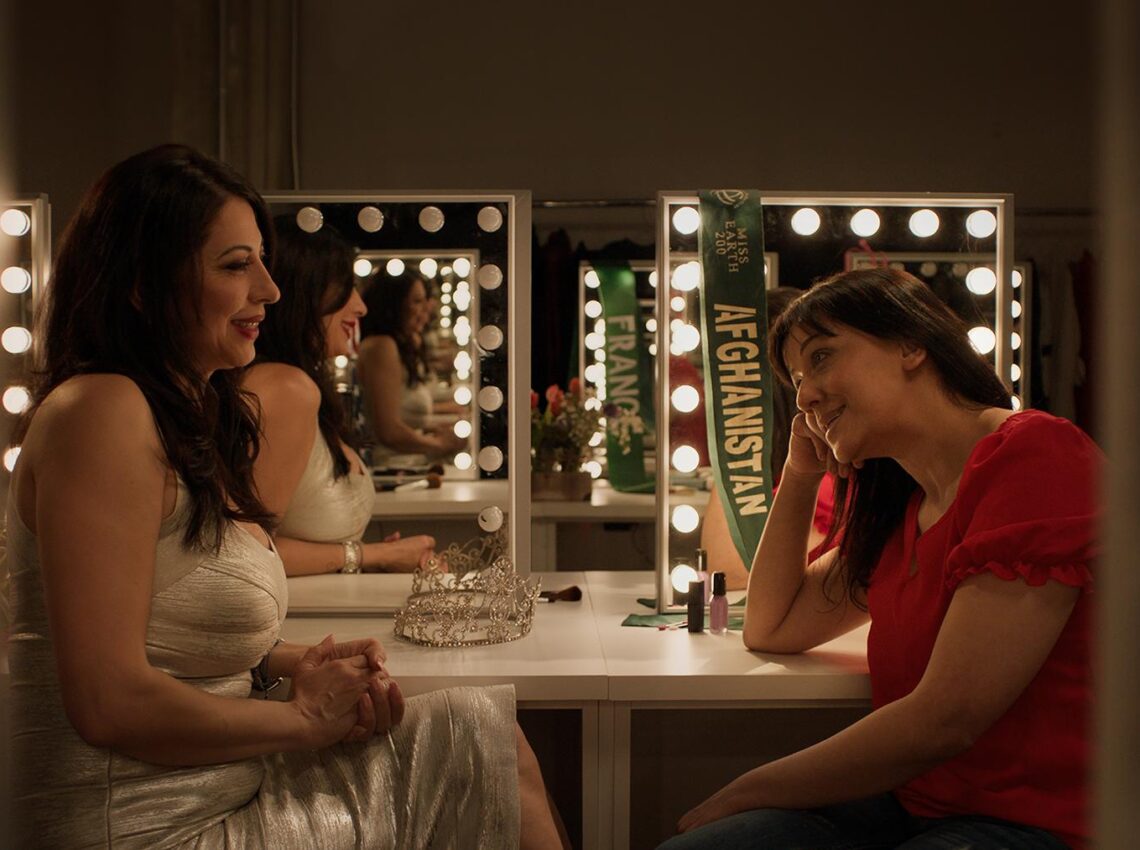
A sensory memory: in conversation with writer-director Brishkay Ahmed
From Zero Dark Thirty to Homeland and news reports, Afghanistan is frequently depicted through a familiar visual and auditory vocabulary: fast-paced shaky camera footage, violence and chaos, torture, and the markers of breaking news. In the Room, a documentary that premiered at the Vancouver International Film Festival in October, pierces through with a gentler approach, subverting expectations. Early in the festival, director Brishkay Ahmed and I met over Zoom for a 40-minute conversation about using sensory memory and reenactment to tell this story, her profoundly moving on-screen conversations, and how the struggle of Afghan women is intertwined with the rest of the globe. One thing…
Read More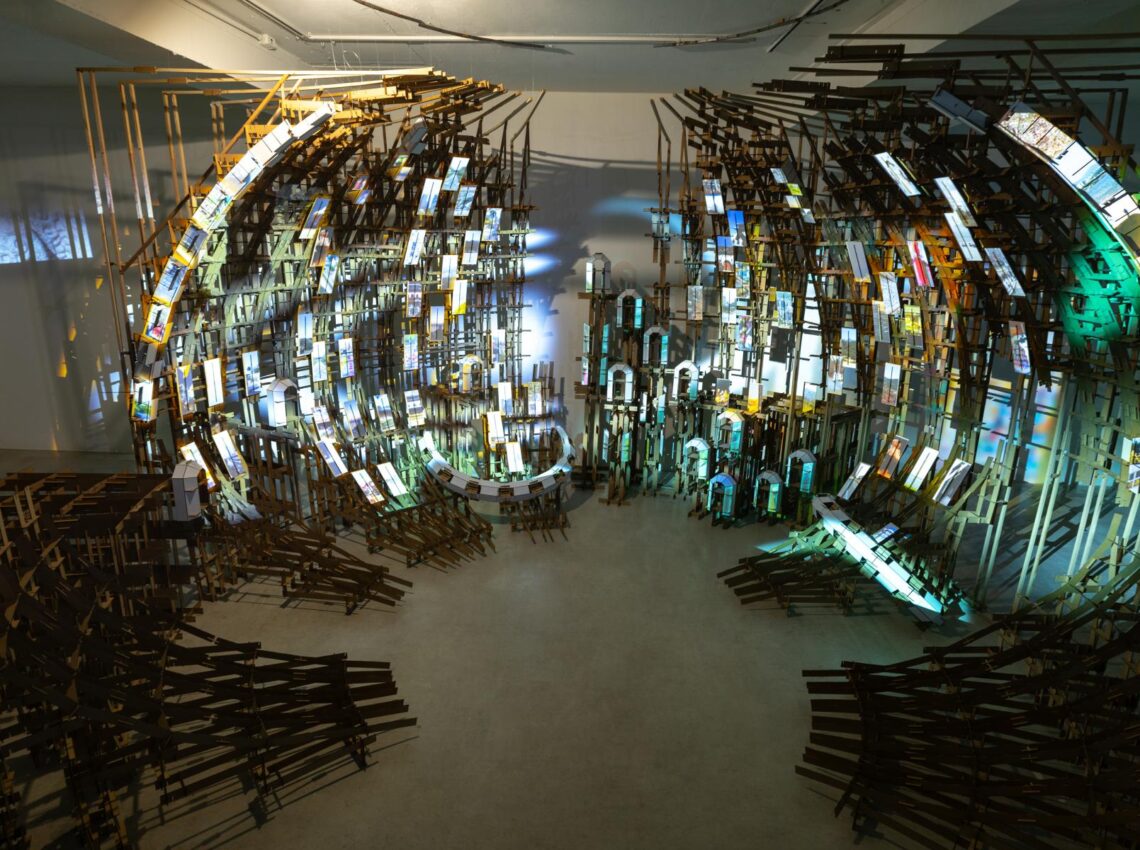
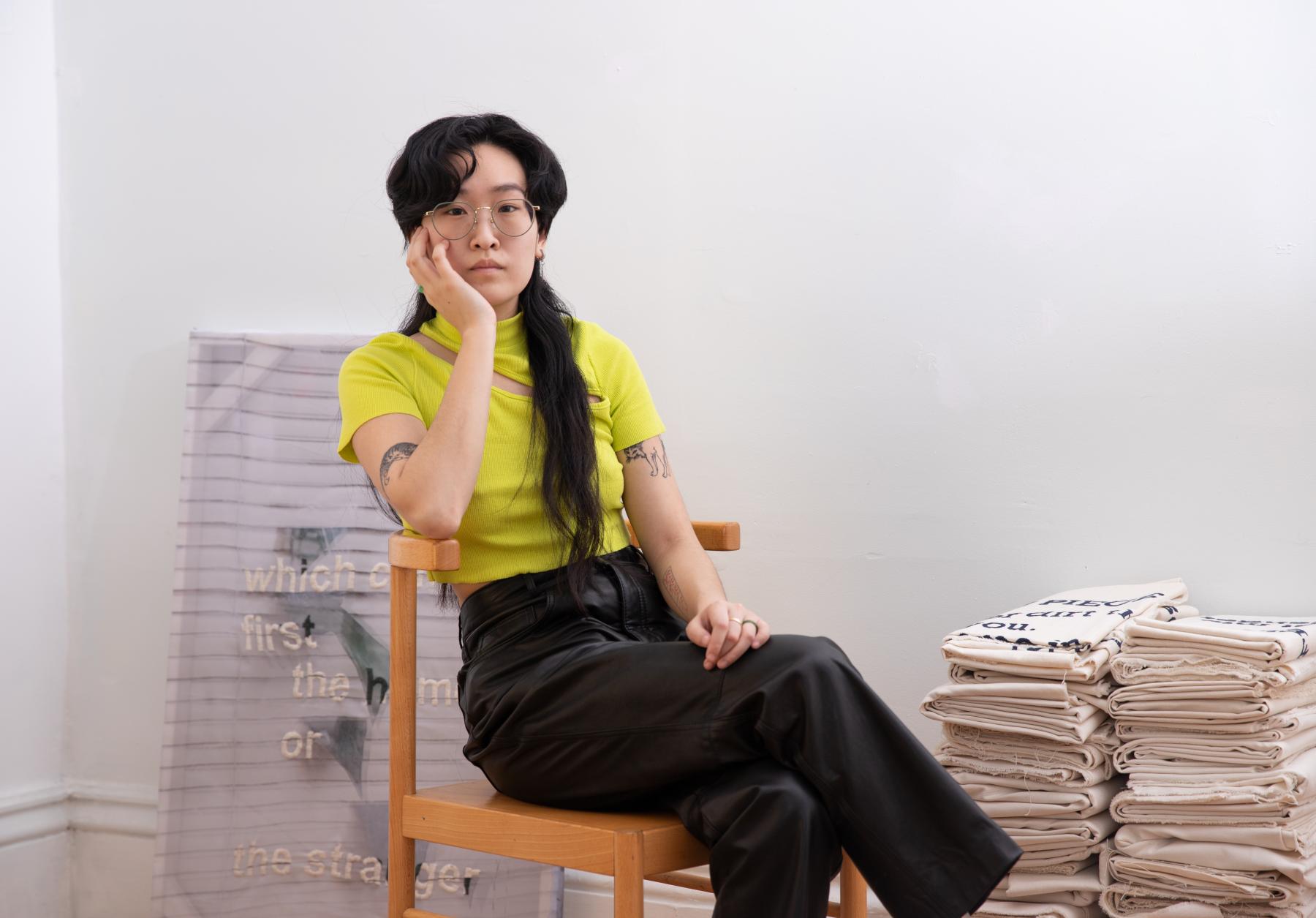
Glitching the user-friendly interface: in conversation with artist Yehwan Song
Hundreds of phones, tablets, and video projections flash in dissonance. Water cascades over touchscreens, tapping, swiping, and scrolling through websites and apps. This endless flow of information animates the hypnotic whiplash of Yehwan Song’s multimedia installations. A Korean-born, New York-based web artist with a background in UX/UI design, Song stages dystopian fantasies of the digital world that subvert the notion of “user-friendly.” Saturating screens with fragmented images of her own body, Song leans into glitch aesthetics (or glitches), seeking out the loopholes and flaws that most interfaces work to conceal. Through immersive installation and interactive performances, Song hacks the design…
Read More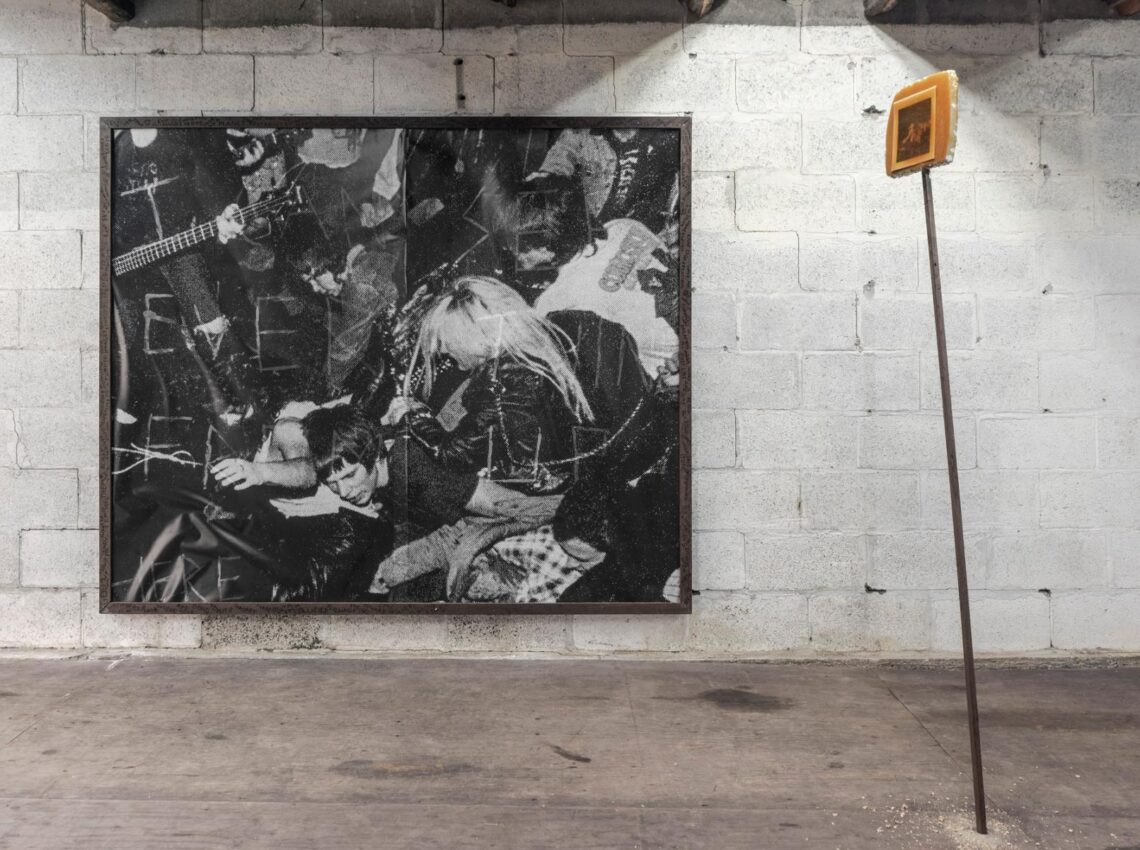
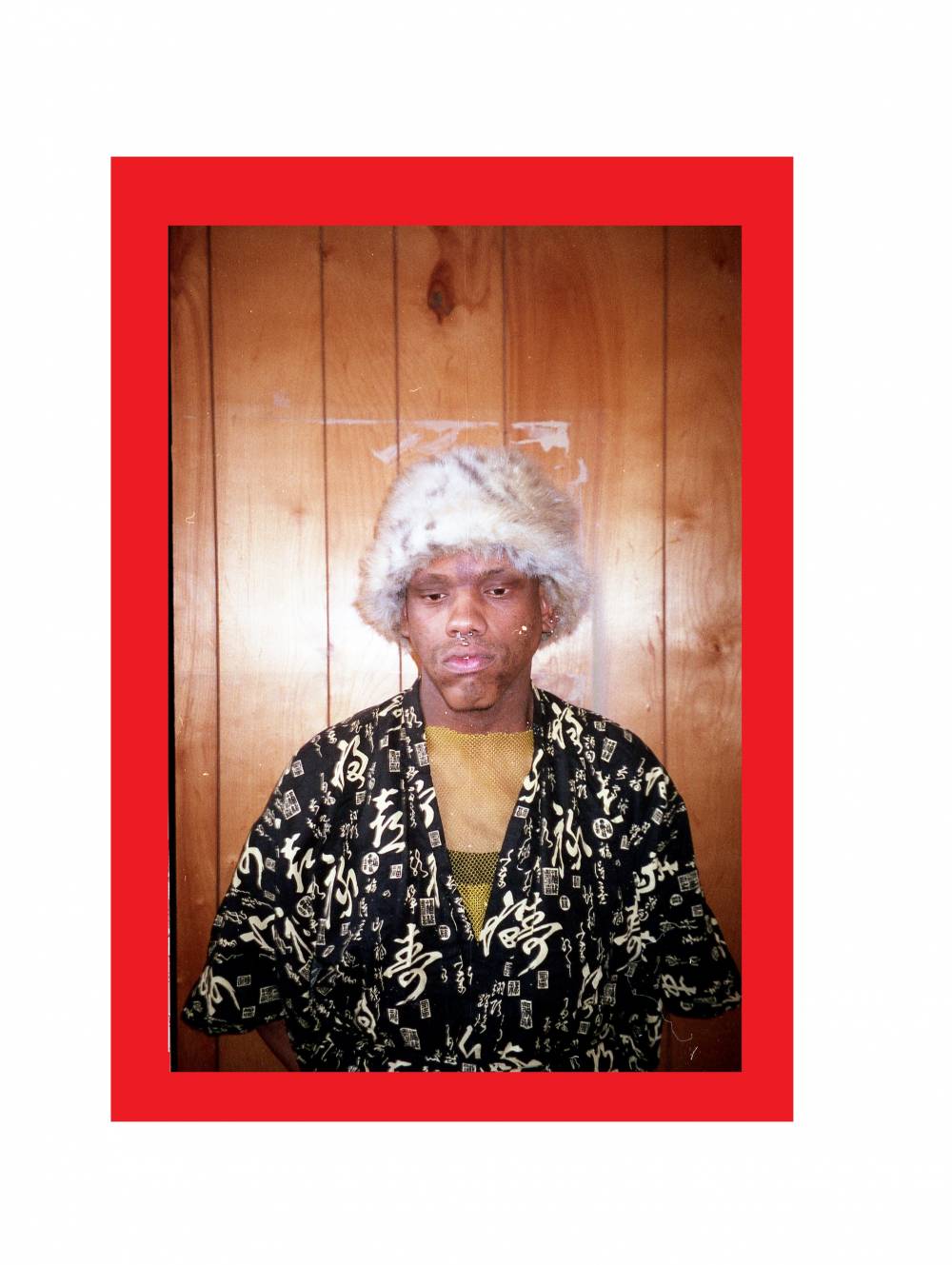
An interpretable gap: in conversation with lens-based artist Nabil Azab
If there’s anything I have gleaned over the course of my engagement with the work of lens-based artist, Nabil Azab, it is that there is a liberatory quality in the act of denial. Azab’s approach to photography rejects the long-canonized idea that the photograph is a neutral documentation of truth, or of the world “as it really is.” Azab’s approach is an eschewment of the idea that the photograph has to of anything recognizable—a refusal of the notion that the poetic quality of the photograph has to emerge out of an imagined naturalism, which operates as a stage for the interplay of…
Read More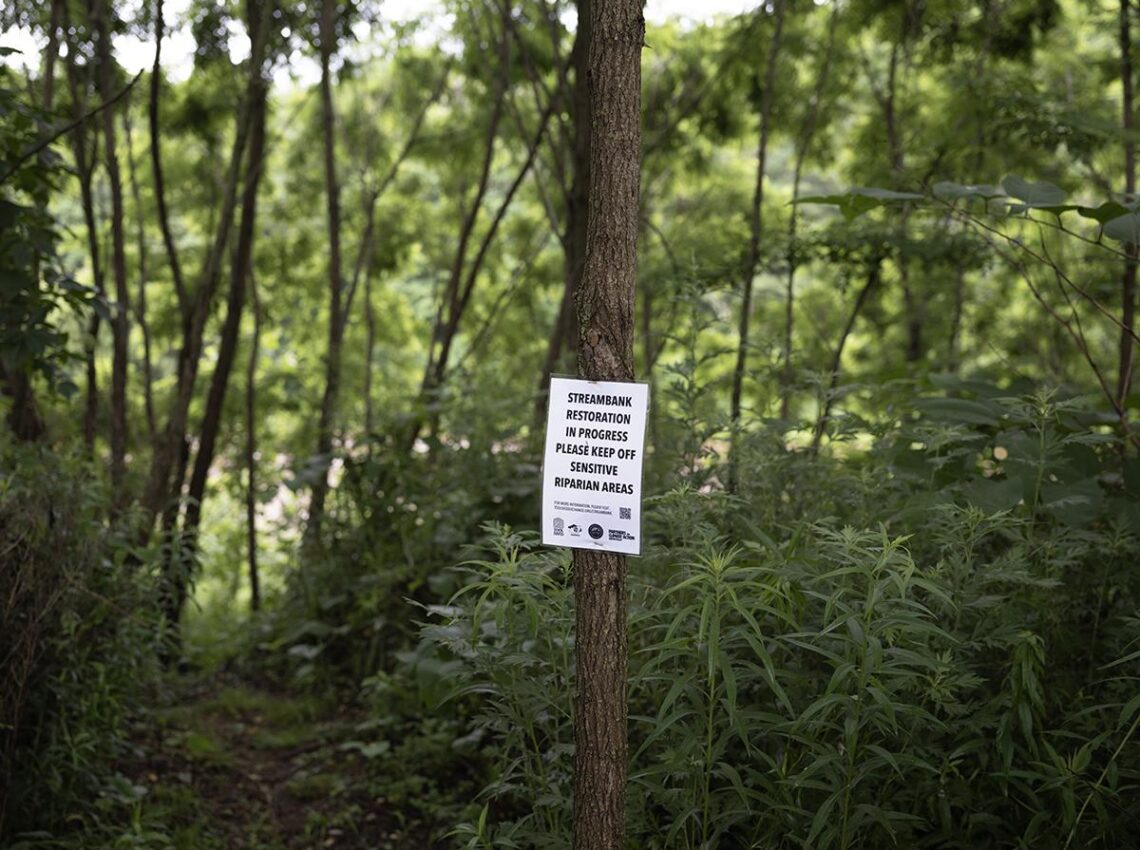
An Overgrown Door
When the biologist Charles S. Elton coined the term “invasive species” in his 1958 book The Ecology of Invasion by Animals and Plants did he know his language would change the imagination about the dangers introduced species could bring? Right at the introduction he eagerly elucidates a nightmarish vision: “It is not just nuclear bombs and wars that threaten us, though these rank very high on the list at the moment: there are other sorts of explosions, and this book is about ecological explosions.” And he goes on to describe the horrors of plant invasions (along with bacterial, viral, and animal). And…
Read More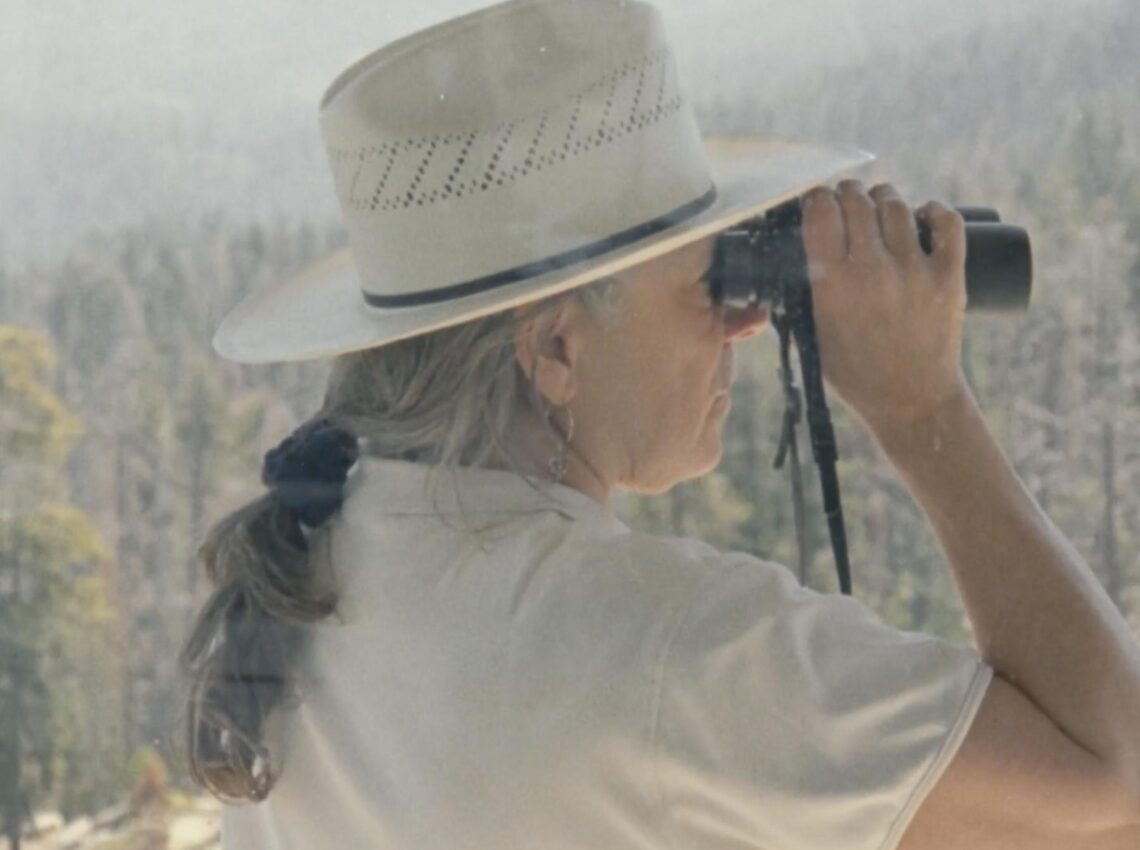
Speaking through smoke: in conversation with filmmaker Armand Yervant Tufenkian
In my experience, small film festivals geographically far-removed from the US often offer the most thoughtful curation of its cinema. With little, or even zero, pressure to cater to American studios and distributors, their programs function as a more adventurous barometer of the state of the nation than whatever Hollywood deems important enough to share with the public. I approached covering this year’s edition of the Paris-based documentary festival, Cinéma du Réel, with this in mind, excited for and open to unknown gems within its lineup of daring nonfiction cinema. My greatest personal discovery was the feature debut of Armand…
Read More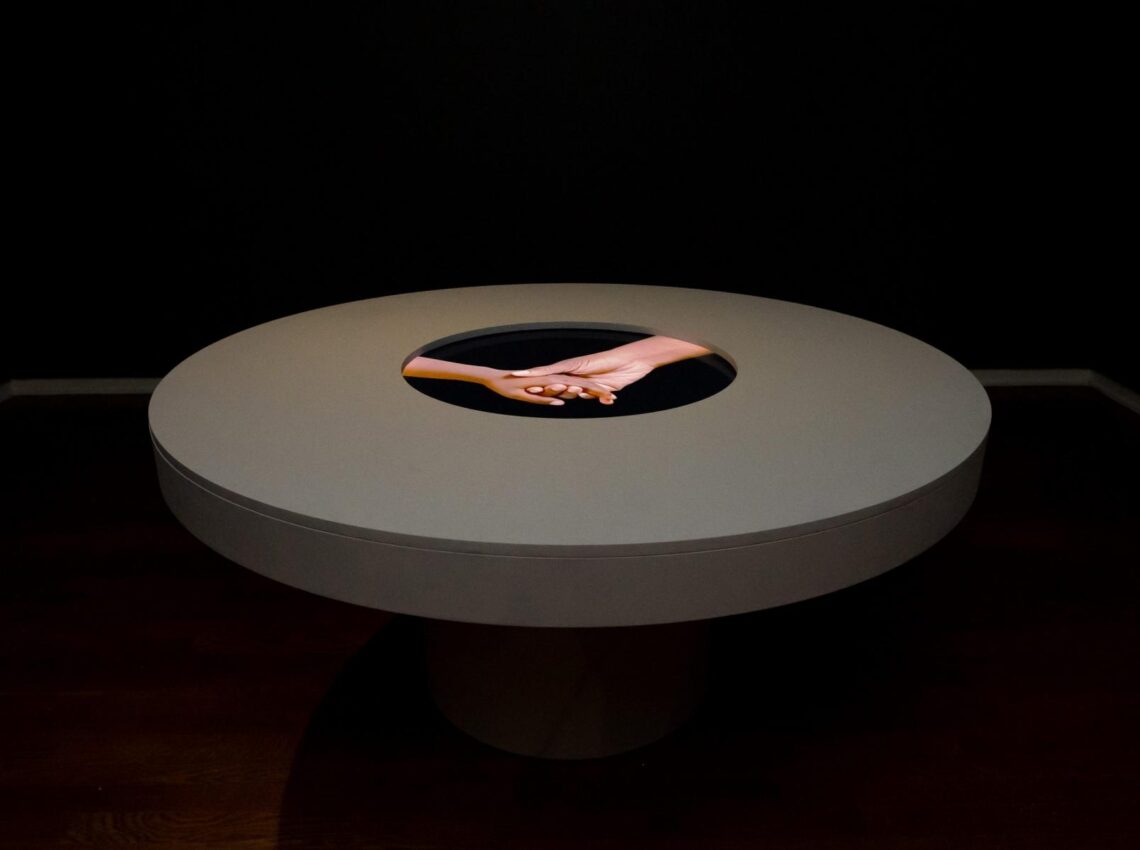
Verging Tripartite: Camille Turner’s “Otherworld”
Camille Turner’s multi-modal solo exhibition Otherworld occupied the entire expanse of University of Toronto’s Art Museum, transforming architectures of space and time into labyrinthine configurations suggestive of both the brutal lived reality of transatlantic slavery and its afterlife, as well as its fabulated futures. This liquid-like exhibition, curated by Barbara Fisher, mobilizes oceanic poetics, and calls for a poetic response, as prosaic prose falls short translating its fluid permutations. Beyond breaking this essay into three parts to aid contextual submersion, I will lace my response to this exhibition employing an errant method of building synapses of thought, attempting to correspond to the artist’s…
Read More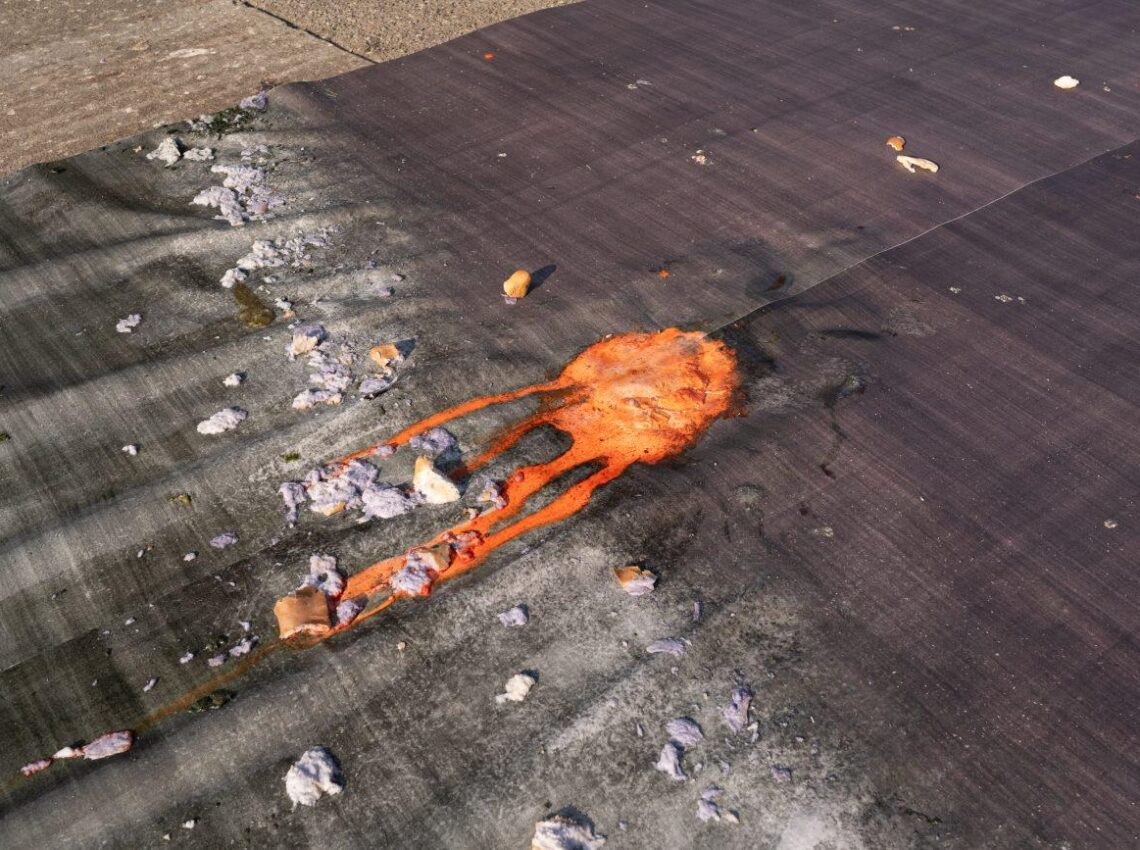
Pissing as Praxis
Urine is to be flushed and forgotten, concealed through elaborate infrastructures that buttress modernist fantasies of the human body as a sealed-off and self-contained vessel untainted by waste. And yet in the disavowal of the messy by-products of embodiment, these very systems attest to the transgressive threat of bodily fluids, which expose the ultimate limitations of control. Urination—like defecation, perspiration, regurgitation, ejaculation, and lactation among other subtle and less subtle mechanisms of release—constitutes a mundane performance of corporeal porosity. Breaching the illusory boundary of the skin, urine evokes the necessarily dynamic constituency of ecologically enmeshed bodies. The slippery ontological status…
Read More