
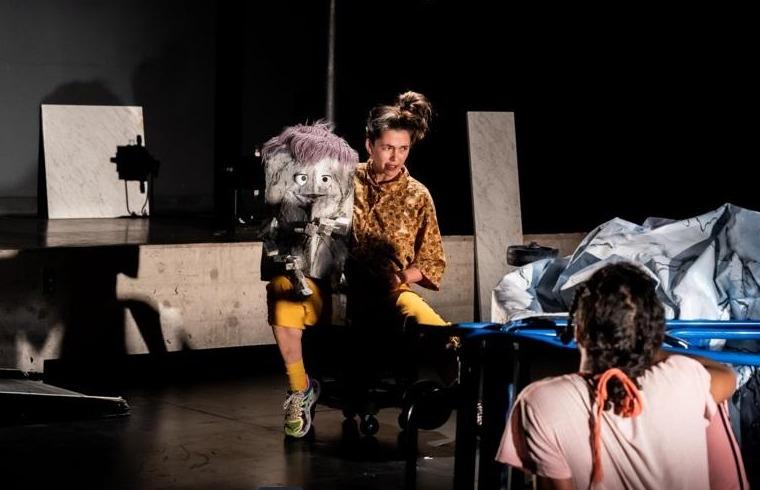
Archive
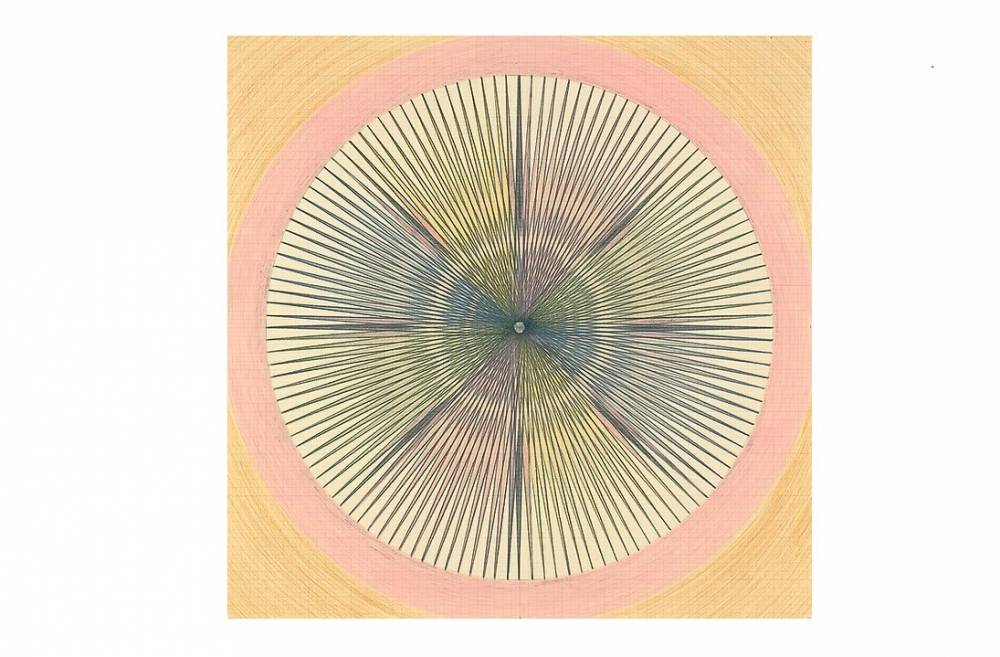
“like a bell, or tuning fork”: in conversation with poet and interdisciplinary artist Danielle Vogel
In this conversation, I speak with Danielle Vogel—poet, interdisciplinary artist, practicing herbalist, ceremonialist, and professor at Wesleyan University. Over the past 20 years, Vogel has written and published four poetry books that engage embodied poetics, feminist ecologies, somatics and ceremony. Our focus here is her most recent work, A Library of Light, published in 2024, which I first read in 2025, during one of the most intense winters in Montreal. It arrived at a time when I was seeking something I couldn’t quite name. I was so moved by the way Vogel writes through grief—not around it, not away from it, but through…
Read More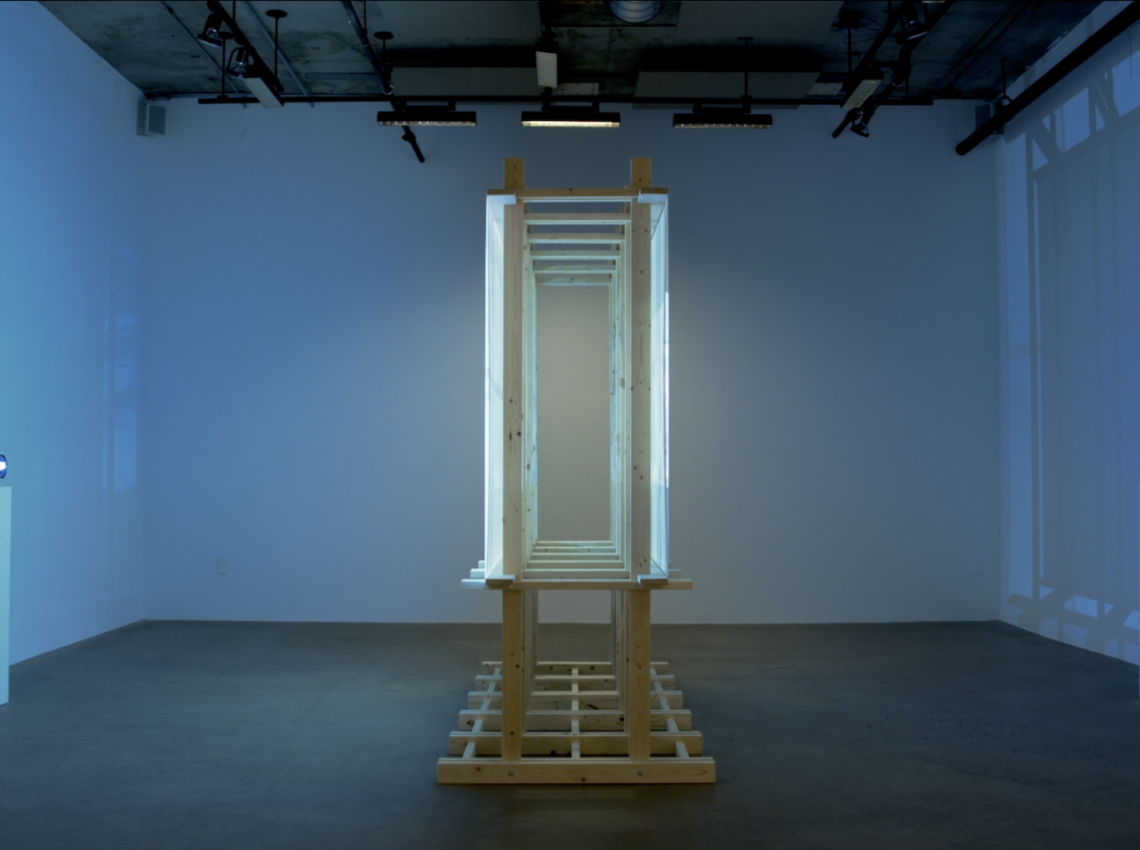
To Bury a Shadow: on monica maria moraru’s The Foundation Pit
Throughout the Balkans and Southeastern Europe there is a popular folktale that describes the tragic, sacrificial immurement of a woman to ensure the successful construction of a building. From Albania to Georgia, around 700 variations of the myth exist, including “The Bridge of Arta” in Greece, “The Building of Skadar” in Serbia, “Clement Mason” in Hungary, and “Master Builder Manole” in Romania. Though the constructions in these tales vary from bridges, to fortresses, to monasteries, they share the same basic narrative: a man sacrifices a woman against her will in order to create the foundation upon which a structure can be…
Read More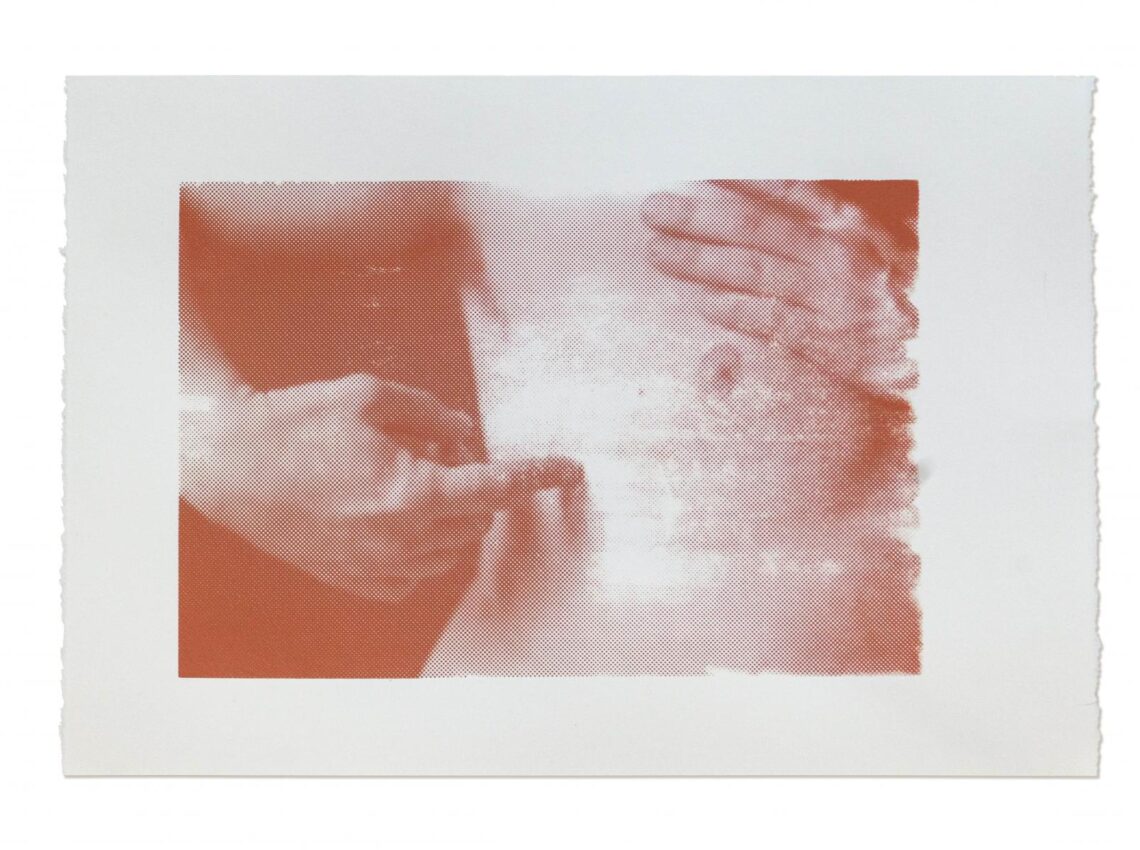
AFTERLIFE: in conversation with ESO MALFLOR
I met multidisciplinary artist ESO MALFLOR in Minneapolis while I was an artist in residence at Dreamsong Gallery in 2024. When we met, they told me about their land-based practice and recent experiments with clay. I also had recently started working with clay, making small ceramic sculptures to 3D-scan into a virtual world, while MALFLOR had been using clay in drawing and performance. They described their performance Equilibria (2023), in which they covered themself and the performance space with a full tonne of clay. Accompanied by violinists Arlo Sombor and Creeping Charlie, they made micro-movements over an hour while the clay slowly…
Read More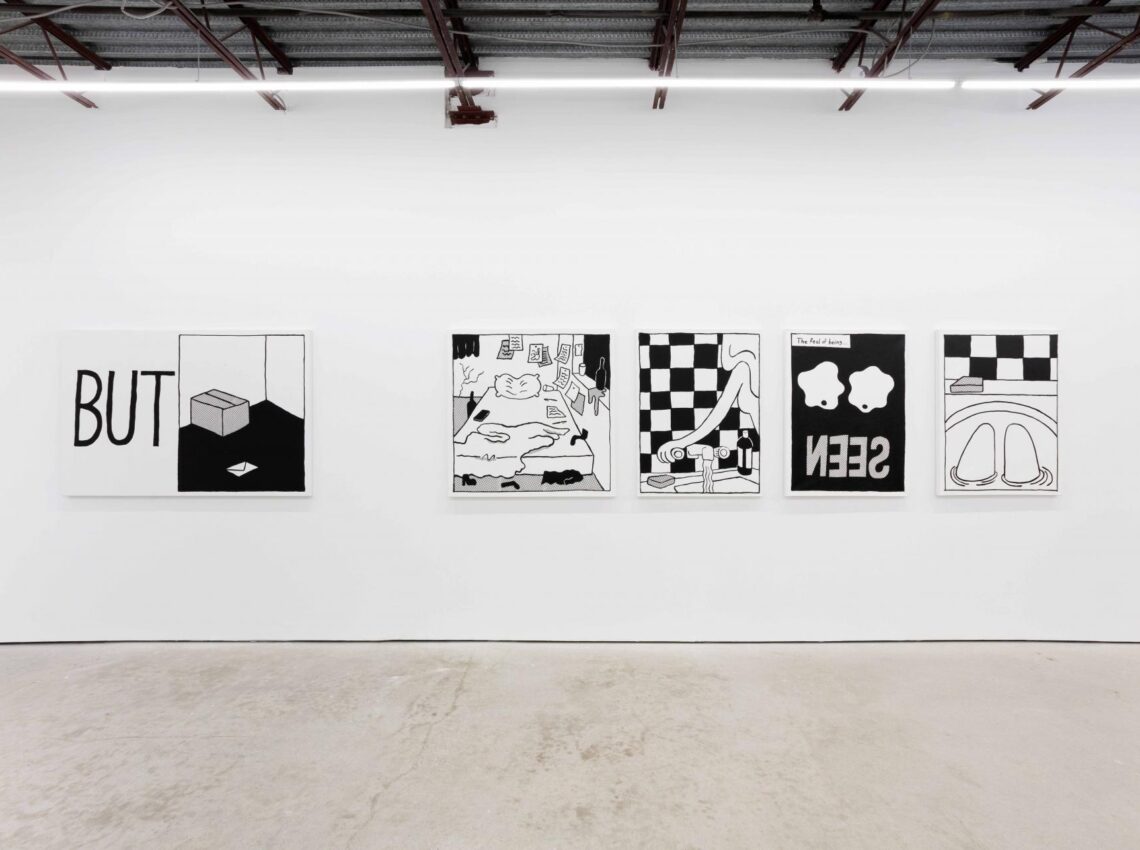
“figurelessness of the figure”: in conversation with the artist Walter Scott
Almost twenty years since being introduced to Scott McCloud’s Understanding Comics, a few of its pages still regularly come to mind. One panel in particular, in which a face is progressively whittled down to its simplest graphic form, two dots and a line, has really stuck with me. The narrator asks, “WHAT IS THE SECRET OF THE ICON WE CALL – THE CARTOON?” And in the next panel, “WHY – ARE – WE – SO – INVOLVED?” McCloud poses a question to the reader about why this brutally diminished form is still so “acceptable” to us – why, rather than estranging, it can open up a…
Read More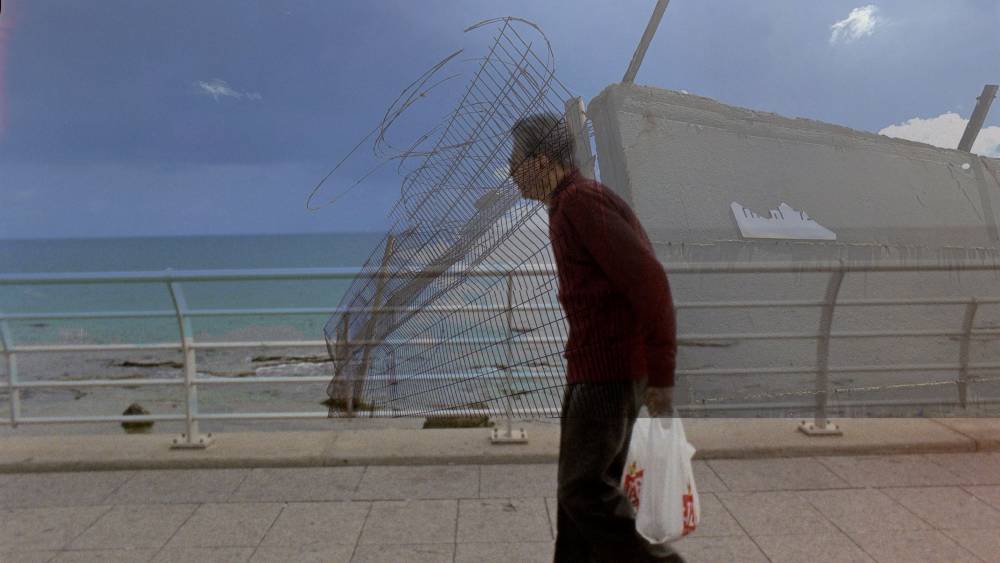
To keep the remembering going: in conversation with filmmaker Razan AlSalah
The conversation that follows below began in the fall of 2024, shortly after I saw Razan AlSalah’s film A Stone’s Throw at Prismatic Ground, an annual festival dedicated to expanded documentary and avant-garde film, curated and run by Inney Prakash. AlSalah is a filmmaker and teacher based in Montreal. What I am drawn to with AlSalah’s work is her ability to pull us into an image, or have the image spatialize our cinematic experience in a way that feels tactile, immersive, moving, and expansive. Her work engages the material implications of image-making, particularly through the layering of multiple narratives and the branching…
Read More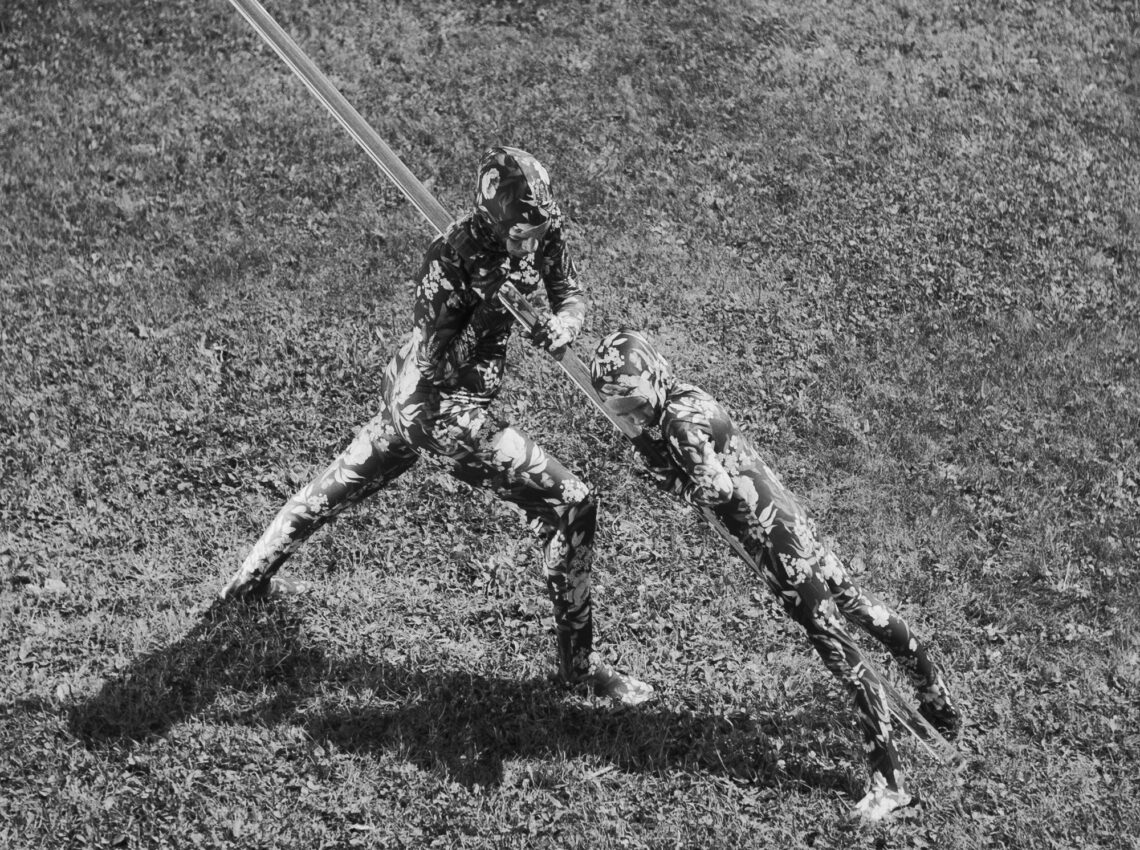
Profiles: on the life and work of artist Dominique Rey
Over the past few years, artmaking became an extension of parenting for Dominique Rey. She created matching costumes for her and her children, Madeleine and Auguste Coar, and would set up a camera for a period of what she called ‘intentional play.’ In doing so, Rey captured images honouring the relationship between mother and child. I first met Rey at her studio in the Point Douglas neighbourhood of Winnipeg, where she invited me over for tea after I reached out about this article. After months of researching her work, I was running late and worried I was making a bad…
Read More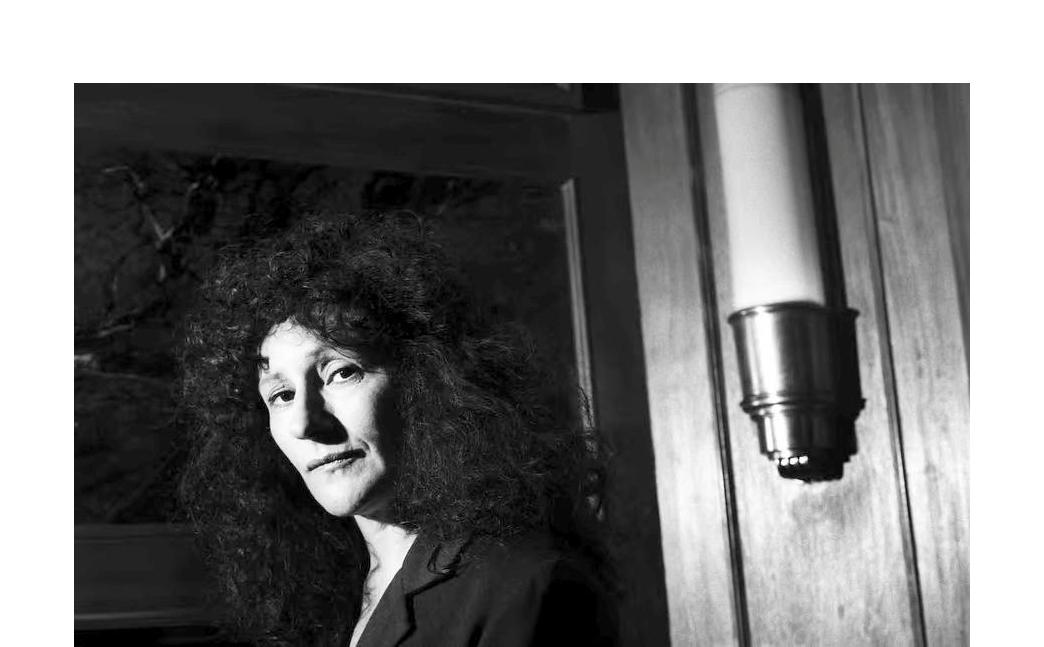
To make a life of writing: in conversation with writer Lynne Tillman
Lynne Tillman writes books–novels, short stories, essays, criticism–that continuously provoke thought. Since the late 80s and the formation of the New Narrative movement in American literature, Tillman has created a body of work deeply engaged with art, culture, history, ourselves, and our relationships with one another. The first book of hers I read was her 2018 novel Men and Apparitions about an ethnographer named Zeke who studied family photographs. Tillman’s seamless blend of found images, commentary and aphorisms on pop culture, and a narrator naturally inquisitive about others so hooked me that I spent my summer after college reading it so slowly,…
Read More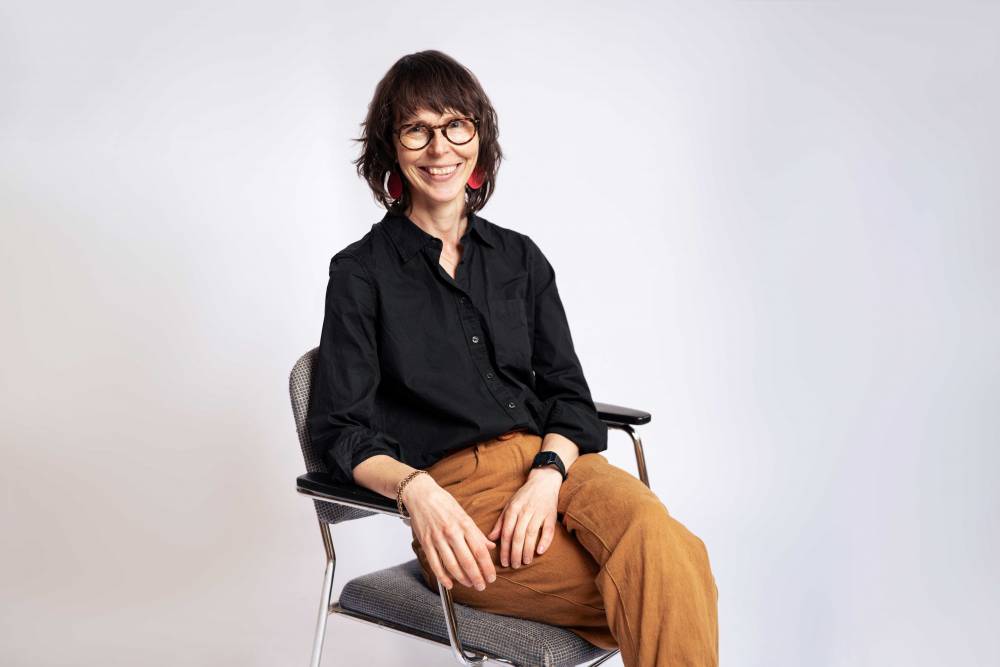
Curiosity and connection as practice: The enabling experiments of hannah_g
Hannah Godfrey was working at the Cube Microplex in Bristol when she first realized she was an artist. Training to be a 35 mm projectionist—“it took me about seven years,” she jokes—in the Cube’s “anarchic” environment provided the perfect, scrappy setting to experiment creatively. For someone who didn’t go to art school, the Cube offered an incredible “sense of possibility.” Putting on exhibitions, booking bands, and screening alternative cinema, she was learning how to make things happen while trying them herself. “You could do anything,” she recalls fondly. She was part of a noise band that only ever played in…
Read More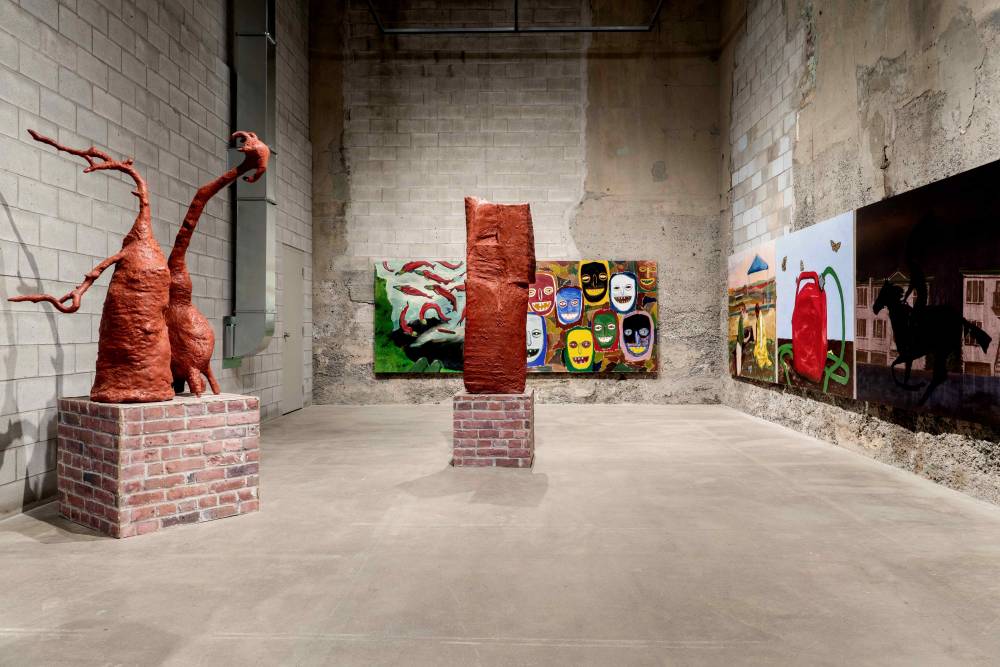
Old voices coming through: on the work and life of artist Joseph Tisiga
When I arrive at Joseph Tisiga’s home in Anjou, a neighbourhood in Montreal’s far East End, he is outside smoking a cigarette and scrolling through his phone. “The world news is hitting a higher octave these days,” he says in greeting, his dark brown eyes widening as he takes another drag. There’s a weariness in his voice that hints at a deeper exhaustion. Perhaps its the weight of a mind continually processing the world in complex ways. Or simply the strain of parenting a young toddler. Conversations with the Kaska Dena artist tend to mirror the tone of his work:…
Read More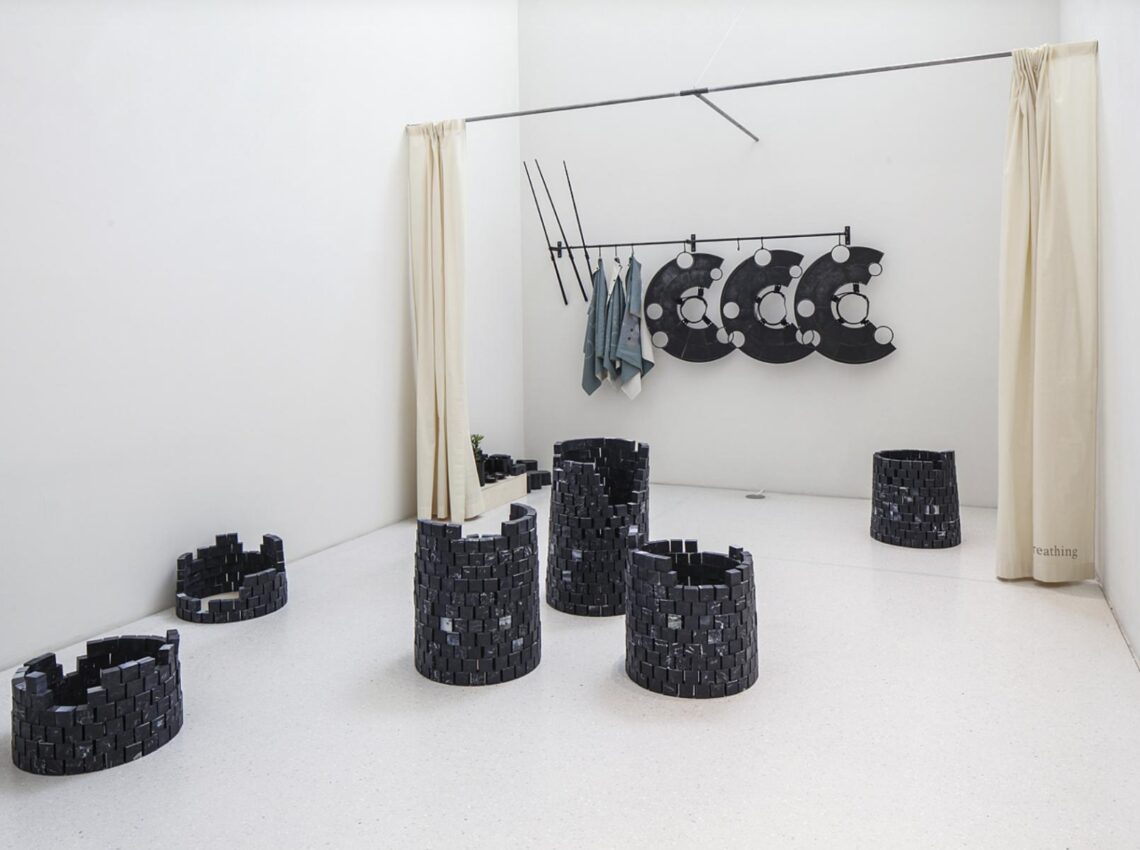
A brief survey on soap in recent contemporary art
Soap: the most quotidien of the quotidien; also, a nearly 120 billion USD global industry1 playing both to aspirational consumerism and anxieties of contamination as a reminder of the messiness of our mortal bodies; also, a crystallization of hygiene as a category far exceeding health-related concerns as a phenomenon tied to constructs of race, class, gender, and sexuality; also, art. Soap has appeared as a motif throughout art history—from seventeenth-century Dutch oil painting to twentieth-century Surrealist photography—yet the past three decades have marked a shift from the visual representation to the direct incorporation of soap in installations charged with familiar sensory resonance….
Read More