
Archive
“She can toy with her own dissolution”: in conversation with writer Lisa Robertson
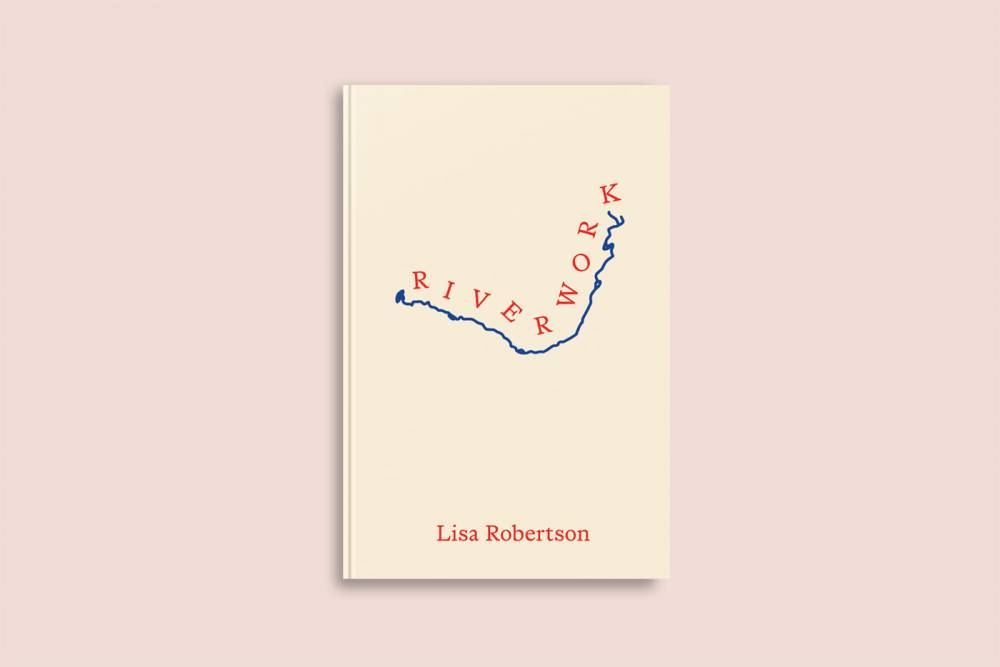
Lucy Frost, the narrator of Lisa Robertson’s brilliant new novel Riverwork, is a woman in her sixties: she’s a self-professed “failed poet,” “a hag.” She’s a “scoffer and a scrawler,” “a fibber, and a snipper, a doubter, and a haunter of shame.” She spends her mornings slowly reading the memoirs of Chateaubriand, just ten pages at a time, such that she may experience “the sensation of personally containing the duration of the book.” She spends her afternoons cleaning the homes of Paris’s professoriate class, and her long, sleepless nights reading, sifting thru, and transcribing the notebooks and bundles of paper, the…
Read More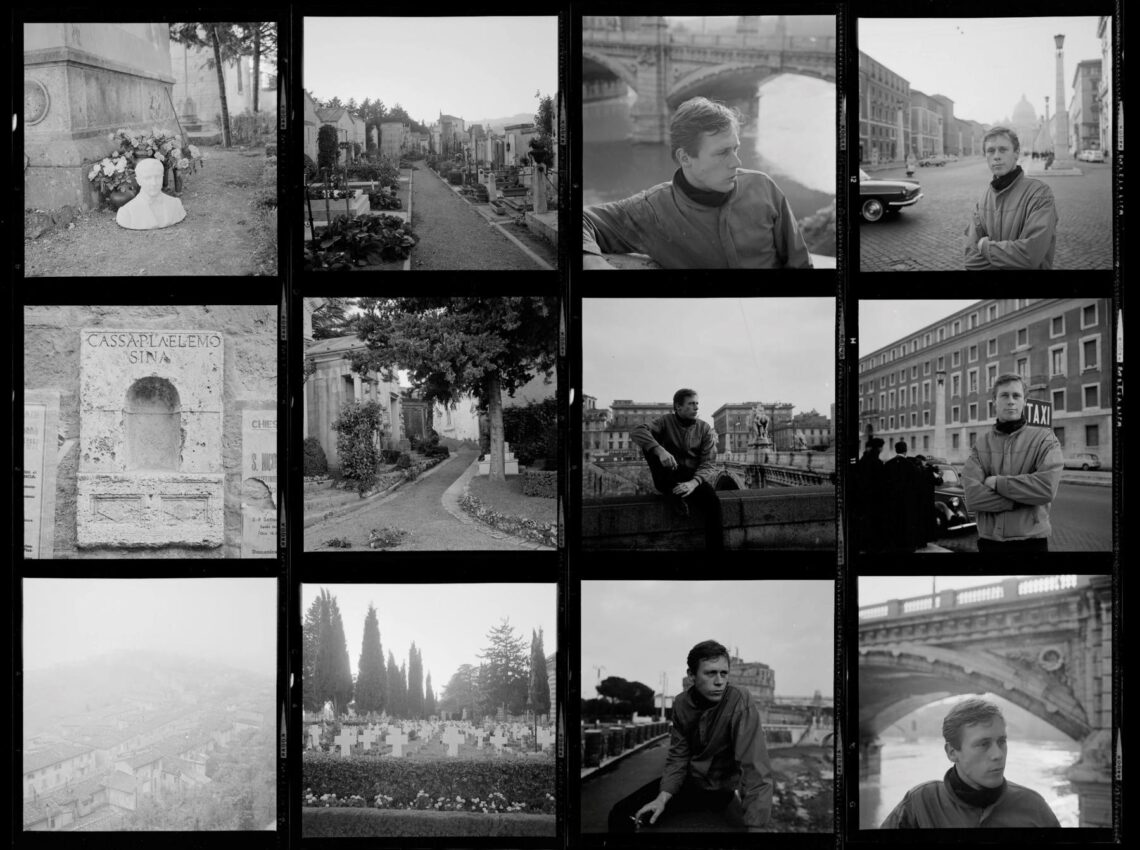
In their own words: in conversation with archivist and photographer Francis Schichtel
Last year, the independent art book press Primary Information published Stay away from nothing, a look at the relationship between Peter Hujar, the photographer of 1980s New York’s downtown artists, and Paul Thek, the mercurial and somewhat mythic painter and sculptor, from 1956 to 1975. Studiously edited by Francis Schichtel, the book presents facsimiles of Thek’s correspondence with Hujar, taking place on postcards, in letters, on notebook paper, full of notes and scribbles, as well as images of Thek taken by Hujar. The book ends with a short afterword by Andrew Durbin, author of the recently released biography The Wonderful World That…
Read More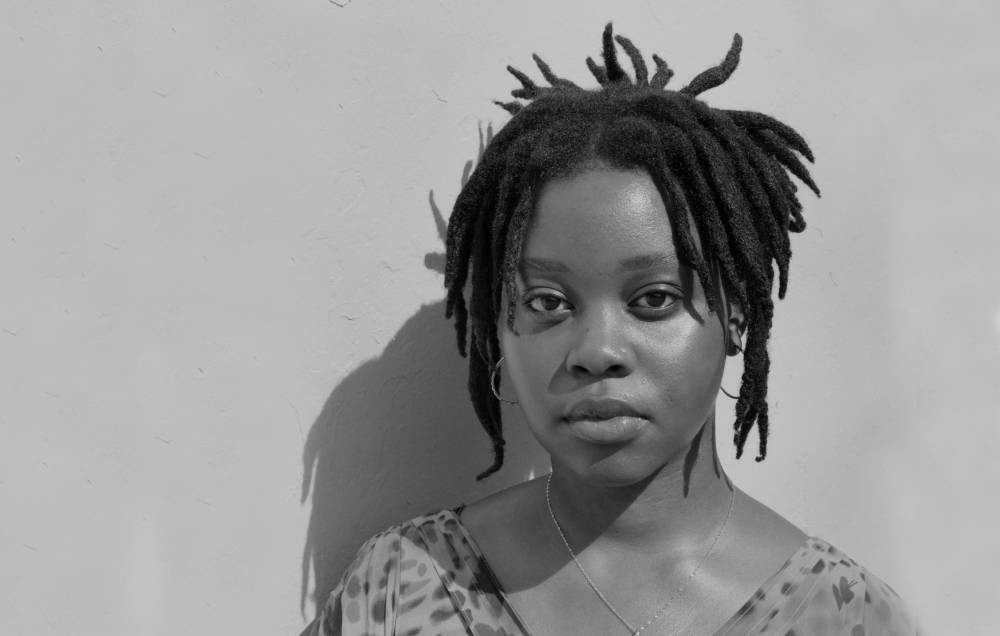
“Between novelty and tradition”: in conversation with author Stephanie Wambugu
Colloquially dubbed the “multicultural biennial” and maligned by mainstream critics for “preachy” politics, the 1993 Whitney Biennial was a historic juncture in contemporary art history. Films on view explored queerness and civil rights activism, and visitors became immediate, unwitting performers by way of Daniel J. Martinez’s artwork comprised of multicolored admissions buttons: metal pins worn as proof of entry, each containing a fragment of the phrase “I Can’t Imagine Ever Wanting To Be White.” It was a landmark display; the curators prioritized media-based works, and the selected artists engaged equally with formalist techniques and political theory. Today, it is lauded…
Read More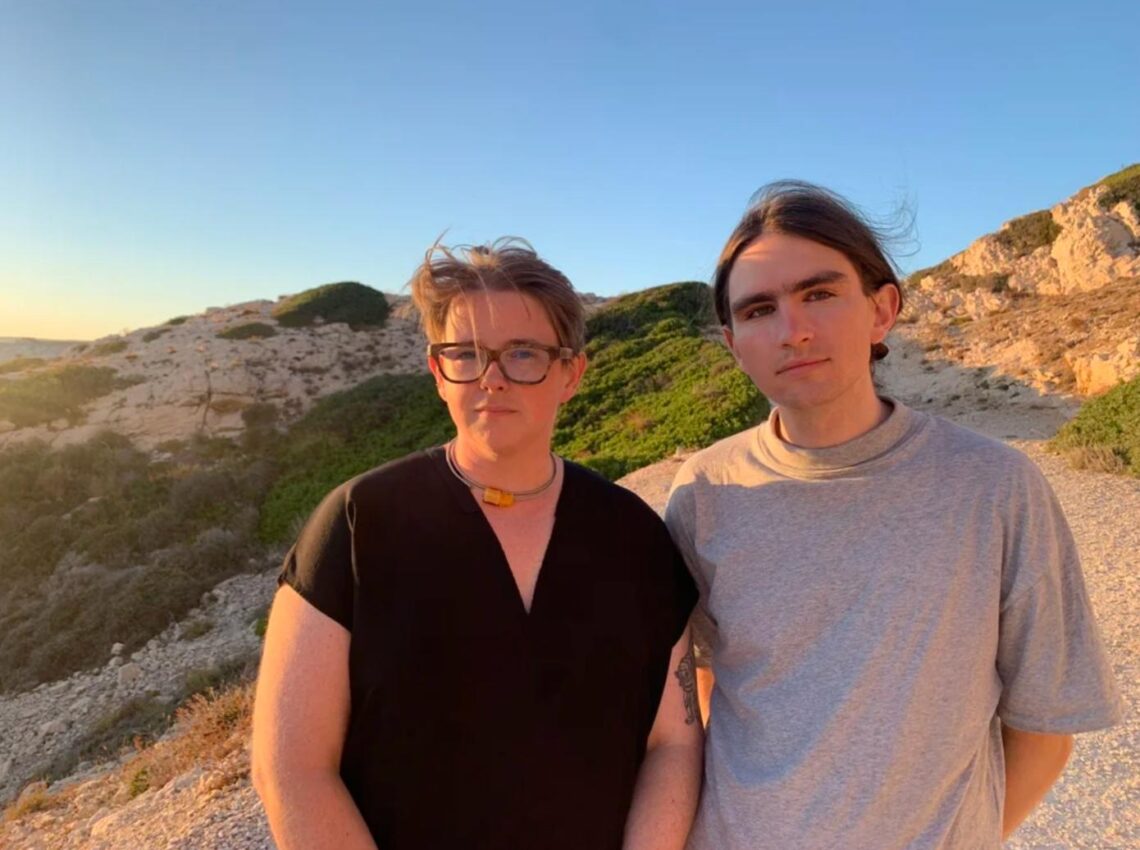
“to wonder alongside you”: in conversation with poet Rainer Diana Hamilton
I had already learned so much from Rainer Diana Hamilton’s poetry before reading This Reasonable Habit. Co-written with Violet Spurlock and published February 2026 by Spunk Editions, the long poem begins with a bicoastal phone call and unfolds at an imaginary summit where 26 characters—A through Z—convene, over the course of three days, to answer questions like: “Is ‘shyness’ a moral failing?”, “What makes good sex?”, “What constitutes a good reason to dislike someone?” Ever searching for guidance on living, relating, and loving, I finished the book with a rush of gratitude for the sheer abundance of thinking it opened up, meaning…
Read More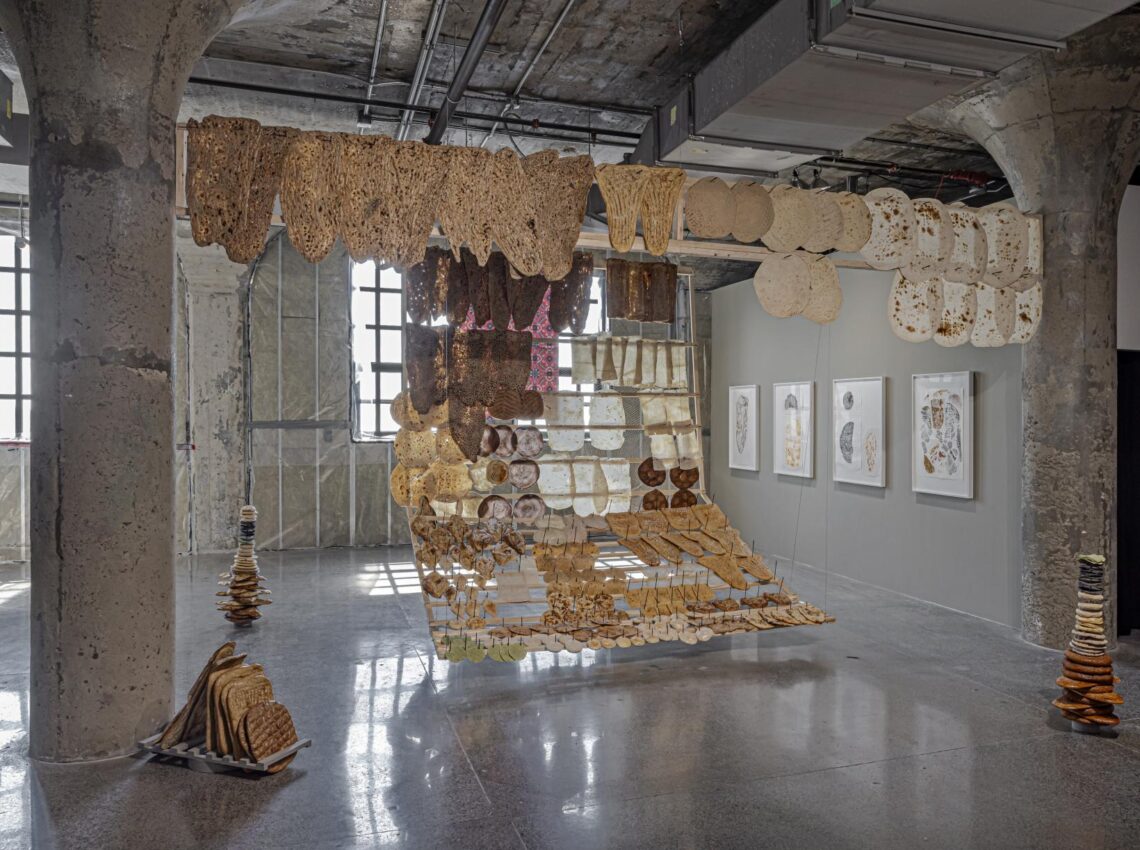
“Unfreezing museum time”: in conversation with artist Sameer Farooq
I can’t quite remember when I first encountered Sameer Farooq’s work. It may have been during the years I was working full-time in a museum. What I do remember is the surprise of seeing his name, years later, on the roster for a movement class I was teaching at Mosaic Yoga on Sterling Road—just a few doors down from the Museum of Contemporary Art in Toronto. I felt shy about striking up a conversation with an artist whose work I so deeply admired. Eventually, though, I gathered the courage to introduce myself as more than his Pilates teacher and asked…
Read More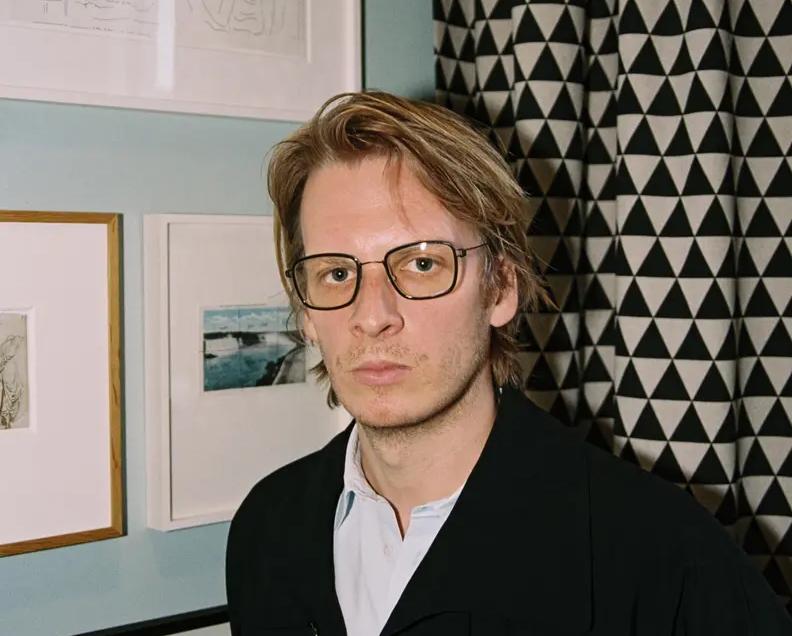
“Nothing lasts forever, other than paradise”: in conversation with author Andrew Durbin
Prior to reading Andrew Durbin’s The Wonderful World That Almost Was, 2026 (published by Farrar, Straus and Giroux on April 14), I had frankly a very brief and limited grasp of Peter Hujar’s and Paul Thek’s lives and work. The art gallery I used to work for in 2022 curated an online presentation from a selection of Paul Thek’s etchings, reprinted from copper plates originally discovered in his storage unit in 1989, the year after his death. Among a few that the website presented were depictions of “Plums,” “Bouncing Earth,” “Burning Book,” and “Tarbaby.” In my role at the gallery, I had…
Read More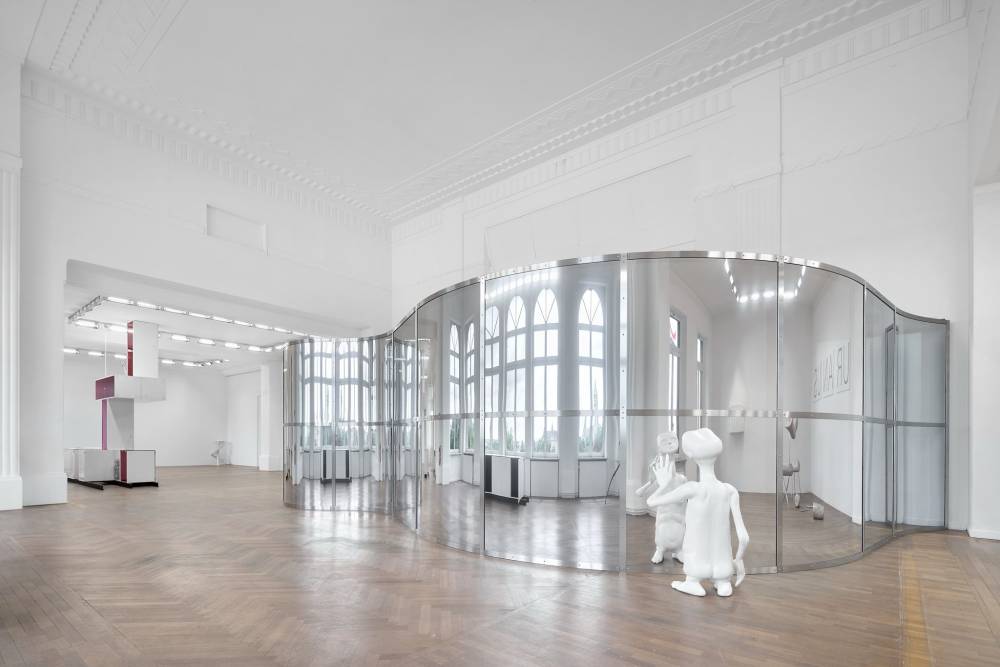
Shame, Reframed: in conversation with interdisciplinary artist Aline Bouvy
Aline Bouvy is a Luxembourgish visual artist who lives and works between Brussels and Luxembourg. Trained at ERG – École de Recherche Graphique in Brussels and the Jan van Eyck Academie in Maastricht, she has built a multidisciplinary practice spanning sculpture, installation, sound, moving image, and publication. Rather than treating objects as self-contained statements, she uses the exhibition as a constructed situation where norms and social codes are tested in public. Bouvy’s work is informed by a feminist outlook and an acute attention to the power mechanisms that shape desire. With rigorous systems, careful construction, and a deliberately offbeat humour,…
Read More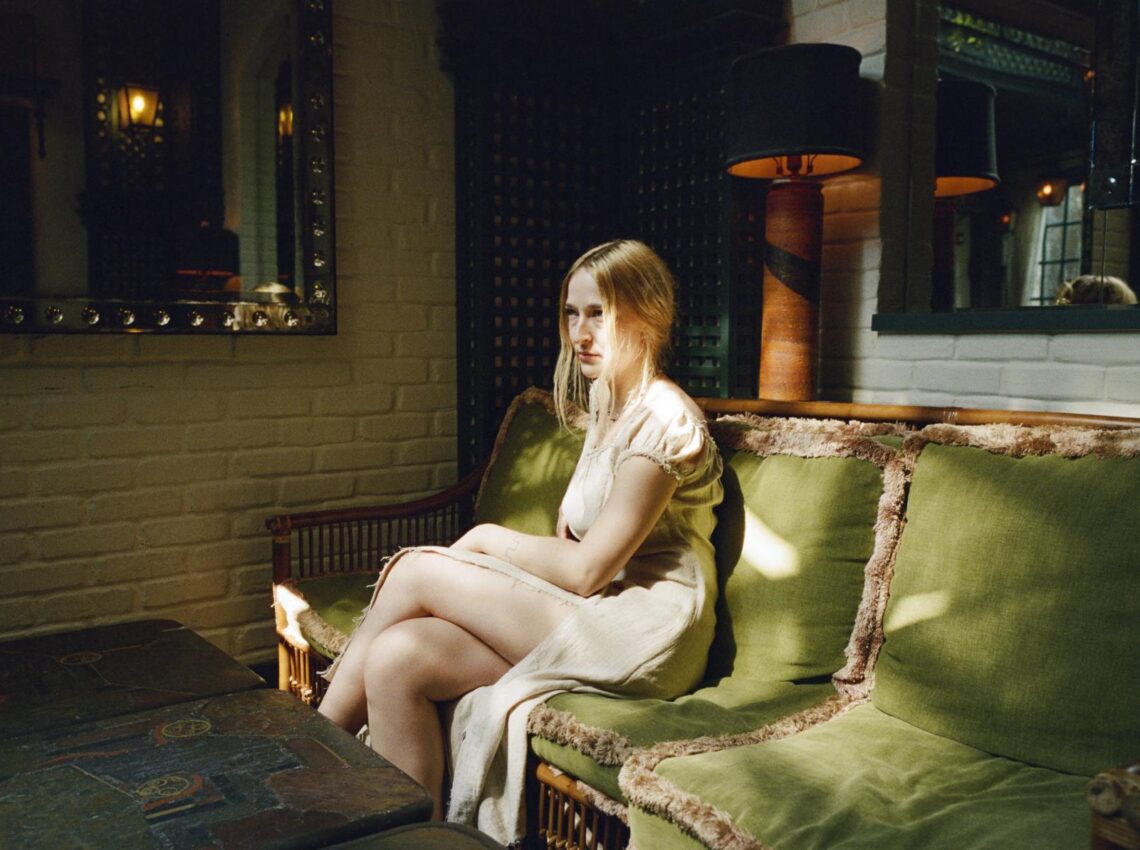
What passes for recklessness is actually just freedom: in conversation with author Anika Jade Levy
There’s perhaps no better emblem of contemporary existence than a shattered phone screen. Abundance and dysfunction, it turns out, are not mutually exclusive. It follows that a broken phone recurs in Flat Earth, the debut novel by Anika Jade Levy, billed as “Speedboat for the Adderall Generation,” which is to say, zeitgeist-y and written with abrupt prose that skewers a certain downtown artistic scene—but with its own dissociative flair. Flat Earth follows Avery, an aspiring writer, occasional sex worker, and grad student living in New York. At the outset of the novel, she accompanies her best friend Frances on a cross-country trip…
Read More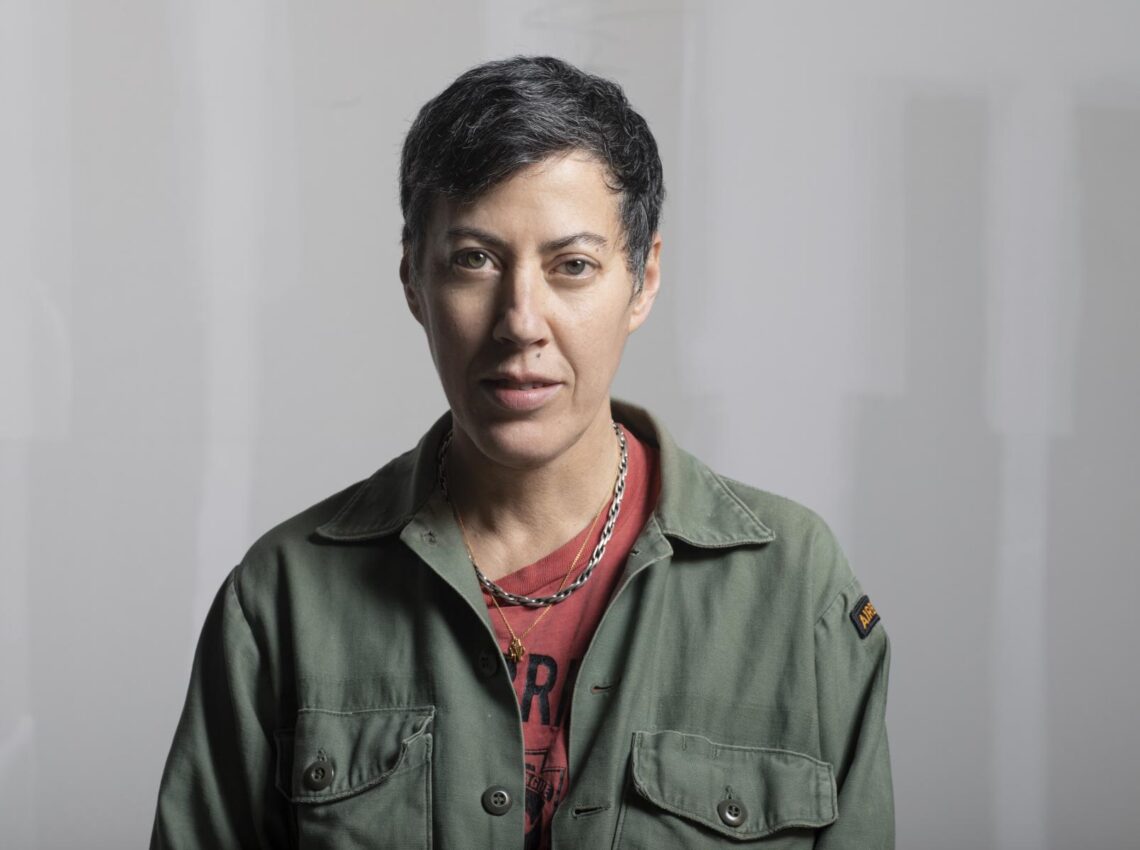
“Art is a rage room”: in conversation with interdisciplinary artist Nicole Eisenman
An auctioneer wearing a judge’s black gown sits stern-faced, between an international currency conversion table suspended in midair and a large abstract painting for sale. Above him, a foreboding night sky appears where one expects a ceiling. This is the scene of Nicole Eisenman’s The Auction (2025), where a painter is also present, with a canvas, similar to the one on sale, by his side. Positioned within the composition as if he had been called to testify, he’s rendered in flat Cubist color blocks, which make him look gobsmacked—if not by the fact that he might be on trial than by the sight of an eager bidder before…
Read More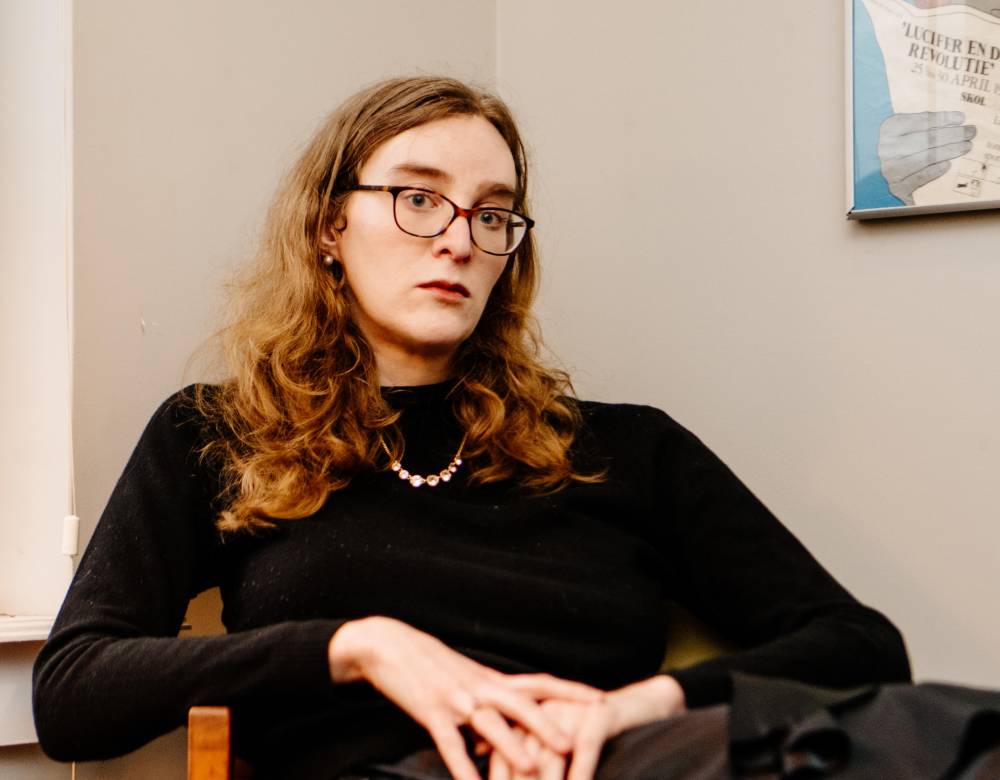
“Into the muck”: in conversation with novelist and critic Grace Byron
“I wanted the dangerous love built on long-distance plane rides, trauma, and failed girlhood,” the unnamed narrator of Grace Byron’s Herculine confesses, walking quietly along the narrow river that runs through a patch of land in rural Indiana inhabited by 15 or 20 trans girls, inhabited, in turn, by their 15 or 20 corresponding demons. 700 miles from New York with a broken-down Honda Civic and spotty cell service, she weighs the risks of remaining long enough to trial the return to her first love, her ex-girlfriend Ash. The most notable risk is that of demon possession, which would tether her eternally…
Read More