
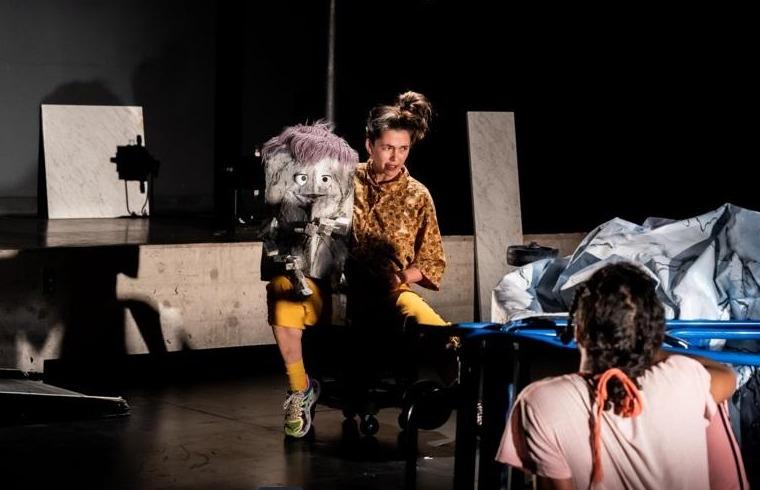
Archive
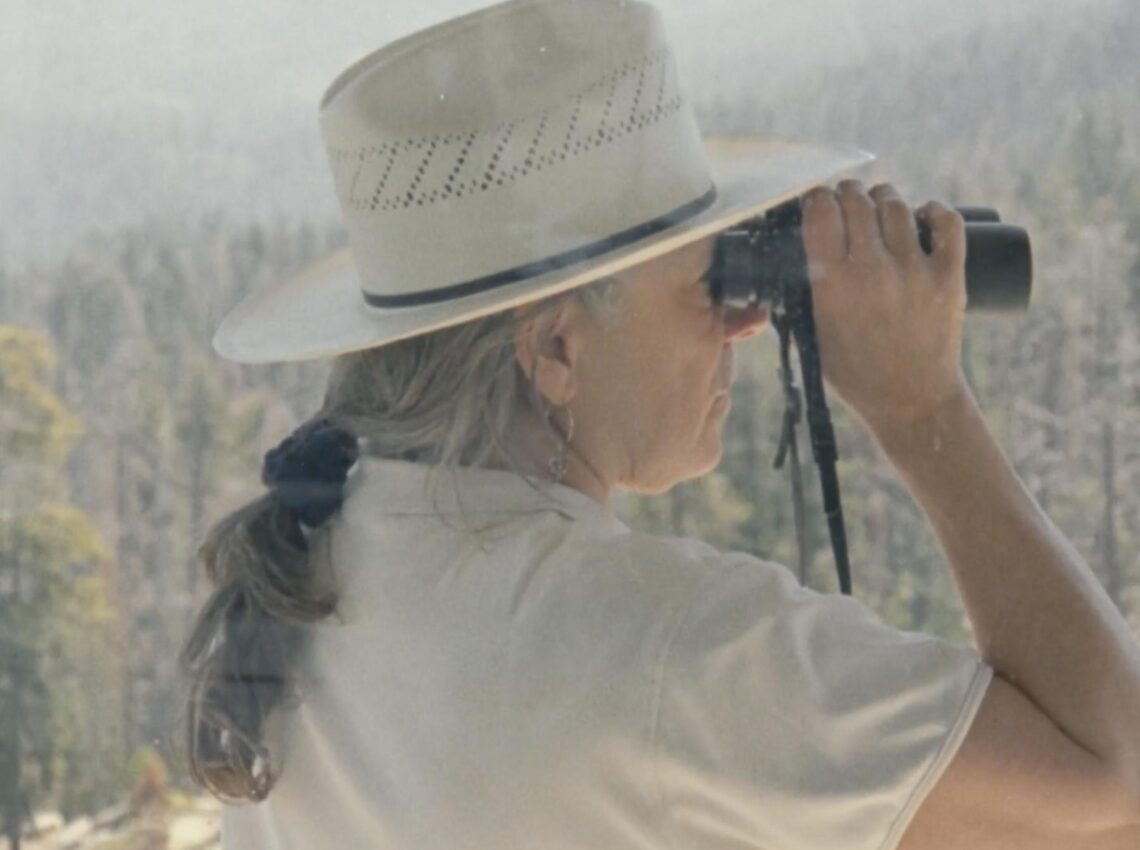
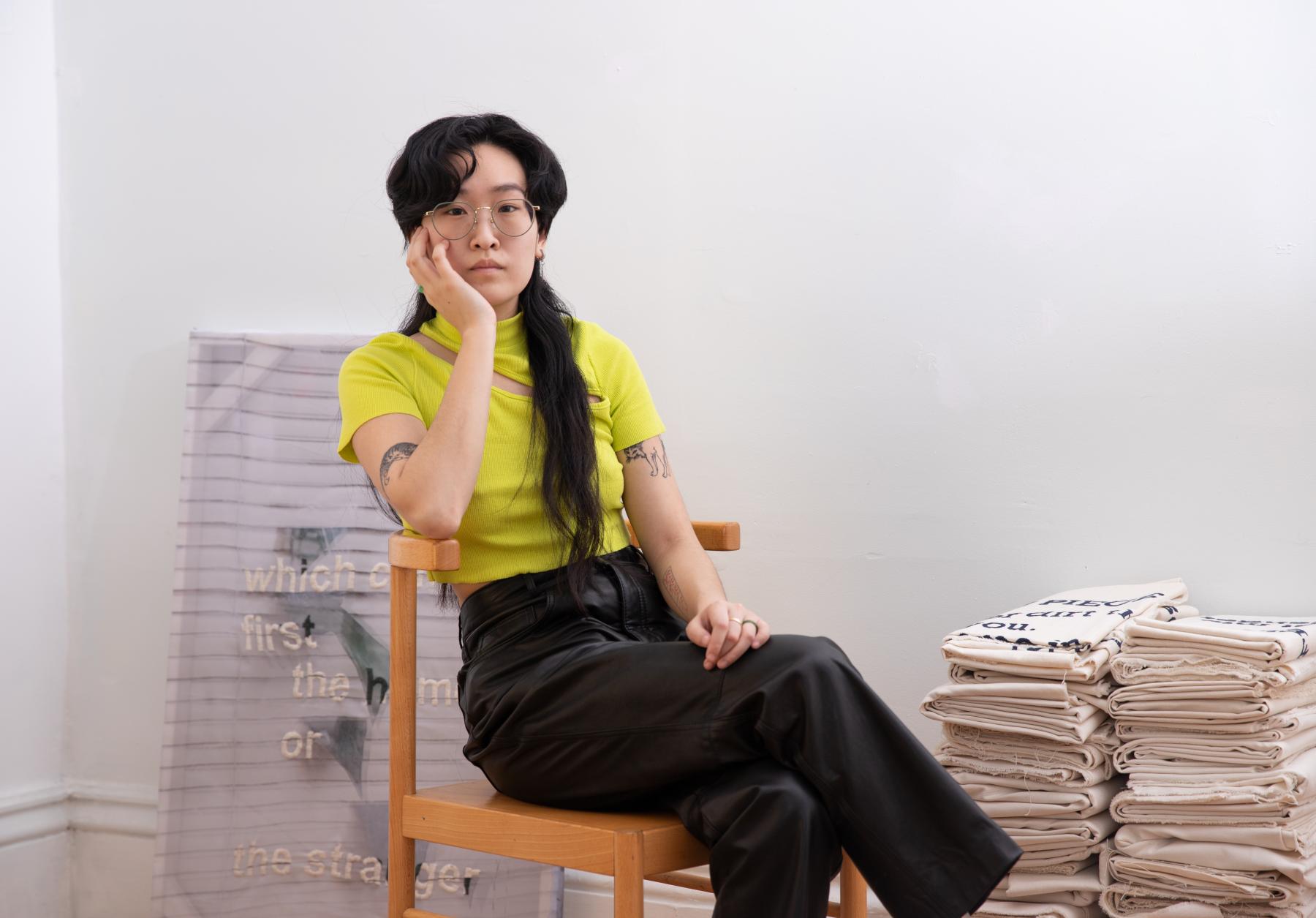
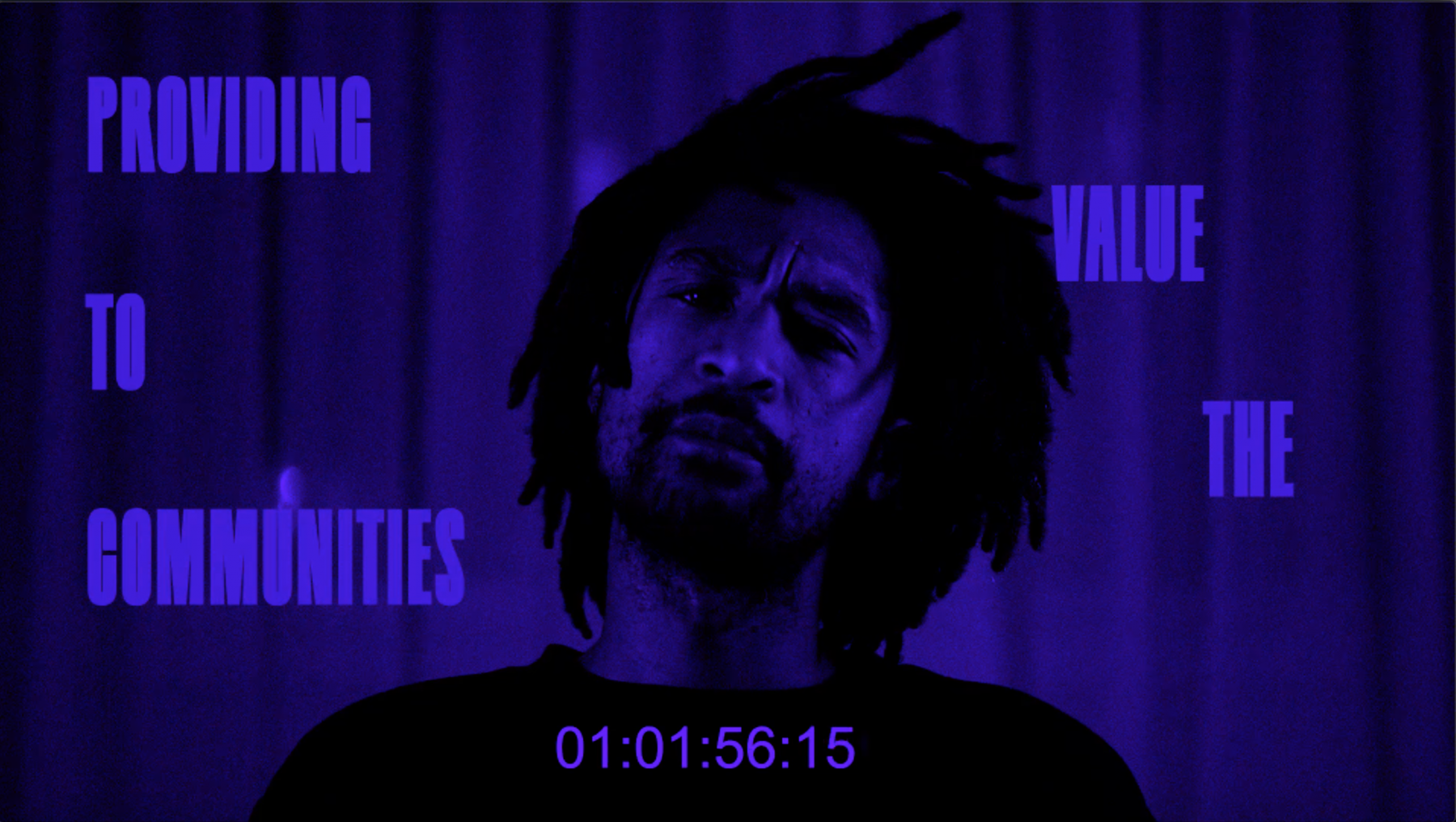
Speaking through smoke: in conversation with filmmaker Armand Yervant Tufenkian
In my experience, small film festivals geographically far-removed from the US often offer the most thoughtful curation of its cinema. With little, or even zero, pressure to cater to American studios and distributors, their programs function as a more adventurous barometer of the state of the nation than whatever Hollywood deems important enough to share with the public. I approached covering this year’s edition of the Paris-based documentary festival, Cinéma du Réel, with this in mind, excited for and open to unknown gems within its lineup of daring nonfiction cinema. My greatest personal discovery was the feature debut of Armand…
Read More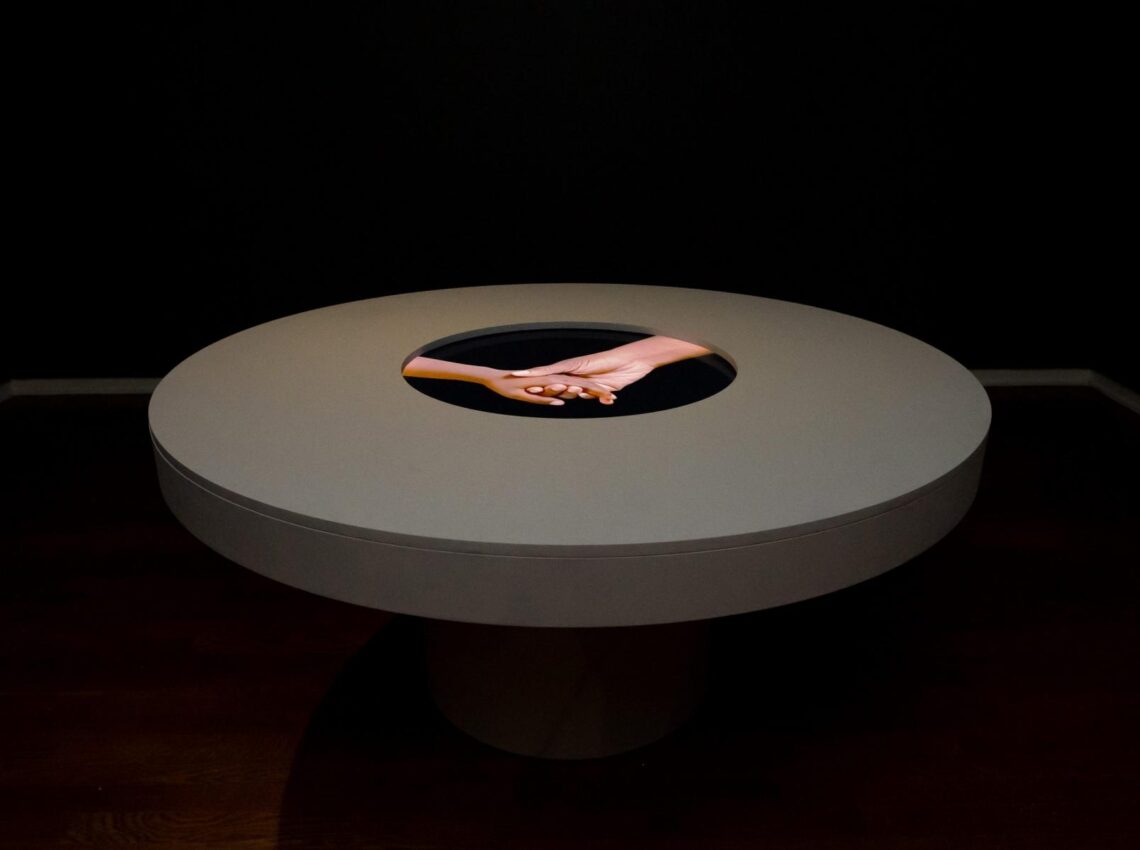
Verging Tripartite: Camille Turner’s “Otherworld”
Camille Turner’s multi-modal solo exhibition Otherworld occupied the entire expanse of University of Toronto’s Art Museum, transforming architectures of space and time into labyrinthine configurations suggestive of both the brutal lived reality of transatlantic slavery and its afterlife, as well as its fabulated futures. This liquid-like exhibition, curated by Barbara Fisher, mobilizes oceanic poetics, and calls for a poetic response, as prosaic prose falls short translating its fluid permutations. Beyond breaking this essay into three parts to aid contextual submersion, I will lace my response to this exhibition employing an errant method of building synapses of thought, attempting to correspond to the artist’s…
Read More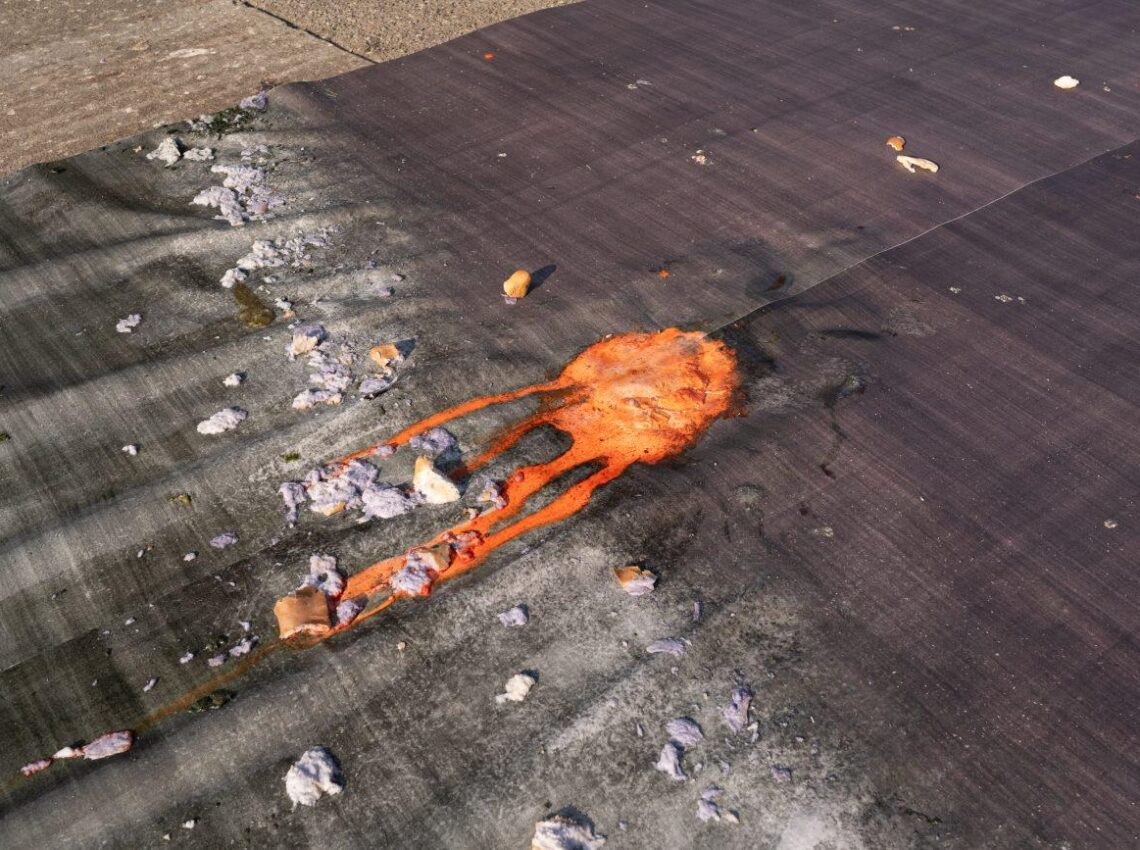
Pissing as Praxis
Urine is to be flushed and forgotten, concealed through elaborate infrastructures that buttress modernist fantasies of the human body as a sealed-off and self-contained vessel untainted by waste. And yet in the disavowal of the messy by-products of embodiment, these very systems attest to the transgressive threat of bodily fluids, which expose the ultimate limitations of control. Urination—like defecation, perspiration, regurgitation, ejaculation, and lactation among other subtle and less subtle mechanisms of release—constitutes a mundane performance of corporeal porosity. Breaching the illusory boundary of the skin, urine evokes the necessarily dynamic constituency of ecologically enmeshed bodies. The slippery ontological status…
Read More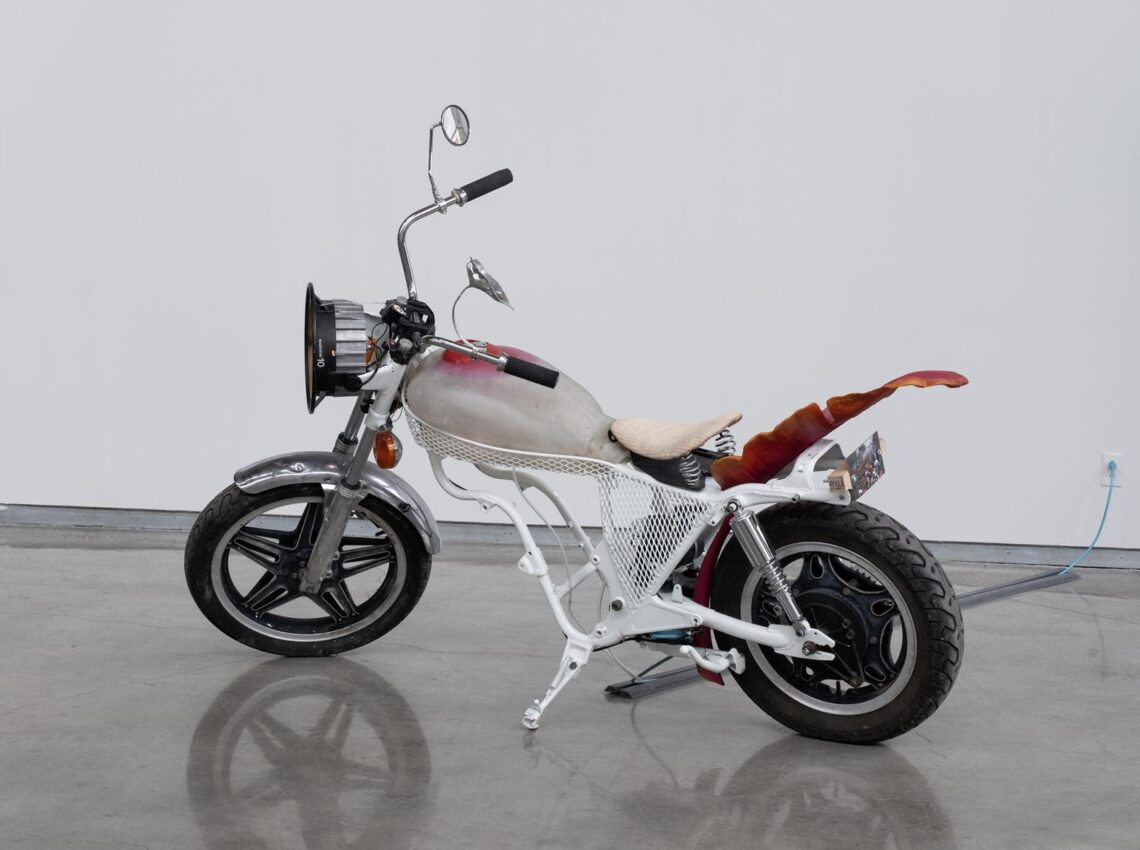
Speaking from elsewhere: in conversation with artist Frantz Patrick Henry
Frantz Patrick Henry and I met in the Spring of 2019. I co-curated the exhibition “Over My Black Body” at Galerie de l’UQAM with my friend Anaïs Castro. Stanley Février, one of the artists in the show, had a team of assistants supporting him, of which Patrick Henry was a part. I had to engage in numerous back-and-forth discussions at the gallery regarding exhibition design, setup, lighting, and the artists’ well-being. His attention to detail and calm demeanour were more than welcome as the opening date was approaching. I followed his career since, noticing every time that there was something distinctly Haitian…
Read More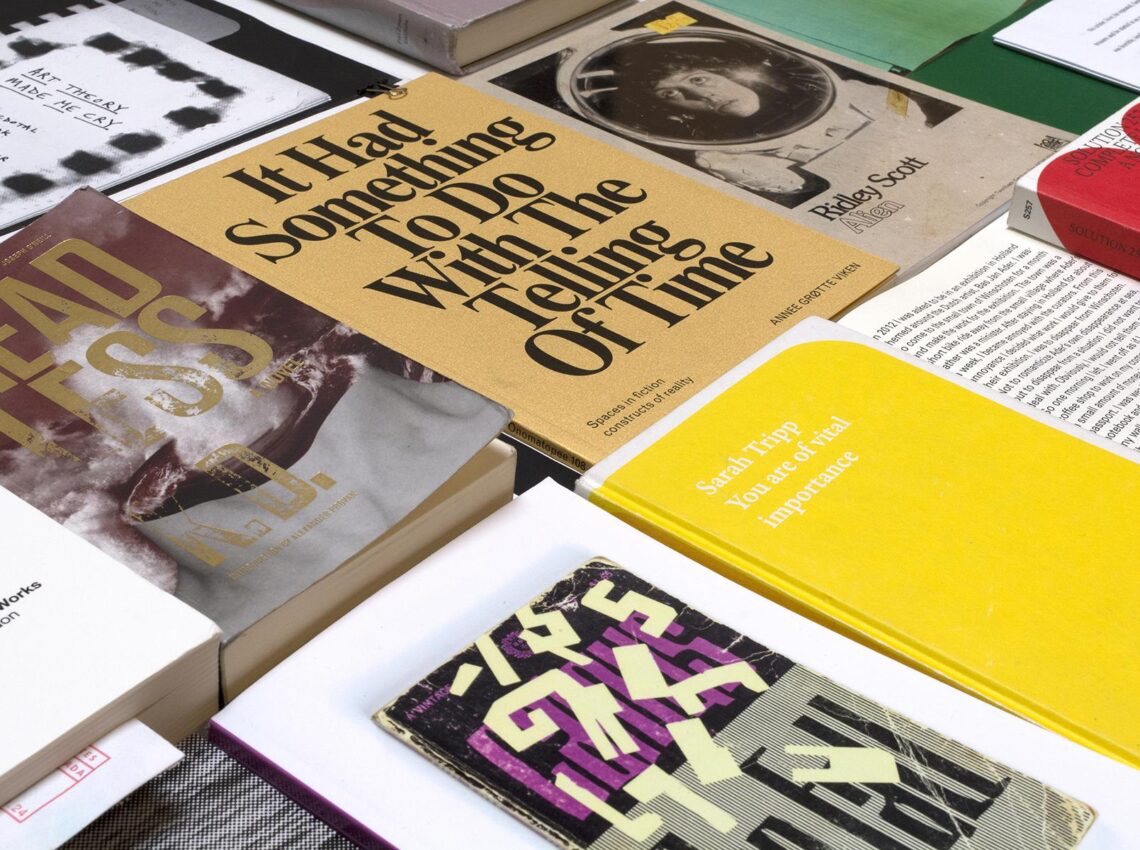
Where Books Belong
Over the last decade, I’ve had many conversations with peers about why artists’ publishing seems to remain so niche, especially in the landscape of Canadian contemporary art. It’s rare to see artists’ books in gallery settings and rarer still to get access to museum libraries. It’s almost unthinkable that an institution might offer a free book as part of its programming. These are by no means impossibilities, but they remain isolated experiences amid the overwhelming majority of exhibitions which tend toward more traditional art objects, performance, and video. Throughout my practice, questions of ontology in art-making have emerged and receded,…
Read More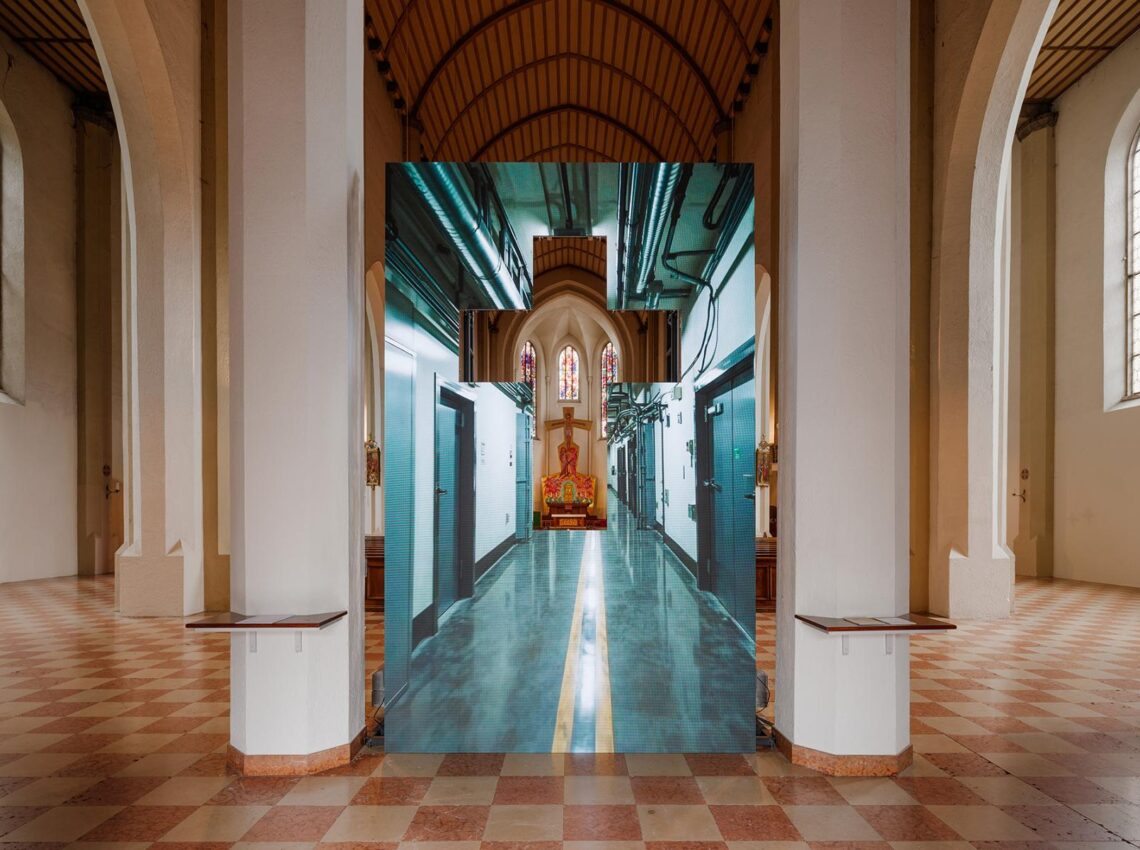
Nothing Works, Everything Plays: in conversation with artist Philipp Timischl
Philipp Timischl has built a practice on making artworks that behave less like static objects and more like characters in a play. Born in Austria in 1989 and now based in Paris, he works across painting, sculpture, video, photography, and text, collapsing distinctions between media to create installations that feel at once theatrical and oddly intimate. His pieces often stage encounters with power—whether tied to class, queerness, or the structures of the art world—while remaining disarmingly playful in tone. Timischl’s path into art was shaped by studies at the Städelschule in Frankfurt and the Academy of Fine Arts in Vienna,…
Read More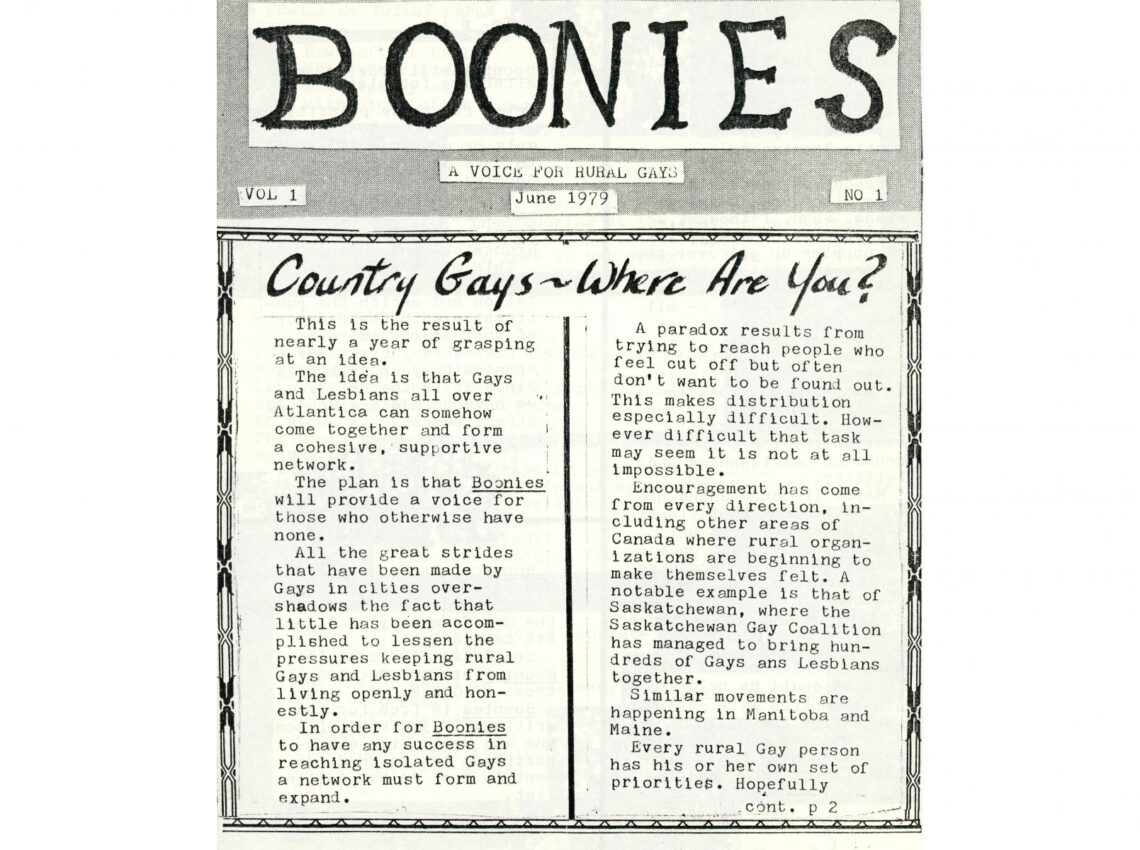
From here to there, and back again: on returning to ‘Boonies’
As urban environments evolve, becoming increasingly inhospitable to anti-normative practice, a once prevailing vision of escape regains resonance amongst the rigid contours of our cityscapes. This vision favours a desire to author one’s environment outside the far reaches of capitalism’s ever-expanding dexterity, predatory landlordism, and for-profit development, reigniting the dream to leave the pressures of city life behind. Existing alongside concurrent fascist flirtations, economic uncertainty, political unrest, humanitarian crises, colonial erasure, and genocide, the act of removal becomes a prevailing dream, albeit an ultimate luxury. For queer populations, home is often a fleeting idea and for those no longer captivated…
Read More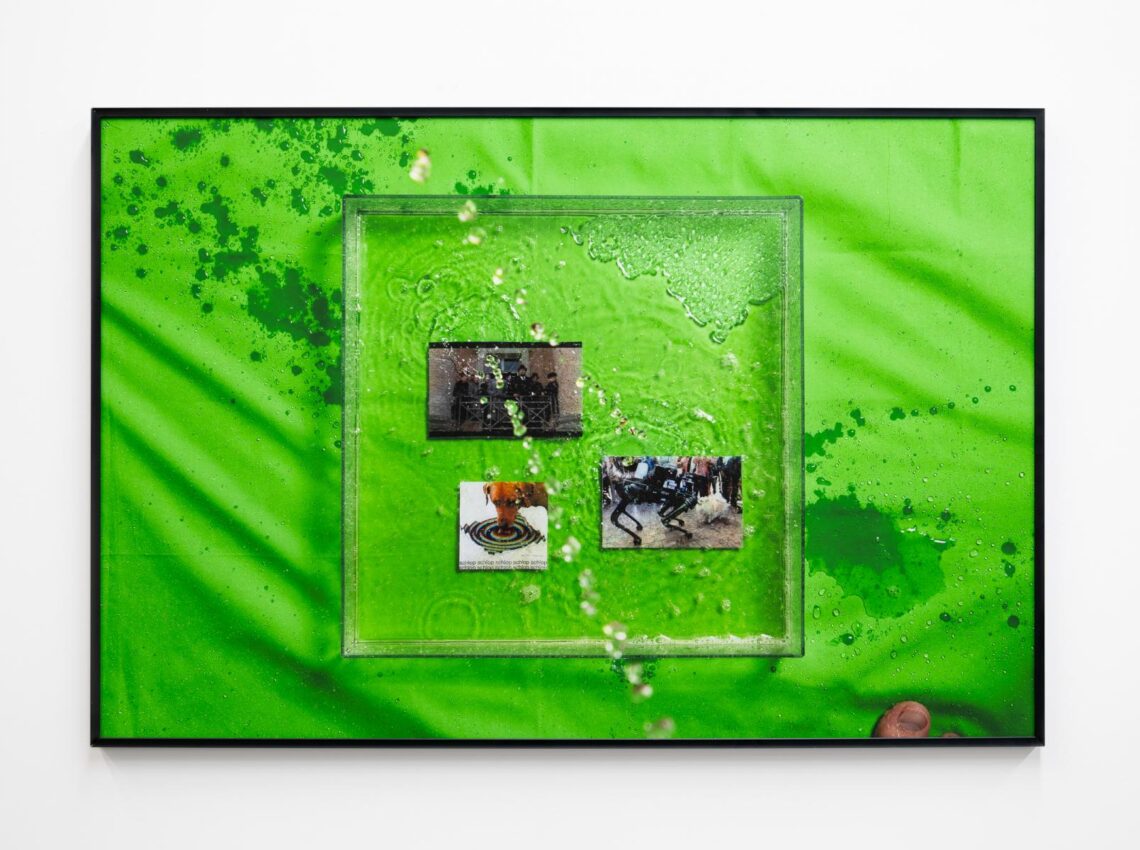
Non-reproducibility and the Queer Image: in conversation with artist Alex Gibson
Whenever I see Alex Gibson’s work installed in a white cube I feel like I am seeing something naughty—something that wouldn’t be on pristine walls if everyone admitted they knew exactly what they were looking at. This is not to say that Gibson’s work is so heavily coded that a viewer needs to be deeply ingrained in a subculture to understand its signifiers. We know why the string of saliva off the pretty man’s face is so thick; we know what the streaming liquid aimed onto images of dogs is; we know how the silicone tail is affixed to the…
Read More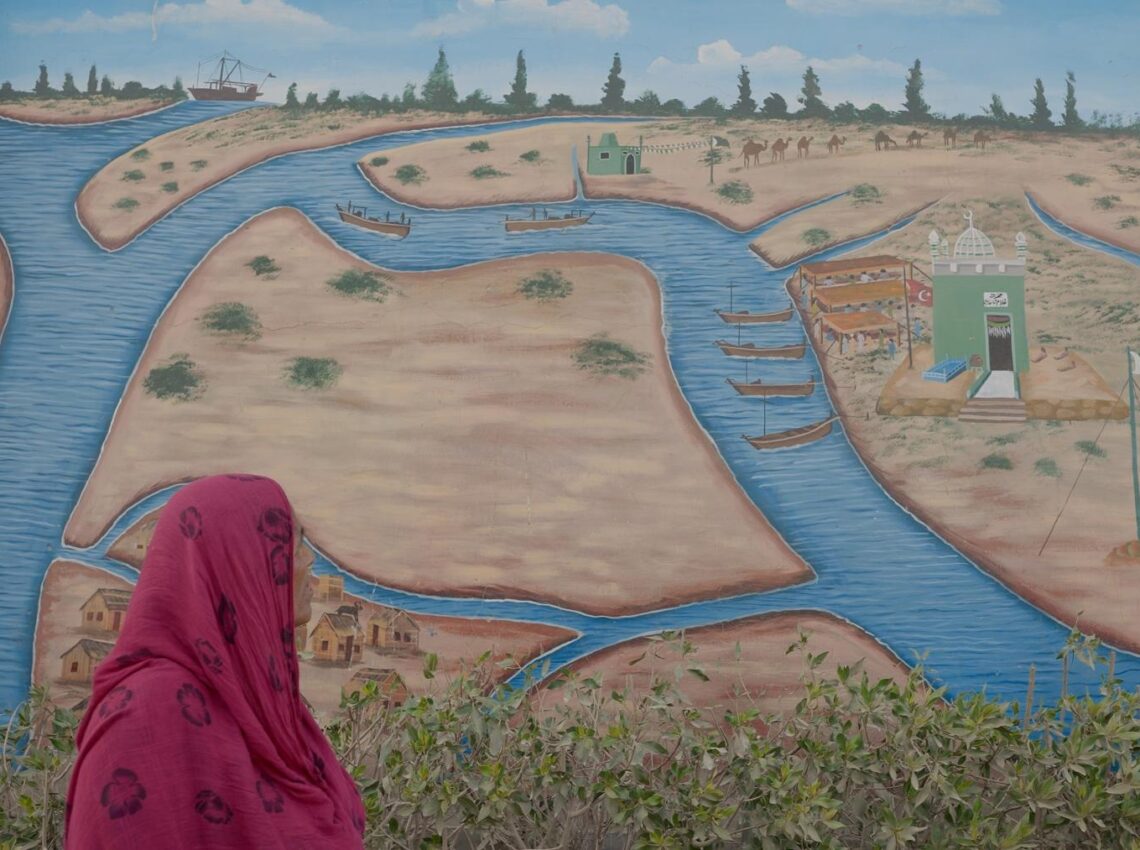
A Meditation on Dots and Dashes: in conversation with artist Shahana Rajani
I recently met Shahana Rajani through various friends who had been trying to connect us after her relocation to Toronto from Karachi, Pakistan. Rajani is an artist whose practice stems from collaboration, pedagogy, and activism, and centres issues of climate justice within the local context of Karachi. Her collective Karachi LaJamia recently won the 2025 “Asia Arts Game Changer Award.” Rajani and her collaborator Zahra Malkani originally started their collective in response to censorship in the arts in Karachi, after a few violent attacks against artists and cultural workers who were speaking up for Indigenous rights. The duo felt that the community…
Read More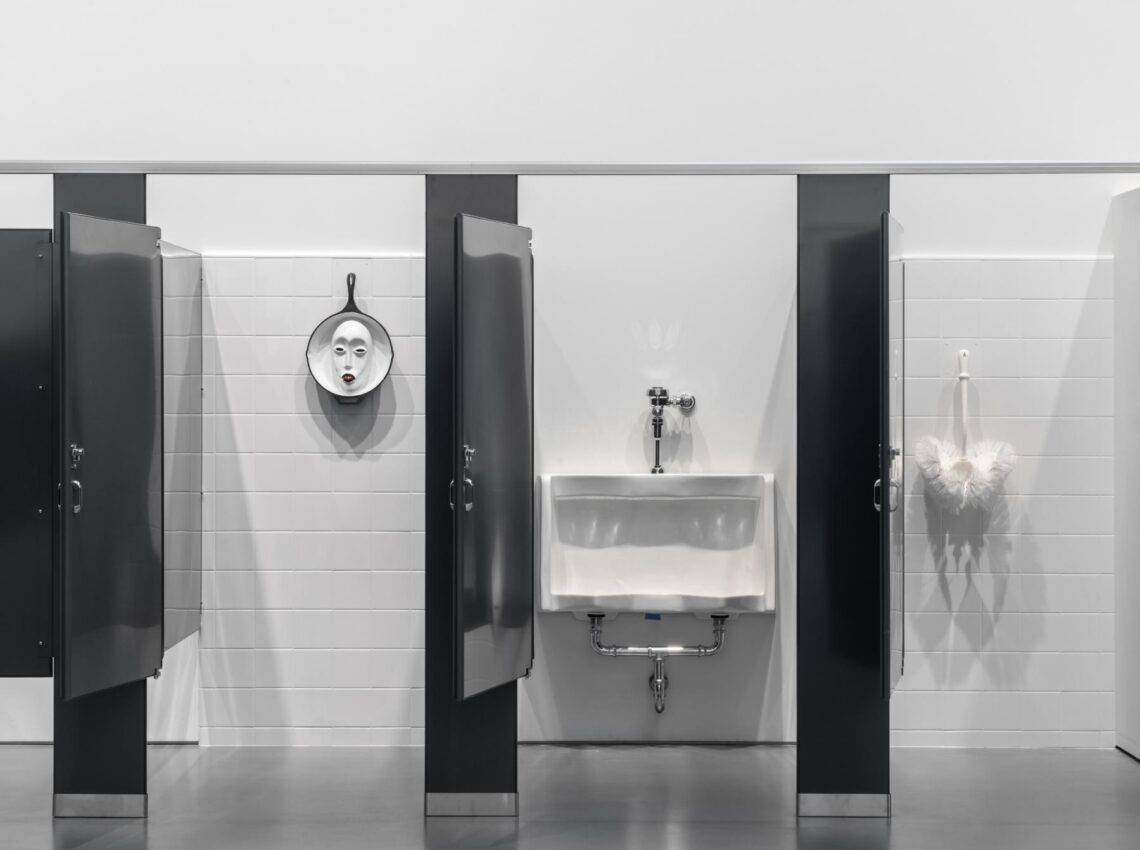
Out of Order: The Art of Public Restrooms
“… with each lowered and raised seat, every splash of urine, every tear of toilet paper littering the floor, the public bathroom and its plumbing point to the impossibility of keeping intimacy (the personal) out of the public realm, and of keeping the sovereign individual free of contamination.” —Margaret Morgan1 There is no such thing as a “neutral” public restroom. From tiles to stalls, even the most seemingly banal components of these spaces are, in fact, charged technologies of social regulation. The white ceramic grids that line so many restroom walls are not merely about cleanliness, but also control. And…
Read More