

Archive
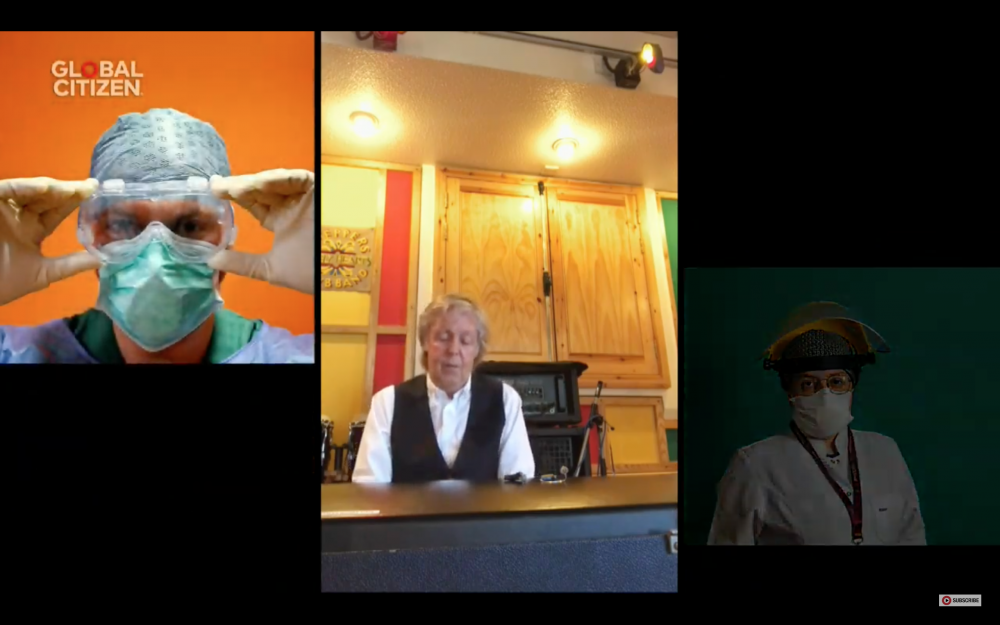
One World Streaming Together
If over 270 million people worldwide could watch something “together,” what should it be? In a period of enforced physical distancing, what claims to collectivity are being made on behalf of the livestream? The Together at Home Instagram Live campaign is a particularly high-profile example of a new genre of online pandemic entertainment. The musical performance series was organized by Global Citizen, an international non-profit that describes itself as “a movement of engaged citizens who are using their collective voice to end extreme poverty by 2030,” and inaugurated with a performance by the organization’s festival curator and Coldplay frontman Chris Martin. Building on the…
Read More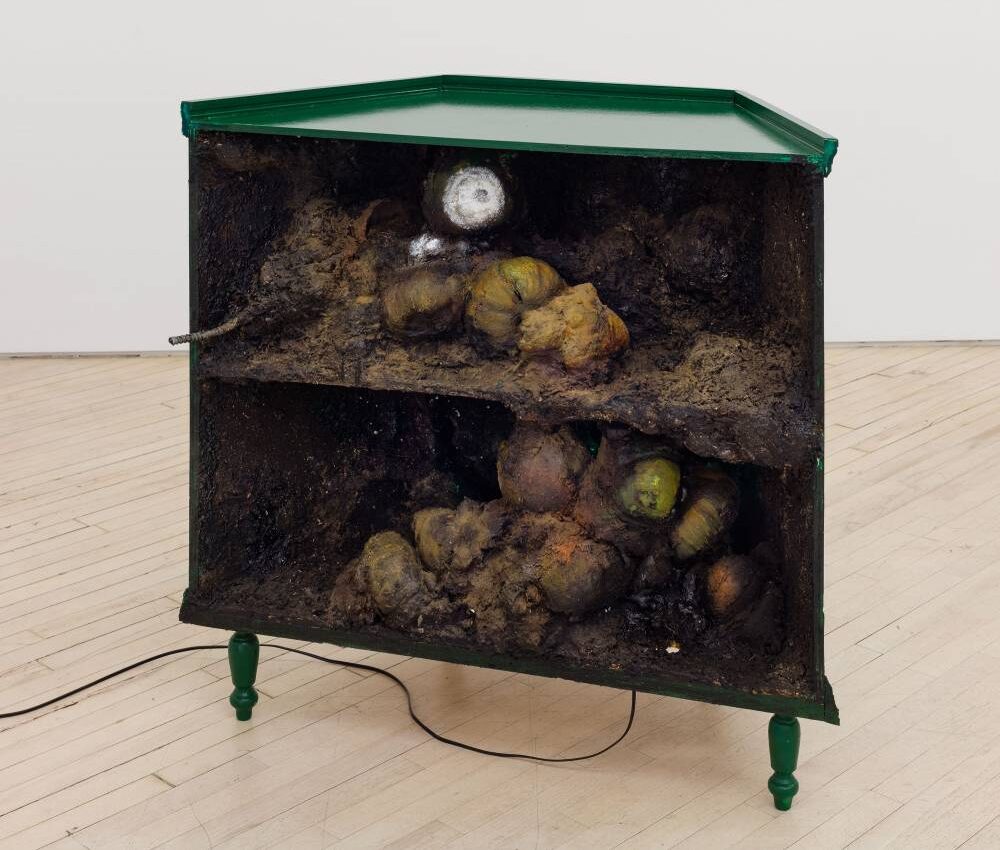
Haptic suppositions: some ruminations with Brandon Ndife
At least for now, the New York artist Brandon Ndife seems to suggest that we take a few steps forward with him towards the future. Or maybe more likely, shuffle across an alternate space/time that mirrors the one we currently occupy. Keeping in touch with history, this hypothetical in-between terrain is murkier, more eerie. It is dystopian like the one we know, and perhaps it is nearing a threshold of something hopeful; but I won’t say it is optimistic. This is where his budding practice in sculpture thrives. It is a place to imagine, think, and speculate alongside felt realities….
Read More
Concrete solutions for hostile problems: in conversation with Phat Le and Benjamin de Boer
Phat Le and Benjamin de Boer took different paths to arrive at their current collaborative practice — Le is a student of architecture and de Boer is a poet. Their projects are united by their use of concrete. They embrace the material’s malleability and ubiquity, positioning it as an entry point for civic engagement. In 2016, the pair facilitated a workshop in which participants learned how to cast concrete by pouring rockite into condoms to create moulds in the shape of butt plugs. This tongue-in-cheek approach to materiality and collective action continues in Meditation in Concrete II, Le and de…
Read More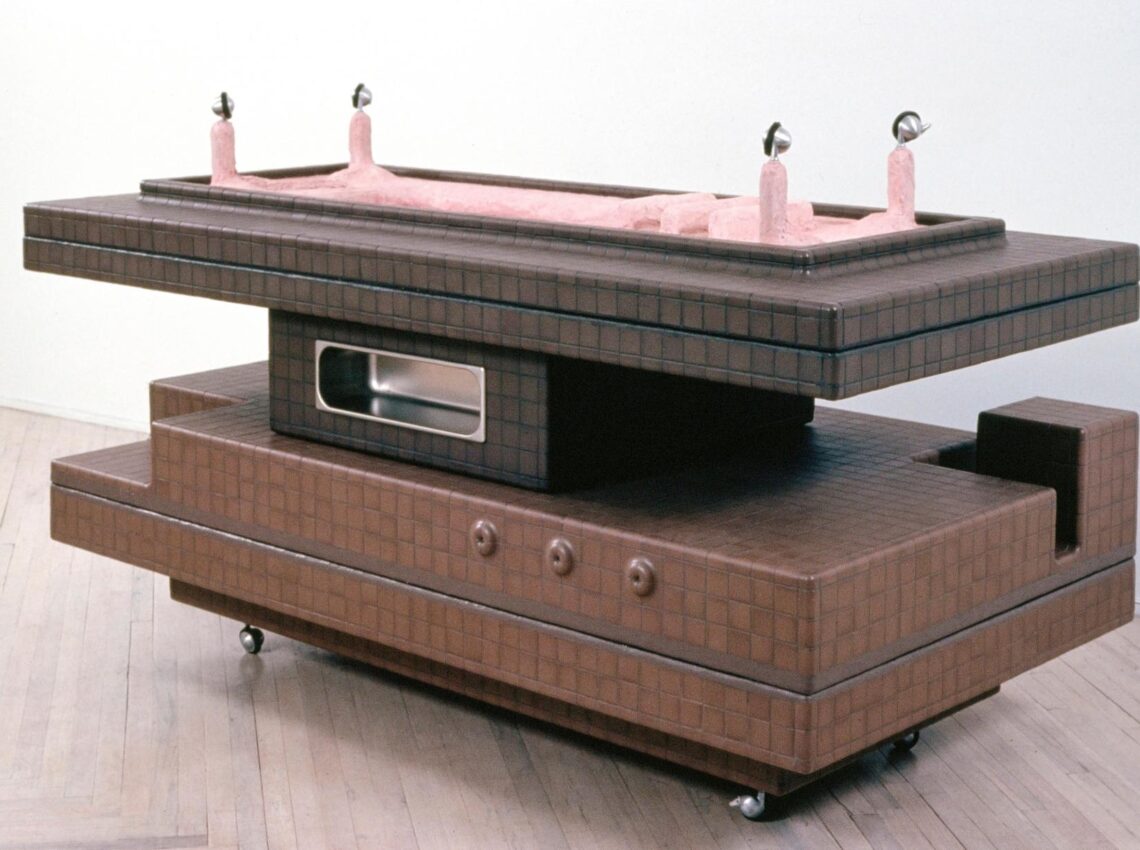
Tracing the affective flow of a new corporeality: in conversation with Tishan Hsu
For the last four decades, American artist Tishan Hsu has made a mark through his focused investigation into the embodiment of technology. His multimedia work exists in a terrain both familiar and unfamiliar, sublime yet accessible. From the early stages of his career in the 1980s, he’s been interested in technology’s impact on affect and its phenomenological implications. Making art was then an opportunity to respond to the accelerated changes of biological and digital infrastructure. “I speculated that the world I would inhabit would be a technological one, for better or for worse. As a result, I wanted to get closer…
Read More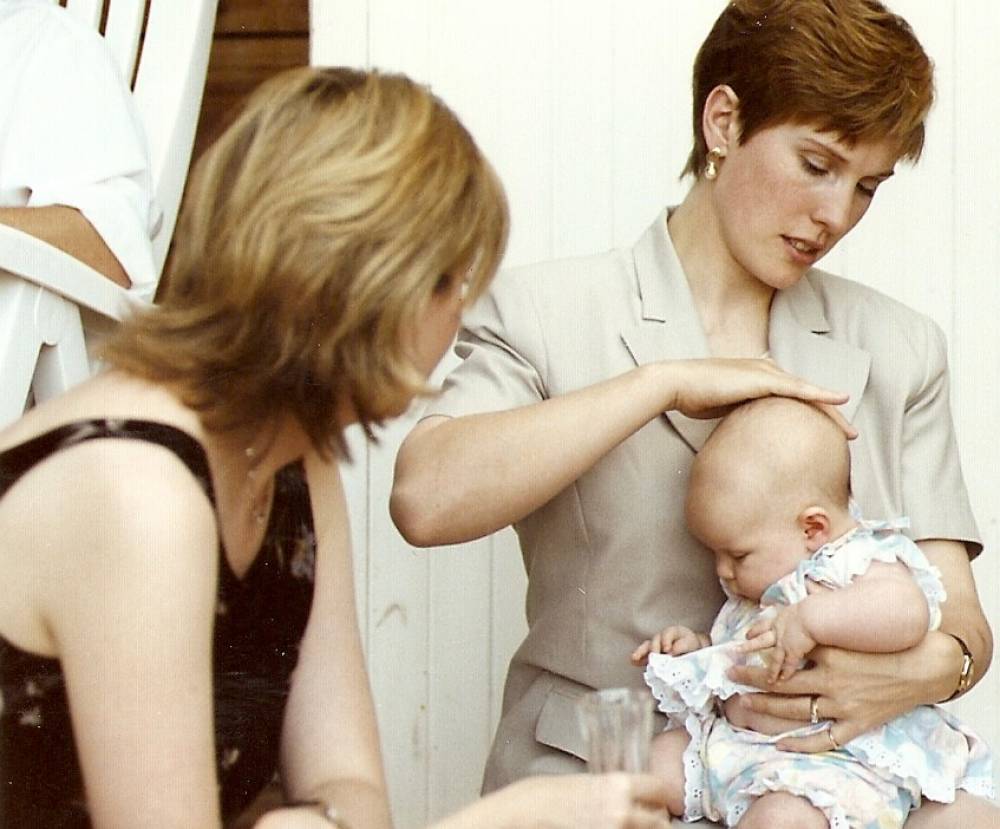
The wetness of it all
I made love to the Earth on ecstasy. I dug my nails into it and held it in my hands. I pressed my pelvis against it and inhaled deeply, like I would the neck of a lover. I cried and pushed into the ground, trying to move inside it and feel it all around me. John Berger wrote, “When in love, the sight of the beloved has a completeness which no words and no embrace can match: a completeness which only the act of making love can temporarily accommodate.” 1 Soaking and pulsating You are Springtime The wind smells different, the…
Read More
Uncanny Americana: in conversation with Philip Leonard Ocampo
The architectural residue of abandoned Pizza Huts, a tote bag full of receipts for Gatorade, Cheetos, and NASCAR memorabilia, the giant rotating bucket outside— these are uncanny images which to some extent are synonymous with American iconography. Though the imagery of the American Dream has shifted into absurdity, there remains an underlying urge to participate in the fantasies of American commercial culture and to produce images of American identity. In the conversation that follows, artist/curator/arts facilitator Philip Leonard Ocampo discusses the paradoxical ways the ideals associated with the American Dream have impacted his family and artistic practice in a Canadian diasporic context….
Read More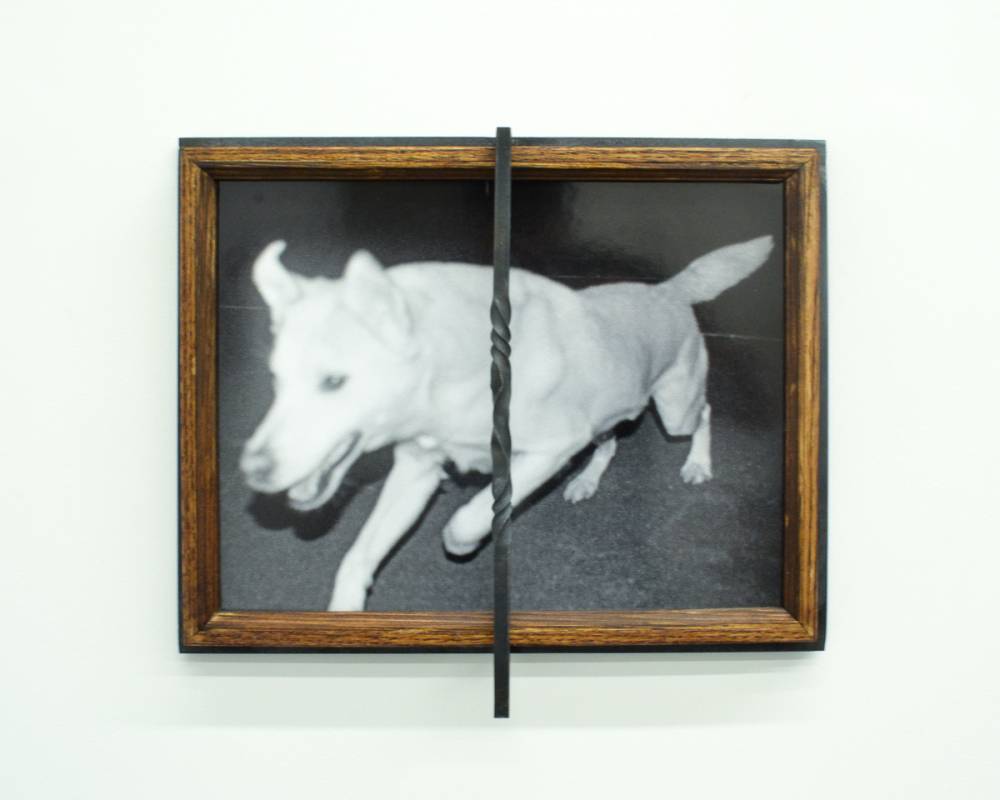
Private Images, Counter publics: in conversation with Marisa Kriangwiwat Holmes
If there’s anything that captures the concept of “spectacle” famously theorized by Guy Debord in his 1967 text “The Society of the Spectacle,” it’s social media, followed closely by sporting events. “The decline of being into having, and having into merely appearing” constitutes the society of the spectacle, wrote Debord, who then aptly declared that commodity has colonized society. It’s a bit obvious for me to say that Instagram represents the manifestation of Debord’s words, but what isn’t obvious is the nuanced way that Marisa Kriangwiwat Holmes blends these concepts into her photographs, disorienting the viewer. Advertisements. Instagram grids. A race track. In our conversation, Kriangwiwat Holmes points…
Read More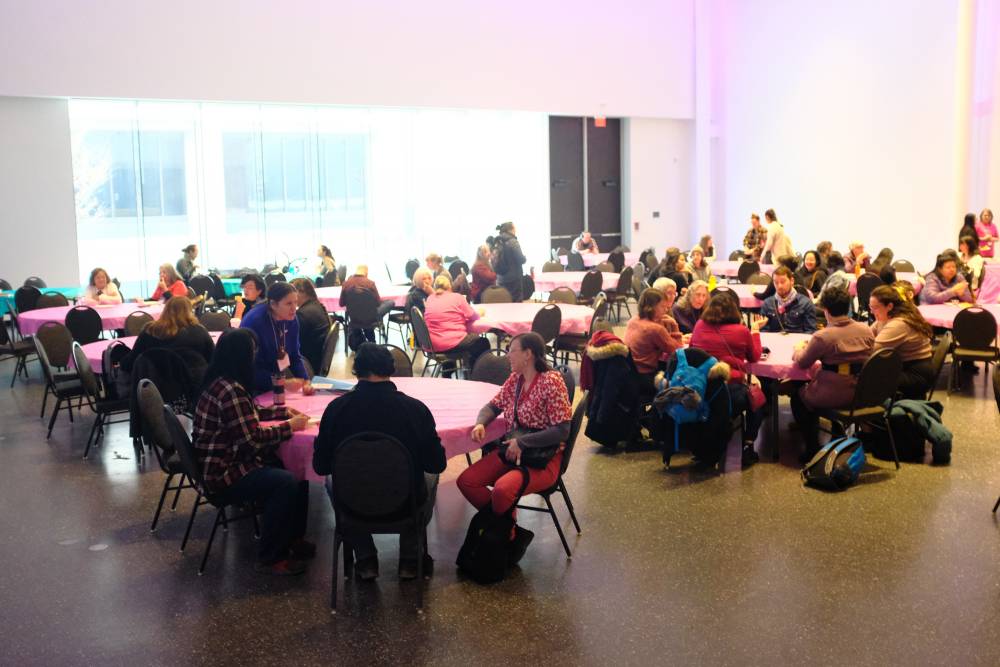
Converging in Solidarity: Indigenous-led Gatherings Promote Cultural and Spiritual Safety
Indigenous ways of being lie fundamentally in the strength of our people and the land that carries us. Beading falls within our embodied knowledge and celebrating these practices encourages our modes of sovereignty and resilience. Beading can and is often done alone, though the practice also brings our community together in powerful ways. Evenings spent with kin, or lunchtime beading groups, like the one I hosted weekly at Concordia University, provide meaningful spaces for intergenerational learning and healing. The act of beading prevails as an Indigenous knowledge system–it integrates modes of map-making, displays our understanding of the land and our…
Read More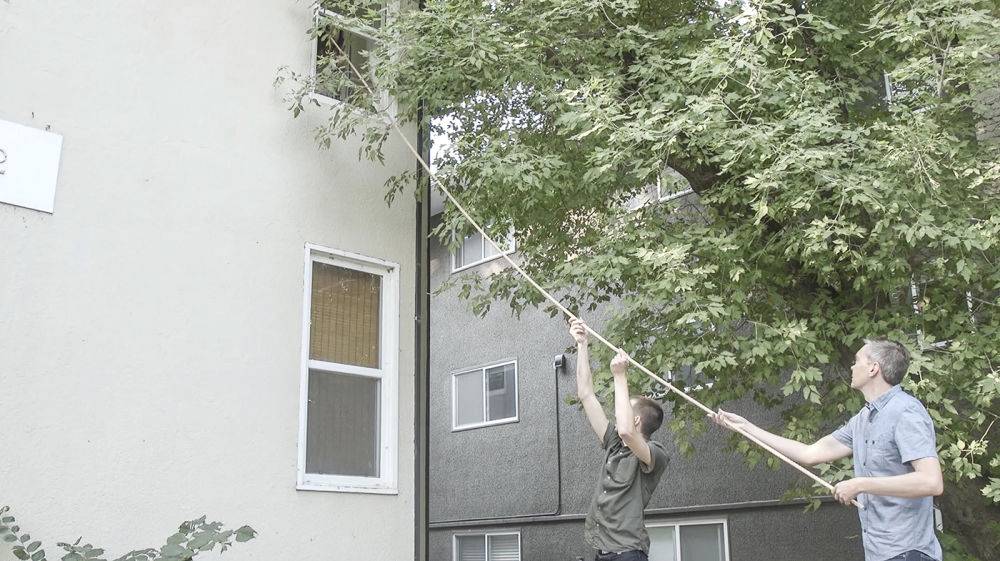
Successive lives of objects: in conversation with Julie Oh
Julie Oh relies on instinct; an uncritical trust of feelings elicited on a first encounter. The Saskatoon-based artist collects found objects which are often commonplace and recognizable to many, and then initiates a period of sustained engagement with them. Very little of the object will be physically altered during this time. Instead, Oh looks to isolate an encounter, providing the audience with an obscure and novel perspective. In this new light, it is almost as if the familiarity of Oh’s selected objects is exactly what makes them seemingly so foreign — it is a practice that lowers the partition between these…
Read More
Opinion: Notes on Fluids
Document 3. Beside this file is an image I saw on Tumblr. It is an ad for a scent called E’au D’Héroïne, and on the bottom it reads: by Jork Weismann. There’s a close-up shot of an opened mouth, a tilted back jaw, with oozy champagne-colored liquid spilling out generously. I was attracted to this image because of its wetness, vulnerability, and sexiness. I became obsessed with the notion of oozing substances in my third year of art school. But the curiosity started at an earlier age. It began with the first nutrients I ever consumed—the milk from my mother’s nipples….
Read More