
Archive
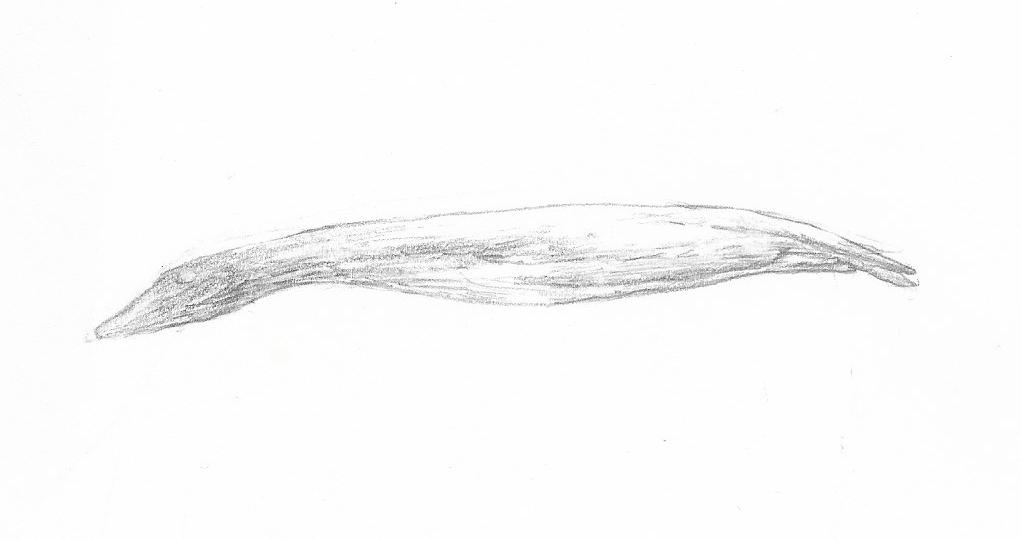
Duet for Spackle
(1, beginning) This is my first thought: that, inexplicably, ducks have been made to get stuffed in festive contexts of clashing cultural significance. Foie gras is a duck being stuffed with feed, and the turducken is a duck being stuffed with a chicken, then being stuffed into a turkey. Specifically, foie gras is the liver of a duck who has been force-fed for twelve-and-a-half days. It is a delicacy whose cruelty is protected by French law. The turducken, whose “stuffedness” is arranged after the deaths of all involved, is a meme in the American mythos, which means that it is an abomination. …
Read More
“Not a just image, just an image.”
1. You go out dancing with the gay boys. Afterwards, you all decide to get pancakes because only sugar can soften the blow of leaving with the same people you came with. At the diner you settle easily into a purple vinyl booth, place your orders, and take solace in the vast blue light horizons of your phone screens. The table goes silent as it always does when gay men re-enter the visual ecology of their natural habitat, mollified by pixelated rivers of naked flesh, retouched ass cheeks as firm, sweet, and stale as a bag of Haribo gummies, luscious…
Read More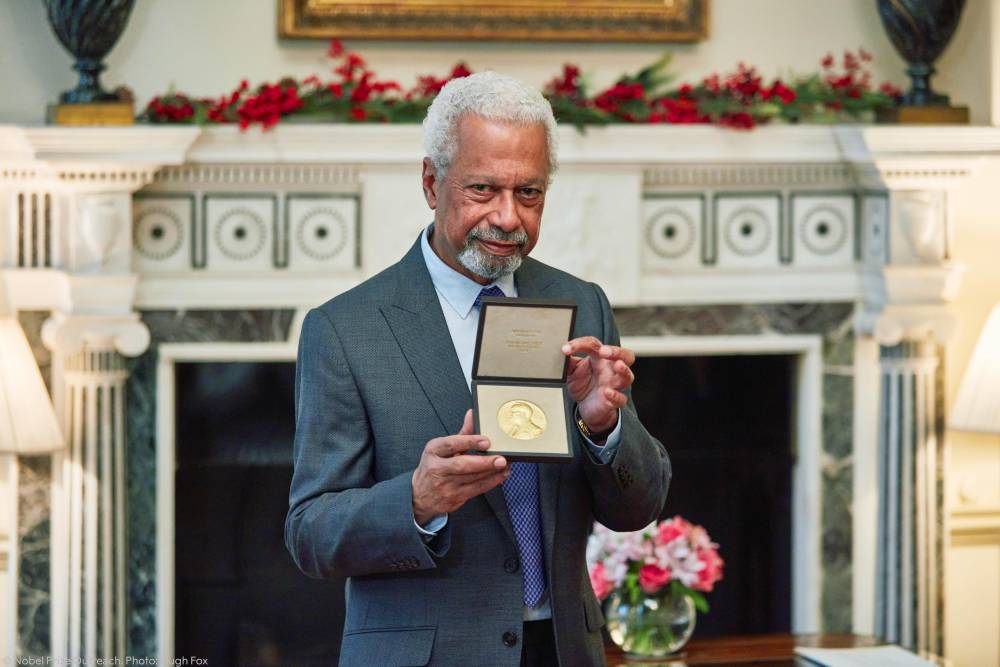
After the Storm
On both the Anglophone and the Francophone sides, Africa was on the podium of literary delight in 2021. It is true as in the words of Samira Sawlani that African writers took the world by storm. Boubacar Boris Diop won the 2022 Neustadt International Prize for Literature for his book titled, Murambi: The Book of Bones, which explores the 1994 Rwandan Genocide. It is the fifth decade of the prize and Diop is among the few Africans who have won the prestigious award organized by World Literature Today of the University of Oklahoma. The Ghanaian writer, Meshack Asare, also was a recipient of the Children’s Literature category in…
Read More
A recipe for oppositional remembrance
In April of 2020, the novelist Arundhati Roy wrote: “The pandemic is a portal.” As we continue through the portal, navigating the emergence of new variants, it is a fertile time to collectively embrace liminality as our mode of existence. Oscillating between states of lockdown and re-emergence felt like constantly taking flight towards the unknown. In the foreword of Borealis, an essay by Aisha Sabatini Sloan published in 2021, editor Youmna Chlala reflects on the tension that exists in trying to situate oneself within the ever-changing spaces we occupy: “It is as if you are trying to land your gaze somewhere but the…
Read More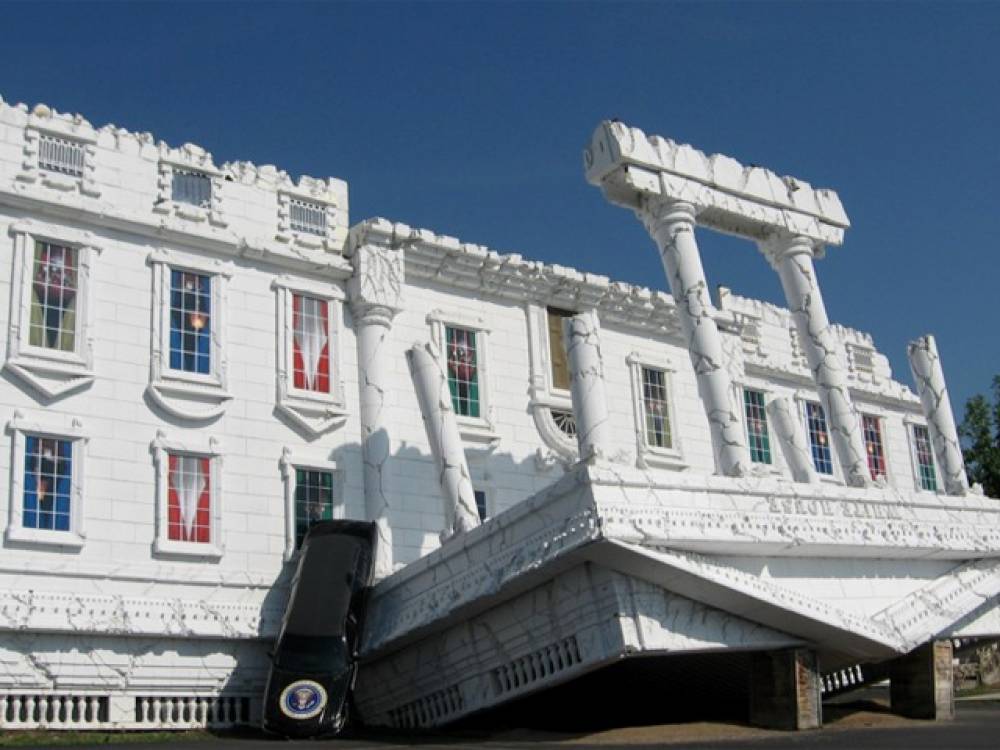
This can’t be the right place: reflections on an insurrection
On Interstate-94 between Minneapolis and southern Wisconsin, flattened farmland gradually gives way to sandstone buttes. 18,000 years ago, this ground held a glacial lake. When the glacier receded, an ice dam broke, unleashing a violent flood that forged the buttes’ contours. Eventually, in the flood’s wake, the Waterpark Capital of the World™ would be built. Since the first waterslide was installed in 1980, “the Dells”—shorthand for this area—has become a land of “COUNTRY’S ONLY” and “PLANET’S BIGGEST”. Among these achievements is the United States’s largest inverted monument: the Upside-Down White House. This imitation of the presidential palace is the reason…
Read More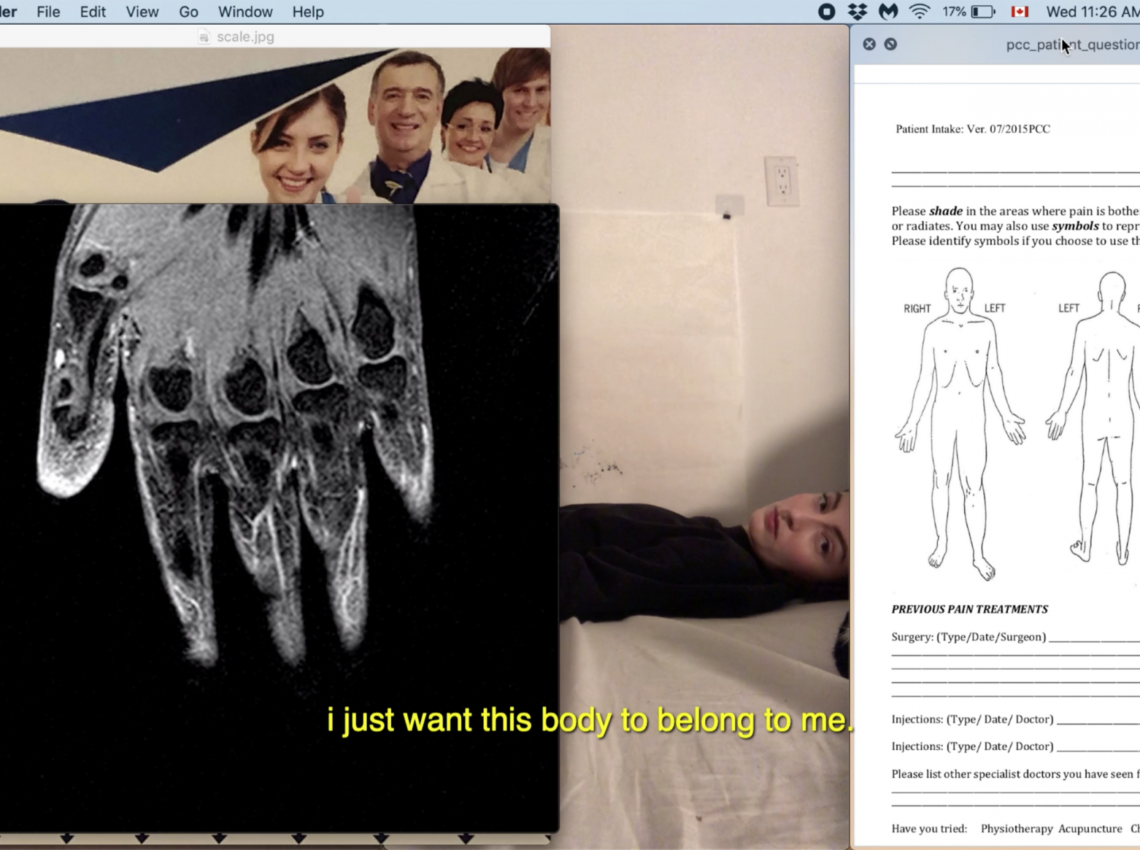
“I’m still here, still alive, still valuable, even when I can’t get out of bed”: in conversation with Hannah Bullock
Hannah Bullock is a visual artist and writer based in Toronto. Her work explores her lived experience with chronic pain, through printmaking, video, sculpture, drawing, performance and writing. As part of a poetic essay video 2020-09-16 at 11:19:28 AM, Hannah’s voice calmly and firmly recites, “I can’t stop my immune system from failing me from time to time or maybe I could if I took better care of myself. But it’s hard to take care of yourself when your own body doesn’t take care of you.” With this work, Hannah draws you into an intimate space of her personal computer desktop and her…
Read More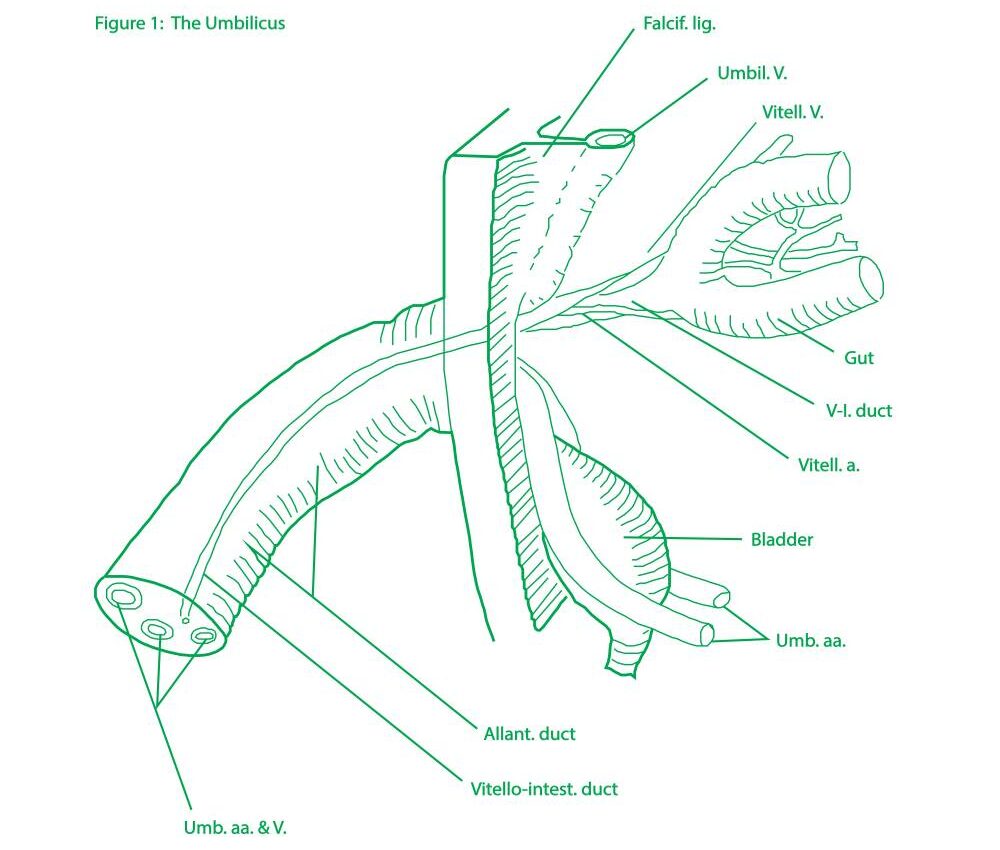
In defense of belly button lint and the hole that is nothing
My boyfriend’s opinions about my body generally swing amorously between ecstatic enjoyment and appropriate indifference, and for that I am grateful. There is one outlier, however. One spot pokes a small hole through his studied feminist temperament to reveal a well-meaning but not necessarily welcome qualm about my physical form: he regularly informs me that my belly button is dirty. The first time this happened, my response was disbelief followed by a defensive boast about my usually superior hygiene. He then showed me his own immaculate navel and told me to look at mine in comparison. Realizing then that I…
Read More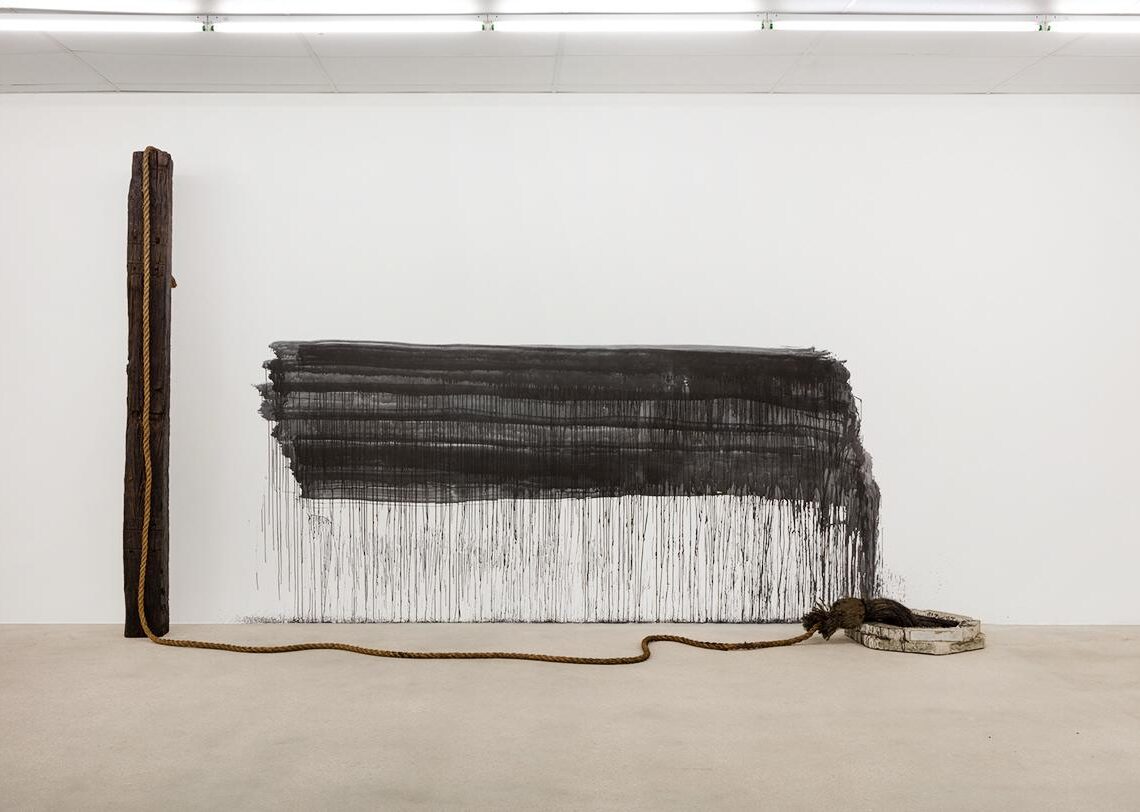
Directing the acoustic gaze: in conversation with Oshay Green
“For me, the improvisational skill and experimental language of jazz artists like Pharaoh Sanders, Alice Coltrane, and Sun Ra, gave me permission to seek a plane of creativity that allowed for freedom and liberation, in all its valences”, artist Oshay Green tells me during our conversation outside a Los Angeles cafe. As far as influence, he leaves nothing on the table. Whether it’s the gritty, urban environment near his Dallas studio — which provides him with an ample source of metal scraps and concrete that compose his sculptures — or the conceptual approach of 20th-century Japanese and Korean artists such…
Read More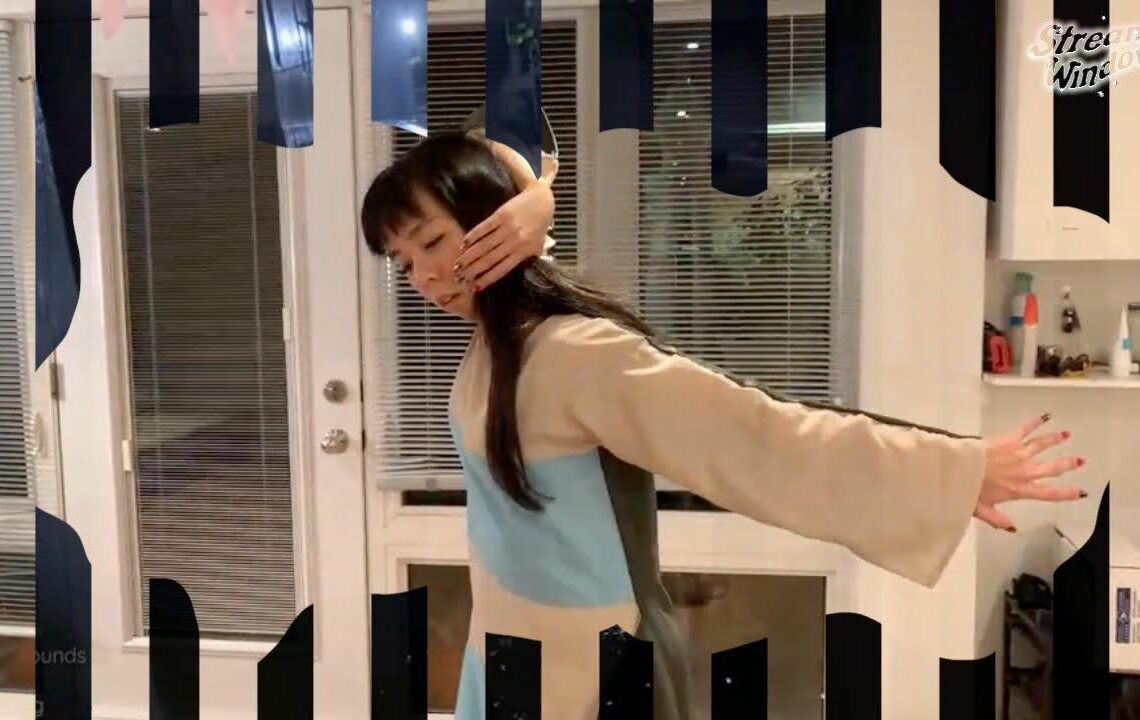
Talking screens, translating media: in conversation with Oliver Husain
Oliver Husain is an artist and filmmaker based in Toronto. His exhibitions and films combine elements of cinema and performance, drawing on a range of objects, stories, and materials to create lush, curious environments that denaturalize architectures and histories alike. I first wrote about Husain’s work in a 2016 review of an exhibition of his film Isla Santa Maria 3D at Gallery TPW in Toronto. Then, as now, I was mesmerized by the way Husain kaleidoscopically interrogates his subjects. I spoke with him this summer over Zoom while we were both in Germany (him in Berlin and me in Essen) about several…
Read More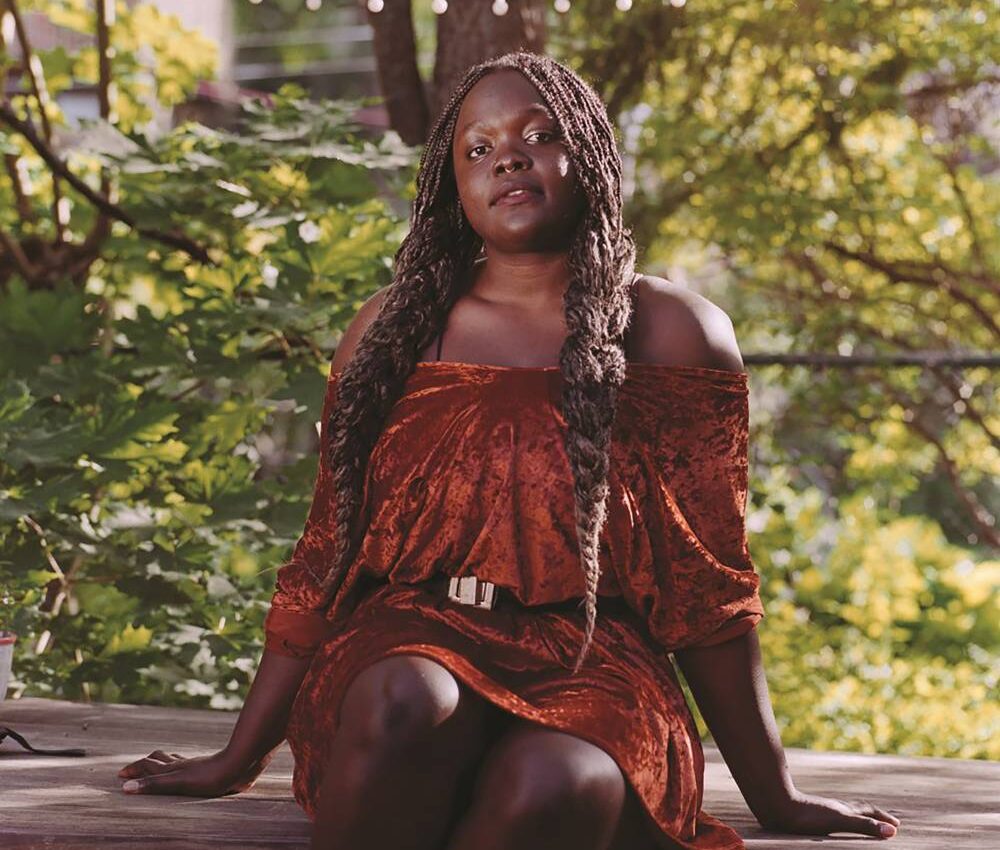
Grounding a story around the senses: in conversation with Francesca Ekwuyasi
Francesca Ekwuyasi is an incredible storyteller. Born and raised in Lagos, Nigeria, she is currently based in Halifax(K’jipuktuk), where she produces poignant literature and multidisciplinary artwork from within her own universe. Her debut novel, Butter Honey Pig Bread has received much acclaim for its honest and heartfelt approach to themes of queerness, belonging, faith, family, and femininity. Notably longlisted for the 2020 Giller Prize, the novel was a finalist for CBC’s 2021 Canada Reads competition, and was shortlisted for the 2021 Governor General’s Award, among a host of other recognitions. Moreover, Ekwuyasi goes beyond the literary form to tell stories. One of…
Read More