


Archive
Creation Story
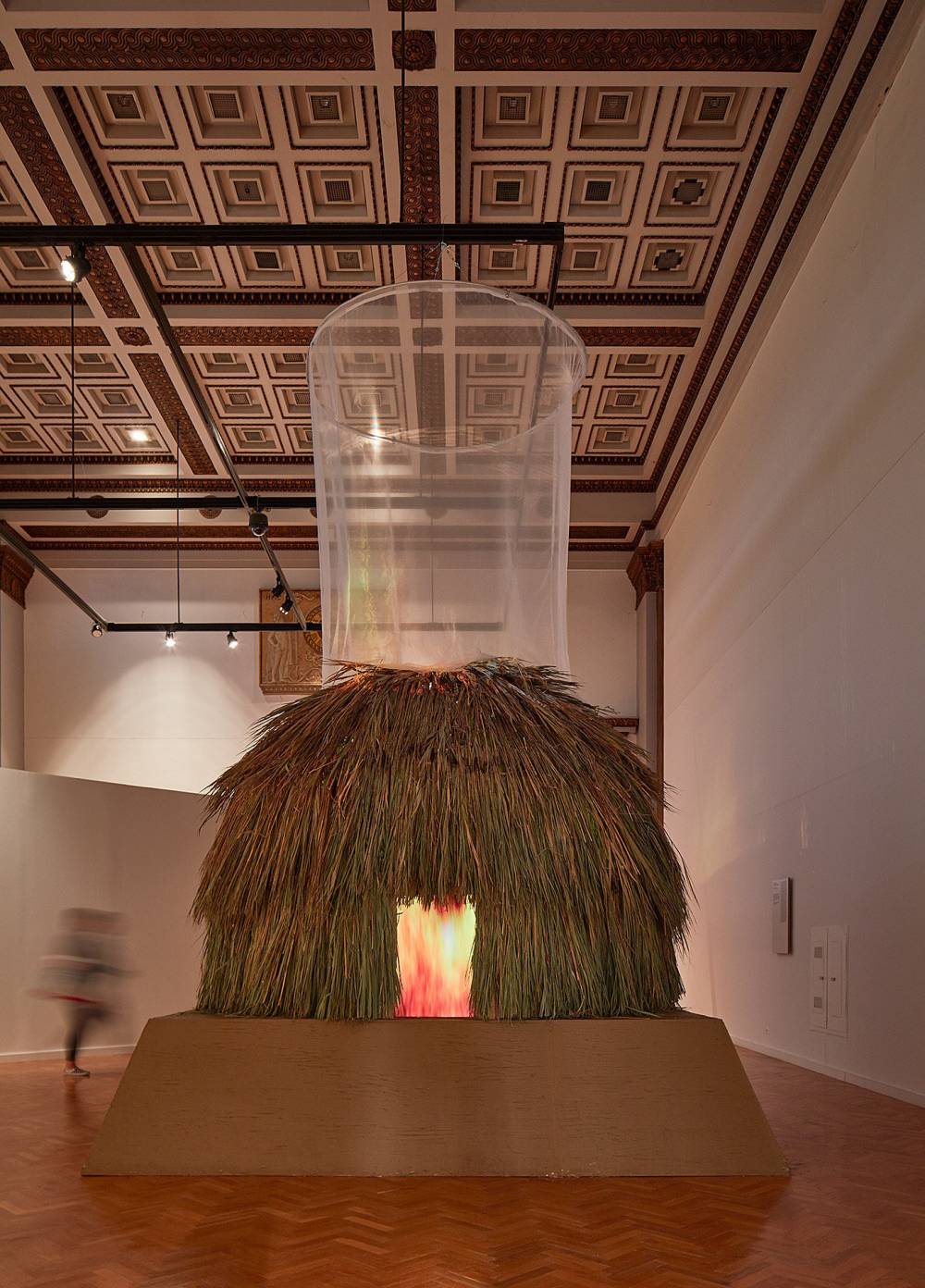
I Oreka James’ Untitled 1 sculpture features fabric stretched over plywood fastened to a brushed aluminum anchor. The sculpture bursts out of star-shaped soil to come to a star-shaped point. The structure spins continuously, flashing between two abstract paintings that evoke the beginning of life. As the pulsing sound of the motor mimics the relentless tide of the ocean and fills the room, I am moved to a beginning when our life was first dreamed up and summoned out of primordial sea. I see the sun as it shines down and pulls earth up from out of the abyss and strikes it…
Read More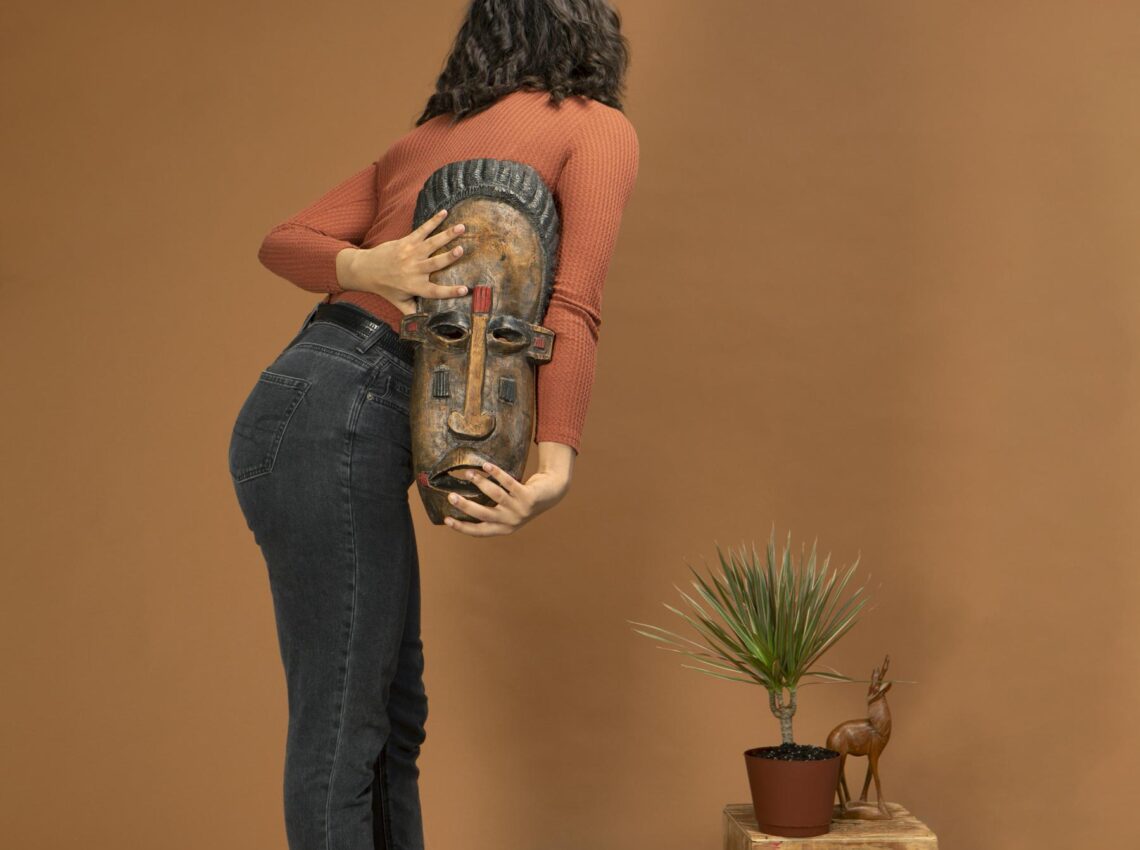
Making of a monument: in conversation with Hannah Somers
The last couple of years has seen an immense surge in the toppling of monuments of white European colonizers across the Americas. The monumentality of these long overdue take-downs is also met with mixed feelings, even for the communities who have experienced and continue to live with the atrocities of centuries of “new world building.” It goes without saying that the repair, the re-building, the re-imagination of world orders does not happen overnight. I am reminded of the many who go on living, resisting colonial figures well outside of their bronze bodies and into the aftermath of their fall. Much…
Read More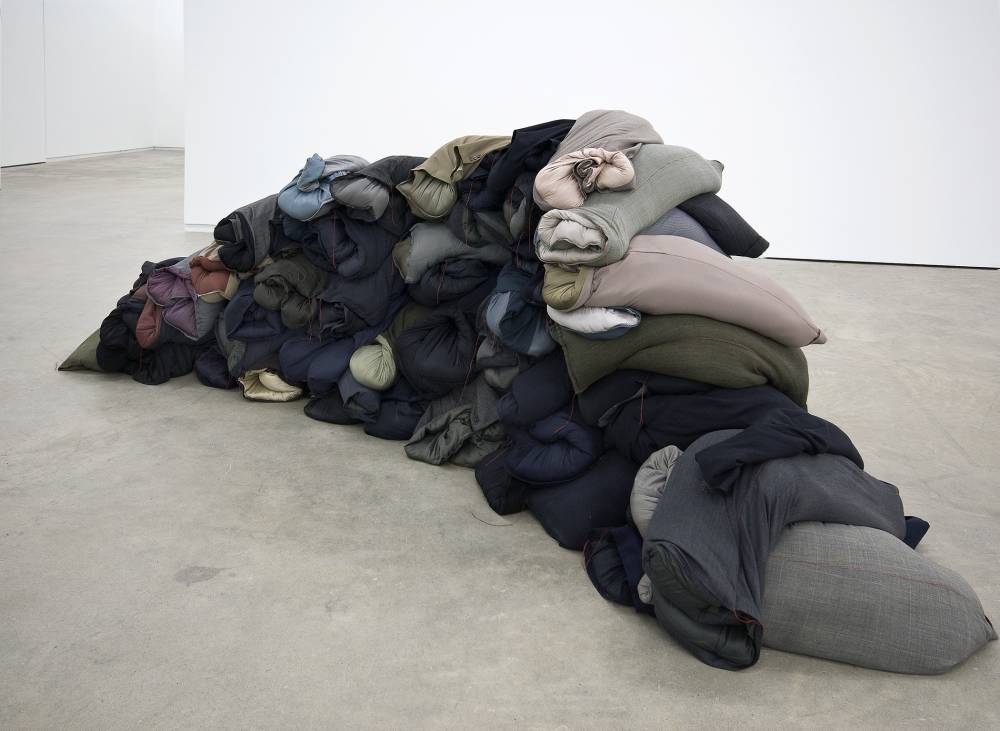
Gestures of absolute helplessness
Noo was a fashion blogger until June 2020. Then she wrote a piece on the removal of the infamous statue of English enslaver Edward Colston by Black Lives Matter protesters in England. Someone popular shared her blog piece on Twitter. The viral blog post was her reaction to the language the media used in describing protesters’ removal of the statue. “They use words such as FALL, TOPPLE, DEFACE, TORN DOWN, TARGETED, VANDALIZE,” Noo wrote. “These words work to turn the real act and force of violence on its head. They signal that protesters’ removal of the statue is a violent…
Read More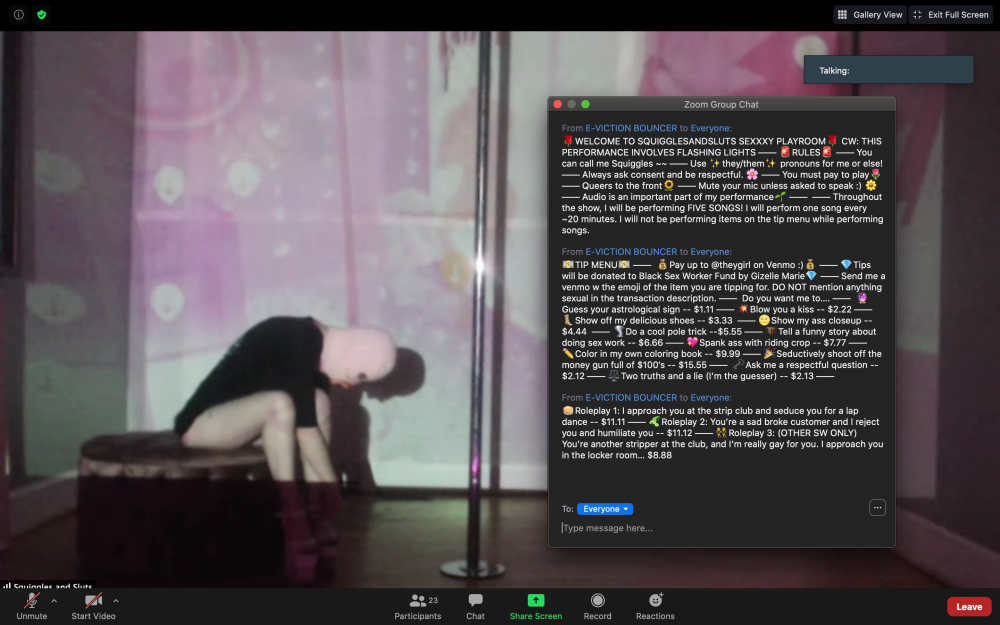
Sex work and performance as virtual resistance: in conversation with Veil Machine
My Zoom background depicted a Catholic confessional. Clad in a bra of dollar bills, I stood at the virtual pulpit, removing each dollar piece by piece, as a congregation of online audience members reported their sins via the chat window. Combining my experience as a stripper and my penchant for the unholy, this performance was one of several that made up E-Viction (2020), a “virtual arthouse/whore gallery” organized by New York City-based sex worker art collective Veil Machine. Produced through a grant from Eyebeam, the work took place entirely online through a platform mimicking the now-defunct personals section of Craigslist. Listings led audiences to…
Read More
Complex machineries of ethics and desire: in conversation with Melanie Jame Wolf
Melanie Jame Wolf is a Berlin-based artist from Naarm/Melbourne, whose practice uses moving image, textile, and sound to broadly analyze the complexities of performance as a discipline, and in everyday life. Wolf eloquently describes her concerns as being “the poetics and problematics of ghosts, class, pop, sensuality, gender, narratology, and the body as a political riddle.” In 2021 she released two new works that marked significant changes to her practice. Acts of Improbable Genius (2021) follows Pierrot the Clown and Wolf’s persona of Stand-up Ron performing the same monologue on the nature of comedy, culminating in the death of Wolf’s years-long character study of…
Read More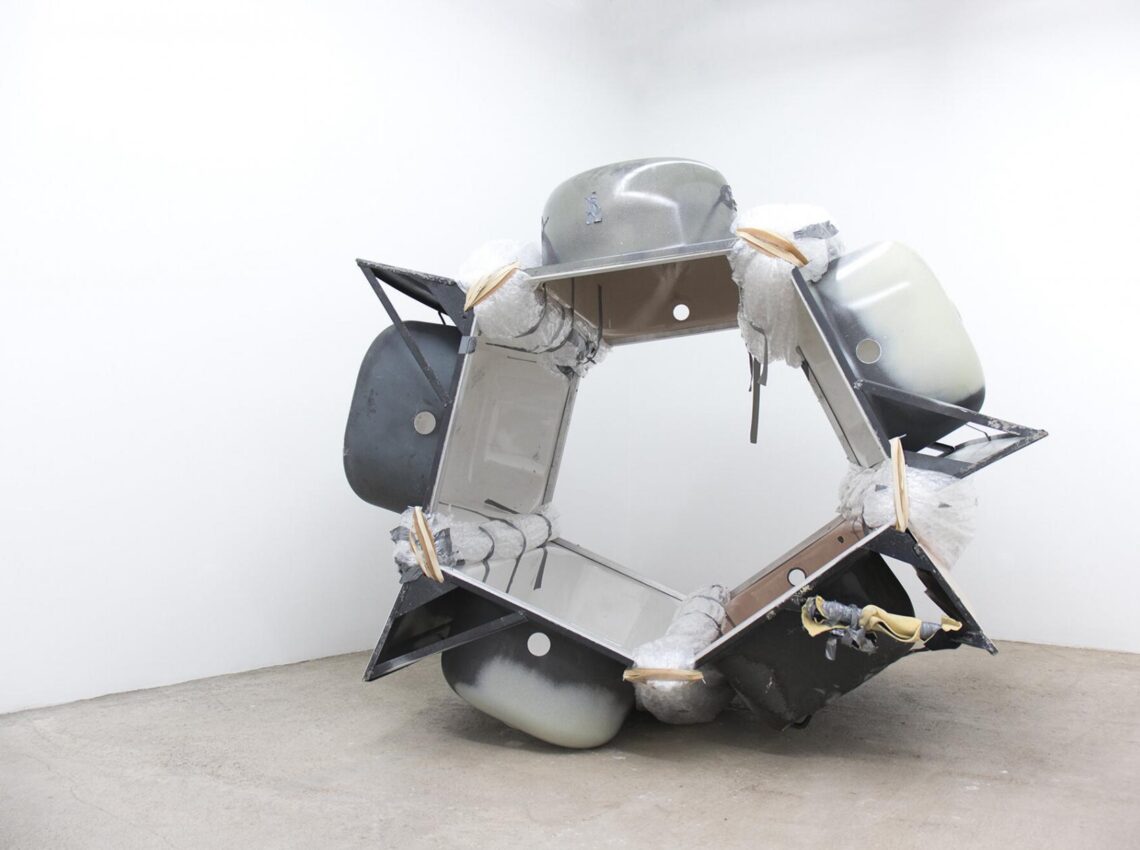
One use, over and over: in conversation with Bat-Ami Rivlin
A society that prioritizes a one-way, single-use system of consumption will, at some point, have to deal with its unsustainable methods of disposal. Instead of redefining waste or prioritizing cyclical systems of reuse, we might just come up with new names for the same systems. Some people call this green colonialism—the idea that infrastructure for renewable resources will continue to exploit and displace rural, Indigenous, and/or under-resourced communities, both at home and abroad. This translates to mercury in Indigenous waterways, hazardous waste behind Black elementary schools, and 1.07 million metric tonnes of plastic waste exported to nearly every continent on the planet. Oil…
Read More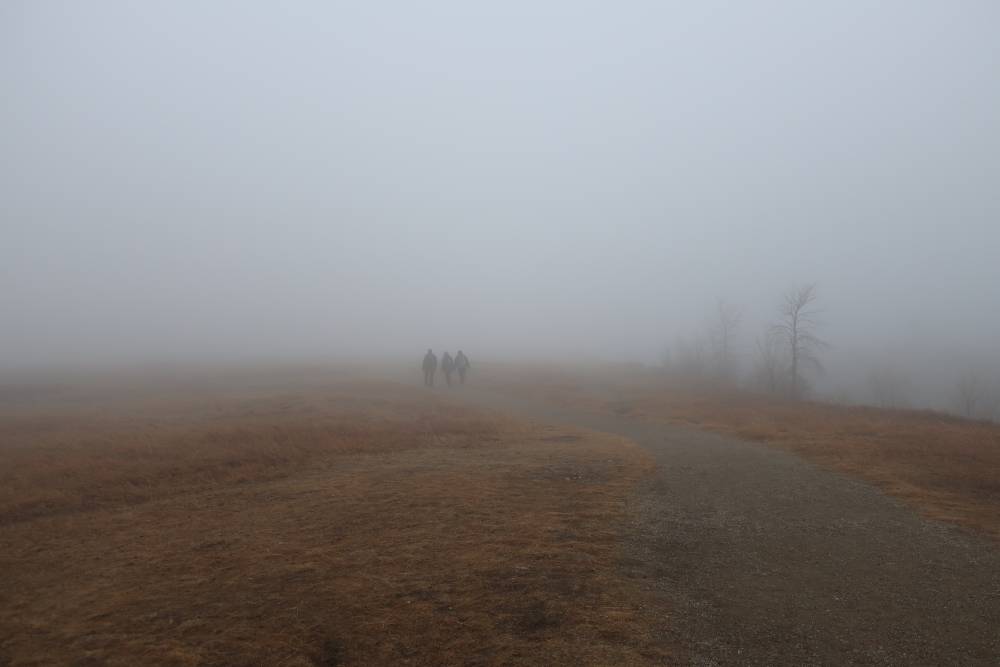
Naming home: in conversation with artist Lauren Crazybull
Lauren Crazybull and I met in the fall of 2019 on Treaty 7 territory while they were in the midst of gathering research as the province of Alberta’s first Artist in Residence. A year later, the research culminated in an exhibition, TSIMA KOHTOTSITAPIIHPA Where are you from? presented at Latitude 53 and subsequently at the Southern Alberta Art Gallery (SAAG). While working with Lauren on the SAAG iteration, I was struck by the depth of personal and historical experiences contained within Lauren’s exhibition. This multimedia project of audio, photographs, a book, and paintings culminated in an immensely thoughtful intersection of personal, cultural, geographic…
Read More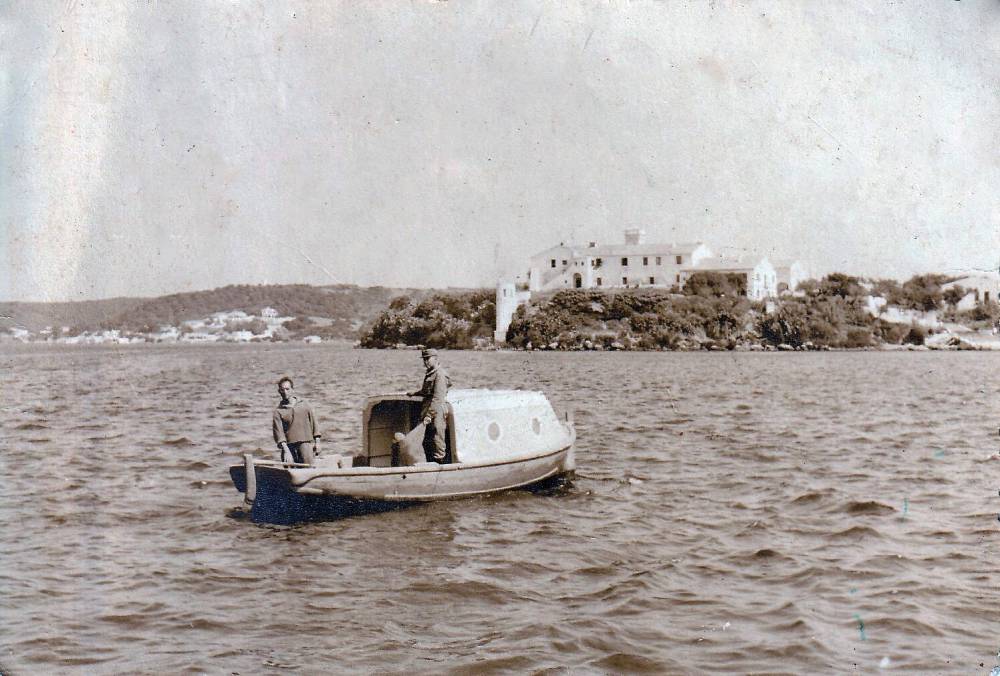
My Bloody Island
In the summer of 2020 two identical catamarans sat docked end-to-end in the port of Mahón, Menorca. Blown-up photos of sea creatures plastered along their sides advertised glass-bottom boat tours of the island’s giant natural harbour. I took Hanah (my daughter, then nearly three years old) on one of the tours. She was restless onboard as a distorted voice produced facts in five languages about certain landmarks along our route, including a few small, rocky islets floating in the port. Our boat stopped at the edge of the open sea and we were escorted below deck into one of two…
Read More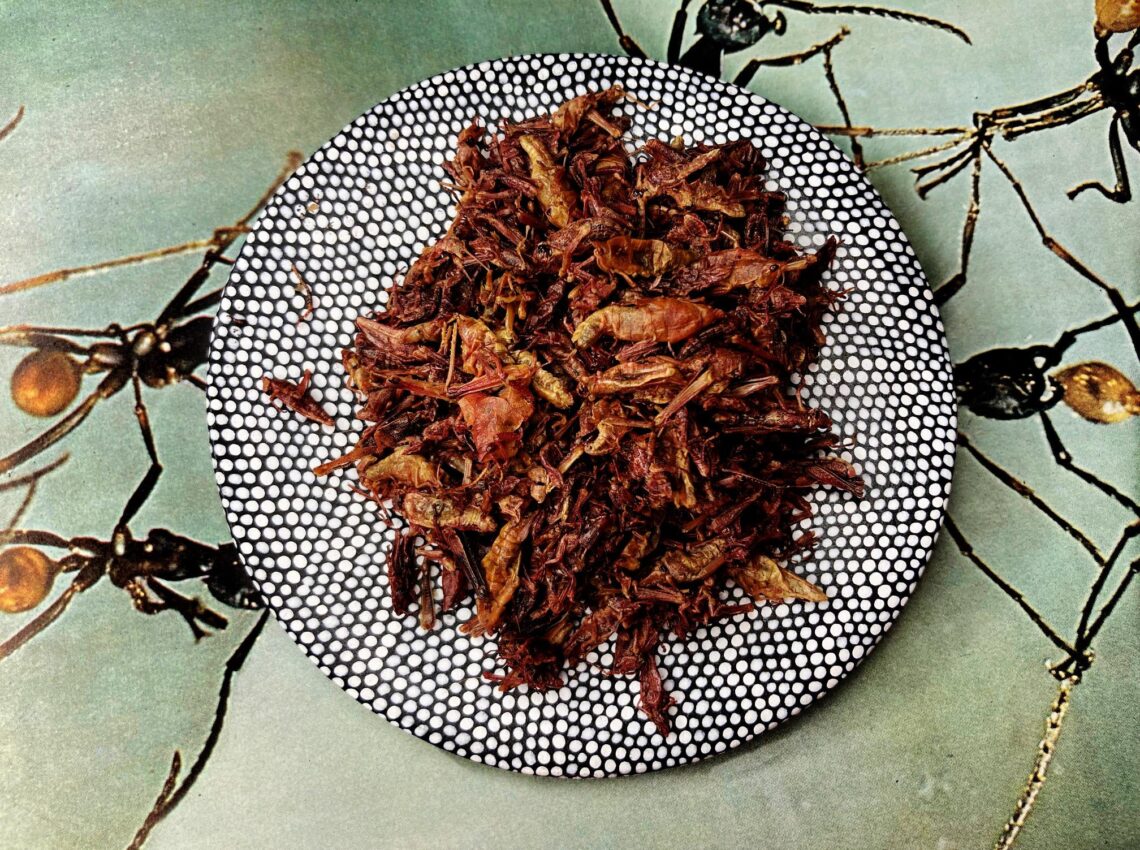
Ancestral and future foods: in conversation with Dupla Molcajete
Researcher-artists and cultural workers Beatriz Paz Jiménez and Zoë Heyn-Jones work together as Dupla Molcajete: dupla meaning duo in Spanish, and molcajete (mohl-cah-HEH-tay) referring to the Mexican mortar. From the Nahuatl word molcaxitl (molli = sauce and caxitl = cup or bowl), this prehispanic utensil, usually made from volcanic stone or clay, is used to grind spices and other ingredients, and often to make sauces that are served directly in the mortar itself. The molcajete is a strong and beautiful tool, both ancient and contemporary, made from both the earth and from human labour. It is an everyday domestic artifact, feminized and containing within it great strength and power. It is…
Read More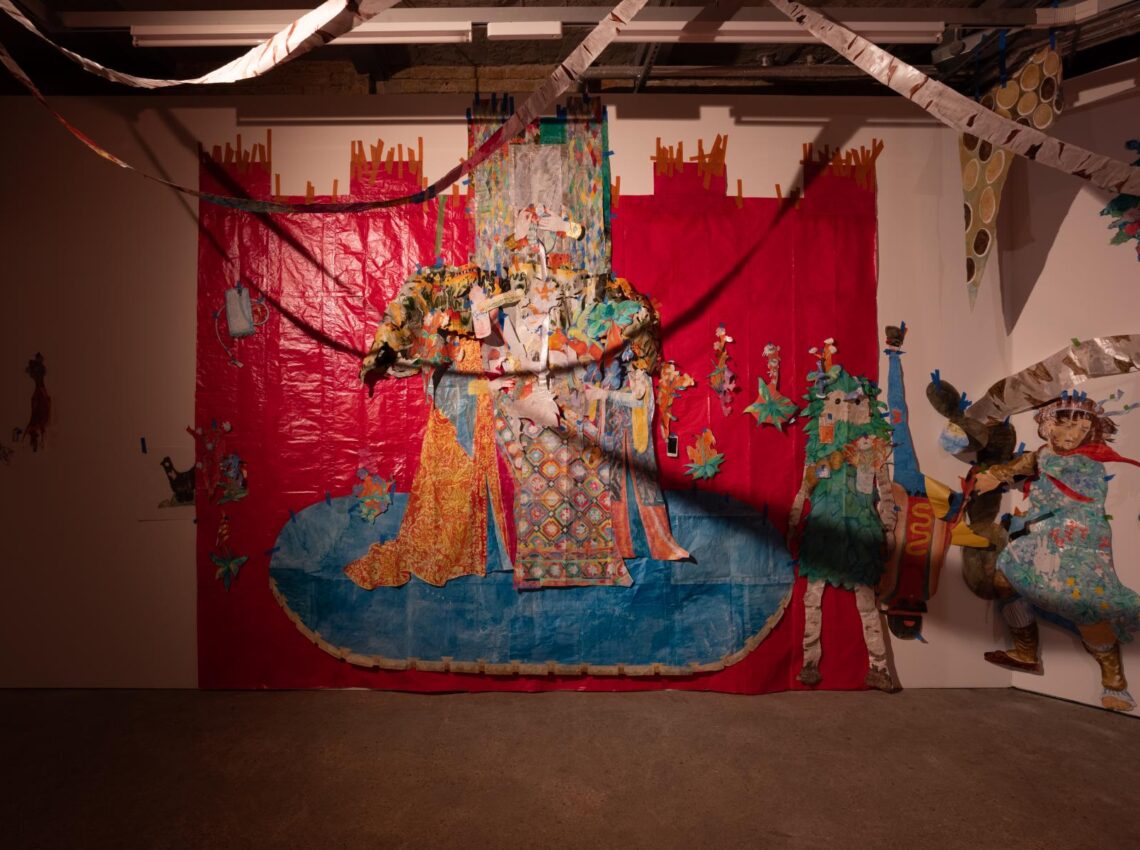
Hogwash: Artwork and Anti-Work
I would like to make poems out of real objects. The lemon to be a lemon that the reader could cut or squeeze or taste—a real lemon like a newspaper in a collage is a real newspaper. — Jack Spicer The pig taped to the wall is the colour of smog. Hung vertically by the snout, its pear-shaped body has had a sizeable chunk sliced from its back, revealing the hammy flesh within. A knife sticks out from the pig’s side, but this looks less like a wound than a sheath. The exposed blade has a bag of cigarette filters…
Read More