

Archive
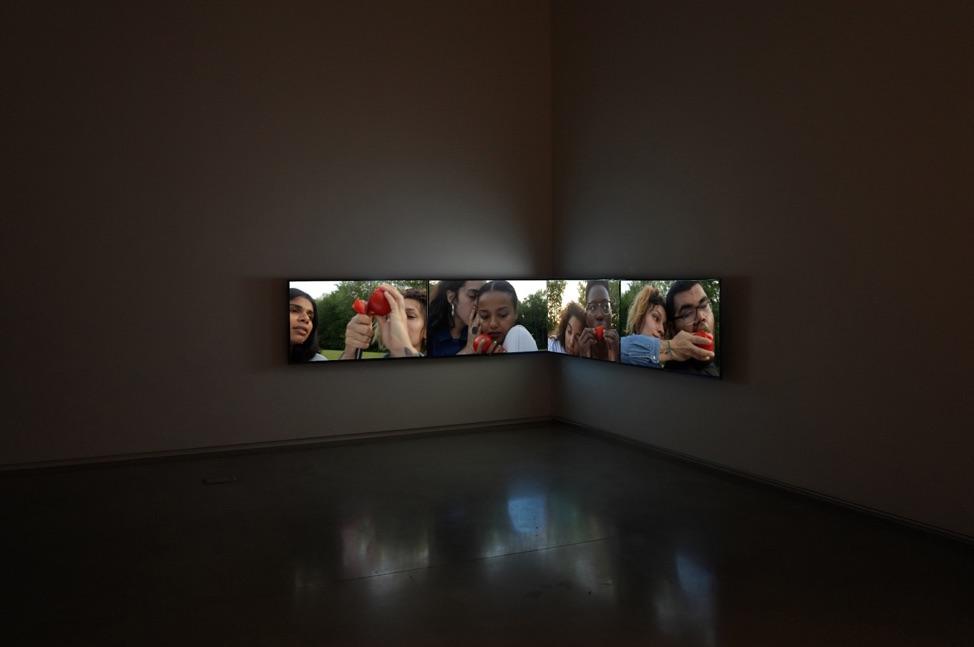
Erin Johnson’s Queer Ecosystems
It’s 2019. Seventeen bodies float and paddle in a silky black lake, faces tilted up to the sky. Treading water or spread-eagled, their limbs occasionally overlap, forming an imperfect, shifting web. There is no land in sight. Watching them from a bird’s eye view, I envy the casualness of their touch and proximity, the tranquility of their bodies both in motion and repose. This is Lake, a video installation by the artist Erin Johnson, part of an ongoing series featuring a group of her “friends, lovers, and mentors” floating in bodies of water, marking time. Now, in 2020, as time dilates and…
Read More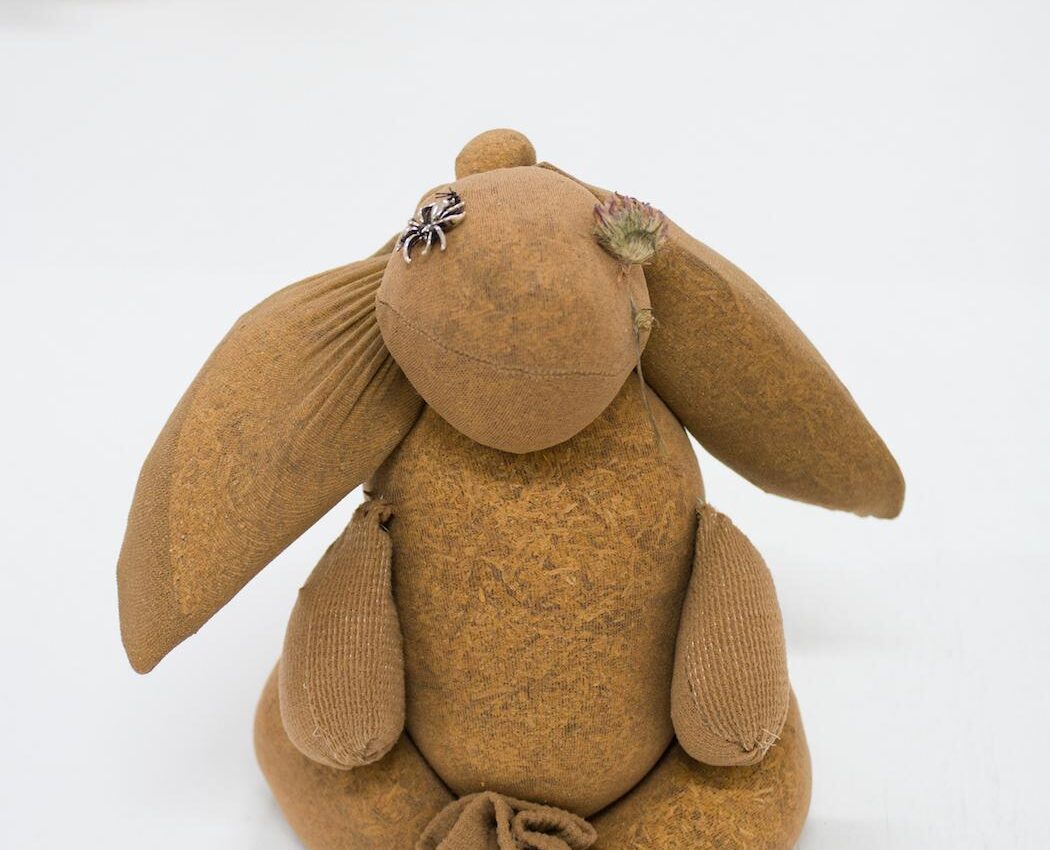
Tobacco, Energetic fields, and Indigenous economies: in conversation with Gabrielle L’Hirondelle Hill
I was in conversation with Gabrielle L’Hirondelle Hill between this past August and October. I reached Hill from London, UK, and over the period of our interaction, we navigated the intricacies of distant time zones, the entire Atlantic Ocean, and an ever-evolving pandemic. As a conversation partner, Hill was kind, engaging and always honest. Hill is a Cree and Metis artist/writer living in Vancouver, BC, located on the unceded Musqueam, Sḵwx̱wú7mesh, and Tsleil-Waututh territory. The artist employs sculpture, installation, found materials, and paper as tools for enquiry into concepts of land, property, and economy. Hill is interested in Indigenous economies,…
Read More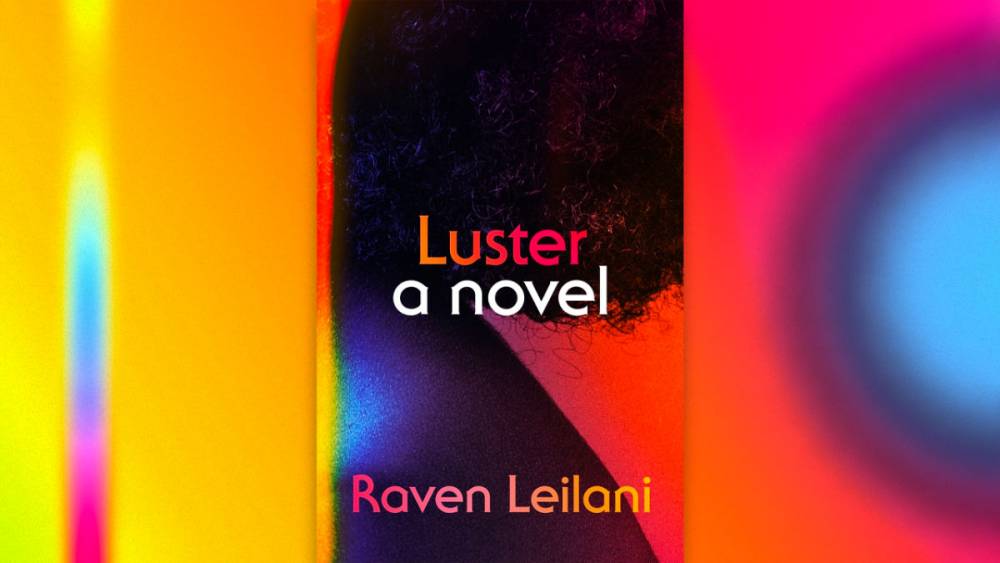
How Raven Leilani’s Luster reimagines what it means to come of age
At the risk of coming across as pretentious, I love coming-of-age stories. Dramatizing the emotional and mental transition of growing up and with that, growing into oneself is comforting. Although the act of coming-of-age is a universal reality undeterred by class, sexuality, and gender expression, the canonical space is one that has been diluted with stories belonging to the white suburban teen. When racialized and non-cishet people are written into these narratives, more often than not, they find themselves wearing a mask belonging to an archetype. That is, they play the supportive best friend, wise therapist, or sassy peer. Essentially, the inclusion…
Read More
in conversation with cultural organizer Amanda Vincelli
We were both pursuing graduate studies at CalArts in 2015 when Amanda Vincelli and I first met. I have always understood her to be a meticulous and driven thinker. I later became one of the hundred women to participate in Vincelli’s thesis project Regimen (2015—2017). It was a project that sampled and documented the medicinal regimens women in an urban capital may find themselves engaged in. The project explored observations on wellness, the body as a bio-political negotiation zone, as well as a machine for production and reproduction. The project was influenced in part by Vincelli’s background in health sciences, her work…
Read More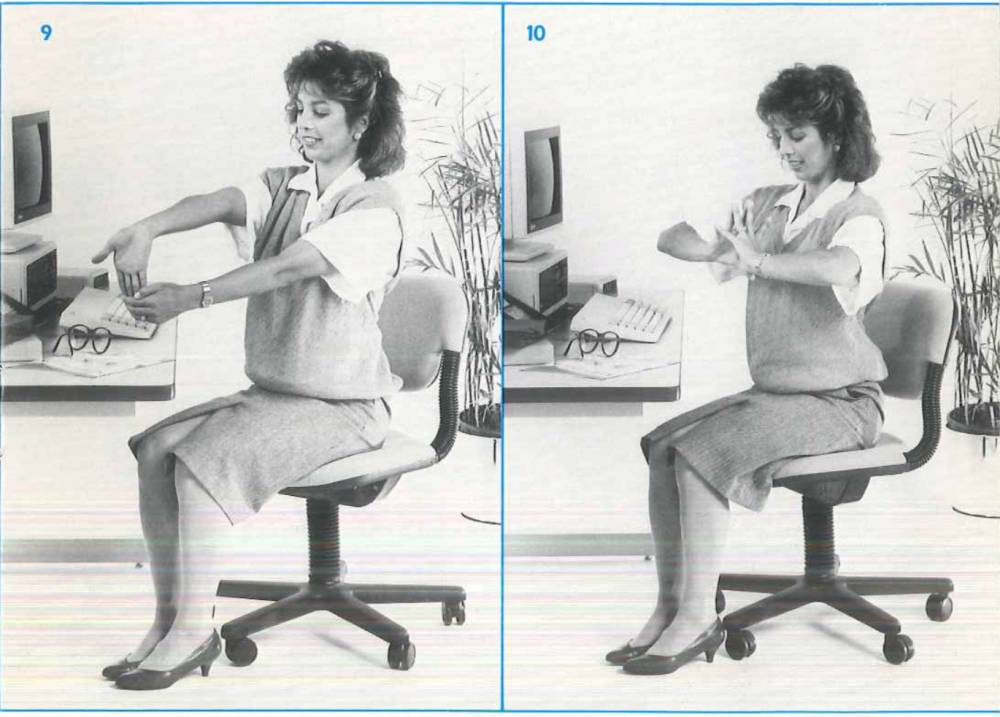
Labouring to keep the body fit for labour
Inevitably distracted from the writing task at hand by the tension in my neck, I find myself in a new tab where the phrase “Why is the Aeron chair so expensive?” auto-completes in my search engine. My resentment towards the obligation to work beyond the limitations of my bodily capacity is directed at this object: a top-of-the-line office chair designed by Herman Miller, wrapped up in the legacies of Modernist design and “human factors engineering.” The chair’s glistening curvature promises to cradle one’s wrist, delivering it to the keyboard at an angle so comfortable, one could type forever. It takes…
Read More
Antagonistic Realisms: in conversation with Steven Cottingham
Two summers ago in a New York gallery, I saw a work by Vancouver-based artist Steven Cottingham that has stayed with me ever since. Hanging plainly on the wall, Untitled (2016) comprised a single denim jacket, sourced from a Bangladeshi garment factory where workers complained of mass hallucinations and ghost attacks until management temporarily ceased operations for an on-site exorcism. To some onlookers, the incident was evidence of the spiritual realm intervening to offer overworked labourers a break from exploitative working conditions. The jacket lingered because it falls within a category of artworks that I tend to gravitate towards: nondescript objects which contain ideas and provocations…
Read More
Sugar Cube
It was his routine to dissolve a distinctively large sugar cube in his morning coffee. Nothing else. Only routine. This morning, too, he picked one up. As he was about to put it in his mug, he somehow felt this particular cube was more solid than usual between his two fingers. But his focus shifted to the dominant sound in his room: the voice of a CBC Radio reporter creeping up from his phone. Her announcement of an incoming storm was audible, yet it did not get through to him. “What if she were warning me in Korean?” he asked…
Read More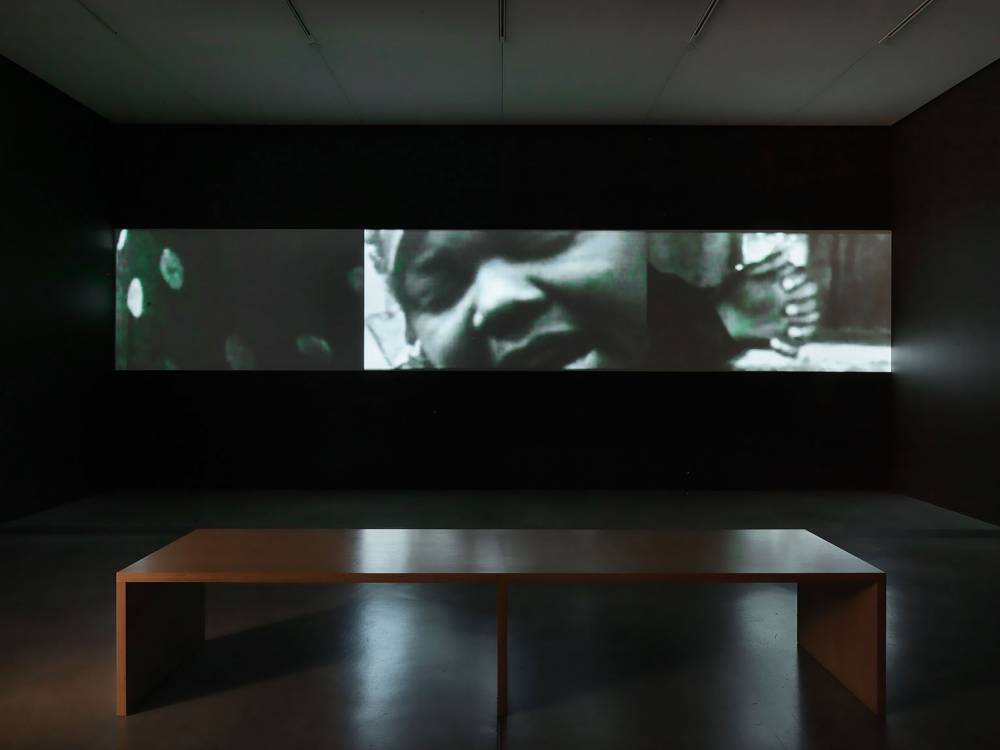
Feeling Tomorrow Like I Feel Today
“These are days of confusion and contradiction”, begins the editorial introduction to the September 1917 issue of The Crisis 1, the official magazine of the NAACP. Published a couple of months after the East St. Louis Massacre, the issue provides detailed accounts of the labor- and race-related attacks that left between 40 and 250 African-Americans murdered2 at the hands of white rioters and another 6,000 African-Americans homeless as a result of burning, vandalism and property damage. Founded by writer and civil rights activist W.E.B. Du Bois, The Crisis shares the stories and perspectives that are often ignored, overlooked or downplayed by mainstream publications. The publication continues to fill the…
Read More
Antagonizing Cottagecore: nature as imperialist America’s femme fatale
After Taylor Swift’s album Folklore premiered—an album whose associated videos and imagery are rife with idealized isolation—W Magazine ran an article titled “Taylor Swift Has Discovered Cottagecore.” This headline doubly reiterates the relationship between postcolonial America and the natural world: it celebrates a white woman “discovering” an aesthetic trend that already celebrates the myth of discovery. Cottagecore’s linen, lace, and pleated cotton skirts return to Victorian England, or 17th and 18th century colonial America—periods of imperialism, in which culture was synonymous with hegemony. Across platforms (Instagram, Twitter, Tumblr, Pinterest), cottagecore is an online community formed around the antithesis to community: isolation. As a pop singer-songwriter,…
Read More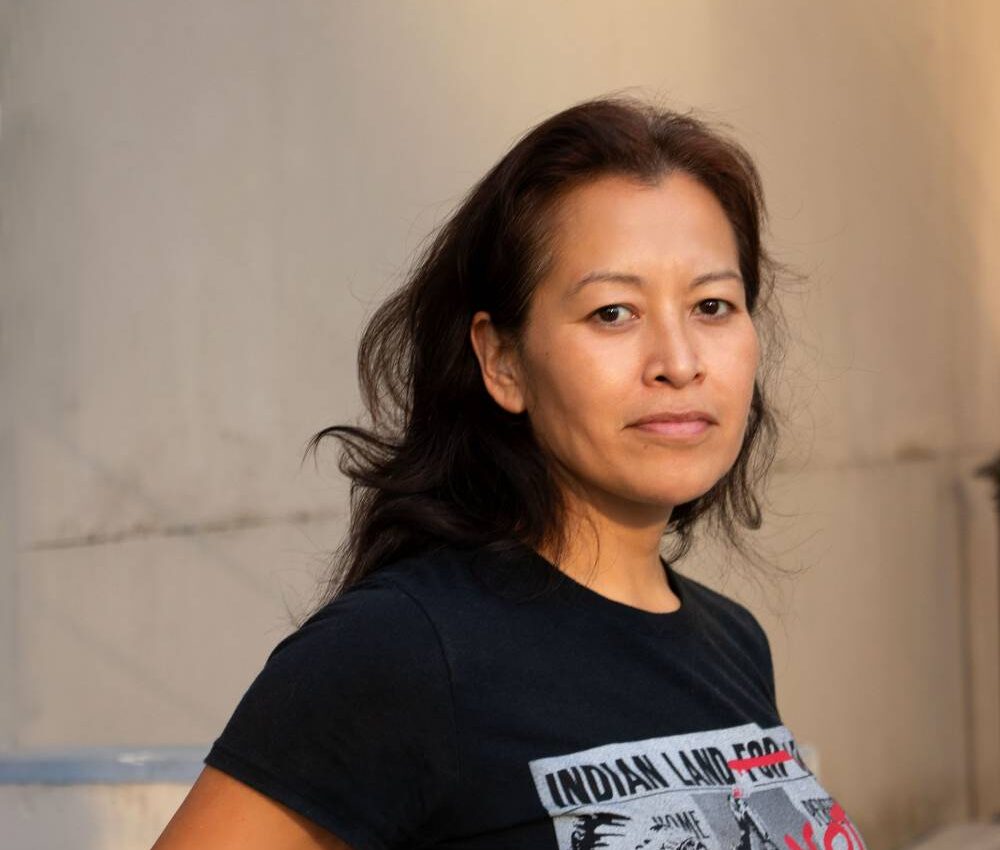
In conversation with Indigenous costume designer Carmen Thompson
Carmen Thompson (Diitiidaht/Kyuquot/Coast Salish), 46, has lived and breathed costume design for the last 15 years. Her given name by her uncle is Tl’aakwaa (Nuu-chah-nulth), meaning copper. Copper is a versatile, malleable material with high electrical conductivity, twisted into jewellery, coins, and metal alloys. Copper is a trace dietary mineral, it lives in our bones, and seems to be everywhere else. Thompson’s career embodies malleability. She has played a vital role in the complex visual language of costume on multiple full feature films, commercials, award shows, television, theatre, and opera. Her father, Art Thompson, was a prominent Victoria artist working…
Read More