

Archive
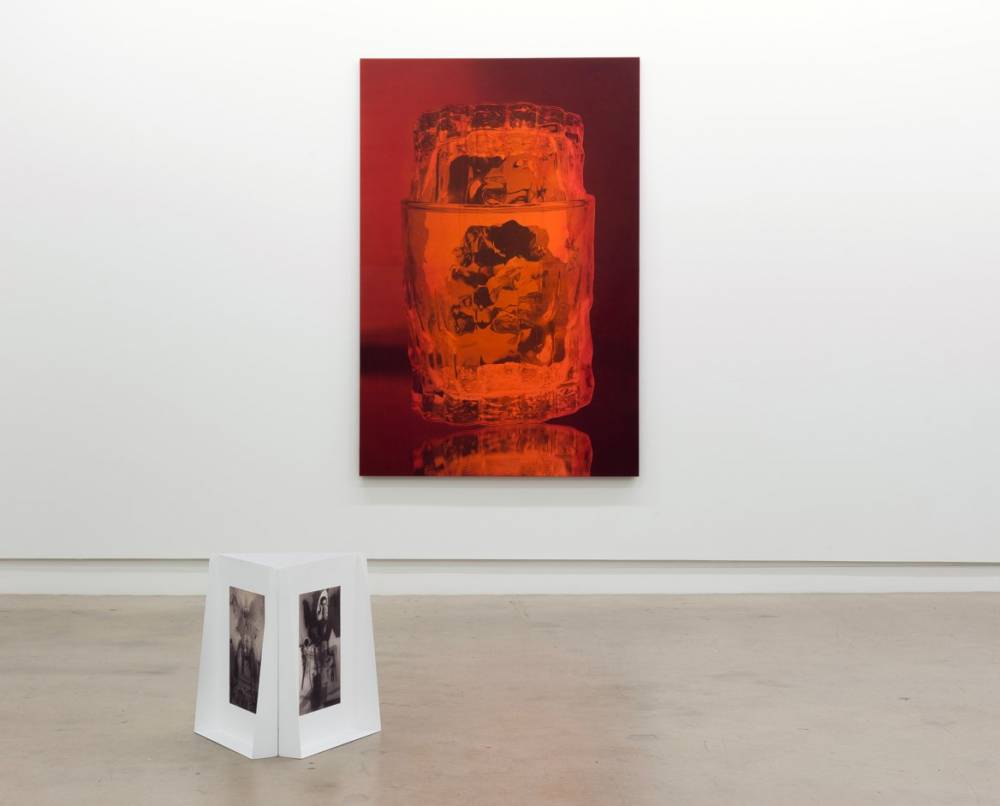
The artist as wizard: in conversation with Guillaume Adjutor Provost
Guillaume Adjutor Provost is an interdisciplinary artist, researcher, and educator whose carefully considered material practice combines installation, sculpture, performance, video, drawing, and text. In his oeuvre, Adjutor Provost creates ethereal landscapes meant for thorough contemplation by his viewer. The artist envisions the space of the exhibition as a container of ideas and sees the act of exhibiting collections as a vehicle for issues such as class consciousness, counter-culture, vernacular imagery, and experiences of queerness. The figure of the wizard, a cross-cultural fictional practitioner of magic that has inspired young and old for centuries, is a wonderful character that Adjutor Provost has…
Read More
Bedtime stories
It was something like 3 a.m. on one of those nights nobody knows how to end the first time I saw Cléo Sjölander’s exhibition Exuvie at Espace Maurice. Heaven knows it’s got to be bedtime, goes the song looping in my head all summer and into the fall. I’m disappointed to discover that I have the lyrics wrong, and the song “Ceremony”—one of Joy Divison’s last, and released as New Order’s first—apparently goes: “heaven knows it’s got to be this time” (Ian Curtis never transcribed the lyrics and his vocals were muffled on the original recording, so I guess there’s a chance I’m still right). Besides, I think…
Read More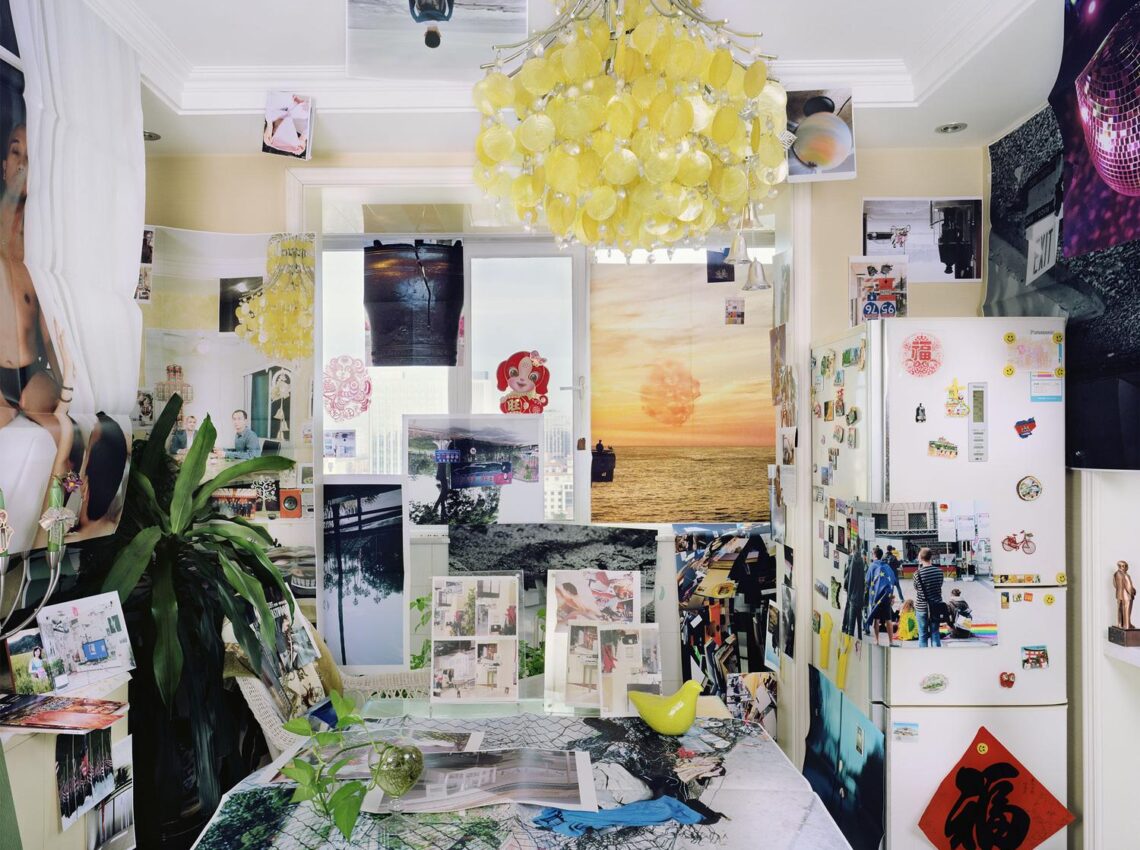
Lost in Parallel Worlds: in conversation with Guanyu Xu
Guanyu Xu is an artist working with photography and cultural iconography to create compositions that deliberately disorient the viewer. His project Temporarily Censored Home has reached international acclaim, currently showing at the International Center of Photography in New York. In this work, he visits his family home in China and creates elaborate photo installations by mining images from his personal photographic archive, printing them out, and physically placing them within domestic settings. Many of these photos are from his life in Chicago and draw on aspects of his queerness – a part of his life that he does not share with his family…
Read More
Time Travel
I have poor time perception, or chronoception, often fumbling with questions about when past events occurred. Air travel, an experience that fucks with routine spatial and temporal rhythms, is made particularly difficult to grasp. In November 2021, taking my first break from hyperlocalness under COVID-19 measures1, I flew to Vancouver for a six-week stay2. Flights are strange ways to spend hours. Although from Toronto it only takes five hours, one of the shorter transit times I’ve gotten through, I experienced the trip as exceptionally long. For once, I’m confident that the sensation of elongated time is more connected to our state of…
Read More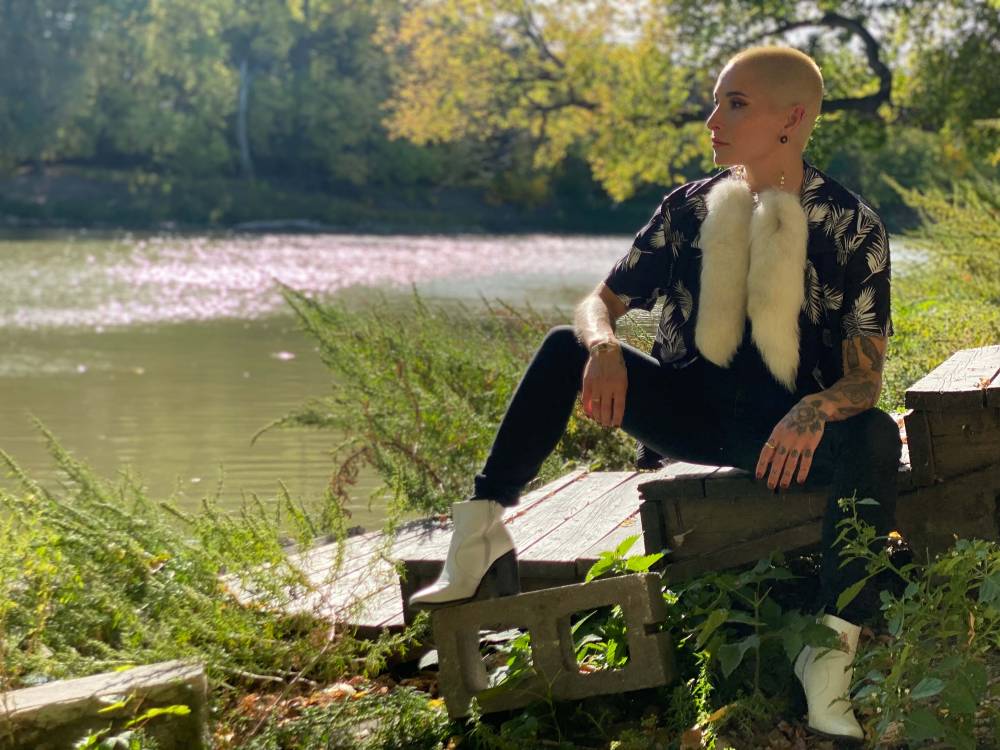
Desirability, relationality, and dreaming of what the gallery can hold: in conversation with Adrienne Huard
Adrienne Huard is a Two-Spirit/Indigiqueer Anishinaabe curator, academic, art critic, scholar, and performer. As a Two-Spirit Indigiqueer, Huard brings a unique focus and position to their research on desire within Two-Spirit and queer Indigenous visual culture on the prairies where they are embedded in the community and draw on these networks in inspiring ways. A citizen of Couchiching First Nation, Ontario, Huard was born and raised in Miiskwaagamiwiziibiing/Winnipeg. After graduating in 2012 from the University of Manitoba with a Bachelor of Fine Arts majoring in photography, they pursued and completed a Bachelor in Art history at Concordia University in Tio’tià:ke/Montreal. Thereafter, Huard completed OCAD’s…
Read More
Is the image a bribe?
Have you seen these images before?” asked the artist. Viewing a livestream from my couch at home, I watched Sara Cwynar move about the room in an all-red outfit, staging a series of scenes: Seen from above, the artist sits in a metal folding chair atop a red-gridded piece of paper and holds up different cut out images above her head for the camera to see. Monitors on either side of the stage stream this view for the physical audience. There isn’t a fixed perspective throughout, a dramaturgical choice replicated via the narration. At times, Cwynar’s voice almost syncs up…
Read More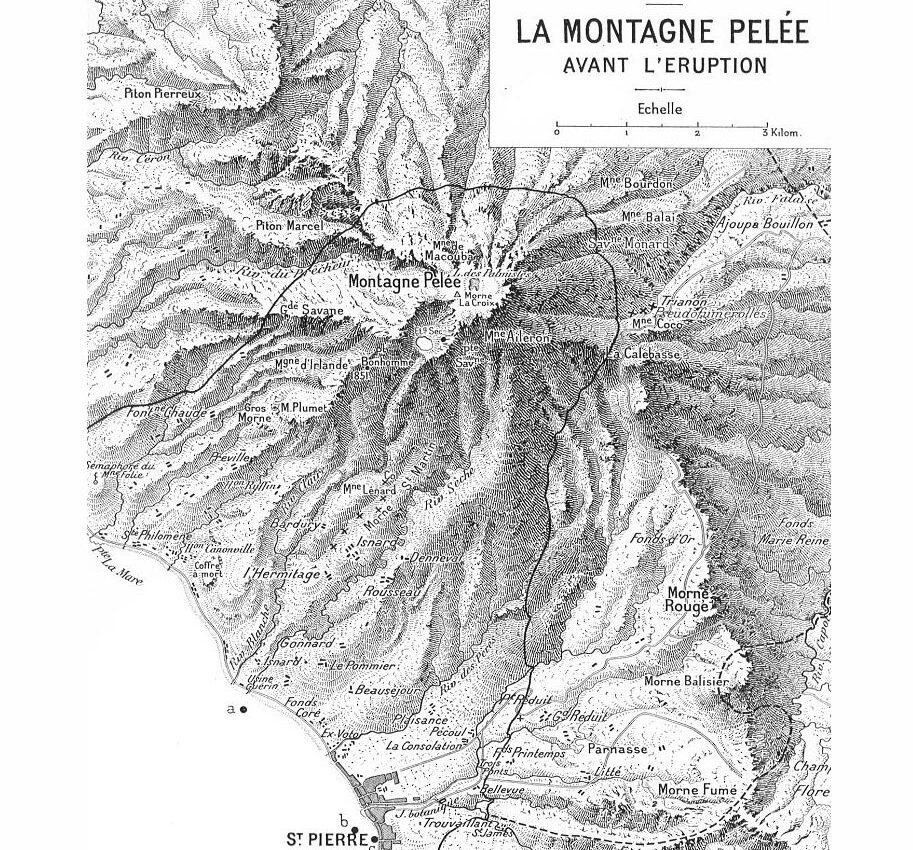
In our very own hands
I. The first impending signs of Saint-Pierre’s May 1902 cataclysmic event became visible weeks prior, in the latter half of April. Months earlier, however, there were faint intermittent rumbling sounds and steam coming from the direction of Mount Pelée. The steam persisted, travelling outward to the town adjacent to it, St. Pierre. The residue of the spewing gas left a foetid odour in the air and this kept on for weeks before worsening. This was followed by an increasingly loud banging like that of a thunderstruck or cannon fire, but negligent authorities continued to overlook the power of one of…
Read More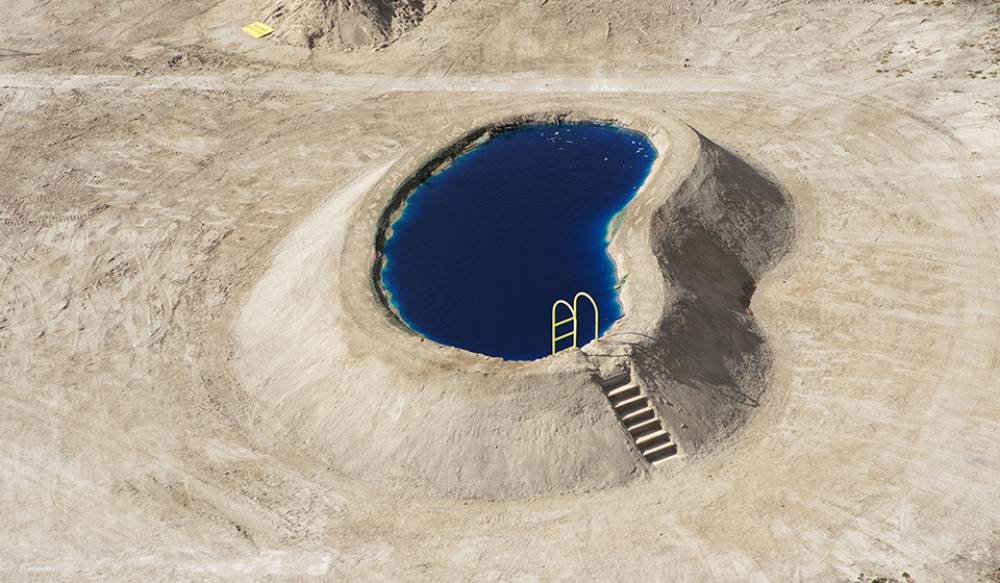
Extractive Implication and Potlatch as Method: in conversation with Tsēmā Igharas
Last summer, I biked to Point Douglas, an eclectic, old Winnipeg neighbourhood dotted with stately historical buildings and defunct industrial sites, to find Tsēmā Igharas’ installation, Tailings Pool. Housed on an empty lot, the piece seemed, from a distance, to be a large, nondescript pile of gravel, not unlike the rubble of a construction site. But as I approached, the smooth, angled sides of the mound came into focus, and a jaunty neon yellow swimming ladder revealed itself, straddling the edge. Climbing up to look in, I found a bean-shaped pool of tantalizing blue, glinting in the dry heat, noxious yet seductive. Playfully…
Read More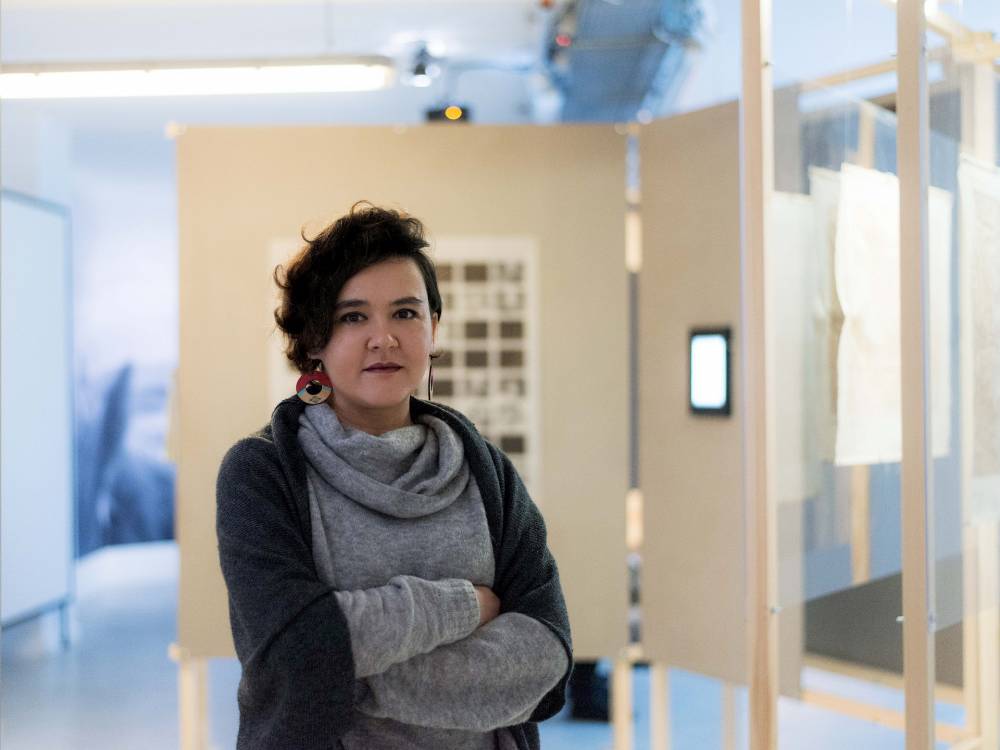
Listening against the grain: in conversation with Kamila Metwaly
Curator, researcher and writer Kamila Metwaly’s dedicated long engagement with Egyptian born composer and musicologist Halim El-Dabh (1921-2017) has involved digging through university archives and libraries, connecting with his friends and family, and collaborating with a transnational group, who has followed El-Dabh’s work closely. Originally from Cairo, Metwaly moved to Berlin in 2017. She encountered El-Dabh’s work, Ta’abir Al-Zaar—one of the earliest known electronically composed works—purely through a chance encounter, and connected with him shortly before his death. “I knew all about John Cage, musique concrète and Pierre Schaeffer in Egypt, but I didn’t have a clue about Halim,” Metwaly told me, as she talked about her…
Read More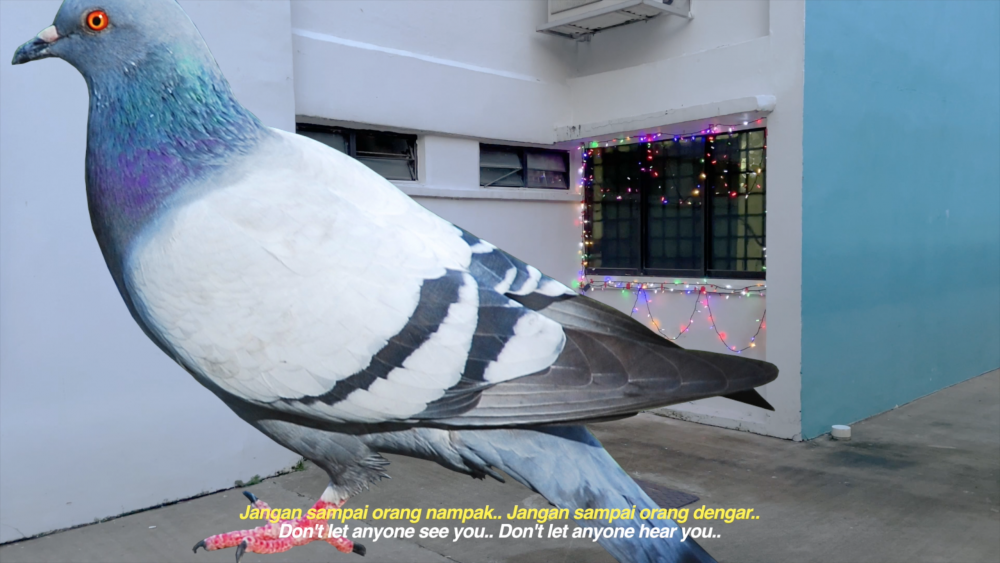
Shapeshifter(s): Pigeon People
The best time to catch pigeons in action is when the sun is up. Like us, these diurnal birds carry out most of their essential activities under the sun. When it sets, they retreat back to their warm and hidden shelters. Pigeons are also very hardy and are known to be unfastidious when selecting their homes; almost any spot that provides them with some kind of temporary cover, such as roofs, trees, and building ledges, will suffice. I used to always find excuses whenever friends asked to come over to my place after school. After I turned 18, I gradually…
Read More