

Archive
Reinscribing history in public space
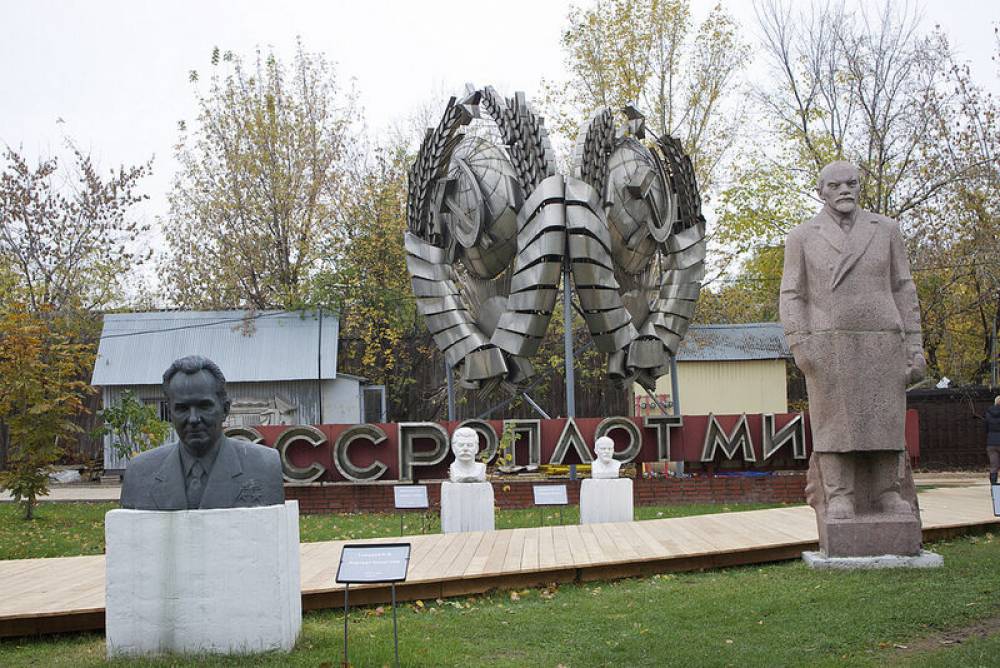
Casa d’Italia, an Italian community center in Montreal, was built in 1936 with funds from the local Italian immigrant community, the Canadian government, and the Mussolini administration. The building features Italian fascist aesthetic elements, such as a large, austere rotunda and the black star of Mussolini in the flooring. In an article about Montreal’s Little Italy neighbourhood in the Canadian Encyclopedia, Diane Sabourin and Maude-Emmanuelle Lambert refer to the building’s style as Art Deco, which is both incorrect and intellectually irresponsible. Generations later, how recognizable is the fascist context of these symbols to younger Canadians? Scratching the surface of the building’s symbolism and funding…
Read More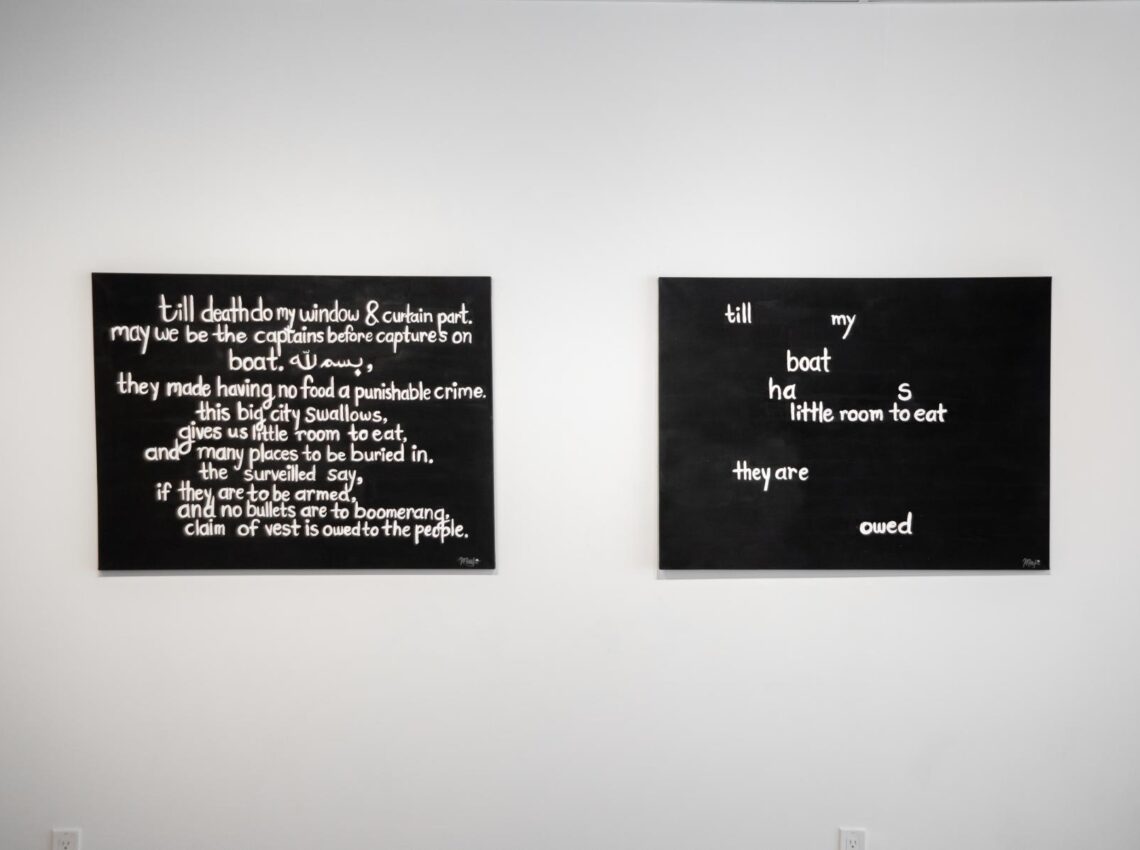
‘What is always already in place’: in conversation with Mitra Fakhrashrafi
I still haven’t had the pleasure of meeting Mitra Fakhrashrafi in person. Amidst a global pandemic, our conversation took place on a quiet afternoon in late October, over a Zoom call from two separate cities I, from Toronto and she, from Montreal. I’ve known of Mitra’s work for a few years now, and we have a few mutual friends. Maybe that’s why despite the awkwardness I had anticipated by doing this interview online, we instead quickly settled into an intimate, and conversation about her curatorial practice. Although Mitra is temporarily located in Montreal, much of her curatorial work is rooted…
Read More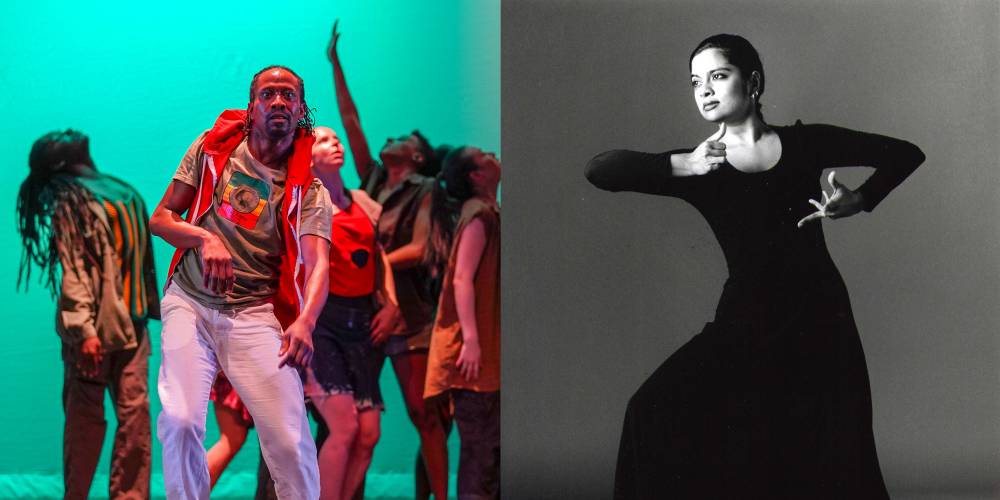
Choreographies of isolation: in conversation with Nova Bhattacharya and Kevin A. Ormsby
n another timeline, Nova Bhattacharya and Kevin A. Ormsby would have premiered the largest productions of their careers at the crest of fall. Works that invited participation from artists across the globe, filled 3000-seat theatres, and brought a chorus of Black and brown bodies in motion. Bhattacharya, the Artistic Director of Nova Dance, was preparing to debut Svāhā — a pageant of dance, chant, and ritual performed by women — at Meridian Hall. Ormsby, the Artistic Director of KasheDance, was set to debut a choreographic work with the National Ballet of Canada and the 10th-anniversary production of his company. When the pandemic hit Toronto, everything came…
Read More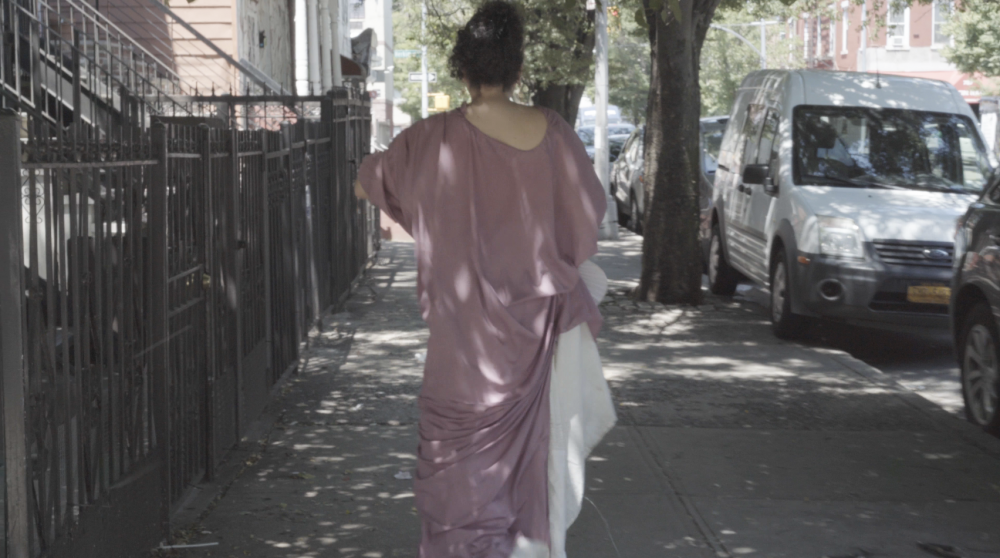
Messay films: in conversation with Asa Mendelsohn
Asa Mendelsohn and I come from very different worlds—Asa is from New York and spent several years in Chicago and in Vienna as a Fulbright fellow; I have lived in different parts of South India and moved to the US for graduate studies. We found each other through the visual arts MFA program at UC San Diego. E.R. Cho, a mentor to both of us, introduced us when Asa was still considering the move. Asa later told me that our initial conversations about the messy labor politics at UCSD and listening practices convinced him that we could be friends—and that…
Read More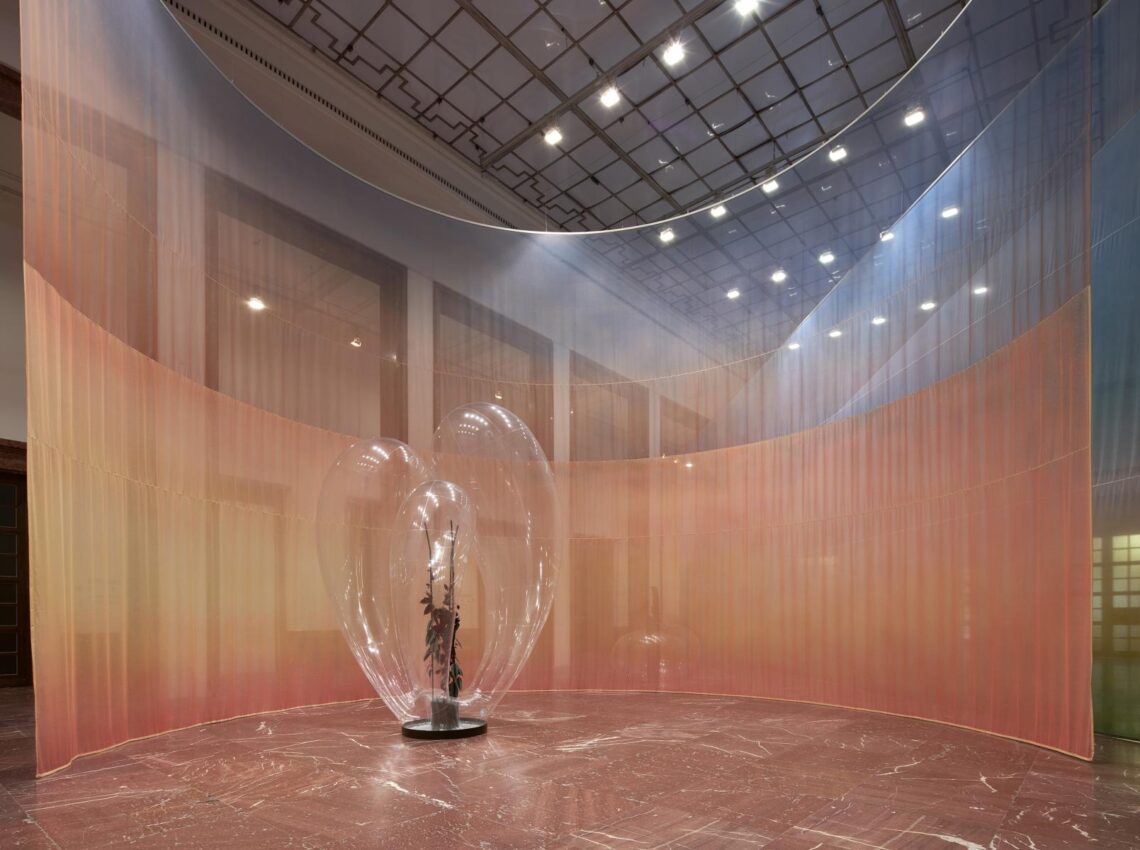
Present Futures: in conversation with Kapwani Kiwanga on power, archival research and plants
In our increasingly digital world, discovering a physical box on an archive shelf, pulling out a folder from within, and carefully examining its tangible contents can feel particularly ceremonious. Research can be an opening to the inaccessible, the unknown, or the forgotten. Kapwani Kiwanga explores this fact in her work, perhaps due to her background in anthropology and comparative religion before becoming an artist. By materializing details and histories often pulled from documents, she brings us closer to things that, though, seemingly obscured by dominant narratives, are actually in plain sight. It was during a research project of my own investigating the…
Read More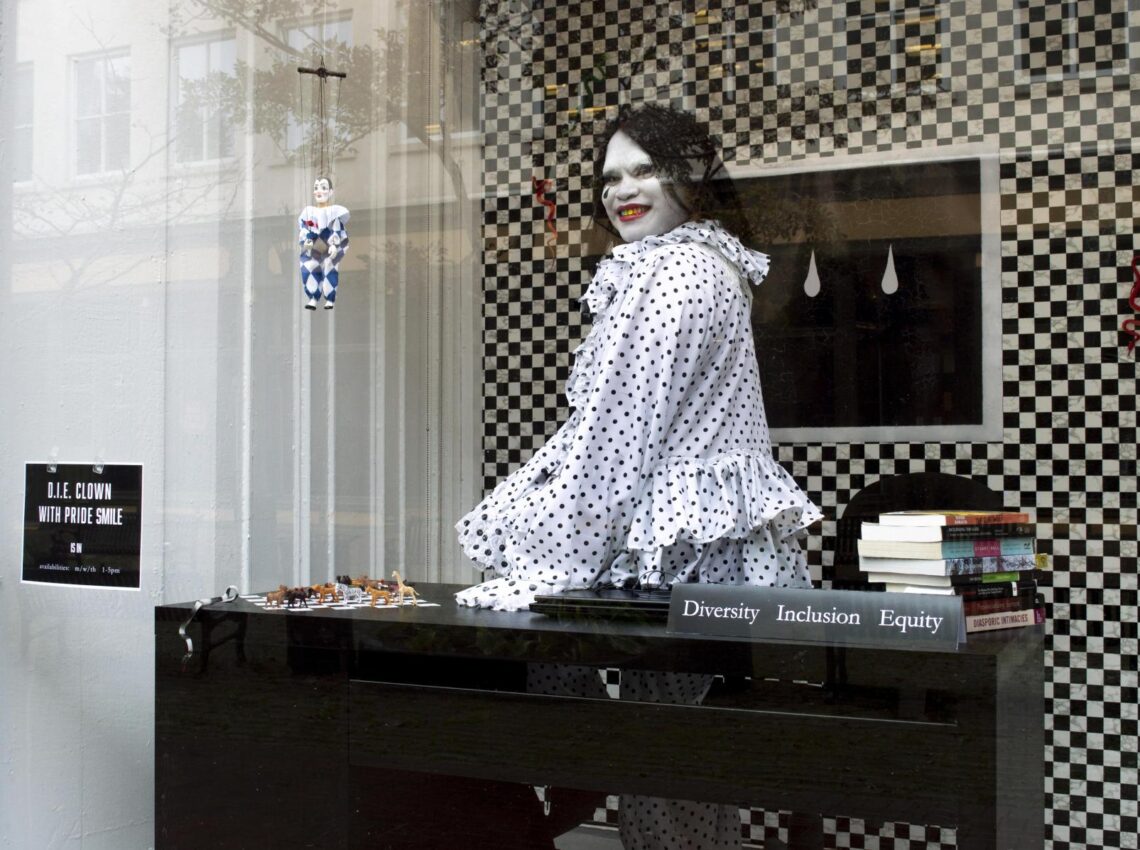
Diversity is a narrow achievement
As we know them today, branding strategies have moved through several stages of transformation. From advertising new inventions in the mid-nineteenth century and supplying proper names for generic goods to helping corporations find their soul in what writer Naomi Klein refers to as the “brand essence.”1 According to Klein, in the late eighties and early nineties, students were fighting a battle over issues of “representation,” which she defines as “a loosely defined set of grievances mostly lodged against the media, the curriculum and the English language.” However, she elaborates that corporations did not see students as the enemy but as a…
Read More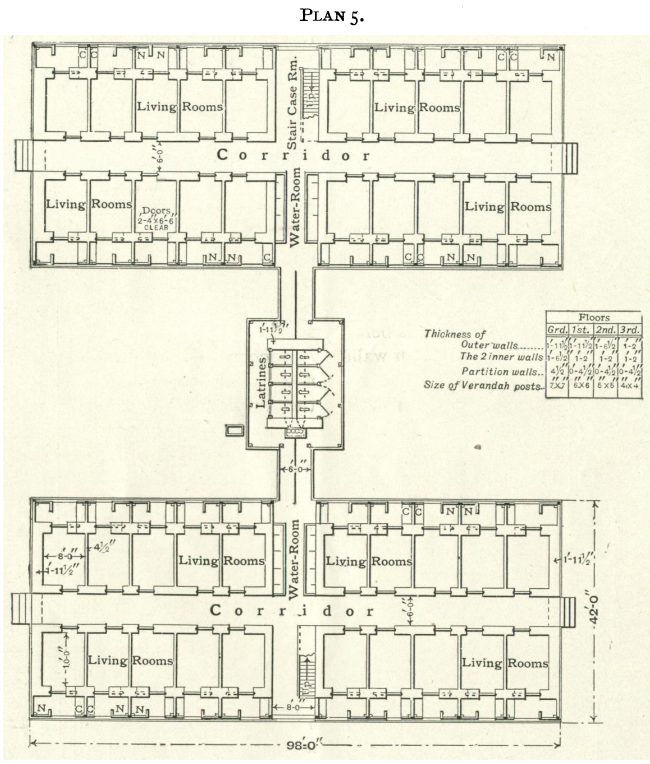
Ruminations on a cultural mosaic of light, space and spice
One of my earliest memories of food preparation is of watching my grandfather sitting on a teal accent stool grinding masala on the gaatno1. Walking on the red terrazzo tiles of my grandparents’ kitchen, the hypnotic circular rhythm of the grey grinding stone only paused when he would gently direct the masala with his fingers. Pieces of coconut, dried red chilies, tamarind, and powdered spices were constantly moved, till a fine paste was obtained. In 2019, as I pondered on the reasons for my grandparents’ migration from South Kanara to Bombay, my wife and I reached the final phase of our…
Read More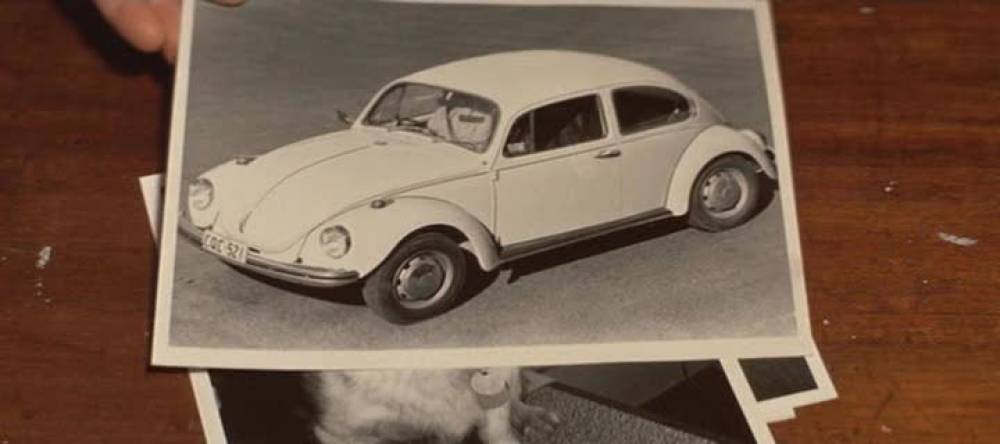
A history of violence: revisiting ‘The Cars that Ate Paris’, 1974
The Cars That Ate Paris (1974) begins by playing a cruel joke on its audience. The first frames present a yuppie couple enjoying a weekend drive in the country, drinking Coke and smoking cigarettes—images that suggest we’re watching an advertisement. Their idyllic afternoon, however, turns nightmarish. As they venture into the Australian countryside, they are abruptly driven off the road by a group of men who murder them and scrap their car for parts. They are the victims of a deadly scam, as we later find out, and with their deaths we are thrust into the bizarre world of the colonial township…
Read More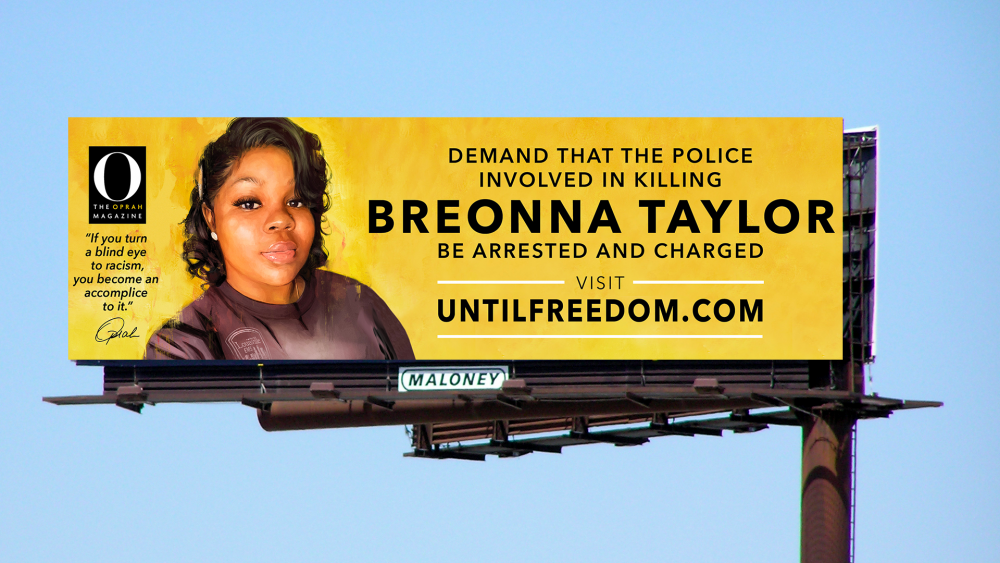
Images of Awareness: some reflections from a year of civil protest
Do you remember the first time you saw Breonna Taylor‘s face? Or, perhaps more aptly, do you remember the first time you saw her likeness? None of us can really say we’ve ever seen her face because the vast majority of us never knew her. But I can tell you with certainty when I made my first social media post about Taylor: on June 4, 2020, in my Instagram stories, I reshared a Change.org petition called “Justice for Breonna Taylor.” At the time it had 2,949,394 signatures with the goal of reaching 3,000,000. The link to the petition was accompanied by the now-familiar…
Read More
Support through undoing: in conversation with Thulani Rachia
Thulani Rachia (b. 1988, South Africa) is a Glasgow-based artist, educator, and director whose work carefully documents, maps, and generously unpacks (hi)stories within his surroundings, emphasized through lived experience, discovery, research and repetition. Transcending space, circumstance, and existences, the acknowledgment of time is vibrantly alive in Rachia’s practice. Time, in the way we spoke of it, can be heavy, charged and non-linear. His initial training in architecture continues to influence his practice through his recurring use of urban environments as material in his choreography, performances, and installations. His ongoing investment in highlighting the racism built into these spaces offers a careful insight into…
Read More