

Archive
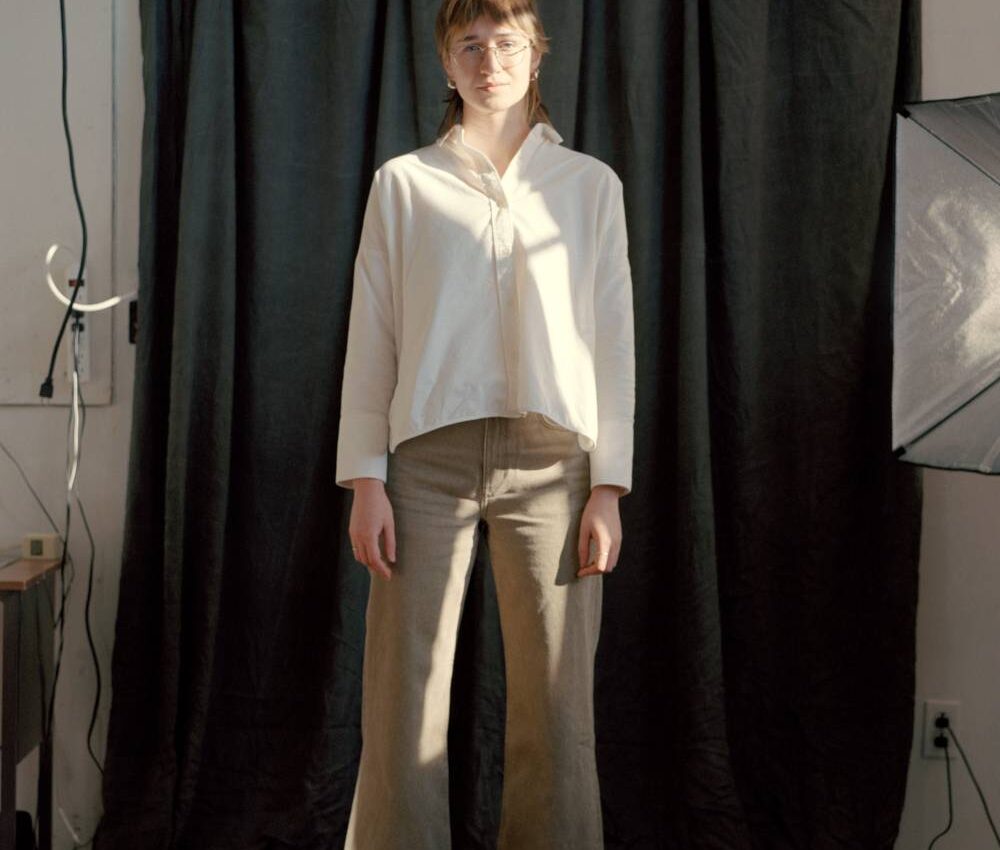
What mistranslation makes: in conversation with Anne-Marie Trépanier
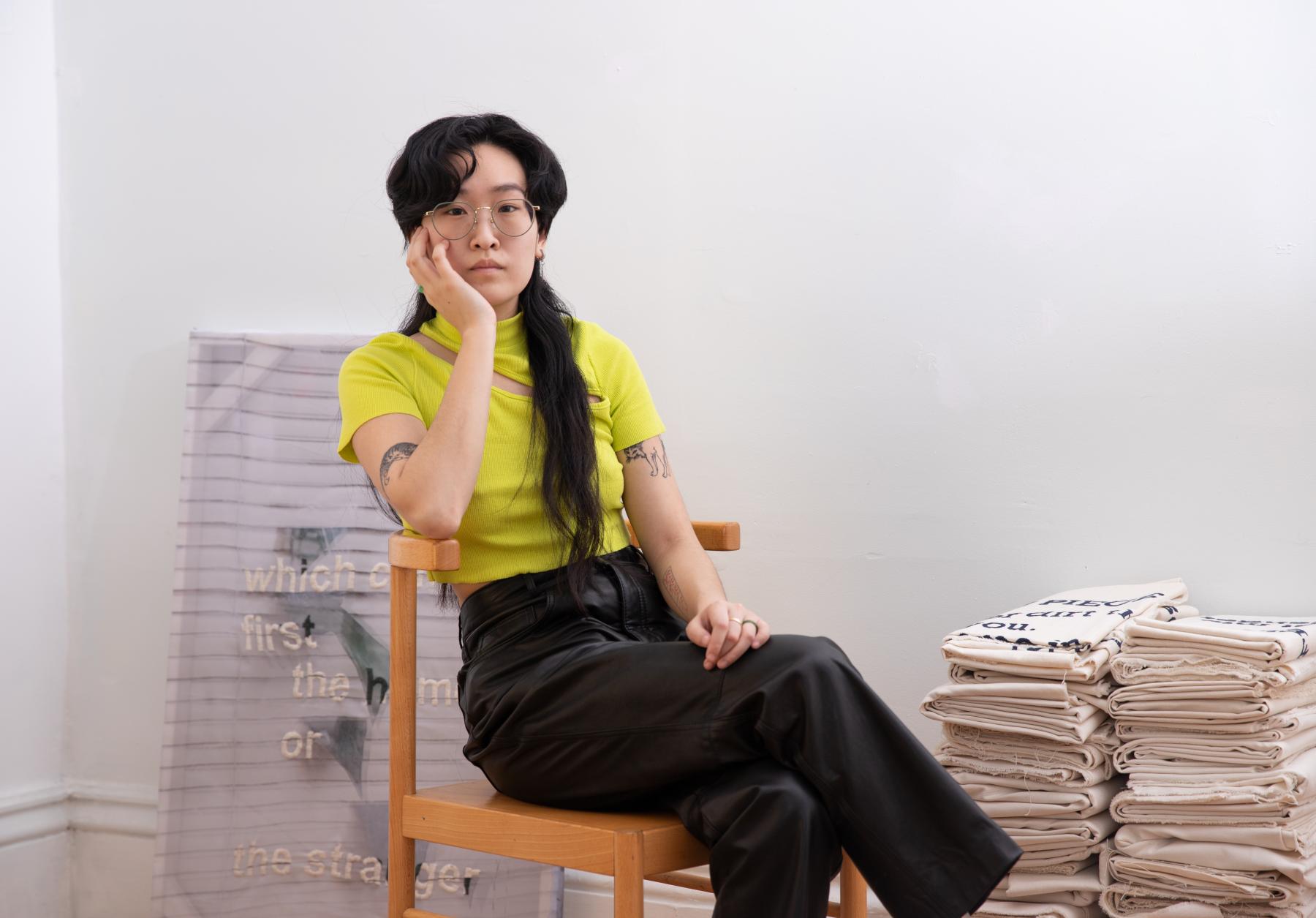
Anne-Marie Trépanier is an artist, editor, and cultural worker living in Tiohtiá:ke, with a practice that sprawls between writing, experimental publishing, and new media. She co-creates the bilingual publication Cigale with her collaborator Laure Bourgault, writes on and offline, coordinates events, and is involved in research on productive (mis)uses of Zoom. As part of her MA thesis research she is looking at feminist practices of information activism online. Specifically, she’s using archival web research, digital storytelling, and curation, to explore how Ada X (fka Studio XX) — a feminist artist-run centre dedicated to gender and technology, founded in 1996 — has organized, stored, and…
Read More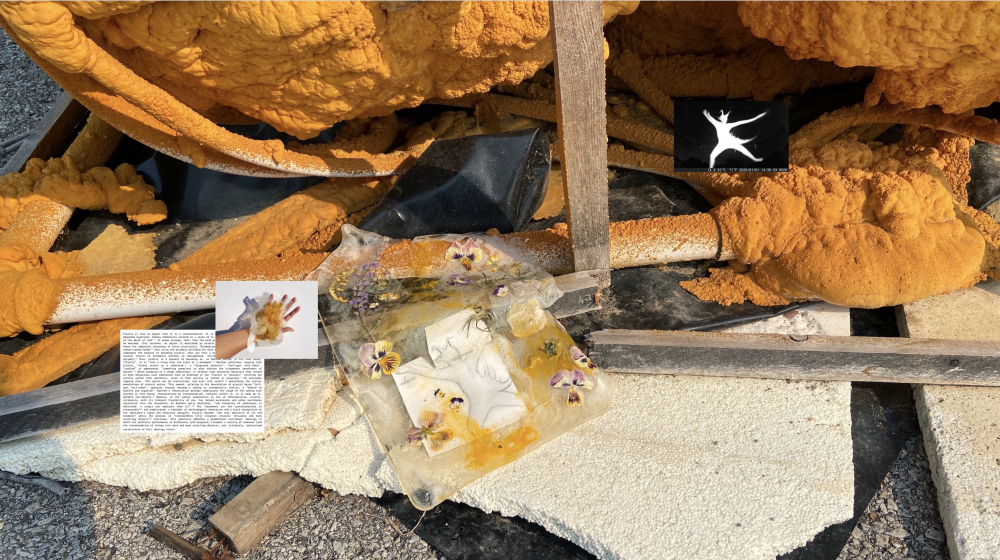
Aspic Sculpture IV: Material Poetics
As a dish, the aspic’s practical development has passed through a dizzying range of material interests—aristocracy to royalty to industry to austerity to a kind of uncanny normalcy. All throughout, though, save a few modifications, the aspic’s function has remained consistent: ensconce, maintain, protect, and preserve. Across its many aesthetic manifestations, its migration across social classes, and its distinct pragmatic functions, the aspic’s very materiality has always been silently undergirded with a material poetics of its own. Though it’s rarely acknowledged by the able-bodied, collagen, from which gelatin derives, is not a neutral substance to mammalian bodies, standing as one…
Read More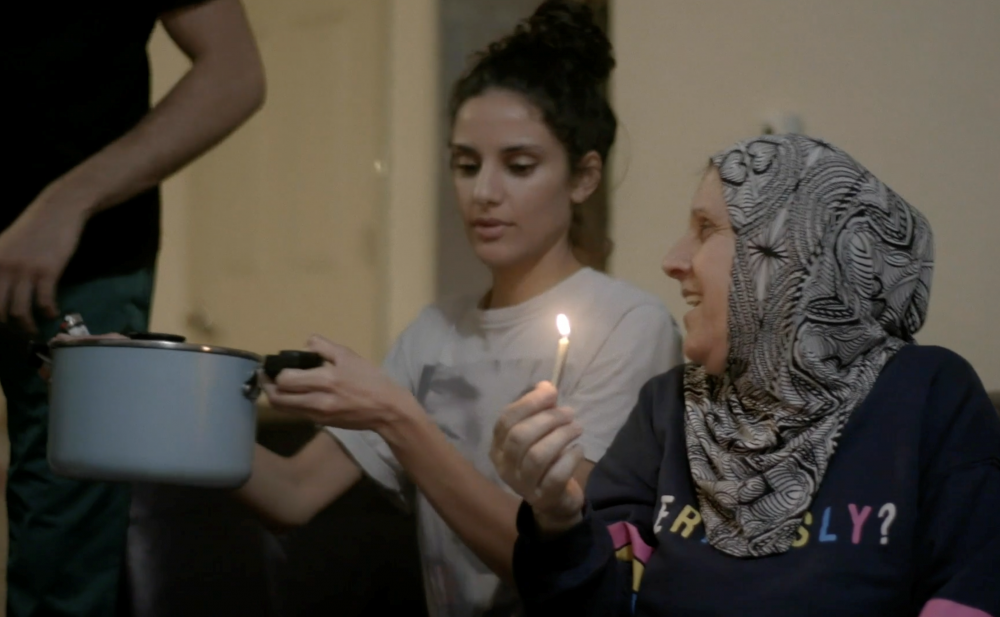
SWANA Film Festival: contending with complexities of matrilineal relationships from the SWANA diaspora
Three months ago, I grasped the opportunity and flew back to Jordan from Toronto amidst the global pandemic to be with family. It felt as if I was leaving home to go home; an oxymoron in itself – both literally and viscerally. The first few weeks were filled with an inchoate excitement involving reunions, local food cravings, and late-night catch-up conversations. Then, as time stretched and the pandemic slowness set in, so did my feelings and experience of being back. I found myself feeling more and more disoriented, fragmented, and dis/connected. Disconnected from my true self, my ways of being,…
Read More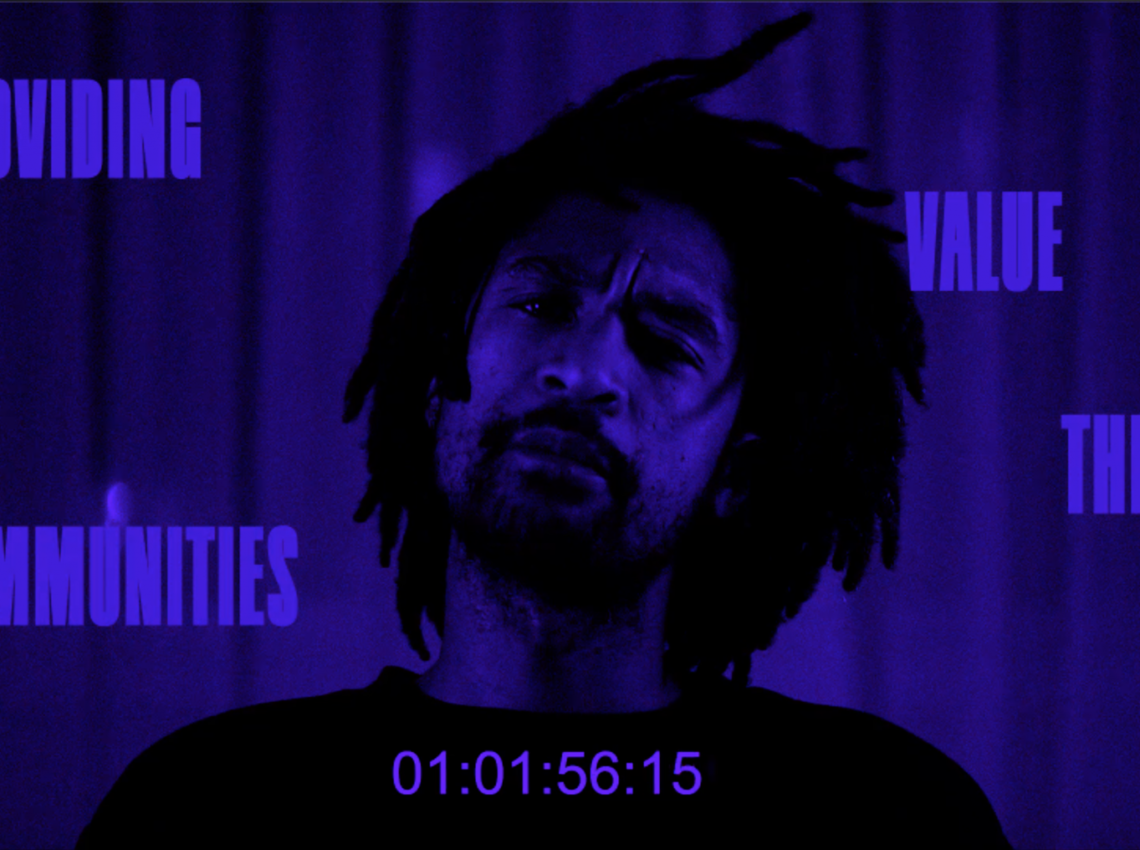
‘My I must know my me’: in conversation with Nástio Mosquito
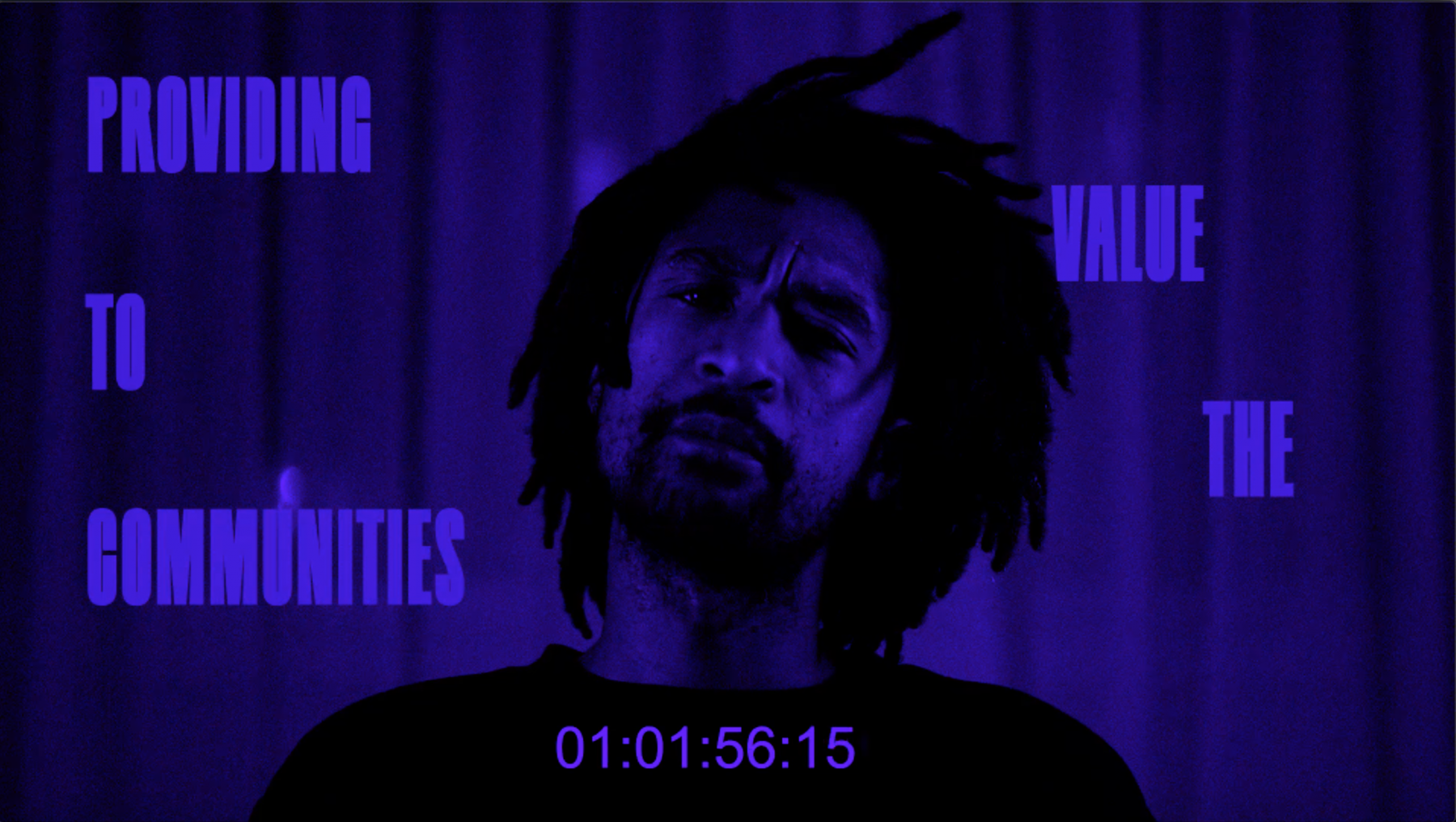
Angolan-born artist Nástio Mosquito’s work is prophetic, cacophonous, and a bit slimy. His work is actively engaged in defacing existing linguistic taxonomies, bypassing the art-world tendency towards opaqueness. The artist’s multimedia works—which span video, sound, sculpture, architectural intervention, and even several collaborative forays—inculcate a viewer into his personal genome. Underpinning his vast output is an investment in the emancipatory potential of correspondence, as well as the ways it can be wielded to elicit the entire arc of a provocation: shock, surprise, awe, acquiescence, nostalgia. He discusses fatherlessness, selfhood, journalistic integrity, fucking, and Western legacies of colonization in the same breath….
Read More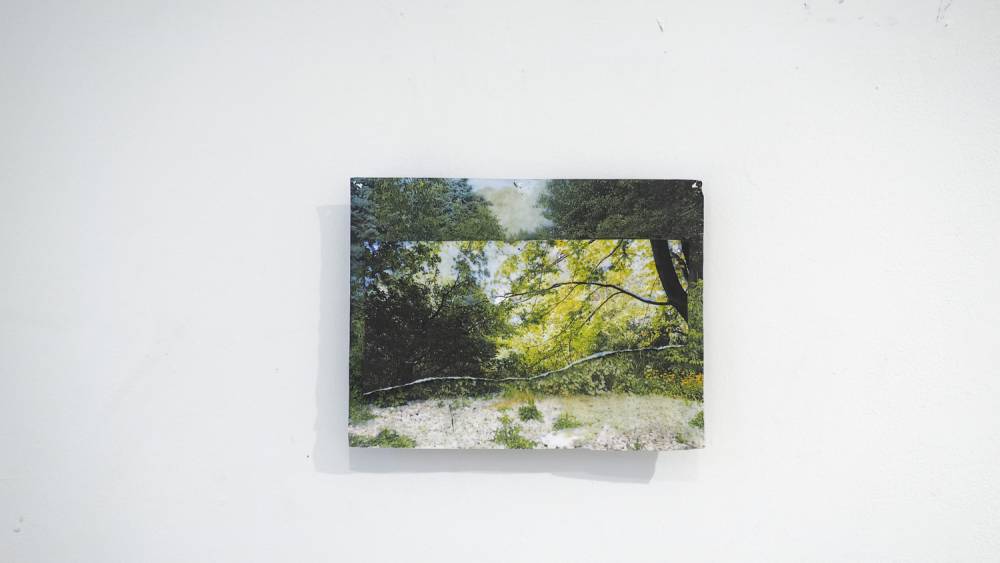
Negotiating beauty in times of grief: in conversation with Emmanuel Osahor
When I moved back to Edmonton in 2019, I started scouring social media in search of other Black artists working in the city. I knew they were here, but I wasn’t seeing them at any of the public art programmings I was attending, and I took note of their absence. Through this online research, I quickly came to know Emmanuel Osahor’s work but, since he was in the process of moving to Guelph, Ontario to start an MFA, we didn’t have a chance to meet IRL. By the winter of 2020 I had the opportunity to experience Emmanuel’s work in…
Read More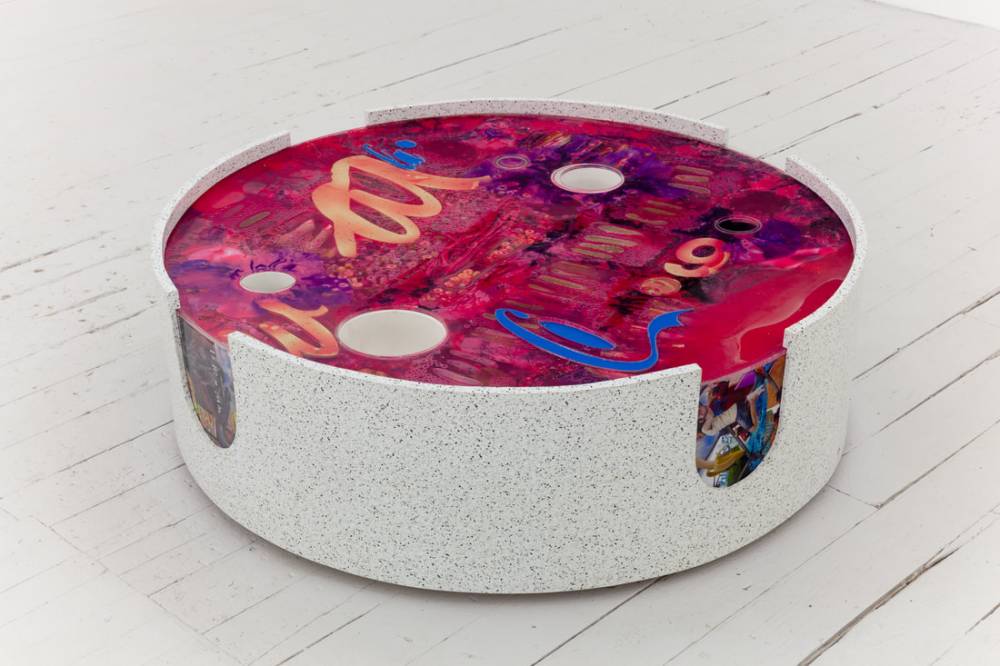
Aspic Sculpture III : Testbeds of Capitalist Erosion
If Kevin Beasley’s sculptures from A view of a Landscape were largely concerned with countenancing historical narratives, reframing atavistic patterns from the 18th and 19th centuries to emphasize how they remain in place centuries on, Canadian sculptor Catherine Telford-Keogh’s work in the aspic genre reflects squarely on the perversities of contemporary, late-stage capitalism. And if the last essay explored Beasley’s symbolic suspension of exploitation, erasure, and decay, the works I’ll discuss here approach the crumbling worlds of contemporary capitalism by leaning into the encroachment of precarity or decay. Telford-Keogh’s work is largely defined by a flailing sculptural mode similar to those we’ve seen so…
Read More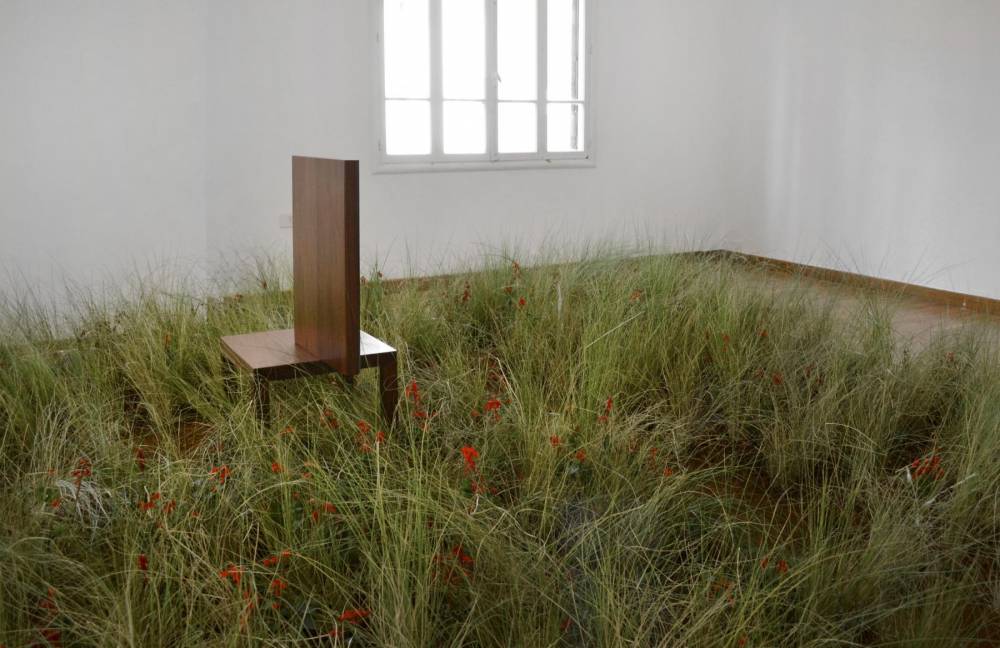
Love letters and the color red: in conversation with artist Mohamad Kanaan
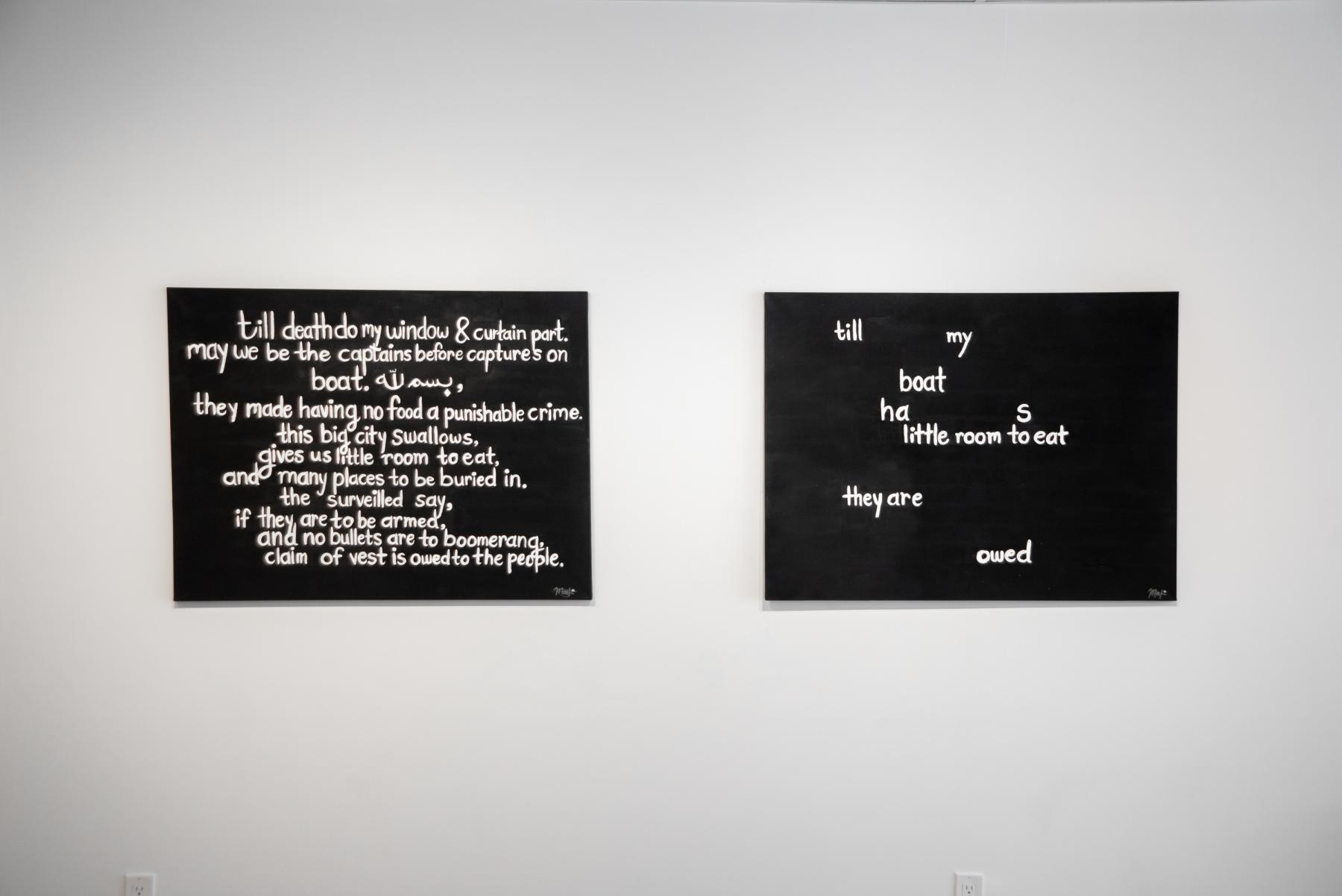
Autumn 2019 in Beirut felt like summer. I had been in the city for one month already, staying as a resident at the cultural space Mansion where I was working on a curatorial research project. The formally abandoned villa sits on a hill in the city’s Zuqaq al-Blat district, the immense creativity within its walls unidentifiable from the street below. It was through the artistic community of Mansion that I first met the artist Mohamad Kanaan. I’d begun to establish a routine; each morning began with an attempt to make a pot of Arabic coffee, this led to a clean-up…
Read More
Aspic Sculpture II : Exploitation, Erasure, and Decay
The first patent for gelatin production was issued in 1754, but gelatin’s industrial production began with the Napoleonic wars at the beginning of the 19th century. With their ports blocked by English fleets, unable to receive properly varied food shipments, French scientists experimented with gelatin as a protein substitute. As we’ll see, this predilection to compensate for austere material conditions repeats as a pattern throughout the aspic’s history. Gelatin plants at this time were a second-order industry, often reliant on the scraps from other factories and processors that worked with animal bones, as well as butchers. While elaborate, molded aspics and…
Read More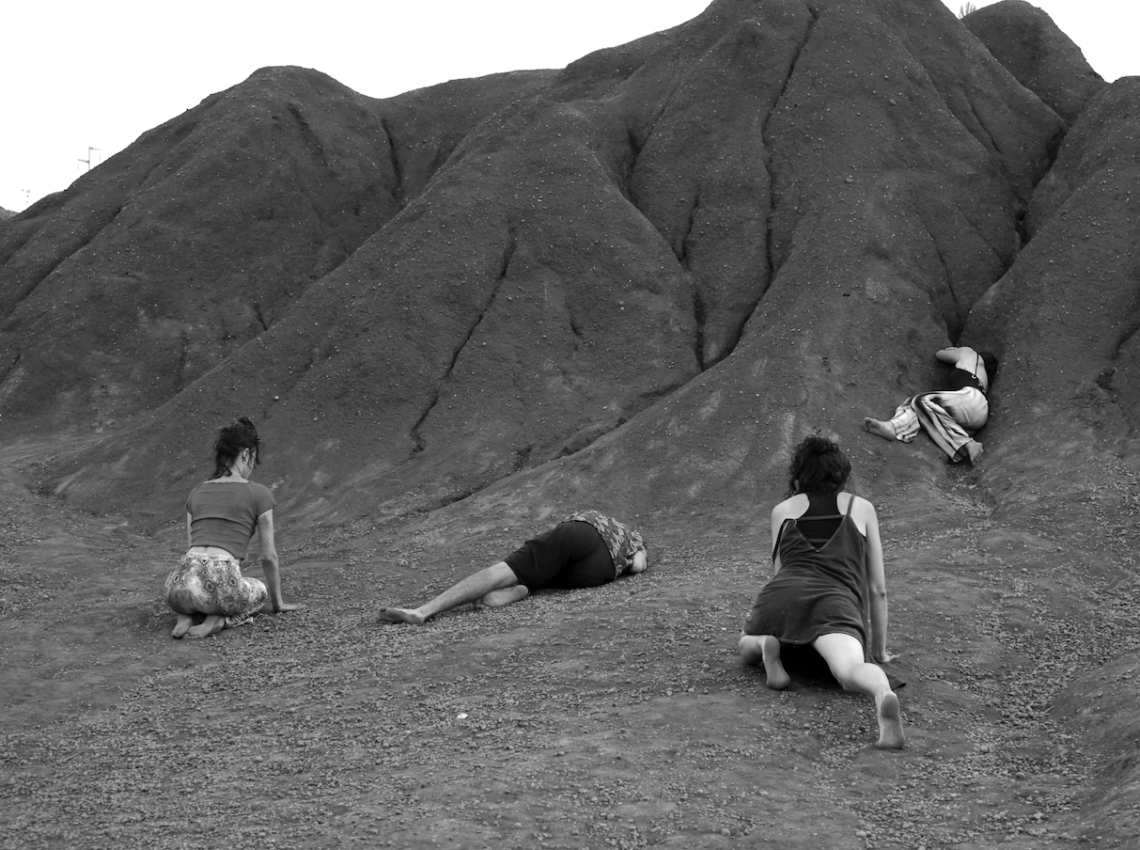
Somatic Sorcery: in conversation with Francesca Mariano
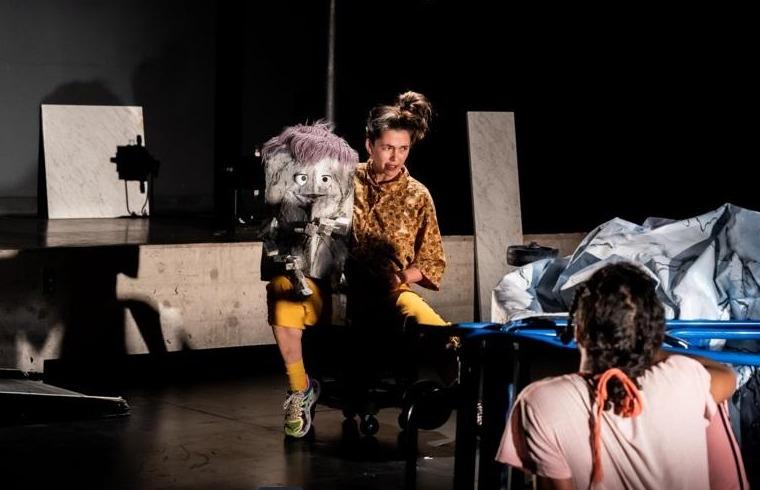
Francesca Mariano is an exemplar of balance in unbalanced times. Spanning media (and maybe even multiple dimensions), her creative practice carves out space for connection that encourages pause and pleasure, contrary to the Internet’s default setting of disembodied drift and information overload. To me, the most salient dimension of Francesca’s work is that it affords generous space for nuance and contradiction. She approaches online life with a rigorously critical gaze, yet the Web is a frequent subject in her work and her visual output drenched in digital aesthetics. From Instagram dance documentation to movement seminars in “Archaeo-Choreology” and “Water Info…
Read More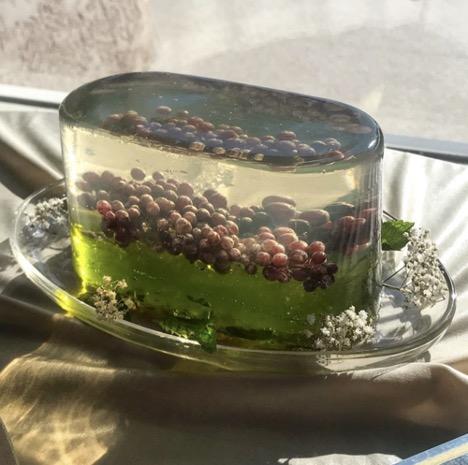
Aspic Sculpture I : an introduction to the “aspic genre”
“Always historicize!” Fredric Jameson, The Political Unconscious Carrot, fish, walnuts, lettuce, pepper, shrimp, onion, egg, cucumber, celery, tomato, chicken, ginger, olive, gelatine. List of ingredients in aspic recipe Many no longer know them by name, but most of us are familiar with aspics in one way or another. Depending on the era of reference, you may have seen them skulking at dinner parties, or been fed them as a reluctant child; marvelled or puzzled at their gaudy appearance in films and magazines, or delighted or recoiled at their inscrutable ingredients listed in mid-century cookbooks. Their material form is perhaps the…
Read More