
Archive

Entering the Era of Data-driven Divination
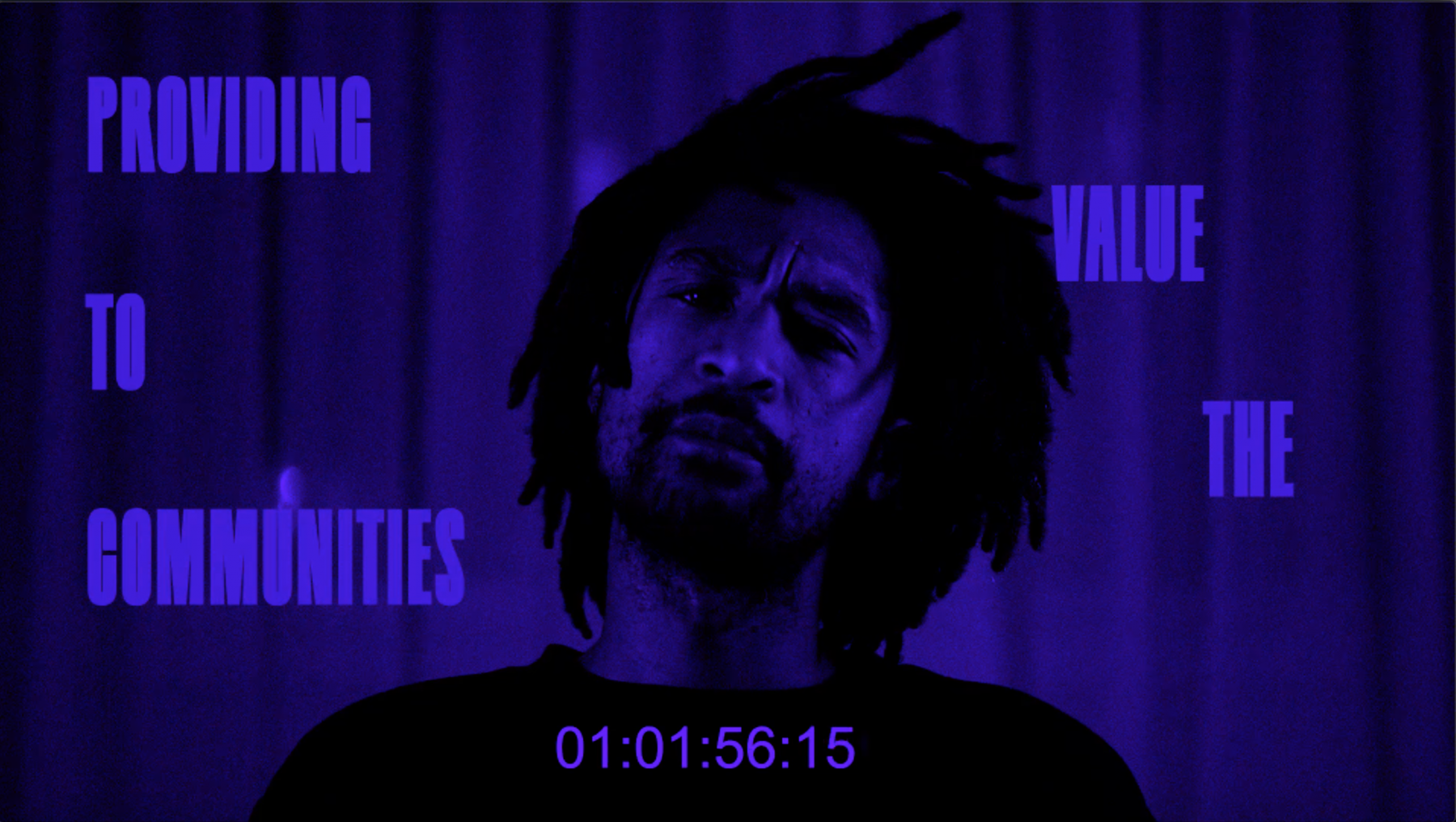
There is an old Greek legend that tells us about Croseus, the King of Lydia, and his visit to the Delphic Oracle. He sent gifts to the oracle in advance of his visit, and when he visited her, asked if he should wage war against the Persians. The oracle of Delphi told him that if he went to war, a great empire would fall. Encouraged by her words, he invaded. It was his own empire that was destroyed in the process.1 Some years end with a semicolon, some with a mysterious ellipses … 2020 was like this, when we sat…
Read More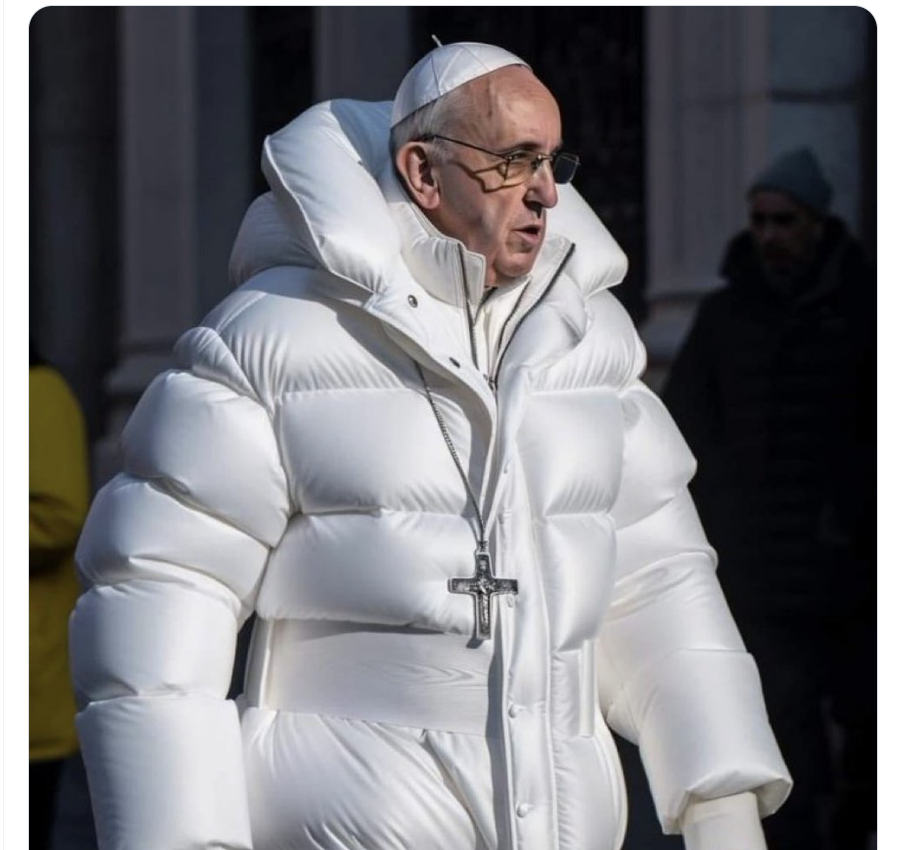
A Year of Fluid Realities
On December 31st, 1999, I rallied my best Beanie Babies and prepared for death. Although skeptical of the hype, I gathered my possessions like a pharaoh preparing for the afterlife, just in case. My theatrics were in vain, and the world entered the new millennium on a mercifully anticlimactic note. When the sky didn’t fall, Y2K fell sharply out of vogue, and the tidal wave of novelty items which bore the brand were relegated to the bargain bins of history. The origins of celebrating New Year’s Eve on December 31st are inherited from the Roman Empire, aligned with the Julian…
Read More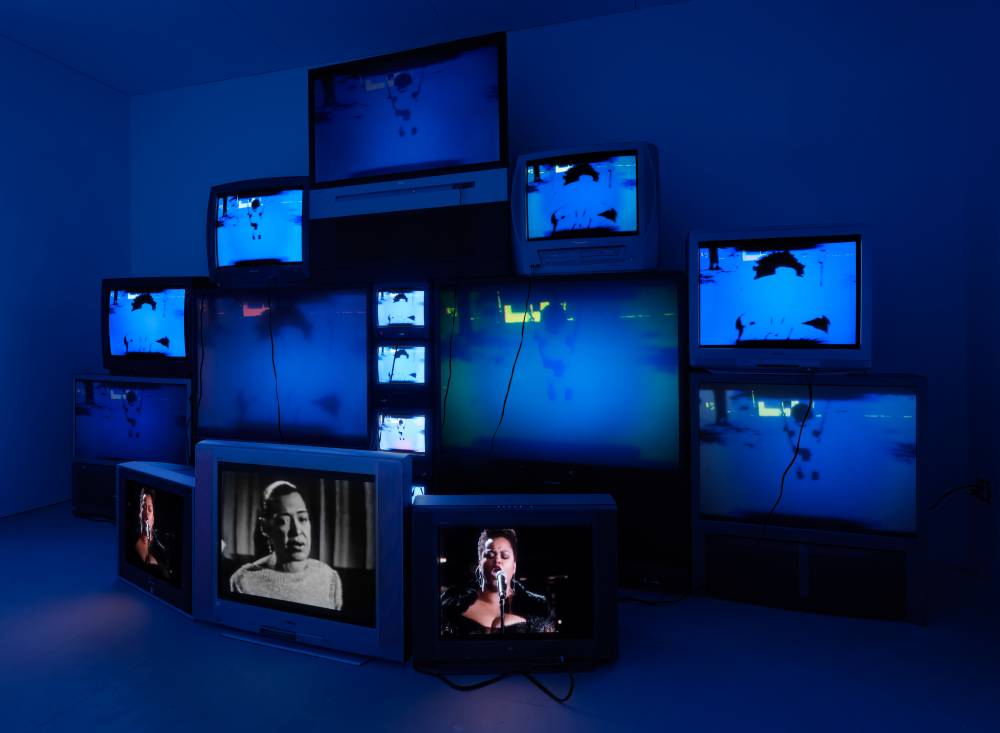
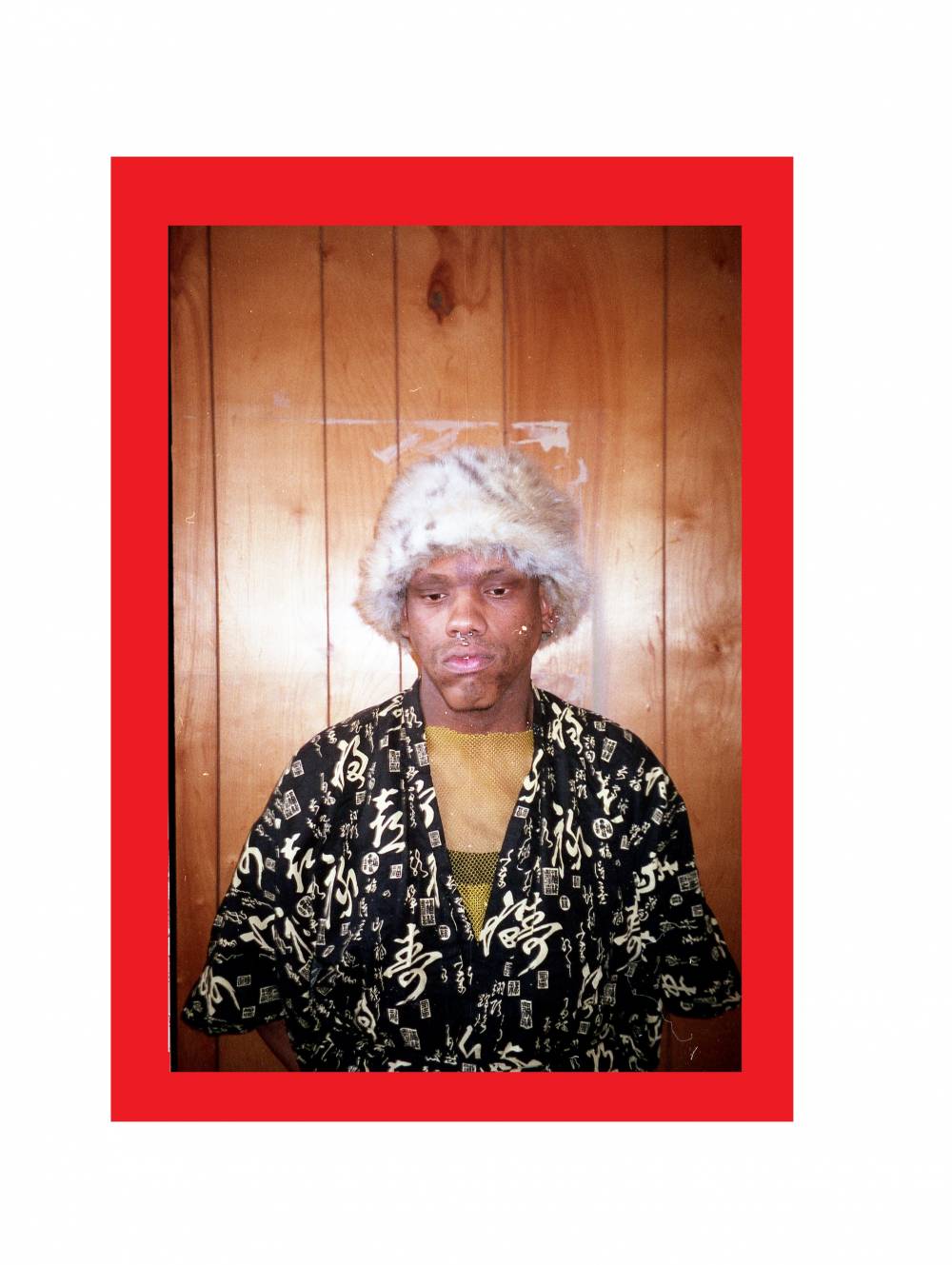
Toward a Phenomenology of Blackness with Paul Stephen Benjamin
A descent into darkness both literally and allegorically accompanied Atlanta-based artist Paul Stephen Benjamin’s recent solo exhibition, Black Summer, at Efraín López gallery in New York City1. The nascent gallery’s small and windowless subterranean space appropriately housed the products of Benjamin’s material and cultural research on the manifold meanings of blackness as a color and state of being, which together form the broad, elusive crux of his conceptual practice. Working across media including photography, painting, video, and sculpture, Benjamin’s corpus bridges integral moments of Black history and art history with an operative aesthetics of blackness—the ways in which blackness circulates as an…
Read More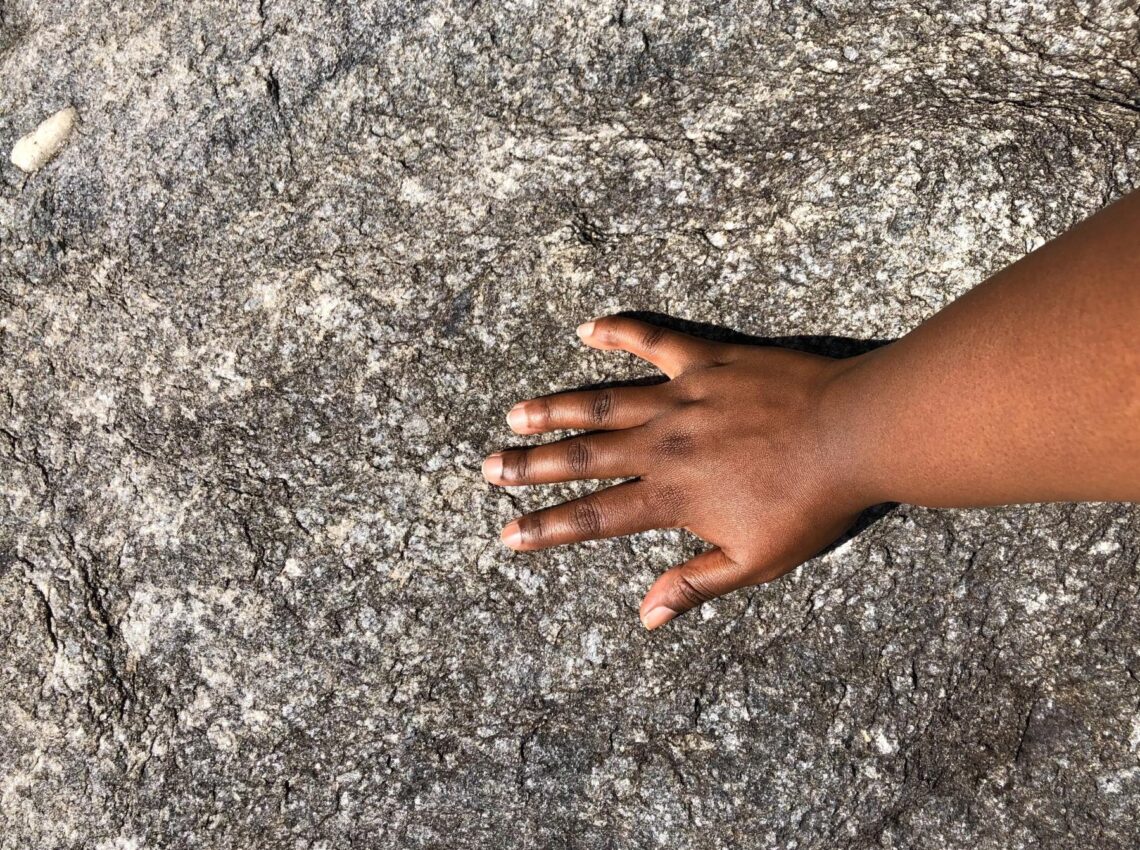
On Slow Time — I cannot be here and not talk about the weather
Of the multiple ways that I relate to the weather, one way that has been prominent recently has been thinking with and relating to the weather as a locator and a temporality that reflects the time I am present in. The external atmospheric conditions are a reminder to place and ground myself as I navigate the portal that asks me— where are you? The weather situates me spatially, structurally, and intimately in the different geographies that I have lived in, particularly in South Africa and Botswana over the last four years. We report the weather to each other every day…
Read More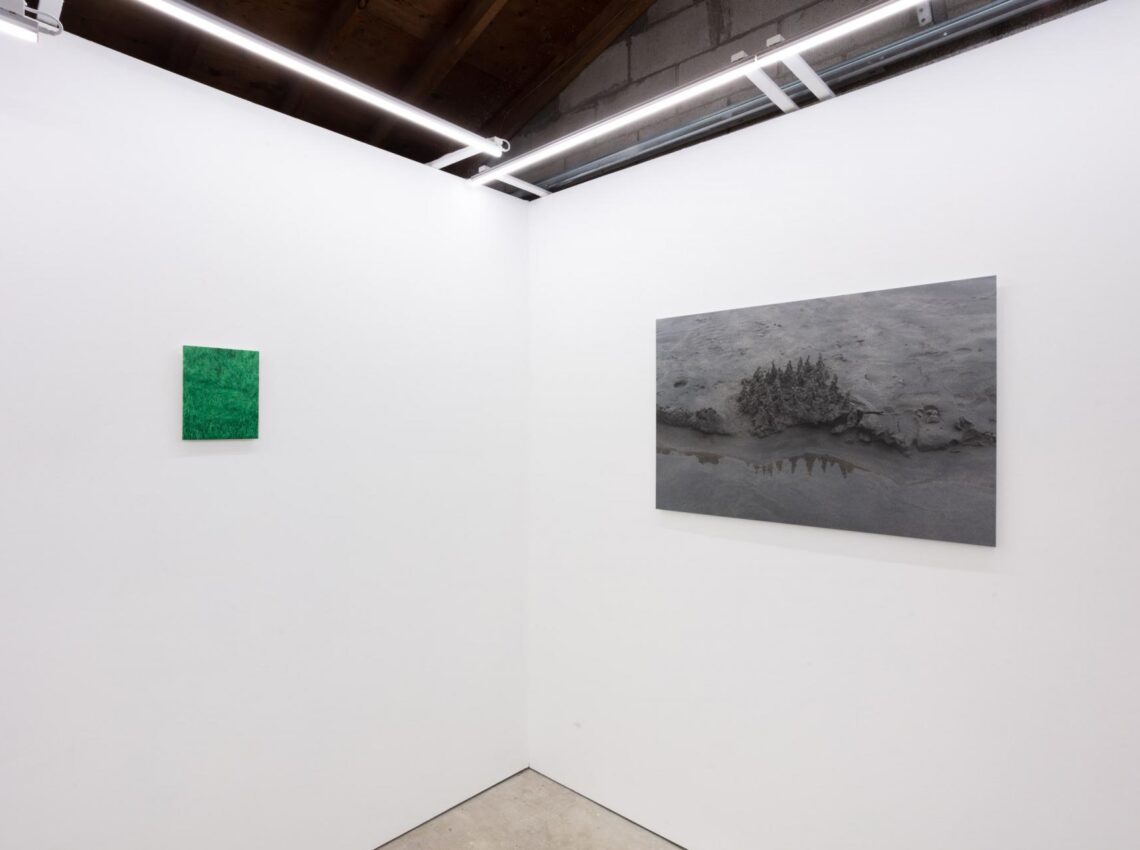
Total, see?
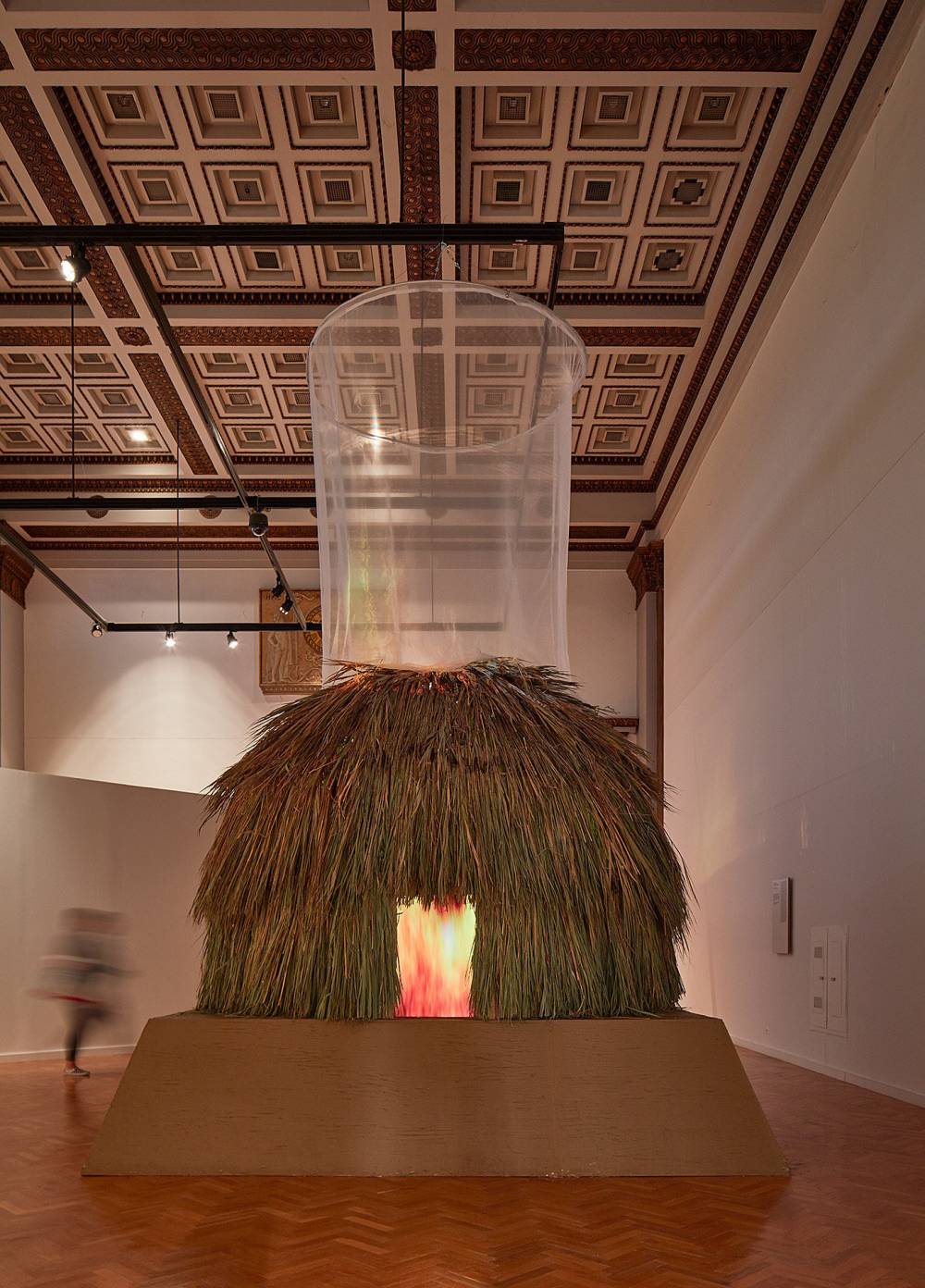
In a laneway garage tucked behind the junction of Lansdowne and Dupont in Toronto, Ontario, Joys Gallery exhibited Maja Klaassens’ most recent solo show, The view is total sea, curated by Joys’ founder and director Danica Pinteric. Visiting during the show’s run in spring of 2023, I heard a murmur, the work washed over me, gently reconfiguring my sensibilities; it carried me back to life’s mundanities with a new glimmer and fresh interest in simple profundities. Months later, I am still stuck on this work. The act of seeing becomes as similarly naïve an act as holding onto the belief of…
Read More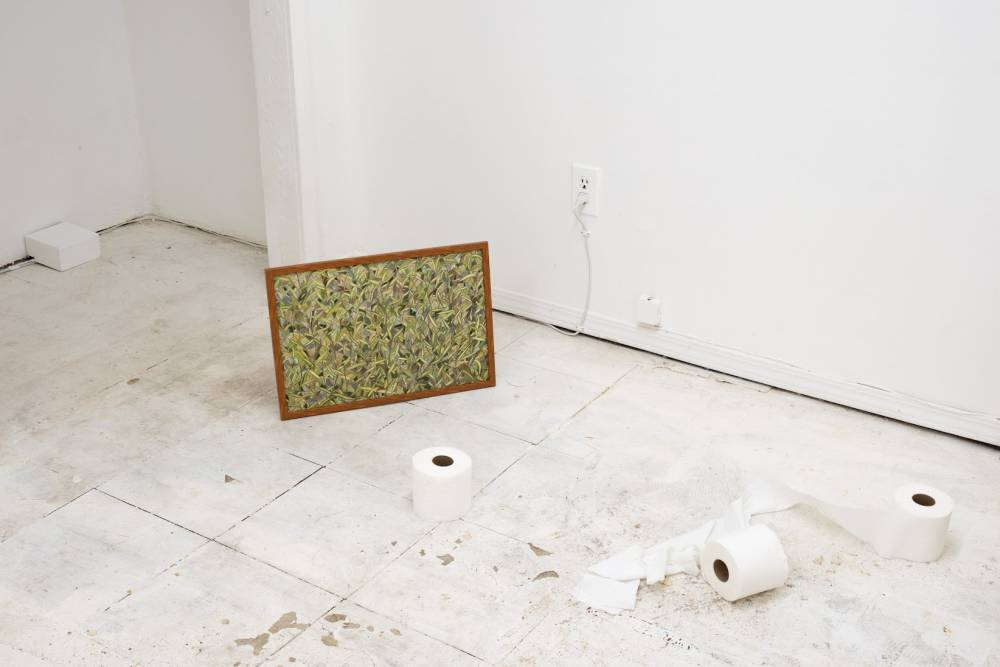
Invitations for Tender Transformations
After Morning Sun Garden, Aracha Cholitgul, nap gallery 1. Welcome! Please wipe your feet and collect the dirt that may have fallen off the shoes of you and others: chew, crunch, and/or suck. How does the collective detritus of a sole taste? Spit, swallow, or tuck behind a molar for a later reminder of the visit, whatever kind of mouth you are. 1 2. Mind the entranceway: it transforms. You may find yourself, suddenly, with a tail, with vertical slitted pupils, with a fluid sense of the walls, bounds, and confines that you knew before. Embrace, arch the back and inhabit your new position…
Read More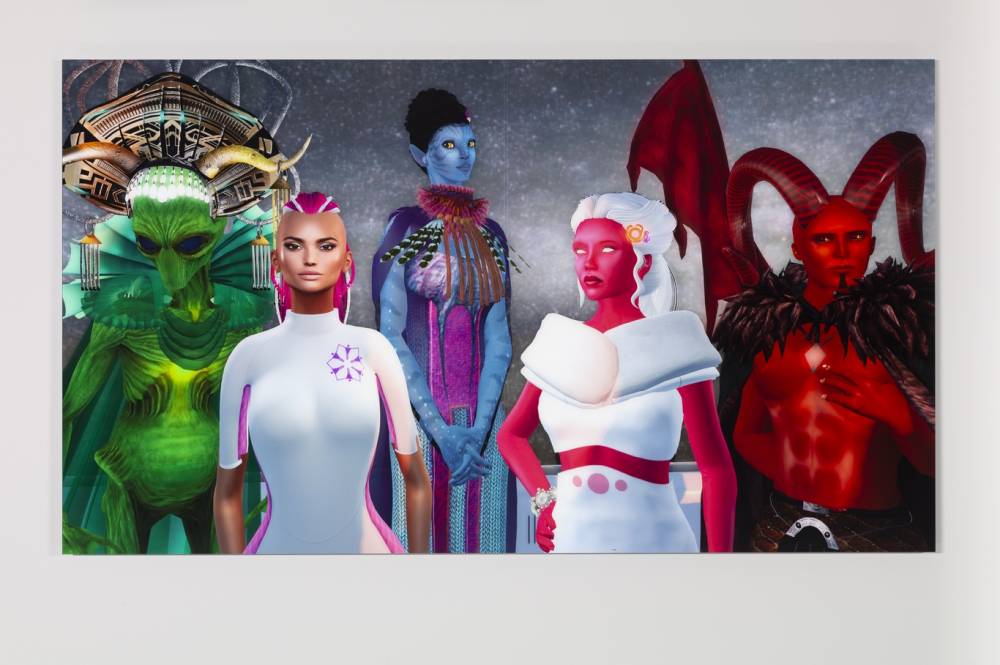
Becoming Equipped for (Better) Invention
“Our minds have been corrupted in proportion as the arts and sciences have improved … the evils resulting from our vain curiosity are as old as the world.” — Jean Jacques Rousseau I recently came across an old Huffington Post article (done in that Buzzfeed list style that was so popular for pop-culture blogs in the 2010s) titled “9 Sci-Fi Inventions We Wish Were Real.” Pop culture lists like this about science fiction are common, usually detailing the inventions science fiction has predicted/invented. This particular Huffington Post list was of not-yet-existent inventions which “we” yearn for, and it bizarrely included the “nursery” from Ray Bradbury’s great short sci-fi…
Read More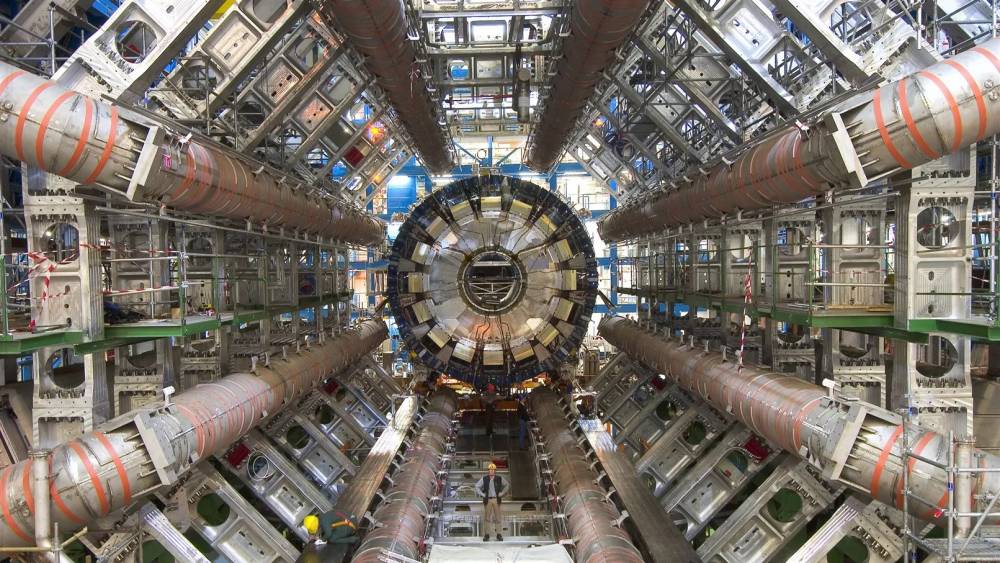
God in the Particulate
How to explain: For everything that exists, there is an unexisting. For everything that matters to me, there is the other matter, an un-story told in calculations regarding matter. Super symmetry of the Standard Model. These ringed fingers pursue individual tasks under the guise of hand. I wake up in the middle of a decision: work at the diagram or work at the window. Touch and orientation. I wear jeans and a bra for now. Abundant particularity of oak accompanies my note taking. Juice from a cantaloupe so alive it cites a future rot. Somewhere in the central section of…
Read More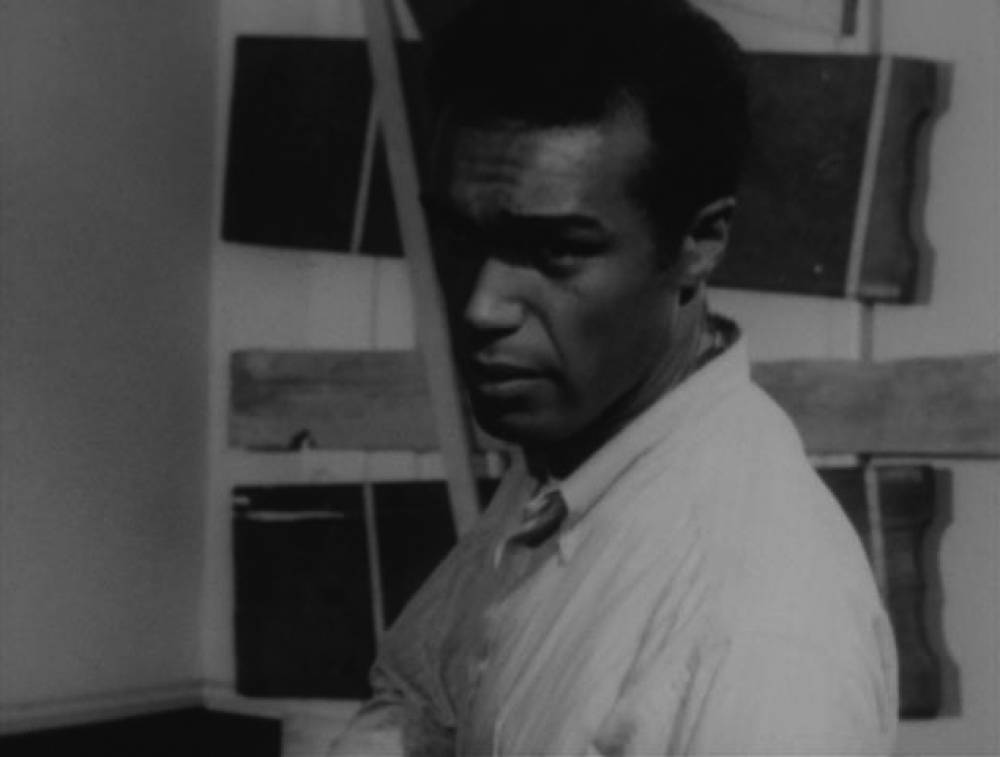
Dead or Alive: Parables from Black Zombie Media
n a late summer afternoon, while toiling in the garden of a mainline estate, my coworker Jarrod shared a prophetic dream of playing basketball and failing to make the winning shot. Though his dream was from the previous night, he mentioned it was a recurring one. Jarrod, a former Big Ten basketball star, claimed he hadn’t reached his full potential because he didn’t make it to the NBA. Now, in his early forties, he was in his fifteenth season as a landscaper. A muscular and unexpectedly meek Black man from a religious family, Jarrod was raised by a domineering father…
Read More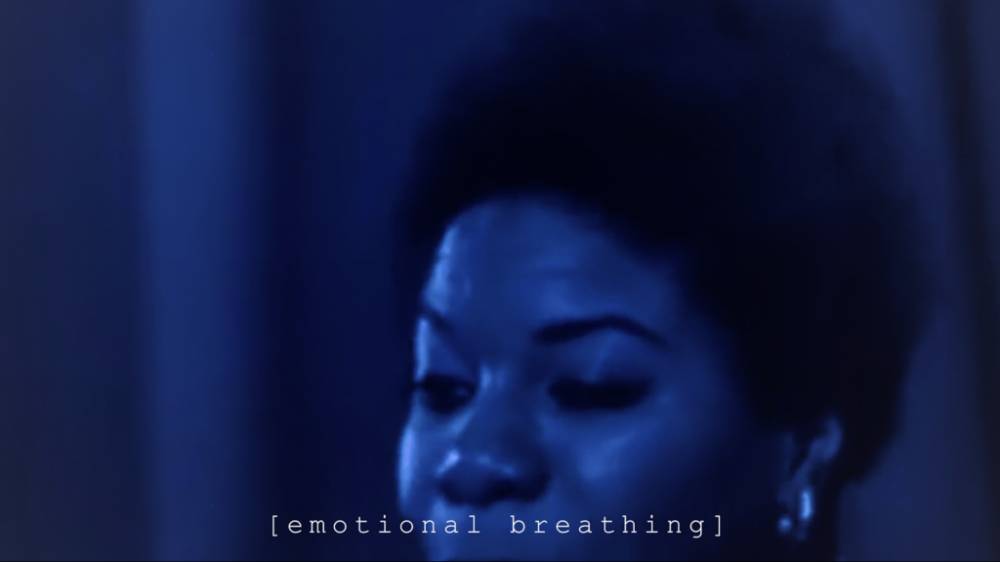
The Weight of Sound and the Thickness of Air
Breath feels like a person’s most immediate form of need. Water and food can wait and intervals between pissing or shitting can be measured in hours but breath is so essential it hangs at the periphery of consciousness. The conscious mind can dictate these intermittent needs. You can forget to eat and even choose to starve but breath is much more slippery. If you forget about it you still maintain a breath pattern but if you start to think about it you can fool yourself into believing you might never take another unconscious breath. Unlike blood flow or digestion, which…
Read More