

Archive
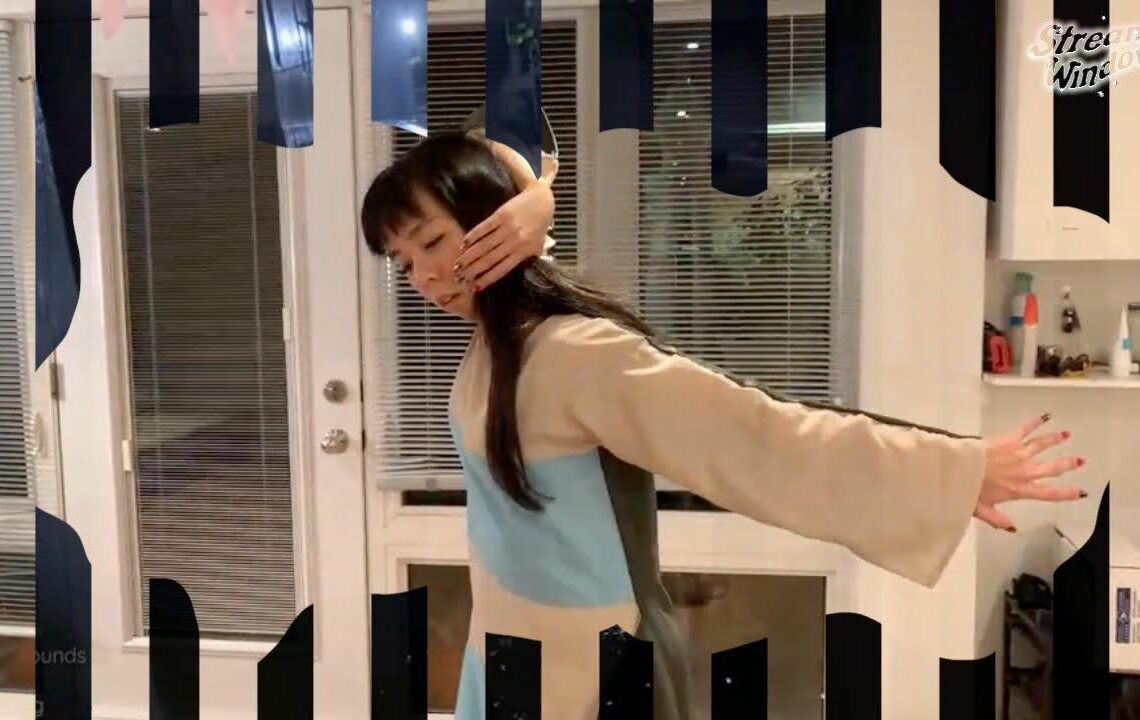
Talking screens, translating media: in conversation with Oliver Husain
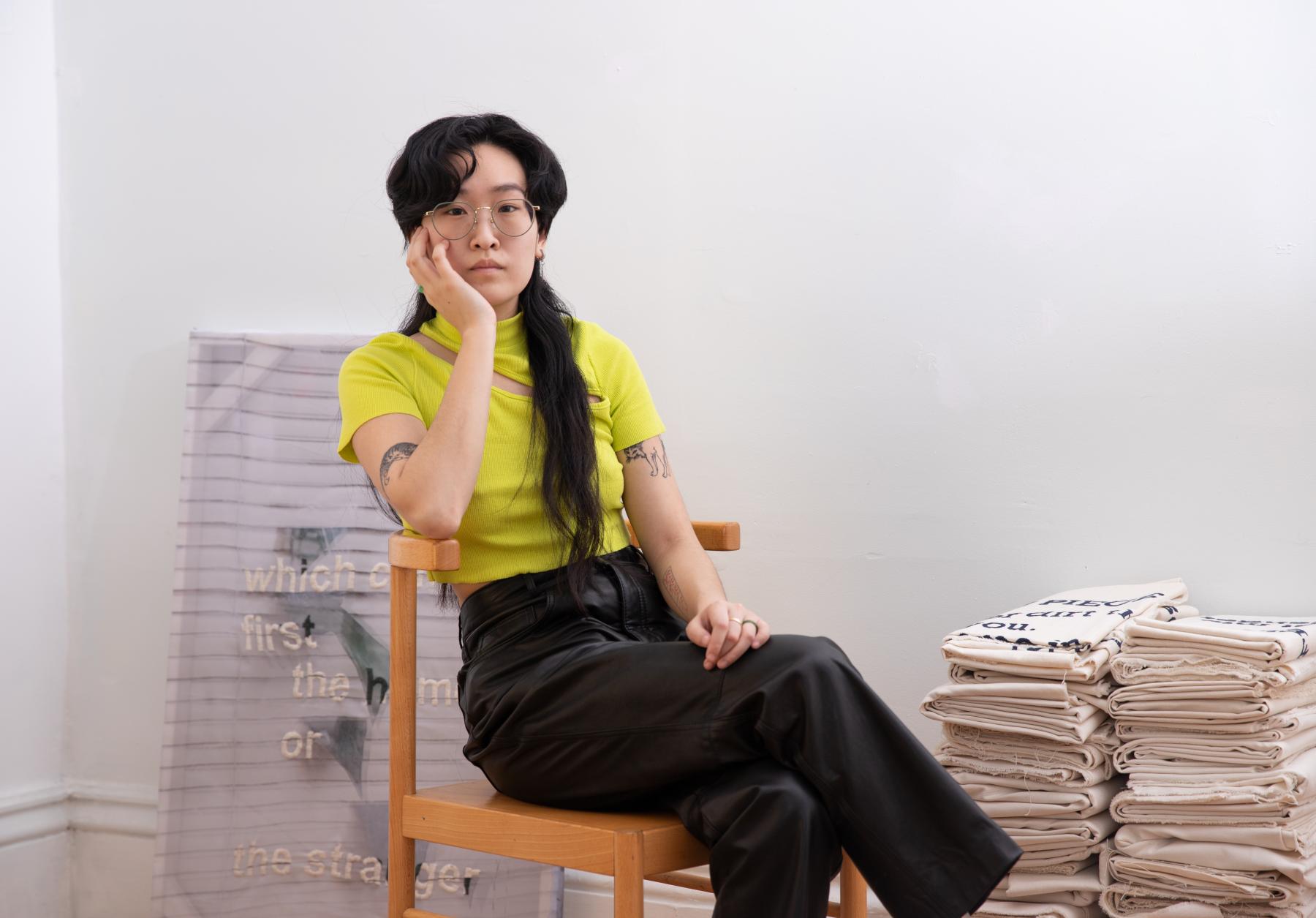
Oliver Husain is an artist and filmmaker based in Toronto. His exhibitions and films combine elements of cinema and performance, drawing on a range of objects, stories, and materials to create lush, curious environments that denaturalize architectures and histories alike. I first wrote about Husain’s work in a 2016 review of an exhibition of his film Isla Santa Maria 3D at Gallery TPW in Toronto. Then, as now, I was mesmerized by the way Husain kaleidoscopically interrogates his subjects. I spoke with him this summer over Zoom while we were both in Germany (him in Berlin and me in Essen) about several…
Read More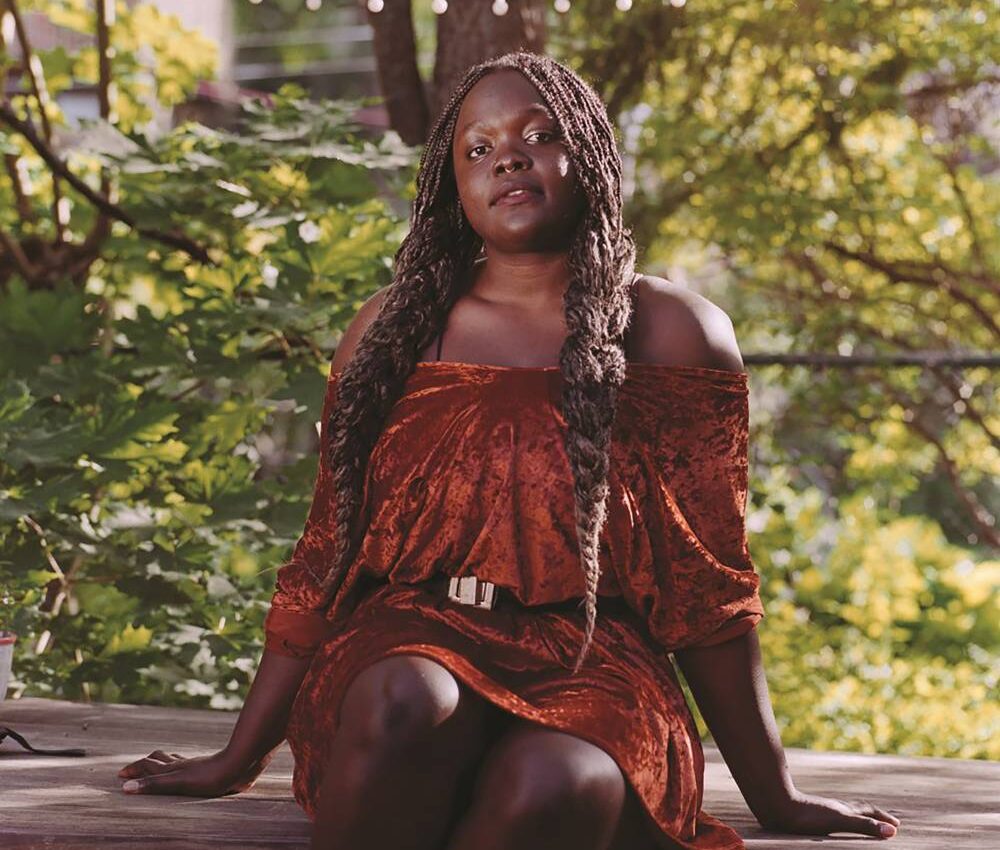
Grounding a story around the senses: in conversation with Francesca Ekwuyasi
Francesca Ekwuyasi is an incredible storyteller. Born and raised in Lagos, Nigeria, she is currently based in Halifax(K’jipuktuk), where she produces poignant literature and multidisciplinary artwork from within her own universe. Her debut novel, Butter Honey Pig Bread has received much acclaim for its honest and heartfelt approach to themes of queerness, belonging, faith, family, and femininity. Notably longlisted for the 2020 Giller Prize, the novel was a finalist for CBC’s 2021 Canada Reads competition, and was shortlisted for the 2021 Governor General’s Award, among a host of other recognitions. Moreover, Ekwuyasi goes beyond the literary form to tell stories. One of…
Read More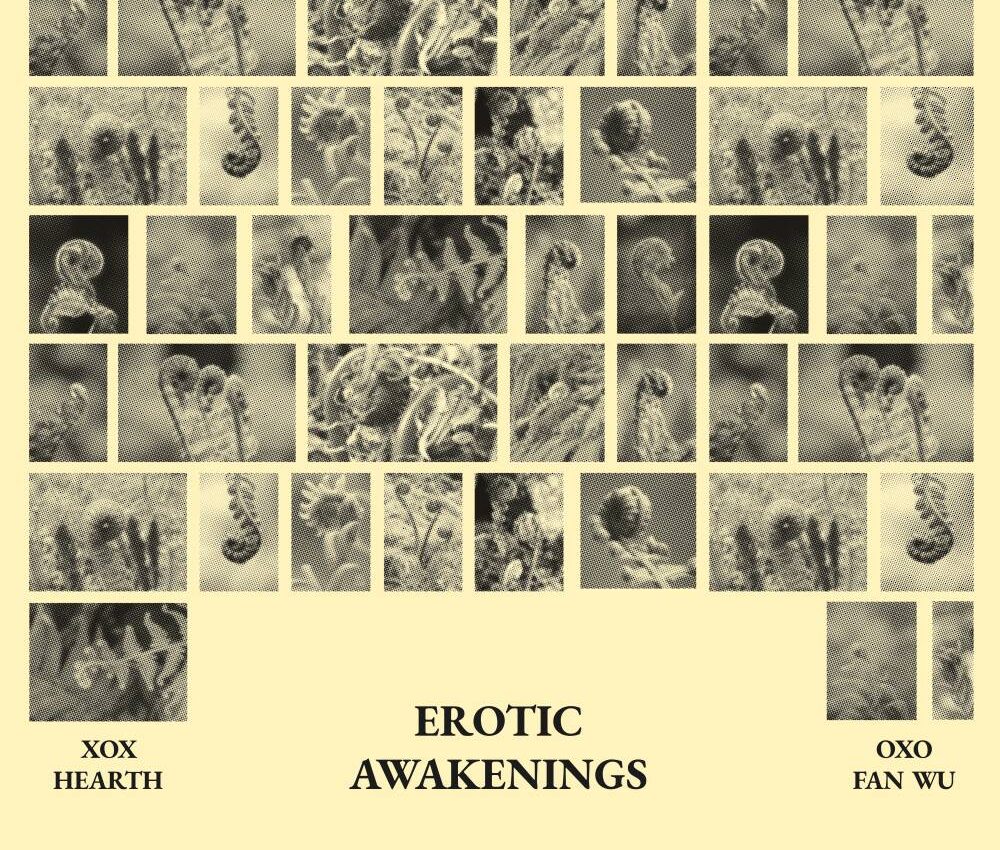
The Chaos of Eros: in conversation with the programmers of Erotic Awakenings
Erotic life is a treasure we hold close until we believe its delight might multiply in the hands, eyes, ears, or mouth of another. One such place for sharing is “Erotic Awakenings,” an archive primarily containing writings hosted on the website of Toronto artist-run gallery Hearth Garage. The project is a collaboration between the gallery’s programmers Benjamin de Boer, Philip Ocampo, Rowan Lynch, and Sameen Mahboubi and writer and facilitator Fan Wu. Each piece of writing is singular in form and content, reflective of our varied erotic experiences. In an erotic moment, we might become unfastened from a solid sense…
Read More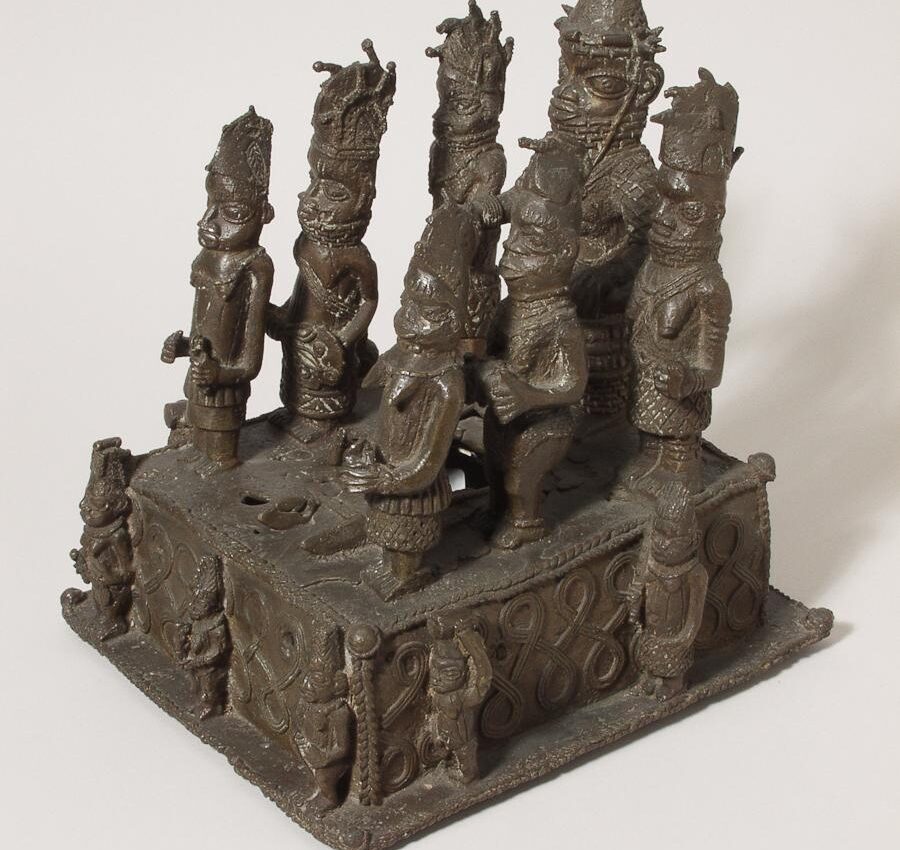
The making of colonial museums: in conversation with Dan Hicks
Dan Hicks is professor of contemporary archeology at the University of Oxford, Curator of World Archaeology at the Pitt Rivers Museum, and a Fellow of St. Cross College. Hicks has been at the center of conversations on the violent history of colonial museums and on how cultural objects pillaged from the Benin Kingdom can be returned to their original homes. His recent scholarship has focused on the colonial histories of cultural objects, work which has intersected with recent global campaigns against racism, continued imperialism in the Middle East, and ongoing ecological disasters. His two most recent books, The Brutish Museums: The…
Read More
Frontiers of the posthuman natural world: in conversation with Alice Bucknell
Alice Bucknell is an artist and writer based in London, UK. Her work uses video game engines and speculative fiction to explore the interconnections between ecology, architecture, and non-human and machinic intelligence. Bucknell’s recent works Swamp City (2021), E-Z Kryptobuild (2020), and Align Properties (2020) are artificial promo videos for imaginary development companies that parody the language and aesthetic conventions of real estate advertising. These pieces take a tongue-in-cheek approach that critiques architecture, luxury property development, and lifestyle capitalism. Swamp City debuted last May at the 2021 Venice Architecture Biennale in the Russian Federation Pavilion, on view until November 21st, and is also part of FREEPORT for Epoch Gallery, an…
Read More
Rejection Season
ejection season coincides with spring—a small cruelty of cyclical rhythms. Winter lifts and I assess what is revealed from under patches of dirty snow. The salt-stained sidewalk and remnants of grey ice are bleak. My inbox is bleaker. As another day runs out of business hours, I manually refresh my email. “Checking for mail…” appears under my various inboxes, each acquired from a temporary gig and kept active on the off chance that someone may want to reach me. No new messages, just the same old news that has piled up over the past few weeks. A form letter announces…
Read More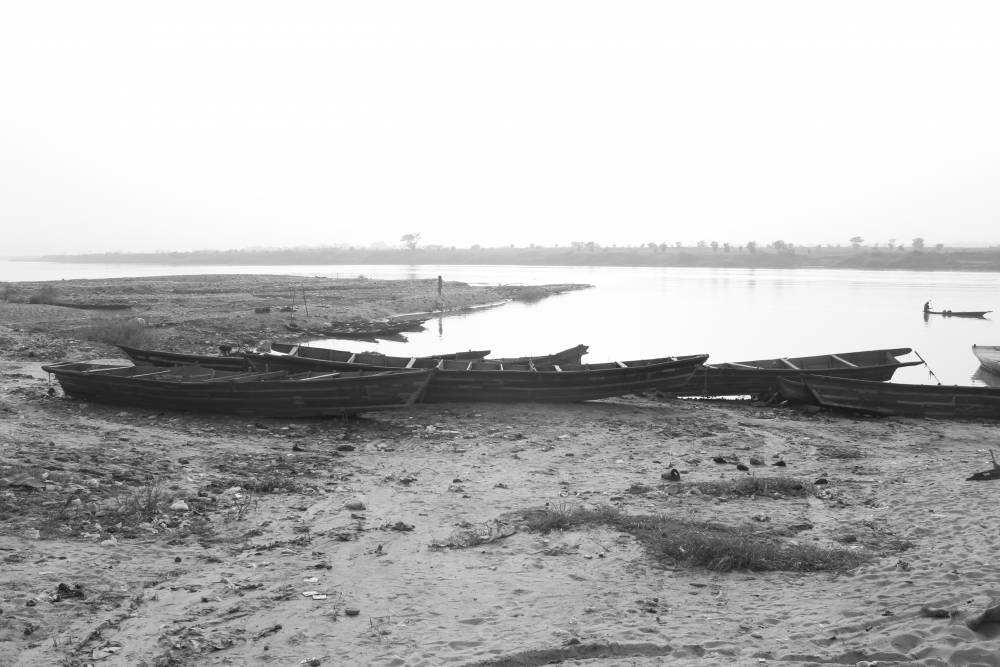
The Republic of Apology
In the Republic of Apology sorry can buy you anything. Can pay for anything. Those were the opening lines of your book on apology. When your editor Zach first read it, he said that etymologically-speaking “sorry” and “apology” were not neighbours. Apology was a statement of excuse, something put up in defence against accusations. That was how ancient Greeks understood it. Sorry, on the other hand, came from Middle English and expressed sympathy and a feeling of soreness or sorrowfulness. The operational form of the contemporary regime of apology, said Zach, had returned to the original meaning of the word. There wasn’t…
Read More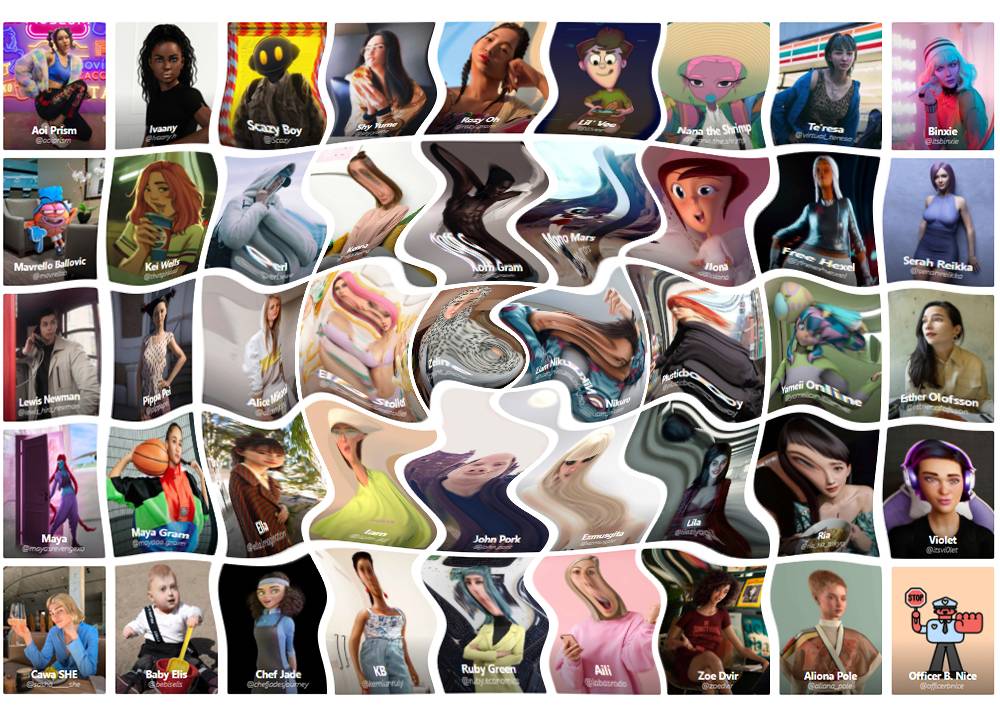
Bot, Interrupted
Doomscrolling through my Instagram newsfeed as a habituated ritual of self-sabotage, I surf past public personas seamlessly blending amongst literal fake people. Developing a public persona online is as old as the internet. But what happens when we depart from the highly augmented self and invoke a world of bots? Artificial humyns1 deployed as virtual influencers, or ‘bots’, are on the rise, and the interchangeability of their preferred nouns yield audiences who are just as intrigued as they are confused. Incidentally, when referring to some of these influencers as bots, one is also referring to their process of development. These online apparitions, used…
Read More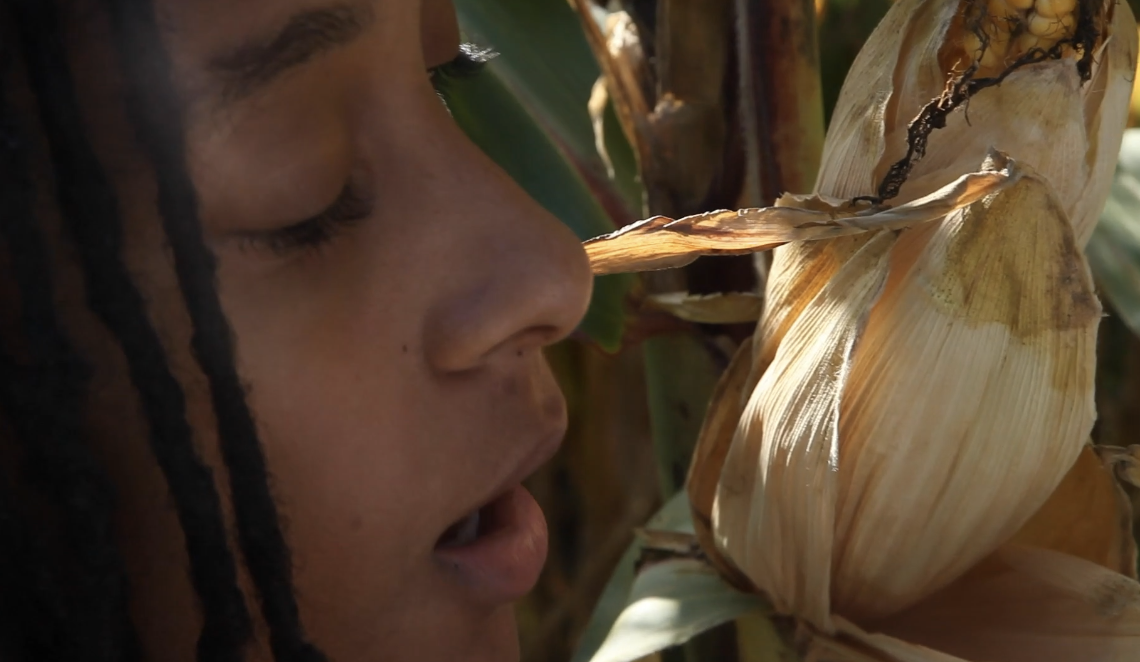
Strategies to enflesh the archive: in conversation with Emilio Rojas
From this racial, ideological, cultural and biological cross-pollinization, an “alien” consciousness is presently in the making—a new mestiza consciousness, una conciencia de mujer. It is a consciousness of the Borderlands. –Gloria E. Anzaldúa, Borderlands/ La Frontera: The New Mestiza, 1987 How and why do we tell stories? Whose stories are told by History and whose are erased, forgotten, or deemed “dangerous” to tell? How do we acknowledge and confront the reality that particular histories fall outside of “acceptable”; and, how do we instead, critically shift to address, honor, and care for them? These are just some of the crucial questions that have…
Read More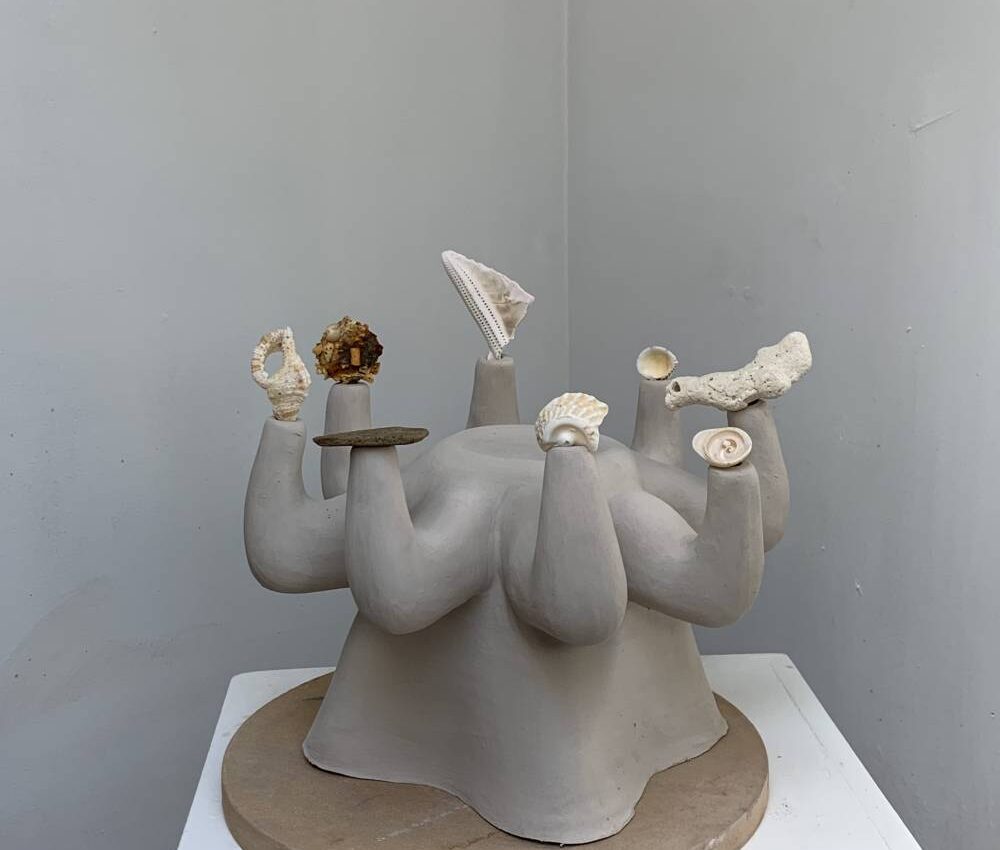
Methods of Holding Complexity and Community
In The Carrier Bag Theory of Fiction, Ursula K. Le Guin unravels the belief of the spear as the earliest human tool. She writes: “[S]ixty-five to eighty percent of what human beings ate in [temperate and tropical] regions in Paleolithic, Neolithic, and prehistoric times was gathered; only in the extreme Arctic was meat the staple food.” The overrepresentation of the spear conveys the conflict-driven narrative of the hunter as hero. She de-centers the spear and re-centers that which holds: the carrier bag, the basket, the pouch, the stomach. A modality is expressed, one that better reflects Le Guin as a person…
Read More