
Archive

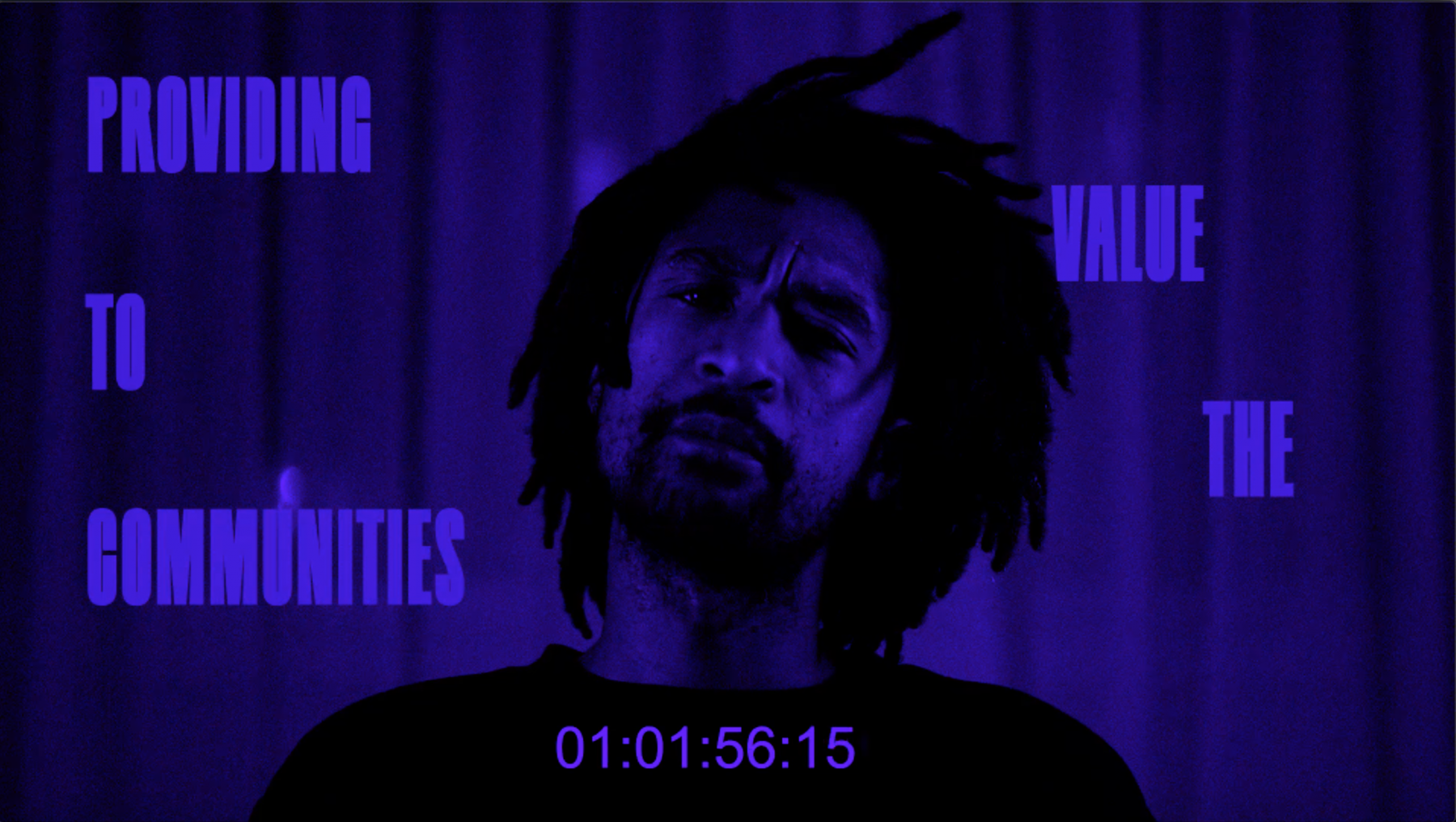
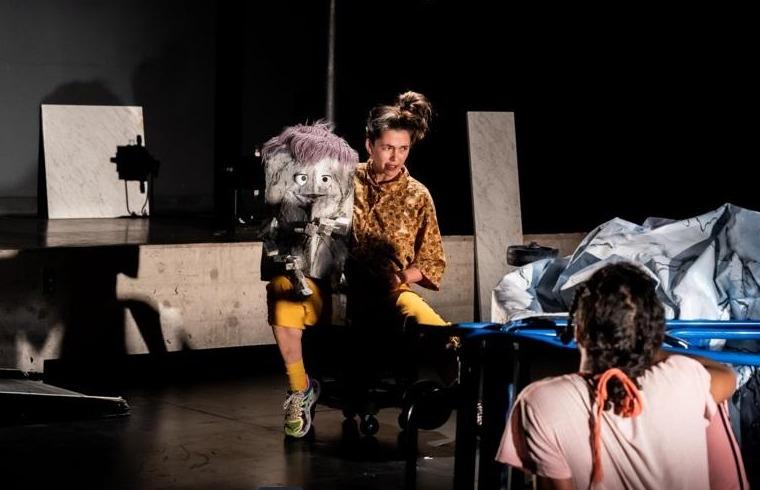
“Toppling my own minimum”: in conversation with multi-disciplinary artist and activist John Brady McDonald
John Brady McDonald is from the Muskeg Lake Cree Nation and the Mistawasis Nehiyawak. He is the great-great-great grandson of Chief Mistawasis of the Plains Cree who was considered a visionary leader and the first signatory of Treaty 6 in 1876. McDonald is also the grandson of famed Métis leader Jim Brady, who is generally considered one of the most influential Métis leaders and activists in Saskatchewan and Alberta of his time. Brady disappeared while on a prospecting trip in June 1967. His body has yet to be recovered. Forced to attend the Prince Albert Indian Student Residence in Prince…
Read More
“To me, they were stars”: In conversation with artist Reynaldo Rivera
Con miradas siempre nos damos todo el amorHablamos sin hablarTodo es silencio en nuestro andarAmigos simplemente amigos y nada más —Ana Gabriel, Simplemente Amigos In her 1988 song, Simplemente Amigos, Ana Gabriel belts out a confession disguised as restraint. It’s about a love that must exist in the shadows, spoken through a secret code of gestures and glances. The ballad moves between longing and endurance, mapping the tension between desire and secrecy. Similarly, Reynaldo Rivera’s photographs translate the impossibility of public love into forms of tenderness—where desire becomes both memory and a way to exist otherwise. His Los Angeles is not the…
Read More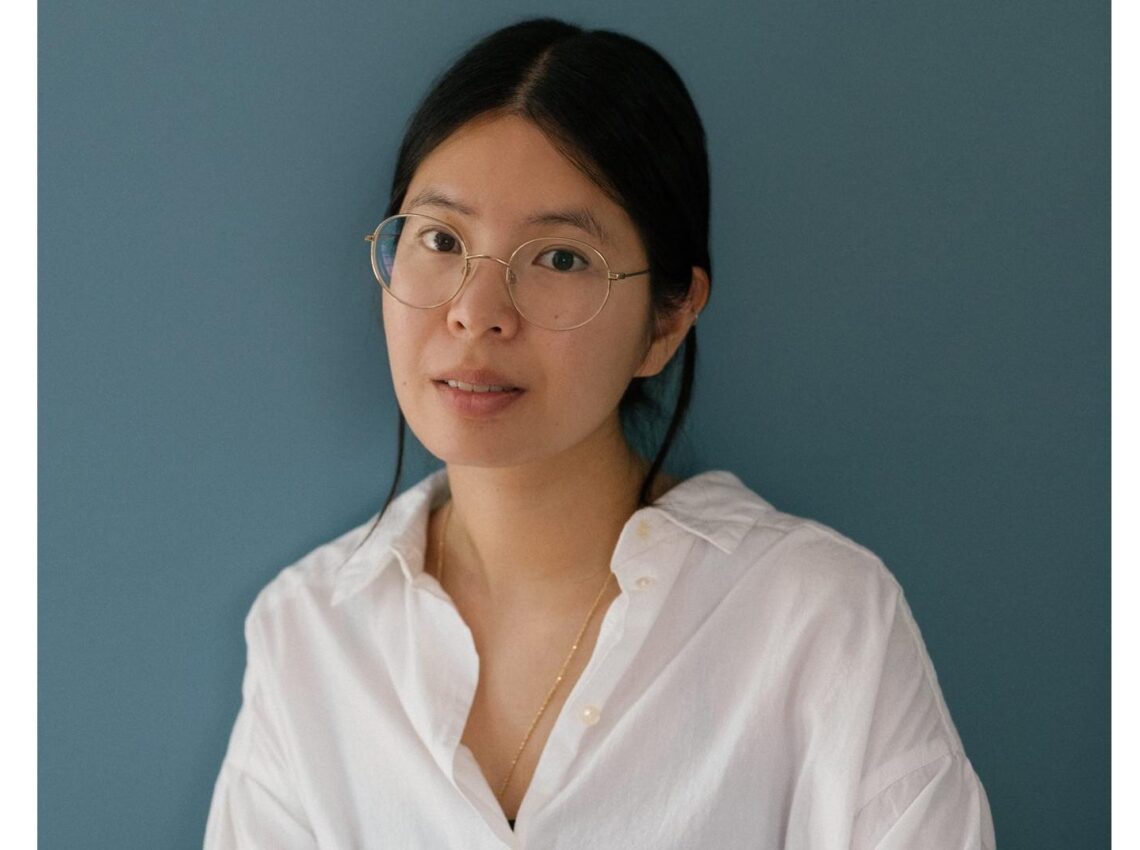
Fiction as emotional truth: in conversation with author Larissa Pham
When you’ve been living on, or with, the internet for over a decade, it can be difficult to recall your first encounter with a writer that you’ve become closely acquainted with over the years. When that first encounter isn’t a book—but an essay, conversation, or even simply a diffuse involvement in a certain school of online writing—it absorbs into the larger web of your own personal internet ecosystem. I thought my first brush with Larissa Pham was when I read her essay Crush in The Believer, but upon revisiting it, I found it was only published in 2021, and it feels as…
Read More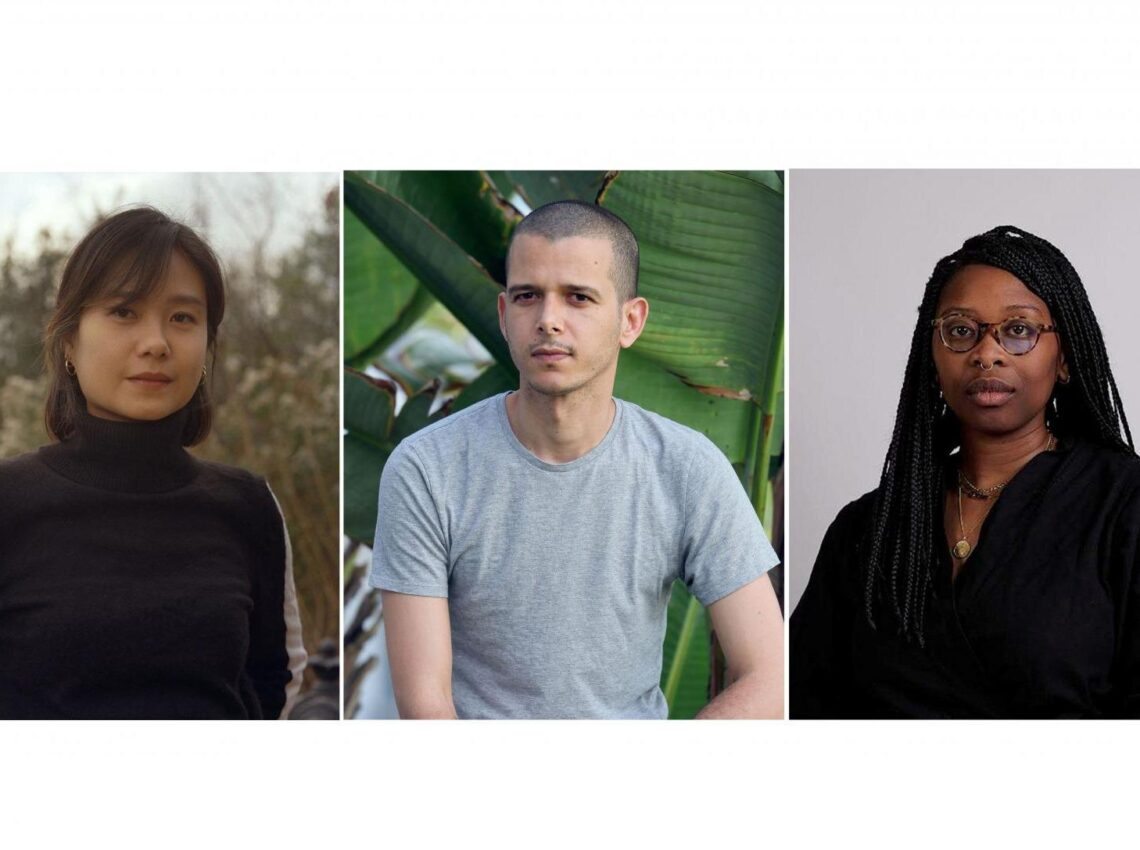
2026 Editorial Residency
Public Parking Publication is delighted to announce the participants in our 2026 editorial residency. For this program, we aim to work with thinkers who are adjacent to or outside the realm of the arts as part of Public Parking’s ongoing efforts to broaden the scope of ideas we feature and the communities we reach. This project invites guest editors to serve as residents of the publication for an extended 12-month period. Throughout this time, they will work with our team to publish a series of texts, either self-written or in collaboration with other writers of their choosing. Previously, we’ve hosted…
Read More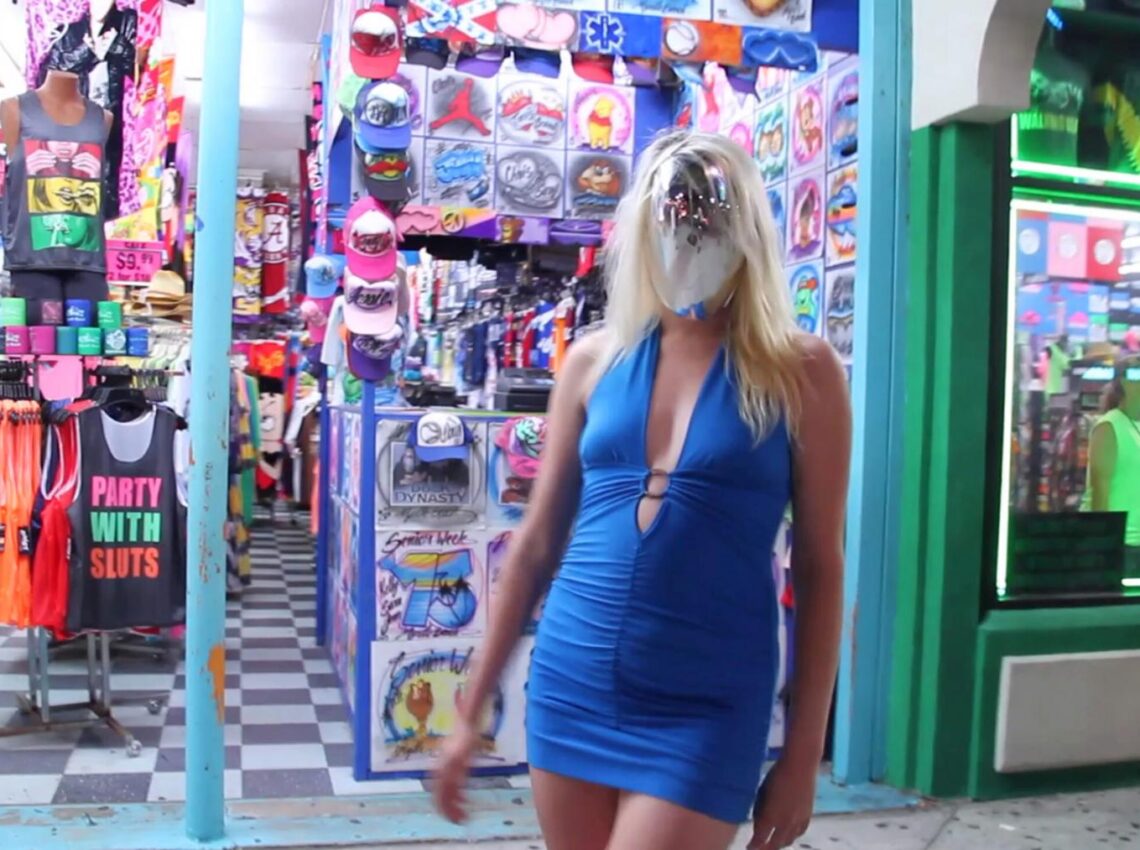
Faltering recognition: The mirror mask in visual culture
In August of 1945, the friendship between avant-garde filmmaker Maya Deren and writer Anaïs Nin turned into a nasty feud. Deren immortalized the clash in a poem dedicated to Nin: For Anaïs Before the Glass The mirror, like a cannibal, consumed,carnivorous, blood-silvered, all the life fed it.You too have known this merciless transfusionalong the arm by which we each have held it.In the illusion was pursued the visionthrough the reflection to the revelation.The miracle has come to pass.Your pale face, Anaïs, before the glassat last is not returned to you reversed.This is no longer mirrors, but an open woundthrough which…
Read More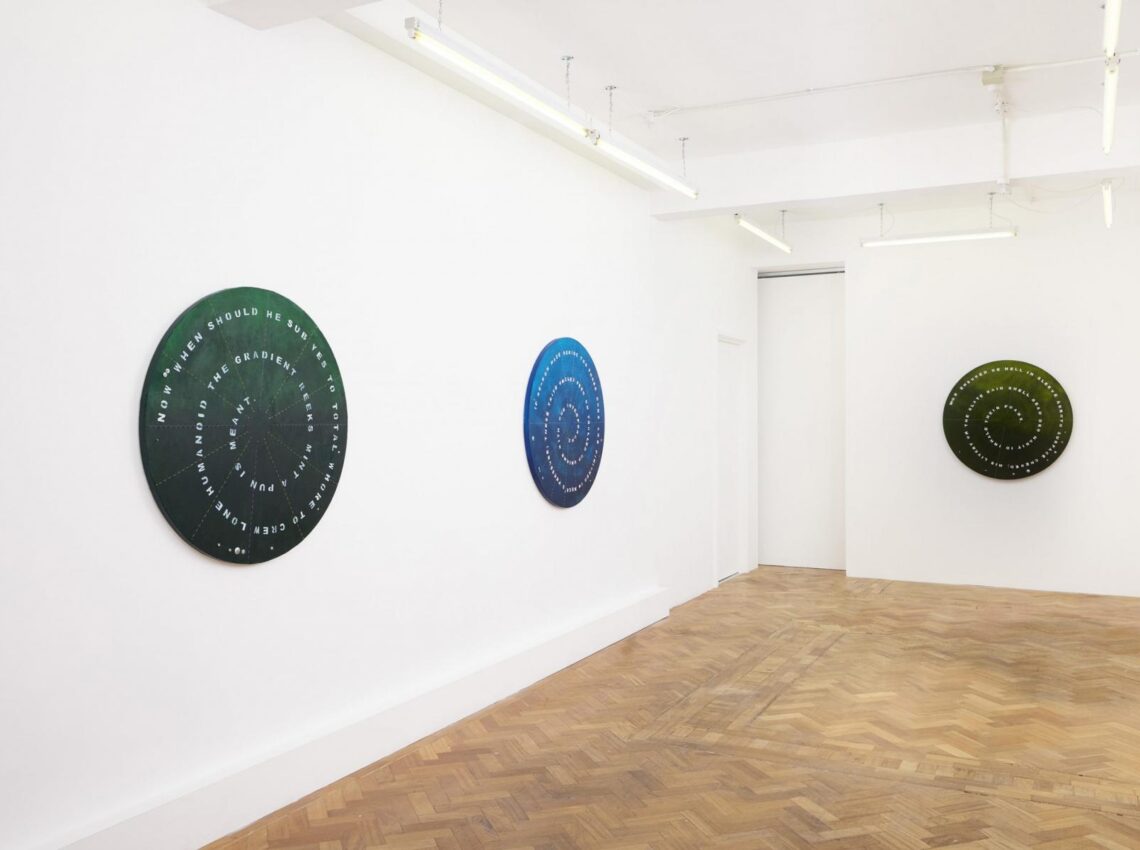
The Year in Epistemic Disorientation
Parasocial. Rage Bait. Vibe Coding. 67. Slop. Each of these terms has been dubbed “word of the year” by a major dictionary. All originated online, went viral, and spread offline, entering the parlance in a way that would have been unimaginable, say, fifteen years ago. While the very selection of “67” might well be “rage bait,” this glossary captures a year of epistemic exhaustion in which intimacy has been streamlined, outrage optimized, production accelerated, and signs stripped of signification within ever more opaque digital infrastructures. “Slop” might, in fact, sum it all up. Fungible and frictionless, slop is the low-quality…
Read More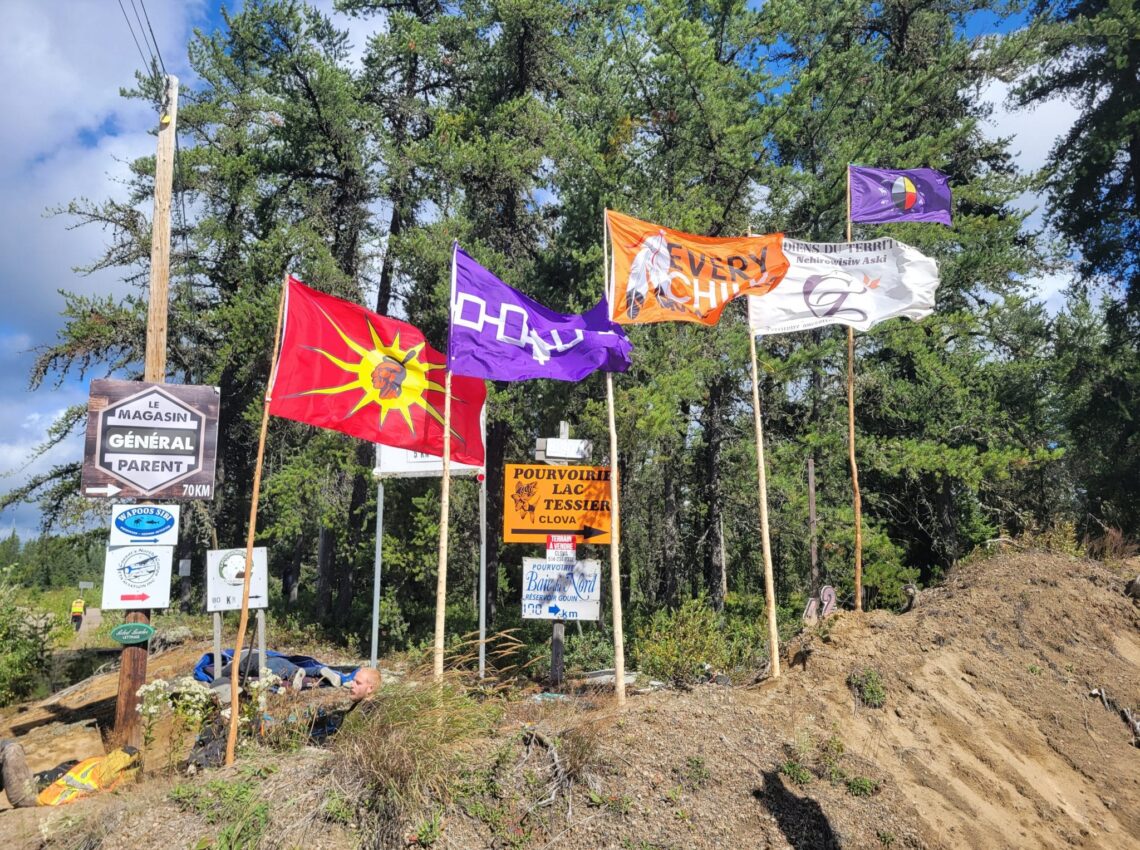
A Year of Undoing a Nationalist Fantasy
The secret’s out: Canadians are feeling bad—and there’s something we all have in common. If the past few years have felt like watching this country wither and die, 2025 was lived from inside of Canada’s lifeless body. From within the carcass of Canada and beyond, we are witnessing the collapse of colonial states—extraction projects that rely absolutely on racialized violence and ecological fallacy. Canada in 2025’s dusk is an open pit; its bones are exposed. Its skin is rotting. The nation is fantasy. What is true is this: when things fall apart, we begin to see what they are made…
Read More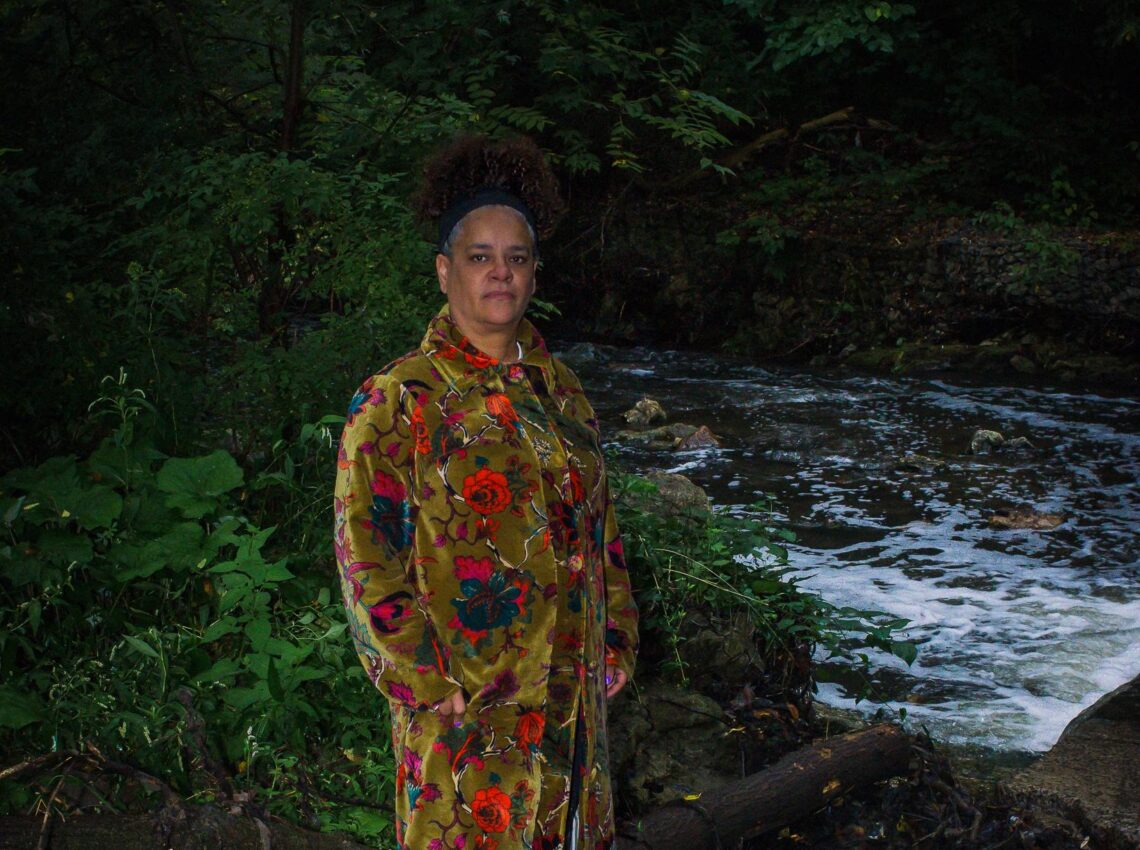
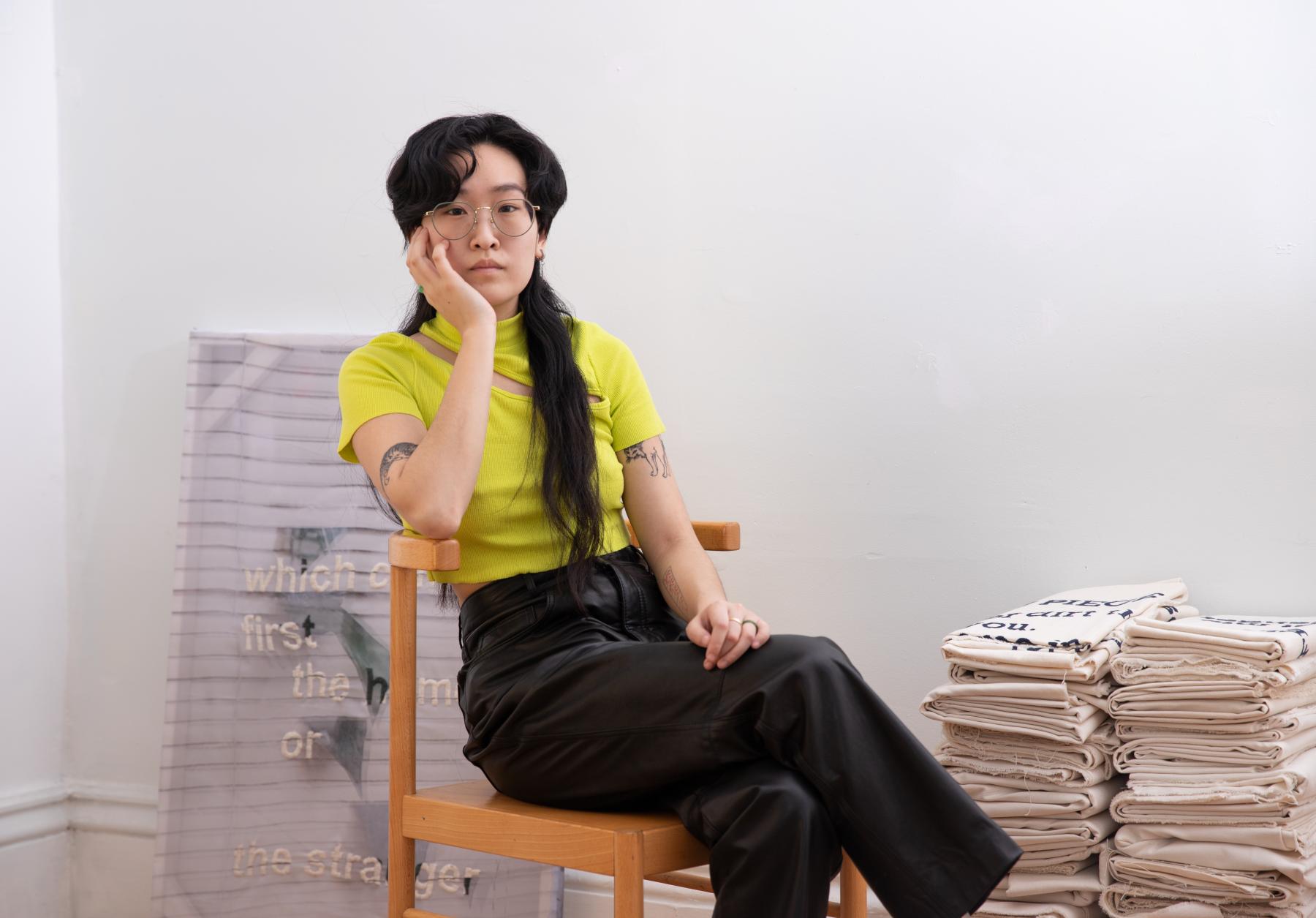
“Part of doing the work is living it”: in conversation with scholar/author Katherine McKittrick
A Smile Split by the Stars: An Experiment by Katherine McKittrick is an exhibition that brings m. nourbeSe philip’s poem “Meditation on the Declension of Beauty with the Girl with the Flying Cheek-bones” into two gallery spaces. Co-produced by the Agnes Etherington Art Centre, Gallery 44 Centre for Contemporary Photography, Revolutionary Demand for Happiness, and Modern Fuel Artist-Run Centre, the exhibition began with a conversation with Katherine McKittrick—Professor of Gender Studies and Canada Research Chair in Black Studies at Queen’s University—during a rideshare in Kingston on our way back to campus where Katherine shared with me her love for the poem. Katherine…
Read More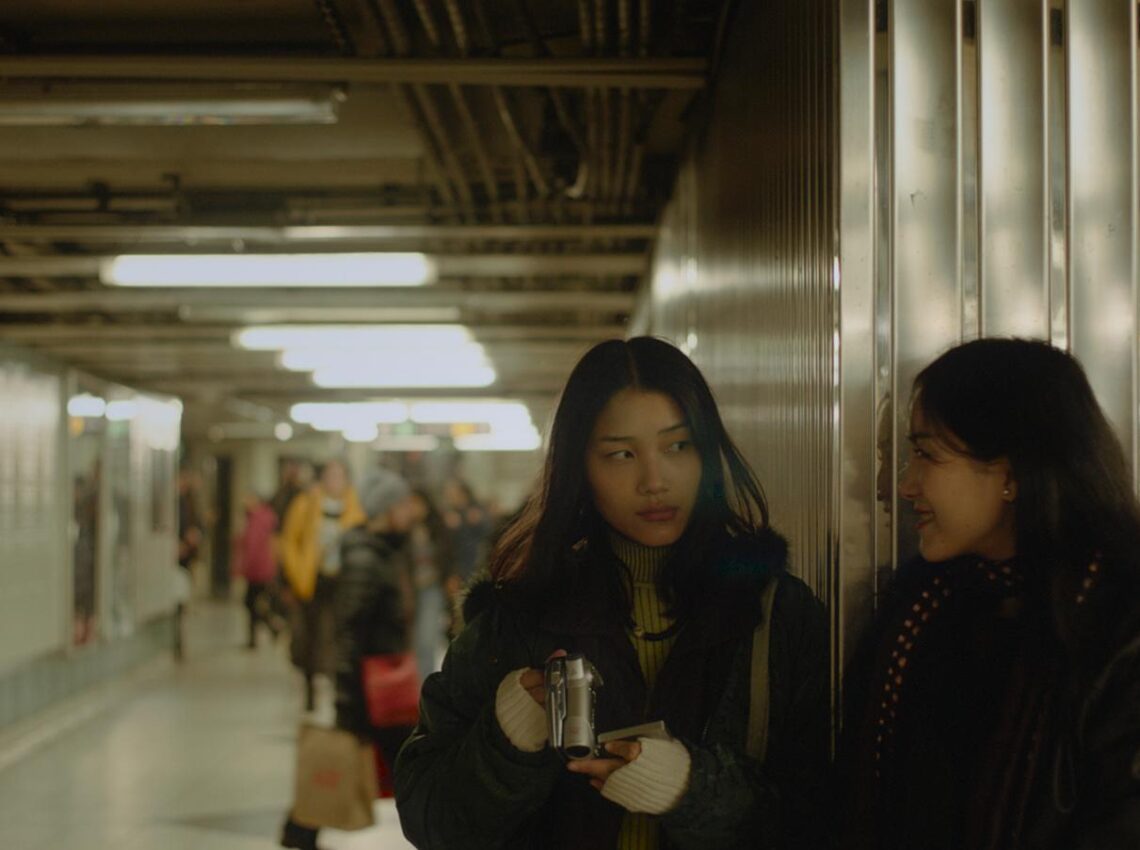
A reciprocal gaze: in conversation with filmmaker Kunsang Kyirong
I first met filmmaker Kunsang Kyirong last summer at my friend’s coffee shop in Roncesvalles—the Toronto neighbourhood halfway between my apartment at Bloor and Dundas, and her place at the time in Parkdale. When we met, she was in post-production for 100 Sunset—her first feature-length film. Born in Vancouver, Kyirong studied 2D+Experimental Animation at Emily Carr University of Art and Design, and is currently pursuing her MFA in Film Production at York University. Her previous short films Dhulpa (2021) and Yarlung (2020) have been screened at various international film festivals and exhibited at The Rubin Museum of Himalayan Art. Kyirong told me about her newest…
Read More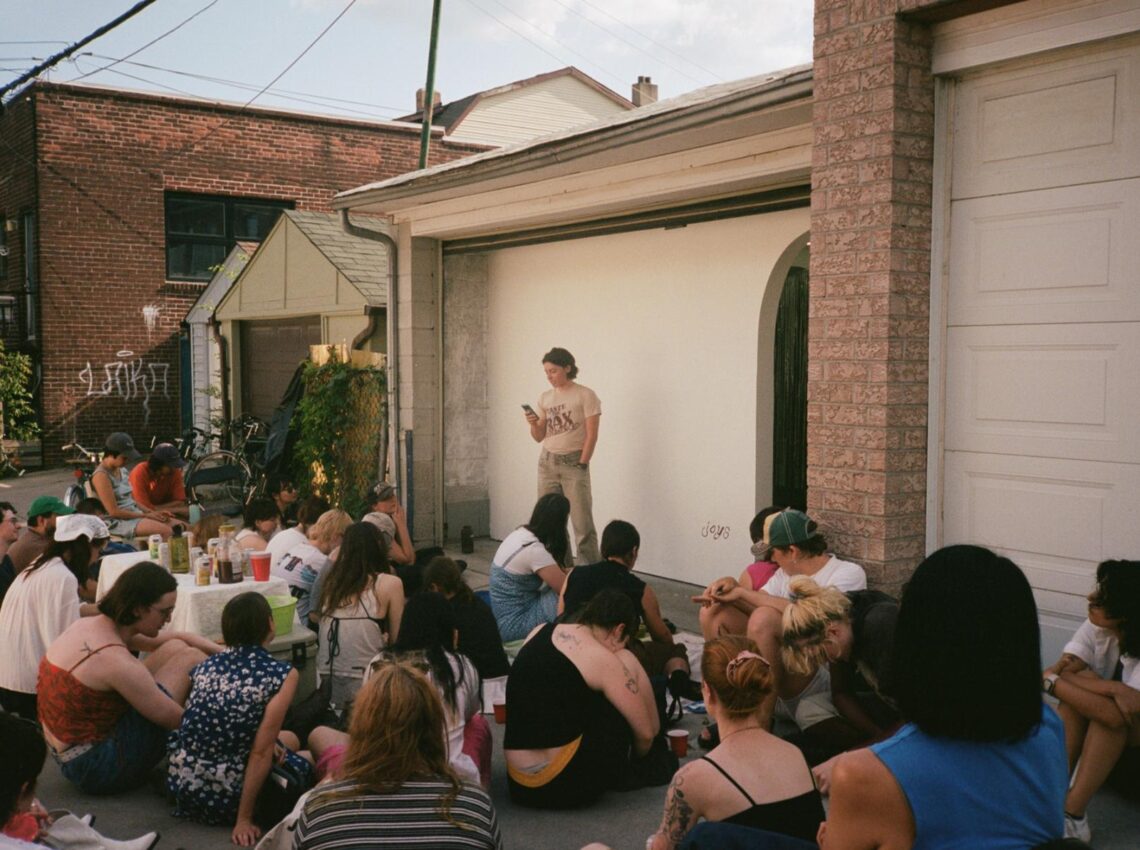
Between a wish and a prayer: in conversation with writer and curator Danica Pinteric
For the past three-and-a-half years, the garage behind 903 Lansdowne has been home to Joys, an independent gallery operated and initiated by writer and curator Danica Pinteric. Accessible by the laneway between Lansdowne and St. Clarens in Toronto’s west end, the gallery’s entryway is marked by its iconic arched door and—most Saturdays—the presence of Pinteric, awaiting visitors. With a curatorial style as incisive as it is intuitive and process-driven, Pinteric’s mark on the city has been lively and thought-provoking, emanating a particular poetic quality. As a poet myself, perhaps what draws me to Pinteric’s work is how she borrows the…
Read More