

Archive
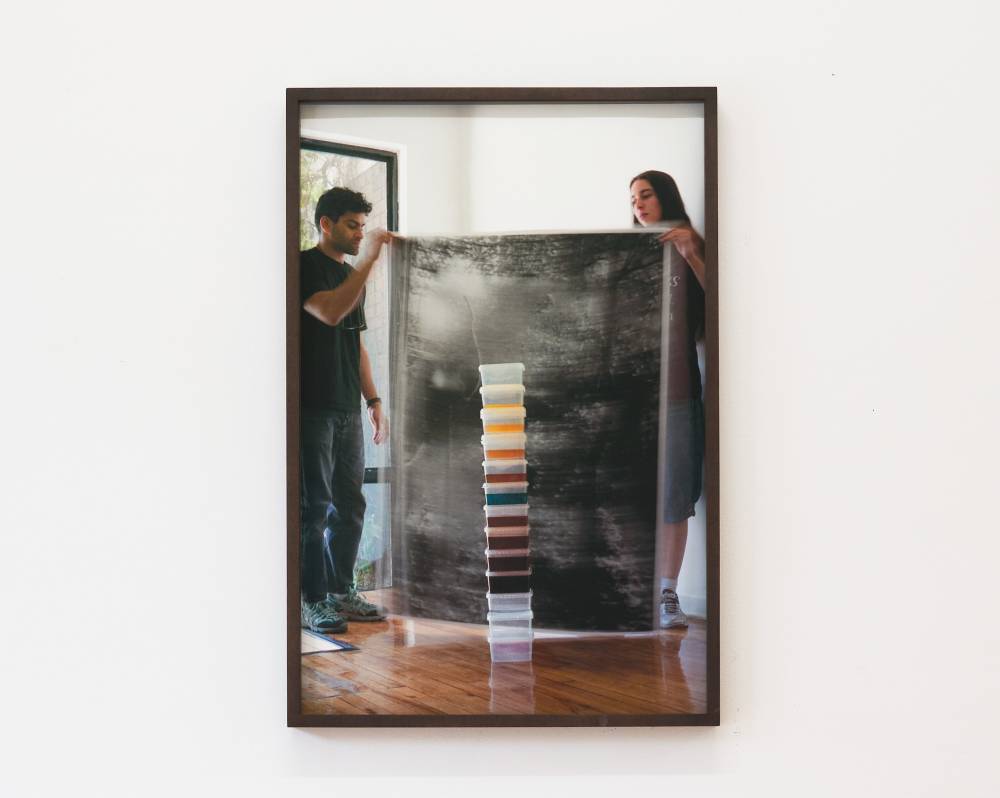
Eye to Eye: in conversation with Fatine-Violette Sabiri and Paras Vijan
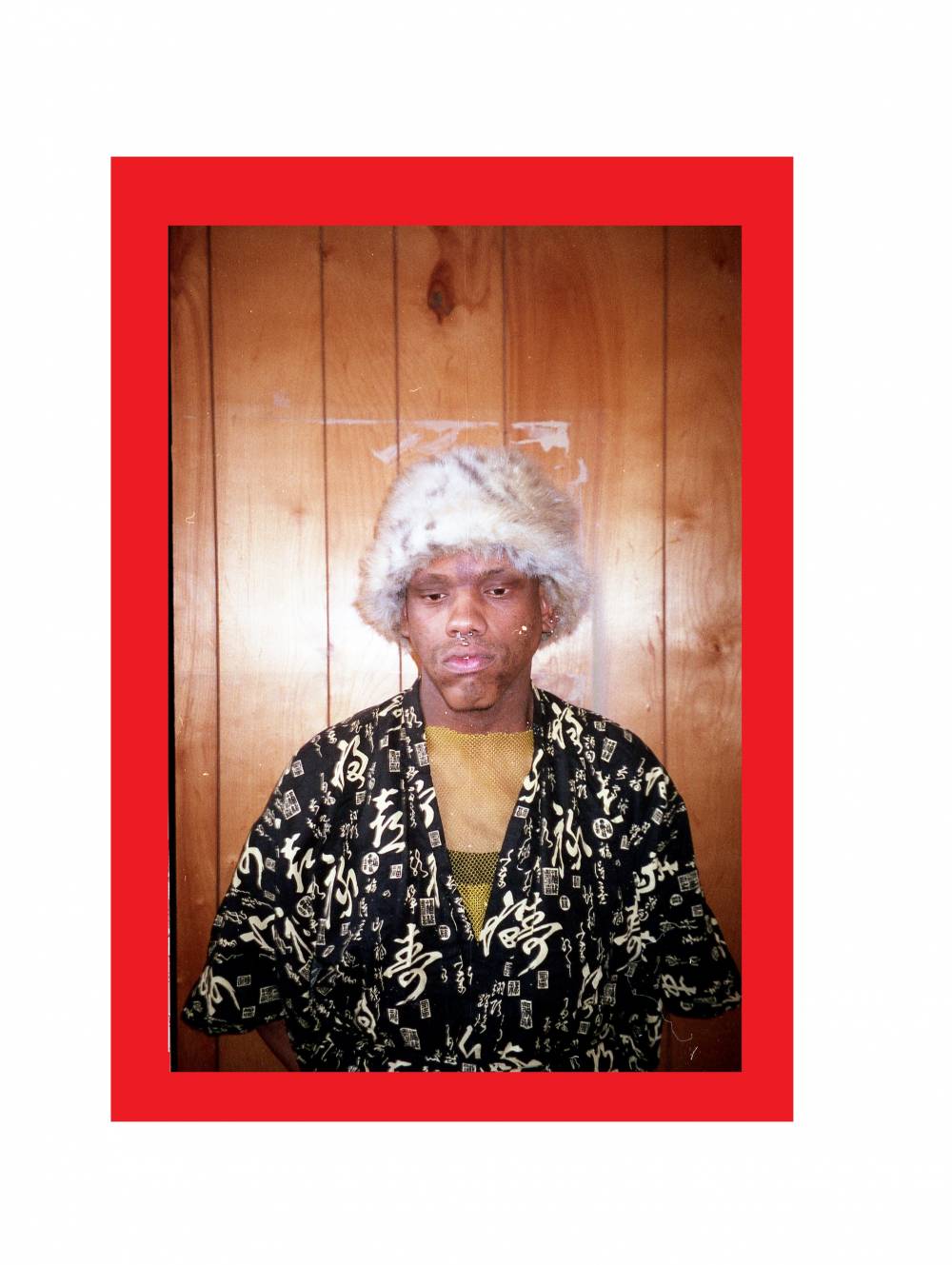
Summer 2023 was eventful for the stretch of avenue du Parc between avenue Fairmount and rue St. Viateur in Montreal’s Mile End neighbourhood. Each Thursday between June 1st and July 8th, photographers Fatine-Violette Sabiri and Paras Vijan welcomed visitors into the world of One by Two, their serialised exhibition at Galerie Eli Kerr. These vernissages came to punctuate the lives of many of us in the neighbourhood’s creative community; our attention was oriented towards the gallery space and the sidewalk benches that flank the entryway, as we convened in a way that was profound, joyful, and sorely missed once the exhibition closed….
Read More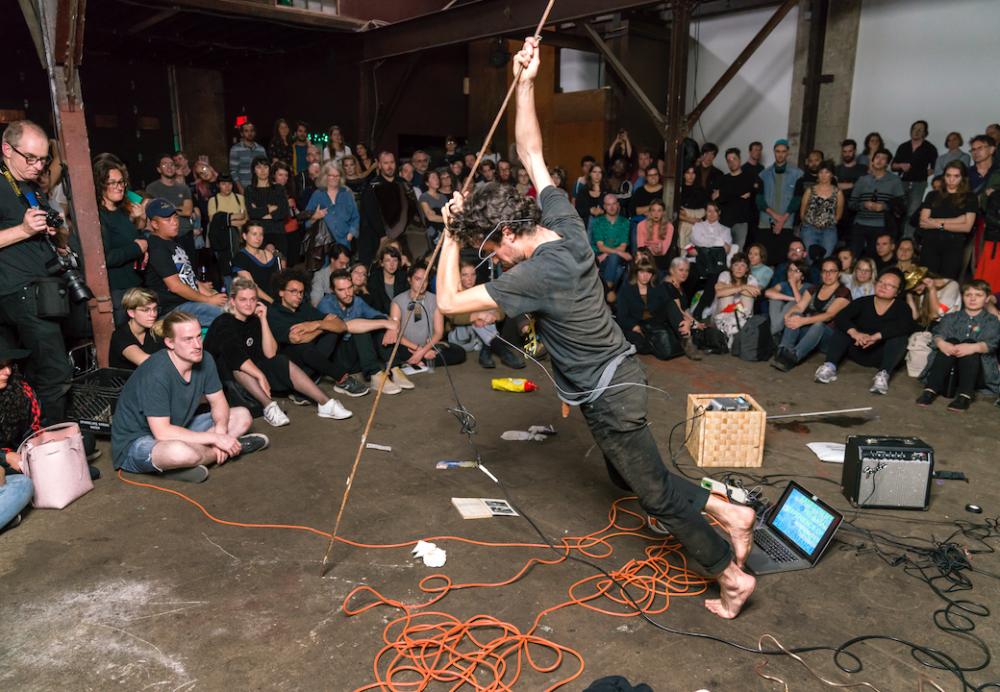
Editor’s Letter
I am sitting on the windowsill of my studio in the Résidence des Récollets, in Paris. It is 22h12, Paris time, and I am wondering if I should spend the rainy day tomorrow working on various curatorial projects waiting for me back home in Montreal, or if I should wake up early and go to my hot yoga class. Ever since I knew I was coming to Paris, I searched the web to see if they had the type of hot yoga I have been doing for the last 15 years. The studio in Montreal no longer exists, and my…
Read More
Perpetual Returning: Cycles End and Begin, and End Again
had been thinking of cycles before consciously becoming aware of completing one. I turned 42 last Fall, which can be divided as six cycles of seven, or two cycles of 21, or 14 cycles of three, or any number of reversals. Throughout my 20s, I was borderline obsessed with my Saturn Return, which is when you complete four cycles of seven, a spiritually significant number through most of human history. Seven is a number that appears and reappears from the Sumerians’ seven-branches in the Tree of Life and the institutionalization of the seen day week to the seven heavens of…
Read More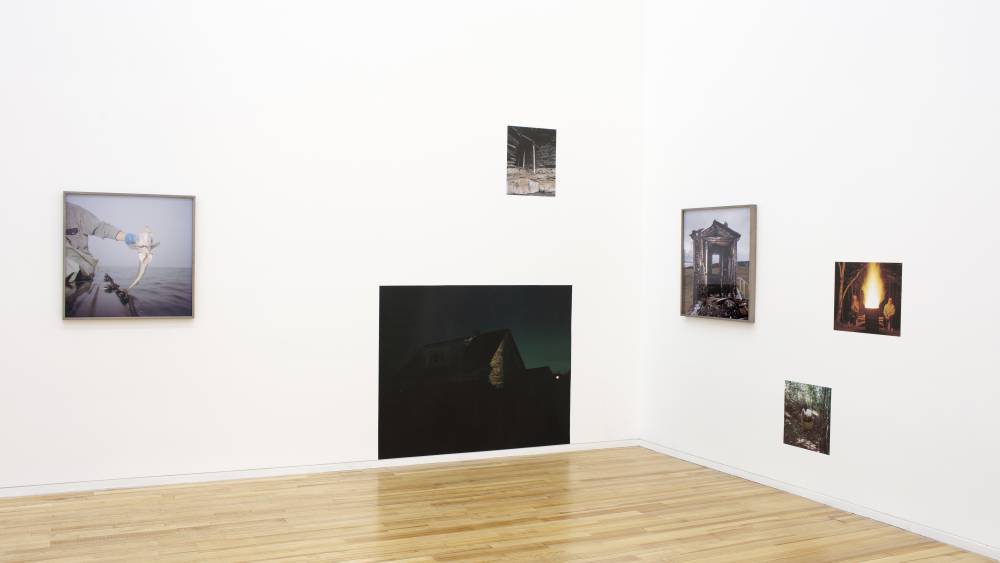
Time & Necessary Contexts: in conversation with Ethan Murphy
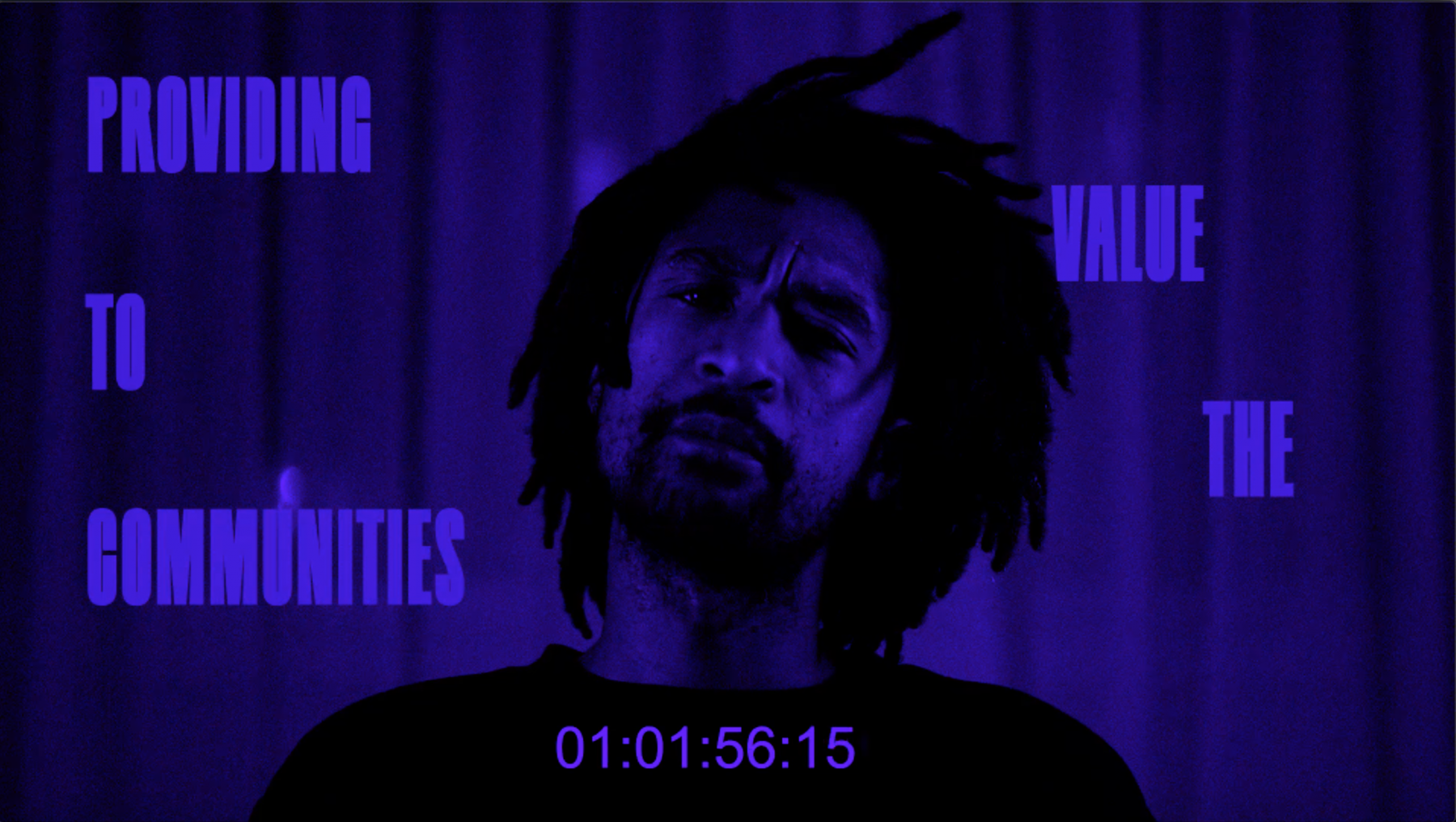
A code of conduct is a list. It can be short or long, normally between five to seven points. It enumerates a certain set of behaviours that are appropriate in a given setting. Sometimes behaviours that are not appropriate are listed too. It is sort of the x and y of socialisation. It plots a space between appropriate and inappropriate behaviour. But it is entirely movable and depends on a given situation, so some would say that it’s site-specific. The first time I meet artist, Ethan Murphy is on a Zoom call sometime in late 2021, but technically the second…
Read More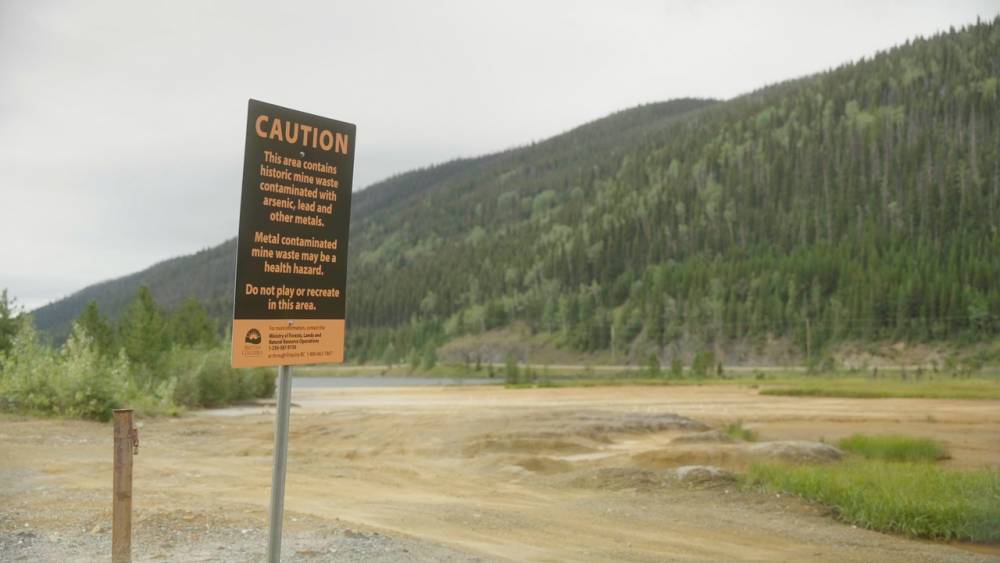
Meditations on Significance When There’s Gold Underfoot
I’ve been listening for the sound of a drill driven under. It’s coming any day now. The rumble and the crack of an old vein being revitalized. Recovering ounces that were overlooked by the old timers. A mechanical curtain to the wind sweeping through the willow, so that the rust can once again be followed into the rock. Uncovering an old route into the mountain side, widening the adit, digging that hole deeper. Back into the wrecked earth, seeping. All this in a town sitting in a bowl at the end of the highway. At the head of a lake…
Read More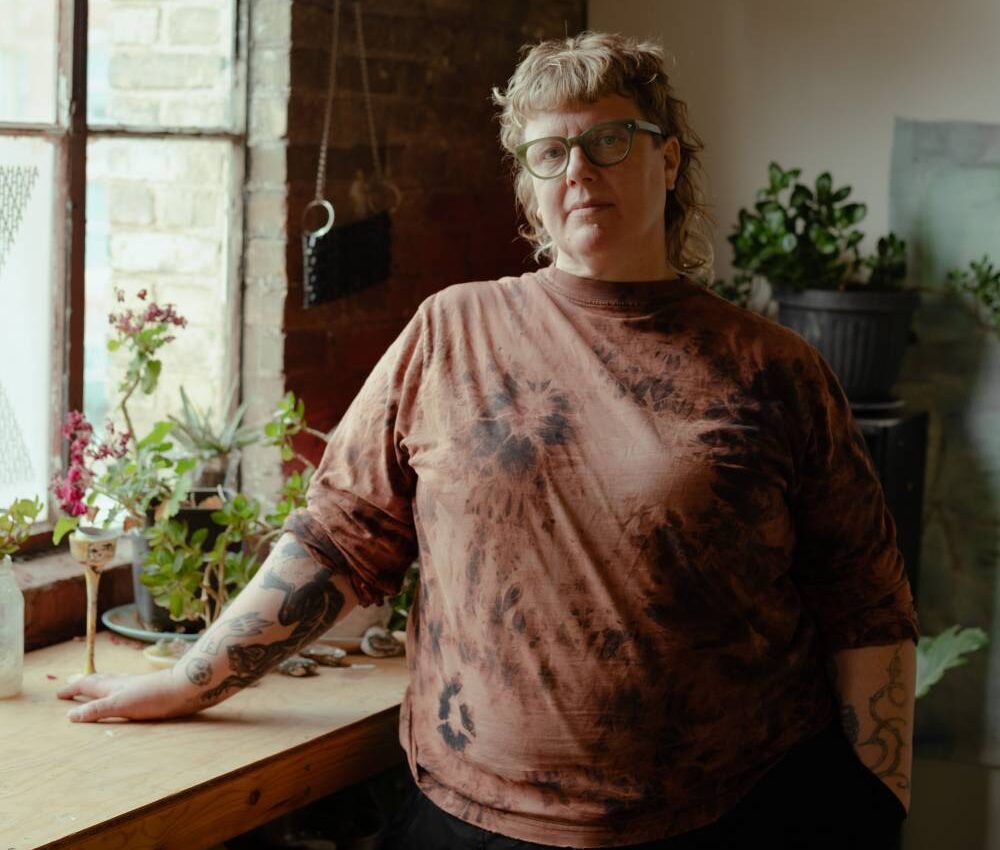
ABUNDANCE, ABUNDANCE, ABUNDANCE: Reparative criticality in the work of artist, AO Roberts
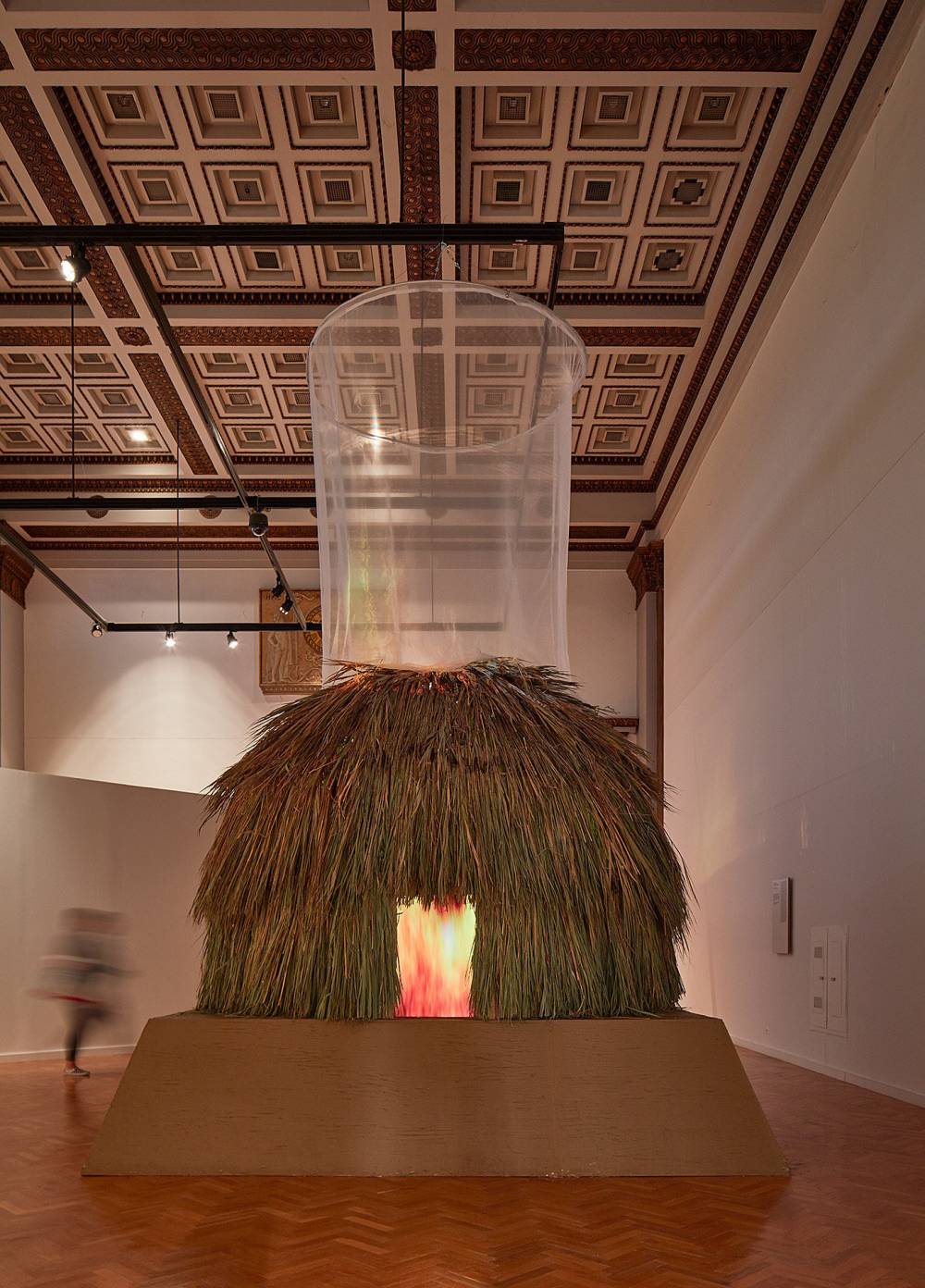
When rewatching old artist talks of AO Roberts in preparation for our conversations I came across a quote of theirs: “I have so much to say but I don’t want to tell you anything at all.” There’s a tension within Roberts’ work between revealing and obscuring, a generosity to the viewer as well as a distrust. AO Roberts is a Winnipeg-based multidisciplinary artist working in sculptural installation and sound. They have also performed in numerous noise projects and punk bands such as Wolbachia, Kursk, Hoover Death, and VOR. During the winter of 2022, I chatted with Roberts several times on Zoom, myself…
Read More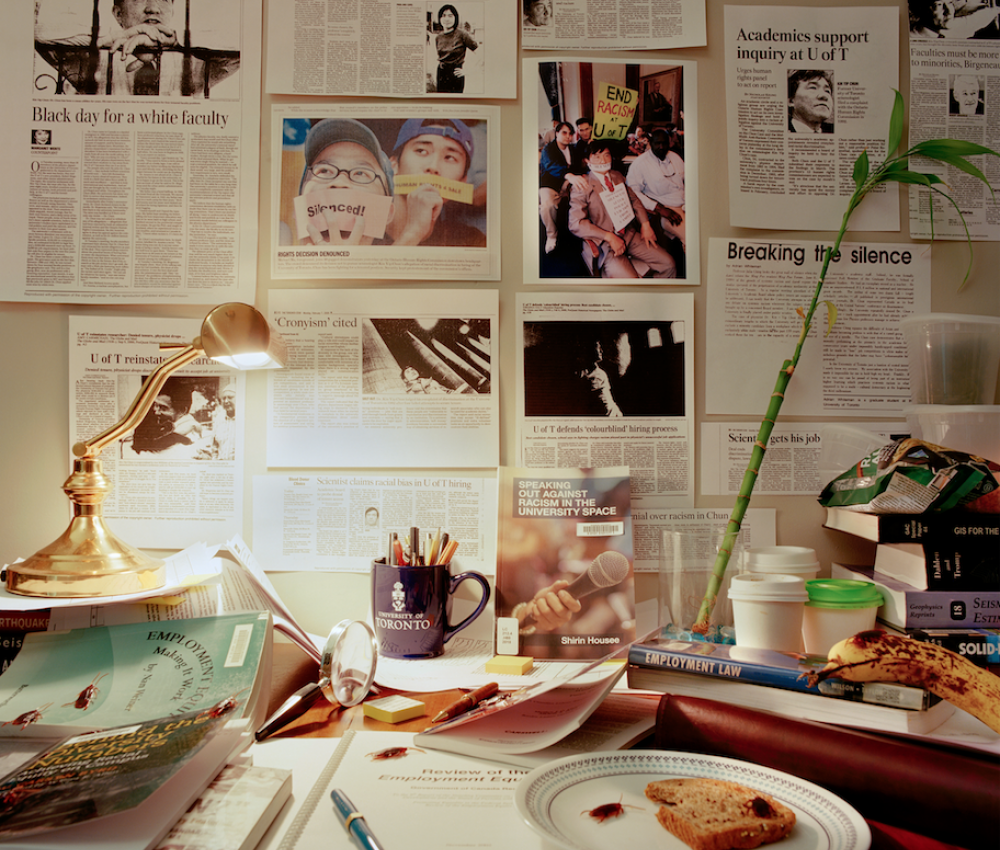
Personal archives, public imperatives: in conversation with Zinnia Naqvi
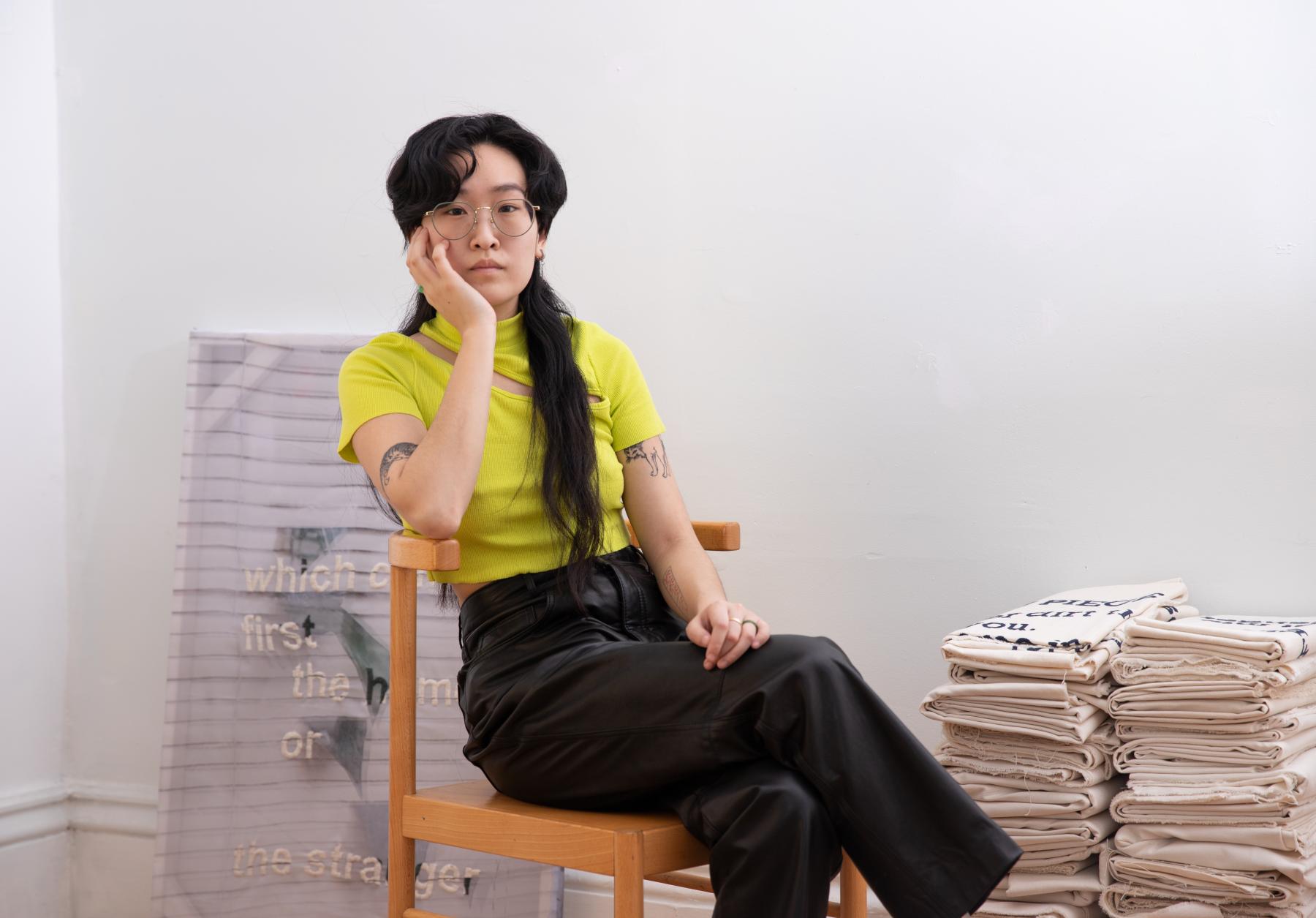
Lens-based artist and filmmaker Zinnia Naqvi and I met by chance during the 2023 Mayworks Festival where she presented The Professor’s Desk (2023), a project that told the stories of four cases of discrimination in Canadian universities. At the time, I was a Teaching Assistant at OCAD University and the outgoing Executive Director of Graduate Studies for the OCAD Student Union; the name of Naqvi’s exhibition piqued my interest due to my political involvement with the institution and my desire to research and work toward better futures for students and faculty. Part of my job was to navigate and mediate conflict, to…
Read More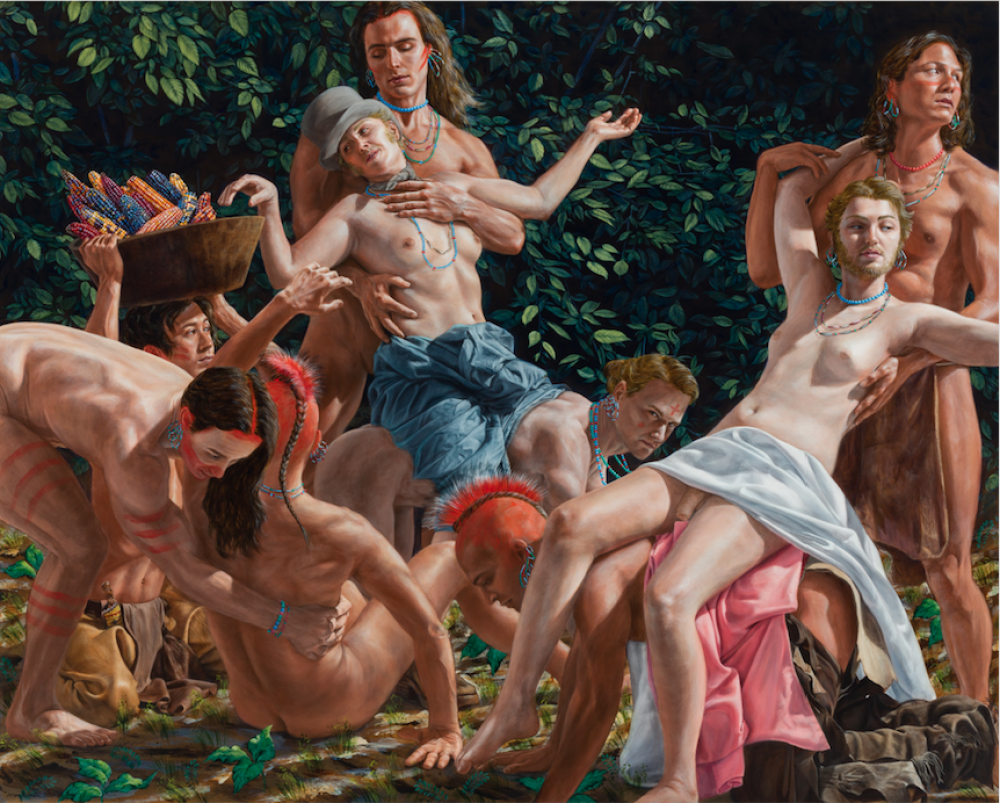
Living as a Life Model
Many of the first naked bodies I saw were adult, varied in fitness and age. Luck and interest brought me to a public high school where we drew from life. Life drawing is a record of concentration that flattens judgement and connects eye to hand, hand to subject. At the same time, live models – as opposed to bowls of apples – make their vulnerability known with their tremors, heartbeats and blinking. For myself and my teenage classmates, these bodies awakened our sensitivities without activating our anxieties. Drawing was an uninstructed period of observation, a peaceful break in the alarm…
Read More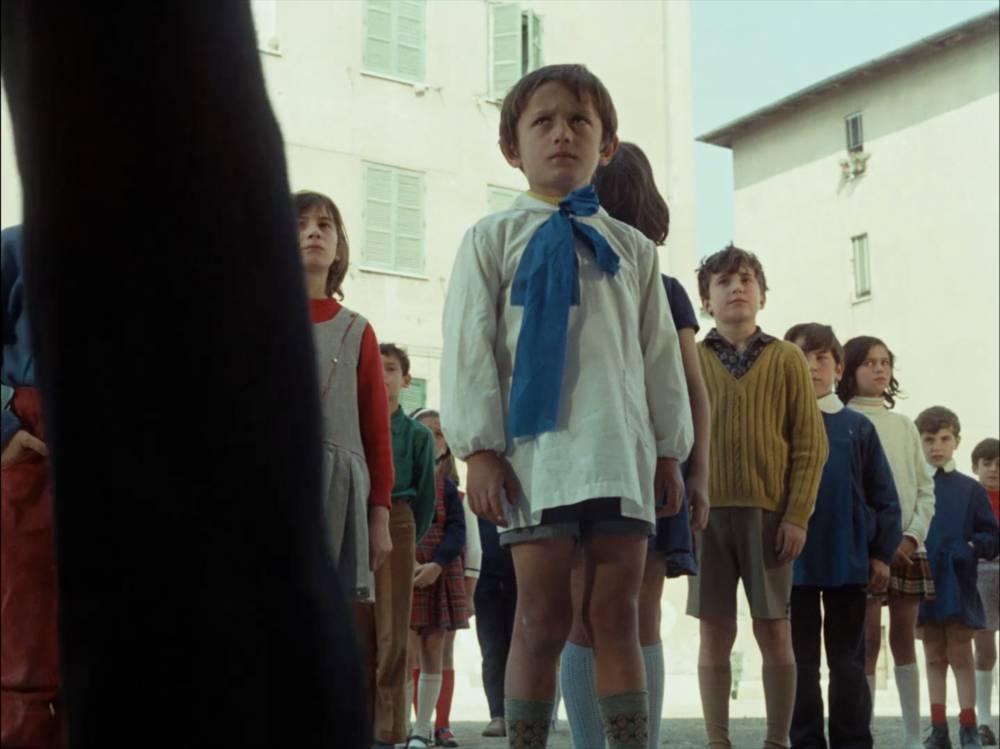
Refuse to Refuse: A 1973 revolutionary children’s film invades the present
Children can represent both truth and rebellion.* —Chiara Bisconti, child viewer of La torta in cielo, written response to the film, 1973 I am a militant of the workers’ movement who is trying to make cinema and I intervene in a disorderly way. —Lino Del Fra, director of La torta in cielo, personal correspondence, 1974 In 1973, Italian communist film director Lino Del Fra and his constant collaborator Cecilia Mangini released a children’s film, La torta in cielo (The Cake in the Sky), that was also a satirical antiwar film, in which liberation takes the form of an enormous flying cake. The film was…
Read More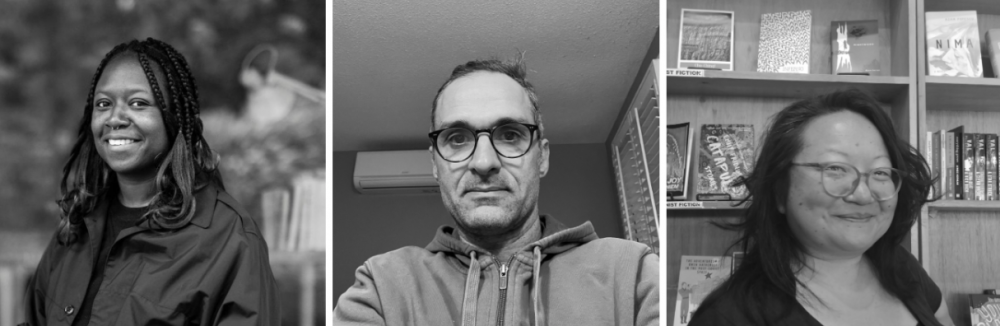
2024 Editorial Residency
Public Parking is delighted to announce the writers involved in our editorial residency for 2024. For this program, we aim to work with thinkers who are adjacent to or outside the realm of the arts as part of Public Parking’s ongoing efforts to broaden the scope of ideas we feature and the communities we reach. This project invites guest editors to be residents at Public Parking over an extended 12-month period. Throughout this time they will work with our team to publish a series of either self-written or programmed texts. We are glad to welcome editorial residents eunice bélidor, Tammer…
Read More