

Archive
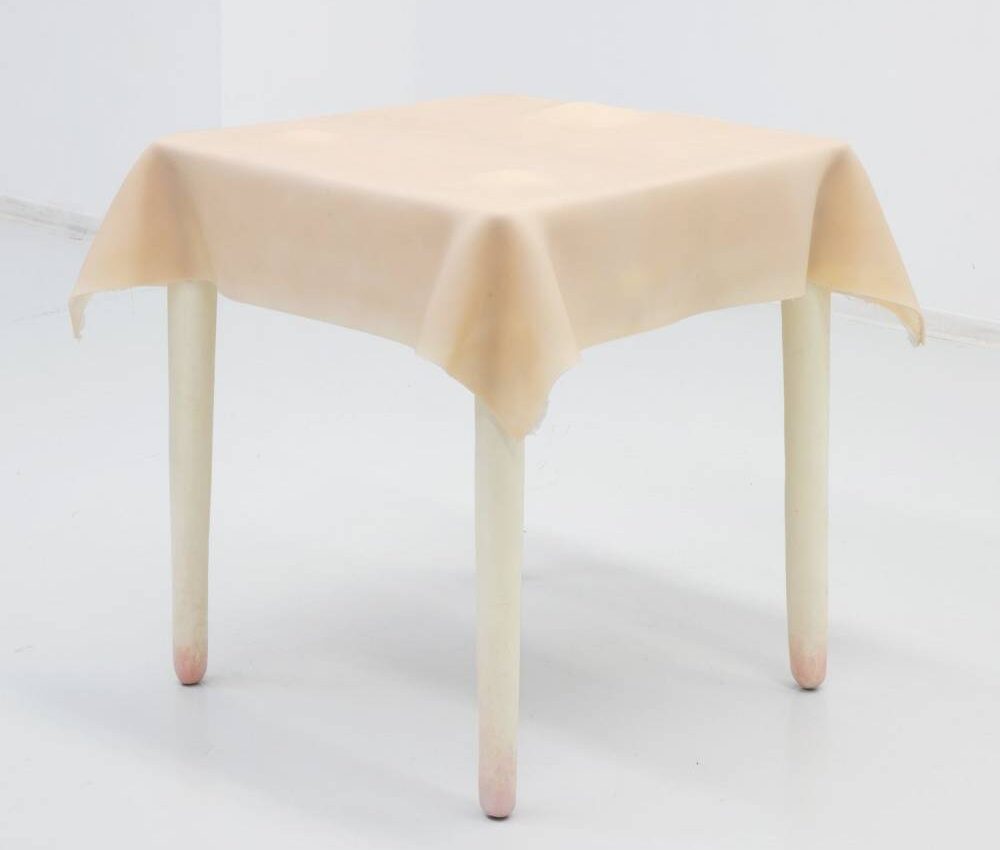
I’ll make jokes when I die: in conversation with the artist Diyar Mayil
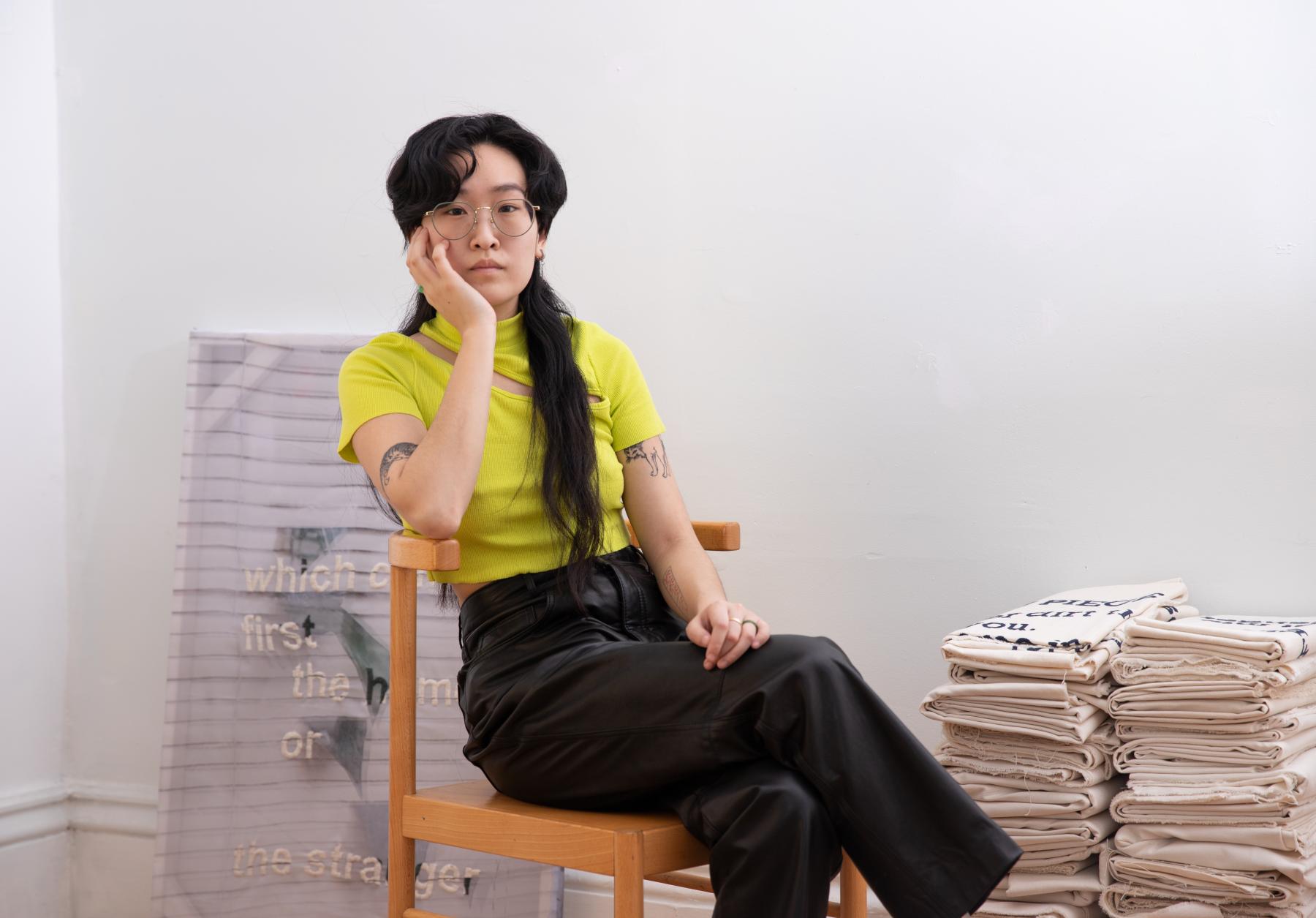
iyar Mayil is a sculptor who lives in Montreal and is originally from Istanbul. This is an incomplete list of materials found in her work: cherry wood, silicone, ceramic, salt, brass, battery-operated motor, latex, glass, gold, raw silk, aluminum, hair, velvet, satin, PVC, rubber. Most of her sculptures take the form of household objects and are titled to reflect this: “Dustpan”, “Medicine Cabinet”, “Mop”. They are tables, clocks, beds, brushes, books. Sometimes these objects get put into motion in performances. Although they are, in contour, ordinary objects, Diyar’s sculptures are designed to be weird: the mop is made of glass,…
Read More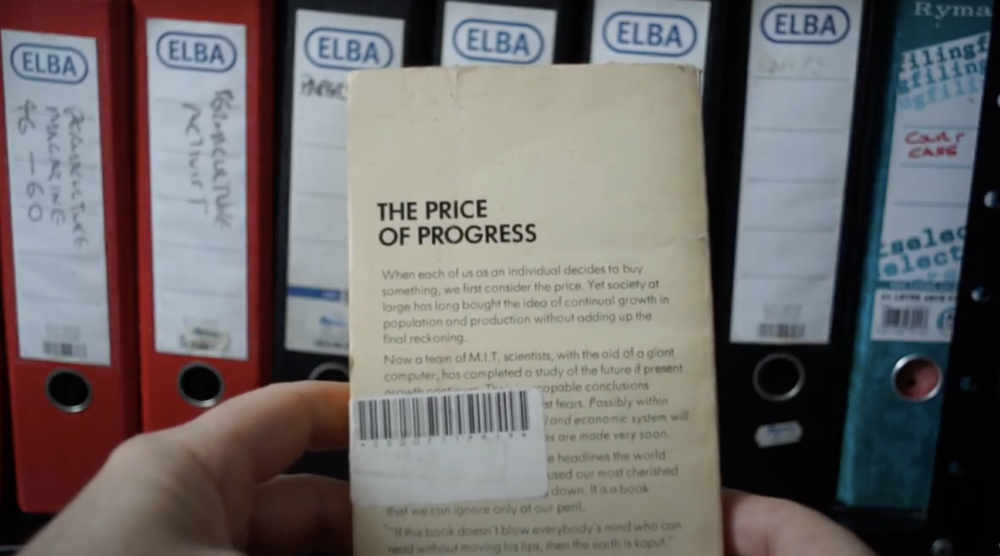
How degrowth and artist agency can revitalize the art world
In 2018 José Freire of Team Gallery announced through Artnet that he was “quitting art fairs” citing the corporatization of the art world. Degrowth, as it has been proposed to western markets and production is a clear plan, it’s the psychology that cripples its application in a growth-based society. Over the past year multiple significant New York galleries that have been in business for over 10 years have announced closures. These announcements come via social media as clients, dealers, and artists all take part in adding a “thank you”, broken heart emoji, or a preemptive “looking forward to the next…
Read More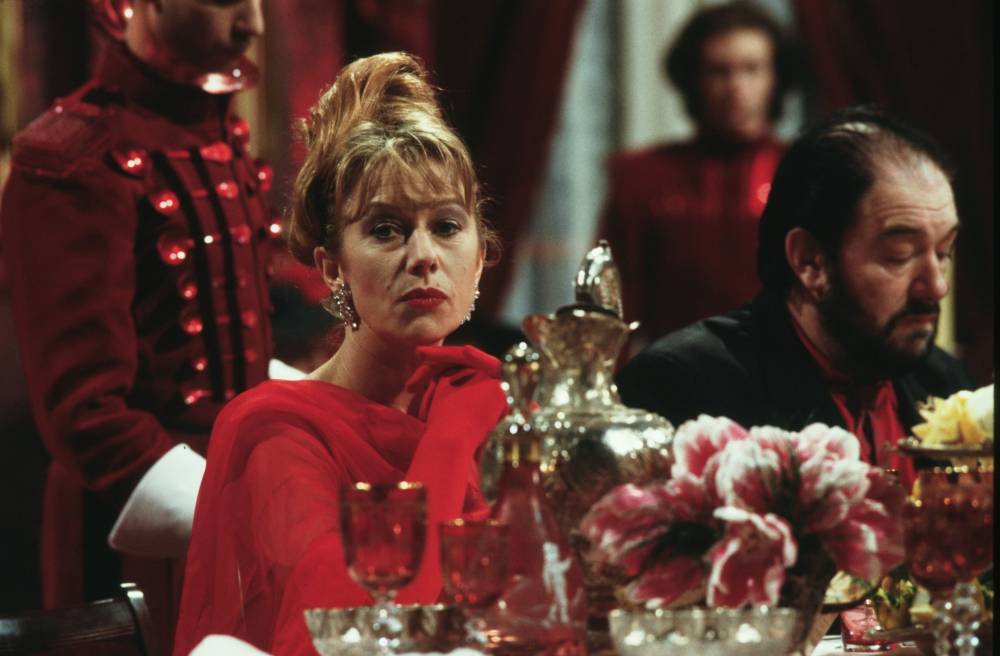
Memorial Across Seven Actions
The aftereffects of violent deeds – abuse, genocide, sexual assault, extractions of labour, property, and resources – travel through time and space. Neuroepigenetics researcher Isabelle Mansuy suggests, “adverse extreme experiences in childhood can modify the body so much that it can have imprints or traces even in reproductive cells.”1 These acts burrow inside human DNA strands, and our descendants may never escape their echoes. When it comes to music, chord progressions, notes, and melodies linger as well, finding their way back into the current moment, as if to confirm Carlo Rovelli’s observation of Newton’s laws: “there is no distinction between past…
Read More
Choked Up: Innocence, Silence, and ‘Imperfect Solidarities’
In the YouTube caption to her music video “Stick of Gum,” the Palestinian-Canadian recording artist Nemahsis (Nemah Hasan) tells her audience it’s a love song: “what more can I care for than where I come from and who I come from?” The tempo of the song and video builds gradually. The opening frame is an intimate scene of the musician sitting beside an older female relative on a balcony in Jericho. As the camera pulls back, a web of laundry lines on the roof comes into view, and Hasan joins in taking down the socks and dish towels. The video,…
Read More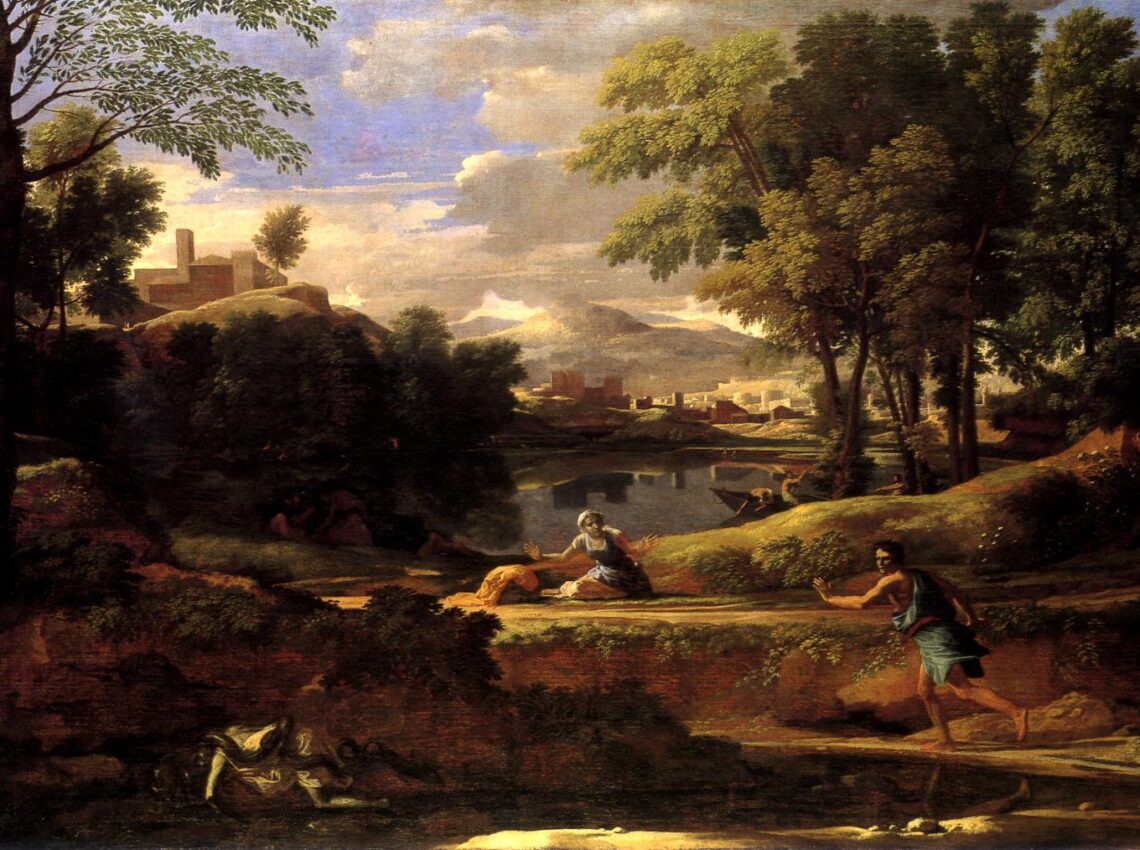
“Death in the Family”
The following piece contains material that may be especially distressing for some readers. Reader discretion is advised. The Belleville Club at 210 Pinnacle St. is closed, but I’m two weeks late for S’s celebration of life here anyway. I found a dive bar around the corner to sit down and get this started. There’s a small pile of thick dust beside my tall glass of Coke, but the spill on the first table I tried was still tacky, so I think I made the right choice. I wonder if S was ever here. I wonder how many times he walked…
Read More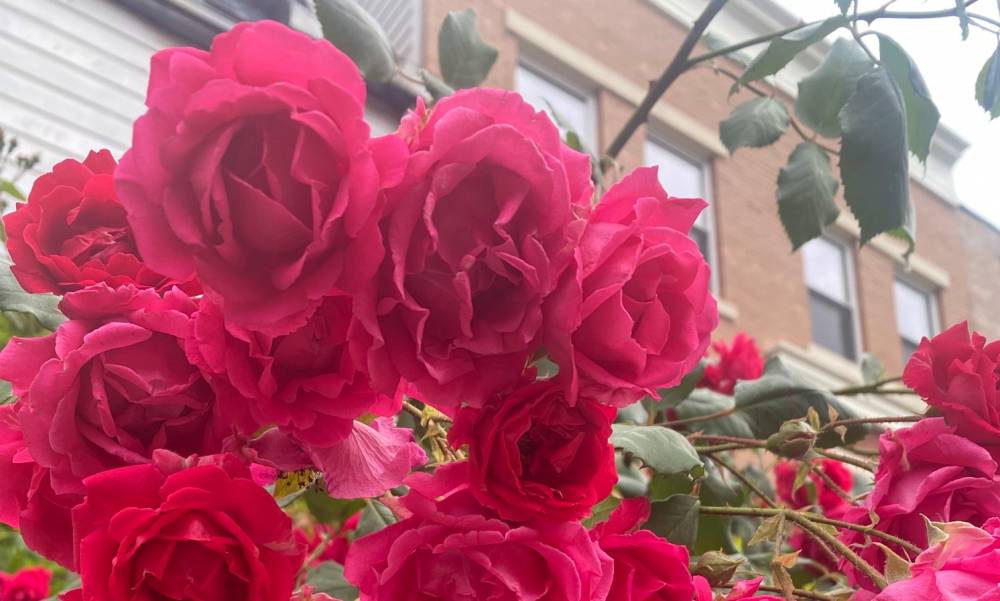
A preparation ground
1. Perennial Lasting or existing for a long or apparently infinite time; enduring or continually recurring —OED Online Since moving to New York a few years ago, my mornings have become about keeping time or being on time. I wake up at 6:00am, go to the gym at 7:00am, get back home at 8:00am, shower at 8:10am, drink a cup of coffee 8:30am, get ready at 8:45am, and leave my apartment at 9:15am. I walk the same route each morning turning left once I am out the house, then a slight right at the end of the road and then left again where I…
Read More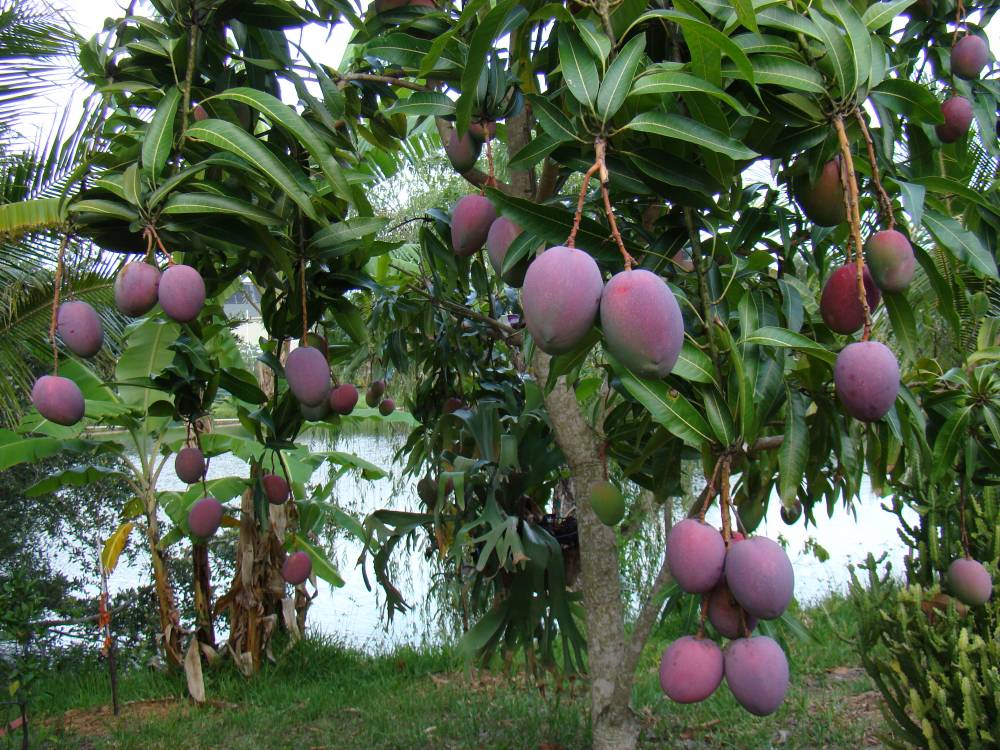
Purple Mangos
Bamboo traps are used for catching fish. When you get the fish, you can forget the trap. Snares are used for catching hares. When you get the hare, you can forget the snare. Words are used for catching meanings. When you get the meaning, you can forget the words. How can I find someone to talk to who has forgotten the words? — Zhuangzi Elee sat up in bed. It was just before dawn, our third day in the hospice. Outside, the sky was washed with grey. I had been awake for a while, sitting in the chair next to the…
Read More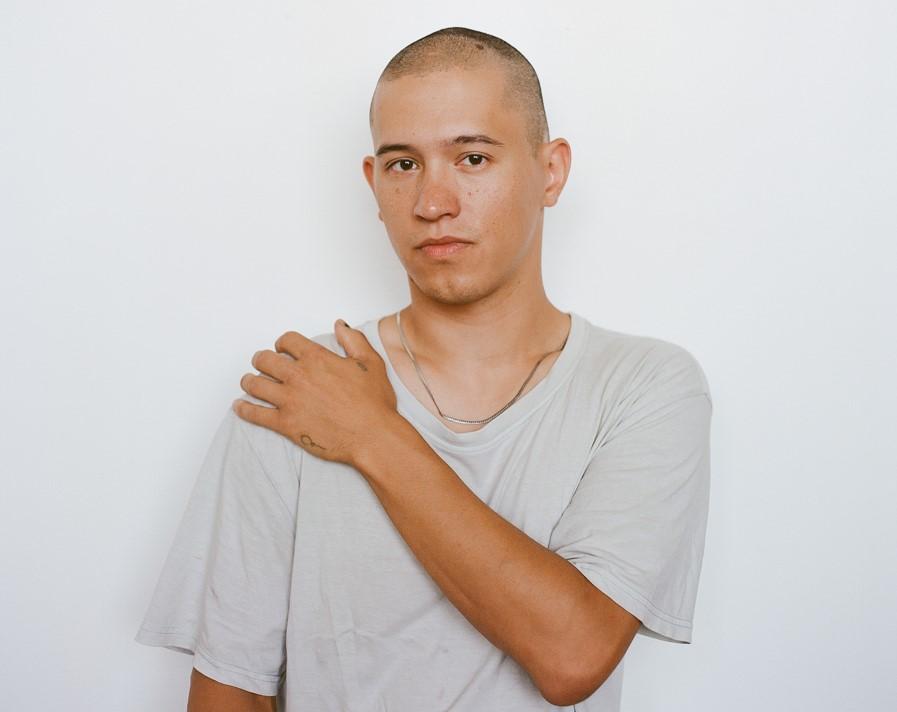
A better alternative than loneliness: in conversation with artist Simon Fuh
Summer last year artist Simon Fuh built a custom speaker stack, made one failed attempt, and then a successful one, moving the speakers out to the banks of Toronto’s urban ravine system for an all-night rave. The rave was to follow in the lineage of a series of studio parties he threw in his hometown, Regina, in 2019, and SUGARLOAF, a party he organized under the Bloor Viaduct in Toronto, with Pumice Raft in 2022. The night of the first attempt, following an infamous rainout, he and friends moved the speakers back to his shared studio in The PATH—an underground…
Read More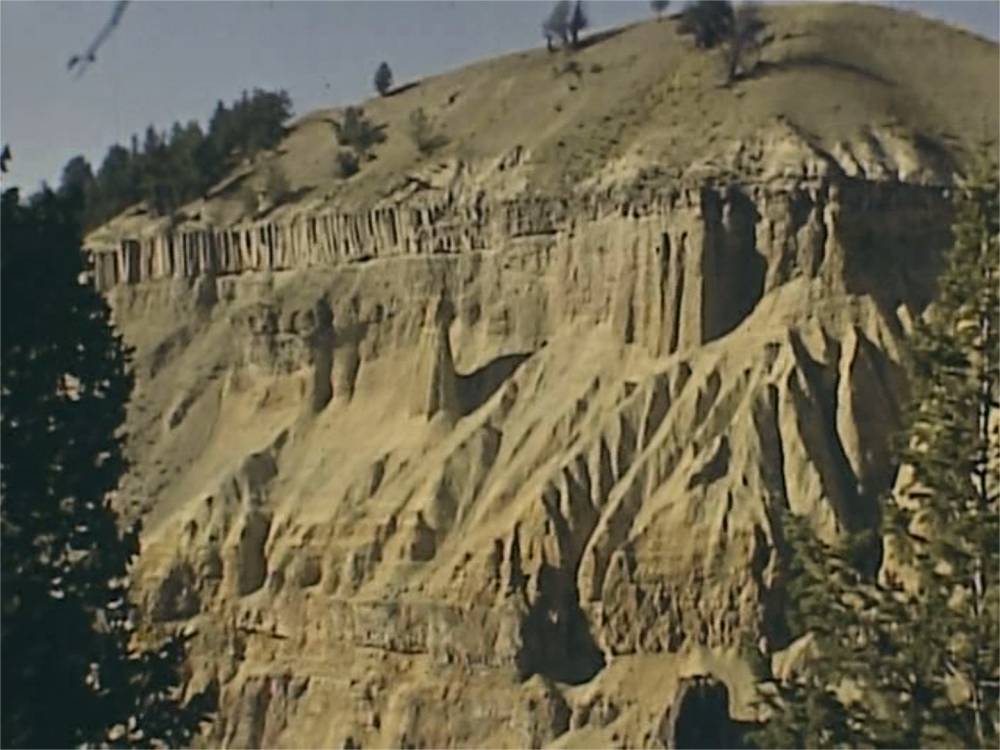
Spatial Being, Temporal Harvest: in conversation with filmmaker, Courtney Stephens
“Almost all things beckon us to feeling, and turnings send wind-messages,” wrote poet Rainer Maria Rilke. “Who tallies what we do? Draws us away from the old abandoned years?” To tally––in other words, to compute––is a particularly finite act. It precludes being, produces mere information, and deals in the discrete and the objective. It processes those former years, that “everything,” as an object of data and deduction. What we do, however, is quite un-computable; it is those old abandoned years that we remember, at once a collection and a collecting, a process in flux rather than a stable object. It…
Read More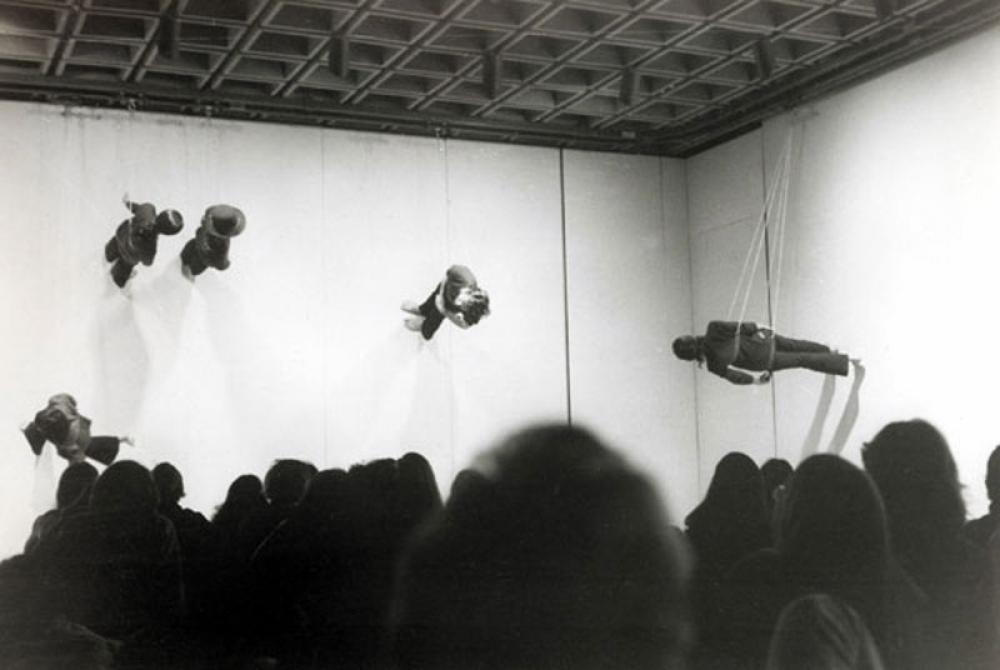
Erratic Behaviour
Everyone has a different perspective and tolerance to workload. My vision of the art world has changed over the ten years I’ve been contributing to it. While it has a lot of positive aspects (or else I wouldn’t work in this field), I feel like it is based on idealized beliefs and unhealthy work ethics. If you’re employed by an institution, you’re expected to work full-time and visit exhibitions/attend openings in the evenings or weekends. There isn’t a lot of flexibility in terms of schedule and the pay rarely makes it possible to work part-time. I always had a good…
Read More